
Now Reading: Best Things to Do in Krabi Thailand: Beaches, Islands & Adventures
-
01
Best Things to Do in Krabi Thailand: Beaches, Islands & Adventures

If your dream trip is equal parts postcard beaches, emerald-blue water, dramatic cliffs, and easy day trips by boat, Krabi belongs at the very top of your list of Things to Do in Krabi Thailand.
This southern Thai province on the Andaman coast is widely celebrated for its beautiful beaches and islands, blooming marine life, and a landscape of limestone cliffs that has made Krabi a global magnet for outdoor lovers.
What makes Krabi feel so “tropical-paradise perfect” is the way everything stacks together in a compact region: you can start the morning on a beach, spend midday hopping islands over clear water, and finish the day with a sunset viewpoint or a night market feast.
The Tourism Authority of Thailand highlights Krabi’s variety: hot springs, sea caves, coral reefs, wildlife, and iconic island parks that include places like Koh Phi Phi, which is exactly why planning Things to Do in Krabi is more about choosing what to prioritize than trying to find enough activities.
This guide follows your outline and goes deeper: the best beaches, the best islands, and the best adventures, plus practical travel tips, a ready-to-use itinerary, and extra ideas for couples, kids, and families so your Krabi trip feels effortless and unforgettable.
Why visit Krabi
Krabi’s biggest selling point is that it offers the energy of Thailand’s famous beach scene without requiring you to center your entire trip around nightlife.
Many travelers use Ao Nang as a lively, convenient base, with restaurants, shops, and boat tours. They then escape to quieter beaches and islands within minutes.
Ao Nang is even described by Thailand’s tourism authorities as a tourist hotspot and a jumping-off point to nearby islands reachable by rented boat, which is exactly how most Krabi trips work in real life.
Just as importantly, Krabi is one of Thailand’s rare destinations where you can combine three different “vacation styles” in one place:
Relaxation is easy because Krabi has multiple swimmable beaches and island beaches with clear water.
Adventure is built in because the limestone landscape draws rock climbers from around the world, and the coastline is set up for kayaking, snorkeling, and diving.
Nature experiences are genuinely special, from warm-water forest pools (Emerald Pool) to hot spring waterfalls.
Krabi also suits almost every travel style. Couples can plan romantic boat days and sunset dinners; families can choose calm beaches and short, kid-friendly excursions; solo travelers can base themselves in Ao Nang or Krabi Town and join group tours with ease. Krabi is designed around day trips and shared experiences.
Best time to visit Krabi (seasonal overview)
Most travelers aim for November through April because sea conditions are typically calmer and rainfall is generally lower, which makes island hopping more reliable.
This lines up with Thailand’s broader seasonal pattern: the southwest monsoon (roughly mid-May to mid-October) brings wetter conditions to much of Thailand, especially coastal areas, while the cooler/drier part of the year tends to fall later in the calendar.
In plain planning terms, for Things to Do in Krabi Thailand:
From November–April, you’ll usually get better beach days and smoother boat rides, which is why it’s considered the main high season.
From May–October, you can still have great experiences (often with lower prices and fewer crowds), but you should expect more frequent rain bursts and the possibility of rough seas affecting certain routes.
One more important seasonal note if Phi Phi is on your list: Thai authorities have used temporary closures of Maya Bay and nearby areas (often August 1 to September 30) for ecological rehabilitation and monsoon safety, so if Maya Bay is a priority, plan around that window and confirm current rules close to your travel date.
Top beaches in Krabi
Krabi has many beaches worth seeing, but if you’re prioritizing the most iconic Things to Do in Krabi, these three belong at the top because they give you the “Krabi signature”: cliffs + turquoise water + quick access to adventures.
Railay Beach
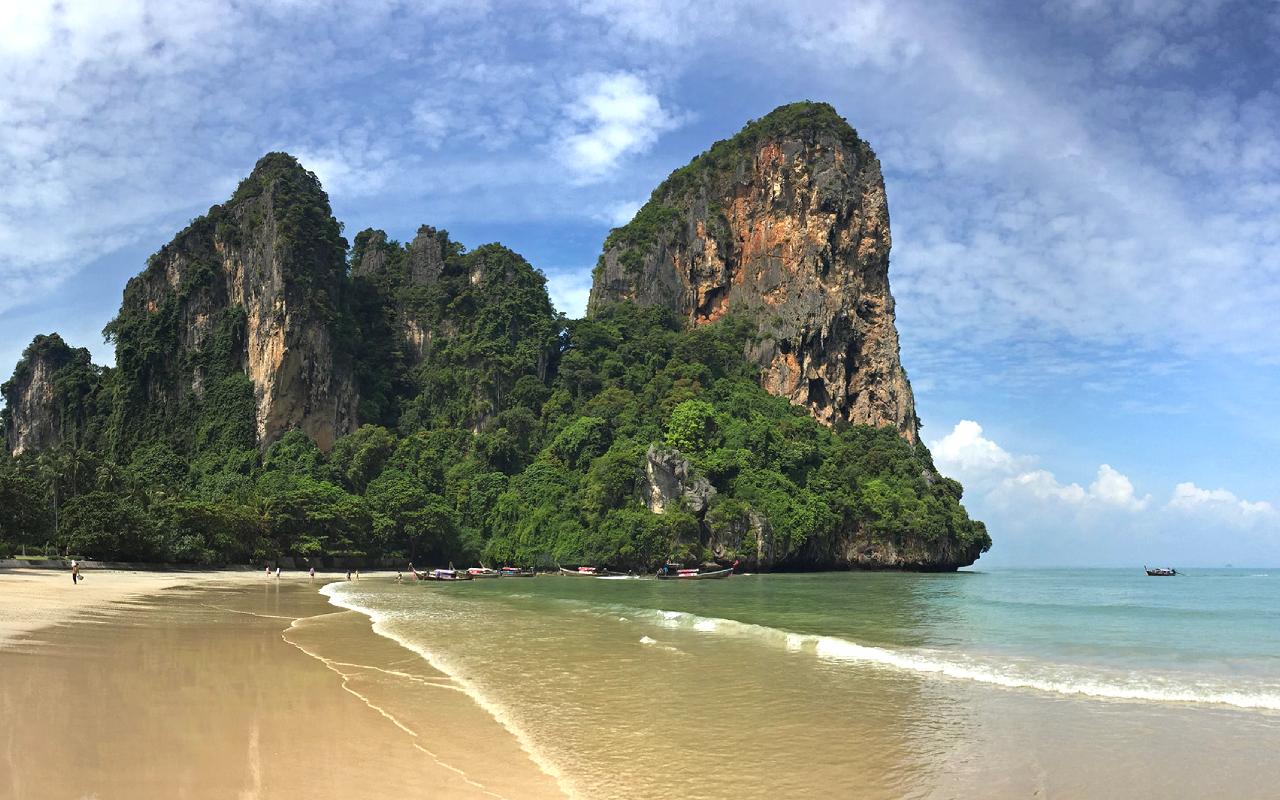
Railay Beach
Railay (also spelled Rai Leh) is one of the most famous coastal areas in Krabi for a reason: it’s a small peninsula boxed in by dramatic limestone cliffs, creating that “private paradise” feeling.
Those cliffs are not just scenic. Railay is internationally known for rock climbing, and the landscape is part of what makes Krabi distinct from other beach destinations.
A defining detail that shapes your whole visit: Railay is accessible only by boat because the surrounding cliffs cut it off from road access. That boat-only arrival is part of the magic (and it’s why many travelers take a longtail boat day trip here even if they’re staying elsewhere).
What to do at Railay (beyond swimming). If you want classic Things to Do in Krabi Thailand, in one place, Railay delivers: short jungle paths between beaches, viewpoint hikes, and climbing lessons that can be tailored to beginners or advanced climbers.
Many climbing operators explicitly offer courses for all levels on the Railay and Tonsai cliffs, making it realistic to “try climbing once” even if you’ve never climbed outdoors before.
Ao Nang Beach
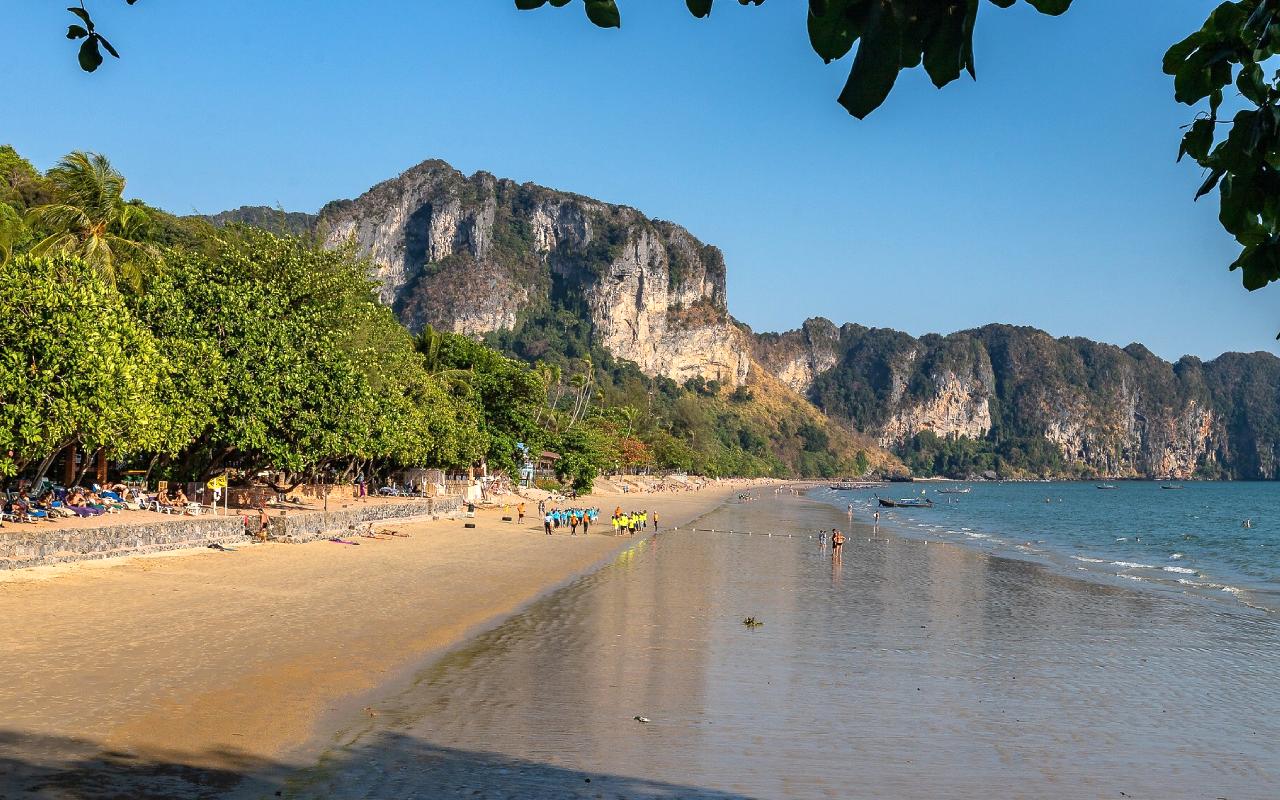
Ao Nang Beach
Ao Nang is often the practical heart of a Krabi itinerary. Thailand’s tourism authorities describe it as a tourist hotspot and also note that it sits within the broader national park area that covers key parts of the Krabi coastline.
Why Ao Nang is one of the best Things to Do in Krabi bases: you have beachfront hotels, easy access to restaurants and shops, and most importantly, boats you can rent to reach nearby islands like Poda and others offshore. It’s also positioned as a starting point for snorkeling and diving excursions in the surrounding waters.
How to enjoy Ao Nang well. Think of Ao Nang as your “hub beach”: come here for convenience, sunset walks, casual dining, and booking day trips. If you want a more relaxed swim-and-sunbathe day, many travelers mix Ao Nang with a quieter nearby beach (like Noppharat Thara, mentioned later in this guide) while still keeping Ao Nang as their main base.
Phra Nang Cave Beach
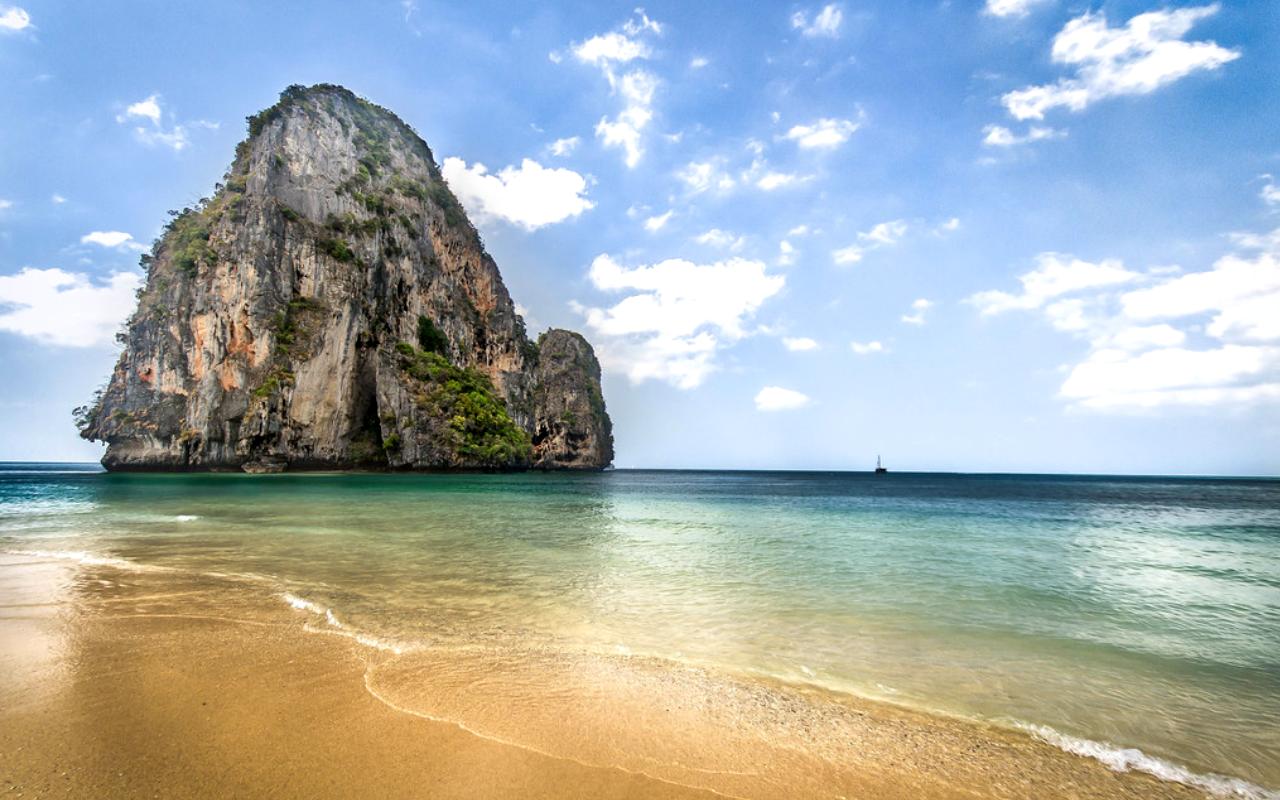
Phra Nang Cave Beach
Phra Nang (often visited via Railay) is one of those places that feels almost unreal: bright sand, clear water, and cliffs rising straight up from the beach. It’s also famous for its cave/shrine element, which makes it more than “just another pretty beach.”
The trail-end cave is home to the Phra Nang Cave Shrine, associated with local beliefs and offerings; it’s a cultural detail that travelers remember long after their trip because it’s so specific to the area.
How to plan your time. Phra Nang is best visited earlier in the day if you want a calmer feel. Many Railay day trips include time here. Bring water shoes if you’re sensitive to rockier patches near the cave area, and pack a dry bag if you plan to explore the edges of the beach or kayak nearby.
Extra beach worth adding if you have time: Noppharat Thara Beach
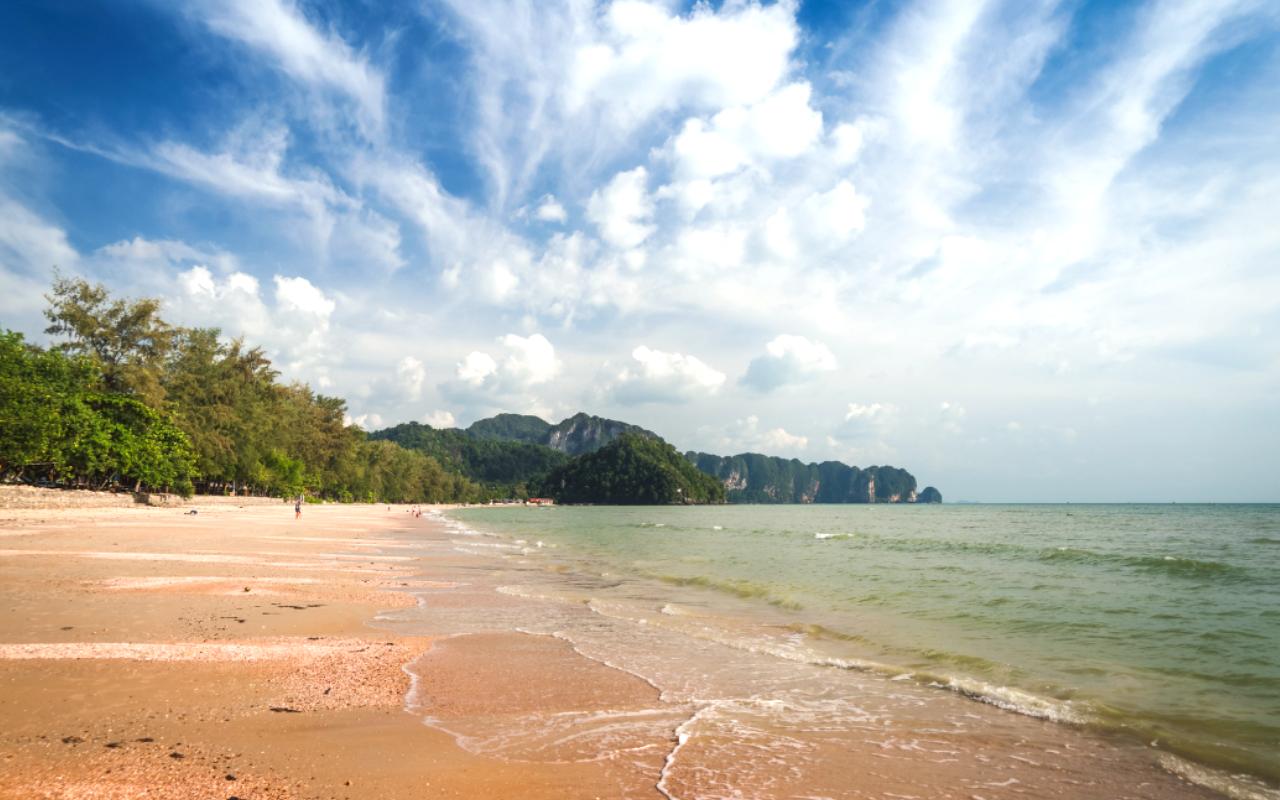
Noppharat Thara Beach
Noppharat Thara is part of the marine national park system, and Thailand’s tourism information notes specific visiting logistics such as daily opening hours and an admission fee structure. It’s an excellent “reset beach” if you want a less hectic beach day close to Ao Nang, especially for families who want space and a calmer pace between big boat excursions.
Best islands to explore in Krabi
Island hopping is not just an activity here; it’s the defining category of Things to Do in Krabi Thailand. The key is choosing islands that match your travel style: iconic “must-see” scenery, quieter lagoons, or short day trips with lots of variety.
Phi Phi Islands
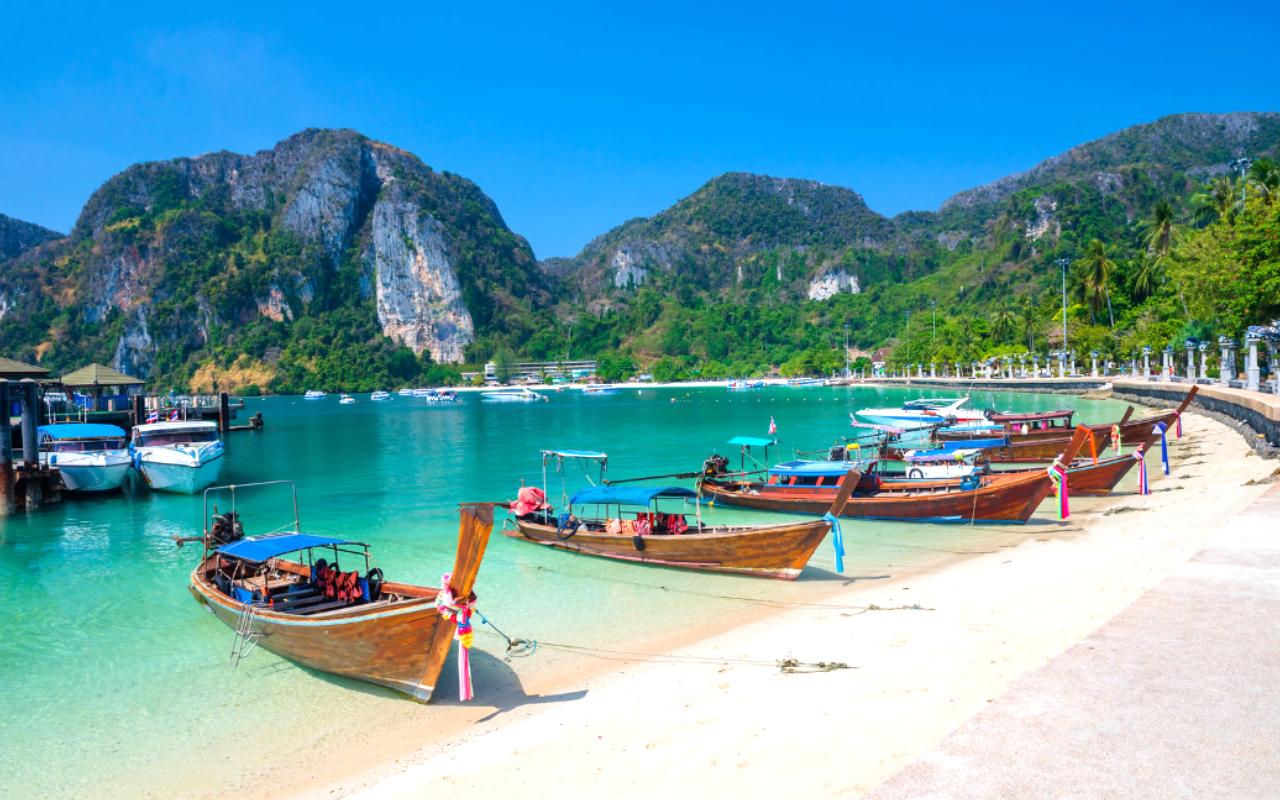
Phi Phi Island
The Phi Phi Islands are among the most famous island groups in Thailand, and they sit within the protected marine park region associated with Krabi. Thailand’s tourism authorities describe Phi Phi Don as the largest and central island with hotels, a pier, restaurants, and facilities, essentially the “base island” if you want to stay overnight.
Phi Phi Don’s signature geography is the twin-bay layout around Tonsai and Loh Dalum, which fuels the classic viewpoint photos and makes it feel like two different experiences on one island (harbor life vs. beach cove).
Maya Bay (Phi Phi Leh)
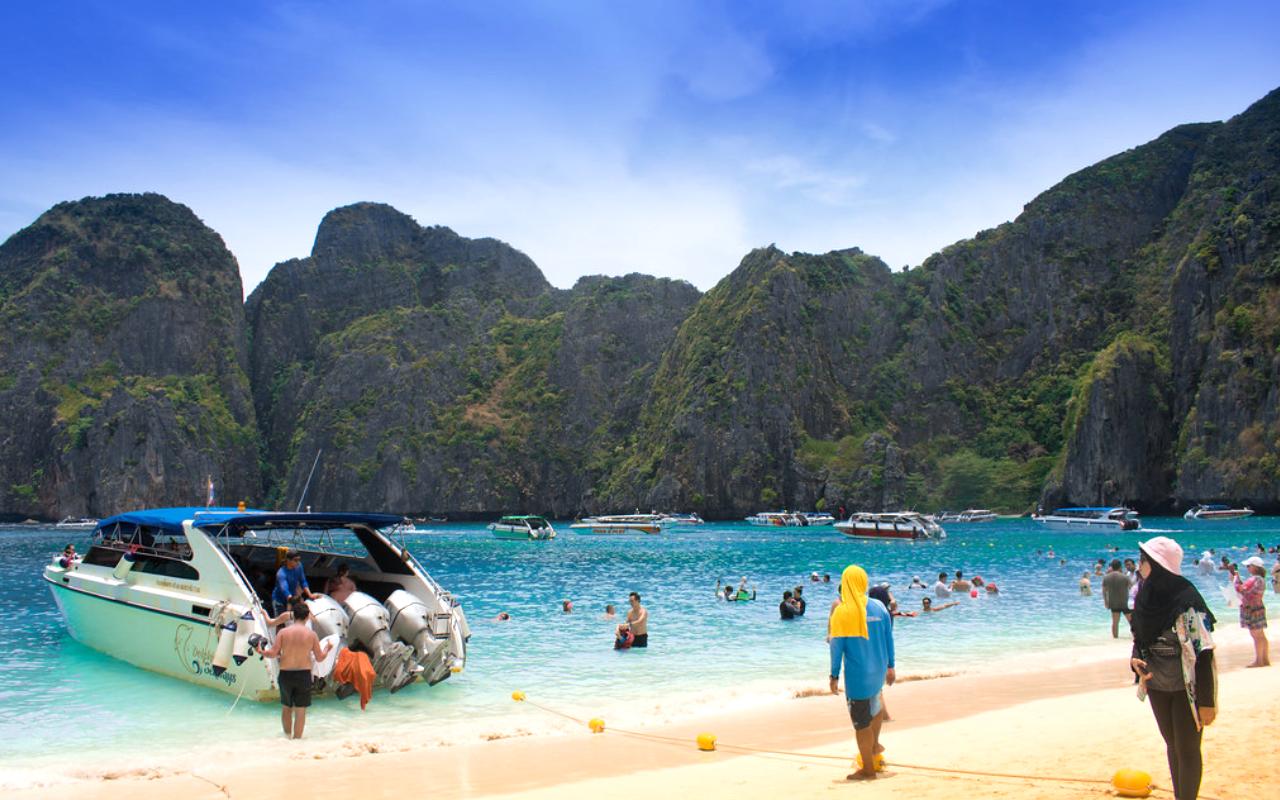
Maya Bay
Maya Bay, on Phi Phi Leh, became globally famous after appearing in The Beach. It’s also one of the most regulated stops in southern Thailand due to past over-tourism impacts and ongoing conservation management.
Travel guidance and local reporting emphasize that since reopening with stricter rules, boats typically access the area via Loh Sama Bay, and operators must follow instructions such as using designated buoy areas rather than bringing boats directly in front of the bay.
Equally important for planning: authorities have used seasonal closures (often August–September) for ecosystem recovery and monsoon safety. Thailand’s government PRD described a closure of Maya Bay, Loh Samah Bay, and Lo Ko Bay from August 1 to September 30 for rehabilitation and visitor safety during the monsoon season, reflecting a pattern you should plan around.
A practical takeaway: if Maya Bay is your “bucket list” moment, consider scheduling Phi Phi day trips outside August–September, and always confirm the current rules shortly before you go.
Snorkeling and lagoons around Phi Phi
One reason Phi Phi remains a top choice is the combination of limestone scenery and clear-water lagoons that are ideal for boat-based sightseeing and snorkeling. The broader Phi Phi marine park region is widely described as having white-sand beaches, coral reefs, clear waters, and limestone karsts, which is why it’s so popular for divers and snorkelers.
Hong Islands
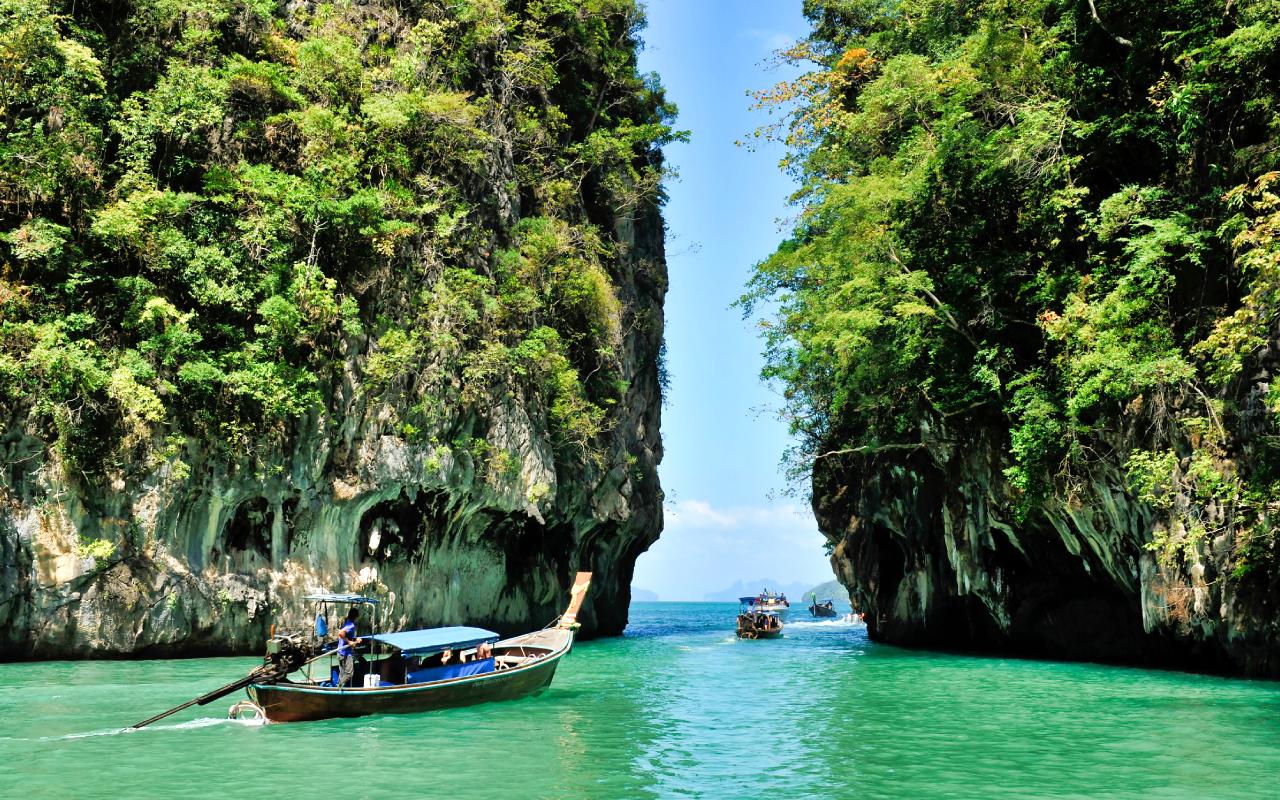
Hong Island
If you want a “softer, quieter” island day that still feels spectacular, the Hong Islands are a strong pick. Thailand’s tourism authorities highlight Ko Hong Lagoon (Thale Nai) as an emerald-green lagoon surrounded by high cliffs, with access for boats through a channel depending on sea level, exactly the kind of geography that makes Krabi island hopping special.
Hong Islands are also closely linked with kayaking experiences: calm waters, hidden corners, and a more relaxed vibe than the most famous hotspots. For many travelers, that “less crowded feel” is the whole point of choosing Hong as a top entry on the Things to Do in Krabi list.
Plan around national park logistics. Ko Hong is part of Than Bok Khorani National Park, and Thailand’s tourism information lists an admission fee structure and identifies Ko Hong as a place of interest. This means you should expect national park rules and fees, and bring cash to keep things simple on the day.
Four Islands Tour
If you only have time for one island day trip from Ao Nang, the classic Four Islands route is popular because it packs multiple iconic stops into one day.
A central highlight is Ko Poda, which Thailand’s tourism information describes as having white sand, clear water suitable for swimming, and coral reefs along parts of its coastline.
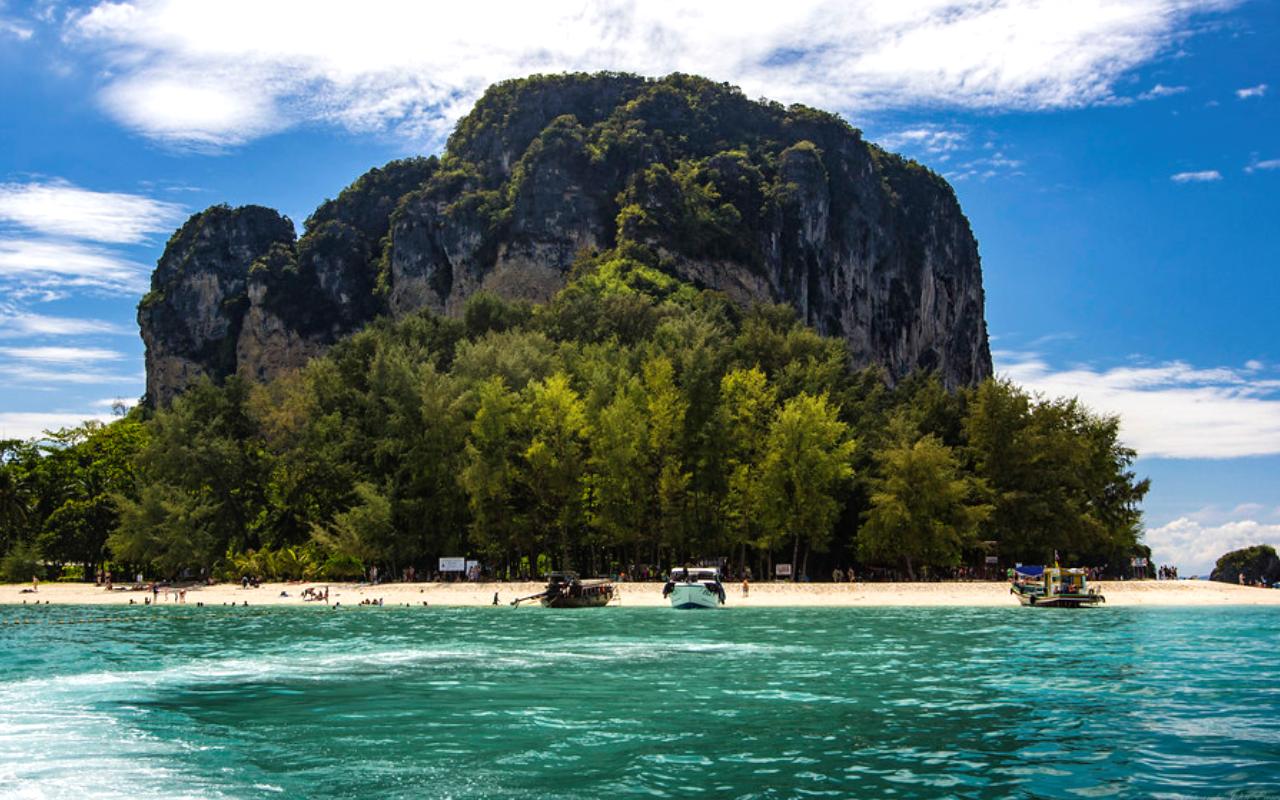
Ko Poda
It also notes that tour programs commonly organize a “4 islands” route that includes Ko Poda, Thale Waek (the separated-sea sandbar area), and Railay Beach, showing how these Krabi classics are often bundled together.
Thale Waek (Separated Sea) is the “walk-between-islands” moment many travelers come for. Thailand’s tourism information explains the phenomenon simply: as the tide recedes, a sandbar appears that visually “separates the sea” and connects islands at low tide.
Timing matters here; if you hit it at the right tidal window, this becomes one of the most memorable photos (and experiences) of your Krabi trip.
A quick reality check: the Four Islands Tour is popular, which means it can feel busy in peak months. The best way to upgrade the experience is to go earlier in the day, choose a smaller-group tour, or hire a private longtail boat if your budget allows.
Adventure activities in Krabi
When people talk about things to do in Krabi, Thailand, they often lead with “beaches and islands,” but Krabi’s adventures are just as defining. The landscape here is built for movement: vertical limestone cliffs, mangrove coastlines, and reef-filled waters.
Rock climbing at Railay
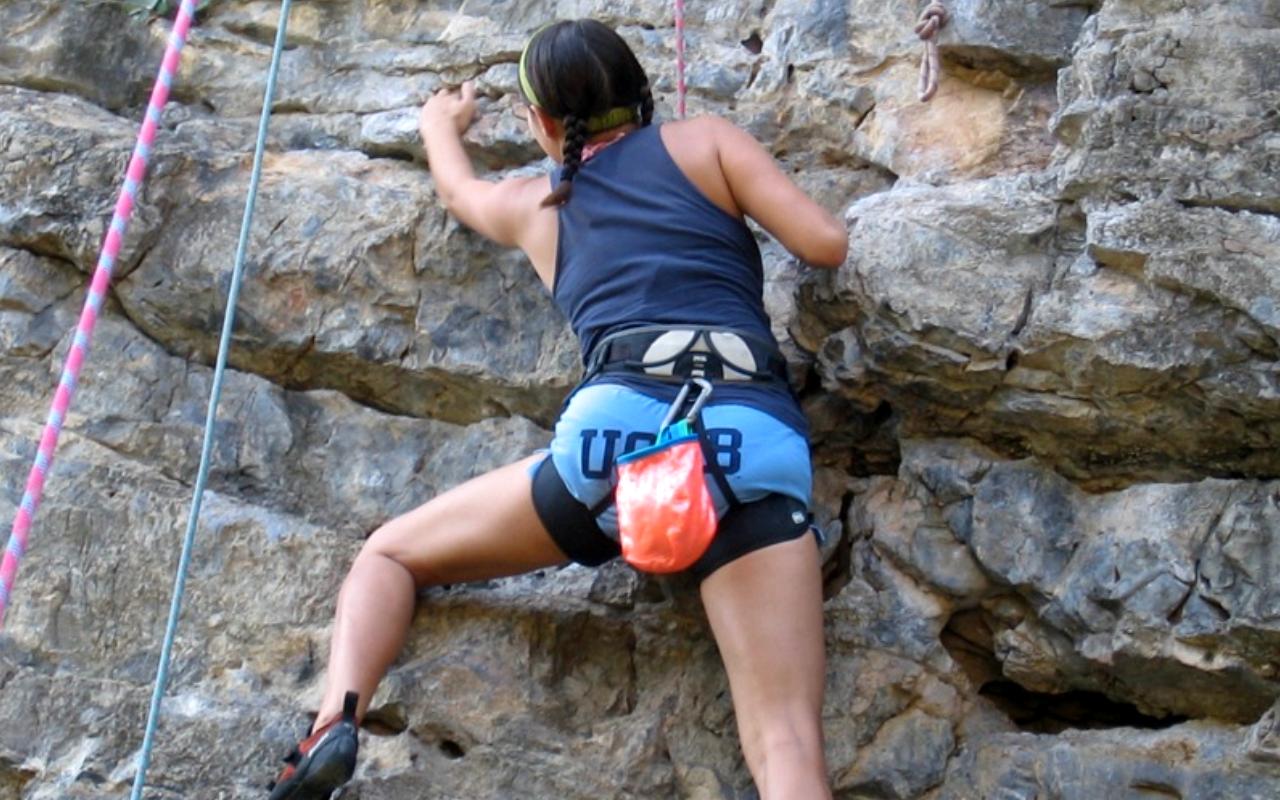
Rock Climbing
Krabi’s limestone cliffs are a major reason climbers travel here from around the world. Thailand’s tourism authority even flags Krabi’s limestone cliffs as an attraction that draws rock climbing enthusiasts, and Railay/Tonsai is the most famous area within that scene.
If you’re not a climber, Railay is still one of the best places on earth to try a first outdoor climb because local operators offer structured beginner sessions. Climbing schools based at Railay advertise guided packages across experience levels, meaning you can do a half-day “first climb” safely with instruction and gear provided.
Tips for first-timers: choose a morning session (cooler rock and less humidity), bring a light long-sleeve layer for sun protection, and don’t be shy about asking your guide for an easy introductory route. For experienced climbers, Krabi is known for sport climbing on limestone, but always check route conditions and current safety notes locally.
Kayaking through mangroves (Ao Thalane / Thalane Bay)
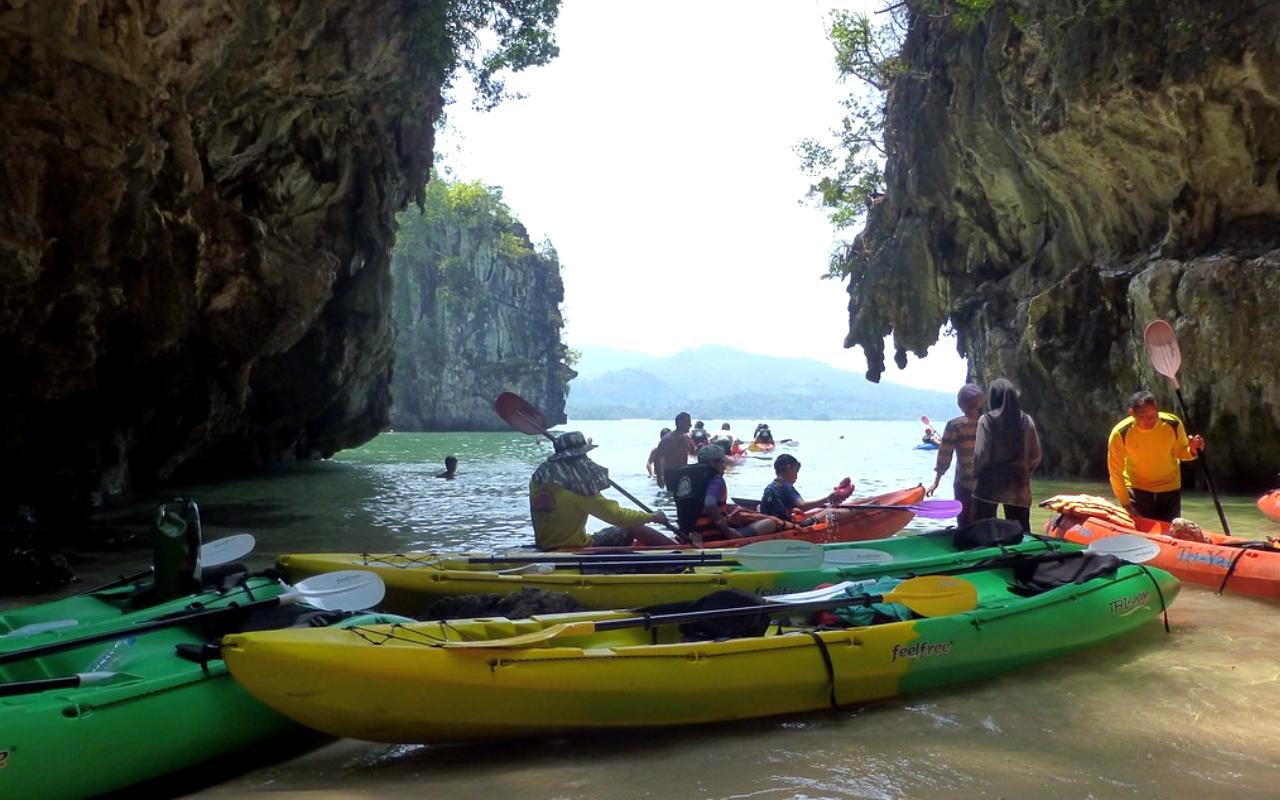
Kayaking
Ao Thalane is one of the best “nature adventure” entries on the Things to Do in Krabi list because it shows you a different side of Krabi than open beaches. Thailand’s tourism information points to Thalane Bay as a kayaking destination, including practical notes about route access from Krabi city center and common pricing ranges depending on tour programs.
On the water, the experience is shaped by mangrove channels, calm paddling routes, and dramatic cliffs, often with small caves and lagoon-like pockets depending on your route and tide.
It’s exactly the kind of half-day excursion that fits families and couples alike: active enough to feel adventurous, but not so intense that it takes over your whole day.
Snorkeling and diving
Krabi’s marine life is a major reason the region is so loved. Thailand’s tourism authority highlights Krabi’s coral reef vistas and positions the area as a strong spot for coral diving, while also pointing to flourishing coral reefs and marine life as signature natural attractions.
From Ao Nang, offshore islands are often promoted for snorkeling and diving due to coral reefs and colorful fish life, and Ao Nang is widely treated as the practical launch point for these kinds of trips.
For beginners, the easiest way to try snorkeling is via a day tour that includes equipment and a guide, especially if you’re not confident in open water.
For diving, consider a Discover Scuba program with reputable operators and always follow local marine rules (no touching coral, no feeding wildlife, and keep fins away from the reef). This isn’t just etiquette; it’s part of what helps keep Krabi’s reefs healthy for the next generation of travelers.
Unique experiences and things to do in Krabi at night
A well-rounded Things to Do in Krabi Thailand itinerary should include at least two non-beach highlights: one inland nature experience and one cultural climb or viewpoint. Then, at night, you’ll want at least one market evening for food and atmosphere.
Emerald Pool and hot springs
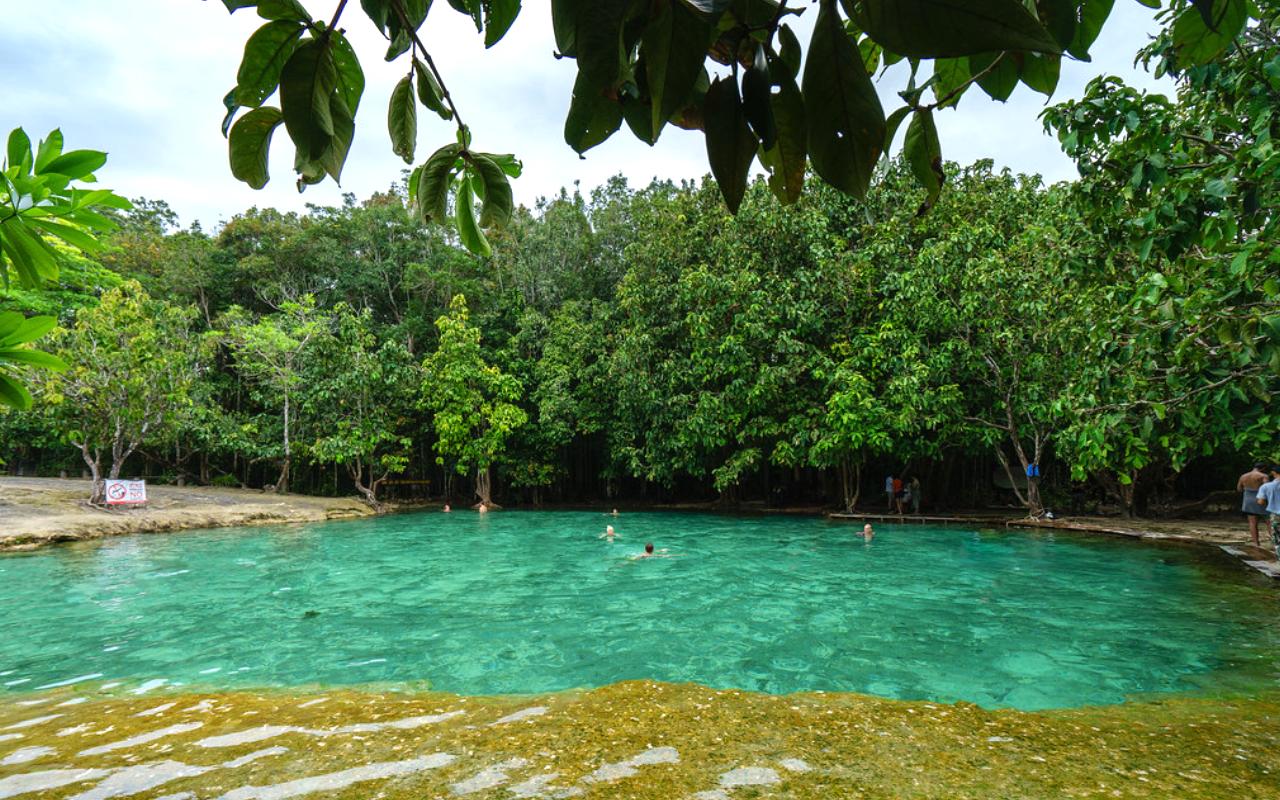
Emerald Pool (Sa Morakot)
The Emerald Pool (Sa Morakot) is one of Krabi’s most famous inland nature stops. Thailand’s tourism information explains that the area includes three pools (including Sa Kaeo and Sa Namphut), and notes that Sa Morakot has warm water and can appear emerald green; it also describes temperatures in the broader pool system in the range of about 30–50°C, depending on the section.
Most travelers pair Emerald Pool with a nearby hot spring waterfall experience for a “spa day in nature.” The Khlong Thom Hot Spring Waterfall is commonly described as a warm-water cascade system where mineral-rich water forms natural soaking pools, with temperatures often described around 40–50°C.
How to do it well: go earlier to avoid the biggest crowds, bring a towel and dry clothes, and treat it like a slow experience rather than rushing through. These are the kinds of Things to Do in Krabi that feel most rewarding when you allow time to linger.
Tiger Cave Temple (Wat Tham Suea)
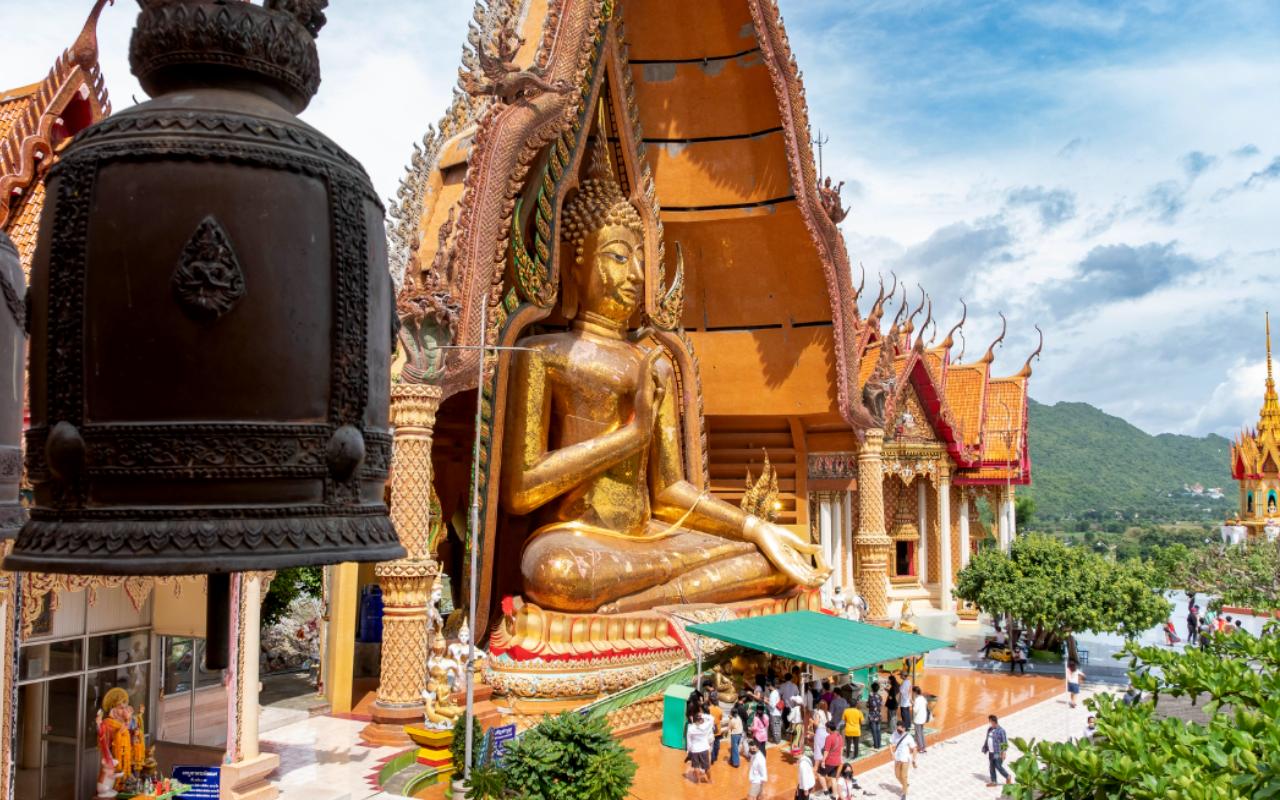
Tiger Cave Temple (Wat Tham Suea)
Tiger Cave Temple is one of Krabi’s most iconic cultural and scenic experiences: a working temple complex with an intense stair climb to panoramic views. Travel guides consistently report a staircase of about 1,260 steps to the summit viewpoint area, and it’s often described as steep and physically demanding. So plan water, good shoes, and enough time for breaks.
Even if you don’t climb all the way, the base complex is meaningful and atmospheric, and the entire visit is a reminder that Things to Do in Krabi Thailand are not only about beaches. Dress respectfully (covered shoulders and knees) and be mindful of temple etiquette.
Things to do in Krabi at night
Krabi evenings are easy and fun, especially if you focus on food, casual music, and markets rather than trying to “party hard” every night.
In Ao Nang, beachfront dining is a simple pleasure: sunset views, grilled seafood, Thai classics, and an easy stroll afterward.
In Krabi Town, the standout is the weekend-style walking street/night market scene. Thailand’s tourism authority lists Krabi Walking Street as a key attraction, and multiple travel references describe it as a lively evening spot for street food, shopping, and performances.
Market schedules can change seasonally, but Krabi Walking Street is widely described as a weekend market (commonly Friday–Sunday evenings), so if you enjoy food stalls and local vibes, it’s worth aligning one of your nights with a market evening.
You’ll also find night-market options around Ao Nang (often referenced as Ao Nang Landmark Night Market), which many travelers use as a budget-friendly dinner plan and sample many dishes, shop casually, and keep the night low-stress.
Travel tips for visiting Krabi and a sample itinerary
This section ties everything together so your Things to Do in Krabi plan becomes a real trip, not just a wish list.
Best time to visit (quick recap)
For the classic beach-and-boat experience, most travelers target November through April. Those months usually align better with calmer seas and easier island hopping, while the monsoon-driven rainy season (linked to the southwest monsoon) can make sea conditions rougher at times.
If you plan to include Maya Bay, remember that Thai authorities have recently used seasonal closures (often August–September), but travelers should confirm current rules before visiting.
Getting around Krabi
Most Krabi trips use a simple transportation formula:
- On land, you’ll likely use taxis/songthaews, private transfers, or scooters, depending on comfort and license/experience.
- On the water, longtail boats and tour boats are central to the experience. Thailand’s tourism information explicitly notes that boats can be rented from Ao Nang for island visits like Ko Poda, and that tour programs commonly run multi-island routes. So boat transport is built into how Krabi tourism works.
- Scooters are common for independent travelers, especially for inland locations like Tiger Cave Temple, though you should prioritize safety and only ride if you’re experienced. Travel guidance for Tiger Cave Temple notes scooter rental as a popular transport option, reflecting how commonly travelers choose it in Krabi.
Budget tips that actually work in Krabi
Small choices can make a big difference without lowering the quality of your trip:
- Eat one meal per day at a night market or local food court instead of restaurants; Krabi Town Walking Street is designed for exactly this kind of “try many dishes” dinner.
- Mix paid boat days with free beach days (Ao Nang or Noppharat Thara beach days between tours).
- If you’re traveling with friends or family, compare a shared tour vs. a private longtail boat, sometimes the comfort and flexibility is worth it when split among 3–6 people (especially for Four Islands style routes).
- Also, plan for national park fees. Thailand’s tourism information lists admission fee structures for specific parks and park-linked beaches (for example, Noppharat Thara Beach within the marine national park, and Than Bok Khorani National Park connected with Ko Hong), so you should expect protected-area fees in some locations and have cash ready.
What to pack for Krabi
Pack like you’re doing both beaches and mini-adventures:
- Light, breathable clothing and sun protection for boat days and beaches.
- A dry bag or waterproof pouch for phones on longtail boats and during island hopping.
- Water shoes for rocky beach edges and reefy entry points.
- Modest clothing for temples (covered shoulders/knees) if the Tiger Cave Temple is on your itinerary.
- Mosquito repellent for inland and mangrove areas, especially if you’re kayaking at Ao Thalane/Thalane Bay.
Sample 3–5-day Krabi itinerary
Below is an itinerary that hits the core Things to Do in Krabi Thailand, without feeling rushed. You can shorten it to 3–4 days by dropping Day 5, or extending beach time.
Day one: Ao Nang and beach reset
Arrive, check in, and keep the first day easy. Walk Ao Nang Beach, scout boat tour booths for the next days, and have a relaxed dinner by the beach. Ao Nang is widely positioned as the tourist hub and a prime base for island access, so this day is about setting yourself up for smoother tour days.
Day two: Four Islands tour
Do the “classic Krabi postcard day”: Ko Poda, the separated-sea sandbar phenomenon at Thale Waek if tides align, and nearby island stops. Ko Poda is described as having clear water for swimming and coral reef areas, which is exactly why it’s such a popular stop.
Day three: Hong Islands or Phi Phi Islands
Choose based on your travel style. If you want calmer lagoons and scenic kayaking vibes, choose Hong Islands and the emerald lagoon setting. If you want world-famous scenery and don’t mind crowds, choose Phi Phi (and set expectations about Maya Bay rules and potential seasonal closures).
Day four: Tiger Cave Temple and Emerald Pool / hot springs
Start early for Tiger Cave Temple (to beat the heat and crowds), then head inland for Emerald Pool and a hot spring soak. The Emerald Pool system is specifically described as warm-water pools in a forest setting, and the Khlong Thom hot spring waterfall is commonly described with warm soaking pools, perfect for a recovery day after boat trips.
Day five: Adventure day (climbing or kayaking)
Pick your adventure based on energy level. Try a beginner rock climbing course at Railay (Krabi’s signature adrenaline activity), or do Ao Thalane mangrove kayaking for a scenic, active half-day.
Railay’s climbing scene and Thalane’s mangroves are two of the most distinct “only-in-Krabi” experiences.
Best things to do in Krabi for couples
Couples often love Krabi because romance here is simple: scenery + water + sunsets. The most memorable couple-friendly Things to Do in Krabi usually include a private longtail boat day (choose Hong Islands or Four Islands), sunset at Railay or Ao Nang, and a night market stroll for dessert and souvenirs.
Hong Lagoon’s emerald water and cliff-ringed setting is especially “wow” for couples’ photos and quiet moments.
For a more meaningful shared challenge, climb Tiger Cave Temple together, and if you’re comfortable with stairs, celebrate at the top with panoramic views.
Best things to do in Krabi for kids
Krabi can be very kid-friendly when you choose the right pace. The most practical kid-approved Things to Do in Krabi Thailand are short boat tours (Four Islands with plenty of beach stops), calmer beaches like Noppharat Thara for space to play, and early-day mangrove kayaking if your kids are old enough to sit comfortably in a kayak (many tours are designed for families).
For animal experiences, prioritize ethics: World Animal Protection advises avoiding venues that allow close-contact activities like riding, bathing, or touching elephants, noting these generally require cruel training. If your family wants elephants, look for observation-focused experiences where elephants can behave naturally.
Best things to do in Krabi for family trips
Families often do best with a “one big excursion, one rest day” rhythm. A strong family set includes: Ao Nang as a convenient base; one Four Islands day; one inland nature day (Emerald Pool + hot springs); one market evening in Krabi Town; and flexible beach time in between.
Krabi Walking Street is an easy family night because everyone can choose the food they like, and the atmosphere is casual.
If your family includes grandparents, consider skipping the Tiger Cave summit climb (or splitting up) and focusing on the base area plus easier viewpoints and beaches. Krabi can be adjusted to almost any mobility level.
Conclusion
Krabi earns its reputation because it doesn’t make you choose between relaxation and adventure.
The best Things to Do in Krabi Thailand span every mood: limestone-framed beaches like Railay and Phra Nang, easy island hopping to Ko Poda and Thale Waek, emerald lagoons in the Hong Islands, and bigger-name journeys to Phi Phi, which are well balanced with inland nature experiences like Emerald Pool and cultural challenge at Tiger Cave Temple.
If you want a trip where every day can be a beach day or a boat day or an adrenaline day without complicated logistics, Krabi is one of Thailand’s most rewarding destinations.
Plan your Krabi trip now by choosing your base (Ao Nang vs. Railay vs. Krabi Town), locking in your must-do island day, and building the rest of your schedule around a comfortable pace. The only hard part is deciding which version of paradise you want first.












-
 0115 Best Easy Treks in Nepal for Beginners and Families
 -
 02Best season for Everest Base Camp Trek
 -
 03Best Time to Go Hiking in Nepal: A Seasonal Guide for Trekkers
 -
 04Suchi Purja –Wife of Nirmal Purja aka Nims Dai
 -
 05Dubai desert safari outfit ideas
 -
 06Top Beaches in Sri Lanka
 -
 0710 Best Easy Treks in Nepal