
Now Reading: Where to Stay in Bali, Indonesia for the Perfect Vacation Experience (2026 Guide)
-
01
Where to Stay in Bali, Indonesia for the Perfect Vacation Experience (2026 Guide)
Where to Stay in Bali, Indonesia for the Perfect Vacation Experience (2026 Guide)

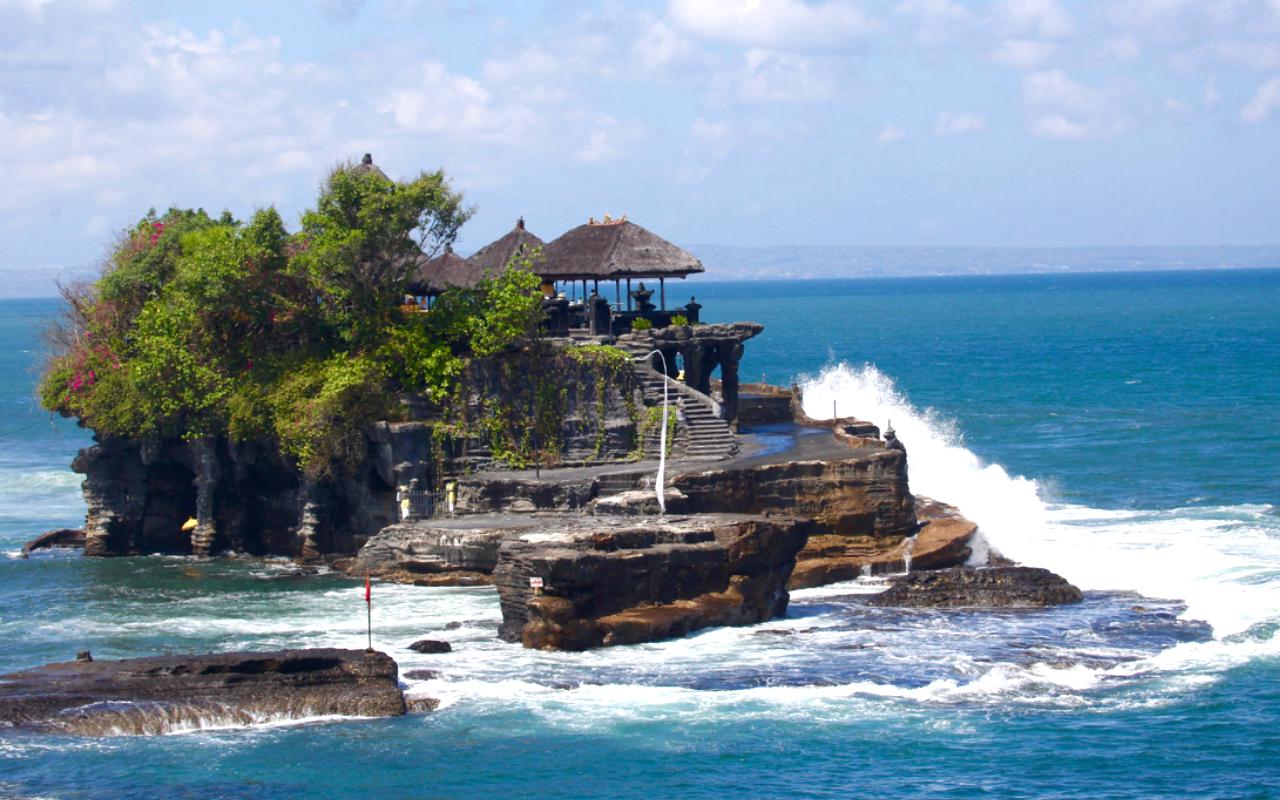
Bali doesn’t feel like just one place. It feels like many small trips, all on one island. You can wake up to ocean views and beach clubs in the south, spend your afternoons in lively cafe streets full of boutiques, and then swap it all for jungle mornings, temple ceremonies, and rice-field walks in the interior.
That range explains why travelers keep searching for where to stay in Bali, because your base decides your entire vacation rhythm.
The mistake many first-timers make is simple: they book a gorgeous hotel in the wrongb area. Then they spend the week stuck in traffic, missing sunrise walks, arriving late for dinner plans, or skipping the “must-do” experiences because the drive feels too long. Bali’s roads often move slowly in the busiest zones, and even common trips can stretch much longer than the map suggests.
If you want the “perfect vacation experience” in 2026, start with one question: What do you want Bali to feel like? Do you want calm beaches and resort convenience? Do you want surf breaks and coworking cafes? Do you want culture, jungle views, and wellness energy? Bali can deliver all of it, but you rarely get all of it from one single neighborhood.
That’s why this guide focuses on picking a location that matches your travel style, not just your hotel photos. You will learn the pros and cons of the most popular bases: Ubud, Seminyak, Canggu, Uluwatu, Nusa Dua, and Sanur. You will also see how each area fits different budgets and types of travelers.
You will also get practical planning tips for 2026, such as why staying in two areas often feels easier than trying to “see everything” from one far-away base. And since many travelers now plan Bali trips with sustainability and rules in mind, you will see a quick reminder about the Bali foreign tourist levy (IDR 150,000 per person) and how official payments run through the Love Bali system.
In other words: if you want to know where to stay in Bali Indonesia, for beaches, culture, nightlife, family time, or romance, this Avivaaa.com guide maps it out in a way you can actually use.
Why Choosing the Right Area in Bali Matters
Bali works like multiple vacations stitched together. Ubud gives you an arts-and-culture heartbeat, and you will hear that traditional rhythm in everyday life.
Canggu runs on surf-and-laptop energy with work-friendly cafes and a coworking culture that exploded in popularity.
Nusa Dua leans into a master-planned resort bubble with long-running zoning and a managed environment designed for comfort and security.
So when someone asks “where to stay in Bali,” the real question becomes: Which Bali do you want?
Travel time shapes your daily quality of life. A short-looking drive can stretch into a long commute, especially when you move between the interior and popular southern strips. Many airport-to
Ubud routes, for example, can take anywhere from 1.5 to 2.5 hours, depending on timing and traffic, and that reality affects how you plan day trips.
Traffic changes behavior. If you stay in Seminyak and dream about sunset at the Uluwatu cliffs, plan early—because south-Bali traffic patterns can turn “quick plans” into stressful ones. Local travel guides regularly warn travelers to plan around peak congestion instead of forcing a tight schedule.
Matching location to goals solves most Bali planning headaches.
If you want beaches and nightlife, you will feel happiest in places that deliver that experience at your doorstep. If you want temples, rice terraces, and a slower day, you will feel happier inland or in calmer coastal towns.
If you travel with kids, you will likely want a beach you can swim at comfortably and a base with easier logistics.
To make it easier, use a quick “vibe match” before you book.
Best Areas to Stay in Bali at a Glance
Before you dive into details, scan this comparison and see what fits your trip. Then you can zoom in on the best match for where to stay in Bali.
| Area | Overall vibe | Best for | What you will love | What might annoy you | Typical price feel* |
| Ubud | Culture + jungle + wellness | Couples, culture fans, wellness travelers | Temples, rice fields, arts, slow mornings | No beach; day trips take planning | Good value inland |
| Seminyak | Stylish + social + convenience | First-timers, luxury seekers, nightlife fans | Dining, boutiques, beach clubs | Busy streets; higher costs near hotspots | Mid-to-high |
| Canggu | Trendy + surf + digital nomads | Solo travelers, remote workers, cafe lovers | Coworking, surf breaks, modern cafes | Traffic in busy pockets; noise at night | Rising costs |
| Uluwatu | Cliffs + views + “escape” energy | Couples, honeymooners, surf travelers | Dramatic beaches, sunsets, villas | Spread out; transport needed | Mid-to-luxury |
| Nusa Dua | Resort + family-friendly calm | Families, resort lovers | Managed beaches, resort facilities | Less local “street life.” | Resort pricing |
| Sanur | Relaxed + local + sunrise coast | Older travelers, quiet stays, families | Calm mornings, easier pace, family-friendly feel | Less nightlife | Mid-range calm |
*Price varies by season and exact property. Bali hostels average around $10 for dorm beds and around $27 for private hostel/guesthouse rooms in aggregated data, while popular high-demand areas can push prices higher.
Now let’s break down each base so you can confidently decide where to stay in Bali Indonesia, for your exact trip.
Where to Stay in Bali by Area
This section covers the six most practical bases for most travelers in 2026. Each one offers a different “perfect vacation,” so treat this as your matchmaker for where to stay in Bali.
Ubud: Culture, nature, and deep exhale energy (best for culture lovers, couples, and wellness travelers)
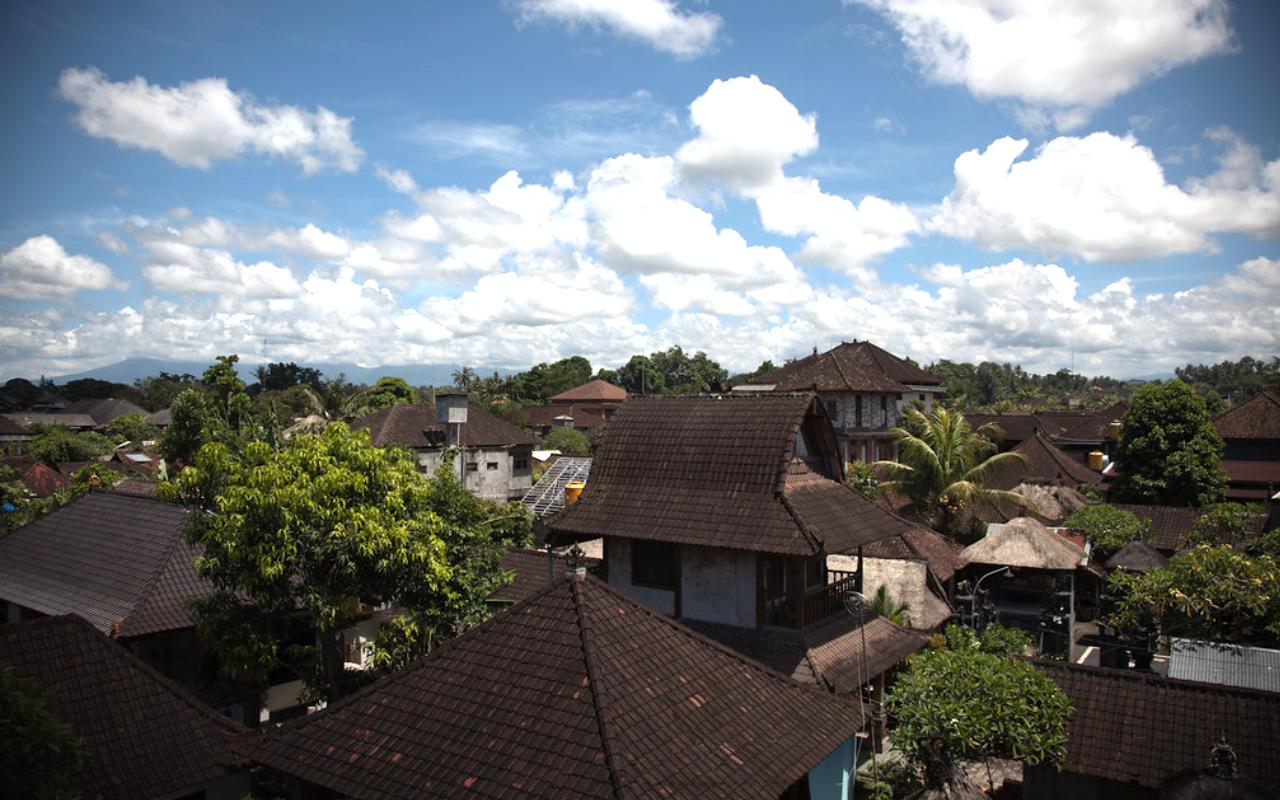
Ubud
Ubud sits in Bali’s interior, and it pulls you into daily traditions fast. You will feel culture everywhere, from street offerings to the soundscape of local music and ceremonies.
Ubud also gives you easy access to iconic nature spots and cultural attractions. Many travelers start with the Sacred Monkey Forest Sanctuary, which hosts over 1,260 long-tailed macaques inside a nature-and-temple complex, so you can pair wildlife with a cultural setting in one stop.
If you want rice-terrace scenery, you can explore terraces around Ubud, and you can also plan a day trip to UNESCO-inscribed Subak landscapes that showcase Bali’s cooperative water-management tradition. UNESCO describes the Subak system as a long-running temple-centered water management network and inscribed the “Cultural Landscape of Bali Province” in 2012.
Ubud works especially well if you want a slower schedule: early yoga, long breakfasts, spa afternoons, and evenings that prioritize conversation over clubbing.
Pros that travelers notice quickly: Ubud makes it easy to build a “wellness + culture” routine, and accommodation often offers strong value compared with the most in-demand beach strips.
Cons you should plan for: You won’t get “walk to the beach” days, and many beach destinations require longer drives than traffic can stretch.
Accommodation styles that fit Ubud: jungle-view villas, boutique resorts, eco-minded lodges, and guesthouses on quieter side streets. If you want more space for less money, look slightly outside the busiest center.
If you keep asking yourself where to stay in Bali for couples, Ubud often wins when you want romance with calm mornings and cultural depth.
Seminyak: Luxury, beaches, dining, and nightlife (best for first-time visitors and luxury-seekers)
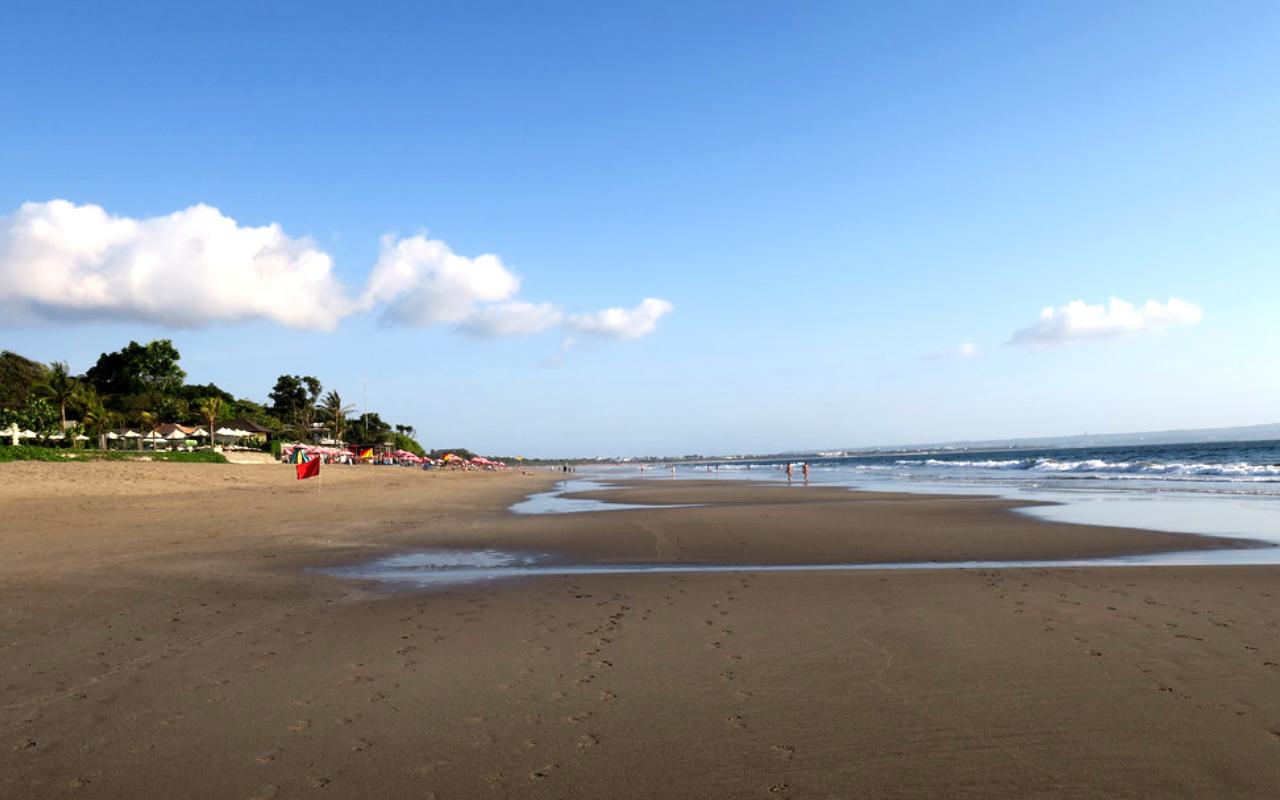
Seminyak
Seminyak gives you a polished Bali experience with easy access to restaurants, sunset scenes, and shopping streets. Travel writers often describe it as Bali’s social and stylish hub where you can eat, shop, spa, and party without over-planning.
Seminyak also works well as a base when you want convenience: You can build days around beach time, massages, and dinners, and you can still take day trips inland when you feel curious.
Pros that make Seminyak a first-timer favorite: you get a “do a bit of everything” base with high variety in dining and accommodation.
Cons to keep in mind: Seminyak draws crowds, and the most popular streets can feel busy. Also, if you plan to bounce between areas daily, South Bali traffic can kill the mood.
Accommodation styles that fit Seminyak: boutique hotels, private pool villas, and upscale resorts. If you want to stay close to action, book near the central dining and beach areas. If you want more quiet, book slightly outside the core and use short rides to reach nightlife.
When you do a search on where to stay in Bali for the first time, Seminyak tends to be the best choice since it offers comfort, diversity, and an easy learning curve, particularly when you desire beaches, as well as dining and nightlife in a single location.
Canggu: Surf, cafes, trendy, and digital nomad lifestyle (best with digital nomads and solo travelers)

Canggu Beach, Indonesia
Canggu was an even less busy surfer town transformed into a contemporary remote office place with coworking and work-friendly cafes. Lonely Planet observes this change and mentions that there were many more coworking opportunities that attracted remote workers to the region.
The everyday life of Canggu is based on cafe hopping, sunsets, surf sessions, and social gatherings. It is a good fit among the travelers who prefer a modern Bali atmosphere.
Advantages that make people stay in Canggu longer than they intended: community feel, effortless social life, and productivity/play routines.
Cons to consider: hotspots Congestion: Traffic can slow down short journeys, particularly along the busiest routes, and nightlife can become noisy when you are too near party areas. Traffic guides usually refer to Canggu and the Seminyak-Canggu areas as a waste of time during rush times.
Accommodation styles that fit Canggu: hostels for social travelers, guesthouses, modern apartments, and villas for longer stays. If you plan a work-heavy trip, prioritize Wi‑Fi reviews and backup connectivity.
If your main query looks like “where to stay in Bali for a week,” Canggu often works best when you want a long, relaxed routine with beach time and laptop-friendly cafes—especially if you don’t plan huge day trips every day.
Uluwatu: Cliffs, views, beaches, and luxury escapes (best for couples and honeymooners)
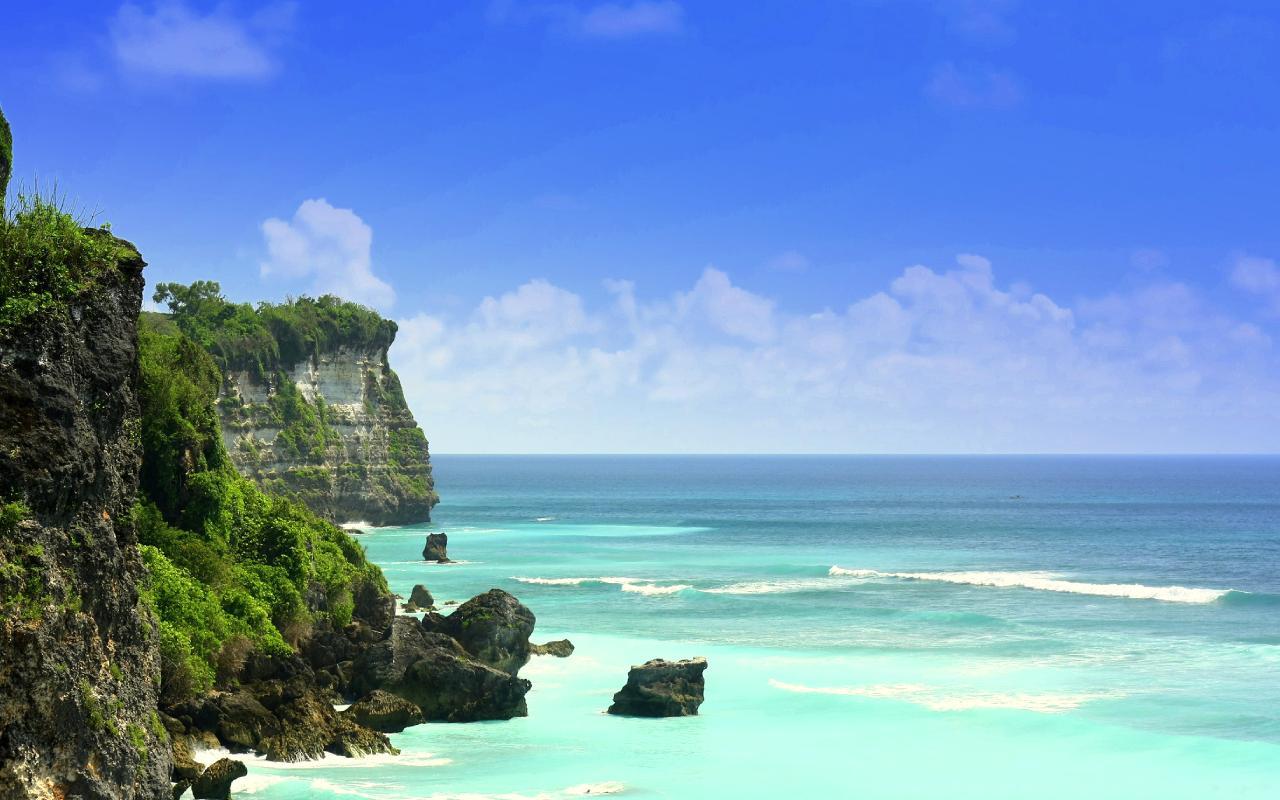
Uluwatu
Uluwatu sits on the Bukit Peninsula and delivers dramatic clifftop scenery, surf breaks, and the feeling of a “getaway” even when Bali feels busy elsewhere. Travel guides consistently point to its cliffs, beaches, and temple setting as signature experiences.
If you want iconic cultural views, the Uluwatu Temple area offers a clifftop temple experience overlooking the sea. Lonely Planet describes the temple setting as dramatically perched above the surf.
Pros that make Uluwatu special: you get some of Bali’s most dramatic coastal scenery, and villas often focus on privacy and views.
Cons you should plan for: Uluwatu spreads out, so you will rely on rides. You will also want to plan travel times carefully, because Bali traffic can turn cross-island plans into long drives.
Accommodation styles that fit Uluwatu: clifftop villas, boutique stays, and resort-style escapes. This area fits travelers who want beach coves and sunsets more than shopping and city-style convenience.
When people ask where to stay in Bali for the best beaches, Uluwatu often comes up because visitors associate it with striking coastline and surf culture on the Bukit Peninsula.
Nusa Dua: Family-friendly resorts and easy-mode Bali (best for families and resort travelers)
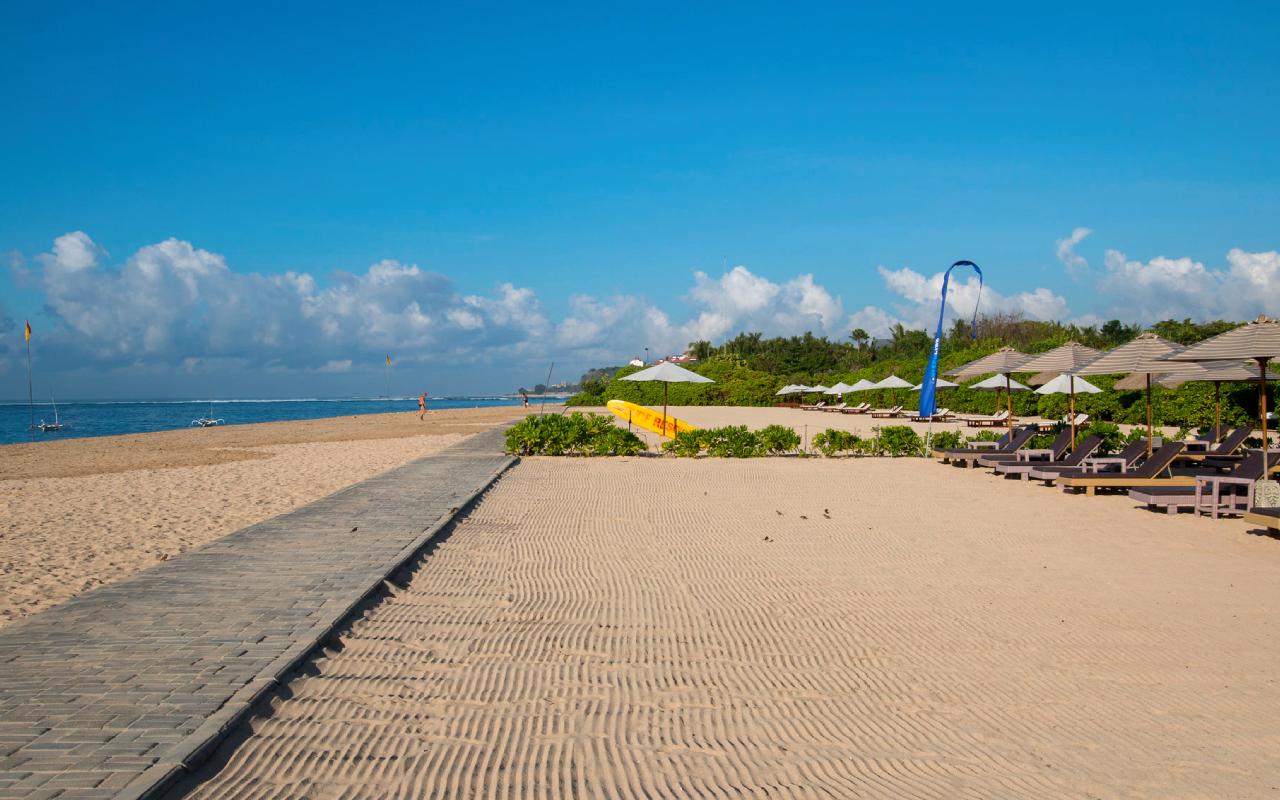
Nusa Dua
Nusa Dua gives you a planned tourism area designed around resort comfort. ITDC (Indonesia Tourism Development Corporation) highlights that the Nusa Dua tourism area has followed a long-running master plan with zoning, utilities planning, and a security system approach.
That planning creates a different feel from other Bali hotspots. You will notice wider spaces, resort beaches, and a calmer pace.
Pros that families love: predictable facilities, resort kids’ clubs, and a more contained environment that feels easier with children. Family travel resources regularly spotlight Nusa Dua resorts for kid-friendly amenities and calm beach time.
Cons: You won’t get the same “local street” buzz you will find in Seminyak or Canggu, and you may travel outward for more independent dining variety.
Accommodation styles that fit Nusa Dua: large resorts and upscale hotels dominate. If you want simple vacation logistics, this base makes planning easy.
If you keep typing where to stay in Bali with kids or where to stay in Bali with family, Nusa Dua often sits at the top because it prioritizes comfort, safety, and resort infrastructure.
Sanur: leisurely beach holiday, sunrise stroll, local atmosphere (suits older tourists and peaceful accommodation)

Sanur Beach
Sanur is a slower Bali. Lonely Planet singles it out as an area where people can walk the beachfront in the early mornings and enjoy a more family-friendly atmosphere than the noisier party areas.
You can build mornings around calm beach time and simple routines. You won’t need to chase nightlife. You can focus on rest, gentle exploration, and day trips without feeling constantly “on.”
Pros that make Sanur a smart base: calmer shoreline energy, an easy-going town feel, and a schedule that fits travelers who want quiet evenings.
Cons: If you want nightly clubs and big party energy, you will feel bored here, and you will need transport for louder nightlife zones.
Hotel types that are compatible in Sanur: beachfront hotels, mid-range resorts, and small boutique hotels.
Sanur, when inquired where to spend the stay in Bali Indonesia, when they want a quiet and grounded trip, can be a perfect fit, particularly when the family wants to enjoy the mornings and when the traveler likes to spend the evenings early.
Best Area to Stay in Bali Based on Your Travel Style
Now let’s answer the “I want this kind of trip” question. Use this section as a shortcut to where to stay in Bali when your priorities feel clear.
Where to stay in Bali for couples
- Choose Uluwatu when you want clifftop views, sunsets, and private-villa energy. Travel guides consistently highlight Uluwatu for its dramatic scenery and beach focus.
- Choose Ubud when you want slow mornings, culture, and wellness routines. Lonely Planet emphasizes Ubud’s deep cultural atmosphere.
- Many couples plan the “best of both” approach: start in Ubud for nature and culture, then finish in Uluwatu for beach romance.
Where to stay in Bali with kids
- Choose Nusa Dua when you want resort convenience and kid-friendly facilities in a managed tourism area.
- Choose Sanur when you want a calmer coastal town, sunrise walks, and a quieter family rhythm.
Where to stay in Bali with family
- If your family loves pools, buffets, and a predictable beach day, Nusa Dua makes life easier.
- If your family prefers local restaurants, gentle exploration, and early nights, Sanur fits better.
Where to stay in Bali first time
- Pick Seminyak when you want a stylish base that makes dining, spas, and sunsets simple. Many Bali neighborhood guides position Seminyak as a social, shopping, and sunset hotspot.
- Pick Seminyak if you also want to know where to stay in Bali for nightlife, because you can walk to bars, restaurants, and beach club scenes more easily than from quieter towns.
- If you prefer culture over clubbing, pick Ubud for your first-time trip and add a few beach nights later.
Where to stay in Bali for nightlife
- Seminyak delivers the most classic “go out” energy with a polished scene that mixes restaurants, bars, and beach clubs.
- Canggu fits travelers who want a trendier, more casual party scene mixed with cafes and social hostels.
- If you choose this travel style, plan your transport smartly because South Bali traffic can stretch nights out if you sleep far from your nightlife zone.
Where to stay in Bali for the best beaches
- Uluwatu often wins when you want dramatic cliff-backed beaches and surf culture on the Bukit Peninsula.
- Nusa Dua fits travelers who want resort beaches and smoother logistics.
- Sanur works well when you want calmer coastal routines and sunrise vibes instead of big waves and big crowds.
Where to stay in Bali for a week
- A “one-week Bali” plan usually feels best with two bases. This approach reduces daily driving and lets you enjoy each region properly, especially when traffic slows down cross-island movement.
- A classic split: 3–4 nights in Ubud (culture + nature), then 3–4 nights in a beach base like Seminyak, Uluwatu, Sanur, or Nusa Dua, depending on your vibe.
Where to Stay in Bali by Budget and Accommodation Type
Bali can feel affordable, but prices vary a lot by location, season, and demand. Aggregated travel budgeting data shows hostel dorm beds around $10 on average and private rooms in hostels/guesthouses around $27 on average, while popular high-demand areas can push higher.
To help you choose where to stay in Bali, start with a budget tier and then pick the right neighborhood.
Budget stays (often $10–$50 per night) usually include dorm hostels, simple guesthouses, and homestays. BudgetYourTrip’s aggregated hostel data supports how low dorm pricing can run, especially outside peak demand pockets.
Mid-range stays (often $50–$150 per night) include boutique hotels, modern guesthouses, and smaller resorts. You will often find the best “value upgrades” in quieter streets near busy hubs.
Luxury stays (often $150+ per night) include private pool villas and full-service resorts. In areas like Nusa Dua, the resort model dominates, while Uluwatu and Seminyak often deliver villa-style luxury with a strong design focus.
Now match the budget to the accommodation type you want:
Private pool villas: You will find these across Bali, but they feel especially popular in Seminyak and Uluwatu for couples and luxury travelers who want privacy, sunset vibes, and in-villa lounging.
Resorts: Nusa Dua leads for resort travelers because the area centers on a planned tourism zone and large resort infrastructure.
Budget hostels: Canggu and Seminyak offer many social hostels, and Bali hostels often provide private rooms too. Hostelworld notes private rooms in Bali hostels often start around US$20, and it also notes that high-demand areas like Canggu and Uluwatu can cost more.
Eco-lodges and nature stays: Ubud and the surrounding inland areas lend themselves to eco-minded stays because jungle landscapes and rice-field views shape the experience. Ubud’s identity ties strongly to the interior’s cultural and natural feel.
Homestays: Ubud and Sanur often suit travelers who want a more local rhythm. In Ubud, that rhythm connects deeply with everyday culture.
Tips to save real money without ruining your vacation: stay slightly outside the hottest streets, travel in shoulder months, and book longer stays when discounts appear. Also remember that southern hotspots can cost more because demand concentrates there.
Best Time to Visit Bali for the Perfect Stay
When you plan where to stay in Bali, timing changes everything: prices, crowds, humidity, and how your days feel.
Bali follows a tropical climate with two main seasons. Many travel climate summaries describe a dry season from April to October and a wet/rainy season from November to March.
Dry season (roughly April–October): you will get more consistent sunshine and lower humidity. This season suits beach-focused trips, outdoor exploring, and “move around Bali” itineraries.
Wet season (roughly November–March): you will see higher humidity and more frequent rain bursts, but you can still enjoy bright mornings and lush landscapes. Many rainy-season guides describe the heaviest rains around December–February.
Peak vs off-peak pricing matters for accommodation. In general, prices rise when demand spikes, especially during the dry season and major holiday periods.
How to choose months based on travel style:
- If you prioritize beaches and day trips, aim for dry-season months.
- If you prioritize value and fewer crowds, consider shoulder periods between seasons, and stay flexible with the weather.
- If you want Ubud’s “lush jungle” look, you may enjoy wet-season greenery, but you should also plan for rain timing and slippery walks.
One more 2026 planning note: Bali continues to push sustainability and visitor funding. The Bali Provincial Government promotes an official foreign tourist levy of IDR 150,000 per person to support culture and nature preservation, and the Love Bali system supports official payment channels.
Tips, FAQs, and Conclusion
Choosing where to stay in Bali gets easier when you treat your hotel like a strategy tool, not just a place to sleep.
- Practical tips that protect your vacation time: pick a base close to your “daily priority” (beach, cafes, culture, resorts) and don’t over-plan cross-island day trips. Bali traffic can easily stretch drives, so you will enjoy the island more when you cluster activities near your base.
- Read recent reviews for Wi‑Fi, noise, and construction changes. Canggu and other fast-growing areas change quickly, and the “quiet street” of last year can feel different today.
- Book early when you travel in peak months. Bali’s peak season often pushes prices up and reduces availability, especially in hotspots that concentrate demand.
- Plan two bases for longer trips. If you wonder where to stay in Bali for a week, split your time so you enjoy both inland culture and coastal downtime without long daily commutes.
Now let’s answer the most common questions travelers type into Google.
What is the best area to stay in Bali for first-time visitors?
Most first-timers love Seminyak because it combines beaches, dining, shopping, and nightlife in one convenient zone. Neighborhood guides often frame it as Bali’s stylish social hub. If you want a calmer first trip, you can start in Ubud for culture and wellness, then add a beach base later. So if you search where to stay in Bali for the first time, Seminyak often wins for convenience, while Ubud wins for slower, more cultural days.
Is it better to stay in Ubud or Seminyak?
Pick Ubud when you want culture, rice-field scenery, and wellness-style days. Lonely Planet emphasizes Ubud’s immersive traditional culture. Pick Seminyak when you want beach access, dining variety, and nightlife with minimal planning. Many travelers treat it as “both,” not “either,” especially on a 7–10 day trip.
How many days should you stay in Bali?
You can enjoy Bali in 5–7 days with smart base choices, but 10+ days often feel easier if you want both inland and coastal experiences without rushing. Travel time realities support the idea of fewer, better bases instead of constant moving.
Is Bali expensive for accommodation?
Bali still offers a wide range. Aggregated hostel pricing data shows dorm beds around $10 on average and private hostel/guesthouse rooms around $27 on average, but the most popular areas can cost more because demand stays high. Luxury also scales fast, especially in villa-heavy areas and resort zones.
Conclusion: Your perfect Bali stay depends on your travel style
Bali rewards smart location choices more than almost any other island destination.
- If you want culture and calm, book Ubud.
- If you want polished beach life and easy nights out, book Seminyak.
- If you want surf-plus-community energy, book Canggu.
- If you want cliffside romance, book Uluwatu.
- If you want easy family logistics, book Nusa Dua.
- If you want relaxed coastal mornings, book Sanur.
And if you want the simplest shortcut to a “perfect vacation experience,” stop trying to do everything from one base. Choose the right area, then let Bali come to you.














-
 0115 Best Easy Treks in Nepal for Beginners and Families
 -
 02Best season for Everest Base Camp Trek
 -
 03Best Time to Go Hiking in Nepal: A Seasonal Guide for Trekkers
 -
 04Suchi Purja –Wife of Nirmal Purja aka Nims Dai
 -
 05Dubai desert safari outfit ideas
 -
 06Top Beaches in Sri Lanka
 -
 0710 Best Easy Treks in Nepal