
Now Reading: Top 20 Best Places to See Wildlife Around the World
-
01
Top 20 Best Places to See Wildlife Around the World

Planning a wildlife travel guide means discovering the top wildlife destinations where you can witness animals in their natural habitats.
Our Earth has amazing wildlife destinations with great biodiversity in the savannas of the African continent and jungles of the Asian continent, as well as in the marine reefs of the Pacific and polar icecaps.
In this guide, we identify some of the most suitable locations to view wildlife in all continents and oceans. Every destination has its own species and activities, including the great migration in Tanzania and elephant herds in Botswana in the delta, jaguars in Brazil, and whales off Mexico.
We discuss highlights, best seasons, important species, and tips that work on each spot. This wildlife travel guide is designed to help adventure travelers find the most exciting wildlife encounters on Earth. It also highlights the best places to see wildlife for travelers seeking authentic nature experiences.
This guide covers the best places to see wildlife for travelers looking for real, unforgettable encounters in nature.
Sightings of majestic creatures, lions stalking savannah plains, orangutans swinging through rainforests, or humpback whales breaching offshore, make for memories of a lifetime.
These top wildlife safari destinations are not only unforgettable experiences but also critical conservation areas. A lot of them are conservation areas and UNESCO World Heritage sites, and they are trying to save species like tigers, rhinos, and sea turtles.
When visiting these destinations, remember some ethics in tourism: obey the park regulations, use the trails, and make sure to hire guides who practice good ethics when observing wildlife.
When we visit them in an environmentally friendly manner, we aid conservation and the local community that safeguards these animals.
The type of travel logistics depends on the destination: it is an easy task to visit such destinations as the Masai Mara or Yellowstone in a self-driving safari, but difficult to visit other destinations, such as the Galapagos or the Antarctic world, with the help of a guided tour.
There are also differences in costs and permits. Galapagos tourists pay a park fee and must take organized tours, but in many national parks in Africa, an entrance fee is charged on a day-by-day basis.
Generally, wildlife viewing is best in dry seasons when animals concentrate at waterholes or in feeding areas. We note the best time to visit each location for peak wildlife action (e.g., dry winter in Africa, summer in Yellowstone, and summer in Antarctica with penguins).
These seasonal patterns assist travelers in deciding the best places to visit wildlife during the appropriate season.
It provides you with a brief summary of some of the most popular wildlife destinations in various parts of the world.
It gives you a quick overview of some of the best places to see wildlife across different regions of the world. Read on for a detailed look at each region’s places to see animals in the wild.
These destinations are widely recognized as some of the best places to see wildlife around the globe.
Throughout the text, we will highlight the main wildlife you can expect, along with seasonal tips and conservation notes.
Let this be your comprehensive guide to the best places to see wildlife on Earth, and an inspiration to plan your own adventure under the wild sky.
| Destination | Country/Region | Key Wildlife Highlights | Best Time to Visit |
| Serengeti NP | Tanzania | Great Migration (2M wildebeest/zebras), Big Five (lions, elephants, rhinos) | Jun–Oct (dry, for river crossings) |
| Masai Mara | Kenya | Great Migration (2M wildebeest/zebras), Big Five (incl. “Big Cats”) | Jul–Oct (dry, migration peak) |
| Kruger NP | South Africa | Big Five (12,000+ elephants, 48,000 buffalo, lions, leopards); 147 mammal species | Jun–Oct (dry winter, best game viewing) |
| Okavango Delta | Botswana | Elephant, Buffalo, Zebra, Red Lechwe; predators (lions, wild dog, rhinos) | Jun–Oct (dry season, flood recedes) |
| Etosha NP | Namibia | Lions, Elephants, Black Rhino, Leopard; many antelope at waterholes | May–Nov (dry winter, animals gather at water) |
| Chitwan NP | Nepal | Bengal Tigers, One-Horned (Greater) Rhino; Asian Elephants, Gharial crocodile | Oct–Jun (dry season; Jan-Feb peak for rhino/bird) |
| Ranthambore NP | India | Bengal Tigers (50–70 total), Leopards, Sloth Bears, Marsh Crocodile | Oct–Jun (avoid monsoon; Apr-May for easy tiger sightings) |
| Borneo Rainforest | Malaysia/Indonesia | Bornean Orangutan, Pygmy Elephant, Proboscis Monkey; Clouded Leopard, Hornbills | Mar–Oct (drier season; wildlife disperses Feb-Mar) |
| Yala NP | Sri Lanka | One of the highest leopard densities in the world; Elephants, Sloth Bears, Crocodiles | Jun–Sep (dry season) |
| Amazon Rainforest | South America (Brazil/Peru) | Jaguar, Pygmy River Dolphin, Capybara, Harpy Eagle; 2,000 bird/mammal species | Jun–Nov (dry season; best land wildlife viewing) |
| Pantanal | Brazil | Jaguars (highest density), Giant Otters, Capybara, Hyacinth Macaws | May–Oct (dry season, easy wildlife spotting) |
| Galápagos Islands | Ecuador | Marine Iguanas, Giant Tortoises, Sea Lions, Blue-footed Boobies, and unique finches | Jun–Dec (cool/dry season; calmer seas) |
| Yellowstone NP | USA (Wyoming) | Bison (5,400), Gray Wolves (108), Grizzly Bears (1,030), Elk | Jun–Sep (summer; park fully open) |
| Denali NP | USA (Alaska) | Moose, Caribou, Dall Sheep, Grizzly Bears, Wolves (the “Big Five”) | May–Aug (summer when park road is open) |
| Plitvice Lakes NP | Croatia | Brown Bears (50 in park), Wolves, Lynx; spectacular lakes and forests | May–Oct (summer/autumn) |
| Carpathian Mountains | Romania (Transylvania) | Europe’s largest wild brown bear population (6,000+), Wolves (3,000+), Lynx | Jun–Sep (summer for hiking and wildlife watching) |
| Great Barrier Reef | Australia | Coral Reef system: 1,625 fish species, 133 sharks/rays, 30 whale/dolphin species; 6 turtle species | Jun–Nov (winter/spring, best visibility) |
| Baja California | Mexico | Gray Whales (breeding lagoons), Blue & Humpback Whales, California Sea Lions | Dec–Apr (whale breeding season) |
| Iceland | North Atlantic | Arctic Fox (only native mammal); 60% of the world’s Atlantic Puffins (8–10M birds); 23 cetacean species (minke, humpback, orca) | May–Sep (summer for whales and bird colonies) |
| Antarctica | Antarctic Continent | Emperor & Adélie Penguins, Leopard Seals, Humpback & Blue Whales, Antarctic Wildlife; krill drives ecosystem | Nov–Mar (austral summer, ice melts) |
Each location listed here represents some of the top places to see animals in the wild. Both of these wildlife areas are a bucket-list destination for nature-lovers.
We give detailed descriptions of each site below, the wildlife you are sure to encounter, the most appropriate time of the year to visit, and any conservation or special hints.
Whatever happens to be your destination, it is always important to leave no trace and act according to the local instructions. The excitement of seeing lions on a game drive at Serengeti, or snorkeling with reef sharks in the Great Barrier Reef, can trigger a lifetime of amazement and a desire to conserve such beautiful creatures.
1. Serengeti National Park, Tanzania
Among the best places to see wildlife, Africa offers some of the most iconic safari experiences.
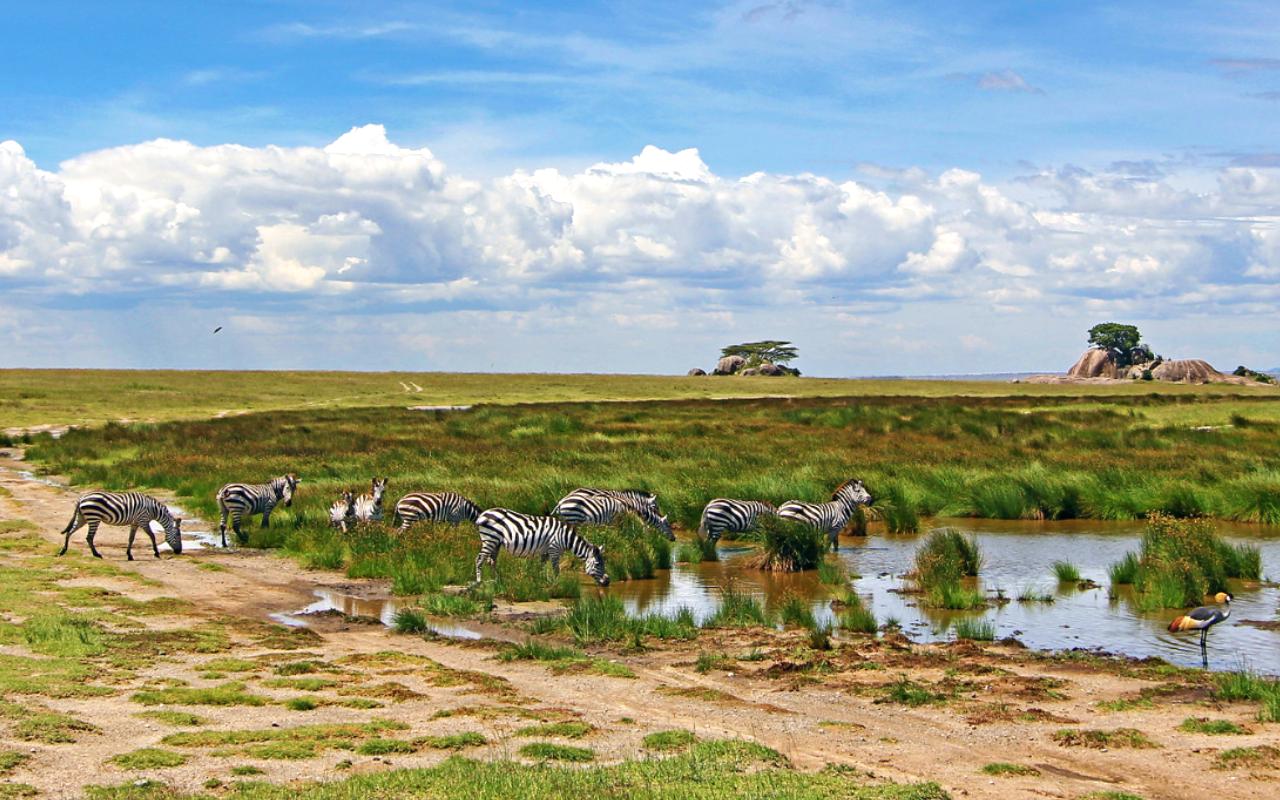
Serengeti National Park, Tanzania
Serengeti National Park is associated with the wild world. This is the best wildlife safari destination, which is situated in the northern part of Tanzania, having an area of 14,763km2 and is known to have inexhaustible savannahs and the annual great migration.
Each year, roughly two million wildebeest, zebra, and gazelle sweep across the plains, chased by about 4,000 lions and hundreds of other predators. This is “one of nature’s last remaining true spectacles”. The park hosts the world’s densest concentrations of big predators: it holds nearly 15% of Africa’s lions and is home to up to 550 cheetahs and 1,000 leopards.
Wildlife Highlights: –
Great Migration: Witness massive herds cross rivers (usually July–Sept on the Mara River). Peak viewing is mid dry-season.
Big Five: Lions, elephants, buffaloes, black rhinos, and leopards roam here.
Other species: Giraffes, hippos, hyenas, and hundreds of bird species, including vultures and storks.
Best Time: The dry season (June–Oct) offers the best game viewing. Rivers shrink, and pools dry up, forcing animals to concentrate at watering holes. The river crossings (Great Mara migration) occur from July to October. For wildebeest calving, visit in Feb–Mar in the southern plains (Ndutu area).
Travel Tips: Safaris by 4×4 or hot-air balloon are popular. Park entry fees apply. Guides from local safaris are highly recommended for the best sightings. Remain in Serengeti or in neighboring Ngorongoro to access it easily. Think about the addition of a visit to the Maasai Mara in Kenya (the ecosystem is shared). Never approach wild animals and never feed or disturb them.
Conservation: Serengeti is a UNESCO World Heritage Site and a key conservation area. Rhinos and elephants have been threatened by poaching, but anti-poaching is in progress. When you visit the park responsibly, you contribute to the community conservation projects and the management of the park.
2. Masai Mara National Reserve, Kenya
The Masai Mara (adjacent to the Serengeti) is Kenya’s premier safari destination. Covering about 1,510 km² of savannah, it is rich in wildlife year-round.
Each year from July to October, roughly two million wildebeest and zebra migrate north from Tanzania and famously cross crocodile-filled rivers in the Mara.
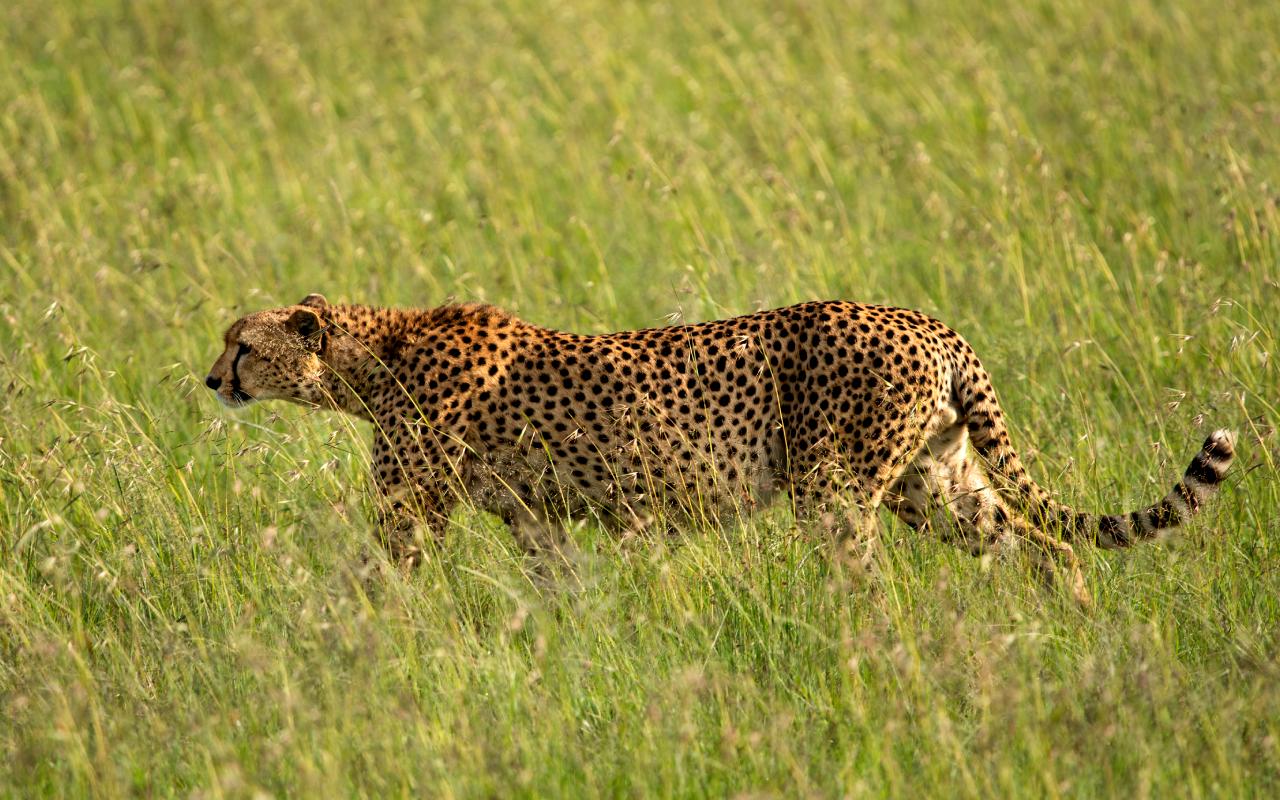
Mara’s rolling grasslands also host large populations of “Big Cats”, lions, cheetahs, and leopards – as well as elephant, giraffe, buffalo, hippos, and over 500 bird species.
The Masai Mara and the nearby Serengeti are considered some of the best wildlife safari destinations in the world.
Wildlife Highlights: –
Great Migration: Over 2,000,000 herbivores trek into the Mara (peak Jul–Oct). River crossings are a favorite with photographers.
Big Five Safari: Lions (including exceptional pride viewing), leopards, African elephants, black (rarely white) rhinos, and Cape buffalo are found on the reserve.
Birdlife: More than 500 bird species, including kori bustards and raptors.
Best Time: July–October (dry season) coincides with the mass migration and simplifies spotting big game. Water becomes scarce, bringing animals out into open areas and waterholes.
Travel Tips: The Mara Reserve (and adjacent Mara conservancies) require park fees. Mornings and evenings are the best times to take game drives. Consider taking a guided safari to enhance the opportunity to see elusive cats.
Panorama may be seen through vehicle tours or even balloon safaris. It is popular to camp out under the stars. Keep wildlife aloof, and follow the Maasai village regulations in case of visiting local people.
Conservation: Mara is a jointly managed park between the government and the local communities, called the Maasai. Responsible tourism fees help fund reserve protection.
Avoid off-road driving; stick to marked trails. Participate in community-run conservancies (where a portion of tourism income supports the Maasai and wildlife protection).
3. Kruger National Park, South Africa
Kruger National Park is one of Africa’s largest and most diverse game reserves (19,623 km²). It offers year-round safari opportunities. Kruger has a well-developed and diverse wildlife population: approximately 1,500 lions, approximately 2,000 leopards, and approximately 17,000 elephants can be found there.
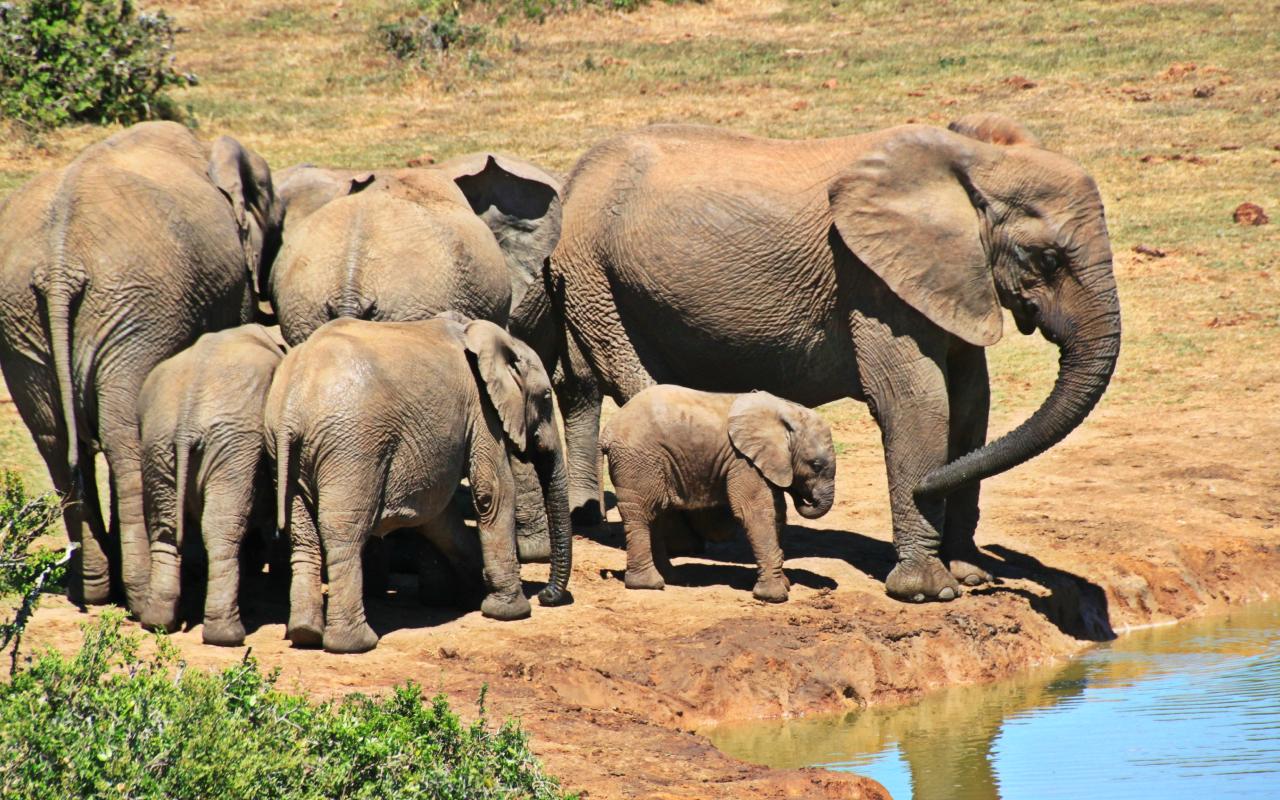
Buffalo herds number around 48,000, making it Africa’s densest buffalo population. Other big mammals include white rhinos (2,000 in the park), hippos, and cheetahs.
There are almost 150 mammal species and 500+ species of birds, including large raptors and storks.
Wildlife Highlights: –
Big Five Rich: Lions, elephants, rhinos, leopards, and buffalo are all over-abundant. Diversity of Habitats: Kruger is rich in wildlife, with the mopane woodlands and riverine forests supporting a variety of wildlife such as kudu, giraffe, and wild dogs (not to mention the poaching issues).
Best Time: Game viewing is at its finest during the dry winter (May -Oct) when little vegetation covers animals have been concentrated around rivers and waterholes.
Travel Tips: Kruger is self-drive friendly: well-maintained roads allow visitors to explore on their own (no need for expensive guided tours unless desired). Park entry fees apply; book campsites well in advance.
Be cautious of wildlife on roads, especially elephants in breeding season (Dec–Feb). Night drives with guides can reveal nocturnal animals. Bring binoculars; Kruger’s size makes spotting at a distance common.
Conservation: Managed by South African National Parks, Kruger is the core of the Greater Limpopo Transfrontier Park (shared with Zimbabwe). Support anti-poaching by not buying rhino horn or ivory. Read about safari operator best practices and choose eco-friendly lodges.
4. Okavango Delta, Botswana
The Okavango Delta is a natural wetland that is a UNESCO World Heritage in Botswana. In contrast to the majority of wildlife zones, it is an inland delta, which is subject to flooding on a regular basis and forms fertile islands and channels.
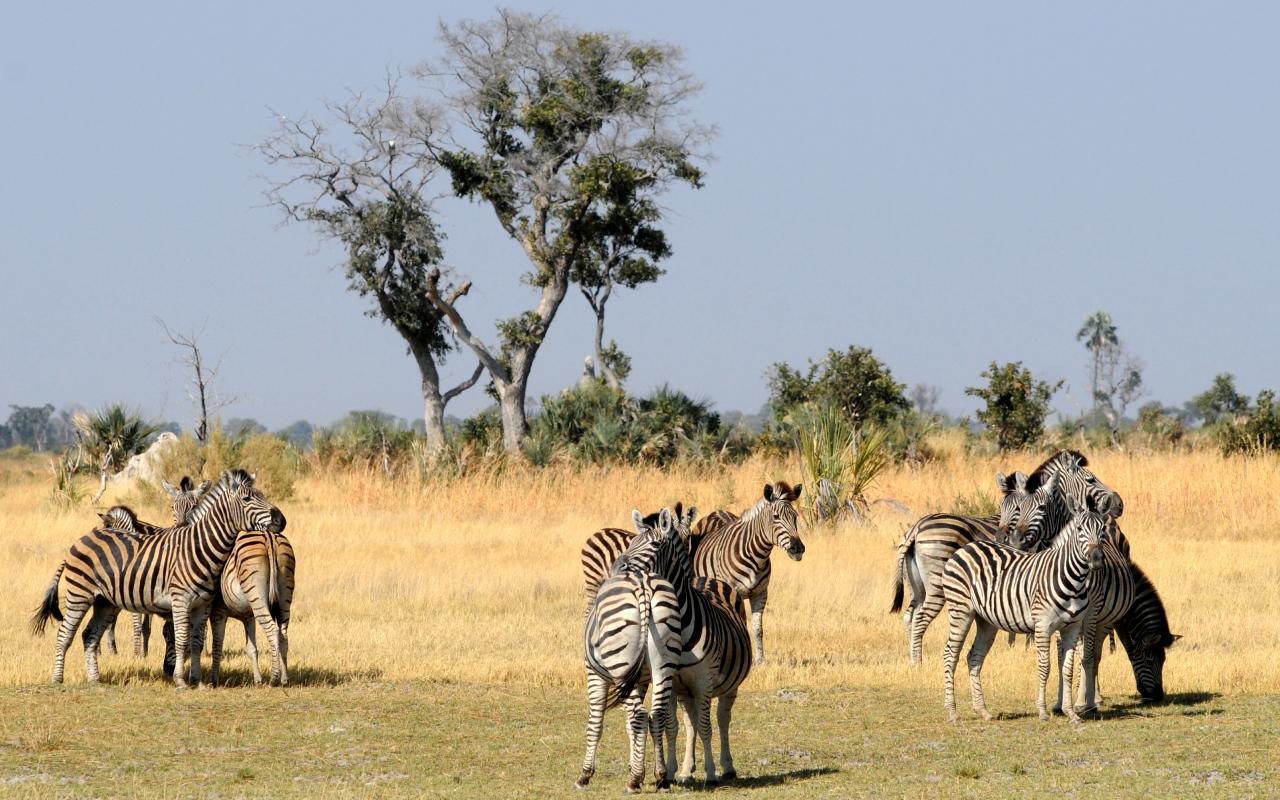
The permanent floodplains and waterholes attract extraordinary wildlife in the dry winter months. Large herds of elephant, Cape buffalo, and zebra gather on receding waters, accompanied by predators. Surprisingly, endangered species find their home in the Delta: African wild dog, black rhino, and cheetah are healthy here.
Wildlife Highlights: –
Aquatic Safari: Aquatic Safari: Boating safaris are spectacular, where wild animals such as elephants swim, hippos wallow, and crocodiles swim in clear waters.
Rare Carnivores: Okavango has a conservation value of large populations of wild animals, including the rare Pel’s fishing owl and wattled crane.
Best Time: Winter (June-Sept) is the best time to be there because the floods are high and the wildlife is concentrated. Camps and lodges often fill up early for these months. Wet season (Nov–Apr) brings migration of birds and lush scenery, but roads can be closed by flood.
Travel Tips: Most visitors fly into Maun or Kasane and take mokoro (dugout canoe) rides or boat cruises. Camping is limited; wild camps are possible with guides. Park fees and concession charges apply. Permits for hunting are not needed for tourists, but be aware of the strict park boundaries. Bring waterproof gear during flood season.
Conservation: Okavango is almost untouched due to the low human population and effective conservation. Note that many camps are usually walk-in or boat-accessible, and keep on the paths. The Republic of Botswana has a controlled wildlife management policy, which involves quotas for hunting and high levels of conservation.
5. Etosha National Park, Namibia
Etosha NP is Namibia’s premier wildlife reserve (22,270 km²). Its vast, shimmering salt pan dominates the landscape, but the park’s true magic comes at its waterholes.
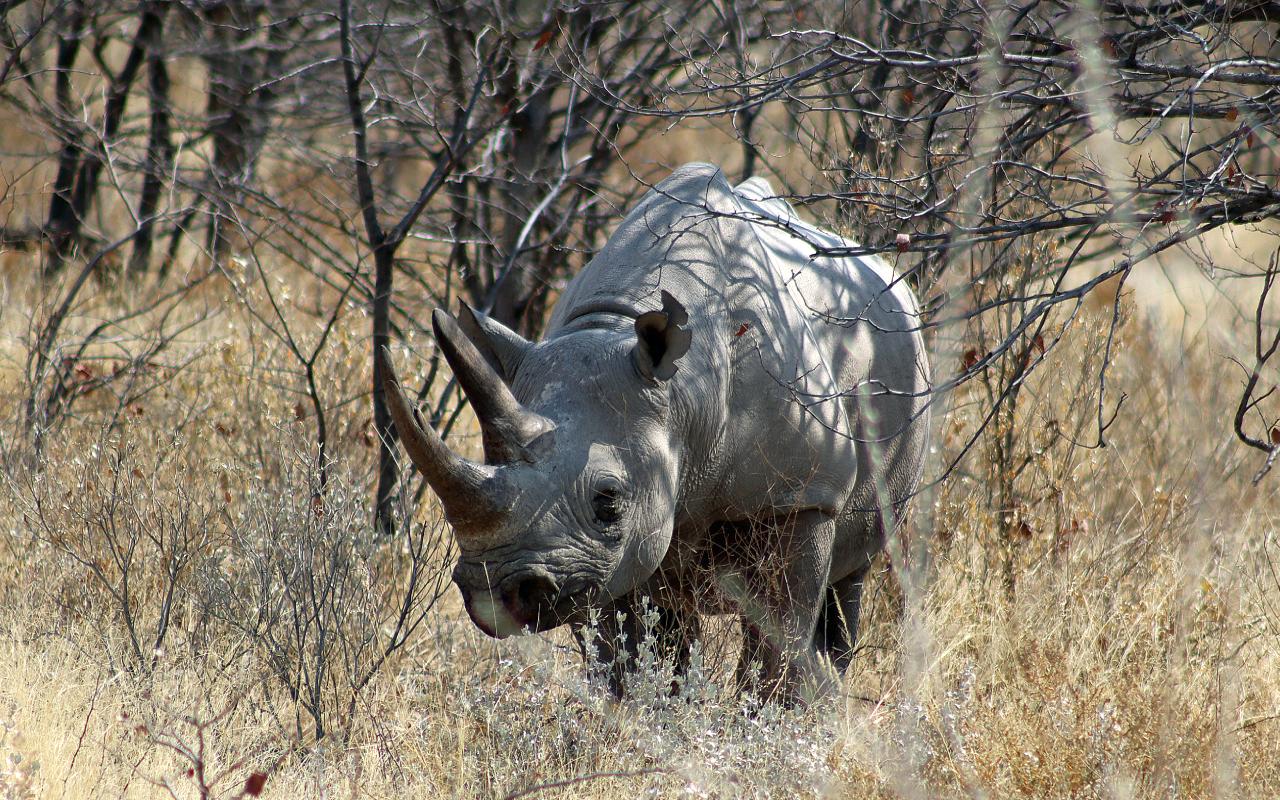
During the dry winter (May–Nov), wildlife crowds these permanent springs, creating reliable viewing. Etosha hosts four of Africa’s Big Five (missing only buffalo).
Large numbers of elephants, lions, giraffes, black rhinos, and cheetahs roam the grasslands. Notably, Etosha has one of the last strongholds for endangered black rhinos in southern Africa.
Wildlife Highlights: –
Waterhole Wildlife: Lions, black rhinos, elephants, zebras, and antelope all congregate nightly at watering holes.
Rare Species: Etosha is one of the few places with the critically endangered black-faced impala and saltpan specialist species.
Northern Game: Springbok and oryx (‘gemsbok’) dominate the plains, replaced by zebra and wildebeest in the south.
Best Time: Dry winter (June–September) is ideal. Vegetation is sparse, so animals cannot hide; many species must drink daily. In this period, you’ll often see lions and rhinos literally drinking side by side at floodlit waterholes.
Travel Tips: A self-drive safari is popular; drive slowly between fenced camps and waterholes. Park entry/road fees are charged; close camps at night. Night game drives are prohibited, but many camps have floodlit waterholes (viewable by night) rich with wildlife. Bring dust protection and fill gas tanks outside the park. Caution: Elephants may block roads.
Conservation: Etosha has strong anti-poaching patrols (a major 2022 rhino poaching event was contained). Always stay in the vehicle except in camp areas, and follow ranger’s instructions. In the southern part of Etosha (the “Pan Area”), wildlife is most concentrated; respect park zones to protect habitats.
6. Chitwan National Park, Nepal
Chitwan National Park (975 km²) protects one of Asia’s richest tropical ecosystems in Nepal’s Terai lowlands. It is famed for the Greater One-Horned (Indian) Rhinoceros: around 694 rhinos live here (based on recent national counts), making it one of the world’s densest rhino populations.
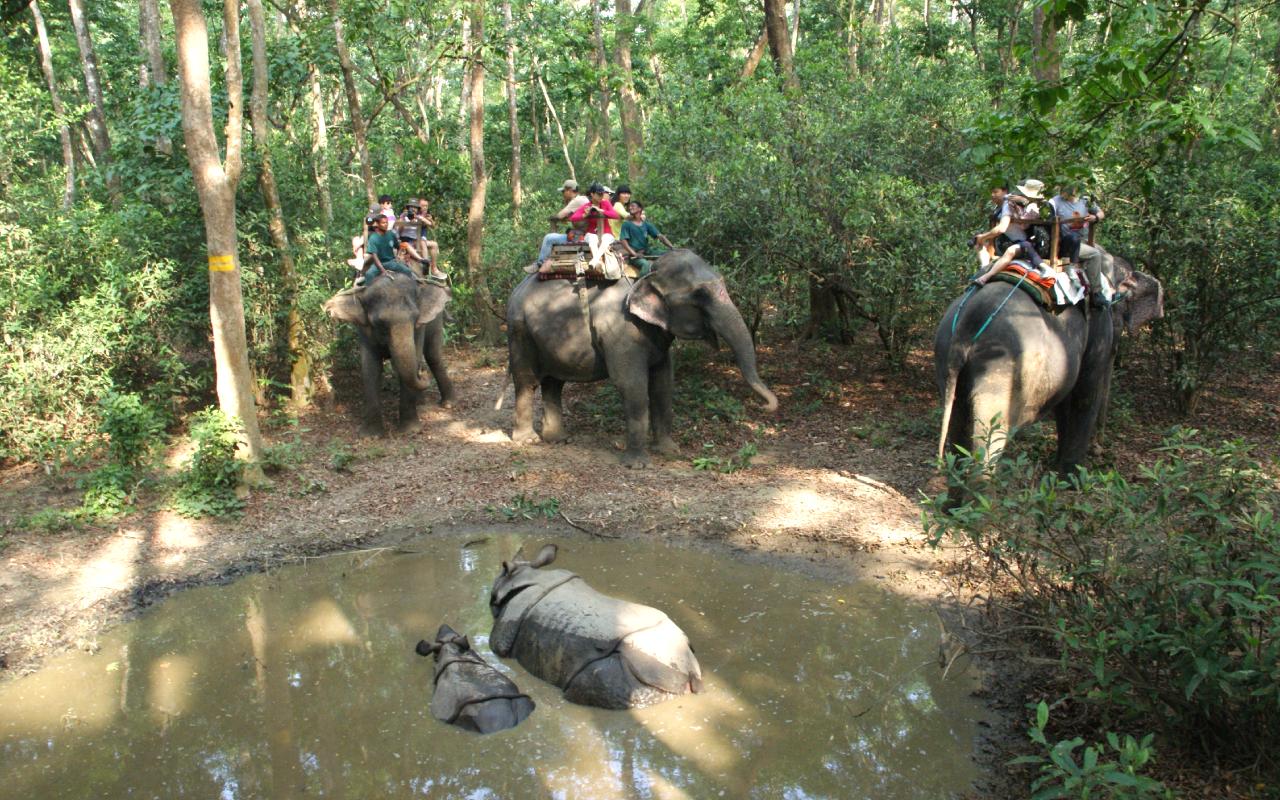
Elephant safari
Bengal tigers are also present (Chitwan has been called a “prime habitat” for tigers), though shy and hard to spot. In fact, Chitwan contains Nepal’s largest number of rhinos and a growing tiger population, thanks to conservation efforts.
Wildlife Highlights: –
Rhinos and Elephants: Trekking safaris frequently see one-horned rhinos and Asian elephants in grasslands.
Birdlife: More than 500 species of birds (including Bengal florican and 60+ migratory waterbirds) can be found in the park.
Best Time: October to April (winter and spring) avoids monsoon. The late winter/early spring season (Feb-April) is the most appropriate period to observe wildlife since the vegetation is thinner. Summer monsoon (Jun–Sept) brings malaria risk and leeches water plants, pushing wildlife into deeper jungle (less visible).
Travel Tips: Safari by jeep or canoe (on the Rapti or Narayani River) is common. Elephant-back safaris (discontinued due to ethical concerns) have mostly stopped; we prefer guided walks in low-impact zones. Park fees and guide fees are moderate. Respect local Tharu communities. Watch for mosquitoes (malaria exists).
Conservation: Chitwan was Nepal’s first national park (1973) and a model for species recovery. Poaching has been largely controlled; rhino counts rose from 408 to over 500 by 2011. The money earned by tourists assists in financing rhino patrols. As much as possible, always minimize noise and flash photography to prevent the disturbance of nesting mammals and birds.
These regions continue to rank among the best places to see wildlife, offering diverse ecosystems and unique species.
7. Ranthambore National Park, India
Ranthambore (Rajasthan) is one of the most excellent wildlife safari destinations in India, particularly for tigers.
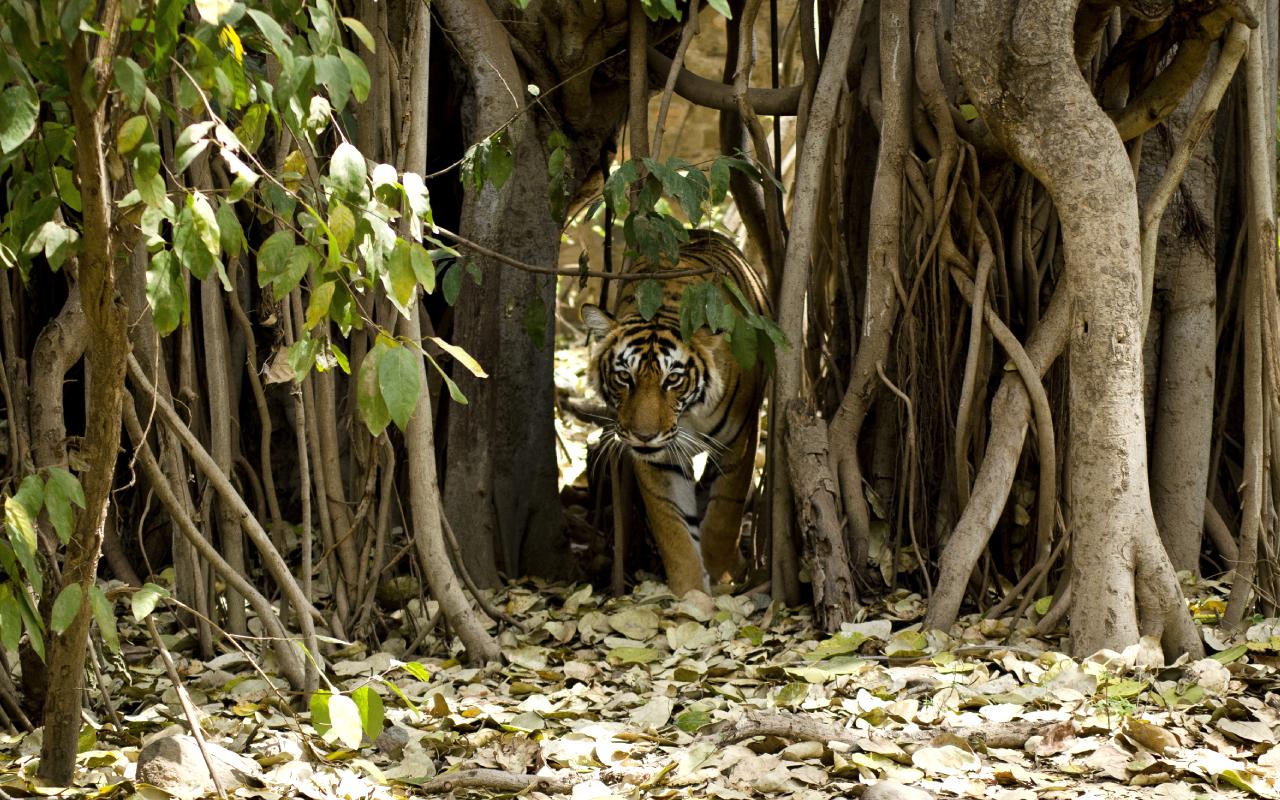
Covering about 1,334 km², its dry forest and rocky hills are home to dozens of Bengal tigers. Conservation efforts have raised the tiger population to around 60–70 individuals in recent years.
It is one of the few parks in India where wild tigers can be seen regularly. Other wildlife includes leopards, striped hyenas, sloth bears, nilgai (blue bull), sambar, and chital deer.
Wildlife Highlights: – Bengal Tiger: This is the main attraction; these can be seen at waterholes or on ridges. Adult males and cub litter have been recorded.
Birds and Others: More than 300 kinds of birds, crocodiles in lakes, marsh deer, and Indian gazelles.
Historic Fort: Ruins of Ranthambore Fort and ancient temples add scenery.
Best Time: October to June. The waterholes shrink in late spring (April–June), improving tiger-spotting chances. Summer days can be extremely hot. Monsoon (Jul–Sept) closes many tracks and makes sightings harder.
Travel Tips: Safaris are by forest department jeeps (Advance booking needed), with a fixed route and guide. Areas 3 and 4 of the park are most productive for predators. Permits and national park tickets are required. Carry water and sunscreen; pack light neutrals.
Conservation: Ranthambore is a Project Tiger reserve. Avoid crowding around one sighting; move on to allow leopards/hyenas their turn. Do not feed wildlife or litter. Your park fees aid in anti-poaching and habitat management.
8. Borneo Rainforest (Malaysia/Indonesia)
Borneo’s ancient equatorial forests (across Indonesian Kalimantan and Malaysian Sabah/Sarawak) are wildlife destinations of global importance. This vast island rainforest harbors phenomenal biodiversity, and it is often compared to the Amazon for species richness.
Flagship species include the Bornean Orangutan, which clings to the diminishing canopy; the Sumatran/Bornean Pygmy Elephant, the world’s smallest elephant; and the elusive Sunda Clouded Leopard.
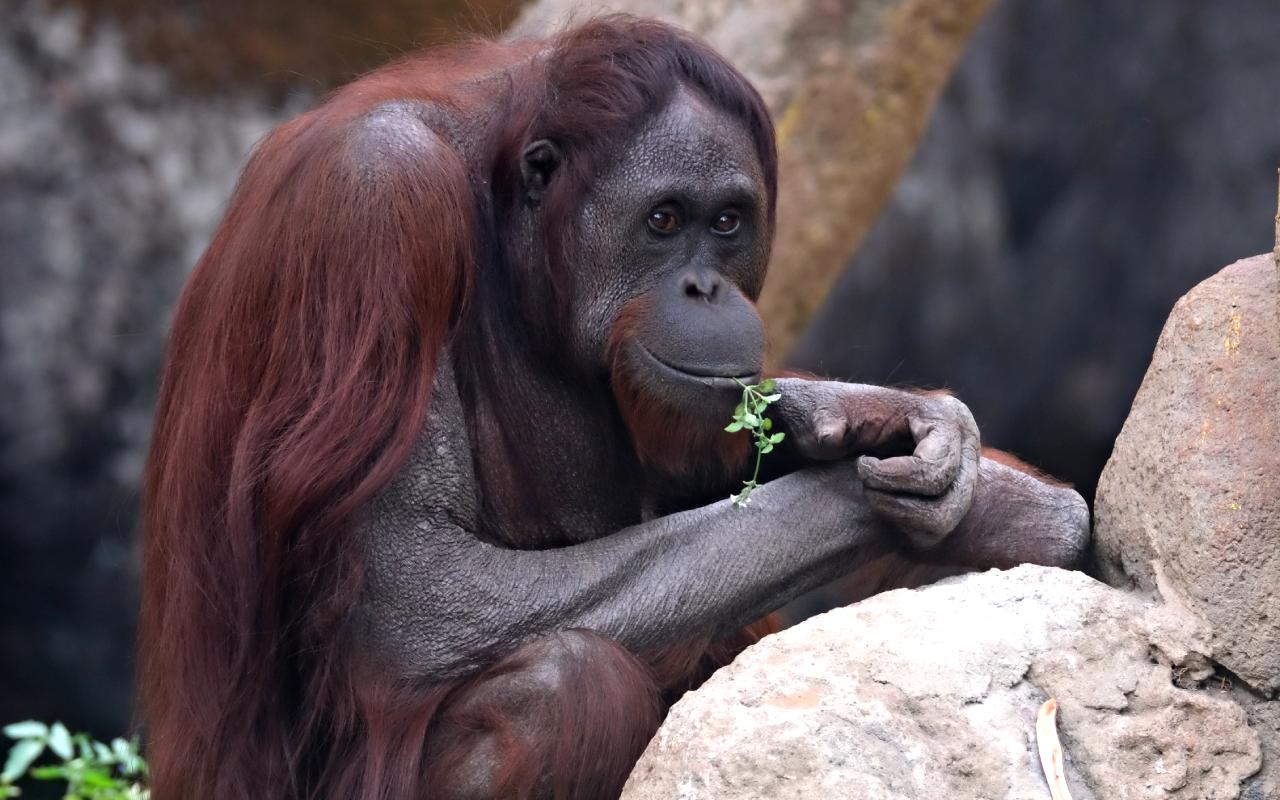
Orangutans
In total, Borneo has 11 primate species (orangutans, gibbons, langurs, macaques, proboscis monkeys, etc.), over 380 bird species (including 8 hornbill species), and unique plants like the Rafflesia flower.
Wildlife Highlights: –
Due to long isolation, many animals show little fear of humans, making wildlife encounters very close and unique.
Proboscis Monkeys and Orangutans: Observed in riverine forests (e.g., Kinabatangan, Bako NP).
Biodiversity: Giant Rafflesia blooms, multiple hornbill and pygmy elephant populations.
Best Time: Borneo has a rainy season (Nov–Feb/Mar) and dry season (Jun–Oct). Wildlife viewing can be year-round. Dry season (Jul–Oct) may ease trekking; some tours suggest peak wildlife activity in July–Sept. Many parks close intermittently during extreme rain.
Travel Tips: The most common methods of viewing the wildlife in Borneo are jungle trekking, river cruising, and canopy walkways. In the case of the orangutan, go to Sepilok (Sandakan, Malaysia) or Tanjung Puting National Park (Indonesian Borneo).
Tanjung Puting in Indonesia provides tours by riverboat to wild orangutans. Conservation lodges promote ethics. Note permits: Indonesian and Malaysian parks require guides and have an entry fee.
Conservation: Palm oil and logging threaten the Borneo forests. Promote reputable eco-lodges, which conserve habitat. Watch primates but keep a distance and do not feed. The policies that are usually implemented have minimal effect on the wildlife.
9. Yala National Park, Sri Lanka
Yala NP (979 km²) is Sri Lanka’s most famous park, renowned for its high density of leopards. In fact, it has the highest leopard density known anywhere. Sightings of adult leopards and cubs are relatively common.
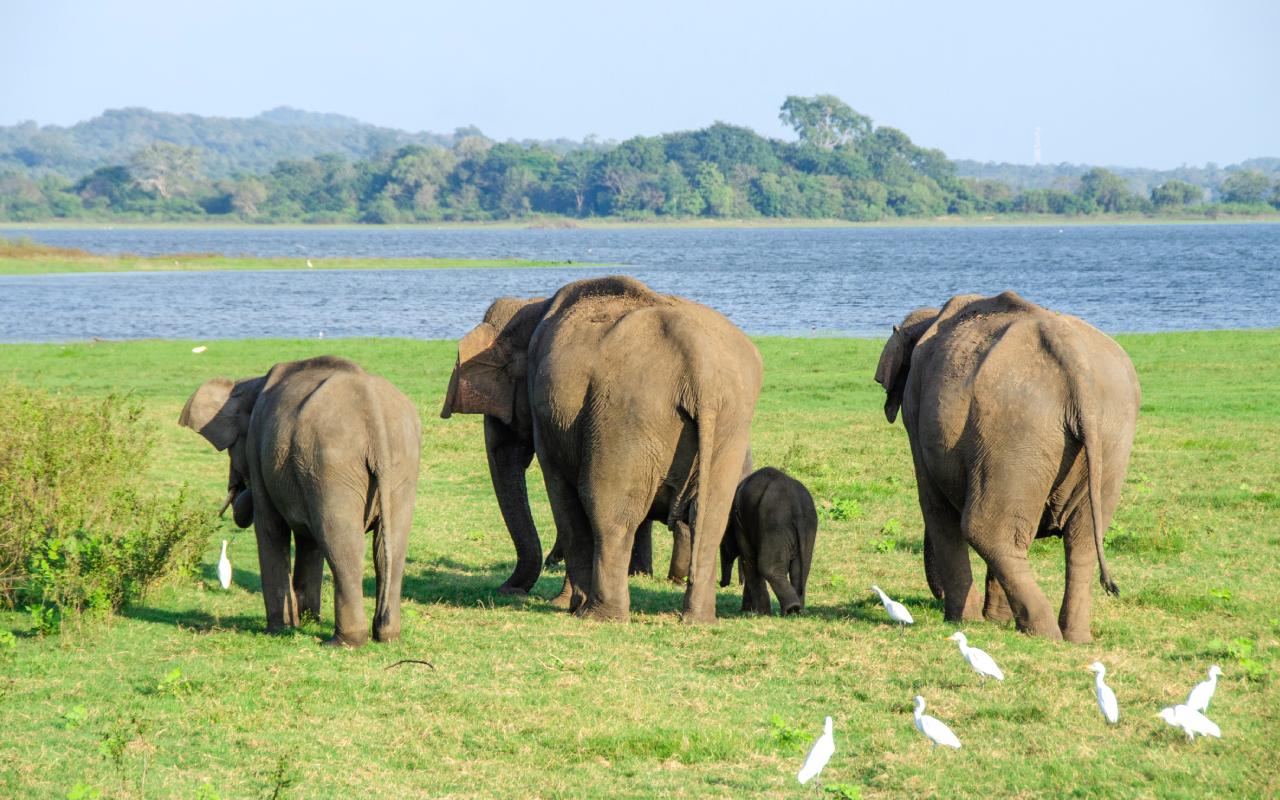
Yala’s dry zone forests and lakes also support hundreds of Asian elephants, sloth bears, and mugger crocodiles. In dry months, the rock elephants come to rest in waterholes alongside sambar deer and spotted deer.
Wildlife Highlights: –
Leopards: Often seen during game drives at dusk or dawn. They are the main draw.
Elephants: Large herds forage in grasslands and tank-ponds. – Birds: Wetlands hold waterfowl and birds of prey.
Other: Sloth bear, rusty-spotted cat (rare), chital deer, wild boar.
Best Time: June–September (the southeastern dry season) yields clear roads and good wildlife visibility. Yala is closed during most of the monsoon (Oct–May).
Travel Tips: Only designated four-wheel-drive safaris with park permits are allowed. Hiring knowledgeable local guides is key to finding cats. Park zones (EPC ranges) have different rules; Zone I is open for safaris. Expect dusty roads. Have realistic expectations; sightings are not guaranteed every day in a wild habitat.
Conservation: Yala, as a UNESCO Biosphere Reserve, balances conservation and tourism. Always obey the rules in the parks; it is not permitted to feed or touch animals. Be quiet, and observe drive courtesy (leopards are timid of disturbance).
10. Amazon Rainforest
The Amazon basin, spanning Brazil, Peru, and other South American countries, is the world’s largest tropical rainforest (5.5 million km²). It contains over 10% of all known species on Earth.
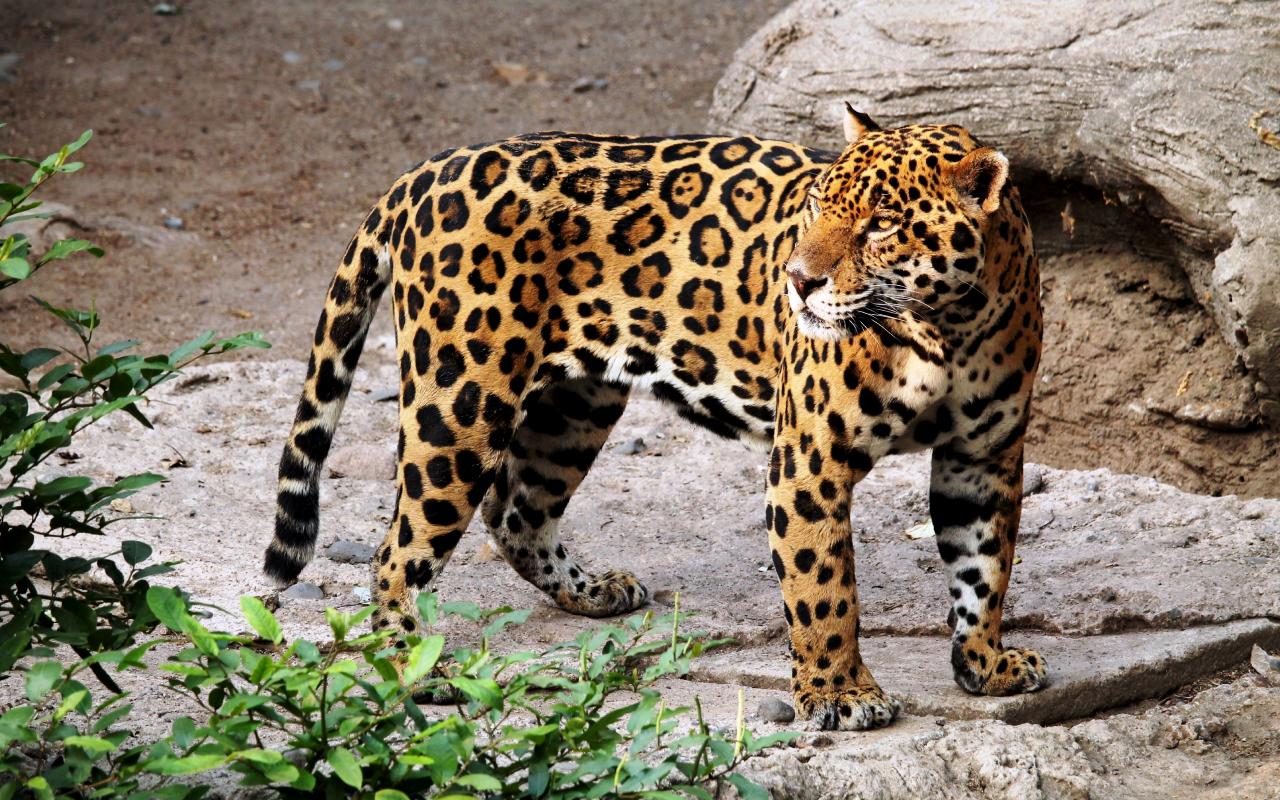
Iconic wildlife here includes jaguars, howler and spider monkeys, giant river otters, and pink river dolphins. The forest canopy is alive with macaws, toucans, and the harpy eagle. Rivers teem with fish (including piranha and the massive arapaima) and the elusive black caiman.
Wildlife Highlights: –
Jaguars: The top predator; best seen in Pantanal or wild areas like Manu (Peru).
River Creatures: Pink dolphins and giant otters in oxbow lakes; anacondas in flooded forests.
Birds: Toucans, macaws, hoatzins, and 2,000+ bird species.
Best Time: Dry season (June–November) is ideal for land-based spotting (low water means animals concentrate on the remaining forest or river edges). In the rainy season (Dec–May), rivers flood and aquatic life (including river dolphins and fish) can be easier to see.
Travel Tips: Access points are Manaus (Brazil), Iquitos (Peru), or Leticia (Colombia). Lodge or boat cruises navigate the jungle river system. Many tours include jungle treks for macaws or nocturnal caimans. Guide fees and permits vary by country and region; national park entry in Peru or Ecuador requires tickets. Vaccinations (yellow fever) and antimalarial precautions are advised.
Conservation: Deforestation and mining are threats; stick to tour operators committed to sustainable practices. Avoid disturbing wildlife (e.g., do not chase monkeys by boat). Support local guides.
It is important to keep in mind that conservation is the main source of living for many Amazonian communities, so responsible tourism benefits the environment and people. South America also has some of the best wildlife spots, particularly of rainforest and wetland species.
11. Pantanal, Brazil
The Pantanal is the world’s largest tropical wetland (140,000–160,000 km²), spread mainly in Brazil.
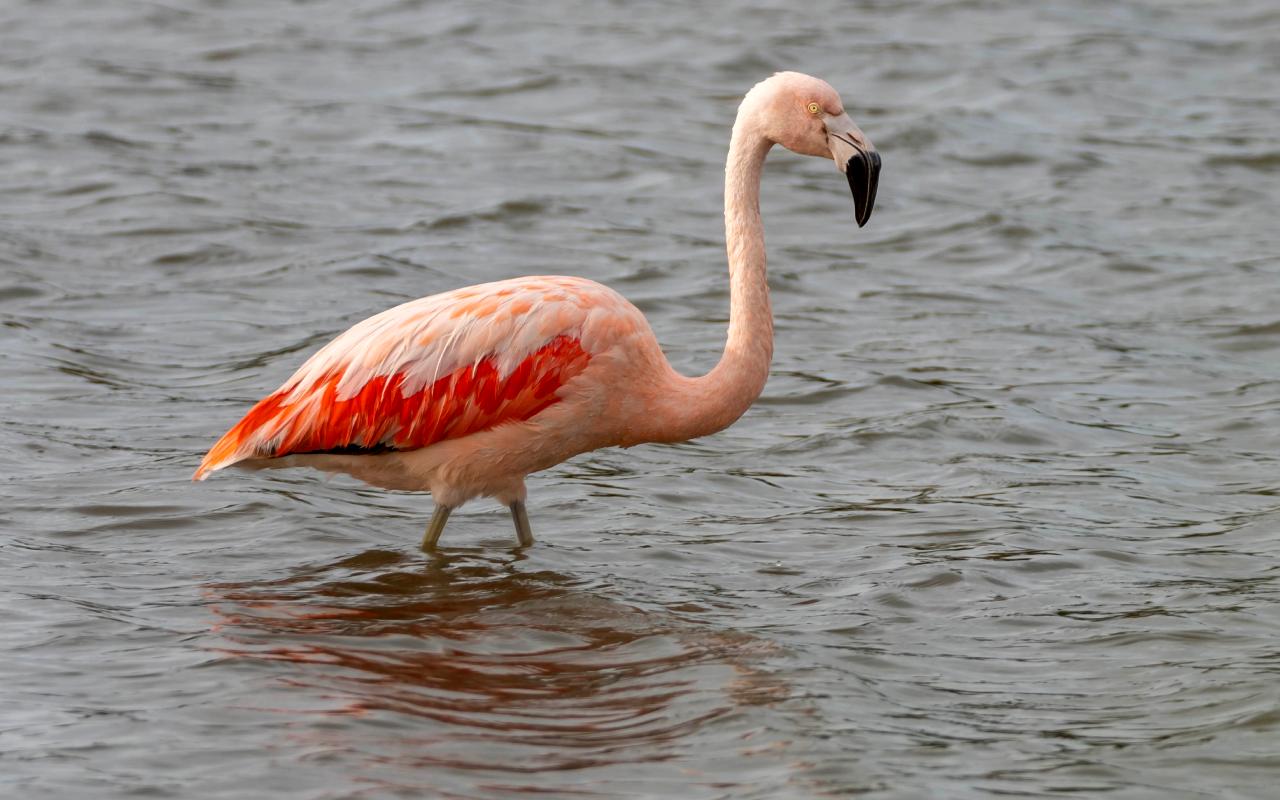
Flamingos
It has the highest concentration of jaguars on Earth, as well as giant river otters, capybaras, and hundreds of bird species (including hyacinth macaw, jabiru stork).
The mosaic of flooded savanna and dry islands draws wildlife to the few remaining dry spots in the dry season, making wildlife viewing extraordinary.
Wildlife Highlights: –
Jaguars: Dense populations; river-edge boat trips can glimpse them swimming or hunting.
Birdlife: Flamingos, herons, toucans, and >600 birds.
Mammals: Marsh deer, giant anteaters, howler monkeys.
Best Time: July–October (dry season). Water recedes, and wildlife congregates on riverbanks. This is peak safari season in Pantanal.
Travel Tips: Lodges accessible only by boat or 4×4. Pantanal tours often include horseback rides (avoid in the flooded season), boat safaris, and hide photography of jaguars. No visa needed for Brazilians; international tourists pay park/lodge fees. Lodges may be reached by long (driving) or short (flying) routes (e.g., Campo Grande).
Conservation: Cattle ranching has historically been in harmony with nature, but an increasing agribusiness is a threat to the Pantanal. Choose green lodges that help in protecting habitats. Do not feed or bait wildlife.
12. Galápagos Islands, Ecuador
The Galápagos Archipelago is a volcanic laboratory of evolution, famous for its fearless wildlife. Nearly the entire land area (7,880 km²) is protected as Galápagos National Park.
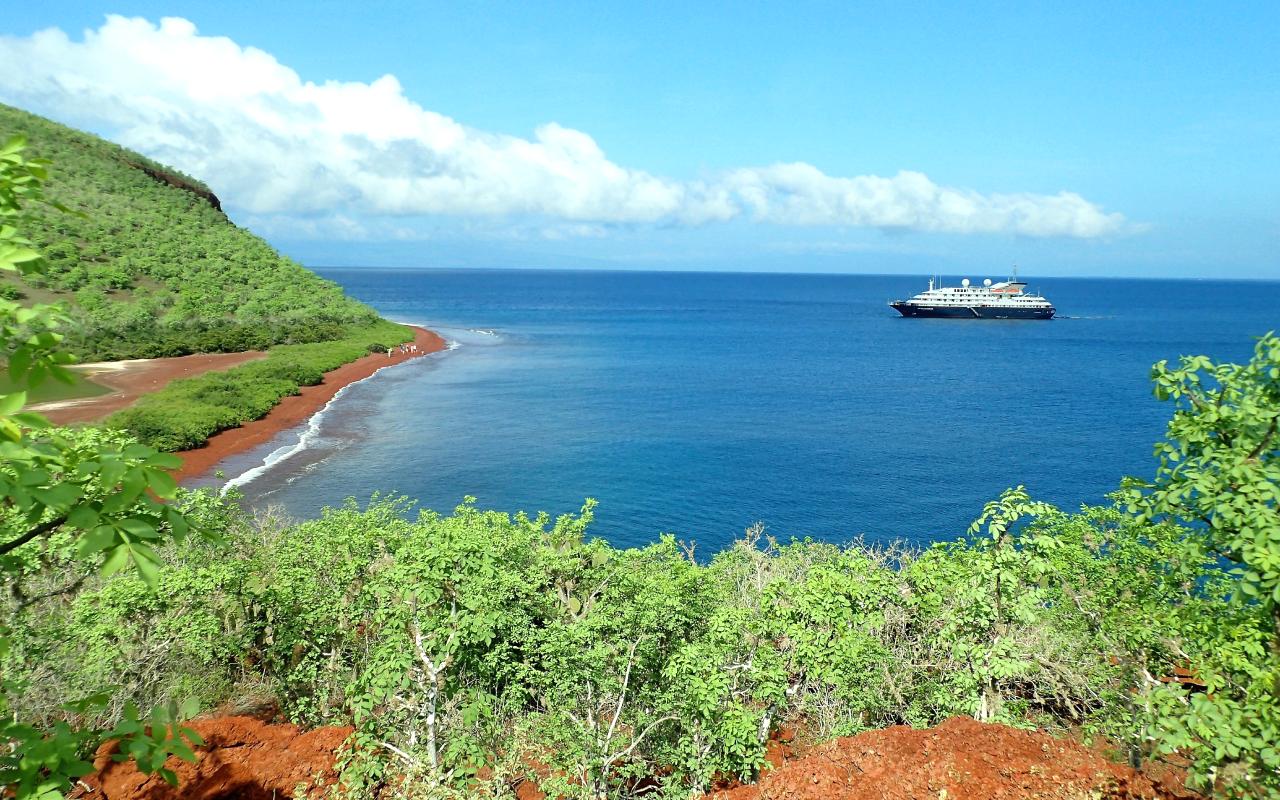
Here you can see giant Galápagos tortoises, marine iguanas sunning on lava rocks, and blue-footed boobies performing mating dances.
Sea lions lounge on beaches, and playful fur seals frequent rocky coves. The islands are speciated with finches (at least 17 species) of Darwin.
Wildlife Highlights: –
Endemics: Ground finches, giant tortoises (Chelonoidis), flightless cormorant, Galápagos penguins.
Marine Life: Sea turtles, manta rays, sea cucumbers, and fish on lush reefs.
Unique Ecology: No native predators – animals are not afraid of humans and provide great photographic opportunities.
Best Time: There are two seasons in Galapagos. The dry cooler season ( June -Nov ) offers smooth seas and excellent visibility underwater (perfect for snorkeling). The warmer rainy season (Dec–May) has lush landscapes and giant tortoises nesting. Both seasons offer excellent wildlife viewing year-round.
Travel Tips: Strict rules apply: only tour in small groups, stay on marked trails, and use guide services. Most visitors live in Santa Cruz or San Cristóbal and take day tours by boat. Park entrance and high-speed ferry or charter fees apply. Galápagos is remote – plan logistics carefully (inter-island flights or ferries, guided trips). Snorkel gear is a must for sea creatures.
Conservation: Galápagos rules are stringent to protect wildlife. Never touch or feed animals. There is an enforcement of biosecurity (no seeds, insects on boots). Tourism also pays the parks to maintain, by visiting this park in a sustainable manner, you are preserving this unique ecosystem.
13. Yellowstone National Park, USA
Yellowstone (USA) is the best wildlife destination in North America and the first national park on earth. It covers 8,983 km 2 in Wyoming, Montana, and Idaho, where it maintains huge herbivore populations.
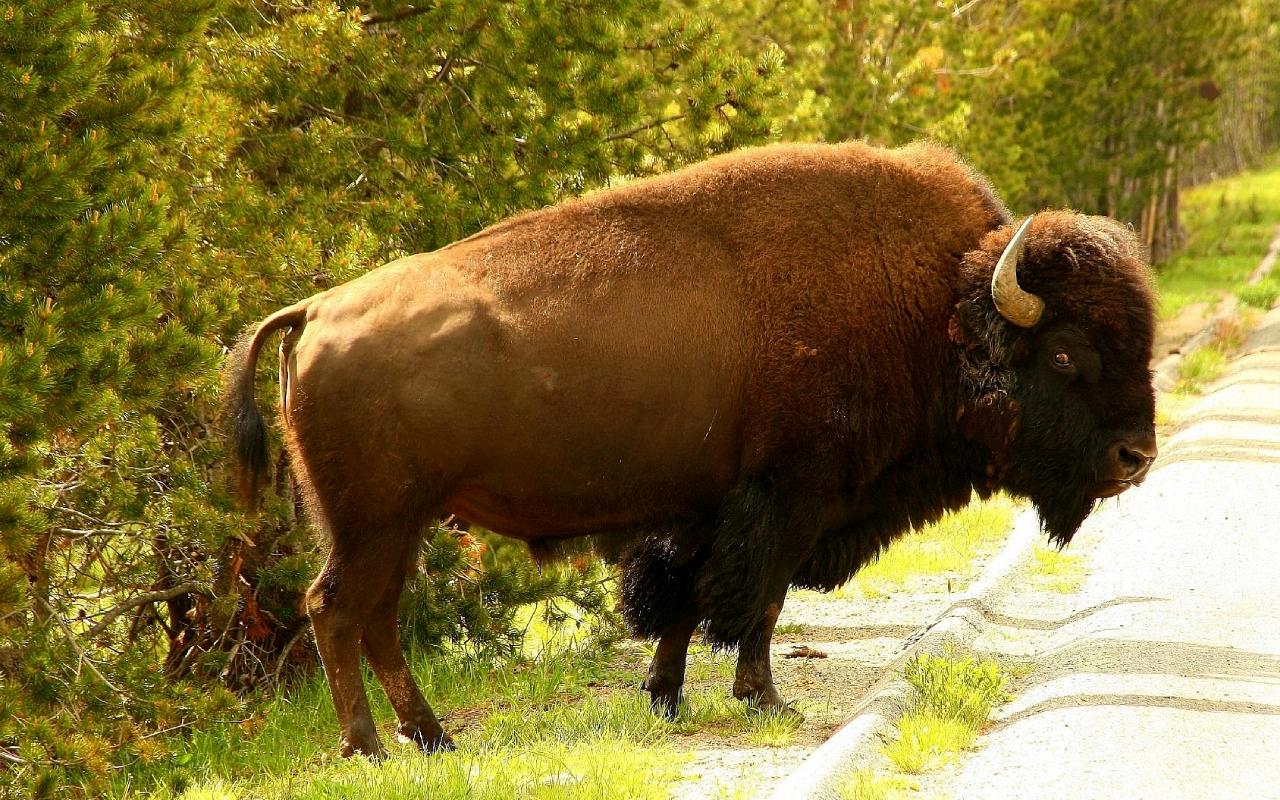
Bison
Yellowstone sustains eight species of ungulates (bison, elk, deer, pronghorn, moose, etc.) and seven large predators. Its bison herd (over 5,400 head) is the largest on public lands.
Wolves were reintroduced in 1995 and now number about 108 (2025 estimate). Grizzly bears (1,030 in Greater Yellowstone), black bears, cougars, and coyotes also roam freely.
Wildlife Highlights: –
Bison and Elk: Easily seen on the plains and near forests. Madison and Hayden Valleys are good viewing spots.
Wolves: Track them by wolf pack (Lamar Valley is famous for wolf-watching).
Black & Grizzly Bears: Often foraging for berries from late summer; keep distance.
Other: Pronghorn, moose (seen in northern parts), bighorn sheep in the mountains.
Best Time: Summer (June–September) opens all park roads and trails. Wildlife is plentiful in the valleys. For wolves and bears, May-June and Sep-Oct (when bears feed heavily) can also be productive, but winter roads close and vehicle access is limited (oversnow travel needed).
Travel Tips: Yellowstone is quite active during the summer. Best (roads connect major loop) is self-driving. Observed safety regulations: keep 100m+ distance to bears and wolves, 25m to other large animals.
Use boardwalks around thermal areas to avoid accidents. Lodge or camp reservations are required well in advance. Since interior fuel is expensive, fill up in gateway towns. Winter visits require snowmobile/snowcoach tours.
Conservation: Yellowstone’s ecosystem is highly protected. Never harass wildlife – even female bison with calves can be unpredictable. Pack out all trash; human food storage regulations are strict (bears patrol campsites). By visiting, you support the preservation of North America’s largest intact temperate ecosystem.
14. Denali National Park, Alaska (USA)
Denali National Park is one of the best places to see wildlife in Alaska, protecting vast wilderness and iconic species. It has the classic Alaskan “Big Five” mammals – moose, caribou, Dall sheep, wolves, and bears (grizzly and black).
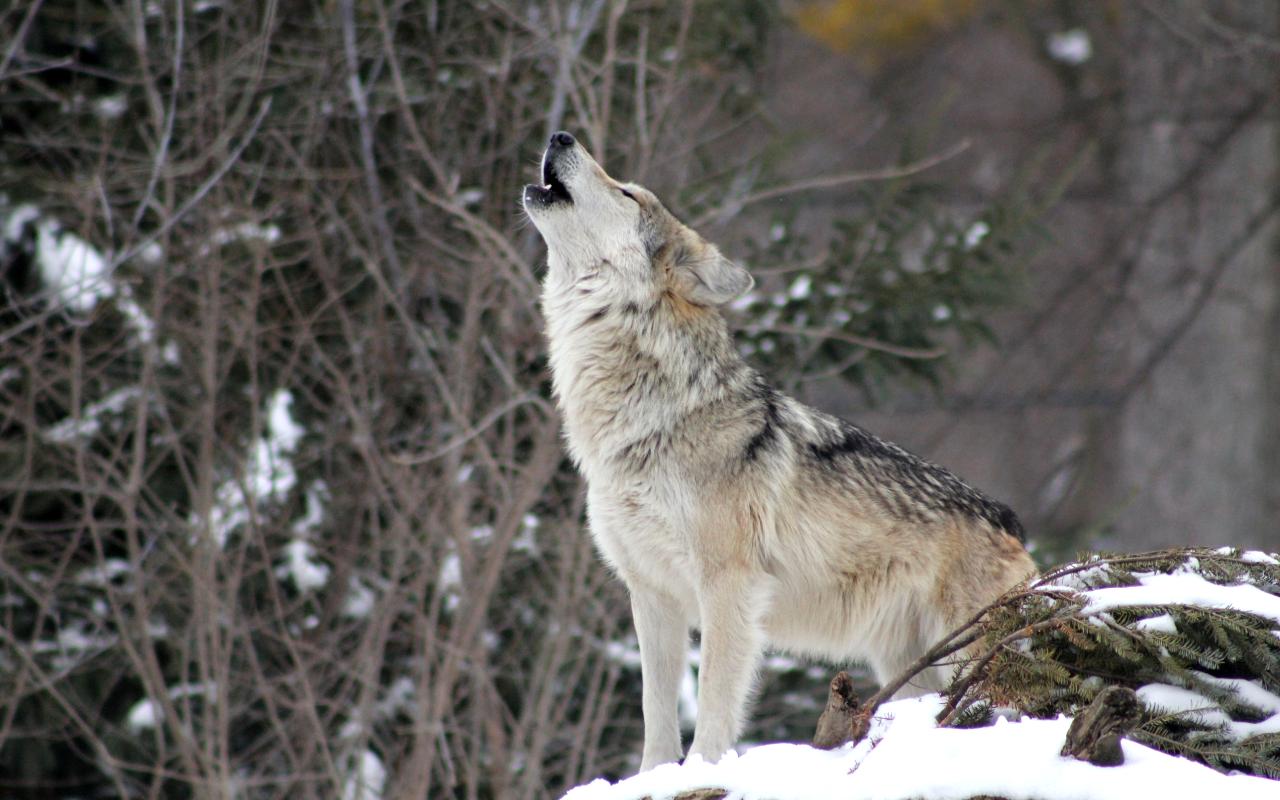
The park’s vast tundra and boreal forests are also home to brown (grizzly) bears with cubs, wolverines, lynx, and sandhill cranes. Unlike many parks, wildlife remains truly untamed here; there are no fences or roads in much of Denali.
Wildlife Highlights: –
Big Five: Expect to see moose (often near visitor centers), caribou, Dall sheep in alpine areas, grizzlies, and wolf packs along the park road.
Birds: Over 160 bird species breed here, including ptarmigan and snowy owls.
Others: Red foxes in summer, arctic ground squirrels, and occasional moose predation by wolves.
Best Time: Mid-May to late August, the Denali Park Road (90-mile one-way) is partially open for buses (personal vehicles only up to 15 miles). July and August are peak for wildlife and wildflowers. By late summer, moose and bears fatten for winter.
Travel Tips: Private vehicles beyond 15 miles are only allowed on the first few miles; beyond that, use park shuttle buses or guided tours. Book bus tours early (use the Online Reservation System). Dress in layers and prepare for sudden weather changes. Bring binoculars – spotting from a distance is common. Wildlife can be shy of the road, so patience is key.
Conservation: Denali’s management limits human impact: only services at the North and Teklanika river crossroads. Pack out all waste and stay on trails. Never approach or feed wildlife; even curious Arctic ground squirrels can bite. Your park fees help fund Denali’s conservation and research programs.
15. Plitvice Lakes National Park, Croatia
Plitvice Lakes is Europe’s oldest national park (est. 1949) and a stunning cascade of 16 terraced lakes linked by waterfalls. While famous for its scenery, it also harbors the wildlife of the Dinaric Alps.
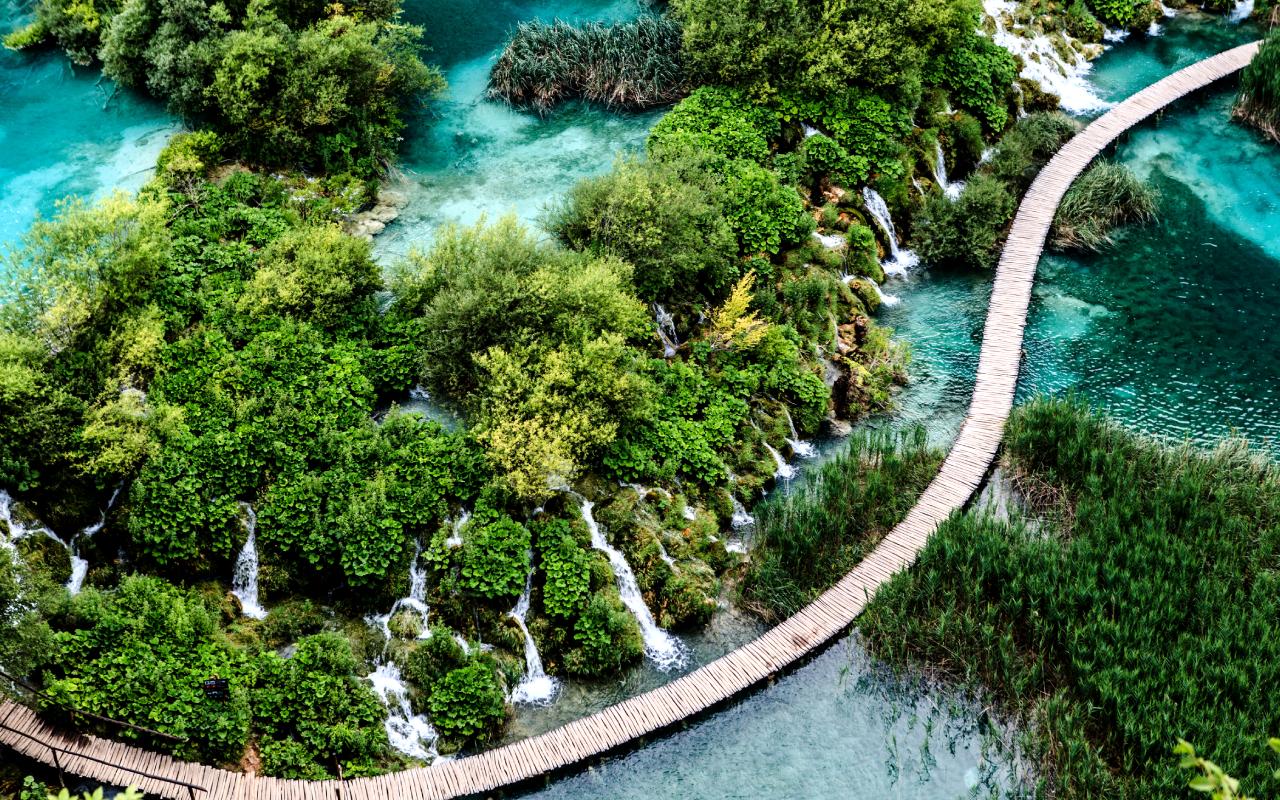
Plitvice’s dense forests support brown bears and wolves, although they are elusive to visitors. About 50 bears and several wolf packs roam the region.
Other wildlife includes Eurasian lynx, deer, boars, and rare otters. Over 150 bird species (woodpeckers, eagles, owls) are found in the park.
Wildlife Highlights: –
Carnivores: Bears and wolves inhabit the hinterlands; spotting them requires luck and patience.
Lynx: Extirpated and recently reintroduced by conservationists.
Natural Scenery: The lakes themselves attract falcons and other birds of prey overhead.
Best Time: Late spring to early autumn (May–October) when all park trails are open. Waterfalls and lakes are impressive when water flows are high (spring melt). Bear activity (and visibility) peaks before/after denning season (May and Sept).
Travel Tips: Plitvice is mainly viewed via boardwalks and footpaths around lakes, so sightings are usually of birds or small animals (otters). Drive slowly in the park’s buffer zones; deer and boar may cross. The park uses timed entry tickets to limit crowds; book early in summer. Overnight camping is not allowed (day visits only).
Conservation: Plitvice’s forests are strictly protected. Remain on marked trails to protect sensitive habitats. Do not litter or feed any wildlife. Your ticket fees help protect both the famous lakes and their surrounding wildlife.
16. Carpathian Mountains (Transylvania), Romania
The Carpathian Mountains, especially the Transylvanian Alps, form one of the best places to see wildlife in Europe and one of the continent’s last great wildernesses.
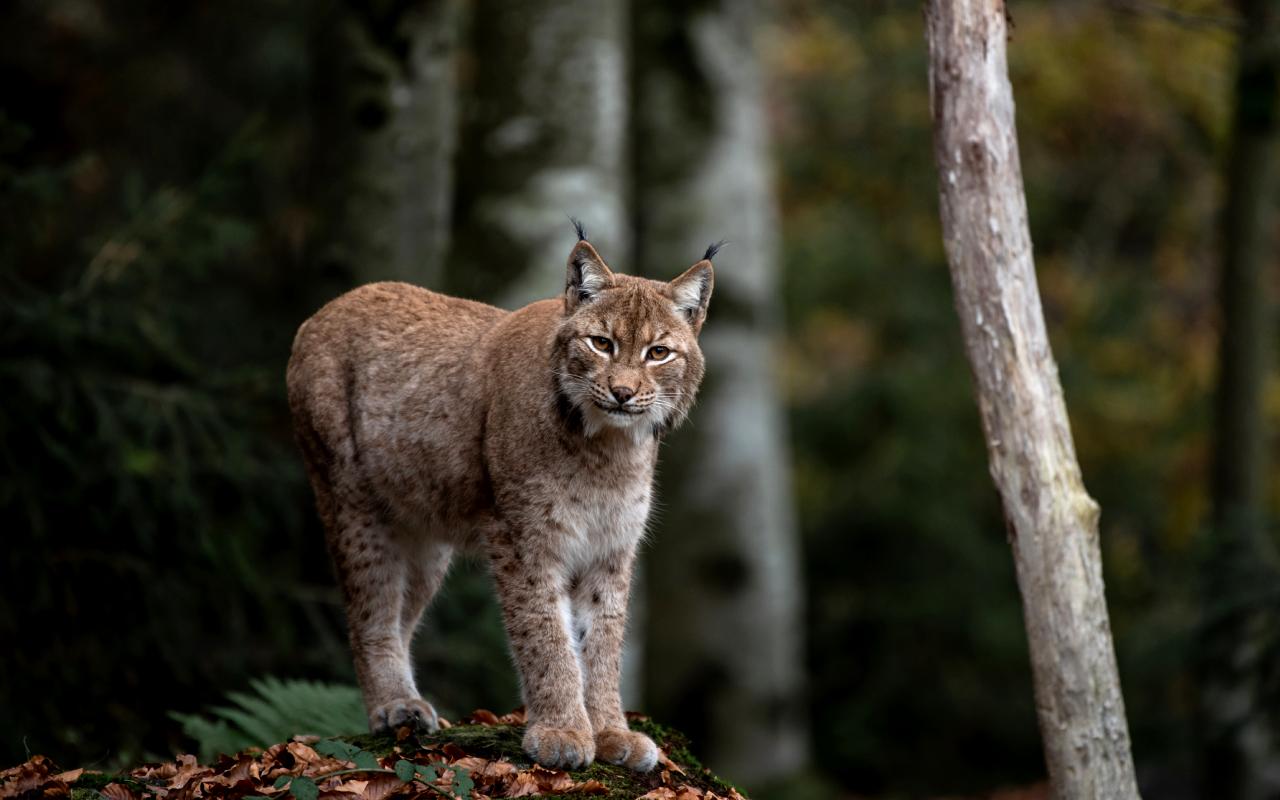
Lynx
This region holds the European Union’s largest populations of brown bear, wolf, and lynx. Romania alone contains about 60% of Europe’s brown bears (6,000+) and 30% of its wolves.
These forests and meadows also support wild boar, deer, and the elusive Eurasian lynx. Birdlife is rich too: capercaillie, pygmy owl, and wallcreeper are found here.
Wildlife Highlights: –
Brown Bears: Common in summer, feeding on berries and insects in meadows.
Wolves: Packs roam the forests; sightings are very rare (hunt by track or howls).
Lynx: Reintroduced in parts of the Carpathians; reclusive cats.
Best Time: June–September for hiking and wildlife. Autumn (Sept–Oct) sees rutting deer and bear activity before hibernation. Winter access requires permits and snow equipment.
Travel Tips: The best approach is guided wildlife tours or stays in mountain villages (e.g., around Piatra Craiului or Retezat NP). Carry bear spray or deterrents in bear country. Roaming livestock means shepherd dogs may accompany bears (avoid provoking either). Do not hike alone at dusk. Local guides increase the chances of spotting wildlife safely.
Conservation: The Carpathians benefit from Natura 2000 and national park protections. Stay on trails in national parks (e.g., Făgăraș, Retezat) and respect hunting regulations (these species are often game in controlled hunts). Supporting eco-tourism here helps maintain habitats that few people see.
17. Great Barrier Reef, Australia
The Great Barrier Reef is the planet’s largest coral reef system (348,000 km²) and a pinnacle of marine wildlife viewing. It’s an underwater world: vibrant coral gardens shelter thousands of reef fishes (1,625 species) and invertebrates.
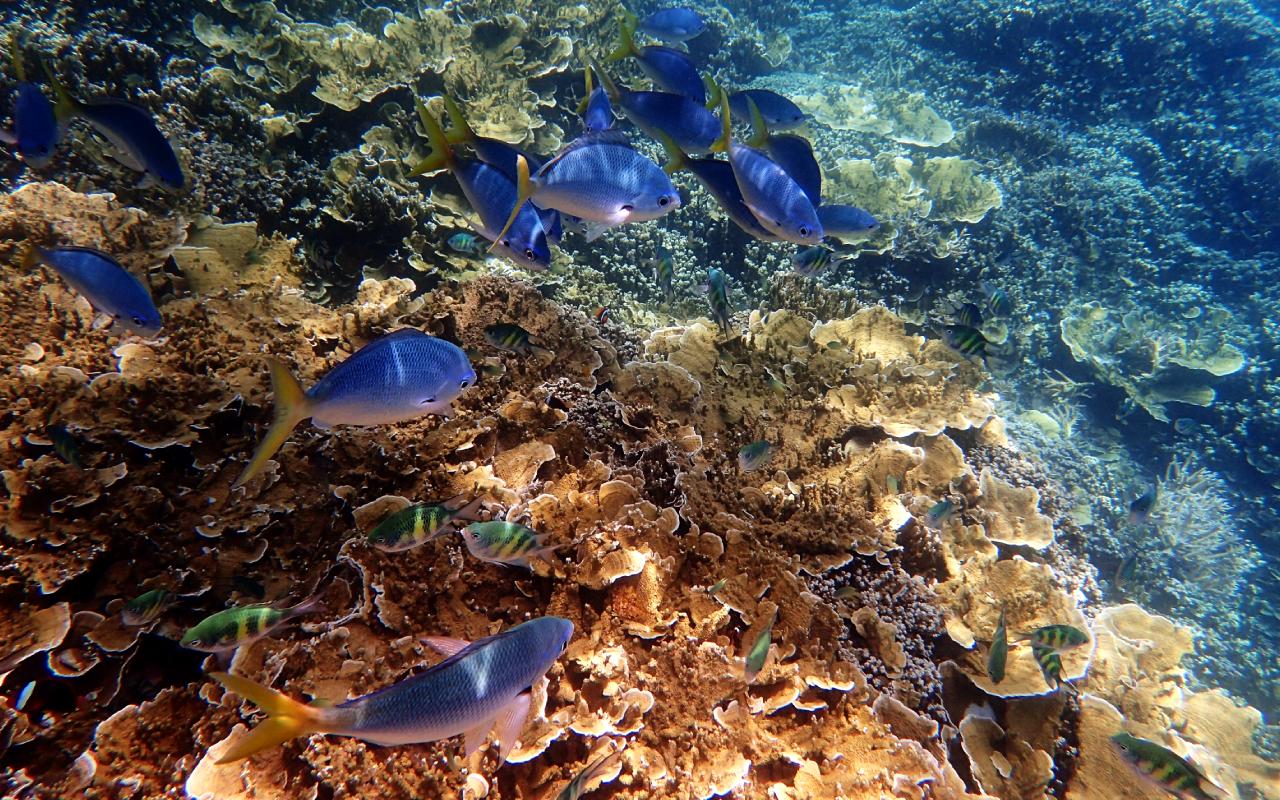
Sharks and rays (over 133 species) glide through the blue, while whales migrate past seasonally. Six of the world’s seven marine turtle species nest on its islands. Dugongs (sea cows) graze on seagrass meadows.
Wildlife Highlights: –
Coral and Fish: Hundreds of coral species, clownfish, parrotfish, and giant clams.
Sharks & Rays: Reef sharks, manta rays, and eagle rays are common on dives.
Marine Mammals: Humpback whales travel north here in winter, and dwarf minke whales visit select reefs.
Best Time: June–November (southern winter/spring) brings clear water and calm seas. Avoid stinger season (Dec–May) or use protective suits. November’s coral spawning is a spectacular marine event. Different reefs house unique species – choose scuba/diving tours for great encounters.
Travel Tips: Diving and snorkeling trips depart from Cairns or Port Douglas. Numerous islands offer day trips. Marine park fees apply per outing. If you cannot swim, glass-bottom boat tours still reveal colorful fish. Use reef-safe sunscreen to protect corals.
Conservation: The Reef is threatened by bleaching and pollution. Never touch corals or feed fish. Adhere to “no-take” zones enforced by rangers. Consider going with eco-certified operators. By respecting regulations, you help preserve this living wonder and its diverse fauna.
18. Baja California, Mexico
Baja California is a marine wonderland famed for whales. The Pacific coast of Baja’s Baja California Sur hosts breeding lagoons for the friendly Gray Whale, the only place on earth where these whales often approach boats and allow gentle interaction.
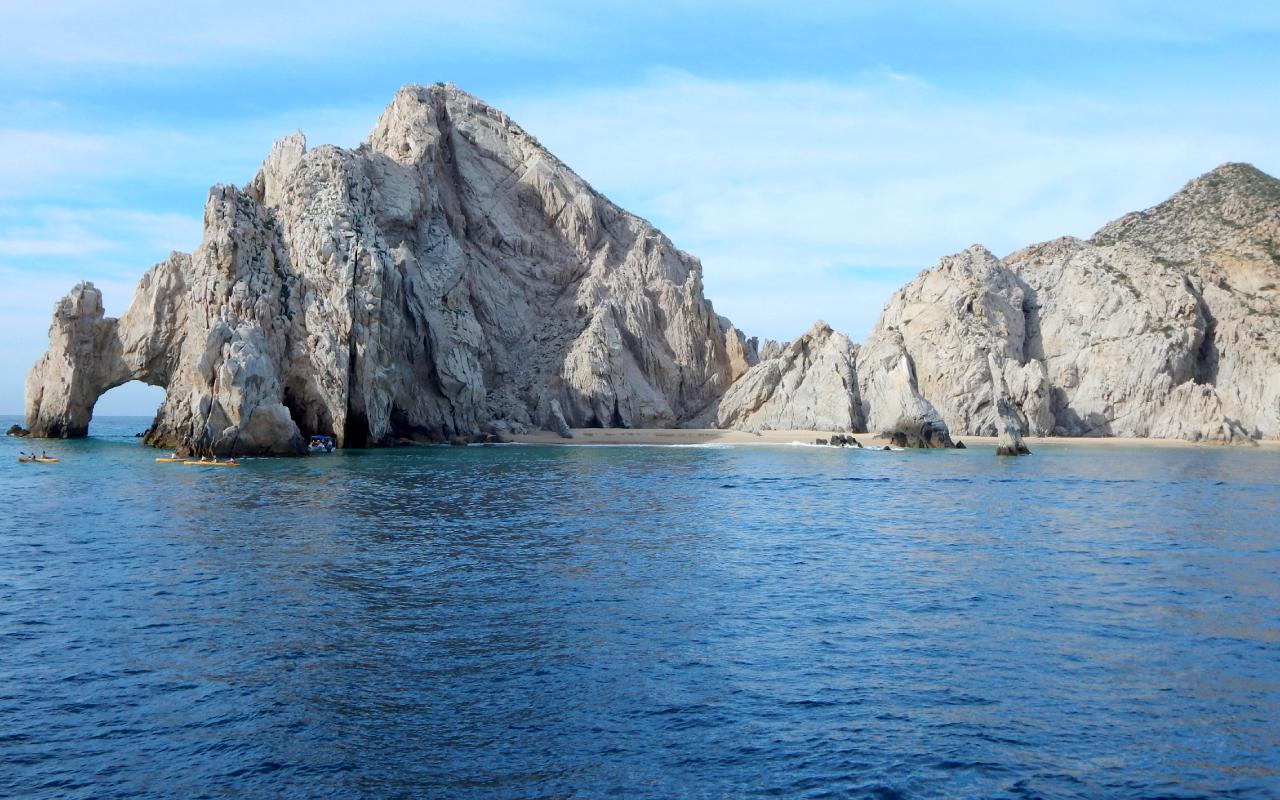
From December to April, hundreds of gray whale mothers and calves gather in Baja’s protected lagoons.
Simultaneously, the adjacent Sea of Cortez (Gulf of California) is one of the richest seas on Earth; Jacques Cousteau called it “the world’s aquarium”.
It attracts Blue, Humpback, Fin, and even Sperm whales, plus orcas, whale sharks (in summer), and large pods of dolphins.
Wildlife Highlights: –
Gray Whales: In February–March, you can see and even gently touch gray whales in San Ignacio and Magdalena Bays.
Other Whales: Bahía de Loreto and La Paz offer boat trips for blue and fin whales, sea lions, and numerous dolphins.
Sea Life: The Sea of Cortez also has manta rays, sharks, and endemic fish.
Best Time: December–April for whale watching. Gray whales arrive by January and leave by late April. Whale sharks are seen in summer (July–Sep) around Cabo. Bird-watching (boobies, pelicans) is great year-round.
Travel Tips: Whale-watching tours operate out of Guerrero Negro, San Ignacio, and La Paz. Choose operators who follow ethical guidelines (no chasing whales). Bring warm clothes (sea breezes) and sunscreen. Booking ahead in peak season is advised. Viewing fees and protection rules (especially for gray whales) are enforced by Mexican law.
Conservation: Gray whales and many other species are internationally protected. Never harass or feed wildlife. The Laguna San Ignacio is a UNESCO Biosphere Reserve. By visiting during whale season, you contribute to local economies that value the whales more than whaling (Mexico banned whaling decades ago).
19. Iceland
Iceland’s barren beauty is surprisingly rich in wildlife, especially along its coasts. In spring and summer, about 60% of the world’s Atlantic puffins (roughly 8–10 million birds) come to breed in Iceland’s cliffs.
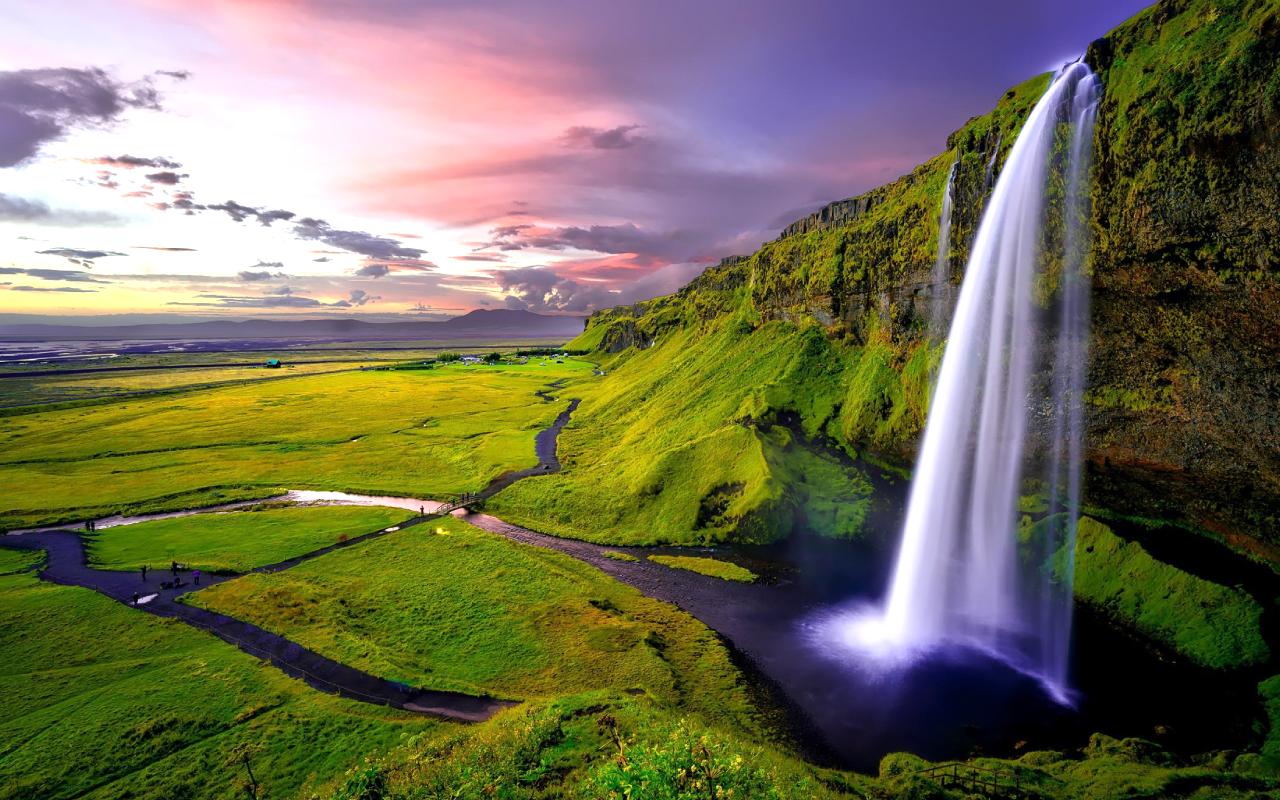
Puffin tours from Reykjavík, Vestmannaeyjar (Westman Islands), or Látrabjarg in the Westfjords let you admire these iconic birds. The surrounding seas are also alive: 23 species of cetaceans frequent Icelandic waters.
Humpback and minke whales feed on krill here, and orcas and white-beaked dolphins are seen off the peninsula. Seals (harbor and grey) sun themselves on rocks near shore.
On land, the only native mammal is the Arctic fox, which survives the winter in inland highlands. In summer, reindeer (introduced) roam the Eastfjords. Birdlife includes Arctic terns, gyrfalcons, and golden plovers.
Best Time: May–September for whale watching and birding. Puffin nesting peaks in June–July. June also has endless daylight, good for hikes. Winter (Oct–Mar) offers Northern Lights, but much wildlife is hidden (except seals and hardy seabirds).
Travel Tips: Car travel (rent a 4×4 or join tours) along coastal routes gets you to puffin colonies and whale-watching ports (Reykjavík, Húsavík). Keep a telephoto lens – the wildlife is wild, not habituated. Be cautious of nesting sites; do not disturb puffins or eiders. To avoid full boat tours, locals suggest off-peak and smaller groups during boat tours.
Conservation: Puffins are susceptible to climate change and fishing. Remain on the ledges of rocks and do not step on nest burrows. Iceland whale tours are highly regulated; select tour operators follow the rules of wildlife. When you visit Iceland, you contribute to the survival of wildlife in its wilderness.
20. Antarctica
The final polar wildlife destination is Antarctica, which is a continent that is nearly nature-ferocious. It has a cold climate with iconic species that are uniquely adapted to cold.
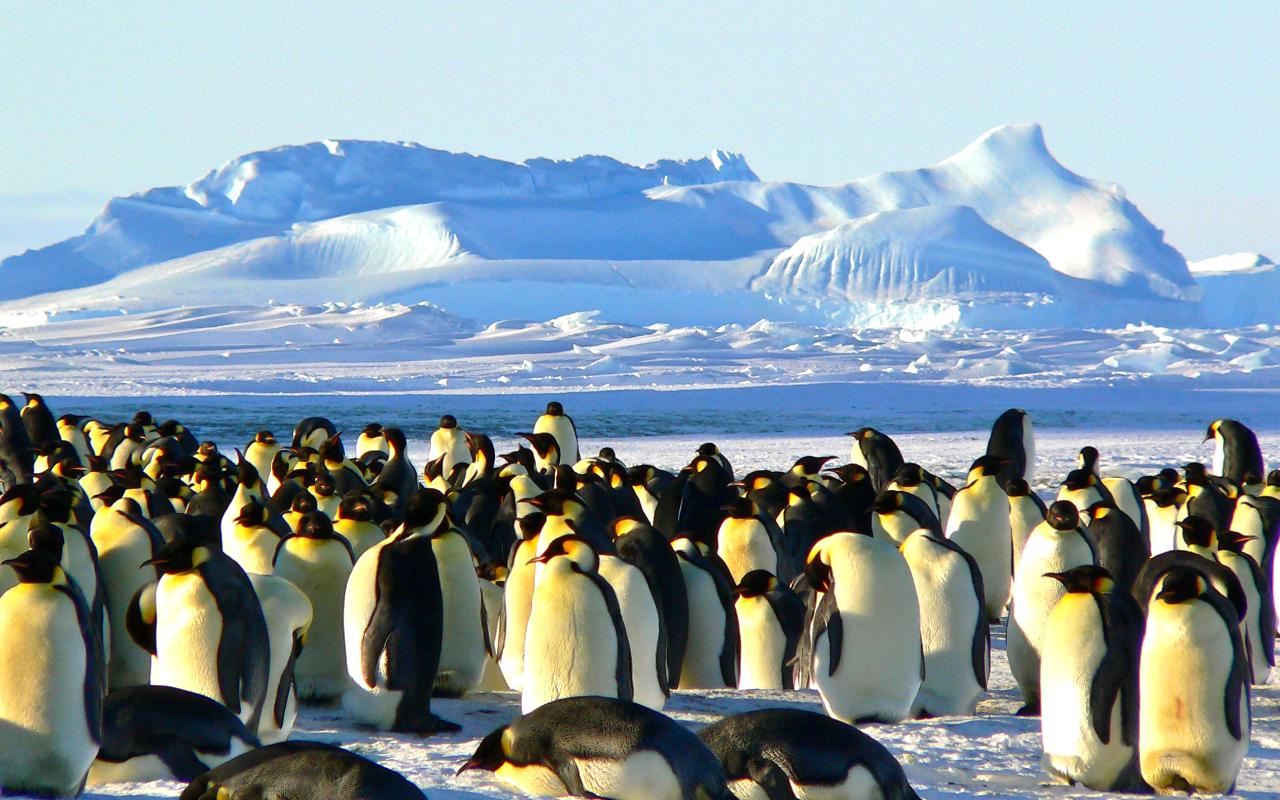
Emperor Penguins
The Emperor penguins nest on the sea ice in the very middle of winter, whereas the Adelie penguins nest on rocky beaches in the summer. Sub-Antarctic islands are occupied by other penguins (chinstrap, gentoo, macaroni).
The Antarctic Southern Ocean is rich in krill, the small shrimp-like crustacean, the keystone of the food web. Whales (blue, humpback, orcas) arrive to feed on the krill, and seals such as the mighty leopard seal guard the ice edges.
Wildlife Highlights: –
Penguin Colonies: Large rookeries of Adelie and Emperor penguins, as well as gentoo and chinstrap penguins, on satellite islands.
Seals and Whales: Leopard seals and Weddell seals on the ice. Blue and humpback whales in open water.
Birds: Wandering albatrosses and petrels soar overhead.
Best Time: November–March (austral summer) when sea ice retreats enough for ships to land. Midnight sun means constant wildlife activity. In winter, almost nothing but ice exists, so summer is the only realistic visit period.
Travel Tips: Travel only by expedition cruise (visits are strictly regulated and typically conducted through guided expedition cruises following international Antarctic guidelines).
Choose Antarctic Treaty-compliant vessels (limited to 100 passengers per landing). Tours usually depart from Ushuaia (Argentina) or Punta Arenas (Chile). Listen to guides and scientists, stepping carefully to protect fragile vegetation and avoid wildlife disturbance is mandatory. No waste may be left on land.
Conservation: Antarctica is a strict preserve under an international treaty. Never litter or approach animals closer than 5 meters. Use only authorized vessels that carry no non-native species (clean boots, clothing).
This fragile ecosystem depends entirely on krill; climate change and krill fishing are ongoing concerns. By visiting responsibly, you become part of the global effort to protect the last great wilderness.
From savannahs to rainforests and oceans, these are truly the best places to see wildlife for every kind of traveler.












-
 0115 Best Easy Treks in Nepal for Beginners and Families
 -
 02Best season for Everest Base Camp Trek
 -
 03Best Time to Go Hiking in Nepal: A Seasonal Guide for Trekkers
 -
 04Suchi Purja –Wife of Nirmal Purja aka Nims Dai
 -
 05Dubai desert safari outfit ideas
 -
 06Top Beaches in Sri Lanka
 -
 0710 Best Easy Treks in Nepal