
Now Reading: Nepali New Year 2083 (Bikram Sambat): Date, Meaning & Celebration Guide
-
01
Nepali New Year 2083 (Bikram Sambat): Date, Meaning & Celebration Guide

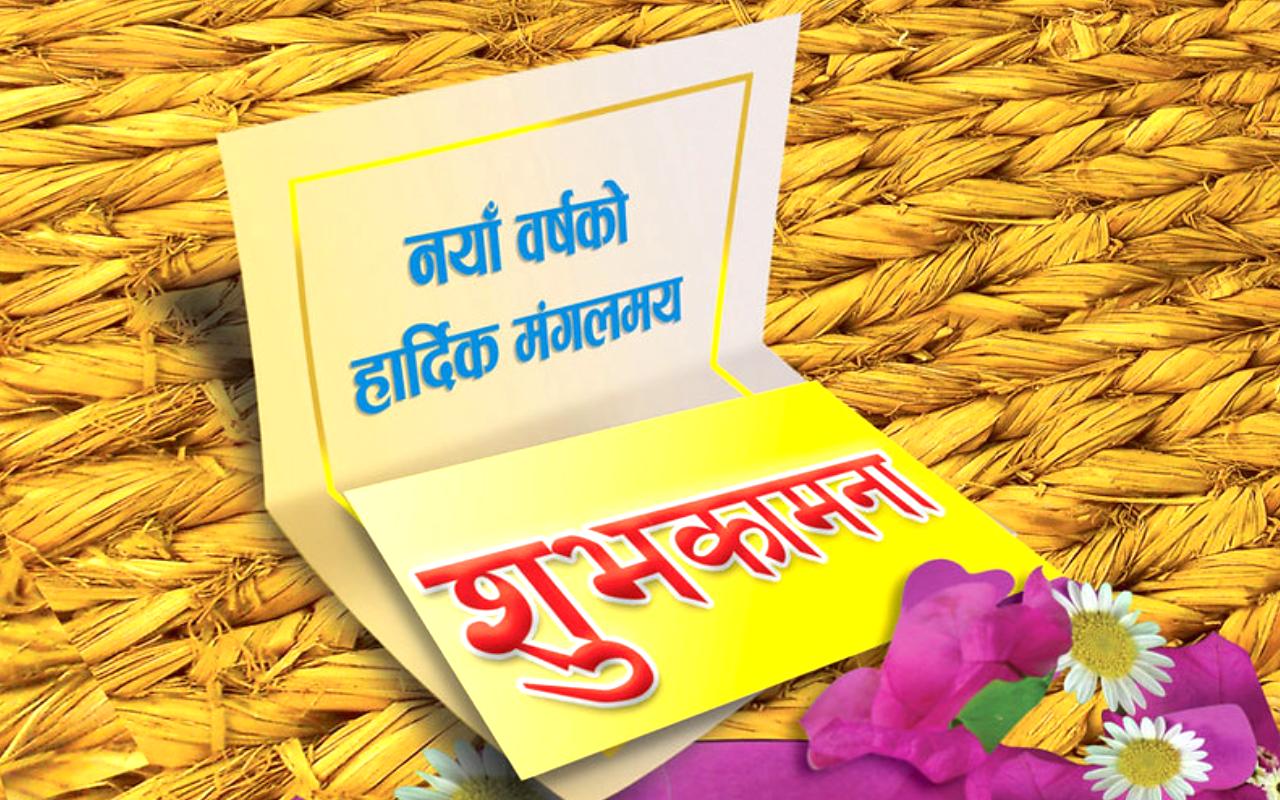
Nepali New Year (Bikram Sambat 2083) is celebrated on Tuesday, April 14, 2026, and is celebrated all over Nepal as Naya Barsha (नया वर्ष). This is the first day of the Baisakh in the Nepali calendar and the first day of the new year in Bikram Sambat.
It is among the most significant cultural events in the country, uniting traditions, family reunions, and vibrant festivities in the streets. The festival is celebrated with a lot of joy because people pay rituals, meet family members, and go to fairs and community events.
The Nepali New Year is not just a shift in the calendar but a significant period that signifies change, optimism, and cultural identity. The festival encompasses the traditional practices of cleaning houses, putting on new clothes, and welcoming greetings and blessings to a good new year.
Various other events are held in various regions of Nepal, such as the popular Bhaktapur Bisket Jatra, which introduces a cultural touch to the festival.
This guide presents clear information on the date and meaning of the Nepali New Year as well as an explanation of the calendar of the Bikram Sambat. It also includes elaborate celebration practices, traditional foods, tips on traveling in Nepal, common Nepali New Year greetings, and contemporary trends in celebration.
The guide is written to provide a complete understanding of the Nepali New Year, but with an SEO attention to the Nepali New Year.
Date and Weekday of New Year 2083
Nepal follows the Bikram Sambat (B.S.) calendar for official and cultural purposes. According to Nepal’s Embassy in London, the New Year 2083 (B.S.) begins on 1 Baisakh 2083 B.S., which corresponds to 14 April 2026 (Tuesday).
This day is a national holiday across Nepal. (The Embassy’s official holiday list confirms “Nepali New Year 2083 – 14 April 2026 – Tuesday”.) In practice, celebrations start on the evening of April 13 and continue into April 14 at dawn.
Nepal’s Vikram Samvat calendar is roughly 56–57 years ahead of the Gregorian calendar. During the first few months of the year (Jan–Apr), it is 56 years ahead; thereafter, it is 57 years ahead (e.g., late April 2026 is 2083 B.S., but January 2026 was still 2082 B.S.).
The Nepali New Year always falls in mid-April (typically April 13–15) when the sun enters Aries, marking spring’s arrival.
Timeline
Title: Bikram Sambat Timeline
57 BCE: Vikram Samvat era begins (traditional origin)
842 AD: Earliest inscription calling era “Vikrama” (India)
8th-9th Cent: Era known by other names (Malava, Krita)
1903 AD: Official adoption of Bikram Sambat in Nepal
1951 AD: End of Rana rule (calendar use continues)
2015 AD: New Constitution confirms Bikram Sambat as the official calendar
2026 AD: Bikram Sambat 2083 New Year (14 April 2026, Tuesday)
What is the Bikram Sambat Calendar?
The Bikram Sambat (B.S.) or Vikram Samvat is a Hindu lunisolar calendar originally established in ancient India and now Nepal’s official calendar. Although historically named after the legendary King Vikramaditya, no contemporary evidence links him directly to its creation.
Traditional lore says Vikramaditya of Ujjain started the era (57 BCE), but scholarly research indicates the name “Vikrama Samvat” only appears in inscriptions from the 9th century AD onward. (Early inscriptions around 842 AD mention the era without attributing it to Vikramaditya.)
In Nepal, the calendar was adopted for civil and cultural use centuries ago. It became the state calendar under the Rana regime in the early 20th century, and it remains the calendar for government work, newspapers, and national events.
Article 36 of Nepal’s 2015 Constitution confirms that Bikram Sambat is the nation’s official calendar (alongside the older Nepal Sambat). Thus, all official documents, newspapers, and holidays in Nepal use Bikram Sambat dates.
The Bikram Sambat year count is about 56–57 years ahead of AD; e.g., 2026 AD ≈ 2083 BS. Each year has 12 lunar months (Chaitra through Baisakh) plus occasional leap months, synchronized to the solar year.
The first month, Baisakh, begins when the sun enters Aries (mid-April). Accordingly, Baisakh 1 is Nepali New Year’s Day. As one source notes, the sun’s entry into Aries marks spring’s onset and the harvest season start, giving agricultural significance to the New Year.
Meaning and Cultural Significance
Nepali New Year, locally called Naya Barsha (नया वर्ष) or Nava Varsha, is both a cultural and seasonal festival. Falling in mid-April, it coincides with the end of winter, the onset of spring, and the planting of crops.
The timing symbolizes renewal, fertility, and hope. As a travel guide explains, the Nepali New Year “marks the onset of spring and the beginning of the harvest season in Nepal”. It symbolizes a new beginning: homes are cleaned, new clothes are put on, and blessings are exchanged to start the year off on the right foot.
There are other cultural roots of the day besides agriculture. Beyond agriculture, the day has deep cultural roots. Nepali society, especially in Kathmandu Valley, has celebrated Baisakh 1 for centuries.
It was traditionally part of Newar rituals and community festivals. Today, it is a secular public holiday for all Nepalis. Government offices, schools, and many businesses close so people can celebrate.
The festival fosters national unity: officials, political leaders, and institutions often issue public greetings. On the Nepali New Year, leaders and institutions often extend wishes for prosperity and peace across the country.
To conclude, the Nepali New Year is a representation of cultural identity and renewal. It is a mixture of Hindu legends (Vikramaditya tradition), religious tradition (springtime pujas), and social tradition (family visits, fairs). The festival focuses on hope, unity within a community, and cultural pride.
History of Nepali New Year Celebrations
Ancient and Mythological Origins
Nepal’s New Year celebrations have evolved over millennia. The Bikram Sambat era is shrouded in legend. Traditional accounts credit Vikramaditya of Ujjain (a legendary king of India) with founding the era.
Modern scholarship notes that the era likely existed under different names (Krita, Malava) for centuries before being called “Vikrama”. By the late 9th century AD, Nepali temples and texts were using the Vikram Samvat year count.
Whatever its ancient origins, Bikram Sambat has been Nepal’s civil calendar for generations. During the Rana dynasty (mid-19th to mid-20th century AD), the Nepali government officially promoted Bikram Sambat for administration (replacing other local eras).
After Rana rule ended in 1951, successive governments continued using Bikram Sambat for official purposes. Today, Nepal’s laws, media, and day-to-day life follow this calendar.
The date Baisakh 1 has long been special. In medieval times, New Year’s Day was often marked by temple ceremonies and offering worship to deities associated with time and fertility.
In Kathmandu Valley, the Newar community (of which the Ranas descended) integrated the New Year into their own festivals: for example, the Biska Jatra (chariot procession) began in Bhaktapur centuries ago around this date.
Other communities had their own local customs (see below). Over time, these traditions merged with Hindu custom and the national observance of Baisakh 1.
Timeline of Key Milestones
Timeline
Title: Bikram Sambat Timeline
57 BCE: Traditional start of Vikram Samvat (legend)
842 AD: Earliest known “Vikrama” inscription (India)
9th Century AD: Era popularized as Vikram Samvat
1771 AD: Palpa (Nepal) adopts Vikram Samvat
1903 AD: Rana regime standardizes Vikram Samvat nationwide
1951 AD: End of Rana rule (democracy restored)
2015 AD: New Constitution declares Vikram Samvat official calendar
2026 AD: Nepali New Year 2083 (14 April 2026)
This timeline highlights the ancient roots and modern adoption of Bikram Sambat. Its legendary inception (57 BCE) gave way to documented use by the 9th century.
In Nepal, the calendar was long used locally, but was formally adopted by the Rana rulers around 1903 AD (Kathmandu’s Vikram Sambat era began in 1956 B.S.).
It retained state status through Nepal’s political changes, culminating in the 2015 Constitution, which explicitly recognizes Bikram Sambat as the nation’s calendar.
How the Nepali New Year is Celebrated
The day is observed with a mix of religious rituals, family ceremonies, and public festivities. Traditions vary by region and community, but some common practices unite Nepalis across the country.
Home and Family Traditions
Early in the morning, during the Nepali New Year, families get up. Before the day, it is a routine to clean the house, sweep the courtyards, and adorn homes with fresh flowers or rangoli.
Individuals wear new clothes, which in most cases are traditional clothes, as a sign of a new beginning. Many will sprinkle rice or farm seeds around the home as a prayer for future prosperity.
Families usually gather for a special ritual puja (prayer ceremony). They put pictures or statues of gods (such as Vishnu or Ganesh) in a decorated altar and give flowers, fruit, and incense. The elders can repeat mantras and bless.
Younger members usually touch the feet of older members to get a blessing (called ashirbad) of good health and prosperity in the New Year. In some Nepali Hindu homes, Jamra grass (hog millet) is sown on New Year’s Eve as a sacred ritual, symbolizing new crops.
After prayers, families share a festive breakfast or lunch together. Typical New Year dishes include special items (see Traditional Foods below). Many Nepalis enjoy foods like sel roti (rice doughnuts) and sweets with yogurt.
Families also organize prasada (blessed food) to give out to the family. The day is generally a family day, visiting the relatives, and exchanging greetings and sweets.
In multi-generational families (common in Nepal), the New Year is a key occasion for gathering everyone under one roof. In cities, some may watch special New Year ceremonies on TV featuring leaders and artists.
Public Festivals and Events
Across Nepal, Baisakh 1 is marked by colorful public celebrations. The scale and style vary by place:
Kathmandu: The capital sees many informal events. Tourist areas like Thamel burst into street parties, live music, and fireworks on the eve of the New Year.
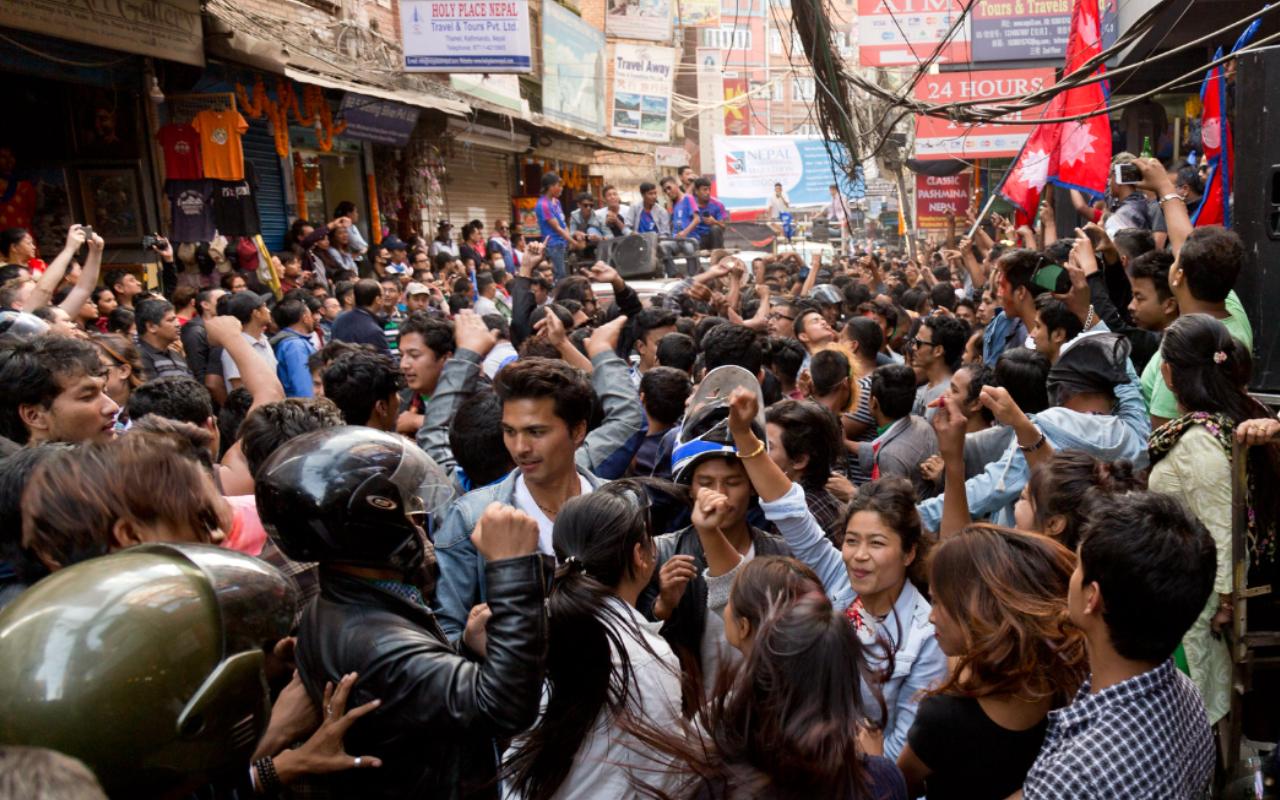
Young people flock to clubs and cafes late into the night. On April 14, large crowds gather at open spaces.
For example, Tundikhel (the big parade ground) hosts government-organized cultural shows, flag ceremonies, and folk dances. In the historic Durbar Squares (Kathmandu, Patan, Bhaktapur), vendors set up stalls of New Year trinkets and sweets.
Official New Year speeches or prayers are often held at temples like Pashupatinath (Hindu) and Boudhanath (Buddhist) in Kathmandu on the morning of Baisakh 1.
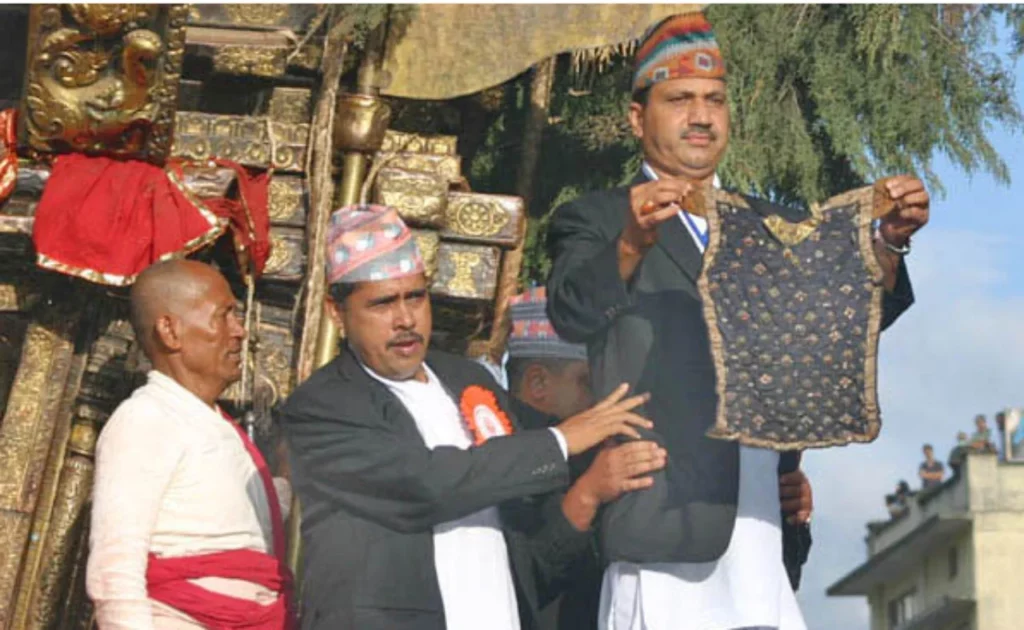
Bhaktapur Valley (Newar Festivals): Bhaktapur city is known to celebrate the New Year in Bisket Jatra. This is a multi-day festival celebrated during the Nepali New Year (considered 8-9 days long) and is one of the most spectacular celebrations in Nepal.
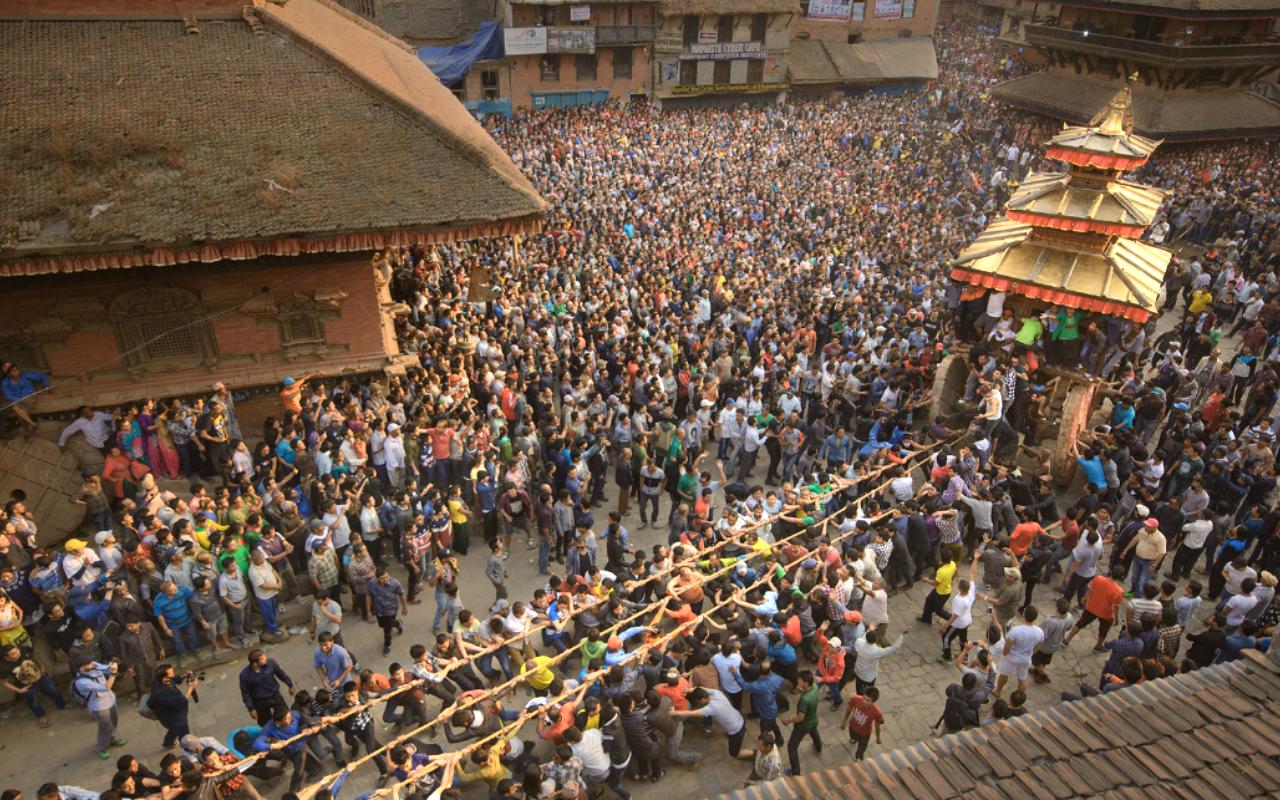
Bisket Jatra
It is characterized by huge decorated wooden chariots of gods (Bhairava and Bhadrakali) that are drawn over the narrow streets of Bhaktapur by competing guilds.
When chariots collide, a dramatic tug-of-war ensues. On Taumadhi Square, people of the town place a long wooden pole (lingdo) to mark the renewal. Thimi, located close by, has some similar Newari traditions, such as Sindoor Jatra: as part of this colorful New Year, residents processionally carry palanquins of deities and sprinkle one another with bright red powder in festive celebration.
This custom is followed on a three-day basis during Chaitra 30, Baisakh 1, and Baisakh 2, with the major Sindoor Jatra procession typically being emphasized on Baisakh 2. (This vermilion festival is a symbol of good luck and is very popular with all ages)
The other Bhaktapur tradition is Bode Jatra: a special festival of Bode, Madhyapur Thimi, when a devotee is pierced with a tongue, as part of a bigger community celebration (which lasts one day during the Bisket Jatra period) to keep away the evil and provide safety to the community. These Bhaktapur/Newari festivals are a few days long, and the entire city is alive with the Navabarsha.
Terai and Other Regions: In the southern plains (Terai), the Nepali New Year tends to be lower-key. Many Tharu and Madhesi communities greet the New Year with family gatherings and fairs.
In the hilly mid-west (Gandaki, Lumbini regions), people visit local temples like Budhanilkantha, make pilgrimages, or simply enjoy a spring picnic.
In tourist areas like Pokhara, lakeside concerts and festivals are organized for travelers. Pokhara’s scenic ambiance (Phewa Lake with Annapurna views) makes it a popular spot for those wanting a relaxed New Year outing.
Religious Observances
Many Nepalis incorporate temple visits and religious customs into Naya Barsha. Hindus believe that prayers on the New Year bring special blessings. On the morning of Baisakh 1, devout families visit local Hindu temples and shrines (especially of Shiva, Vishnu, or Ganesh) to light oil lamps and tie diyos.
Major pilgrimage sites like Pashupatinath (Kathmandu) often hold special pujas, with priests chanting mantras for peace and prosperity. Buddhist families may go to stupas like Swayambhunath or Boudhanath to walk around the stupa and make offerings of butter lamps and flowers.
Some communities have unique New Year traditions. In Sikkimese Nepali (and some Nepali villages), women perform a khadeghu puja (worship of sun and earth) by throwing grains in a field at dawn.
Nepali Army and Gurkha units sometimes conduct flag-hoisting and national anthem ceremonies on the night of April 13. Even within Hindu practice, certain folk rituals are popular: for example, some collect the first honey of spring or take a purification bath in holy rivers at sunrise.
Overall, April 14 (Baisakh 1) combines devotion and festivity. One journal reports, on this day, “many visit temples and monasteries to offer prayers” while also exchanging New Year greetings. The public holiday ensures people can spend the day in religious observance or cultural events without work obligations.
Nepali New Year in Nepali Traditions (Naya Barsha Customs)
House Cleaning & Decoration: It is auspicious to enter the New Year with a clean home. Floors are scrubbed, courtyards swept, and objects decluttered. Mango leaves (toran) and rangoli patterns are often used in the house entrances.
New Clothes & Gifts: Nepalis traditionally wear new clothes on Naya Barsha. The senior members frequently hand out cash or presents to the younger members as blessings. Children are given small pocket money as New Year’s money. Symbolic sweets or fruits are exchanged among friends and relatives.
Planting Rituals: In rural areas, people might plant seeds or saplings on New Year’s Day, invoking a good harvest year. Some sow barley or hog millet (jamara) on the eve; sprouts are used in rituals.
Auspicious Breakfast: The first meal is often vegetarian, serving porridge (kheer) or lito, and wishing for health. Eating meat on the first day may be avoided by some as a mark of purity.
Sacred Cows and Cattle: In rural villages, cows can be treated to special food or ceremonial adornments as they are a sign of prosperity and wealth.
Religious Fairs: In many towns, there are temporary pandas (priests), who in the mornings read special Yagya (fire rituals) in the mornings, in search of universal well-being. These home and village customs create a festive, hopeful atmosphere in every Nepali community on Naya Barsha.
Top Places to Celebrate
Different parts of Nepal host their own New Year hotspots. The table below lists five key locations and why they’re special:
| City/Region | Why It’s Special on Nepali New Year |
| Kathmandu | Capital city: Thamel street parties, cultural programs at Tundikhel, historic temples, and Durbar Squares filled with festivities. |
| Bhaktapur (Taumadhi) | Traditional stronghold: Home of Bisket Jatra (9-day chariot festival) and Sindoor Jatra – lively Newar celebrations unique to Baisakh. |
| Pokhara | Lakeside joy: Open-air concerts and sunrise views over Phewa Lake; nature combined with cultural fairs. |
| Thimi (Bhaktapur dist.) | Color riot: Sindoor Jatra’s vermilion powder festival and Palanquin parades give a festive, colorful start to the year. |
| Lalitpur (Patan) | Heritage New Year: Durbar Square dances, temple rituals, and traditional temple rituals and cultural programs are celebrated on the Nepali New Year. |
Apart from these, other popular spots include Chitwan (for jungle safaris plus local fairs) and hill stations like Nagarkot (sunrise views) and Bandipur (scenic relaxation). Many travelers also arrange special tours (see Tourist Tips below).
Traditional Nepali New Year Foods
Food plays a central role in Nepali New Year festivities. Families prepare and share a variety of special dishes, reflecting regional flavors. Key items include:
Dal Bhat-Tarkari: The staple lentils (dal), rice (bhat), and vegetable curry (tarkari) are a daily meal, but on Naya Barsha, it’s often made extra flavorful.
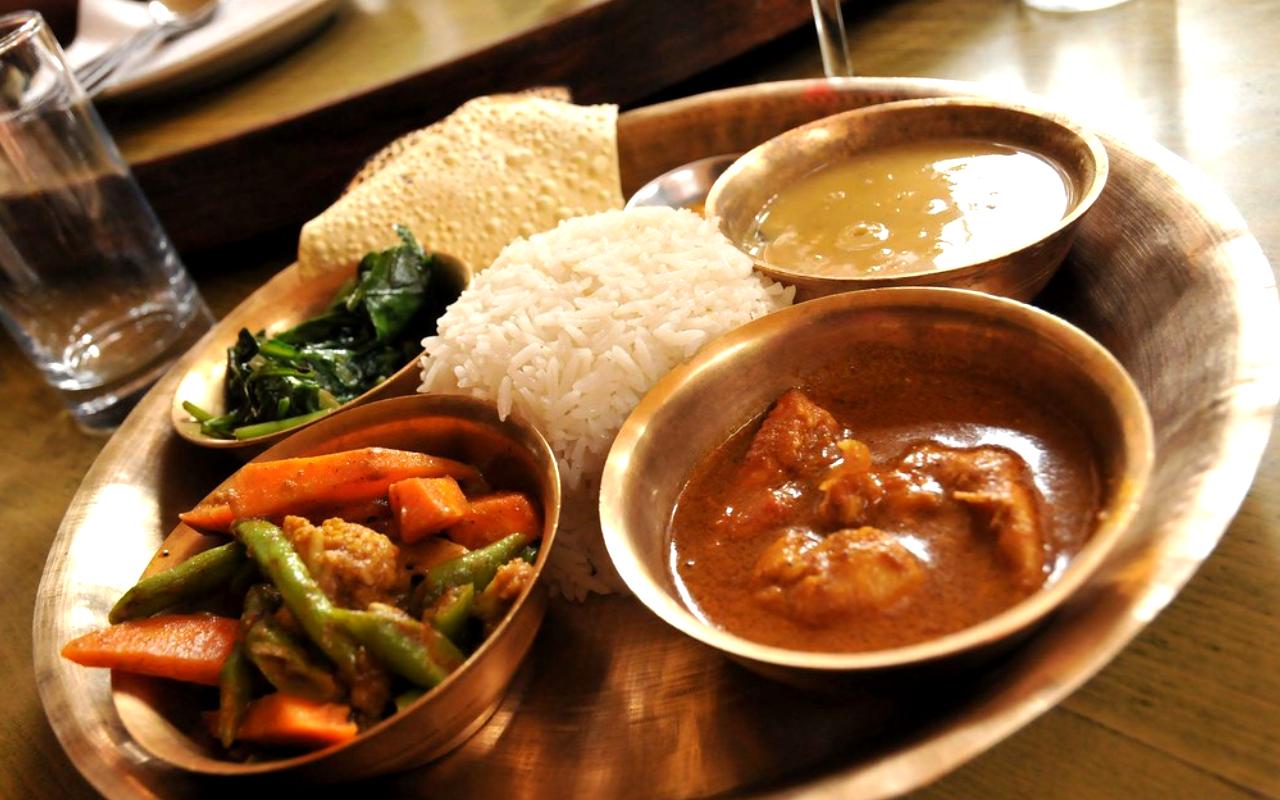
Mothers may add meat or ghee, and serve it with pickles.
Sel Roti: A ring-shaped sweet rice doughnut, sel roti is the signature New Year treat. Crispy on the outside and soft inside, it’s typically eaten with yogurt or curry.
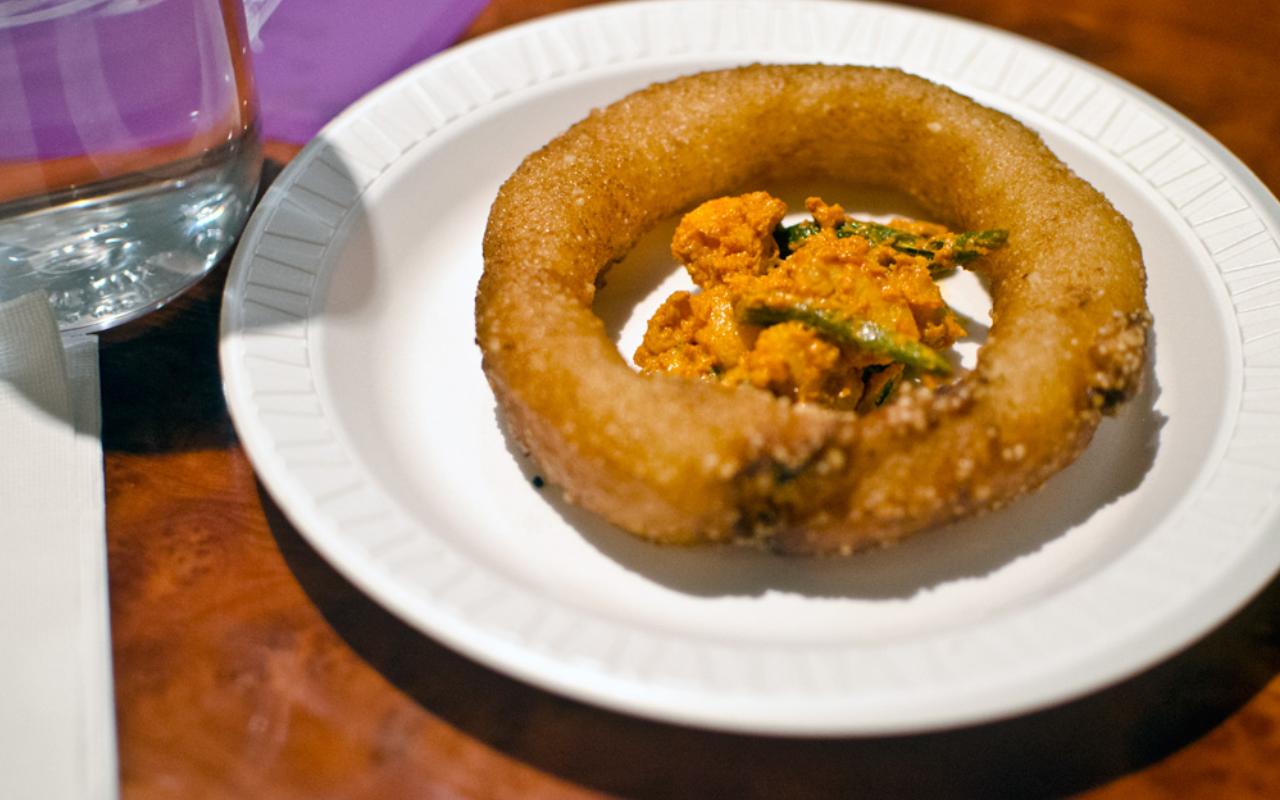
Households fry batches at dawn and share them with neighbors. (Sel roti is so iconic that Nepalis often say no festival is complete without it.)
Gundruk and Chiura: Fermented leafy greens (gundruk) soup and beaten rice (chiura) are common in the hills. Gundruk soup, in particular, is popular for its tangy flavor and symbolic connection to the earth’s bounty.
Yomari: A Newari specialty, yomari are steamed sweet dumplings (rice flour pockets stuffed with molasses and sesame).
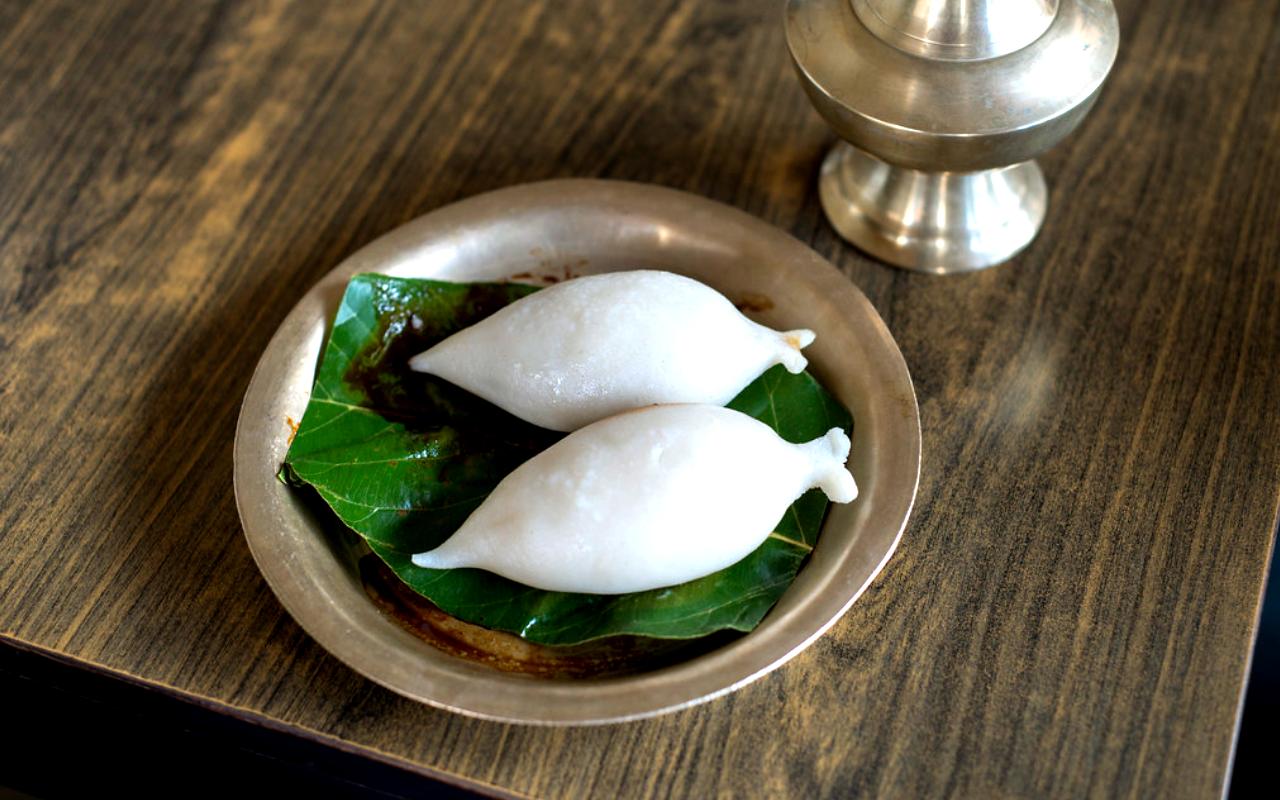
Yomari
Though associated with Yomari Punhi, they also appear in Kathmandu’s New Year feasts as a dessert.
Momo and Chatamari: In urban areas, momos (dumplings) and chatamari (rice crepes) are commonly ordered from restaurants or street vendors to celebrate.
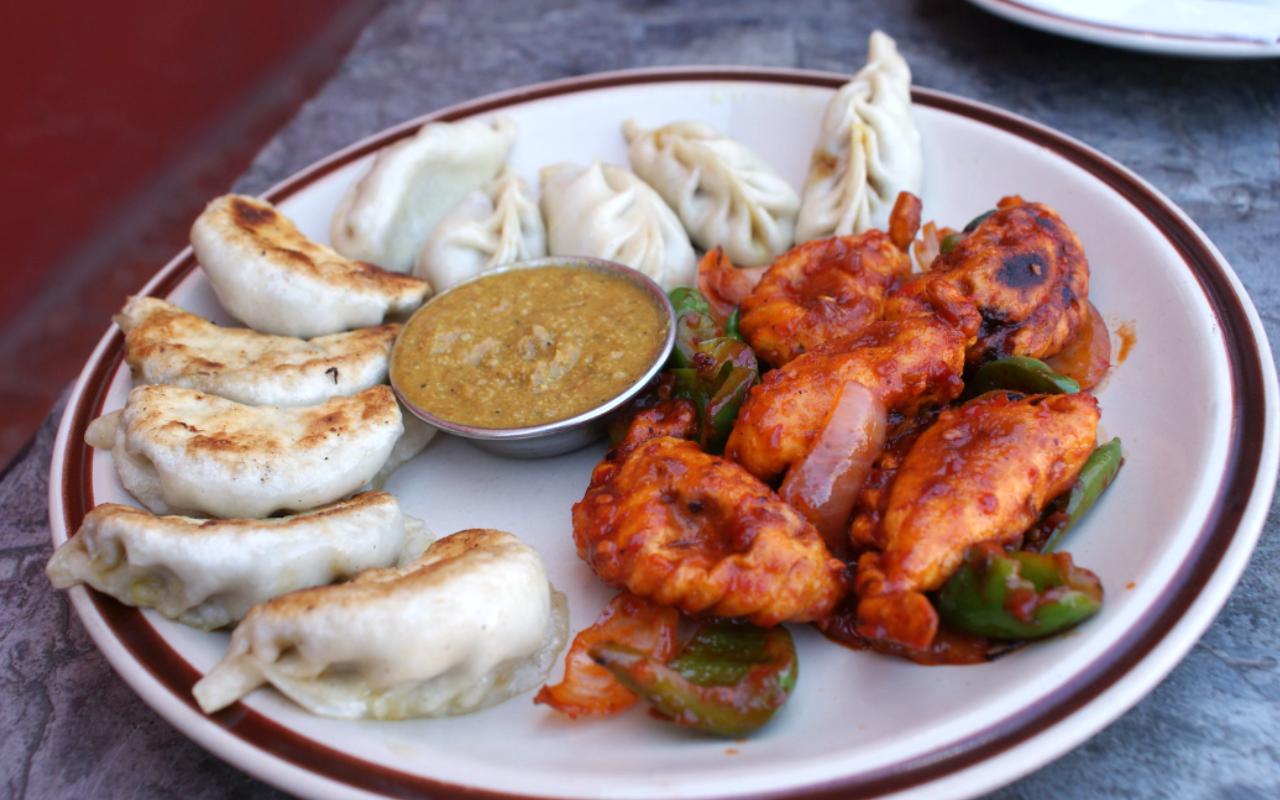
Special offers such as chocolate momos or extra-spicy chutneys can be provided on the New Year.
Dhido: In rural western Nepal, the people may even consume dhido (thick millet or buckwheat porridge) on New Year’s Day, which is a sign of returning to the olden times.
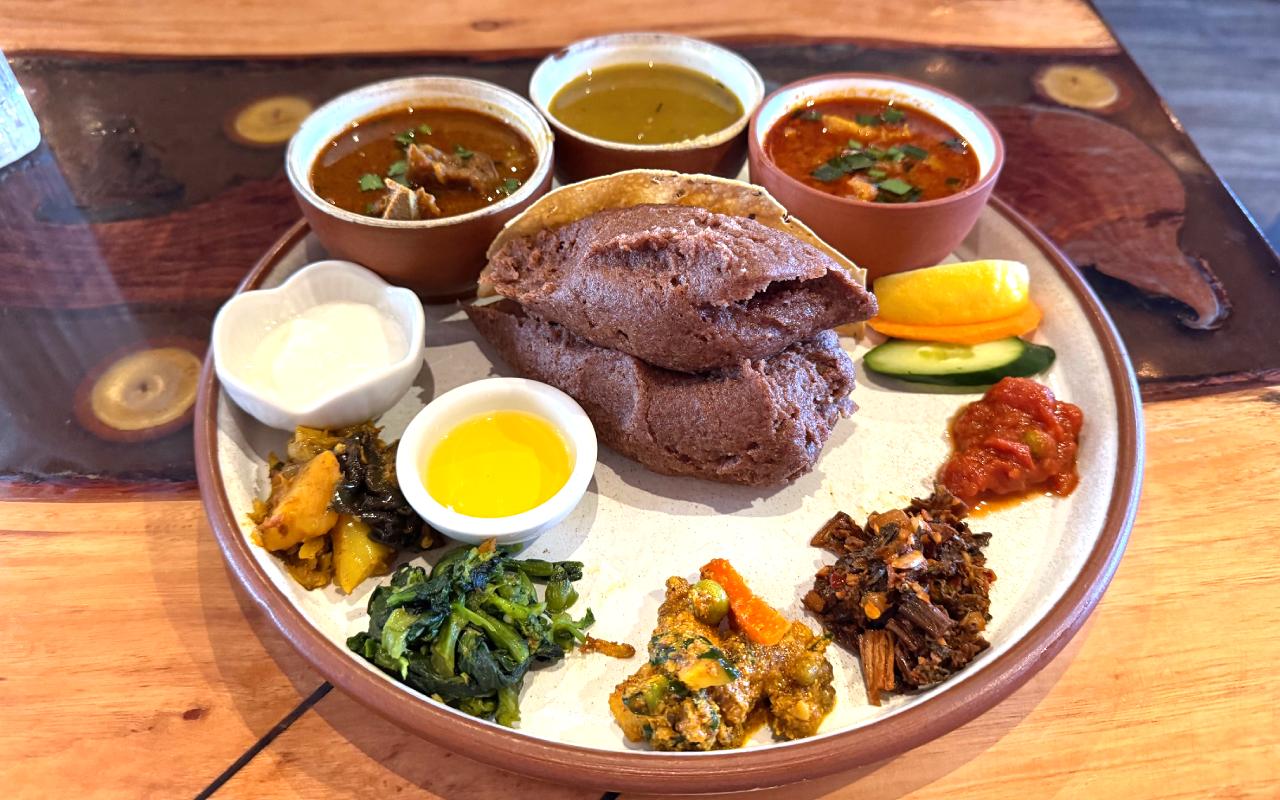
Gundruk or meat curries are frequently served with Dhido.
Raksi (rice liquor): It is a tradition to drink a glass of homemade raksi or tongba (millet beer) to wish the New Year. Raksi is a powerful rice liquor that is served in small glasses in family get-togethers and feasts. Visitors who have not sampled it are covertly encouraged to sample this icon of Nepalese hospitality.
Sweets (mithai): Laddu, barfi, and other Nepali sweets are common. Vendors sell supari (betel quid) and areca nuts for mouth-freshening after meals.
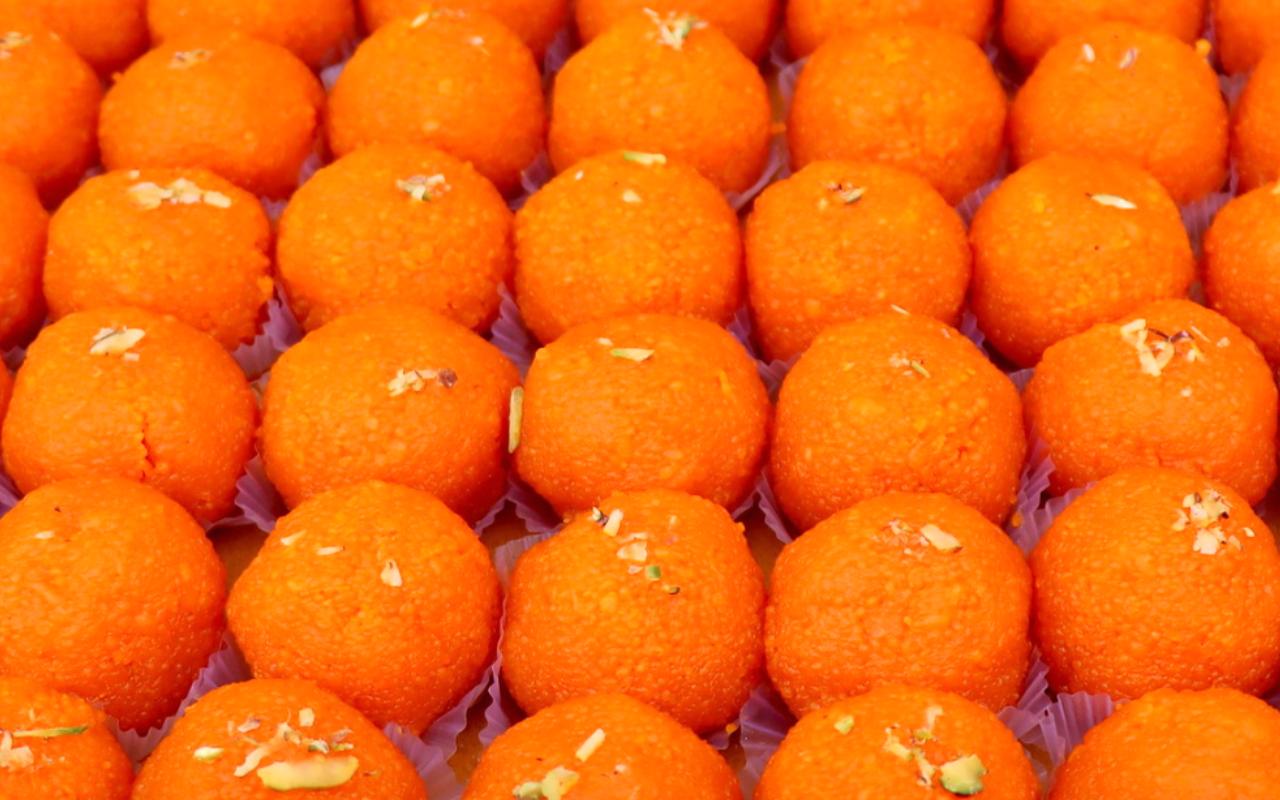
Laddu
Spices & Staples: An assortment of Nepalese cereals, legumes, and spices on display in Kathmandu markets; these ingredients (rice, lentils, curry spices) form the base of New Year dishes. Festive foods like sel roti (sweet rice doughnuts) are also ubiquitous.
Generally, the foods eaten during the Nepali New Year emphasize fresh and home-cooked food. Most families prepare food the previous night to have meals ready in the morning. Dining out with family members and neighbors is a happy tradition that strengthens bonds within the community.
Practical Tips for Tourists
Nepali New Year is a fantastic time to experience Nepal’s culture – but visitors should plan wisely.
Here are key tips:
Book Early: Mid-April is a popular travel season. Hotels and guesthouses in Kathmandu, Pokhara, and heritage cities fill up quickly. Book accommodation well in advance, especially around April 13–15. Transportation (flights, buses) may also require early reservations.
Expect Holiday Schedules: Government and businesses are closed on April 14. Some tourist attractions (museums, parks) may close or have limited hours. Conversely, cultural sites and temples will be very busy. Plan accordingly.
Respect Local Customs: Dress modestly when visiting temples or rural villages. If invited into a Nepali home, you will be offered sel roti or tea; accept respectfully. When people throw vermilion (sindoor) or water in festivals (e.g., Sindoor Jatra), join in with good humor.
Join a Festival, Wisely: Don’t miss Bhaktapur’s Bisket Jatra or Thimi’s Sindoor Jatra, but view safely. The crowds can be dense and the celebrations boisterous. Keep an eye on belongings, and perhaps hire a local guide for these events.
Transportation: Kathmandu traffic can be slow because of parades and fairs. It is preferable to walk distance to celebration places or take the help of local rickshaws. On April 14, morning holidays on the roads might lead to congestion, in case one is traveling outside Kathmandu. Travel during or out of the peak holiday.
Currency and Essentials: A lot of stores remain open in tourist destinations, and ATMs may be out of money. Take out additional cash in advance. The ATMs of cities are typically operating, and towns have a few.
Health & Safety: Weather in Nepal during spring is hot during the day and cold during the night (in the hills). Pack light layers. Nepali New Year falls at the end of spring, which can be dusty or smoggy in Kathmandu valley; consider a mask if sensitive.
Etiquette at Rituals: In Thimi and Bhaktapur, people throw colored powder or water. It’s meant to be fun, but if you wish to participate, wear older clothes and protect your cameras/phones. When meeting locals or elders, say “Naya Barsha ko subhakamana” (Happy New Year in Nepali) and a polite greeting (Namaste).
Best Viewpoints: For sunrise on the New Year dawn, Nagarkot or Sarangkot (near Pokhara) are famous spots. Some hikers arrange early-morning treks on April 14 to watch the new sun.
Local Events: Kathmandu may have concerts or bar reopenings on the evening of April 13. Check local listings (some events are advertised on Facebook or local travel sites). Booking a New Year’s Eve cultural dinner at a heritage hotel (cooking local cuisine with a dance program) can be memorable.
These tips ensure a safer, culturally respectful, and enjoyable Nepali New Year experience.
Nepali New Year Greetings
The greetings of the new year in Nepal are frequently written in the Nepali language and script. Here are common phrases with transliteration:
नयाँ वर्षको शुभकामना! (Naya Barshako Shubhakamana!) – “Happy New Year!” (This is the most straightforward greeting.)
नयाँ वर्षले तपाईंलाई खुशी र समृद्धि ल्याओस्। (Naya Barsha le tapailai khushi ra samriddhi lyaos.) – “May the new year bring you happiness and prosperity.”
नयाँ वर्षको यो दिन तपाईंका लागि मंगलमय होस्। (Naya Barshako yo din tapaiñka lagi mangalmaya hos.) – “Wishing you an auspicious New Year.” (Less formal, often seen on cards.)
नया साल की बहुत-बहुत शुभकामनाएँ। (Naya saal ki bahut-bahut shubhakamnayein.) – Hindi phrase commonly understood in Nepal, meaning “Many Happy New Year wishes.” (Because Nepali and Hindi share words, this is also used.)
Greeting is often accompanied by a bow or hands pressed together (Namaste). People often share subha kamana (good wishes) in person, by phone, or over social media. In recent years, Nepalis (especially youth) post New Year messages on Facebook and Instagram, using hashtags like #NayaBarsha and Nepali greetings.
For tourists, a great way to connect is to learn “Naya Barsha ko Shubhakamana”. Locals appreciate the effort. Gift giving is minimal on this day, but exchanging sweets like Sel Roti (even giving a piece wrapped up) is a warm gesture.
Contemporary Trends and Diaspora
In the 21st century, Nepali New Year celebrations have taken on some global and modern flavors, especially among young people and the diaspora:
Urban Parties: In cities like Kathmandu and Pokhara, clubs and restaurants host New Year’s Eve parties with DJs and live bands (often a fusion of Nepali folk and pop music). Hotels may offer Nepali dinner specials. Firework displays are increasingly common in Thamel and tourist areas.
Social Media: Every April 14, #NepaliNewYear and #NayaBarsha trends emerge on Twitter and Instagram. Nepalis share photos of their family rituals, temples, and festival scenes. People use the day to celebrate cultural pride, writing about their own. These hashtags are also used in the promotion of tourist bureaus and hotels.
Nepali Diaspora: Nepali groups in the diaspora (e.g., London, NYC, Sydney) often hold cultural events on Nepali New Year’s Day. They gather at temples or community halls for New Year Puja, Nepali food, and folk dance programs.
Many observe it on the same day (April 13/14), with groups exporting traditions like Mha Puja (a ritual worship of the self from Newar culture) to foreign Nepalese communities.
Media and Tech: Nepalese TV channels air special New Year programs, musical shows, special news segments, and children’s performances. Some online calendars and apps send Nepali New Year alerts and cultural tips.
Eco-Concerns: A more recent trend is environmental awareness at the New Year. Some organizations now promote “Green Nepali New Year”, encouraging people to plant trees or avoid noisy fireworks.
Nepal’s rich diaspora means New Year messages and celebrations reach far beyond the Himalayas. However, whether in Pokhara or New York, the core values remain family, culture, and good wishes.
Conclusion
Nepali New Year (Naya Barsha) is a very cultural and happy festival, which sums up the heritage of Nepal. It will be observed on April 14, 2026 (Tuesday) in the year 2083 B.S., and it is dedicated to the ancient Bikram Sambat calendar, but unites the communities in modern manners.
The day is full of meaning, whether it is Newar chariot processions in Bhaktapur or family prayers in Kathmandu temples, sel roti feasts or sunrise festivals on mountain tops. The colorful street scenes, warm hospitality, and spirit of renewal are experienced by tourists in Nepal during this period.
Knowing the date, history, customs, and tips mentioned above, it is possible to realize all the reasons why the Nepali New Year is one of the most favorite traditions of Nepalis nationwide. Naya Barsha ko Shubhakamana! (Happy Nepali New Year!)














-
 0115 Best Easy Treks in Nepal for Beginners and Families
 -
 02Best season for Everest Base Camp Trek
 -
 03Best Time to Go Hiking in Nepal: A Seasonal Guide for Trekkers
 -
 04Suchi Purja –Wife of Nirmal Purja aka Nims Dai
 -
 05Dubai desert safari outfit ideas
 -
 06Top Beaches in Sri Lanka
 -
 0710 Best Easy Treks in Nepal