
Now Reading: Best Things to Do in Christchurch: Top Attractions, Hidden Gems & Local Tips
-
01
Best Things to Do in Christchurch: Top Attractions, Hidden Gems & Local Tips

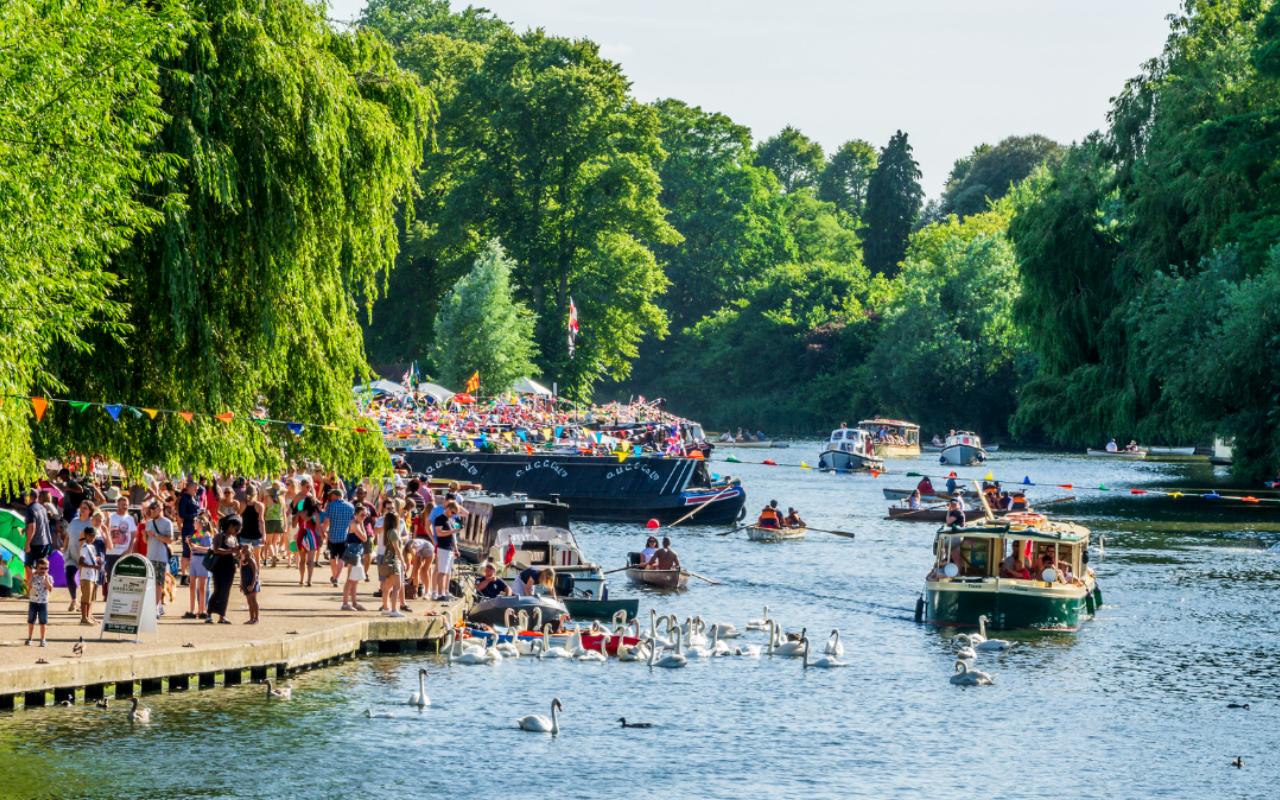
Christchurch, known as Aotearoa New Zealand’s “Garden City”, offers a delightful mix of urban attractions, leafy parks, and some of the best Things to Do in Christchurch for every type of traveller.
In the city itself, visitors can stroll the Hagley Park and adjacent Christchurch Botanic Gardens to see century-old trees and colourful flowerbeds, ride a heritage tram through the revitalized central city, explore cultural institutions like the Canterbury Museum (currently in a pop-up location with changing exhibitions), and browse local and international foods at the indoor Riverside Market.
Adventurous souls can go punting on the tranquil Avon River, tackle zip-lines or mountain-biking on the Port Hills, or take the gondola up to spectacular 360° views.
Family-friendly highlights include the International Antarctic Centre (with penguins and a storm room) and Orana Wildlife Park (open-range zoo).
Beyond the city, Christchurch is an ideal base for day trips. You can take a coastal drive to Akaroa / Banks Peninsula to swim with rare Hector’s dolphins and see Little Blue Penguins, or journey through the Southern Alps to Arthur’s Pass (famous for mountain hikes and the scenic TranzAlpine train). The alpine spa town Hanmer Springs (with hot pools, skiing, and adventure sports) lies 2 hours north.
Wine-lovers can explore the nearby Waipara Valley for Pinot Noir and Riesling tastings. Christchurch’s climate is mild: summers (Dec–Feb) are warm (21–23 °C) and sunny, autumn (Mar–May) is pleasantly cool with dry weather, winter brings cooler temps (11 °C) and occasional snow on the hills, and spring (Sep–Nov) bursts with blooms (often cited as the nicest, quietest season).
Below, we present a comprehensive guide to “Things to Do in Christchurch”. We begin with quick facts, then discuss why Christchurch deserves a visit, followed by sections on top attractions, hidden gems, outdoor adventures, family-friendly sights, food experiences, day trips, best seasons, and travel tips.
We also offer suggested 1-day and 3-day itineraries (with a mermaid timeline), FAQs, and concluding remarks, all richly detailed and up-to-date as of May 2026.
All hours, pricing, and details are marked with source dates and are subject to change, so double-check as you plan. Citations from official and authoritative sources (e.g., ChristchurchNZ, NewZealand.com, Canterbury Museum) are provided throughout.
Quick Facts
| Fact | Detail |
| Population (2023) | 389,000 (Ōtautahi/Christchurch City) |
| Location | East coast of the South Island of NZ, at the head of Pegasus Bay |
| Nickname | “Garden City”, “Ōtautahi” (Māori name) |
| Area | 1,400 km² (urban zone) |
| Climate | Oceanic; summer (Dec–Feb) 21–23°C; winter 11°C. Year-round sunshine 6–7 hours/day on average. |
| Time Zone | NZST (UTC+12); NZDT (UTC+13) in summer |
| Local Currency | New Zealand Dollar (NZD) |
| Tipping | Not customary; service staff do not expect tips |
| Electricity Plug | Type I, 230 V 50 Hz |
| Transport | Fly into Christchurch Airport (15 min to CBD); the city has Metro buses (Metrocard), bike-friendly paths, and convenient walking and rideshare options. |
| Language | English (en-NZ); many Māori place names (e.g. Ōtautahi) in use. |
| Emergency numbers | 111 (police/fire/ambulance) |
| Accessibility | Many attractions are wheelchair accessible (e.g., Gondola, Antarctic Centre). |
Why Visit Christchurch
Christchurch is the gateway city of Canterbury, offering a unique blend of urban regeneration and easy access to wild landscapes. Despite major earthquakes in 2010–2011 that reshaped the city, Christchurch has rebounded with creativity and green space, retaining “ample parkland, historic Victorian architecture, and an emerging arts and food scene”.
It is the largest city in New Zealand’s South Island and “the Garden City” for good reason. Hagley Park (182 ha) and the Botanic Gardens form a huge verdant heart in the city centre.
Visitors love Christchurch’s friendly vibe, bike-friendly streets, and the juxtaposition of old and new, which makes exploring the city especially rewarding: you’ll find heritage sights (e.g., neo-Gothic churches, restored Arts Centre buildings) alongside modern developments like the EDGE church at The Terrace or the Sandstone-built Bridge of Remembrance.
From Christchurch, you can reach alpine passes, glaciers, wildlife cruises, and wine regions with a short drive. Options include the Southern Alps (Ski Mt Hutt 1.5 hr, TranzAlpine train), the thermal springs of Hanmer, coastal wildlife in Akaroa and Kaikōura, and world-class ski fields (Lake Tekapo/Castle Hill within a day’s drive).
Christchurch also hosts major events (e.g., Sevens Rugby in Feb, Crankworx BMX in Mar) and has a year-round farmers’ and night market culture.
As a regional hub, it has all amenities (big shopping malls, international airport, conference venues) yet feels small-town friendly. Tourists often remark on its walkability and how easy it is to combine city culture with nature trips. No wonder many say Christchurch is the best “home base” for exploring Canterbury.
Top Attractions in Christchurch
If you are planning your itinerary, these are some of the most popular Things to Do in Christchurch for first-time visitors.
Explore Hagley Park and Christchurch Botanic Gardens
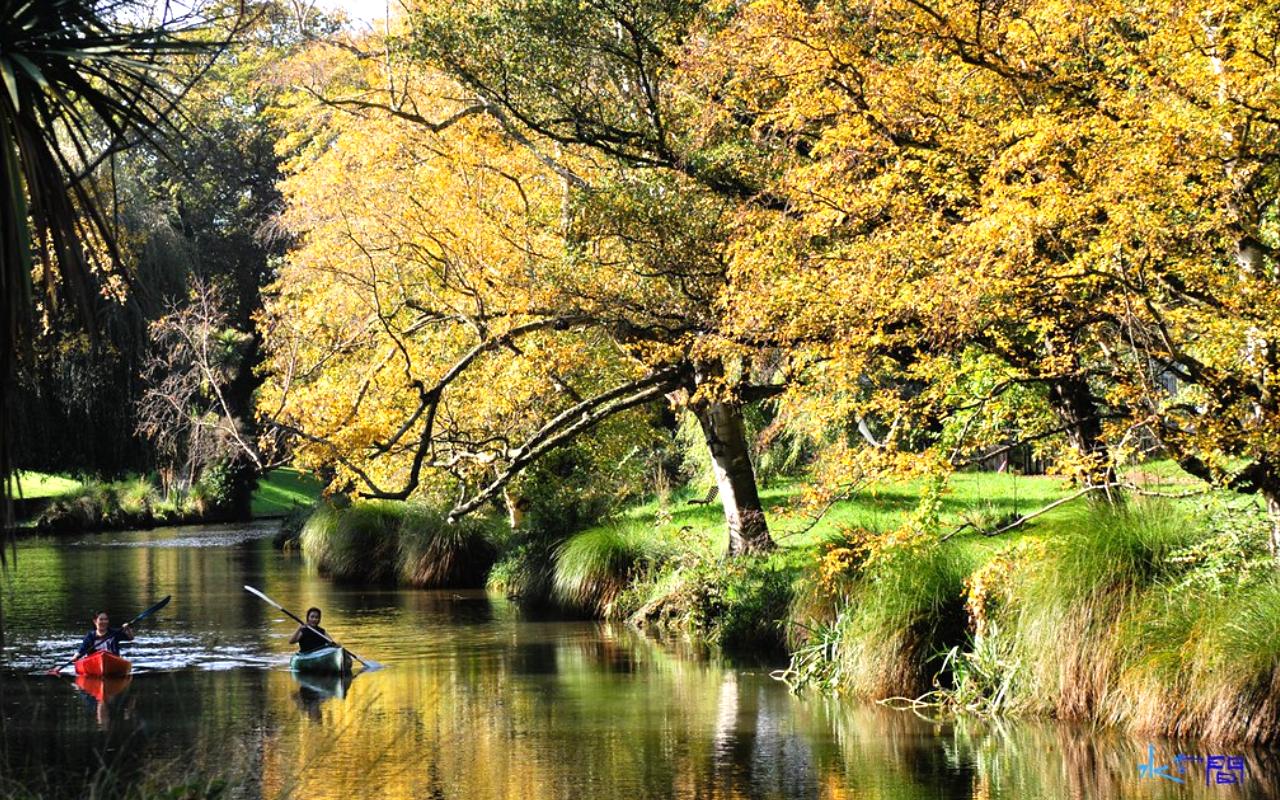
Hagley Park
Caption: A serene pond surrounded by flowers in Christchurch Botanic Gardens. Hagley Park (182 hectares) and the adjacent Christchurch Botanic Gardens (21 hectares, founded 1863) are the city’s premier green spaces.
Visitors can wander tree-lined paths, see the Victorian Curator’s House and Glass Fernhouse, and admire extensive flower beds (the vibrant Herbaceous Border and Rose Garden are highlights). The gardens are free and open daily (hours vary by season; e.g., April–Sept sunrise to 6:30 pm). It’s a popular spot for picnics, jogging, and leisure.
Practical: Entry is free; hours (e.g., summer months until 9 pm). Best visited in spring–summer (Sept–Feb) when flowers bloom. The gardens are flat, paved, and wheelchair-accessible; park benches and the Curator’s House café provide rest stops. A small visitor center provides maps. The Avon River flows through Hagley Park, and punting trips (see below) launch from the Antigua Boat Sheds inside the gardens.
Local Tip: Combine the gardens with a visit to the nearby Canterbury Museum or the Centennial Horticultural Sundial in the park. If timing allows, watch a sports match at the oval fields or cricket ground. Photo caption suggestion: “Spring flowers in the Christchurch Botanic Gardens.”
Ride the Historic Christchurch Tram
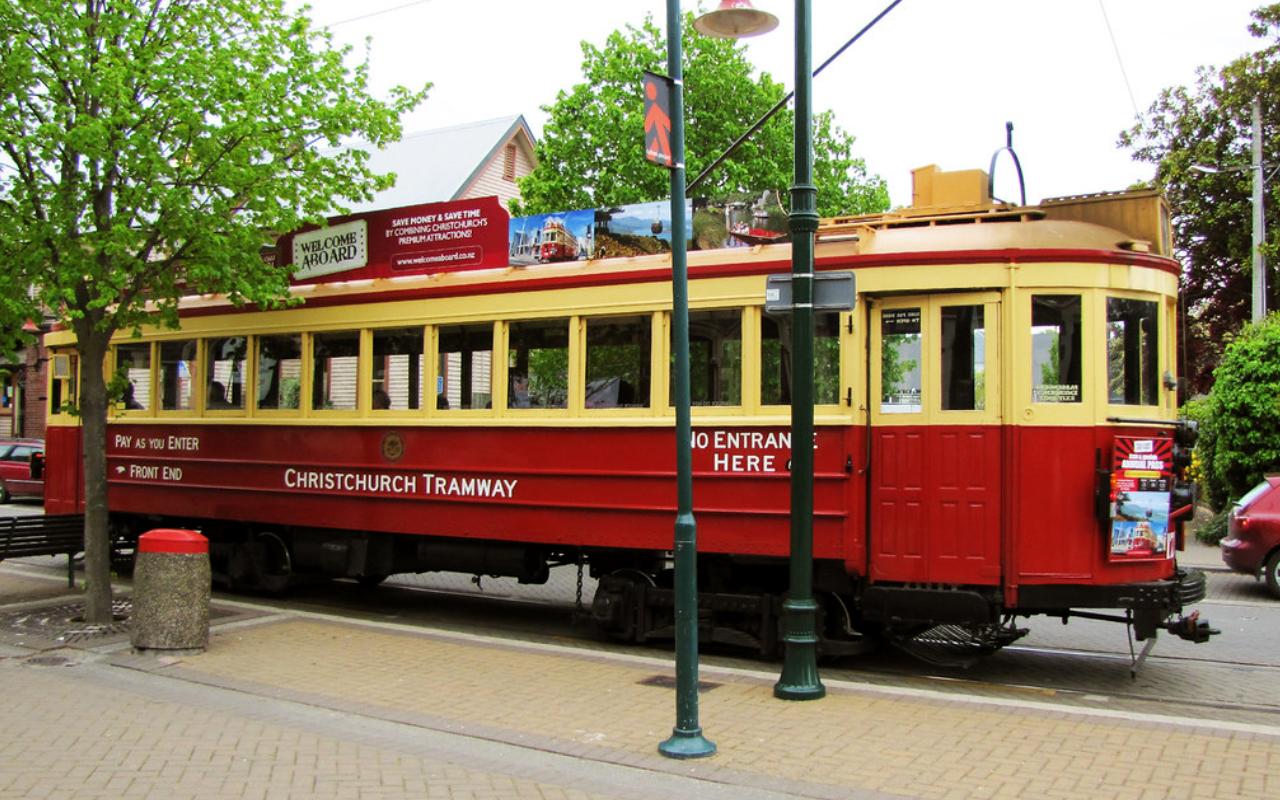
Christchurch Tram
The Christchurch Tram offers a charming way to see the rebuilt city center. Heritage trams (some dating to 1905) run on a 2.5 km circuit around the CBD, with an extended loop added in 2015.
Audio commentary (recorded and live) highlights sites like the Botanic Gardens, Margaret Mahy Playground, Riverside Market, and historic New Regent Street. Tickets cost about NZ$42 (adult) for a hop-on/hop-off day pass (child NZ$10).
The tram operates roughly 9 am–5 pm daily (check season; off-season shorter hours). The central Cathedral Junction (Worcester/Montreal) is a common start/finish point.
Practical: Tickets are sold on board. The route is level and wheelchair-accessible (certain trams have spaces for manual wheelchairs). No food/drink allowed onboard. Best enjoyed in dry weather, or board with an umbrella as they supply blankets and ponchos if it rains.
Insider tip: Hop off at The Terrace for lunch or at the Riverside Market (great photo ops by the river). For a retro dinner experience, they even offer the Tramway Restaurant in the evenings (book ahead). Photo caption suggestion: “A heritage tram gliding past Christchurch street art.”
Visit the Canterbury Museum
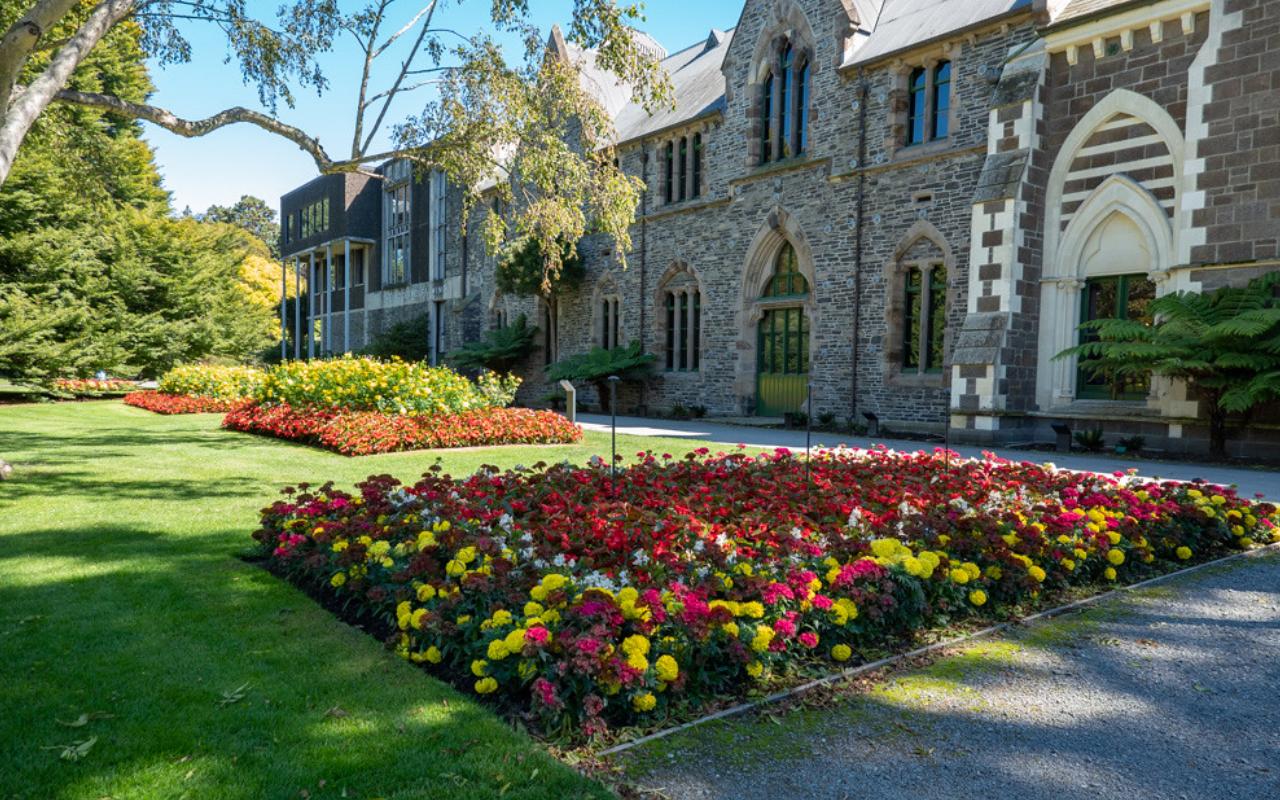
Canterbury Museum
Located beside the Botanic Gardens on Rolleston Ave, the Canterbury Museum (Te Hononga) is a cultural cornerstone (founding collection from 1867) with free entry to its historic building (floral-designed atrium, Maori gallery, Antarctic gallery).
However, as of 2026, the main museum in Rolleston is under redevelopment. In the meantime, a pop-up museum at 66 Gloucester St in the city center houses highlights and rotating exhibits, and the popular Quake City exhibition (on earthquake history) has been moved to 299 Durham St North.
The pop-up centre hours are daily 9 am–5:30 pm (Oct–Mar) or to 5 pm (Apr–Sept).
Practical: Admission to the pop-up and Quake City is paid. Current prices: approx $5–10 for standard museum exhibits (until redevelopment), and Quake City is $25 adult (children under 15 free with adult).
Allow 1–2 hours. Local Tip: Even if the main museum is closed, you can still see Canterbury’s Maori and Pacific artifacts, Antarctic dioramas, and cultural history in the pop-up.
The adjoining Armagh St library (Tūranga) is next door, a modern building housing books and exhibitions, worth a quick visit for its architecture. Photo caption suggestion: “Exhibits on display inside the Canterbury Museum pop-up (City Mall).”
Discover the Riverside Market
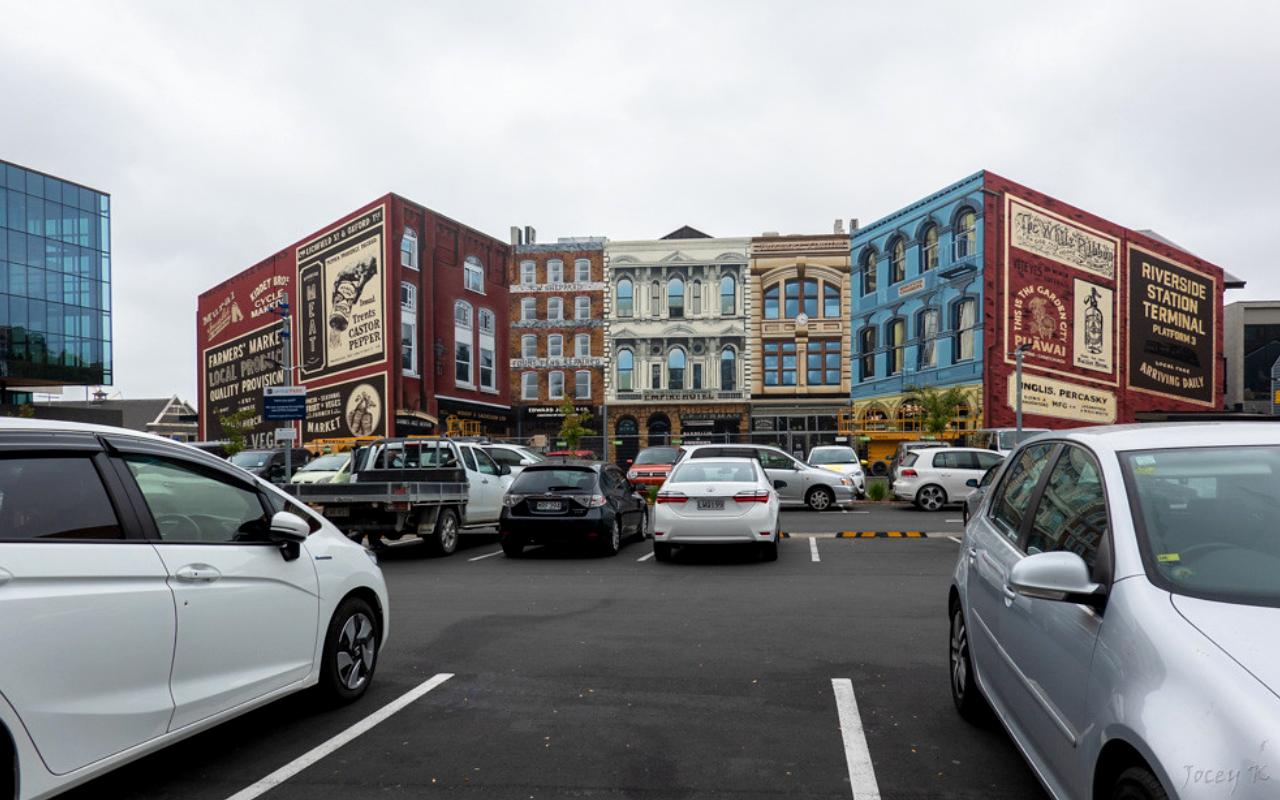
Riverside Market
Christchurch’s Riverside Market (corner Lichfield St & Oxford Tce) is a seven-day indoor market filled with local fresh produce and trendy eateries.
You’ll find fruit, vegetables, meats, seafood, and artisan cheeses from Cantabrian farms, alongside an array of food stalls. Options range from wood-fired pizza and ramen to Pacific islands cuisine; there are also bars (beer/wine) and coffee stands.
Practical: Entry is free and always open (traders open 10 am at the latest each day). The market hours: Mon–Wed 7:30 am–8 pm; Thu–Sat 7:30 am–9 pm; Sun 7:30 am–8 pm (note cafes and bars often stay open later into the evening). Parking is on surrounding streets or paid lots. The setting by the Avon River makes it scenic; seating areas overlook the water.
Local Tip: A Christchurch farmers’ market also runs here on Sundays (10 am–2 pm) with local crafts and snacks. Try regional specialties like Canterbury fine cheeses or a gourmet meat pie. Photo caption suggestion: “Local vendors and food stalls inside Christchurch’s Riverside Market.”
Experience Punting on the Avon River
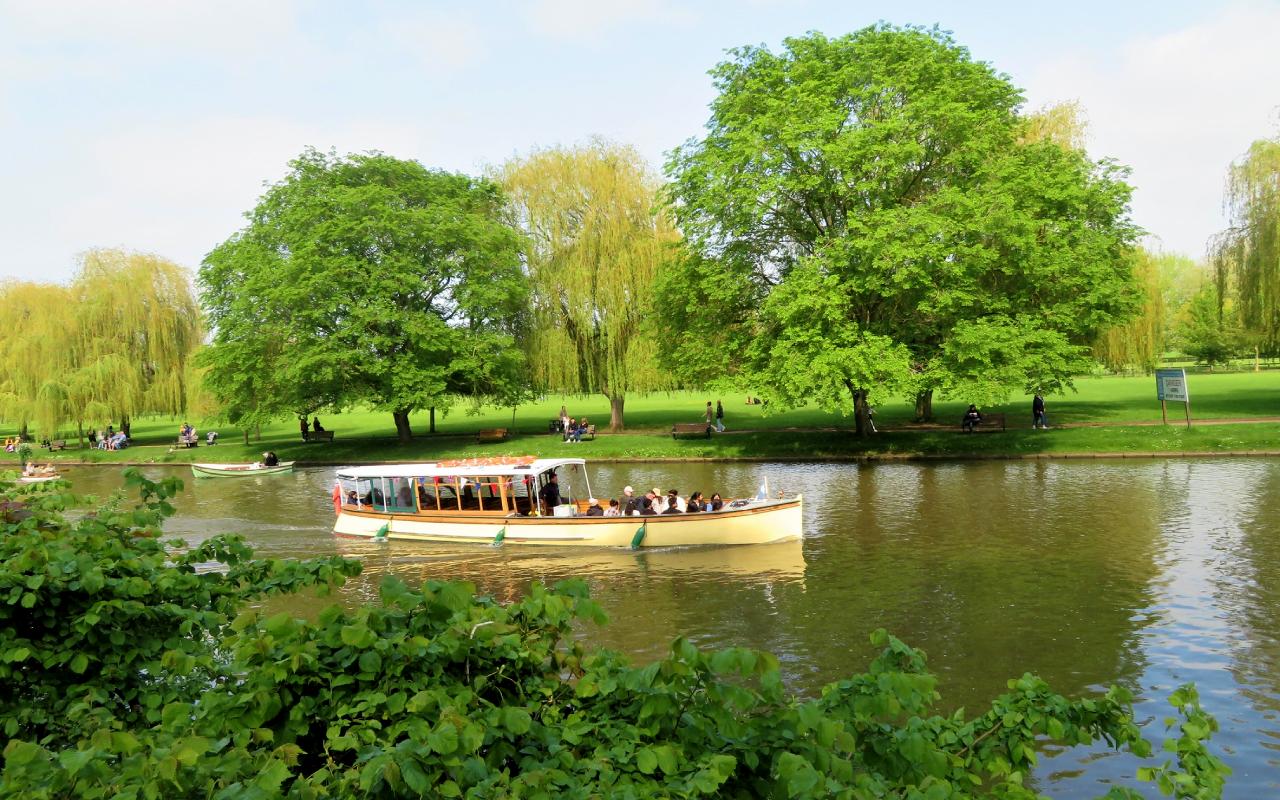
Avon River
Caption: Punting through the Botanic Gardens; visitors enjoy guided commentary from a local “punter.” A signature Christchurch activity is Avon River punting, a gentle 30-minute boat ride propelled by an expert poleman (punter) in Edwardian attire. It’s an eco-friendly, relaxing float under weeping willows, often through the Botanic Gardens (June–Oct) or city precinct (summer months).
Practical: Runs from Antigua Boat Sheds (2 Cambridge Terrace) year-round; a Worcester Bridge site in the CBD usually operates Nov–Mar (closed until Spring 2026). Hours 9:30 am–4 pm daily.
Tours cost around NZ$45/adult and $30/child; infants under 5 ride free. Bookings are recommended. Punts seat 6–8 people; dress warmly or take blankets as the seats are low. Trips begin on schedule (arrive 15 min early).
Local Tip: Combine punting with a stroll in the gardens. Bring a camera for reflections of the bridges and blossoms. Photo caption suggestion: “Guided punting down the Avon River through Hagley Park’s trees.”
Admire the Street Art Around the City

Street Art
Christchurch has become famous for its vibrant street art scene, especially after the earthquakes, making mural hunting one of the city’s more unique experiences. The city now boasts 50+ large murals (and 250+ art pieces) in the central area, from gritty graffiti to commissioned artworks.
Iconic works include the 53-m “Narcissus” mural by Jacob Yikes on Distinction Hotel (Cathedral Square) and colorful pieces by local collectives like Speargrass and LOVE. The arts groups (e.g., Watch This Space, Gap Filler) continually add new murals.
Practical: Exploring the street art is free. A good way is a self-guided walk or bike ride through Central City – key spots are around Manchester/Lichfield/Armagh Streets and New Regent Street. Digital maps (e.g., ChristchurchNZ’s guide) show mural locations. The lanes behind New Regent Street and along Tuam/Oxford are rich with art. The walls are outdoors, so anytime is fine.
Local Tip: Look for hidden pieces down side streets and carparks. Many murals change periodically, so locals often “rediscover” new art. Don’t miss the art-laden underpass by Antigua Boat Sheds. Photo caption suggestion: “Colorful street art murals on a former central Christchurch building.”
Hidden Gems
Beyond the well-known sights, Christchurch has many off-the-beaten-path finds that delight visitors looking for lesser-known Things to Do in Christchurch.
Quake City Museum (Ōtautahi’s Earthquake Story)

Quake City – The Christchurch Earthquakes Story
Tucked into the Canterbury Museum campus (299 Durham St), Quake City is a compelling exhibition all about the 2010–2011 earthquakes. It features personal stories, interactive displays, and a real section of the fallen CTV building.
This is a sobering but inspiring look at the city’s resilience, and one of the more meaningful Things to Do in Christchurch for history lovers.
Practical: Open daily 10 am–5 pm (closed Christmas).
Adult entry is about NZ$25, children under 15 free with an adult. Plan 1–1.5 hours. Quake City is wheelchair-accessible.
Insider Tip: The displays include a “shaking floor” simulation. Photos are allowed, so you can capture the dramatic survivor tales.
Caption suggestion: “An exhibit at Quake City: a cross-section of a collapsed building from the Canterbury earthquakes.”
New Regent Street
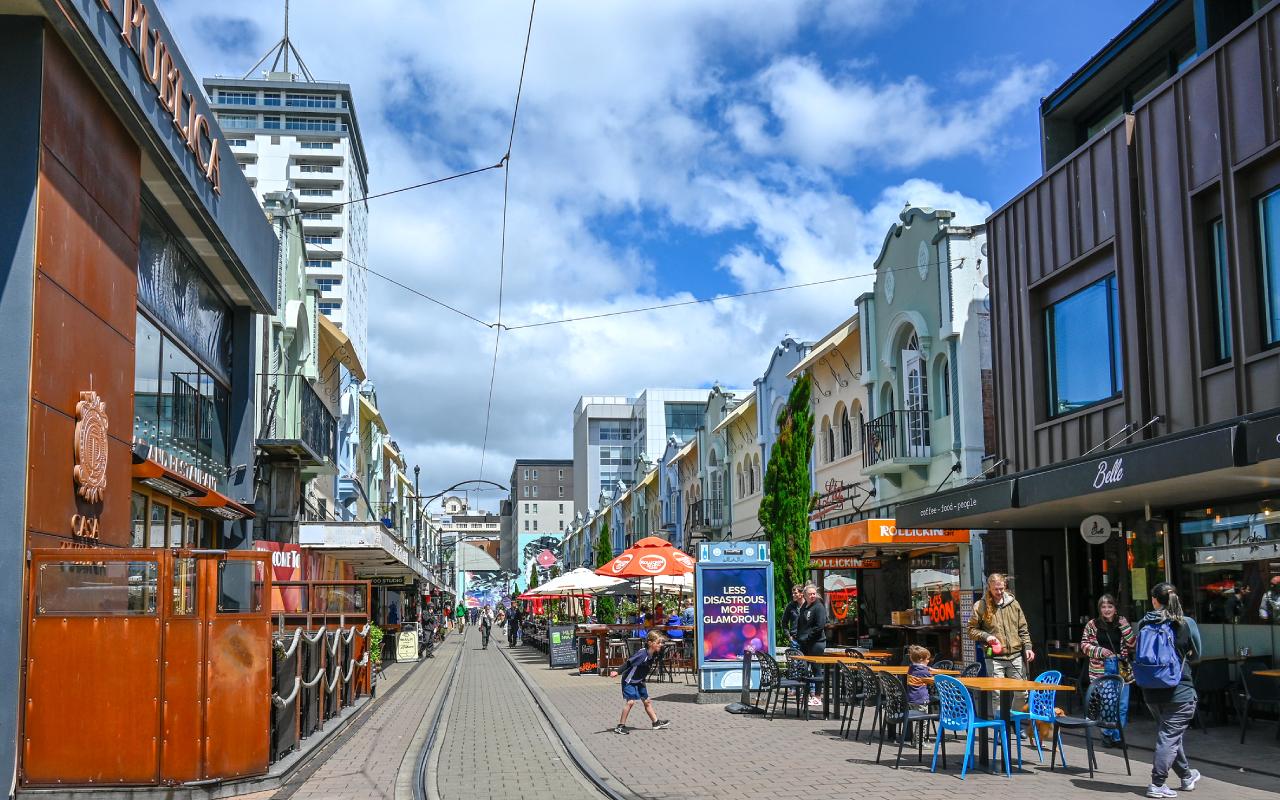
New Regent Street
This charming block (near Cathedral Square) is Christchurch’s only fully intact heritage streetscape. Built in 1932 in Spanish Mission style, New Regent Street’s pastel-coloured facades form one of New Zealand’s prettiest shopping promenades. Today it’s a pedestrian-only mall (trams stop here) with boutiques, cafés, and bars.
Practical: Free to enter; shops and cafes have their own hours (generally 10 am–5 pm; some bars stay later). It’s centrally located (short walk from Cathedral Square). Level access makes it easy to navigate.
Local Tip: Early morning or evening lighting highlights the pastel colors beautifully. Enjoy a coffee at Barefoot or a gelato as you admire the architecture. Photo caption suggestion: “Spanish-arched pastel buildings lining New Regent Street in Christchurch.”
Sumner Beach and Cave Rock
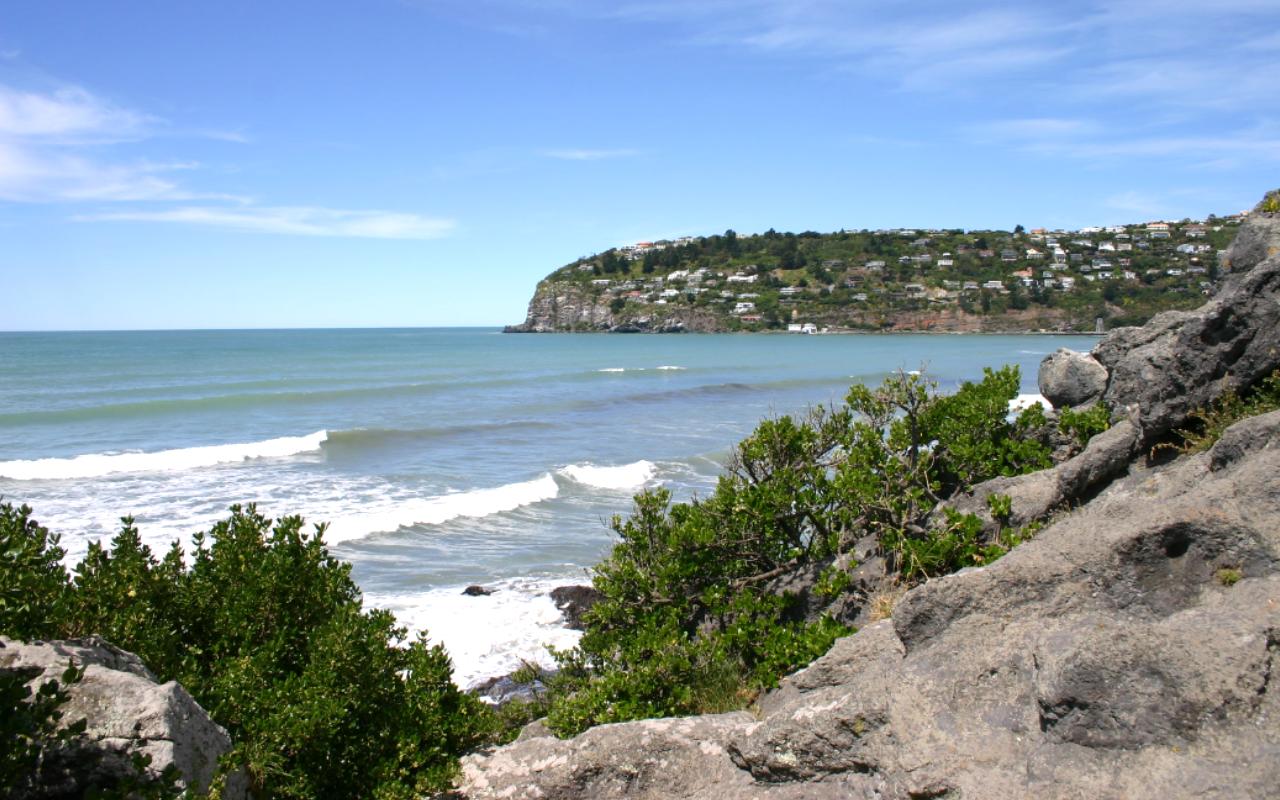
Sumner Beach
About 20 minutes from downtown, the coastal suburb of Sumner offers a sandy beach popular with locals and is one of the most relaxing Things to Do in Christchurch.
The quarter-kilometer white-sand shoreline is lovely for swimming in summer, sunbathing, or surfing (Scarborough Beach to the south has more waves). The iconic Cave Rock (Te Poho o Tamatea), a basalt sea stack with a tunnel, is a highlight that kids and photographers love.
Practical: Open year-round. Public toilets and a playground sit near the beach. The main street (The Esplanade) has cafes, fish & chips, and surf shops. Parking and a bus route (No.28) reach Sumner Village. Be cautious of the strong rip currents at the beach and respect any red flags (a lifeguard patrol operates in summer). Access is via walking down a ramp from the car park.
Local Tip: Check out the Anzac clifftop walk for views of Sumner and Christchurch. For lunch, try Sumner Surf Life Saving Club’s café (good seafood) – you’ll be sitting right by the ocean. Photo caption suggestion: “Families climb and explore Cave Rock on Sumner Beach, Christchurch.”
Port Hills Scenic Reserve
The Port Hills form the skyline backdrop of Christchurch, and they are an outdoor playground that few tourists discover. A short drive (15 min from CBD) or shuttle ride to Mt Cavendish will lead you into native bush and panoramic lookouts.
Mountain-bikers and hikers consider it a paradise, with trails carving through pine forests and tussocks. At the top (1,000m), the Christchurch Gondola gives sweeping views over Lyttelton Harbour, Pegasus Bay, and distant Southern Alps. On a clear day, you can even see the Kaikōura ranges to the north.
Practical: There are many access points. For non-drivers, take the Gondola (above) or a shuttle. Hiking tracks like the Crater Rim Walk start near the summit. Picnic spots and caves (e.g., Coopers Knob cave) are fun discoveries. No admission fee except for activities (Gondola). The terrain is hilly and can be muddy; wear good shoes. Local
Tip: Bird-watchers might spot kererū (wood pigeon) or cheeky kererū. Golden-hour (sunset) on Port Hills is spectacular, pack a picnic and watch Christchurch light up below. Photo caption suggestion: “Panoramic view of Christchurch and Lyttelton Harbour from the Port Hills.”
Christchurch Gondola and Summit Walks
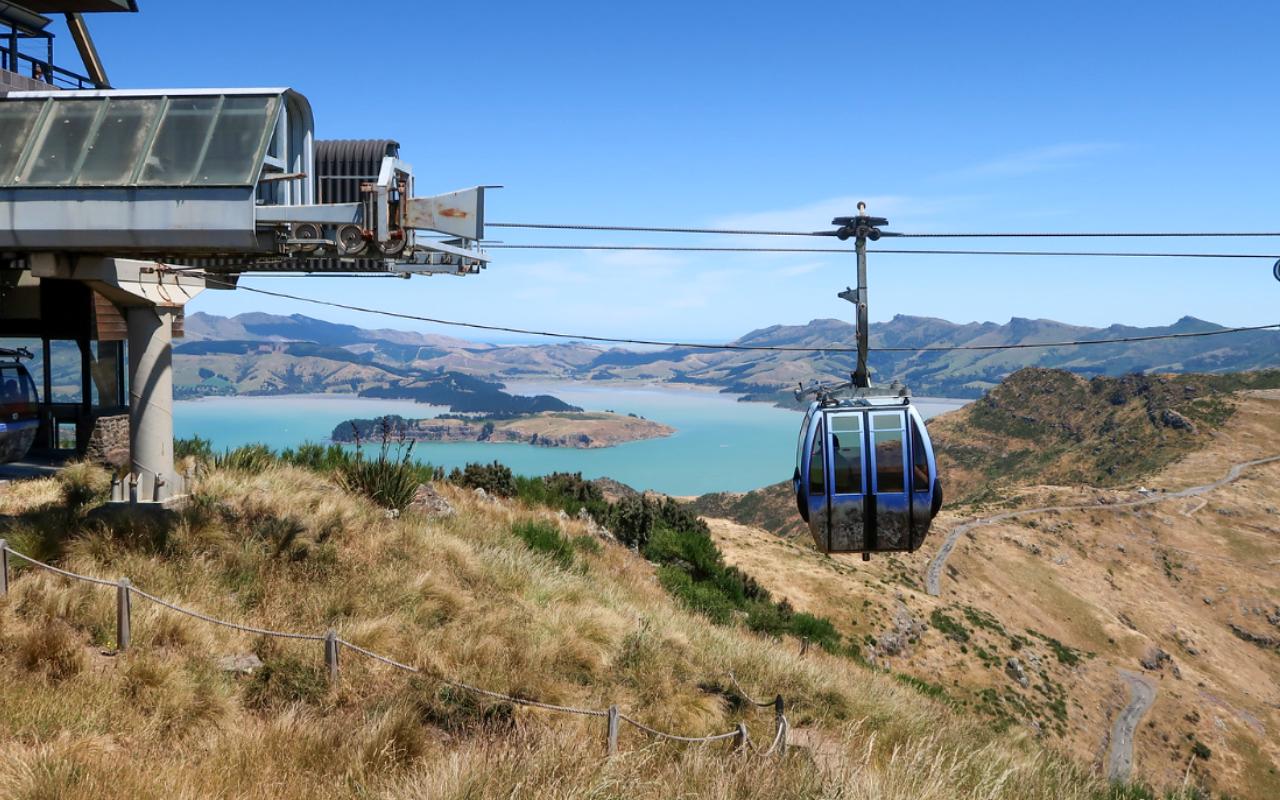
Christchurch Gondola
Perched on Mt Cavendish (Port Hills), the Christchurch Gondola (28 Osborne Terrace, Heathcote) lifts you 1,100m from city edge to rocky summit. The cabin ride (10 min) is itself a scenic highlight. At the top, there are short nature trails with lookout points out over Christchurch, Banks Peninsula, and the ocean. The café serves Kiwi fare (pies, ice creams) with a view.
Practical: Open daily (hours 10 am–4 pm; last descent 60 min after close). Adult return ticket NZ$45, child NZ$22 (prices as of 2026, subject to change). Free parking is available. The gondola cabins can accommodate wheelchairs up to 600mm wide. Allow 1–2 hours for summit activities.
Local Tip: Bring a jacket, summit winds can be chilly. Try the 15-minute Mt Cavendish Summit Track loop for rugged terrain, or the gentler Summit Walkway (360° panorama). For thrill-seekers, abseiling or paragliding operators are based here. Photo caption suggestion: “Tourists ride the gondola up Mt Cavendish, with Christchurch cityscape far below.”
Best Outdoor Activities in Christchurch
Go Whale Watching and Wildlife Spotting
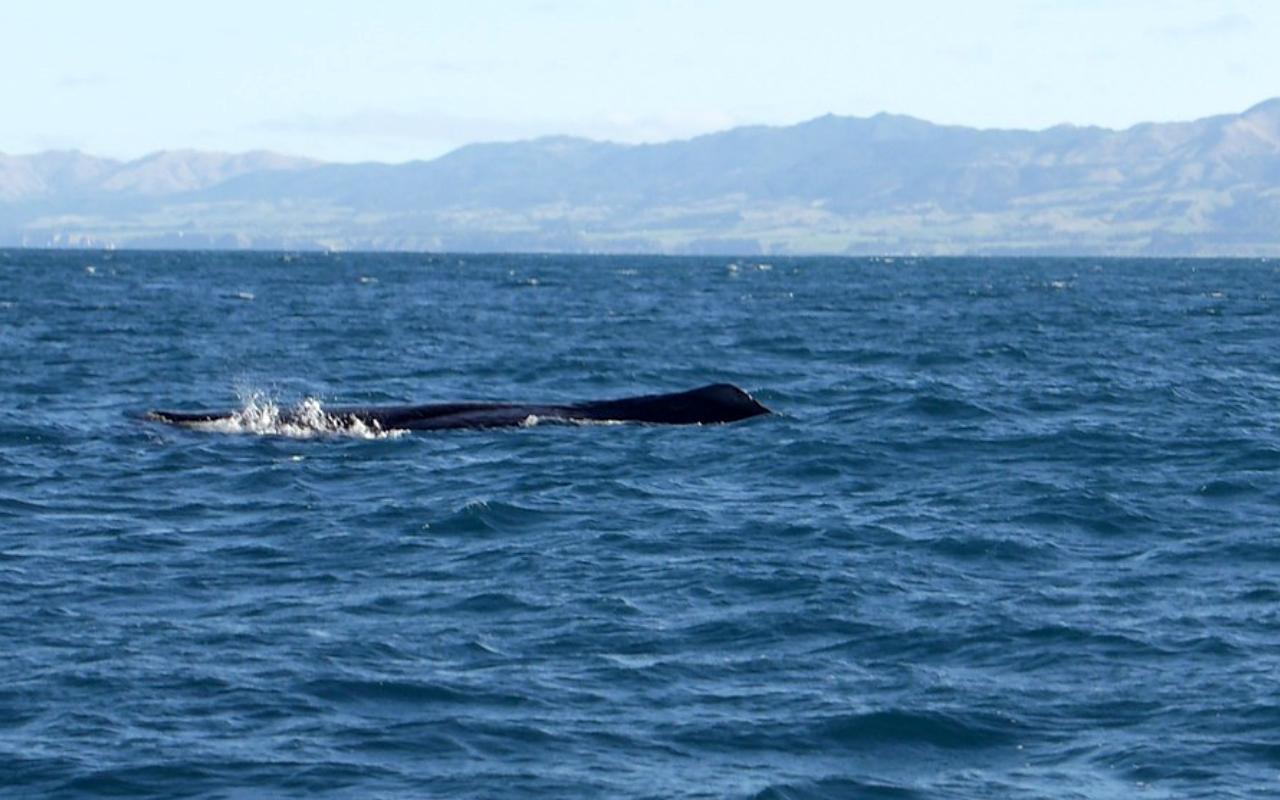
Whale watching at Kaikoura
While whales are offshore, Christchurch is a jumping-off point for wildlife tours. Kaikōura (2.5 hr drive) is world-famous for sperm-whale and dolphin encounters. In Kaikōura, you can join a boat tour, where sperm whales are resident year-round, and humpback and southern right whales are more often from May to September. Closer in, Akaroa on Banks Peninsula (1.5 hr drive) offers swimming with rare Hector’s dolphins and spotting penguins and seals.
Eco-tours like Pohatu Penguins and Akaroa Harbour cruises take you to colonies of Little Blue Penguins and fur seals. If you stay in Christchurch, consider a guided day tour. Otherwise, local wildlife sightings are mostly native birds, while dedicated penguin and marine wildlife experiences are better enjoyed in Akaroa or Kaikōura.
Practical: Whale/dolphin tours book out in summer, reserve ahead. Dress warmly and beware seasickness. If driving, note that state highways can be winding. Many operators require NZD cash or card (no tipping needed). Photo caption suggestion: “A Hector’s dolphin leaps alongside a dolphin-watching boat in Akaroa Harbour.”
Try Adventure Activities
For adventure seekers, Christchurch offers plenty of adrenaline options and exciting outdoor experiences beyond the city centre. On land, tackle the Christchurch Adventure Park (Lake Ellesmere Rd, Port Hills), where you can zip-line and mountain-bike down gravity trails (bike hire and a scenic chairlift available).
The nearby Adrenalin Forest (110 Heyders Rd, Spencerville) is a high ropes/zipline adventure course through pine trees. In and around Christchurch, if you like speed, there are high-octane experiences including jet boating, off-road 4WD adventures, and other outdoor activities across the Canterbury region. For water thrills, take a jet boat or white-water rafting trip on the Waimakariri River 20 min north (book via local outfitters).
Practical: Book in advance, especially during the summer holidays. Many activities require a minimum age/height and have weight limits. Wear closed shoes and comfortable clothes.
Local Tip: Combination deals (e.g., tram + punt + gondola) often save money. Evening recaps (like “ziplining under the stars”) sometimes run in summer. Photo caption suggestion: “Thrill-seekers ride a zipline at Christchurch Adventure Park against a backdrop of native forest.”
Enjoy Scenic Cycling Trails
Cyclists will find Christchurch surprisingly bike-friendly, making scenic cycling one of the most enjoyable Things to Do in Christchurch. The flat Avon River and estuary trails are great for easy rides. For example, you can bike the Ōtākaro Avon River Corridor Trail from the river loops into the city (part of the 7.1 km Avon Loop Ride). Around town, there are dedicated cycle lanes and an expanding network (look for the “Green Spine” and Northwestern cycle routes).
More ambitious rides include the 30 km return trip to Lyttelton along the Summit Road or the Tasman District Coast ride. For mountain bikers, the Port Hills trails and Adventure Park offer challenging tracks. Bike rentals are available in town.
Practical: All bike trails are free. Helmets are mandatory by law. Mid-latitude sun can be strong even on cloudy days, so wear sun protection. Photo caption suggestion: “Cyclists riding along the Ōtākaro Avon River trail in Christchurch.”
Family-Friendly Attractions
International Antarctic Centre

International Antarctic Centre
The International Antarctic Centre (38 Orchard Rd, opposite airport) is one of the most family-friendly Things to Do in Christchurch for kids and adults alike.
It recreates Antarctic conditions with a rotating Storm Room (blizzard winds), real snow, and an indoor penguin enclosure housing Little Blue Penguins. Visitors can also board a Hägglunds all-terrain vehicle exhibit and explore interactive displays about research in Antarctica.
Practical: Open daily 9 am–4:30 pm. General admission is about NZ$74 for adults, $49 child (5–15yrs), and free for under-5s. Tickets are higher if you add experiences (e.g., “Penguin Backstage” tours).
Plan 2–3 hours. The Centre is fully accessible, with ramps and wheelchair-accessible bathrooms. A café on-site offers lunch. If flying in or out, it is located directly opposite Christchurch Airport, making it convenient for travellers.
Local Tip: Go in the late afternoon on a sunny day, the penguins are often most active then. If interested in science, check the schedule for special talks. Photo caption suggestion: “A Little Blue penguin on snow at the International Antarctic Centre, Christchurch.”
Orana Wildlife Park
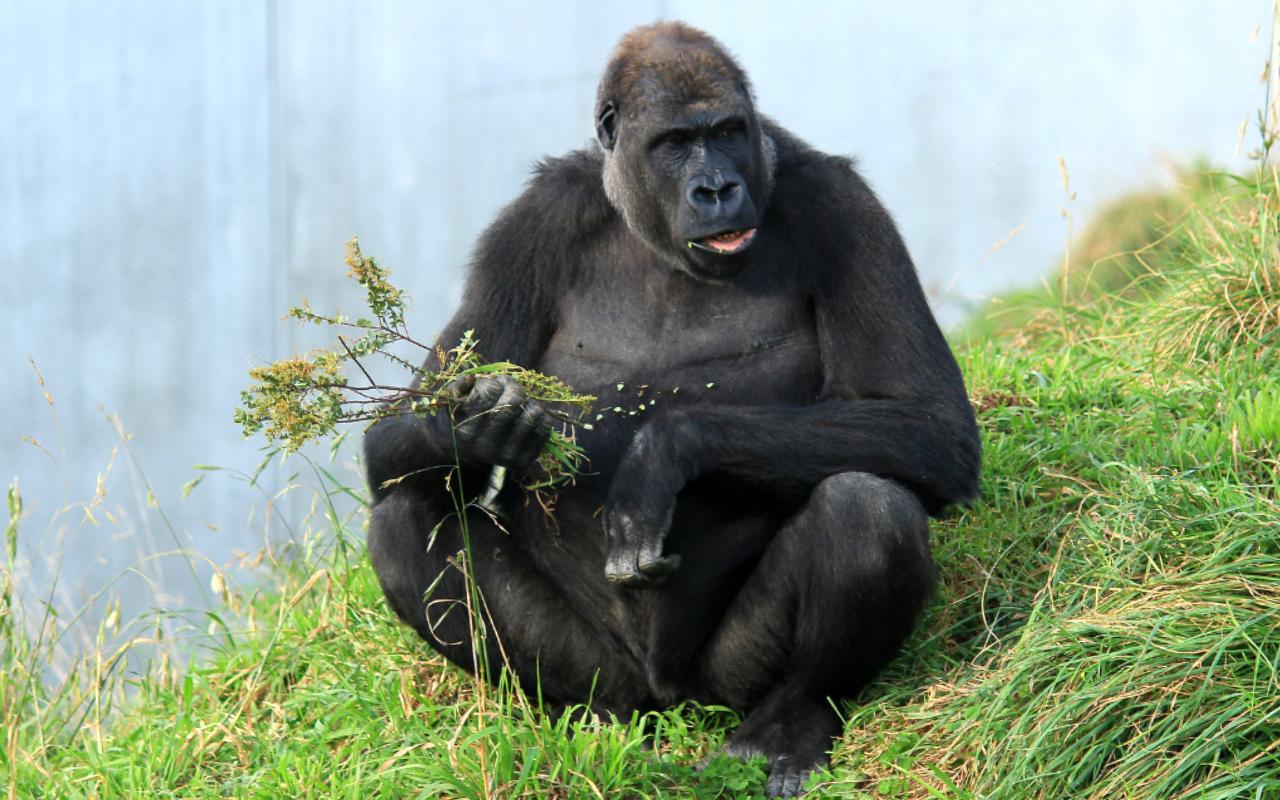
Orana Wildlife Park
Located 25 km west of town at 166 Savills Rd, Orana Wildlife Park is New Zealand’s only open-range zoo. Over 140 species roam in large enclosures, African savanna animals like giraffes, rhinos, and lions, alongside New Zealand endemics (kiwi, tuatara) and others.
You can hand-feed playful ring-tailed lemurs or spot rare takahē in their conservation paddock. Orana prides itself on conservation: many animals are part of breeding programs.
Practical: Open daily 10:00–17:00 (last entry 16:00) year-round (closed only on Dec 25). Admission (May 2026) is NZ$39.50/adult, $12.50/child. Buy tickets online or at the gate; bring cash for optional animal-feed packs. Allow at least 3–4 hours (you can rent a scooter if the little ones get tired). The park is mostly gravel paths, partially wheelchair friendly; strollers are advised for young children.
Local Tip: On weekends and school holidays, there are extra keeper talks and (often limited) close-encounter tours with tigers or lemurs. Afterward, let kids burn energy at the playground and picnic area outside the main gates. Photo caption suggestion: “A pair of playful giraffes at Orana Wildlife Park, Christchurch.”
Food & Local Experiences
Exploring Christchurch’s dining scene is one of the tastiest experiences in the city, reflecting Canterbury’s agricultural bounty. Riverside Market (see above) is a hub for fresh eats.
Nearby, the SALT District (by the Antigua Boat Sheds) is a revitalized shipping container food/drink precinct with breweries and ice cream shops. Central Christchurch also has quirky laneways and pop-up eateries. Don’t miss the weekly farmers’ market on The Terrace or Saturday Market by Christchurch Art Gallery for local artisanal foods.
Cantabrians love lamb, dairy cheeses (especially cheddar and Havarti), and seafood like Green-lipped mussels and whitebait fritters. Many restaurants serve modern Kiwi cuisine, e.g., lamb shoulder, grilled kahawai, and pavlova for dessert.
For a local treat, try a “fizz stick” (Victorian-style candy) or the iconic Whitebait patty (coated whitebait fritters). Christchurch has an emerging craft beer and wine culture: sample reds and whites from the Waipara Valley, or try local brews (breweries include Cassels, Dawes, and Little Creatures).
Insider Tip: Head to local bars like The Twisted Hop or Cassels Brewing Co. in The Tannery (Woolston) for freshly brewed ales. On summer evenings, you’ll find pop-up barbecue stalls and food trucks on pop-up patios.
Day Trips from Christchurch
Christchurch’s location makes it a great base for nearby adventures, expanding the list of Things to Do in Christchurch beyond the city itself. Banks Peninsula/Akaroa (drive 1.5h), Explore the picturesque French-influenced village of Akaroa.
Take a nature cruise in the harbor to see Hector’s dolphins, white-flippered blue penguins, and seals. Kayaking around Ross Bay or a walking tour are also popular. The scenic road to Akaroa itself is stunning, with cliffs and bays.
Arthur’s Pass (drive 2h) – Head west over the Southern Alps via the Great Alpine Highway (State Hwy 73). Arthur’s Pass National Park offers short walks (Devil’s Punchbowl Falls, Temple Basin glacier ski area) and panoramic viewpoints. You can also take the TranzAlpine train one-way to Greymouth and bus back to Christchurch (or vice versa), famed as a world-class scenic rail journey.
Kaikōura (drive 2.5h) – Renowned for whale-watching, Kaikōura is a chance to see giant sperm whales year-round. Boat tours and scenic flights (for whales and albatross) operate from the pier. The drive itself is beautiful along the rugged coast (beware weather closures).
Hanmer Springs (drive 2h) – A charming alpine village with natural thermal pools. Enjoy family-friendly hot pools (indoors and outdoors), water slides, plus optional bungy jumping and jet boating. Surrounding forests have horseback riding and mountain biking.
Waipara Valley (drive 1h) – For foodies and wine-lovers, this rolling countryside is a key wine region. Do a winery crawl, famous for Pinot Noir and Riesling. Lunch at a vineyard restaurant and sample local olive oils or boutique cheeses. There’s a scenic cycle/tasting trail connecting cellar doors.
North Canterbury (2–3 days) – If extending your trip, consider Mt Cook/Aoraki or Queenstown (drives of 4–6h from Christchurch). Within a week, you can combine Christchurch highlights with one or two of the above day trips.
Best Time to Visit
Christchurch enjoys four distinct seasons, which means Things to Do in Christchurch vary beautifully throughout the year.
Spring (Sept–Nov) brings rapid greening: gardens bloom and days lengthen. It’s often cited as the best (and quieter) time to visit, with temperatures of 10–17°C, perfect for outdoor exploring.
Summer (Dec–Feb) is the warmest (21–23°C avg) with long daylight, ideal for hikes, beach days, and festivals. This is peak tourist season, so book ahead (especially Dec–Jan).
Autumn (Mar–May) sees mild 15–18°C weather and usually low rainfall, the hills flush with fall colours and wine harvests, still very pleasant for travel.
Winter (Jun–Aug) is crisp (days 11°C) and often clear; the Southern Alps light up with snow (making for the famous ocean-to-alps view). It’s prime ski/snowboarding season and whale-watching shoulder season. Rain is relatively low year-round in Canterbury (Christchurch averages 640mm annually). Packing layers is wise: even in summer, a cool wind off the ocean can surprise. In short, late spring through early autumn (Sept–Apr) is peak season for outdoor activities, but winter has its own quiet charms (and cheaper hotel rates).
Travel Tips
Getting Around: Christchurch’s city center (CBD) is compact, walkable, or easy by bike. For suburbs and day trips, renting a car is convenient. Public Metro buses (Hop Card) serve main routes; a central-zone shuttle runs free. Taxis and ride-shares (Uber) operate widely.
Airport transfer: Metro bus routes, shuttle vans, taxis, and rideshare services connect Christchurch Airport with the city centre. Always drive on the left.
Currency & Safety: ATMs are plentiful, and cards are accepted almost everywhere (EMV chip and contactless). NZ is very safe overall (violent crime is rare), but watch bikes locked outside and take standard transit care at night. The emergency number is 111. Health care is excellent; travel insurance is recommended.
Local Etiquette: Christchurch locals often use the Māori name Ōtautahi. It’s good to learn a few Māori words (e.g., kia ora = hello). Tipping is not expected – a round of drinks or simply saying thanks is fine.
Language: English with a soft Kiwi accent. Māori place names are used on maps (for example, “Whakaraupō” for Lyttelton Harbour).
Climate Prep: Year-round sunscreen and rain jacket advised, Canterbury weather can shift quickly (a sunny morning can turn rainy by afternoon). Even summer evenings can be chilly.
Connectivity: Free Wi-Fi zones exist in parts of the city center (e.g., Cathedral Square precinct). Local SIM cards (Vodafone, Spark) are inexpensive and work well.
Culture & Events: Check the local calendar for events (Christchurch Arts Festival, sports games). Many attractions have seasonal hours (e.g., longer summer hours).
Green Initiatives: Christchurch values sustainability, and recycling bins are common. It’s also a very bikeable city (helmets mandatory).
Accessibility: Many attractions are accessible. Christchurch is relatively flat (CBD), and facilities like Christchurch Trams and Gondola have provisions for wheelchairs (size limits).
Suggested Itineraries
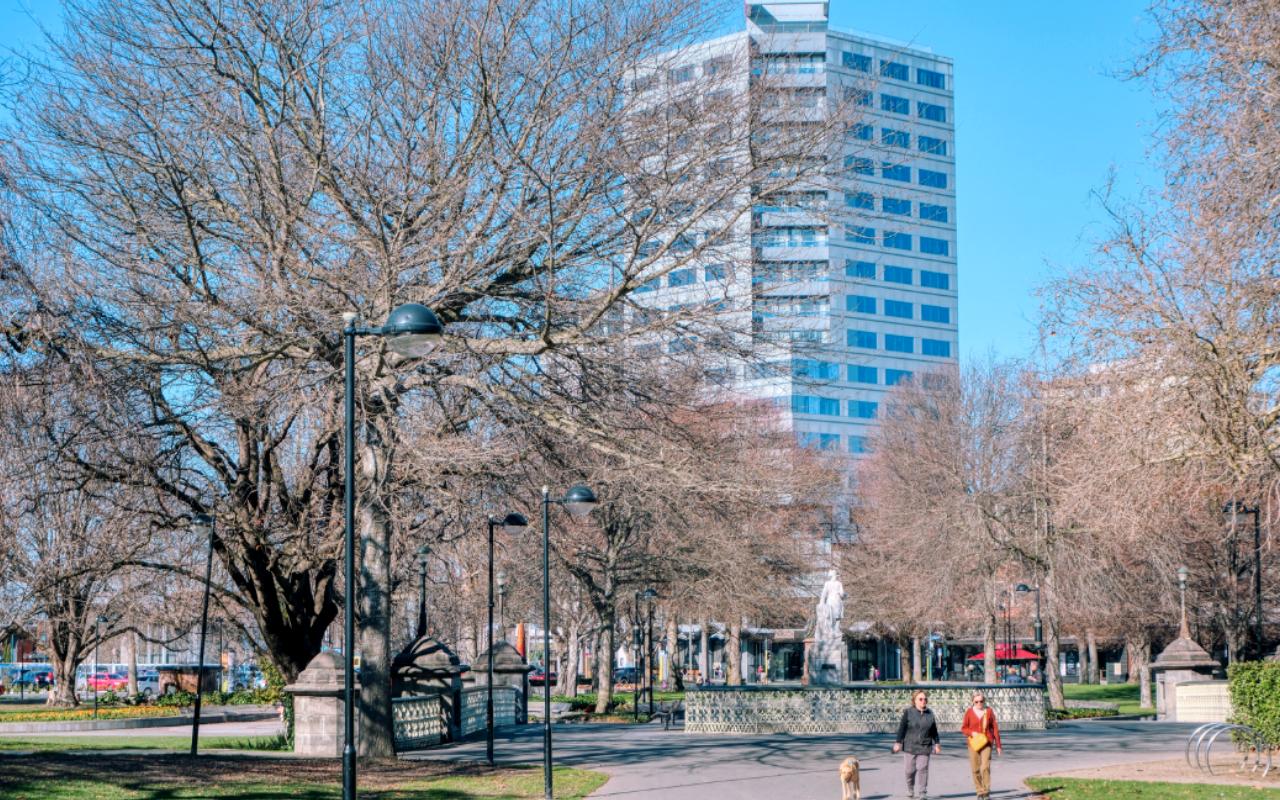
Christchurch
1-Day Itinerary:
If you want to experience the top Things to Do in Christchurch in a single day, start at the Botanic Gardens/Hagley Park (morning for flowers and a coffee). Then ride the Christchurch Tram loop (timed to arrive at Riverside Market for lunch).
In the afternoon, choose one or two: either take the punting ride on the Avon or explore nearby museums (Canterbury Museum pop-up and Quake City). End the day strolling through New Regent Street and Cathedral Square, perhaps dining in the SALT District.
3-Day Itinerary:
- Day 1: As above for central Christchurch (Botanic Gardens, Tram, Riverside Market lunch, street art stroll, and an early evening punting).
- Day 2: Port Hills & Summit. Morning gondola to Mt Cavendish, take short walks. Afternoon at Christchurch Adventure Park (ride zip-lines or mountain-bike, or simply walk up and ride the free scenic chairlift down). Late afternoon, visit the International Antarctic Centre (across from the airport) for the penguin show and Storm Room.
- Day 3: Day Trip to Banks Peninsula. Drive to Akaroa (scenic 1.5h). Take a harbor cruise or swim-with-dolphins tour (spot Hector’s dolphins, fur seals, blue penguins). Return via the summit road (views into Lyttelton Harbour) or via Arthur’s Pass (if keen on mountains).
FAQs
Q: How much time should I spend in Christchurch?
A: A typical visit is 2–4 days, which gives enough time to experience many of the top Things to Do in Christchurch. This allows 1–2 days to see the city’s highlights (gardens, tram, markets, museums) and 1–2 days for nearby excursions (Port Hills, Akaroa, or Hanmer Springs). If you plan multi-day trips to the Alps, Kaikōura, or further, add extra days.
Q: When is the best time of year to visit Christchurch?
A: Most visitors come in summer (Dec–Feb) when Christchurch is warmest (avg 21–23 °C) and driest. Spring (Sep–Nov) is also wonderful – mild, blossoming gardens, and fewer crowds. Winter (Jun–Aug) is cooler (11 °C) but offers snowy vistas and skiing nearby.
Q: Is Christchurch safe for tourists?
A: Yes, Christchurch is considered safe. Violent crime is rare. Exercise common caution (watch your belongings, avoid isolated areas late at night). The usual emergency number is 111. Tourist areas are well-patrolled and friendly.
Q: What is the Christchurch Airport to city transport like?
A: The airport is only 12 km from the city. Options include taxis/Uber ($40 NZD to CBD), shared shuttle vans ($15–20), or Metro bus #29 (NZD11, runs hourly). The Antarctic Centre is located directly opposite the airport terminal.
Q: Are there guided tours of Christchurch?
A: Yes – hop-on/hop-off bus tours, guided walking tours (especially of rebuilt art), and coach tours for day trips are available. Local i-SITE offices in the city can book tours for you. Many attractions (eg, Tram, Gondola) also have park-and-ride or combo ticket options.
Q: What should I wear/bring?
A: Weather can change, so layer up. Bring a waterproof jacket, comfortable walking shoes, and sun protection (hat, sunscreen). If punting or taking outdoor cruises, a sweater is handy. For winter, a warm coat and gloves; for summer, a light jacket for evenings.
Q: Can I see penguins or wildlife in the city?
A: Within central Christchurch, wildlife is mostly native birds such as pūkeko, ducks, and common songbirds in parks and green spaces. The closest penguins or dolphins are on the peninsula and on Kaikōura tours. Kiwi birds can be seen at Willowbank Wildlife Reserve (near Riccarton) or as part of Orana’s exhibit.
Q: Is it expensive?
A: Christchurch is moderately priced by NZ standards. Plan for food ($15–30 for a casual lunch, $30–50 for a meal, per person), attractions (many parks are free; special exhibits or tours cost NZD20–50), and transport (buses are inexpensive). No tipping is expected, but rounded up for good service.
Conclusion
Christchurch is a great mix of urban and adventure outdoor experiences. From nature enthusiasts to family vacationers or foodies, the city’s “Garden City” appeal and the wonders nearby will be memorable. From punting on the Avon to tasting Waipara wine, from admiring street art to encountering wildlife at Orana Wildlife Park, there’s something here for every interest.
And with so many newly developed attractions and rebuilding landmarks, each visit uncovers something fresh. We hope this guide – packed with insider tips and practical info- helps you craft the perfect Christchurch adventure. Enjoy Ōtautahi, Christchurch’s beauty, and travel safely!












-
 0115 Best Easy Treks in Nepal for Beginners and Families
 -
 02Best season for Everest Base Camp Trek
 -
 03Best Time to Go Hiking in Nepal: A Seasonal Guide for Trekkers
 -
 04Suchi Purja –Wife of Nirmal Purja aka Nims Dai
 -
 05Dubai desert safari outfit ideas
 -
 06Top Beaches in Sri Lanka
 -
 0710 Best Easy Treks in Nepal