
Now Reading: Venezuela Landmarks: 25 Must-Visit Places and Natural Wonders
-
01
Venezuela Landmarks: 25 Must-Visit Places and Natural Wonders

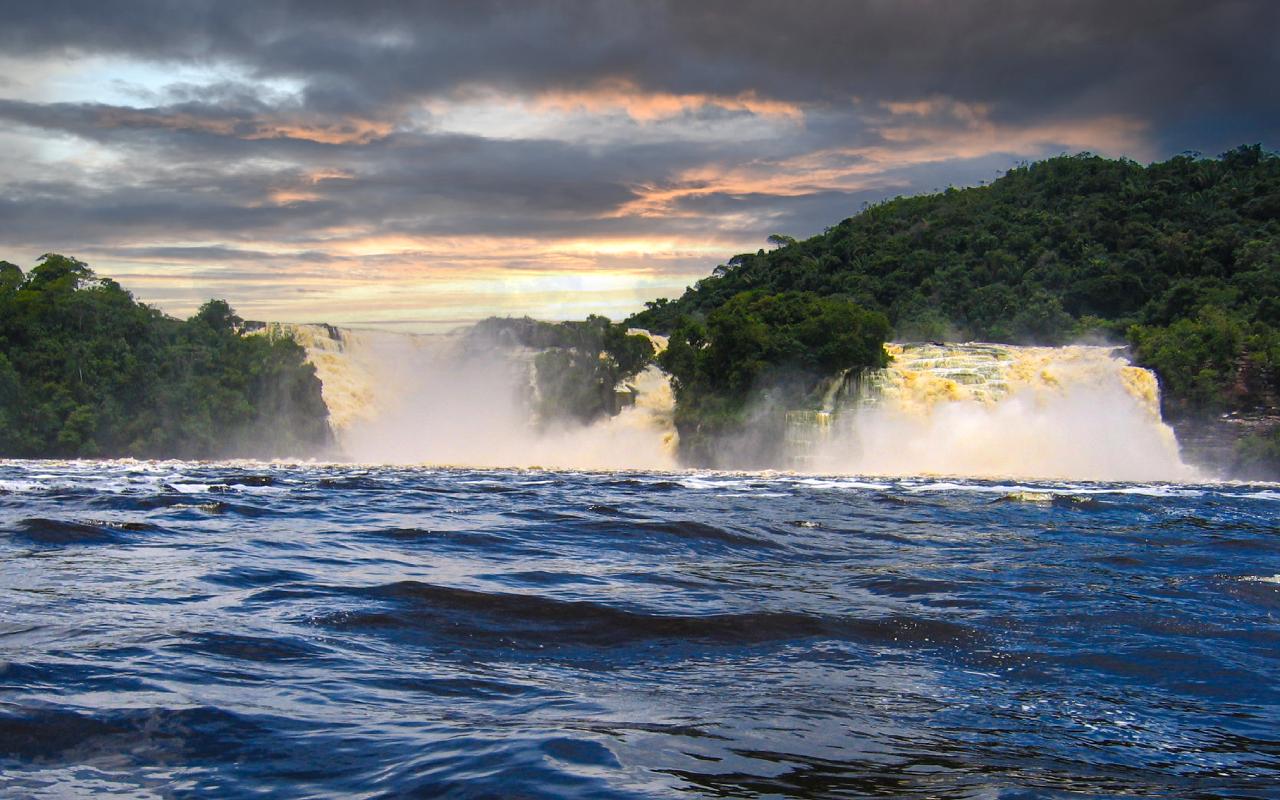
Welcome to one of South America’s most naturally diverse countries. If you want an untouched paradise, you will find it here. The spectacular array of Venezuela landmarks offers everything from towering waterfalls to sunny Caribbean beaches.
Adventure travelers, photographers, and nature lovers all flock to this beautiful nation. They want to experience the dramatic landscapes that you cannot find anywhere else on earth. The country features vast jungles, snow-capped mountains, historic colonial towns, and pristine coastal reefs.
In this ultimate travel guide, you will learn about the absolute best places to visit in Venezuela. We will cover practical travel tips, delicious local foods, and curated itineraries. This guide will help you plan a seamless journey through the heart of Venezuela’s wild beauty.
Quick Facts About Venezuela
| Fact | Details |
| Location | Northern South America |
| Capital City | Caracas |
| Famous For | Angel Falls, beaches, and the Andes Mountains |
| Official Language | Spanish |
| Currency | Venezuelan Bolívar (VES) |
| Best Time to Visit | December to April |
| UNESCO Sites | Canaima National Park, Coro, and its Port |
| Highest Peak | Pico Bolívar |
| Popular Activities | Hiking, wildlife tours, beach trips |
Why Venezuela Is Famous for Landmarks
Unique Mix of Attractions
Few countries offer such an extreme contrast. You can explore a hot sand dune desert in the morning and hike into a cool cloud forest by afternoon. The country transitions seamlessly from rugged alpine peaks to calm tropical islands.
Home to the Tallest Waterfall
The country proudly claims Angel Falls, the world’s highest uninterrupted waterfall. This single attraction draws global attention for its sheer size and dramatic jungle setting. It represents the ultimate bucket list destination for true explorers.
Rich Biodiversity
Massive national parks protect millions of acres of pristine wilderness. These zones harbor rare animals, unique bird species, and ancient plants. You will encounter wildlife that exists nowhere else on the planet.
Cultural Blend
The local history blends indigenous traditions, Spanish colonial rule, and modern architecture. You see this mix clearly in the local food, city plazas, and traditional festivals. Every region tells a different story.
Top 25 Venezuela Landmarks
1. Angel Falls (Salto Ángel)
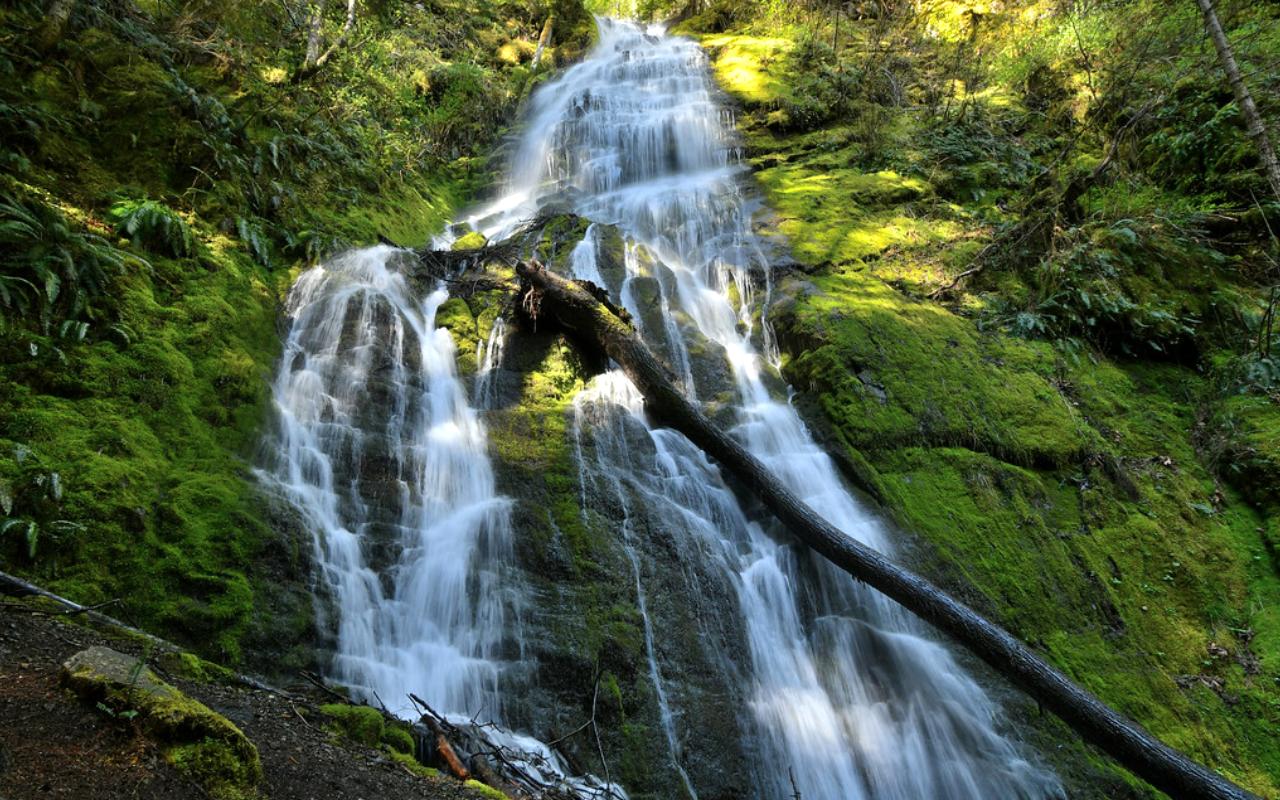
Angel Falls
Angel Falls stands as the undisputed king of Venezuela landmarks. This majestic wonder represents the world’s tallest uninterrupted waterfall, dropping from a staggering height of 979 meters. It pours directly off the massive Auyán-tepui mountain inside Canaima National Park.
You can only reach the falls through a combination of motorized river canoes and jungle treks. Most travelers book guided multi-day tours from the town of Canaima. If you want a quicker view, you can pay for a scenic flight that glides directly past the canyon walls. Visit during the rainy season to see the water crash down with maximum force.
2. Canaima National Park
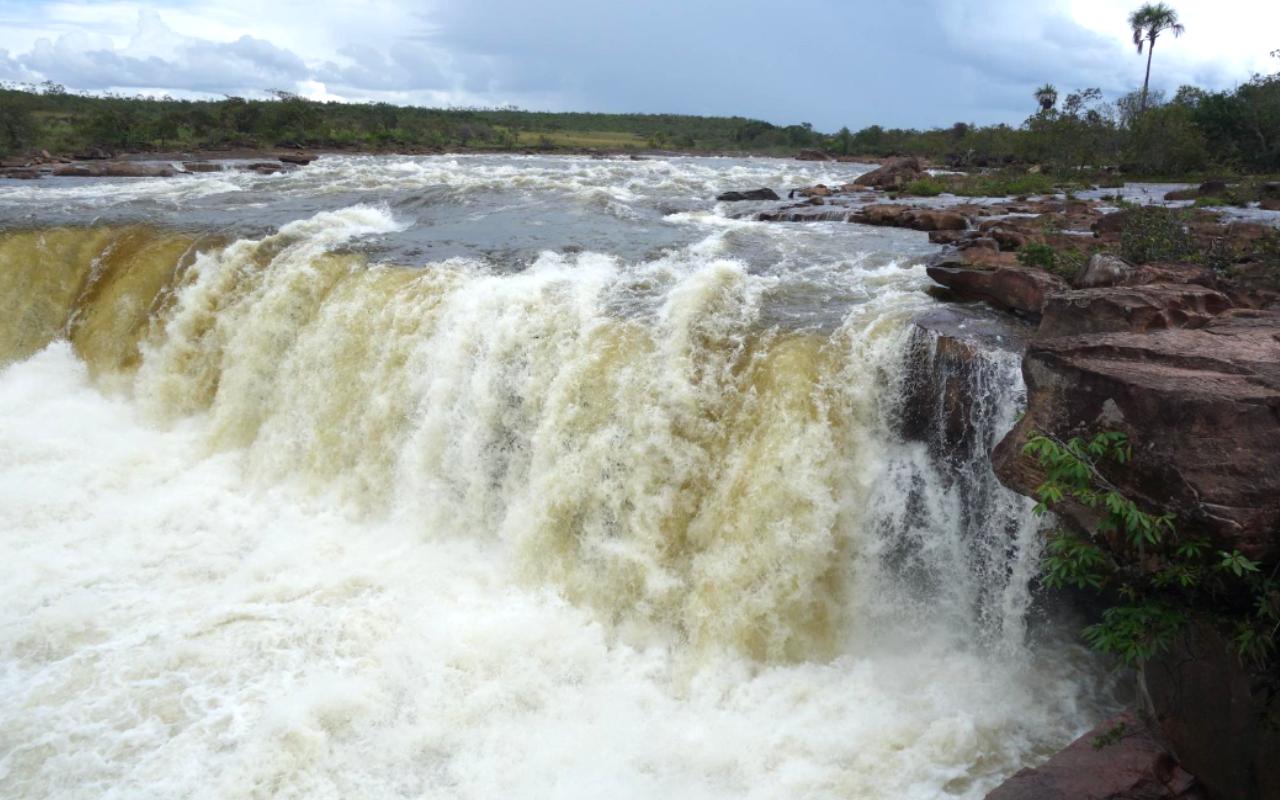
Canaima National Park
Canaima National Park acts as the gateway to the deep Venezuelan wilderness. This massive UNESCO World Heritage Site covers an area larger than Belgium. It features unique flat-topped mountains known as tepuis, which date back billions of years.
The park’s dramatic landscapes inspired famous stories like Arthur Conan Doyle’s *The Lost World*. You will explore rushing rivers, dense green jungles, and pink-sand lagoons. Adventure seekers can go kayaking, swim beneath roaring waterfalls, or join multi-day safaris to spot rare jaguars and giant anteaters.
3. Mount Roraima
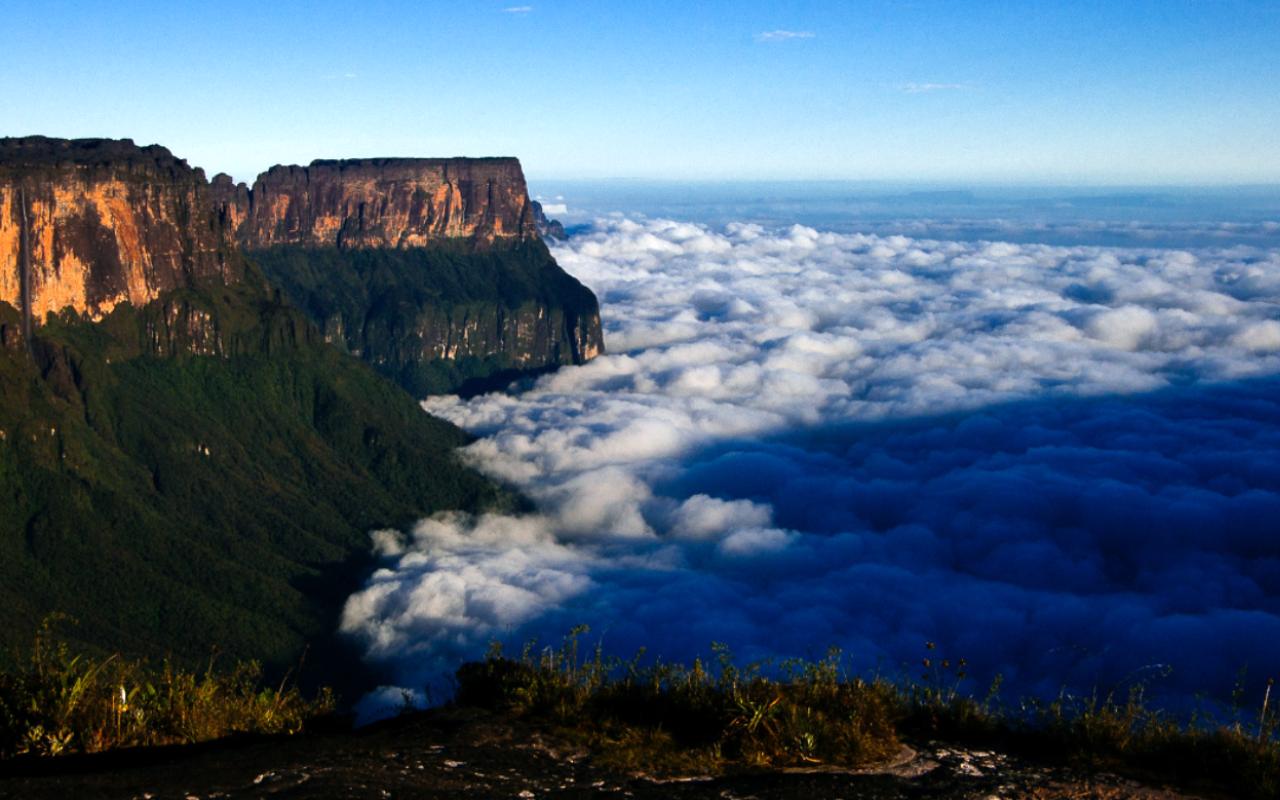
Mount Roraima
Mount Roraima represents the ultimate trekking destination in South America. This massive tabletop mountain sits on the triple border of Venezuela, Brazil, and Guyana. Its vertical cliffs rise sheer into the clouds, creating a mysterious atmosphere.
Trekking to the summit takes roughly six to eight days of intense hiking. You will cross open savannas, scramble up steep rocky paths, and sleep in caves. The top reveals a bizarre world of black rocks, crystal valleys, and carnivorous plants. Plan your trek between December and April for the clearest weather.
4. Morrocoy National Park
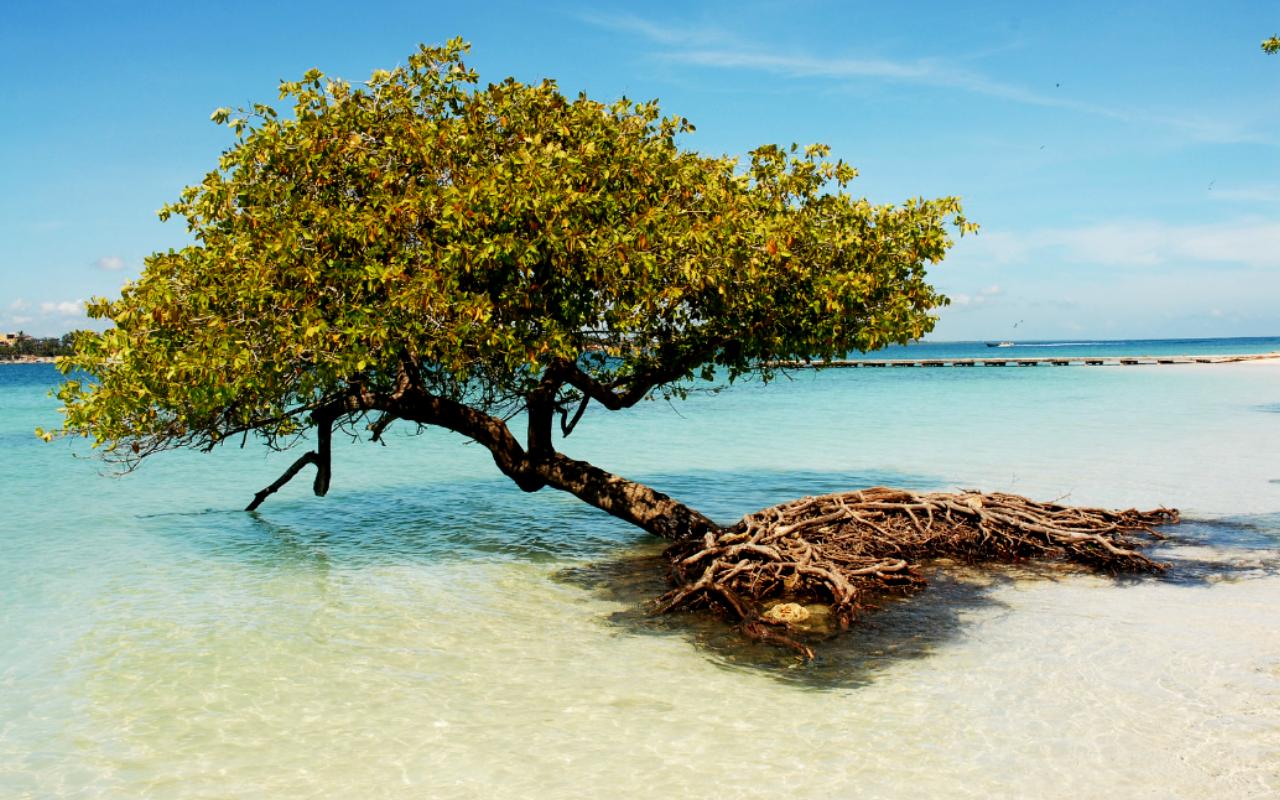
Morrocoy National Park
If you love Caribbean beaches, you must add Morrocoy National Park to your itinerary. This coastal paradise sits in the northwest and consists of mangroves, lagoons, and dozens of tiny islands called cays.
You can rent a traditional boat to spend the day island-hopping. Cayo Sombrero and Cayo Muerto offer crystal-clear turquoise waters and soft white sand. Coral reefs surround these islands, making the park a top destination for snorkeling and family beach days.
5. Los Roques Archipelago
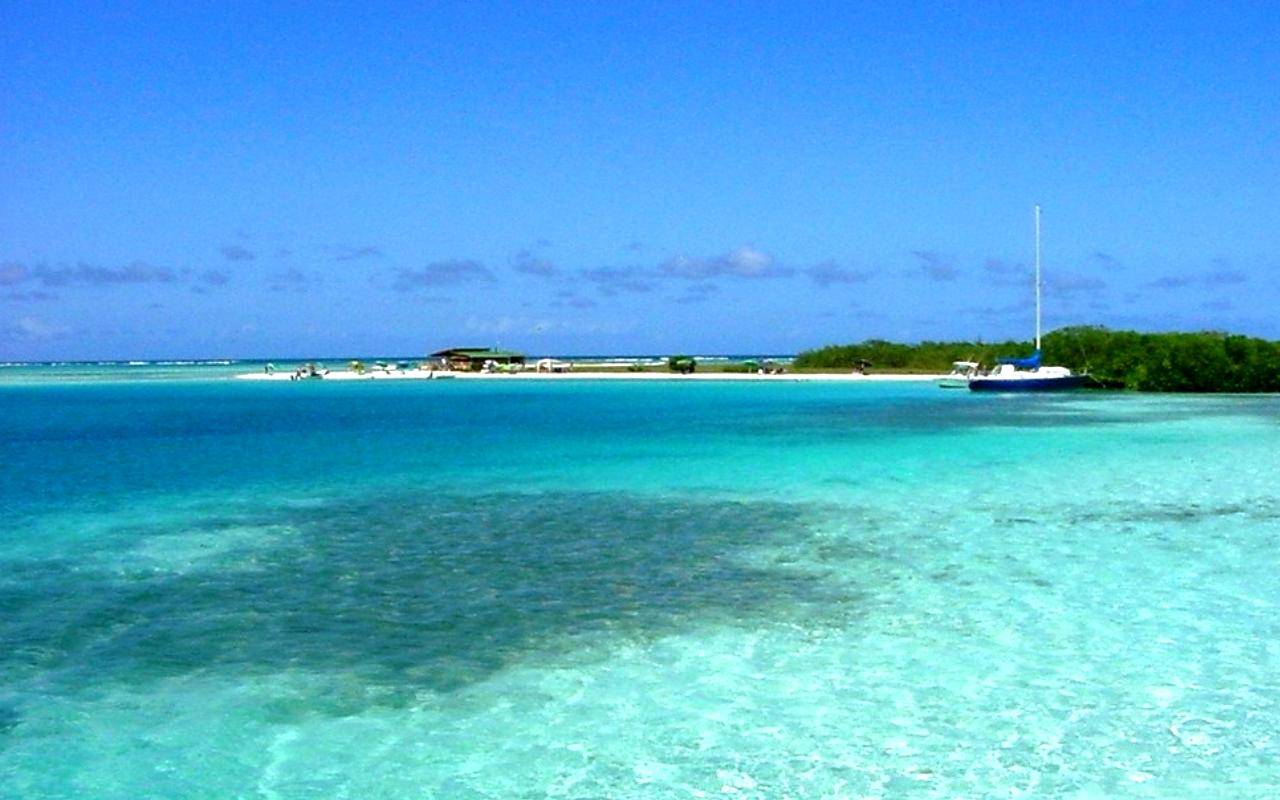
Los Roques Archipelago
Los Roques Archipelago offers a luxury island experience away from major tourist crowds. This protected marine park features over 300 islands, cays, and coral reefs scattered across the Caribbean Sea. It serves as a premier destination for wealthy travelers and watersports lovers.
You can spend your days windsurfing, kitesurfing, or scuba diving among vibrant coral gardens. The main island, Gran Roque, features brightly colored guesthouses and open-air seafood restaurants right on the sand. You must take a small commercial flight from Caracas to reach this pristine paradise.
6. Mérida
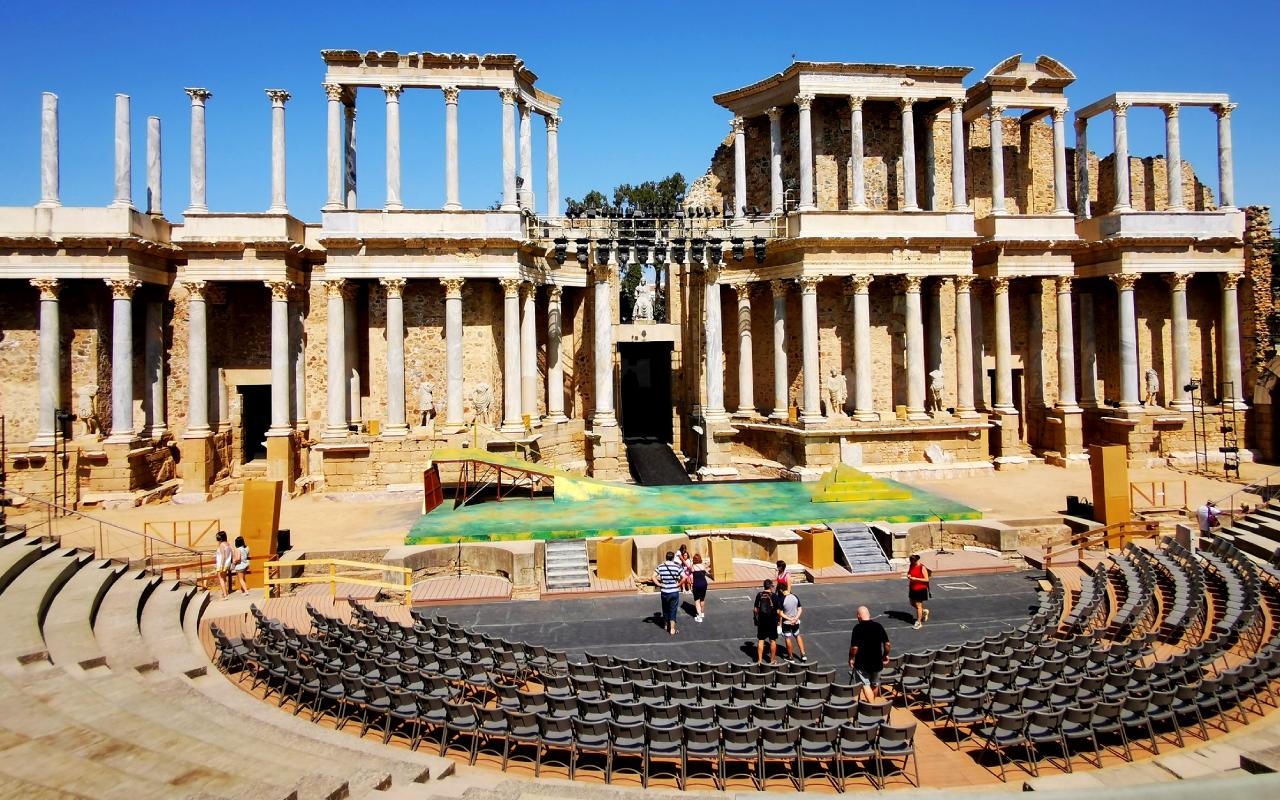
Mérida
Mérida sits high in the Andes Mountains and offers an energetic alpine escape. This vibrant student city serves as the outdoor adventure capital of the country. It boasts a cool climate, colonial architecture, and beautiful mountain views.
The city is famous for the Mukumbbarí Cable Car system, one of the highest and longest cable cars on earth. It whisks you from the valley floor up to high mountain stations in minutes. From there, you can embark on mountain biking tours, paragliding flights, or high-altitude treks.
7. Pico Bolívar
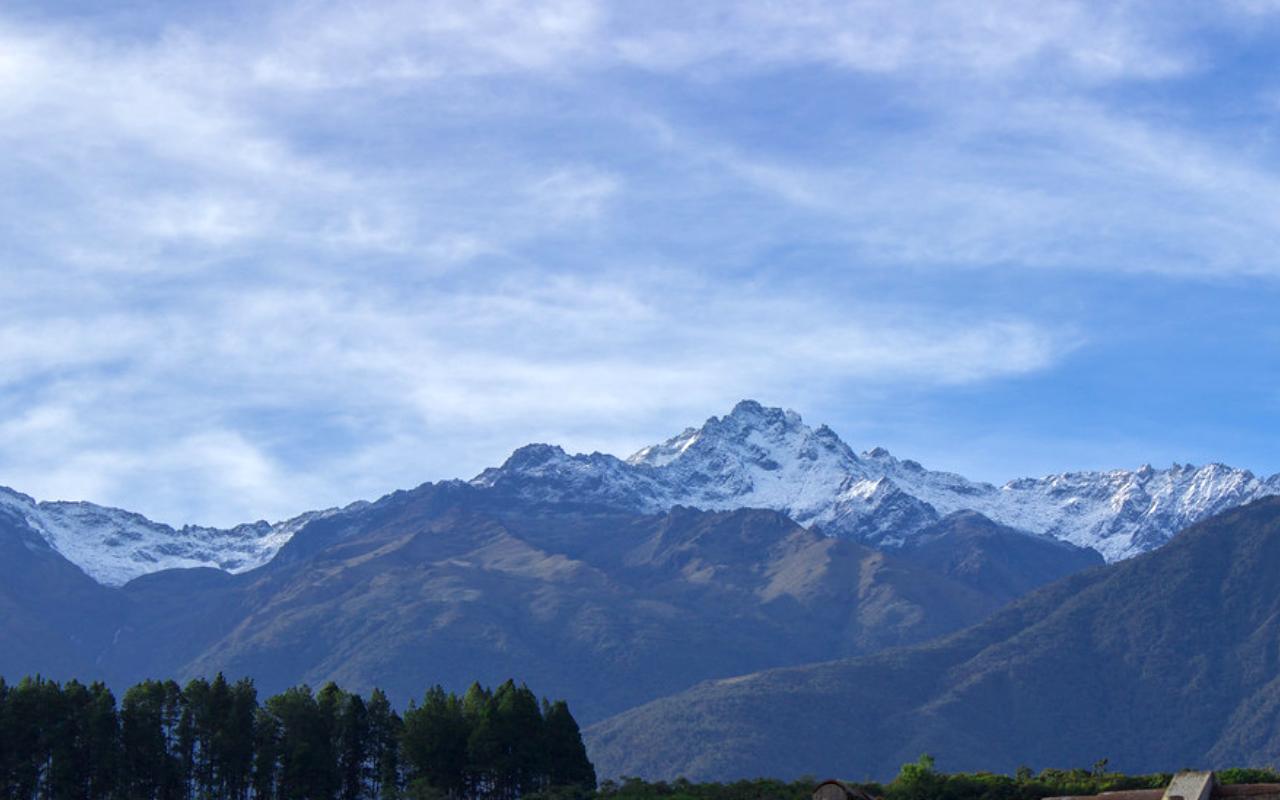
Pico Bolívar
Pico Bolívar towers over the country as its absolute highest peak, reaching 4,978 meters above sea level. This snow-capped mountain represents a major challenge for serious mountaineers and climbers.
You can access the main climbing routes from the city of Mérida. The trek to the base crosses beautiful alpine meadows called páramos, filled with unique espeletia plants. You will need proper cold-weather gear, crampons, and a certified local guide to tackle the rocky summit safely.
8. Caracas
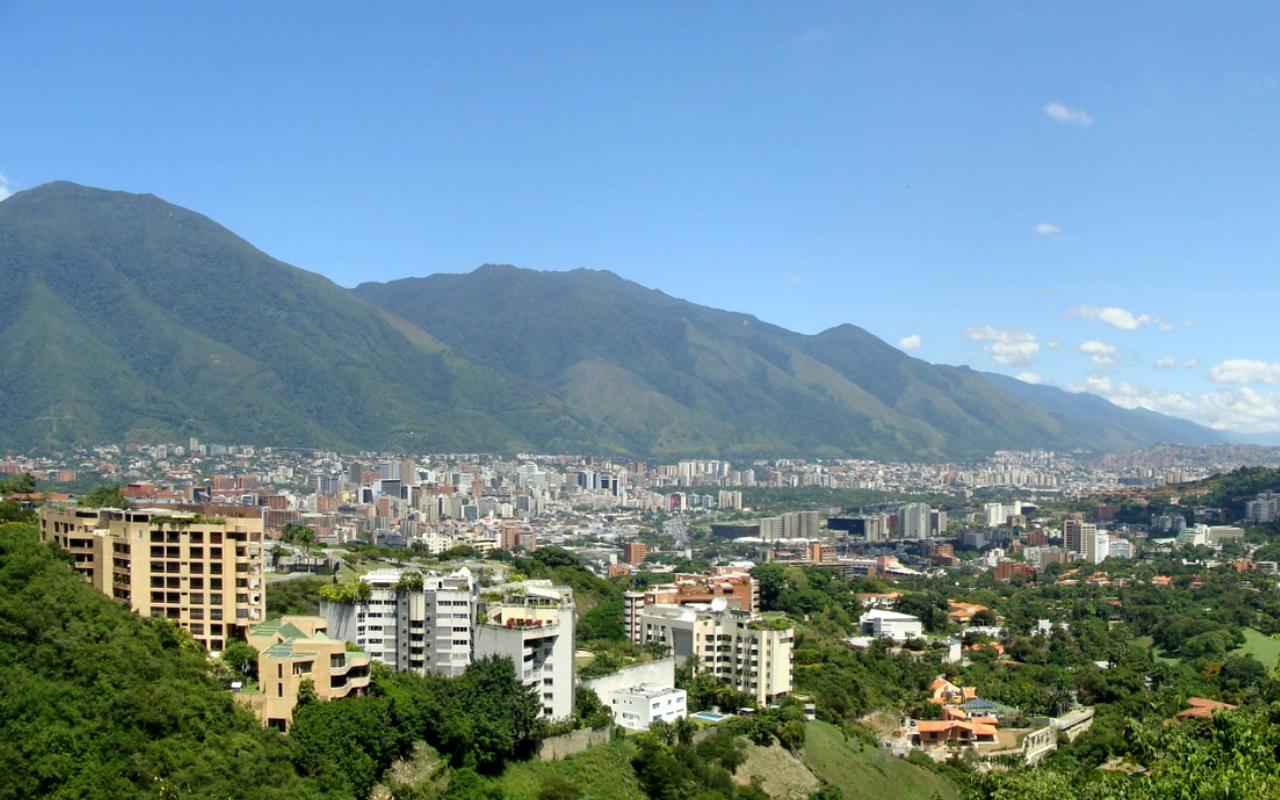
Caracas
Caracas serves as the bustling, fast-paced capital city of the nation. It nestles inside a narrow mountain valley beneath the towering peak of Mount Ávila. The city offers a complex blend of modern skyscrapers and historical architecture.
You should start your exploration at Plaza Bolívar, the historical heart of the city. Here, you can visit the birthplace of Simon Bolívar and explore beautiful colonial cathedrals.
The city also boasts excellent contemporary art museums, lush urban parks, and a trendy culinary scene. Always stay alert and use authorized taxis for safety while exploring.
9. Médanos de Coro National Park
Médanos de Coro National Park offers a shocking change of scenery. This unique park features massive, rolling sand dunes that constantly shift with the tropical winds. It feels like a slice of the Sahara Desert dropped right onto the Caribbean coast.
You can easily explore the dunes on foot from the nearby highway. Popular activities include sandboarding down the steep slopes and capturing dramatic photographs at sunset. The orange sands contrast beautifully against the deep blue sky, creating a paradise for landscape photographers.
10. Coro and Its Port
The historic city of Coro holds a proud title as a UNESCO World Heritage Site. Founded in 1527, it stands as one of the oldest colonial cities in the Americas. Its unique architecture blends Spanish mudéjar styles with traditional Dutch influences.
You can stroll along the quiet, cobbled streets to admire the beautifully preserved earthen buildings. Key landmarks include the Coro Cathedral and the historic port of La Vela. The city offers a fascinating window into the early history of Spanish exploration in South America.
11. Henri Pittier National Park
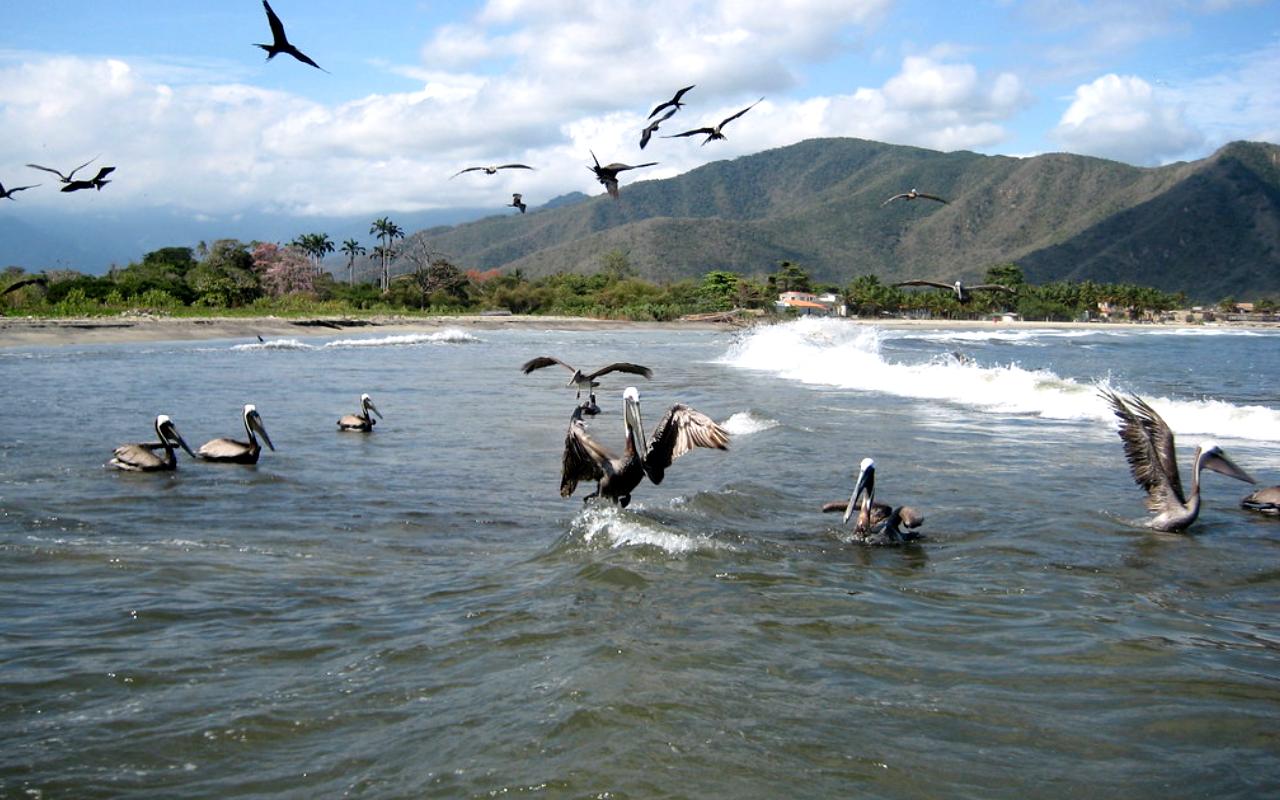
Henri Pittier National Park
Henri Pittier National Park stands proud as the oldest national park in the country, established in 1937. It protects a massive stretch of coastal mountains, rising from the Caribbean Sea up into dense cloud forests.
The park represents an absolute paradise for birdwatchers. Over 500 species of birds migrate through the narrow mountain pass of Portachuelo every year. You can drive along winding, tree-covered roads to find hidden chocolate-producing villages and beautiful, isolated beaches like Cata and Cuyagua.
12. Mochima National Park
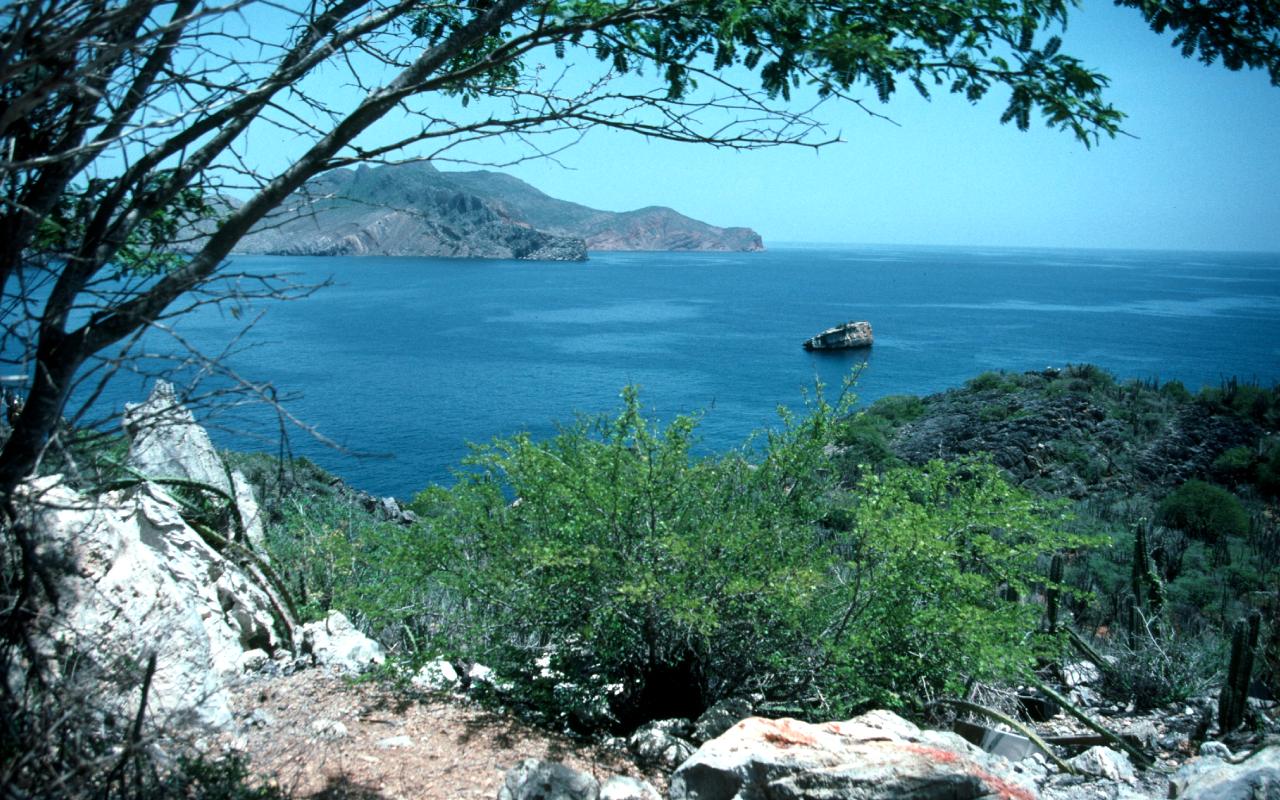
Mochima National Park
Mochima National Park spans across the northeastern coast, blending dramatic mountains with the ocean. This park consists of a rugged coastline, deep bays, and spectacular volcanic islands.
The calm waters make this zone an ideal destination for marine excursions. Boat tours frequently encounter large pools of playful dolphins leaping alongside the hull.
You can stop at isolated beaches like Playa Colorada, famous for its unique golden-red sand and excellent snorkeling reefs.
13. Lake Maracaibo
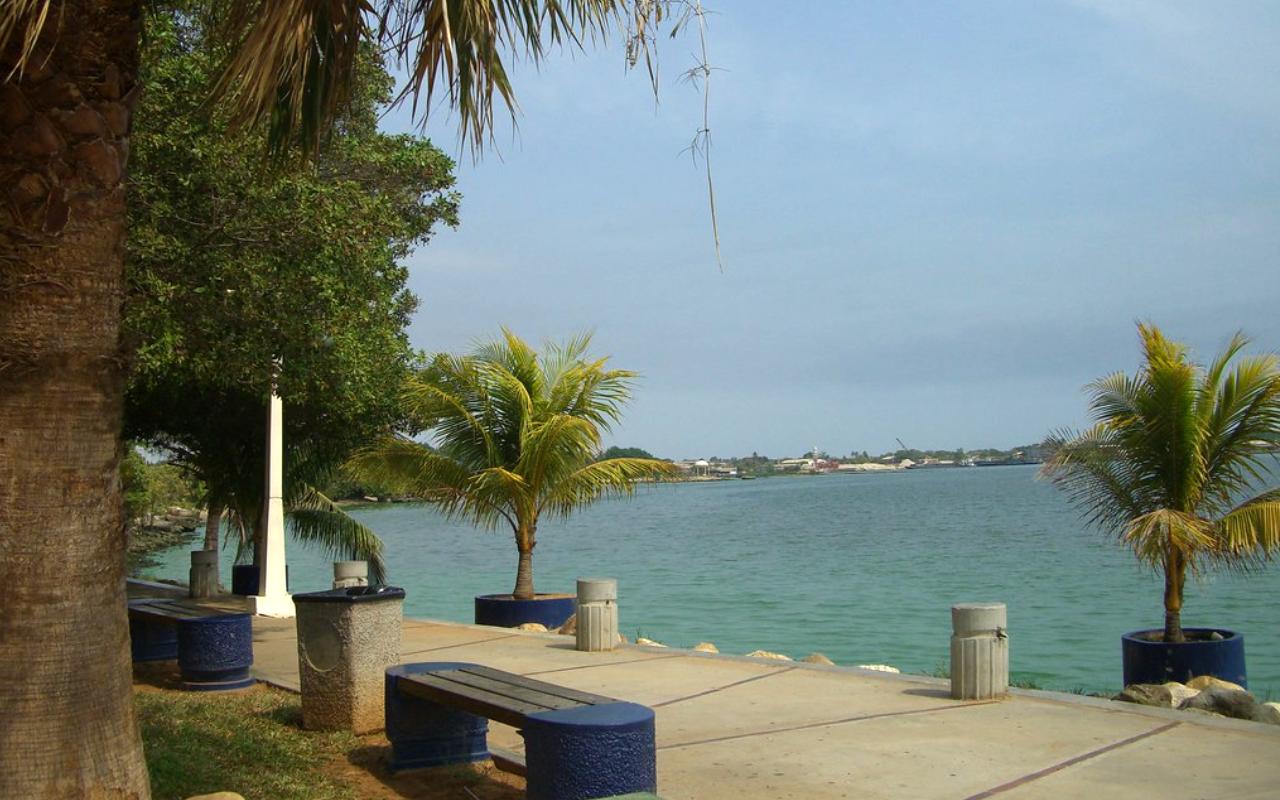
Lake Maracaibo
Lake Maracaibo ranks as the largest lake in South America, covering over 13,000 square kilometers. This massive brackish bay connects directly to the Caribbean Sea via a narrow strait. It holds immense economic and cultural importance for the western region.
The lake sits on top of massive oil reserves, which fueled the country’s modern development. As you explore the shores, you can visit traditional stilt villages built over the water by indigenous communities. The lake also serves as the stage for the world’s most spectacular weather phenomenon.
14. Catatumbo Lightning
Catatumbo Lightning
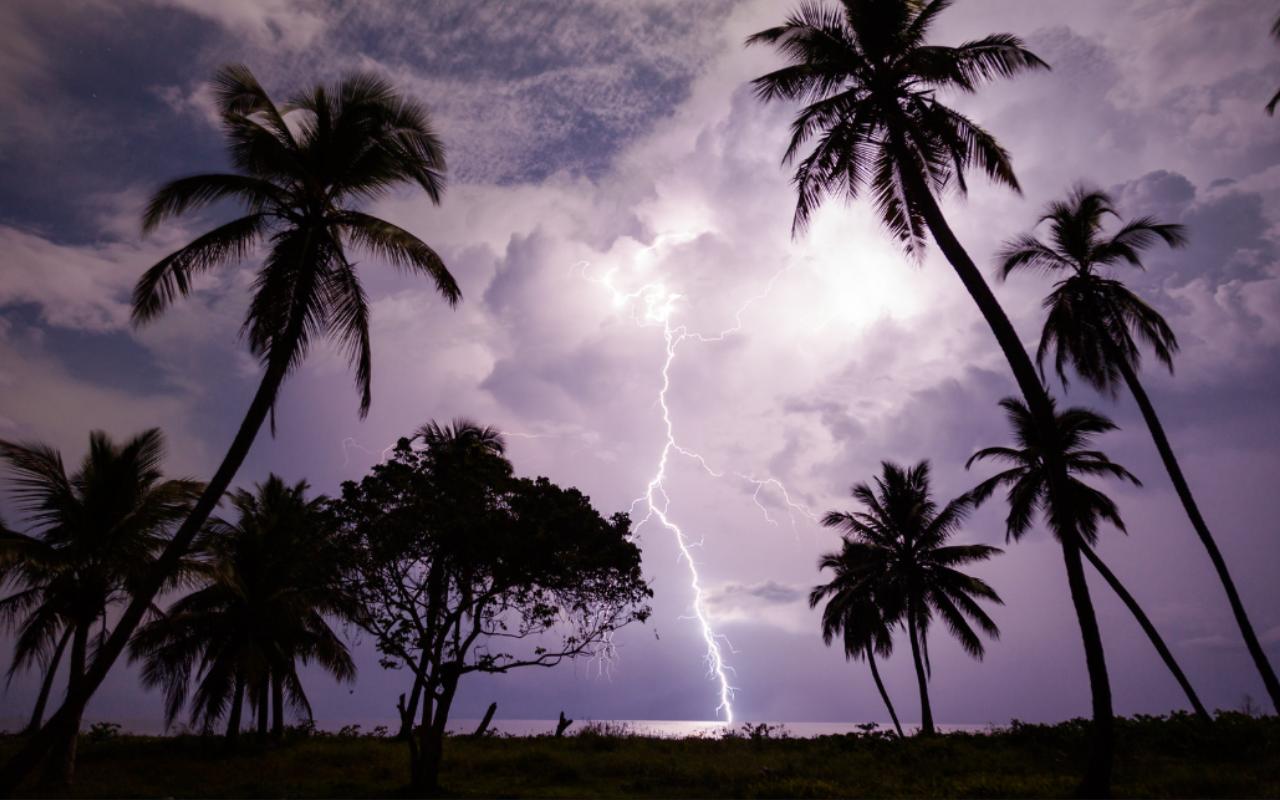
The Catatumbo Lightning represents one of the most unique natural places to visit in Venezuela. This bizarre weather phenomenon occurs exclusively over the mouth of the Catatumbo River, where it enters Lake Maracaibo.
The area experiences powerful lightning storms for up to 300 nights a year, flashing multiple times per second. This constant electrical display produces no sound, lighting up the night sky like a silent neon show. You can book safe night tours in stilt villages to watch the sky explode with energy.
15. Choroní
Choroní
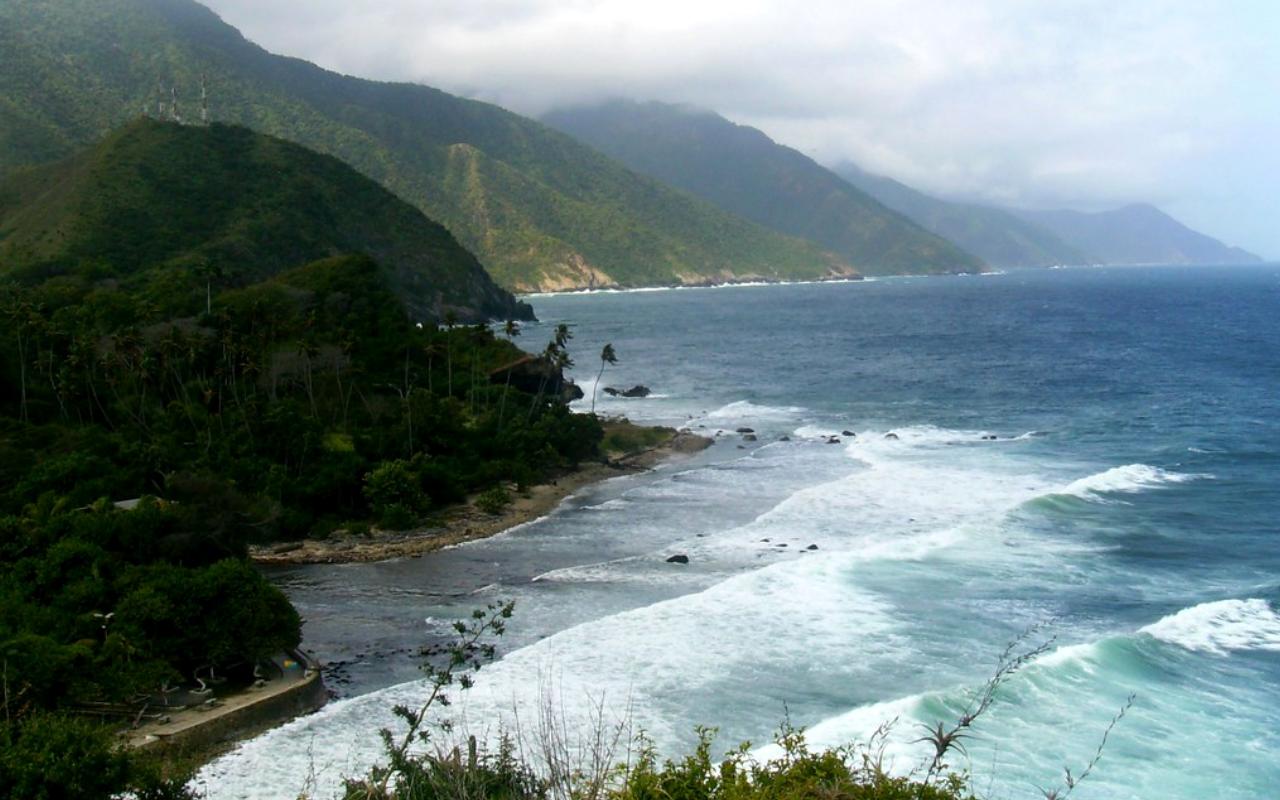
Choroní offers a delightful blend of colonial history and relaxed beach culture. This colonial town nestles deep inside the mountains of Henri Pittier National Park. It features charming pastel-colored houses, quiet plazas, and friendly locals.
A short drive from the town center leads you to Puerto Colombia, a lively fishing village on the coast. Here, you can relax on the world-famous Playa Grande beach, lined with towering coconut palms. In the evenings, the village streets fill with the energetic sound of traditional drum music and dancing.
16. Ciudad Bolívar
Ciudad Bolívar
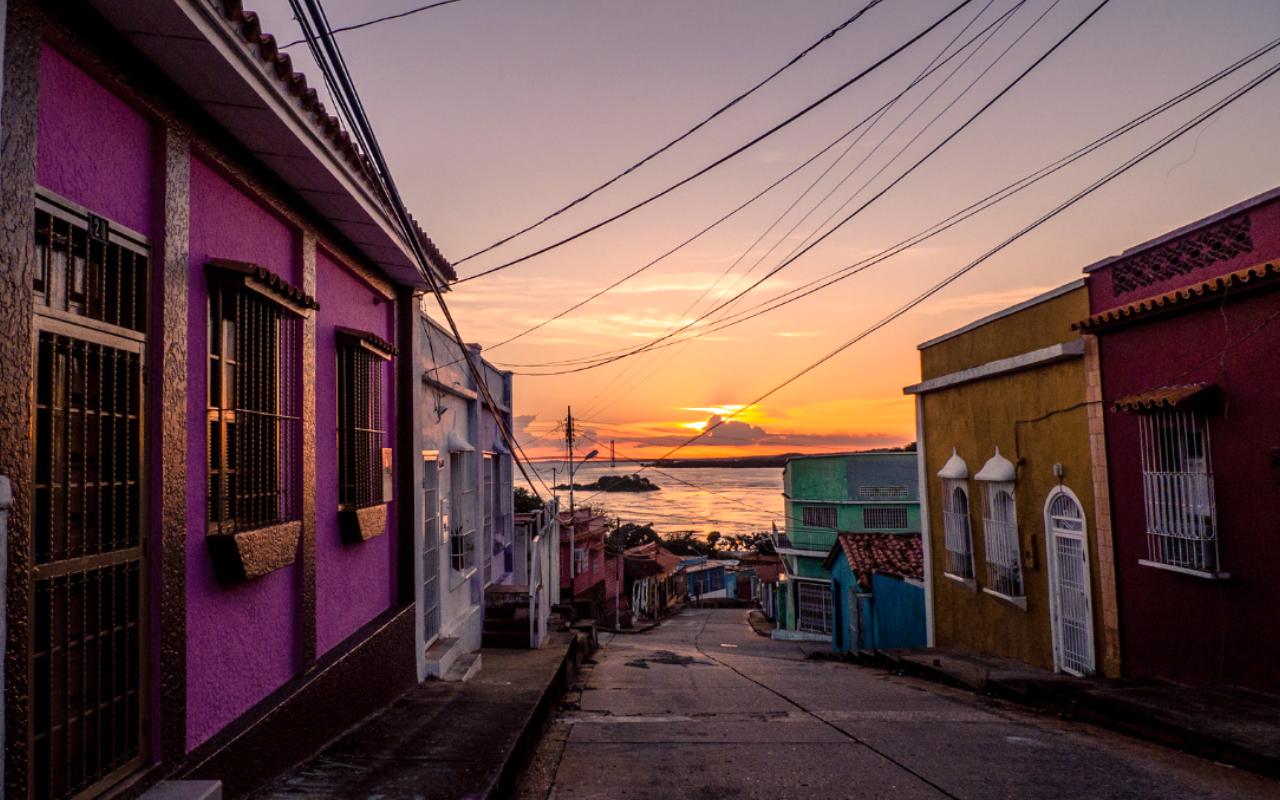
Ciudad Bolívar sits gracefully on the banks of the massive Orinoco River. This historic city played a monumental role in the South American wars of independence. It features beautifully restored colonial buildings painted in bright, cheerful colors.
You can visit the historic square where General Simon Bolívar delivered his famous Angostura address. Today, the city serves as the primary overland gateway for tours heading out to Angel Falls and the deep southern jungles. Take time to walk along the river promenade to enjoy the spectacular sunset views.
17. El Ávila National Park
El Ávila National Park acts as the green lungs of Caracas. This massive mountain ridge separates the capital city from the Caribbean coast, rising steeply to a height of over 2,700 meters.
You can hike up the steep, well-maintained trails to escape the chaotic city noise below. Alternatively, you can ride the modern Warairarepano Cable Car straight to the top.
The summit features the historic Humboldt Hotel, beautiful craft markets, and spectacular panoramic views of both the city and the ocean.
18. La Gran Sabana
La Gran Sabana
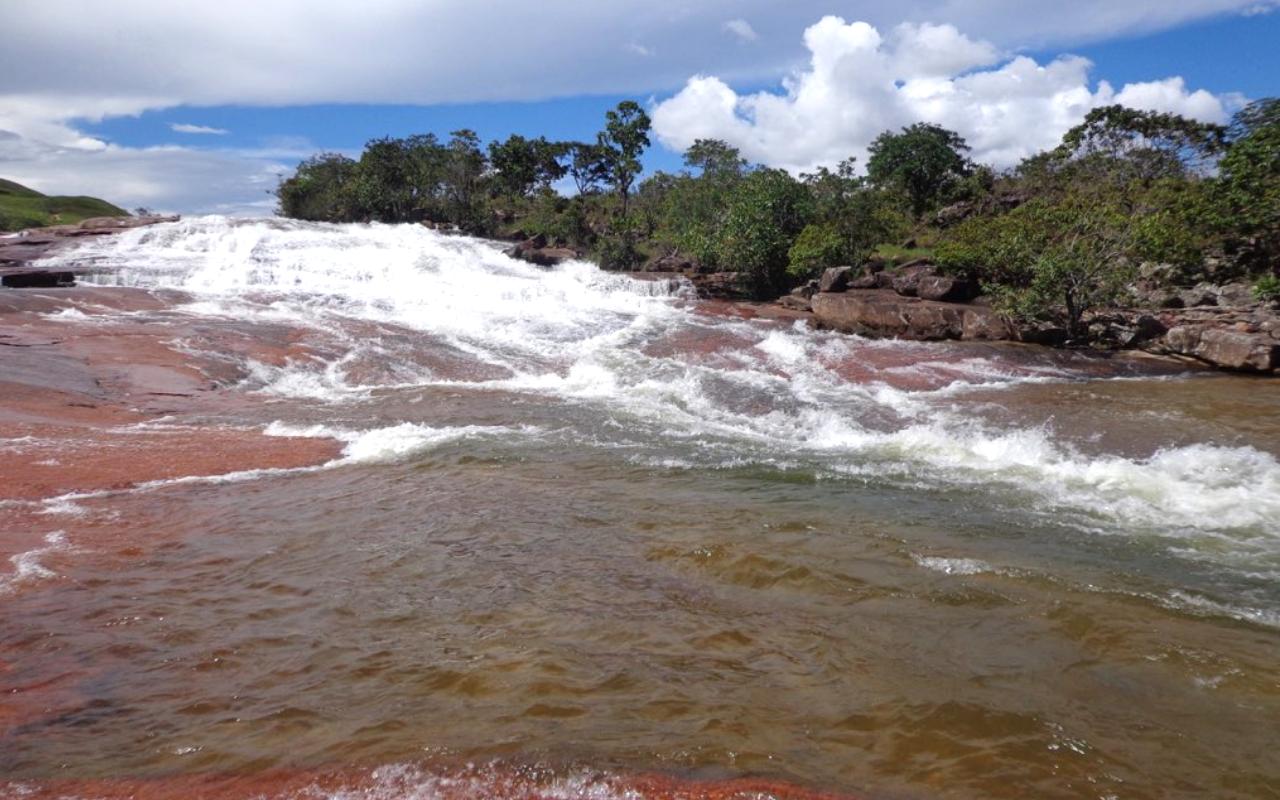
La Gran Sabana offers a vast, breathtaking plateau that covers the southeastern corner of the country. This immense savanna landscape features rolling grassy hills, deep river canyons, and dramatic waterfalls.
It forms part of the ancient Guiana Shield, one of the oldest geological formations on earth. You can join 4×4 overland tours to explore remote indigenous Pemón villages and swim in crystal-clear rivers. The region serves as the primary launching pad for expeditions heading toward Mount Roraima.
19. Cueva del Guácharo National Park
Cueva del Guácharo National Park protects one of the most spectacular cave systems in Latin America. Located in the east, this massive limestone cavern stretches for over ten kilometers underground.
The cave is famous for housing millions of nocturnal oilbirds, locally called *guácharos*. You can join guided torch-lit tours into the cave entrance at sunset to watch the birds fly out in massive, noisy clouds. The interior features mind-boggling stalactite and stalagmite formations carved over millions of years.
20. Isla Margarita
Isla Margarita
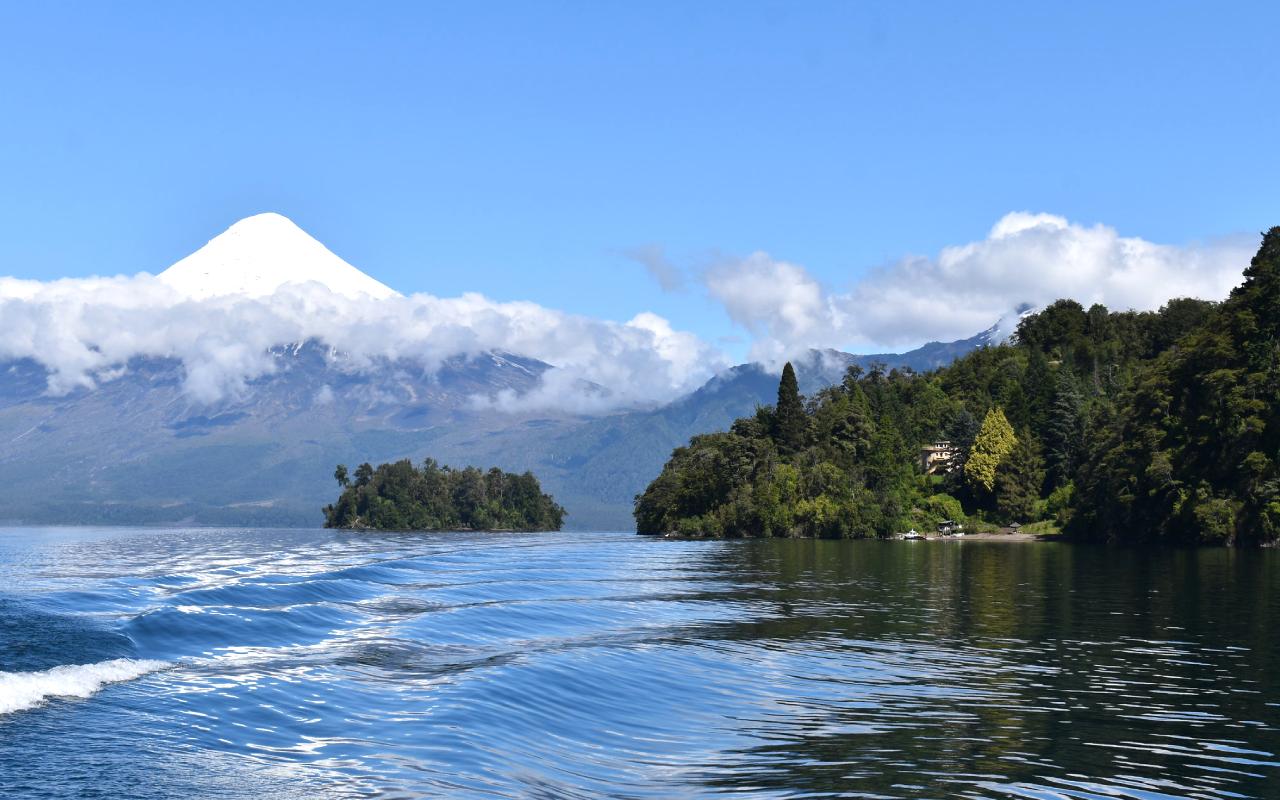
Isla Margarita stands as the most popular and developed island destination in the country. Located in the warm Caribbean Sea, it offers a classic holiday vibe with dozens of beautiful beaches, modern shopping malls, and luxury resorts.
The island features distinct zones catering to different travel styles. Head to Playa El Yaque for world-class windsurfing and trendy beach bars. If you want quiet, undeveloped sands, explore the remote Macanao Peninsula. The island also enjoys a duty-free status, making it a hotspot for affordable shopping.
21. Sierra Nevada National Park
Sierra Nevada National Park
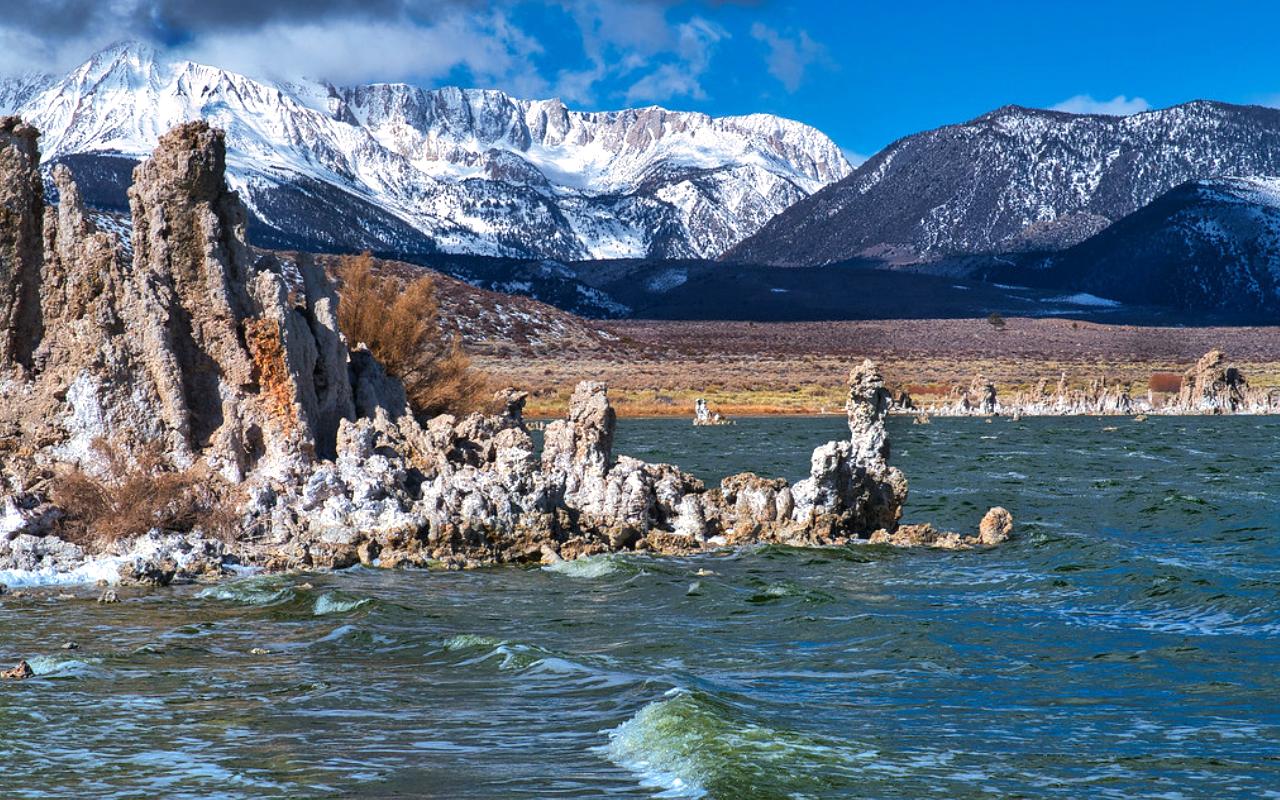
Sierra Nevada National Park protects the core of the Venezuelan Andes Mountains. This high-altitude reserve features dramatic glacial valleys, deep blue lakes, and the highest snow-capped peaks in the country.
It offers exceptional opportunities for high-altitude trekking and mountaineering away from global crowds. You can hike through unique paramo ecosystems to spot rare wildlife like the endangered spectacled bear. Well-placed mountain refuges allow for multi-day alpine expeditions.
22. Plaza Bolívar
Plaza Bolívar
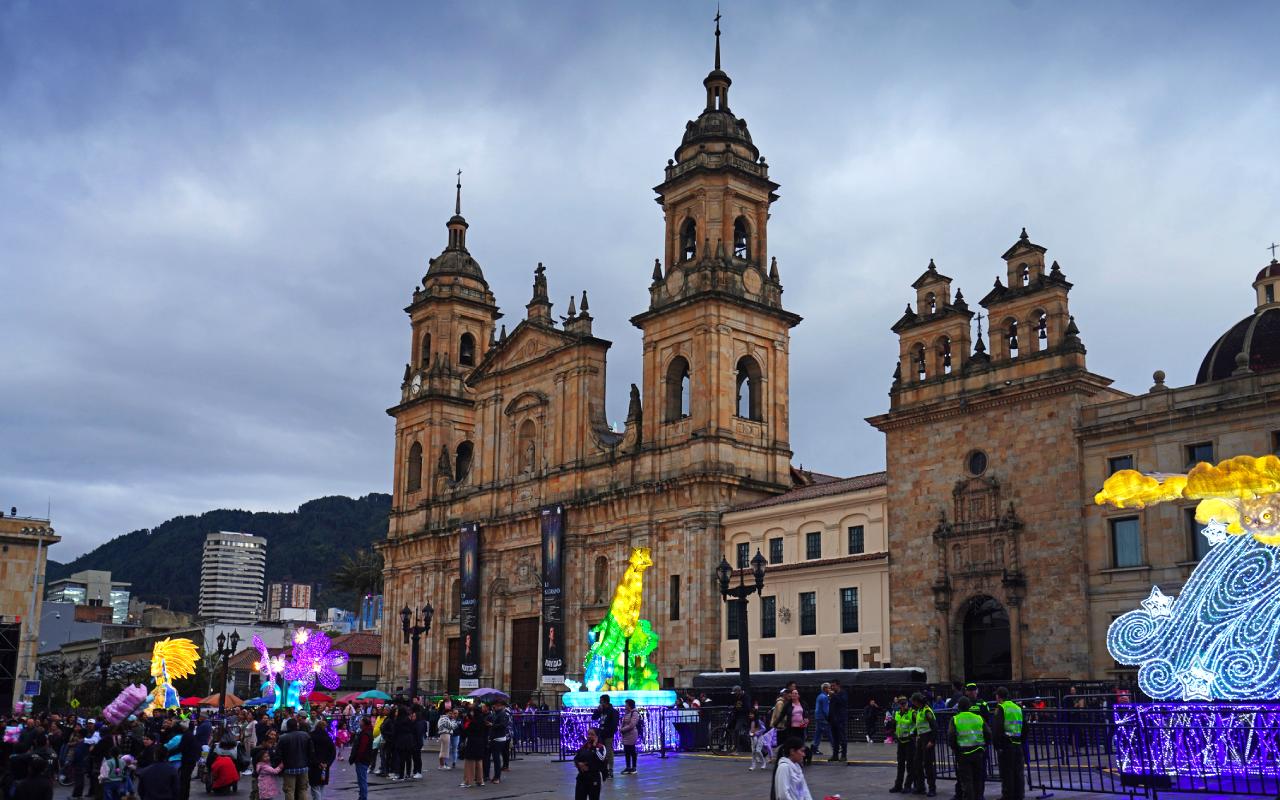
Plaza Bolívar serves as the central cultural and historical landmark in almost every Venezuelan town and city. These public squares pay direct tribute to the nation’s founding father, Simon Bolívar.
The plazas typically feature a prominent bronze statue of Bolívar on horseback, surrounded by manicured gardens and shady trees.
Important civic buildings, historic cathedrals, and government offices always line the square. It represents the perfect place to sit, enjoy a local ice cream, and watch daily life unfold.
23. Basilica of Our Lady of Chiquinquirá
Basilica of Our Lady of Chiquinquirá
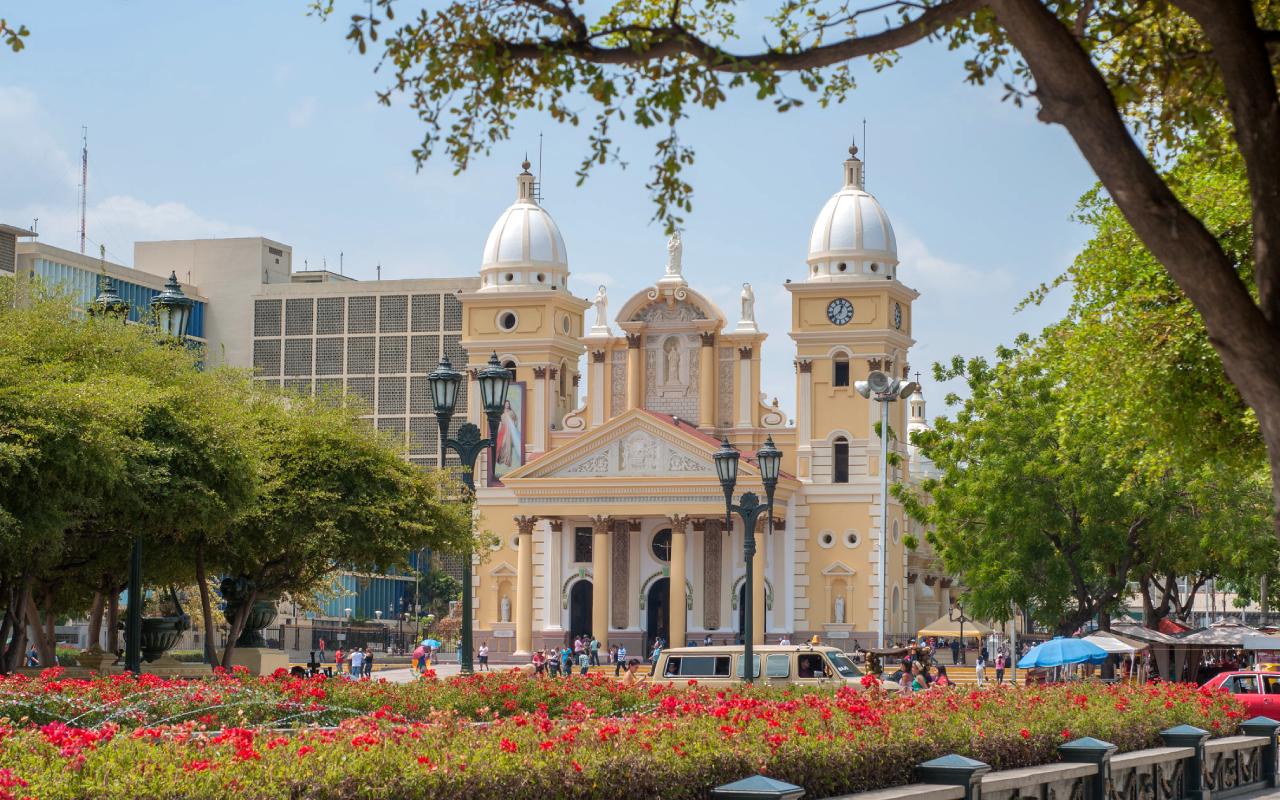
The Basilica of Our Lady of Chiquinquirá stands as a majestic religious landmark in the city of Maracaibo. This beautiful church celebrates the patron saint of the region, affectionately called *La Chinita*.
The building features ornate architecture, soaring towers, and beautiful interior paintings. Every November, the church acts as the center of a massive, week-long festival filled with traditional music, street parades, and religious processions. It represents a vital pillar of local cultural identity.
24. Laguna de Canaima
Laguna de Canaima
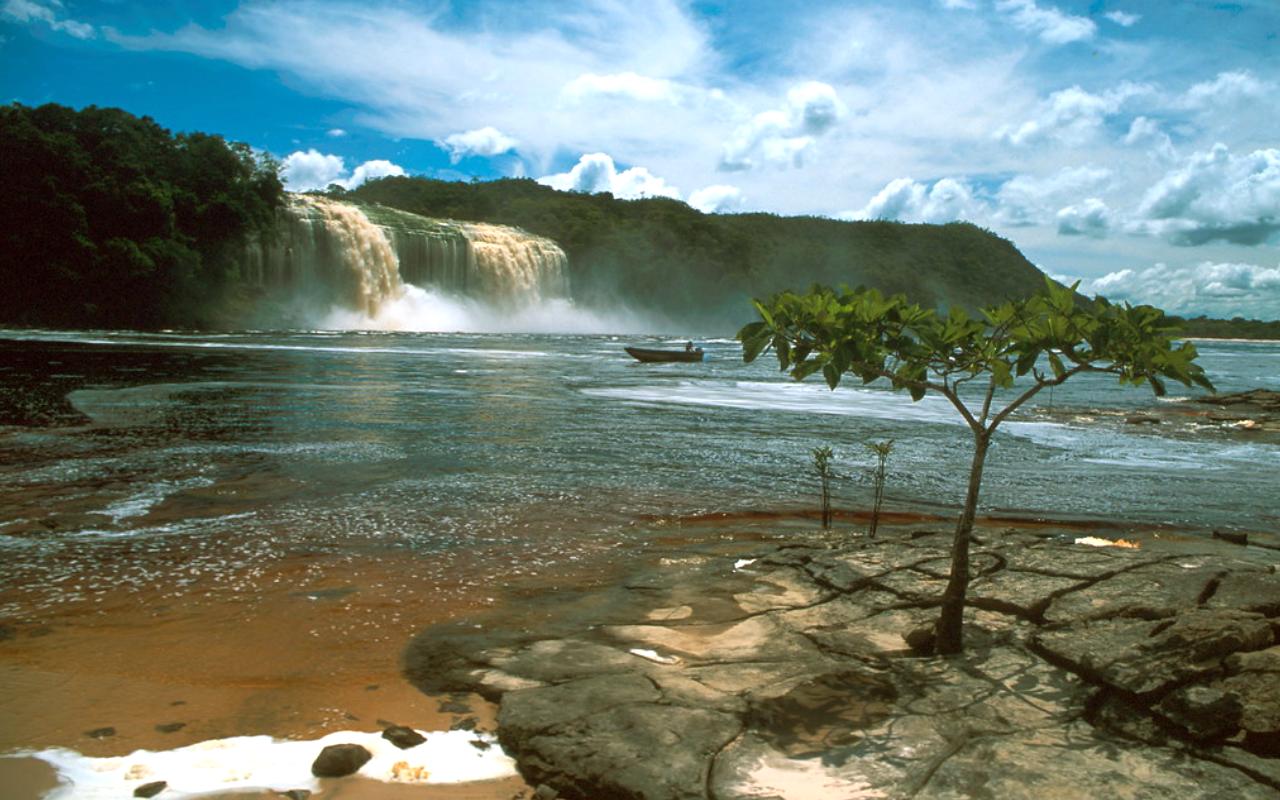
Laguna de Canaima offers a postcard-perfect view that serves as the introduction to Canaima National Park. This beautiful, wide lagoon mirrors the surrounding tepui mountains and features unique pink-tinted sands caused by local minerals.
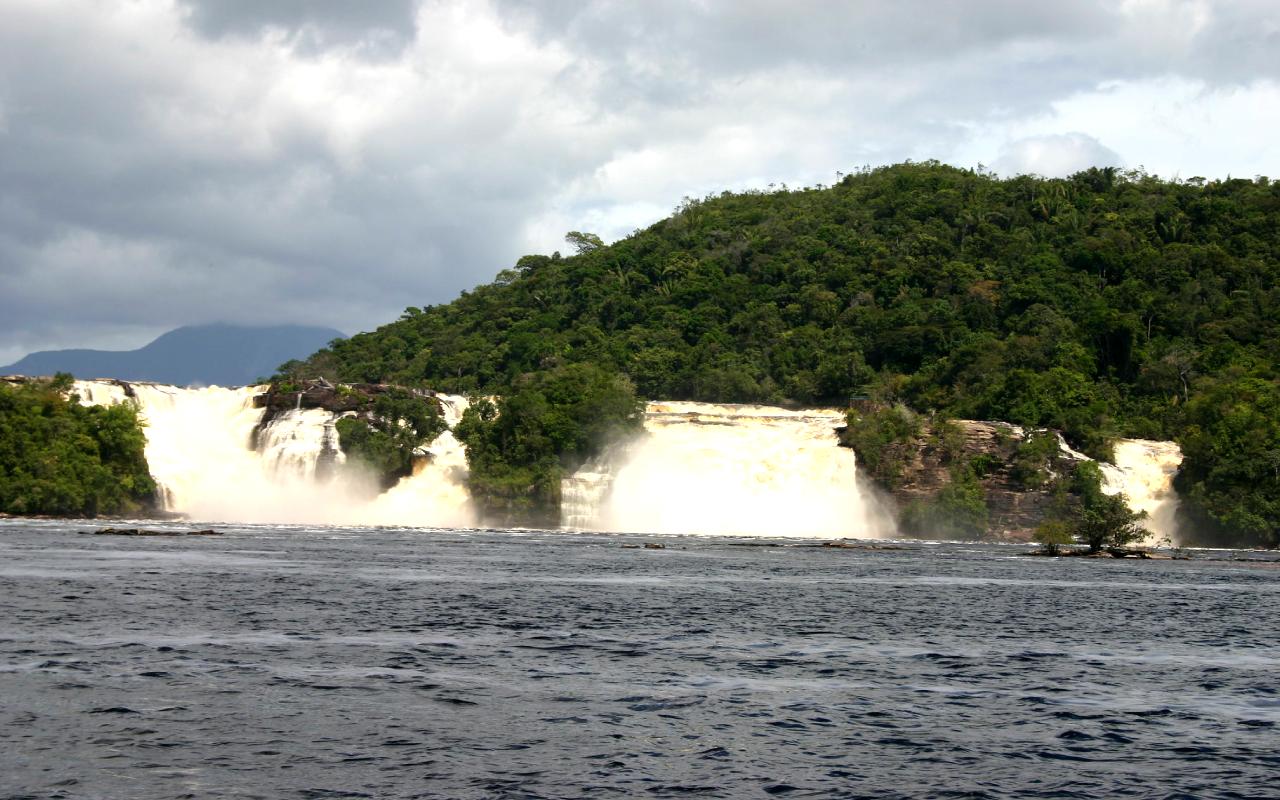
A cluster of powerful waterfalls, including Hacha, Wadaima, and El Sapo, empties directly into the lagoon. You can board traditional motorized wooden canoes to cross the rushing waters. Guided trails actually lead you along a narrow path directly behind the thundering curtain of El Sapo Falls.
25. Yapacana National Park
Yapacana National Park offers a remote, untamed adventure deep inside the Amazon rainforest region. This isolated park features the dramatic Yapacana Tepui rising high above the flat jungle canopy.
The park boasts incredible, dense biodiversity, housing thousands of rare plant species and exotic jungle animals. Because of its remote location near the Orinoco River, it remains mostly untouched by mainstream tourism. You will need special permits, a boat, and experienced local indigenous guides to explore this wild frontier safely.
Best Natural Wonders in Venezuela
Waterfalls
– Angel Falls: The ultimate jewel among Venezuela landmarks, dropping nearly a kilometer down.
– Hacha Falls: A massive curtain of water rushing into the Canaima Lagoon.
– El Sapo Falls: Famous for the thrilling trail that allows you to walk safely behind the falling water.
Mountains and Tepuis
– Mount Roraima: The ancient, cloud-covered tabletop mountain that inspires legends.
– Auyán-tepui: The immense plateau that feeds Angel Falls from its summit.
– Pico Bolívar: The highest alpine peak, offering snow and ice routes for climbers.
Beaches and Islands
– Los Roques: A pristine coral archipelago offering premium diving and luxury guesthouses.
– Isla Margarita: A large, diverse island packed with resorts, windsurfing hubs, and shopping.
– Morrocoy National Park: A network of calm Caribbean cays perfect for families and day trips.
Best Historical Landmarks in Venezuela
The country’s built history tells a story of survival, conquest, and independence. The oldest locations sit near the Caribbean coast, where Spanish explorers first established ports.
The colonial architecture of Coro stands out for its unique earthen construction and historic churches. In the cities, you will find a Plaza Bolívar acting as the physical and cultural center of community life.
Historic fortresses still guard the old ports of La Guaira and Isla Margarita, showing how the colony protected itself from pirates. For a deep dive into the war of independence, the riverside streets of Ciudad Bolívar offer perfectly preserved colonial government buildings.
Best Things to Do Around Venezuela Landmarks
Venezuela
Hiking and Trekking
Tackle the intense, multi-day climb to the top of Mount Roraima. Alternatively, enjoy day hikes through the cool cloud forests of Henri Pittier National Park or up the steep paths of Mount Ávila overlooking Caracas.
Boat Tours
Board traditional wooden motorized canoes to navigate the rushing rivers of Canaima National Park. On the coast, you can hire local fishing boats to ferry you between the quiet cays of Morrocoy National Park.
Wildlife Watching
Join birdwatching excursions in the high mountain passes to see hundreds of colorful species. If you travel south into the vast plains of Los Llanos, you can spot wild anacondas, caimans, and capybaras.
Beach Activities and Diving
Explore the vibrant coral reefs of the Los Roques Archipelago via guided scuba diving trips. If you want wind-powered thrills, head to Isla Margarita for world-class windsurfing and kitesurfing lessons.
Best Time to Visit Venezuela Landmarks
Dry Season (December to April)
The dry season offers the most comfortable weather for sightseeing and outdoor exploration. You will enjoy sunny skies, warm temperatures, and very little rainfall across the country.
This represents the absolute ideal time for relaxing on Caribbean beaches, hiking alpine peaks in the Andes, or trekking Mount Roraima. However, because of the lack of rain, some waterfalls like Angel Falls can shrink to a thin mist.
Rainy Season (May to November)
The rainy season transforms the entire country into a lush, vibrant green paradise. Heavy tropical downpours fill the river networks, causing the waterfalls to roar with maximum force.
This is the prime time to book river canoe trips to Angel Falls. You will encounter far fewer tourists and enjoy lower prices at jungle lodges. Just prepare yourself for daily rain delays and muddy hiking trails.
Travel Tips for Visiting Venezuela
Visa and Entry Basics
Always check the latest entry requirements for your specific nationality before booking flights. Many countries require a formal tourist visa approved by a Venezuelan embassy in advance. Ensure your passport remains valid for at least six months beyond your planned departure date.
Currency and Payment Tips
The local currency is the Venezuelan Bolívar, but the US Dollar functions widely as an unofficial second currency. Bring crisp, undamaged US Dollar bills in small denominations, as many local businesses cannot provide change for large bills. Credit cards work in upscale hotels, but cash remains king.
Transportation Options
Domestic flights offer the safest and quickest way to travel between major cities and remote destinations like Canaima. For short trips within cities, use authorized digital ride-hailing apps or pre-booked hotel taxis. Avoid taking informal public buses at night.
Safety Considerations
Stay street smart throughout your entire journey. Avoid displaying expensive jewelry, smartphones, or professional cameras in busy urban areas. Stick to well-known tourist zones, travel with reputable tour operators, and always avoid walking through unfamiliar city streets after dark.
Food to Try While Exploring Venezuela
Your exploration of places to visit in Venezuela must include the incredible local culinary scene. The food is hearty, flavorful, and deeply comforting.
Traditional Venezuelan Dishes
– Arepas: The undisputed icon of local cuisine. These round cornmeal cakes are grilled, split open, and stuffed with delicious fillings like shredded beef, black beans, avocado, and cheese.
– Pabellón Criollo: The national dish. A hearty platter featuring shredded beef, white rice, stewed black beans, and sweet fried plantains.
– Cachapas: Thick, sweet corn pancakes folded over a massive slice of fresh, melting white cheese.
– Empanadas: Deep-fried corn dough turnovers filled with fresh fish, cheese, or spiced meats.
Popular Drinks and Desserts
Quench your thirst with a cold glass of papelón con limón, a refreshing local drink made from raw sugarcane juice and fresh lime. Coffee lovers will enjoy a rich marrón (local espresso with milk). For dessert, treat yourself to a decadent slice of tres leches cake, soaked completely in three types of sweet milk.
Suggested Venezuela Travel Itineraries
5-Day Venezuela Highlights Trip
Day 1: Arrive in Caracas, explore Plaza Bolívar, and ride the cable car up Mount Ávila.
Day 2: Take a morning flight to Los Roques Archipelago and relax on the white sand cays.
Day 3: Fly to Canaima National Park and check into a rustic jungle lodge near the lagoon.
Day 4: Take an early motorized canoe expedition to see the magnificent Angel Falls up close.
Day 5: Return to Caracas for your international departure flight home.
10-Day Nature and Adventure Itinerary
Days 1–3: Explore Canaima National Park, hike behind El Sapo Falls, and view Angel Falls.
Days 4–8: Fly south to La Gran Sabana and embark on a guided trek to the summit of Mount Roraima.
Days 9–10: Travel to the alpine city of Mérida for mountain biking and paragliding adventures.
2-Week Complete Venezuela Experience
Spend your first three days exploring the historic sites of Caracas and the cloud forests of Henri Pittier. Head east for a beach escape in Mochima National Park and watch the Catatumbo lightning show over Lake Maracaibo. Dedicate your second week to exploring the deep southern wilderness, conquering Mount Roraima, and standing at the base of Angel Falls.
Frequently Asked Questions About Venezuela Landmarks
What is the most famous landmark in Venezuela?
Angel Falls stands proud as the most famous landmark in the country. It draws global attention because it represents the world’s tallest uninterrupted waterfall, dropping nearly a kilometer down a sheer cliff.
Is Venezuela safe for tourists?
It can be safe if you travel smart. You should always book your transport and accommodation through reputable local tour operators, stick to popular tourist regions, and avoid walking through large cities alone at night.
What is the best natural attraction in Venezuela?
Beyond Angel Falls, Mount Roraima is widely considered the best natural attraction. This massive, flat tabletop mountain offers a surreal trekking experience through ancient rock formations and mist-covered valleys.
How do you visit Angel Falls?
You must fly into the remote town of Canaima inside Canaima National Park. From there, you join guided tours that utilize motorized wooden river canoes and short jungle treks to reach the base of the falls.
What is the best month to visit Venezuela?
The best time to visit spans from December to April during the dry season. The weather remains sunny and warm, which is ideal for exploring Caribbean beaches and embarking on mountain trekking expeditions.
Are Venezuela’s landmarks good for adventure travel?
Absolutely! The country serves as an exceptional playground for extreme sports. You can enjoy high-altitude mountain climbing, paragliding, white-water rafting, sandboarding, and deep-jungle trekking all in one trip.
Conclusion
Venezuela truly offers an unforgettable travel experience for those willing to venture off the beaten path. This beautiful country boasts a spectacular mix of world-record natural wonders, vibrant Caribbean coastlines, rich indigenous cultures, and beautifully preserved colonial towns.
From the roaring heights of Angel Falls to the mysterious, mist-covered cliffs of Mount Roraima, the sheer variety of Venezuela landmarks will leave you completely breathless.
Don’t settle for predictable, crowded destinations for your next vacation. Use this comprehensive guide to shape your perfect, custom itinerary through this South American hidden gem.
Start contacting local operators, pack your sturdy hiking boots, and prepare for the ultimate tropical adventure. Book your flights to explore the untouched beauty of Venezuela today!










-
 0115 Best Easy Treks in Nepal for Beginners and Families
 -
 02Best season for Everest Base Camp Trek
 -
 03Best Time to Go Hiking in Nepal: A Seasonal Guide for Trekkers
 -
 04Suchi Purja –Wife of Nirmal Purja aka Nims Dai
 -
 05Dubai desert safari outfit ideas
 -
 06Top Beaches in Sri Lanka
 -
 0710 Best Easy Treks in Nepal