
Now Reading: Best Things to Do in Copenhagen, Denmark for First-Time Visitors
-
01
Best Things to Do in Copenhagen, Denmark for First-Time Visitors

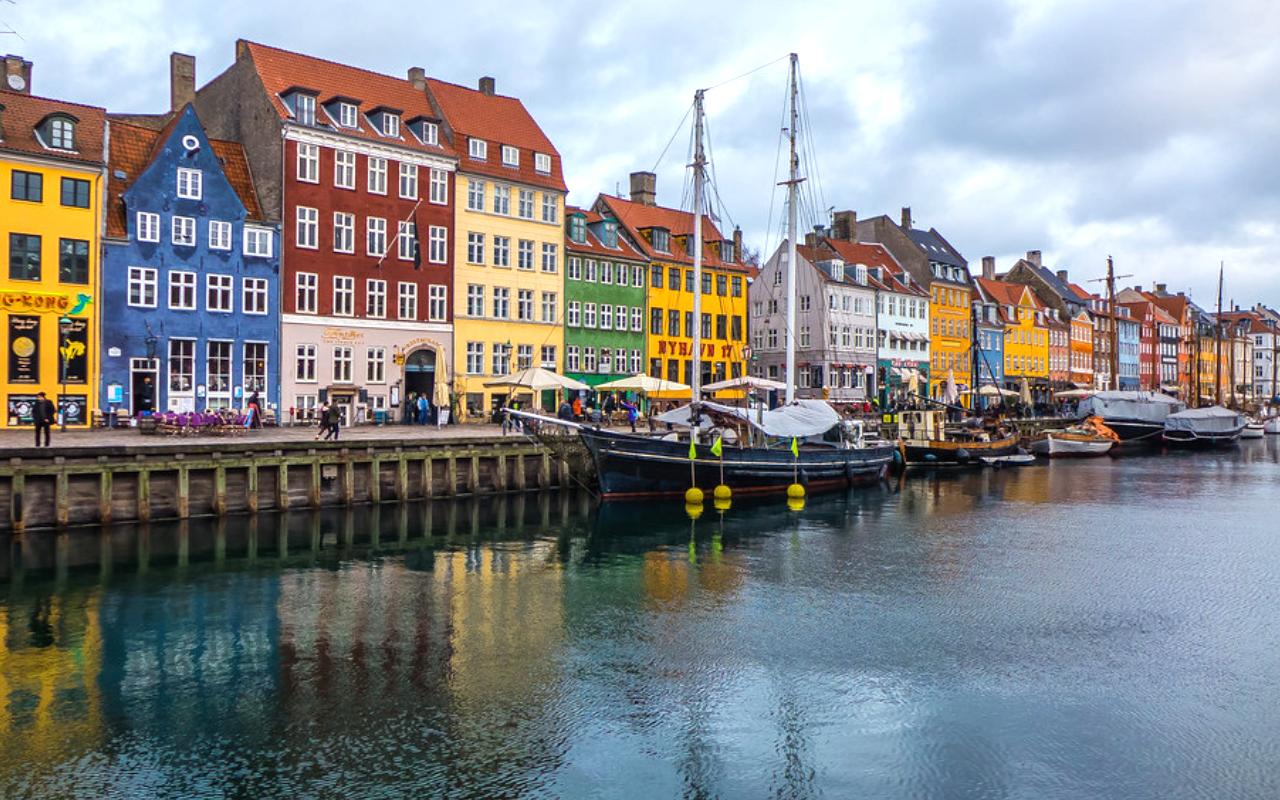
If you’re looking for the best things to do in Copenhagen, this guide covers everything you need for an unforgettable trip. Copenhagen, Denmark’s vibrant capital, seamlessly blends old-world charm with modern flair.
There are countless things to do in Copenhagen, from iconic landmarks and royal palaces to food experiences, parks, and hidden gems. Whether you’re visiting for the first time or returning, these are the best things to do in Copenhagen for every traveler.
Once a small Viking fishing village, today it’s recognized worldwide for its design, sustainability, and quality of life. In fact, Copenhagen is often ranked among the world’s happiest cities thanks to its commitment to education, green living, and healthcare.
First-time travelers love Copenhagen for its walkable, bike-friendly streets, English-speaking locals, and a compact center packed with attractions.
In this guide, we’ll cover the best things to do in Copenhagen, from iconic landmarks and royal palaces to local food experiences, parks, and quirky hidden gems.
Along the way, you’ll find tips for families, couples, and budget-conscious visitors. Whether you’re planning a 2–3 day trip or just looking for inspiration, this post will help you make the most of your Copenhagen adventure.
You’ll discover must-see sights like Nyhavn and Tivoli Gardens, cultural attractions such as the National Museum and Christiania, scenic activities like canal tours and cycling, plus themed lists (nightlife, family fun, free and unique experiences, and romantic couples’ activities) to ensure you see all the highlights and beyond.
Quick Facts
| Fact | Details |
| Country: | Denmark |
| Location: | Islands of Zealand & Amager (Øresund Strait) |
| Official Language: | Danish (English widely spoken) |
| Currency: | Danish krone (DKK) |
| Population (city): | 644,431 (2022 estimate) |
| Time Zone: | Central European Time (UTC+1; UTC+2 summer) |
| Calling Code: | +45 |
| Best Time to Visit: | May–September (warm weather, long days); December (Christmas markets) |
| Transit: | Excellent metro/bus network; bike-friendly city |
| Copenhagen Card: | Includes 80+ attractions & unlimited transit |
Best Things to Do in Copenhagen: Must-See Landmarks
Here are some of the best things to do in Copenhagen you shouldn’t miss.
Nyhavn: Stroll along the famous 17th-century waterfront of Nyhavn, with its brightly painted houses and lively cafés. This iconic canal was once a bustling sailors’ port and is now lined with restaurants, bars, and canal-tour boats. It’s one of Copenhagen’s most photographed spots, perfect for people-watching or grabbing a Danish lunch (smørrebrød) by the water.
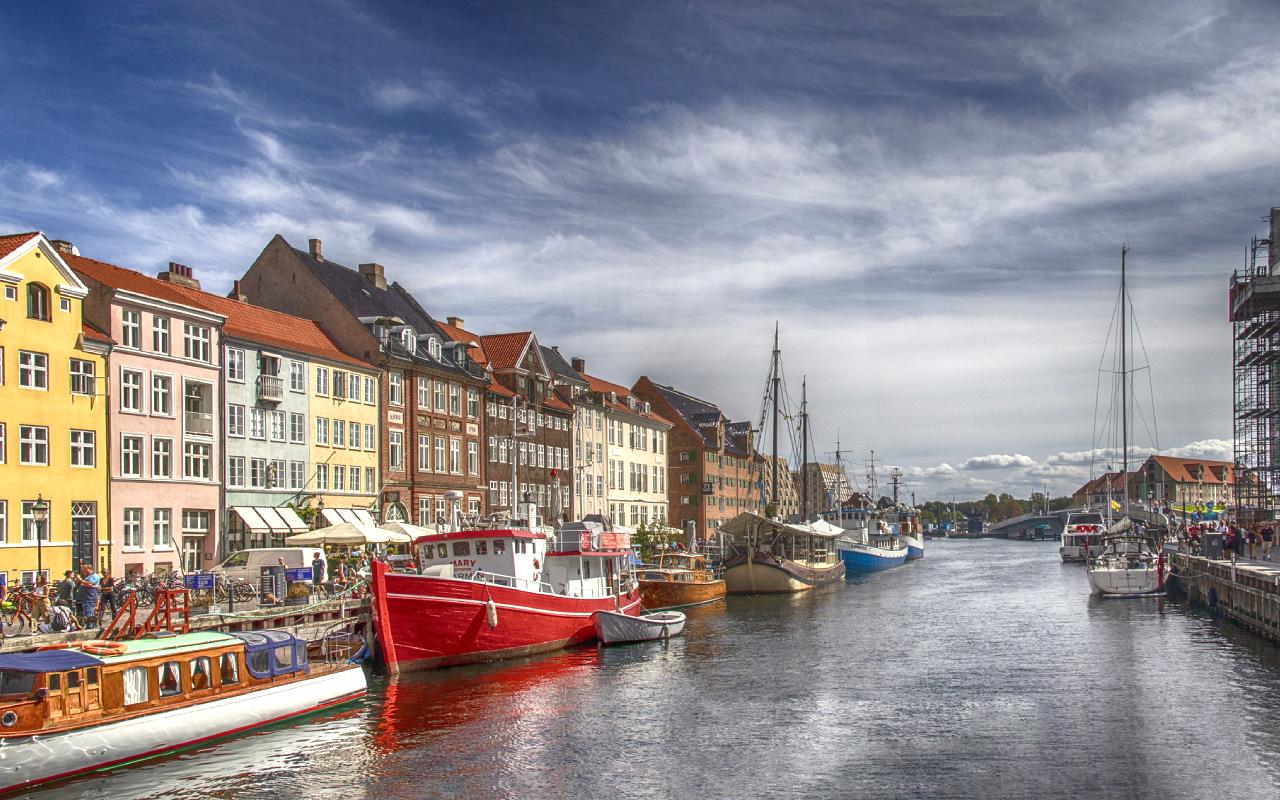
Nyhavn
Nyhavn’s colorful facade famously “mixes the city’s maritime past with its laid-back present”, and in summer evening lights, it’s a romantic stroll spot. (Tip: From Nyhavn, you can hop on a harbor boat tour to see Amalienborg Palace and other sights from the water.)
Tivoli Gardens: Experience the world-famous Tivoli Gardens amusement park and gardens in the city center. Opened in 1843, it’s the second-oldest operating amusement park in the world and one of Copenhagen’s most beloved attractions.
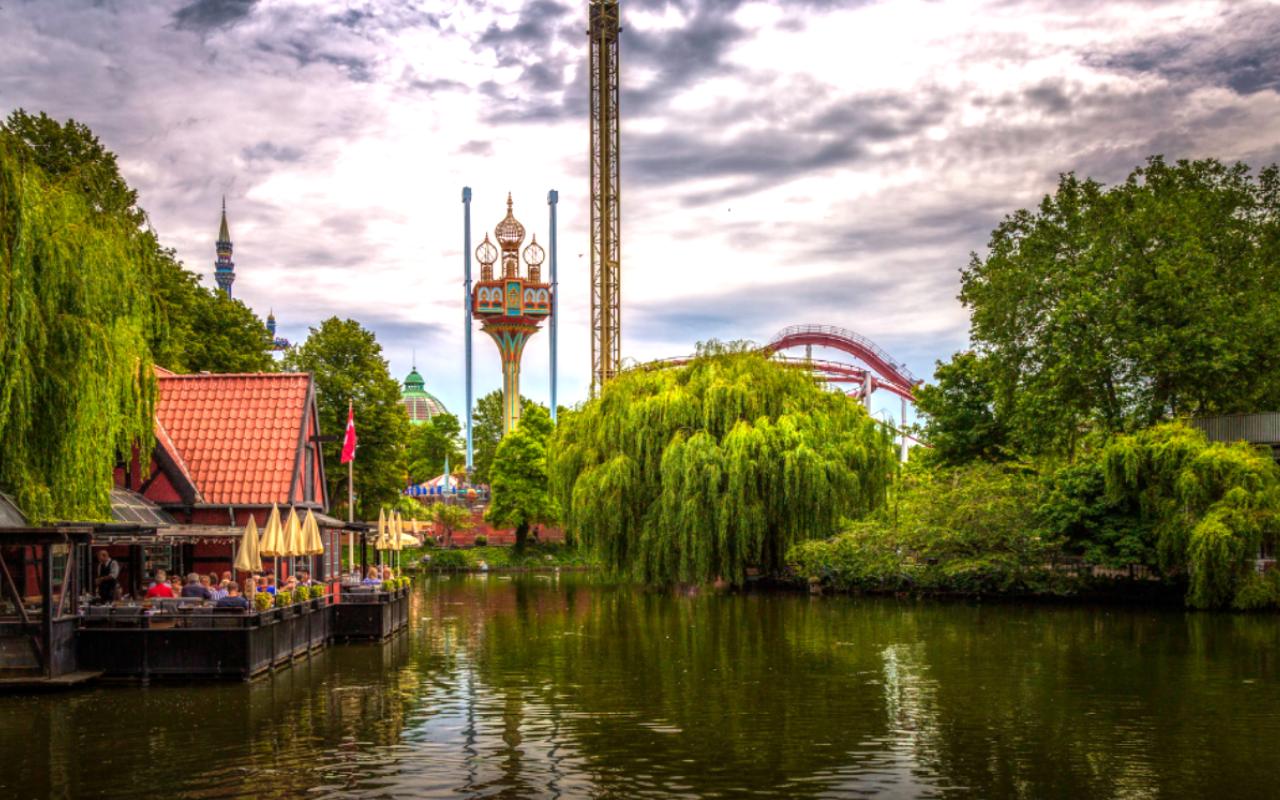
Tivoli Gardens
Tivoli combines classic rides (like a wooden rollercoaster), picnic lawns, lush flower beds, and open-air stages that host concerts and performances. In summer, it buzzes with carnival lights, and in winter, it transforms into a “magical winter wonderland” with Christmas markets and lights. Over 4 million people visit Tivoli each year.
Be sure to wander the whimsical pavilions and head to the central fountain plaza to see the nightly light show. (Tivoli looks especially spectacular at dusk when all the lanterns glow – don’t miss fireworks on Saturday nights during summer.)
The Little Mermaid statue: No Copenhagen visit is complete without seeing Den Lille Havfrue, the famous bronze mermaid sculpture by the harbor. Perched on a rock at Langelinie Pier, this small 1.25-meter statue honors Hans Christian Andersen’s fairy-tale character.
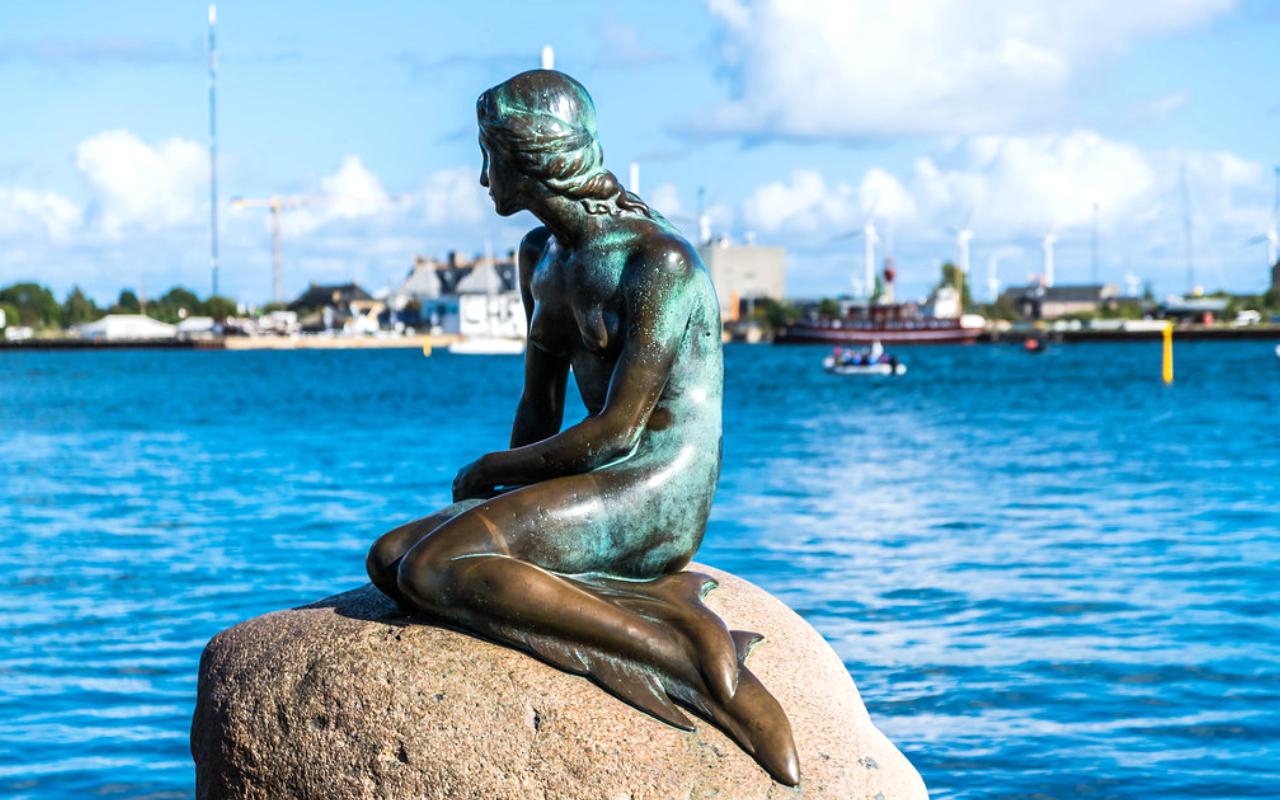
Little Mermaid statue
It was unveiled in 1913 and has since become a Copenhagen icon and major tourist attraction. (Note: The statue is quite small and often crowded, but it’s worth a quick visit. The surrounding park and waterfront promenade make for a scenic walk.)
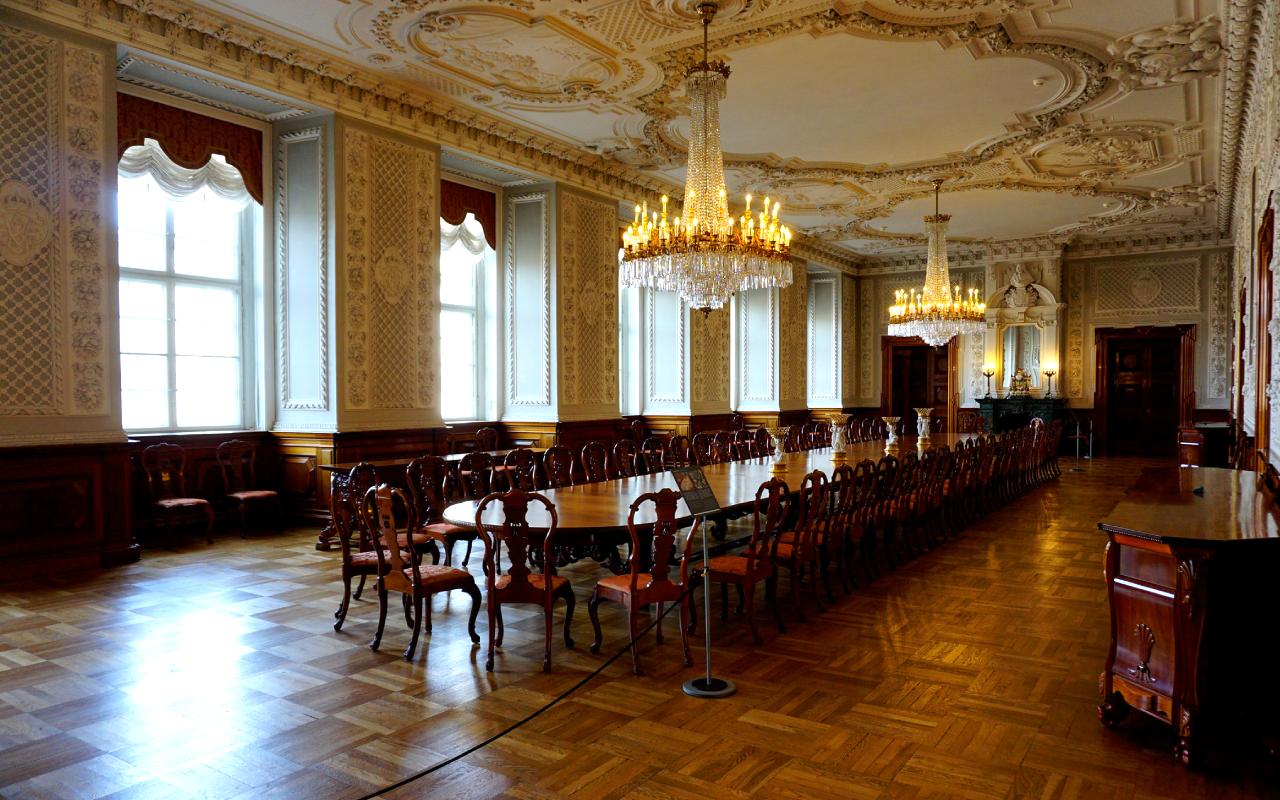
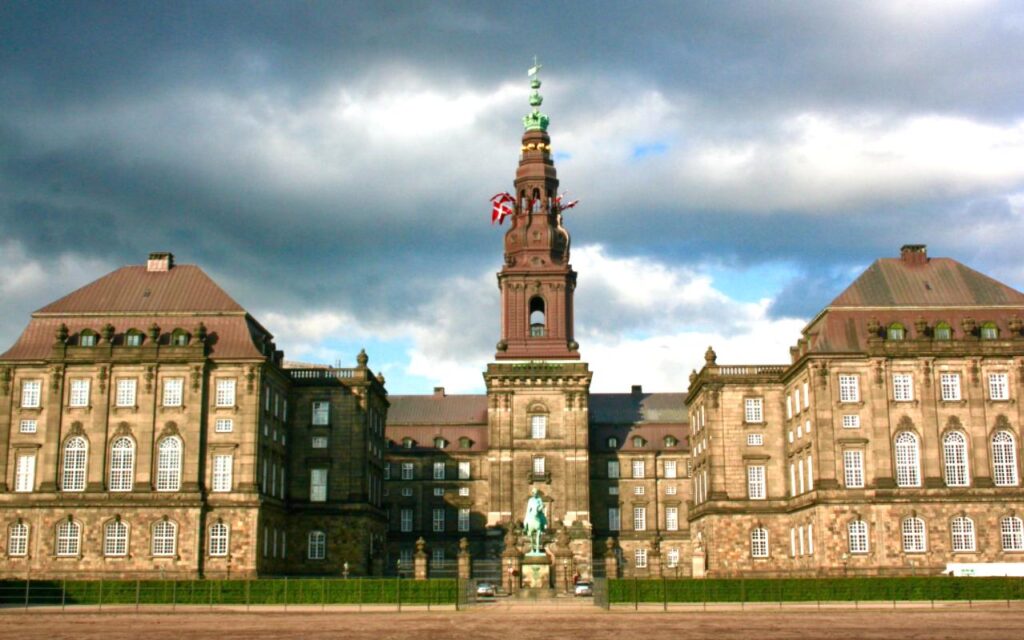
Christiansborg Palace: Explore the political heart of Denmark. Christiansborg Palace on Slotsholmen island was once home to Danish kings and queens, and today houses the Danish Parliament, Supreme Court, and several ministries.
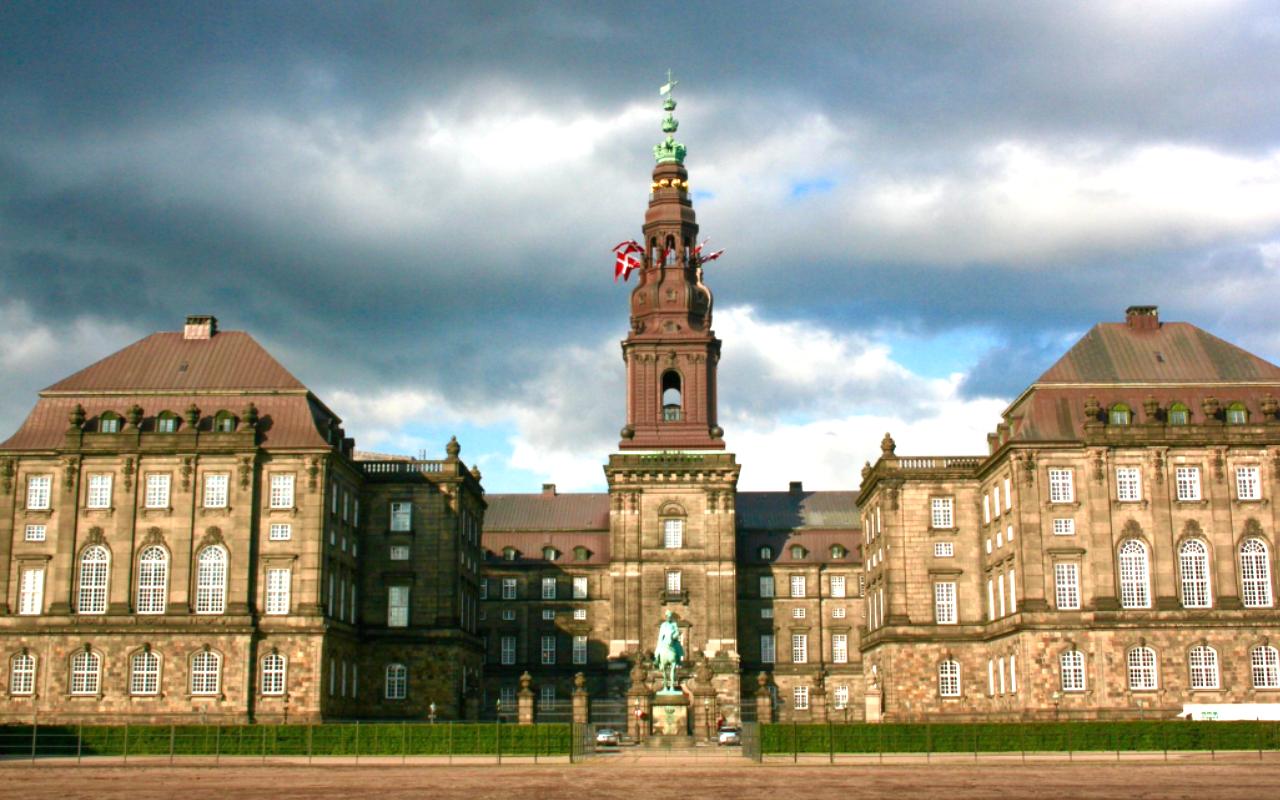
Christiansborg Palace
You can tour its lavish royal reception rooms (the Throne Room, Banquet Hall, etc.) and walk in the same halls where centuries of monarchs held court.
Don’t miss the Royal Stables and the ruins of the previous castles underneath the palace (a guided “underground tour”). The palace also has a 106-meter tower, the tallest in the city, that’s free to climb.
From the top, you get a “magnificent view of the city’s rooftops”, one of Copenhagen’s best panoramas. (Tip: Admission to the tower is free; simply enter via the Christiansborg main entrance and ask to go up.)
Amalienborg Palace: Watch the famous Changing of the Royal Guard at noon in Amalienborg Square, the home of Denmark’s royal family. Amalienborg actually consists of four nearly identical rococo palaces around an octagonal courtyard. You can visit one of them as a museum of royal history, but even outside the gates, it’s fun to hang out in the square.
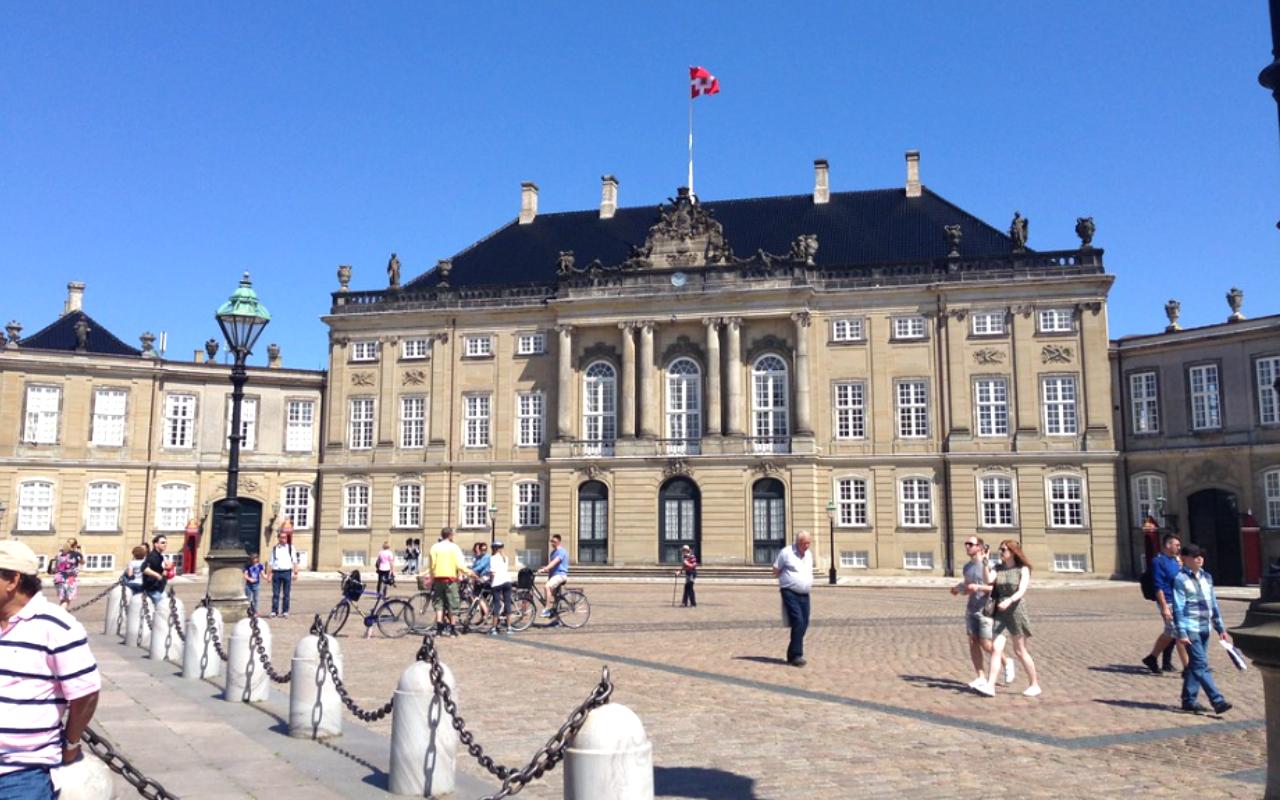
Amalienborg Palace
Every day, the Royal Life Guard marches from Rosenborg Barracks and arrives at Amalienborg Palace around 12:00 for the Changing of the Guard ceremony, culminating in a ceremonial Changing of the Guard ceremony in the palace square.
(Insider tip: The garden that connects the two main palaces is the Forårstet – a nice spot for a break, and just across the harbor is the stunning Marble Church with its giant dome.)
Round Tower (Rundetårn): Climb this 17th-century observatory tower near the university. Known for its unique helix-shaped spiral ramp, the Round Tower is one of Denmark’s oldest functioning observatories.
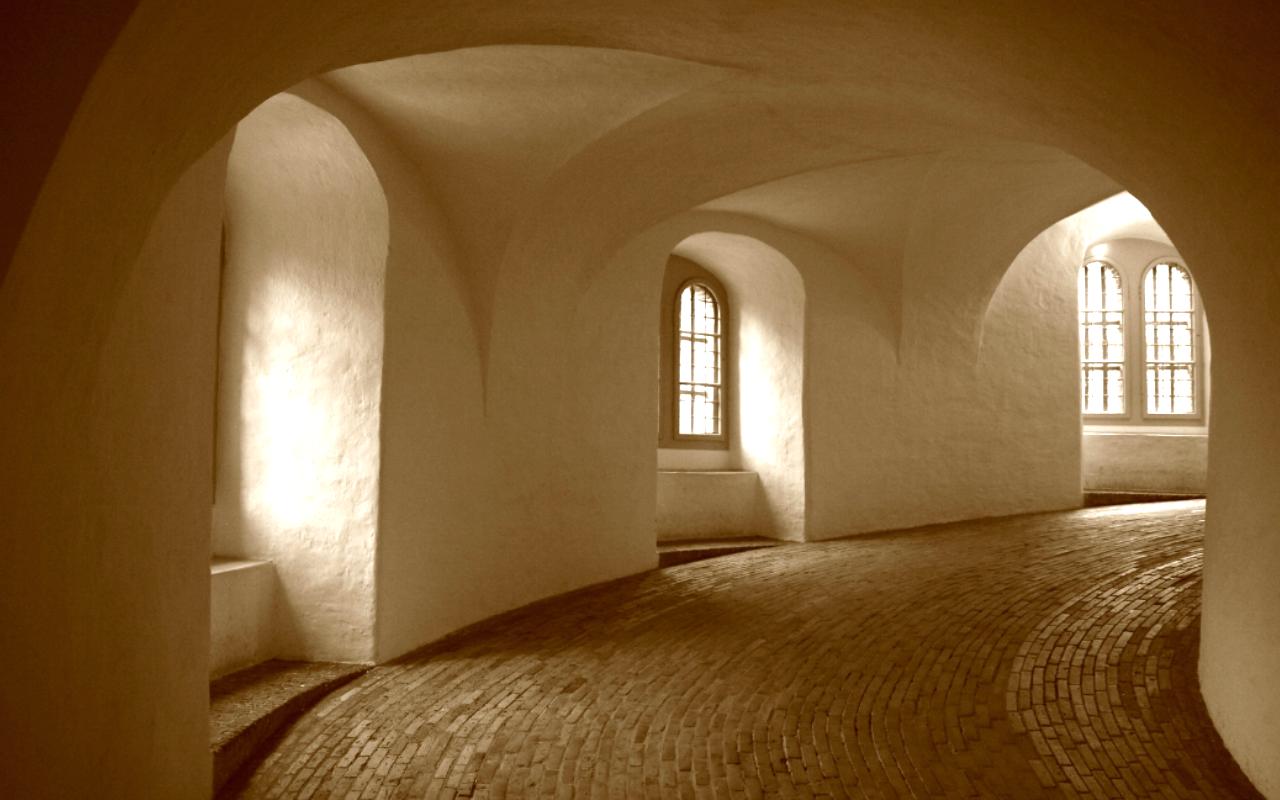
Inside the round tower
Instead of stairs, it has a gentle spiral that winds 7½ times around the tower’s core up to the sky platform. At the top (about 35 meters above street level), you’re rewarded with a “spectacular 360-degree view of the city”, a perfect vantage point for snapping photos of the red-roofed skyline. The tower is especially charming at sunset.
Inside, you’ll also find occasional art exhibits in the library hall. The Round Tower was built by King Christian IV in the 1640s, and has hosted famous visitors (even Hans Christian Andersen attended astronomy classes here). Tickets are modest (or free with a Copenhagen Card).
Cultural Things to Do in Copenhagen
These cultural things to do in Copenhagen give you a deeper look into the city’s history and heritage.
National Museum of Denmark (Nationalmuseet): Dive into Danish history at the country’s national history museum, located on the old Christiania castle islet. In its vast collection, you can trace Denmark’s story from the Ice Age to modern times.
The museum covers the Stone Age, Bronze Age, and Viking era with treasure hoards and the famous Bronze-Age Trundholm Sun Chariot, and showcases medieval church art and royal artifacts.
Visitors can wander through exhibits on daily life in old Copenhagen, the era of the great emperors (Napoleon, etc.), and Denmark’s maritime heritage. A highlight is the Viking Gallery (with swords, helmets, and the Roskilde boat wreck) and the prehistory galleries featuring the 3,400-year-old Egtved Girl and the giant Gundestrup cauldron.
The Children’s Museum inside is a big hit for families: it’s an interactive play area where kids can sail in a Viking ship, cook in a medieval kitchen, and even experience a 1950s classroom.
This makes the museum fun for all ages. (Tip: Admission is free on Wednesdays. Also, a quick photo stop: outside stands the famous Lindormen Dragon, believed to be one of Copenhagen’s guardian figures.)
Rosenborg Castle: Step back into royal life at Rosenborg Castle, a Dutch Renaissance villa built by King Christian IV in the early 1600s. It’s tucked within the cozy King’s Garden park.
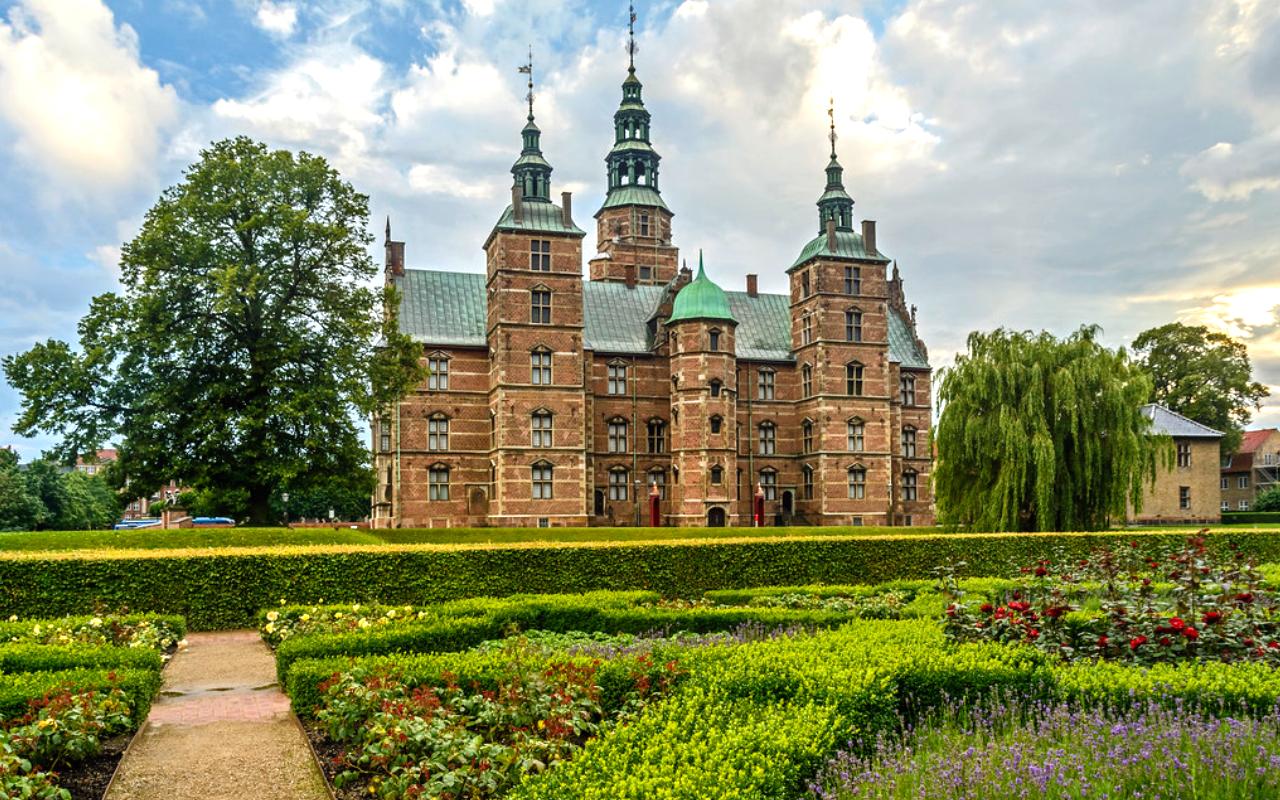
Rosenborg Castle
Inside, you can tour the king and queen’s richly decorated rooms and see over 400 years of royal treasures. The basement vault is home to the Danish Crown Jewels and Regalia, extravagant crowns, scepters, and orbs used in coronations.
Don’t miss the Coronation Chairs, ornate silver lions, and the royal portraits. Rosenborg’s charm lies in its red-brick facade and the fact that it still contains original furnishings and tapestries. (Tip: The Crown Jewels collection runs out early each day, so go early if that’s a priority.)
Ny Carlsberg Glyptotek: Art lovers should not miss this unique museum, founded by brewer Carl Jacobsen in the 1890s. The Glyptotek has an extraordinary mix of art: classical sculptures (Greek, Roman, and Egyptian antiquities) and modern art (especially French Impressionists).
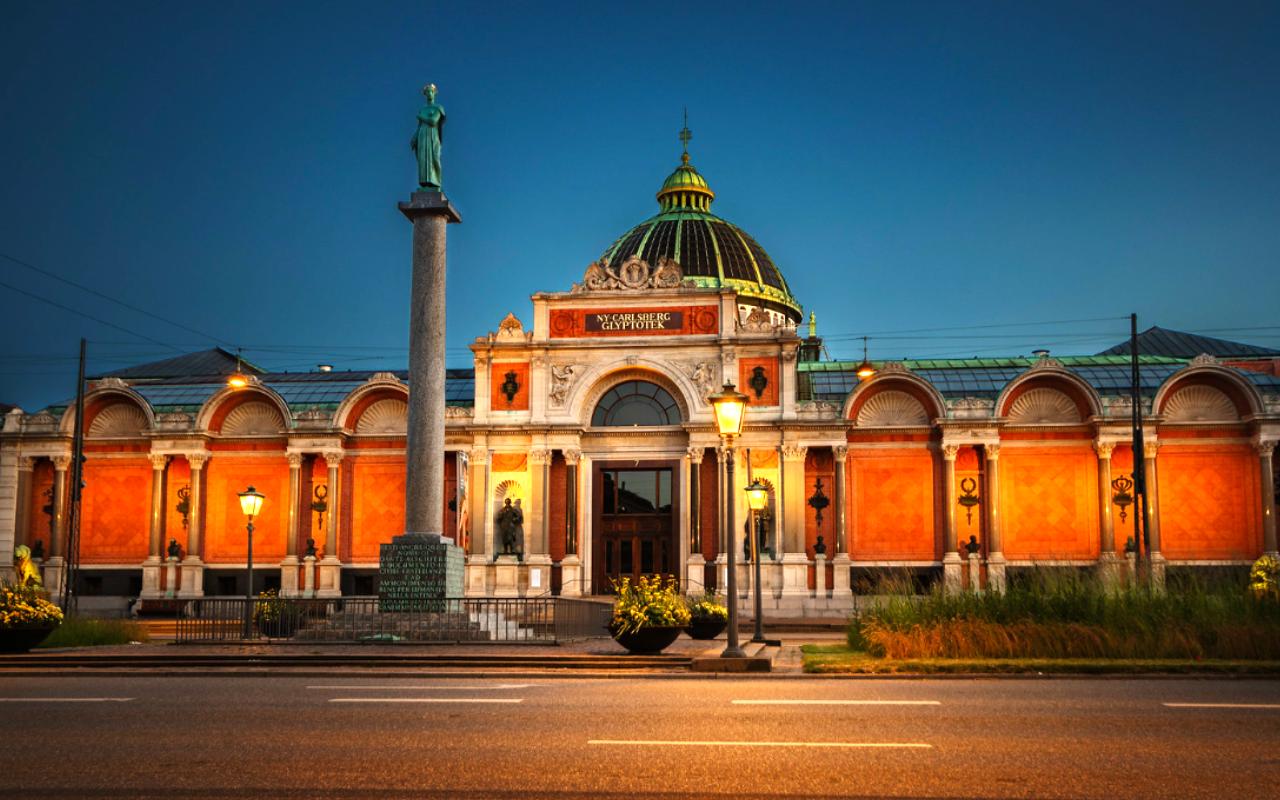
Ny Carlsberg Glyptotek
Its courtyard features a tranquil glass-roofed Winter Garden filled with palm trees. On display are marble gods and pharaohs alongside Rodin sculptures and paintings by Monet, Degas, Van Gogh, and Gauguin.
The museum is noted for “antique sculpture from the ancient cultures around the Mediterranean” and its strong collection of Impressionist and Danish Golden Age paintings. Even if you’re not a museum buff, the Glyptotek’s mix of art and architecture is worth an hour or two (the museum offers free admission on the last Wednesday of each month).
Freetown Christiania: Explore Christiania, Copenhagen’s famously offbeat neighborhood. Founded in 1971 by squatters in abandoned military barracks, Christiania is now a self-governing “free town” known for its colorful murals, artsy community, and relaxed vibe.
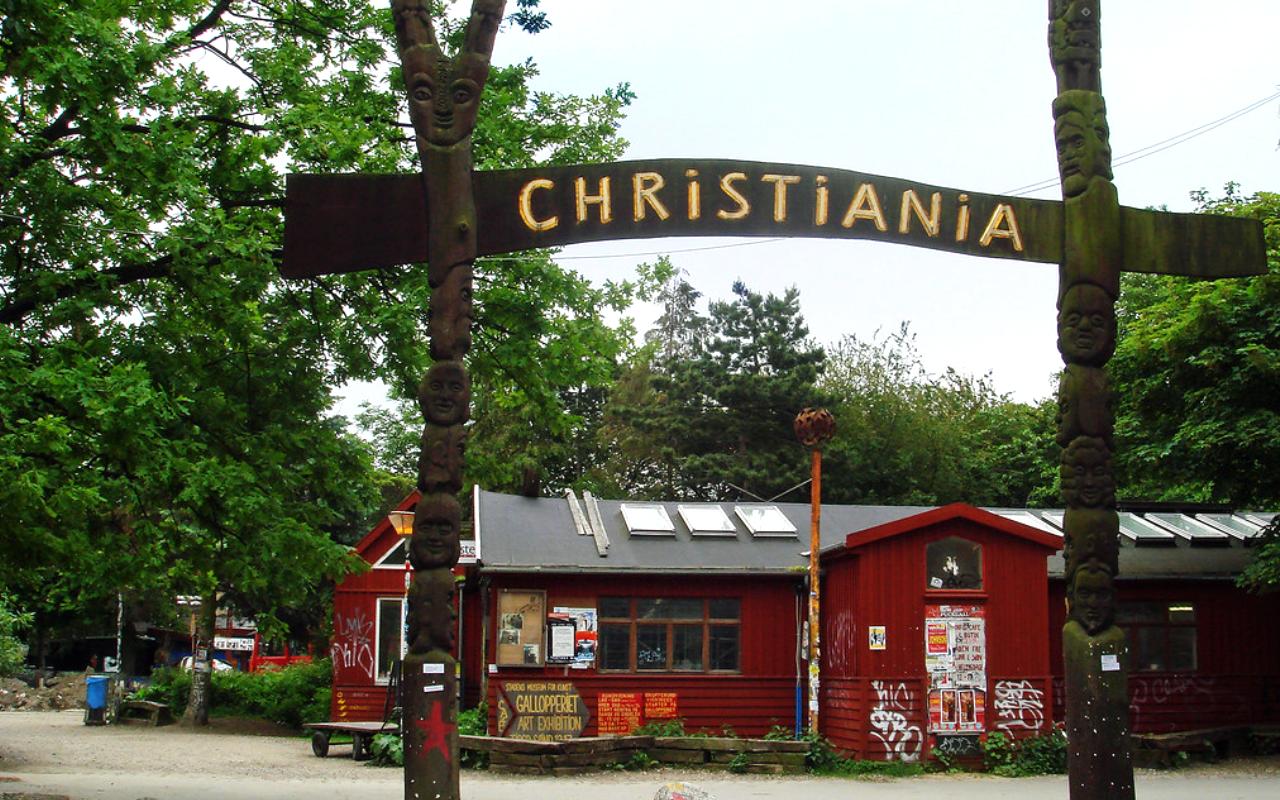
Christiania
Wandering the car-free streets of Christiania feels like stepping into a countercultural art colony: you’ll see hand-painted signs, outdoor music venues, and homes made of salvaged materials.
It’s also known for its mild-mannered cannabis market (legal status is complex, but you’ll often see bikes locked up and vendors selling hash openly).
Despite its alternative scene, Christiania is considered safe and is one of Copenhagen’s most-visited attractions.
Take care with photography (do not photograph the market stalls). Key spots include the central Pusher Street (for art stalls and cafes) and the scenic lakeside area at the edge of town.
Church of Our Saviour (Vor Frelsers Kirke): An architectural and spiritual landmark on Christianshavn island, this 17th-century baroque church is famous for its corkscrew-shaped spire.
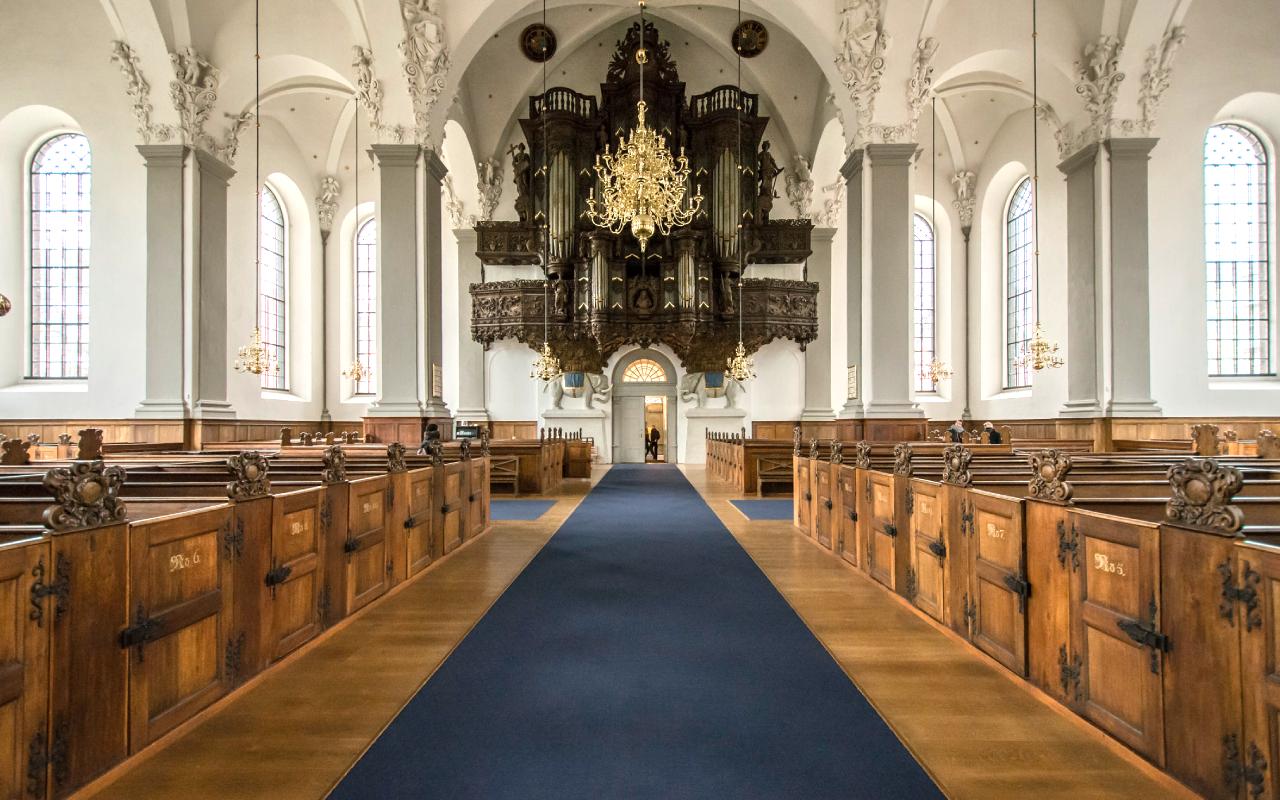
The outside spiral staircase, completed in 1752, wraps 400 steps around the exterior, culminating in a golden globe. Adventurous visitors (and about 200,000 people yearly) climb all the way to the top to step outside onto an open-air platform.
From there, “Our Saviour stands on his globe and overlooks the royal city of Copenhagen”, giving an unmatched panoramic vista of the harbor, canals, and historic city center.
Inside the church are richly decorated side chapels and a famous altarpiece. The ascent is narrow and steep in places, but well worth it at sunset. (The church is free to enter, and the tower climb is inexpensive. Plan at least 20-30 minutes for the climb.)
Designmuseum Danmark: Discover Danish design heritage at this museum housed in a 19th-century mansion. Designmuseum Danmark features furniture, industrial design, textiles, and more, tracing Scandinavia’s legacy of form and function.
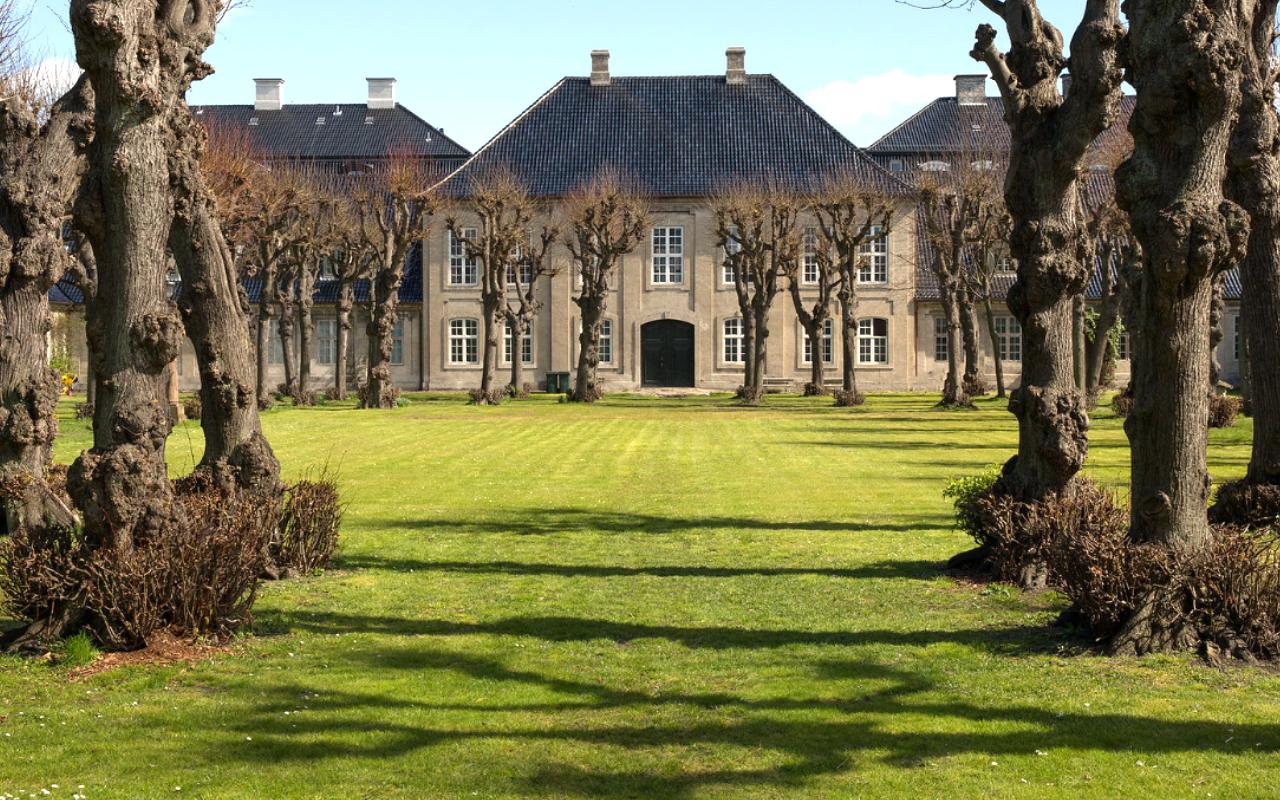
Designmuseum Danmark
Its collection “features works of famous Danish designers like Arne Jacobsen, Jacob Jensen and Kaare Klint”, think the iconic Egg and Swan chairs, Georg Jensen silver, and early LEGO prototypes.
The museum also highlights global design influences and contemporary innovations. Even if you’re not shopping, it’s inspiring to see why Copenhagen is often called a design capital. (Nearby is the Danish Architecture Center at BLOX, a modern design hub on the harbor worth a quick look.)
Outdoor Things to Do in Copenhagen
Take a canal tour: See Copenhagen from the water by hopping on a boat tour. Departures run frequently from Nyhavn or Gammel Strand (by the Parliament). On a 1-hour cruise, you’ll glide through the city’s canals and harbor, passing landmarks like the Opera House, Black Diamond Library, Christiansborg Palace, and the Little Mermaid.
Canal tours often include commentary on the sights. As VisitCopenhagen notes, Nyhavn is famous for its “canal tours”, and indeed, no visit is more scenic than a lazy boat ride along historic quays and under charming old bridges. Evening tours (on warm summer nights) are especially atmospheric.
Bike through the city: Embrace Copenhagen’s cycling culture. The city is legendary for being bike-friendly; there are actually more bicycles than people, and over 382 km of bike lanes to keep you safe.
Renting a bike (or an e-bike) and touring at your own pace is the best way to see the city like a local. Cruise past the Lakes (Søerne), along the harbor promenade, or follow a bike path to sights like Kastellet and The Little Mermaid.
There are many bike rental shops and guided cycling tours available throughout the city. Just remember to ride on the correct side and watch for the distinctive green bike traffic lights! (Copenhagen’s biking culture is well-loved, as VisitCopenhagen says, “Copenhageners love their bikes”.)
Relax in King’s Garden (Kongens Have): This spacious city park around Rosenborg Castle is Denmark’s oldest royal garden. It’s a favorite spot for picnics and people-watching.
From spring through autumn, its lawns and rose gardens are usually crowded with sunbathers and picnickers. In summer, the park even hosts puppet shows for kids and free concerts.
Bring a blanket and a pastry (or a bottle of wine) and lounge under the linden trees. Just don’t forget to snap a photo by the elegant Rosenborg Castle moat!
Walk along the harbour baths: On hot days, Danes cool off with a swim in Copenhagen’s harbour baths. The most famous is the Islands Brygge Harbour Bath, an open-air pool complex built right into the harbor.
With five pools of varying depths, diving platforms, and a sun deck, it offers a surreal experience: swimming with the city skyline as your backdrop. (VisitCopenhagen notes it’s “open air swimming right in the centre of the city”.)
Other popular spots include the newer baths at Fisketorvet shopping center and the Harbour Bath at Sluseholmen. Lifeguards are typically on duty during the summer season, but always follow posted safety guidelines. Even if you don’t swim, climbing in and out on the ladder is a uniquely Copenhagen thing to do (the water is clean and checked daily).
Visit Superkilen Park: Venture to the hip Nørrebro neighborhood to see Superkilen – an edgy multicultural park opened in 2012. Designed by Bjarke Ingels’ firm, Superkilen is split into three colorful zones (Red, Black, Green) and filled with objects from around the world: Moroccan fountains, Russian neon signs, Iraqi swings, a Japanese octopus playground and more.
It’s a fun place to wander or picnic, and photo ops abound. As VisitCopenhagen notes, “Superkilen is a public space in Nørrebro, popular with families, skateboarders and visitors alike”. Stop by on your way to explore the lively cafés, vintage shops, and street art of Nørrebro.
Enjoy views from Christiansborg Tower: Earlier, we mentioned touring Christiansborg Palace; don’t miss climbing its free observation tower for sweeping city panoramas.
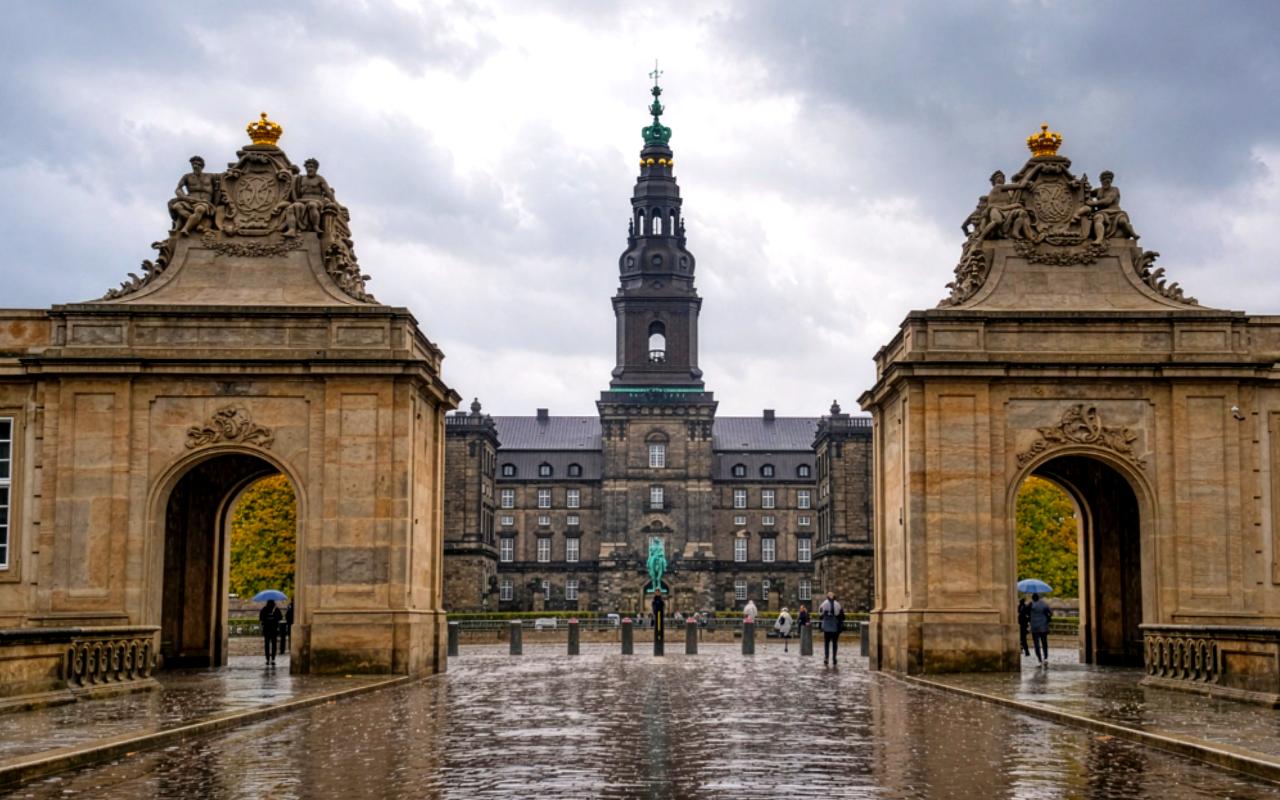
At 106 meters, it’s the tallest tower in Copenhagen. From the open-air viewing platform, you can identify the Round Tower, City Hall, and even Kronborg Castle across the Øresund on a clear day.
The tower is completely free to visit during the palace’s open hours. Grab one of the free binoculars, or simply enjoy looking down on Copenhagen’s rooftops and spires. It’s a great way to orient yourself in the city.
Food & Drink Things to Do in Copenhagen
Exploring local cuisine is one of the best things to do in Copenhagen for food lovers.
Try Danish smørrebrød: Sample the quintessential local cuisine: smørrebrød, or open-faced sandwiches on rye bread. These hearty lunch plates come piled high with toppings like pickled herring, smoked salmon (gravlax), roast beef, liver pâté, or shrimp, garnished with beetroot, egg, herbs, and mayo.
(Fun fact: smørrebrød literally means “butter bread.”) A typical bread is “buttered rugbrød (dense dark rye) topped with meat or fish, cheese or spreads, and garnishes”.
For example, a classic slice might have marinated herring with onions and dill, or roast beef with remoulade and crispy onions. Good places to try smørrebrød include traditional cafés like Restaurant Schønnemann, the green Café Bang in Nyhavn, or the casual Smørrebrød stall in Torvehallerne market.
Each sandwich is a meal in itself, best enjoyed with a beer or aquavit. Trying traditional Danish smørrebrød is a must-have food experience when visiting Copenhagen.
Danish smørrebrød. A classic platter of open rye sandwiches (topped here with fish, egg, shrimp, and veggies). The dense rye bread and rich toppings make smørrebrød a filling lunch – and it’s something everyone should try in Copenhagen. (Pronounce it roughly “SMUHR-bruh”).
Browse Torvehallerne: Copenhagen’s gourmet food hall is a must for food lovers. Torvehallerne is made up of two large glass halls near Nørreport Station, filled with specialty shops and mini-stalls.
You can find everything from organic veggies and cheeses to artisan chocolate, craft coffee, and street food. Stroll through the alleys sniffing pastries or fresh herbs.
On one side, you’ll see mouthwatering glass cases of smørrebrød and pastries; on the other side, sushi, curries, oysters, and all sorts of world cuisines.
As the official guide notes, Torvehallerne is “one of Copenhagen’s gems, find specialty goods, fresh vegetables and exquisite little food bars”. Grab an æbleskiver (Danish donut-pancake) with jam, or sit at the smoked salmon stand for lunch. It’s a great spot for quick bites on a budget.
Taste Danish pastries: Copenhagen is famous for its patisseries. Indulge in a flaky wienerbrød (Danish pastry) filled with custard, jam, or almond paste. Common varieties include kanelsnegl (cinnamon roll), spandauer (custard or chocolate-filled sweet), and hindbærsnitte (raspberry sandwich cookie). These are best enjoyed fresh from a bakery or café with a strong cup of coffee.
Bakeries like La Glace (historic, famous for layer cakes) or Meyers Bageri (Nordic ingredients) are local favorites. While pastries are cheap at markets (1-2€ each), don’t miss trying a properly butter-rich pastry. (Reminder: Danes often eat these in the late afternoon or “Kaffepause,” not just breakfast.)
Explore New Nordic cuisine: Copenhagen’s dining scene ranges from rustic pork belly to world-class haute cuisine. The city gave birth to the New Nordic movement – cooking focused on local, seasonal ingredients.
Restaurants like Noma and Geranium (both Michelin-starred) transformed Nordic food by using foraged herbs, brines, and local fish. As one source noted, Noma’s René Redzepi was hailed “the standard-bearer for the New Nordic movement,” famous for innovative local menus.
You don’t have to book Noma to eat well: try a smørrebrød at a modern madklub restaurant or taste creative small plates at a “gastronomic beer hall.” And if fine dining isn’t your style, Copenhagen’s casual cafes take pride in organic, seasonal fare – from open-faced sandwiches at Kaffesalonen to hearty stews at Bror.
Visit street food markets: For a casual meal, head to Copenhagen’s street food hubs. Broens Street Food (by the harbor bridge near Nyhavn) is one example – a collection of food trucks and stalls under a covered promenade. There you can try everything from gourmet burgers (Gasoline Grill) to tacos and vegan bowls, all with a view over the water.
Another venue is Reffen on Refshaleøen (an island south of Christianshavn), Denmark’s largest street food market with dozens of vendors in a warehouse setting. These markets are lively in summer and often have craft beer and music. They’re a fun way to sample many cuisines (Asian, Latin, American, Nordic fusion) without breaking the bank.
Experience coffee culture: Copenhageners take their coffee seriously. Pop into any neighborhood café, and you’ll find strong espressos and “third-wave” brew methods. The city is home to famous roasters like The Coffee Collective (known for direct trade) and La Cabra. For a classic coffee break, try sitting in a sunny square with a latte and a pastry.
Many bakeries will make you a coffee to go with your pastry or sandwich. Copenhageners’ love for café culture means you can find charming spots everywhere, from minimalist industrial-chic cafés in Nørrebro to cosy spots near the lakes or by the harbor. (Tip: Don’t miss Torvehallerne’s coffee stalls, or unique places like At My Kitchen on Christianshavn for a community vibe.)
Things to Do in Copenhagen with Kids
These are the best things to do in Copenhagen with kids for a fun family trip.
Tivoli Gardens: Kids will adore this amusement park and garden. Rides, games, puppet shows, and candy stands abound. Even the classic wooden roller coaster (Rutschebanen) is surprisingly gentle and fun for young riders. In summer evenings, kids can enjoy live music or fire-breathers on the main stage. (At Christmas, Tivoli’s lights and Santa House are extra magical.)
National Museum’s Children’s section: As noted above, the National Museum has an interactive play area where children can “sail a Viking ship or cook in a medieval kitchen”. There’s also a child-sized town square for pretend play. It’s designed for ages 3-10 and lets kids have fun with history.
King’s Garden playgrounds: King’s Garden (Rosenborg Gardens) has a puppet theatre in summer and a new adventure playground. Kids love running around the wide lawns and peeking into the moat. In the summer months, there’s a charming puppet-show series for children. (There’s also a fenced playground near the Marble Church on Kongens Nytorv if needed.)
Canal boat tour: Even youngsters enjoy a boat ride around town. The canal tours depart from Nyhavn and Christianshavn and give a kid-friendly vantage point of the city (they’ll love passing under small bridges). Some tours have onboard commentary that points out fun facts (“Look, that spire is shaped like a corkscrew!”).
Copenhagen Zoo: The city zoo (on Frederiksberg) is a big hit with children. Home to over 4,000 animals, it’s one of Denmark’s most visited attractions.
Little ones can meet elephants, giraffes, monkeys, and even the famous pandas. (Yes, Copenhagen Zoo has giant pandas to visit in Bjarke Ingels’ ice-themed pavilion.)
There’s a petting zoo section and pony rides as well. With playgrounds and snack stands scattered around, families can easily spend a half-day here.
Experimentarium (bonus): Although not on the official outline, it’s worth mentioning Experimentarium (a science playhouse in Hellerup). It has hands-on exhibits about the body, climate, energy, and more – all very kid-friendly. If you have extra time, the colorful Den Blå Planet aquarium is also great for kids (a Nordic aquarium with sharks and exotic fish).
Things to Do in Copenhagen at Night
If you’re wondering about nightlife, these things to do in Copenhagen at night are worth experiencing.
Tivoli by night: As evening falls, Tivoli Gardens transforms into a wonderland of lights. The whole park is decorated with lanterns, and the glass fountains and palm-lined ponds are illuminated.
On weekends during the summer, you can watch free fireworks shows. Enjoy carnival rides in the evening glow, grab a hot drink or waffle, and listen to live music at one of the open-air stages. Even if you return to Tivoli at night after a day of sightseeing, the mood is completely different and magical.
Nyhavn in the evening: Copenhagen’s historic harbor pier is lively after dark. Many restaurants along Nyhavn have outdoor tables with heaters and candles, where locals and tourists mingle over dinner and drinks.
In the summer months, buskers often play jazz or pop tunes in the squares. The façades of the houses are lit by streetlights and reflecting off the water. It’s one of the most romantic nighttime strolls in the city.
Evening canal cruise: Many boat tours also run as twilight cruises or dinner cruises. Seeing the city lights from the water is a special experience; the glow on the canals and lit monuments (e.g., the Opera House or Vor Frelsers Kirke) is beautiful.
Some tours include hot chocolate or wine for the ride. In summer, the sun sets late, but even a cruise under the almost-full moon is unforgettable.
Bars and live music: Copenhagen has a fun bar scene. The Meatpacking District (Kødbyen) in Vesterbro is famous for nightlife: converted warehouses host trendy cocktail bars and clubs.
For live jazz, try Jazzhus Montmartre (downtown) or Herr Nilsen. In Norrebro, you’ll find laid-back beer bars and indie music venues. If you prefer a cozy vibe, the underground bar Mikkeller in Kødbyen serves dozens of craft beers on tap.
Note that Danes are pretty relaxed about drinking; beer and wine are sold in supermarkets too, but bars are the main spot for nightlife. Also check out Copenhagen’s late-night city baths (Harbor Baths), which stay open till 10–11 pm in summer.
Lit-up city stroll: Even walking around town after dark is enjoyable. The pedestrian streets Strøget and City Hall Square are lit for late shopping, and the central squares (Kongens Nytorv, Gammeltorv) have beautiful old street lamps.
A nice route is to start at Nyhavn, walk past Amalienborg and Kastellet, then along the harbour to the Opera (all beautifully illuminated). The old fortifications and canals of Christianshavn also have a quiet charm at night. Many bridges and buildings feature subtle lighting; Copenhagen pays a lot of attention to nighttime design.
Fun Things to Do in Copenhagen
Looking for excitement? These fun things to do in Copenhagen will keep you entertained.
Go for a bike ride: As mentioned, cycling is ingrained in city life. For fun, consider renting a bright city bike and just riding in a loop through different neighborhoods.
You might bike to Østerbro to see Lakes, then cross into Nørrebro, cycle past Superkilen Park, and end in the hip cafes of Vesterbro. There are informal “city bikes” rentals at many street kiosks (often the first 30 minutes are very cheap). Exploring by bike means you’ll cover more ground and see quirky parts of town you’d miss on foot.
Try a food tour: Combine sightseeing with sampling Danish delicacies. Food tours often take you through markets and streets, pointing out historic spots while you taste things like smørrebrød, pastries, and craft beer. Some tours even include a canal boat portion or a stop at a local neighborhood. It’s a fun way to eat and learn.
Visit interactive museums: Apart from the Experimentarium (science center) and children’s museum, Copenhagen has several hands-on museums. The National Aquarium Den Blå Planet (close to the airport) is large and engaging for all ages.
The Tycho Brahe Planetarium (near Bakkehus) is interactive, with space shows. In winter, the Experimentarium hosts science Christmas workshops for kids, too.
Explore Nørrebro’s colorful streets: Nørrebro is one of the most multicultural and dynamic areas. Let yourself wander its side streets, and you’ll find funky shops, street art, and world cuisine restaurants.
Popular stops include Jægersborggade (artisan bakeries and design shops) and the aforementioned Superkilen Park. There’s also a green canal (Nørrebro Canal) where locals swim in summer. It’s a neighborhood with a bohemian vibe that’s fun to explore.
Go shopping on Strøget: Strøget is Europe’s longest pedestrian shopping street. It runs from City Hall Square through Kongens Nytorv. Here you’ll find everything from high-end brands (Georg Jensen, Bang & Olufsen) to Danish design shops (Royal Copenhagen porcelain, Muuto) and budget-friendly chains.
Even window-shopping is fun: look for the moving figures in the flagship LEGO store or the beautiful interiors of the Illum department store.
Beyond Strøget, the side alleys like Pilestræde and Magasin du Nord have boutiques and Danish fashion. Shopping can easily eat up an afternoon, Danish goods like a wool sweater or designer notebook make great souvenirs.
Free Things to Do in Copenhagen
Traveling on a budget? These free things to do in Copenhagen are perfect for saving money.
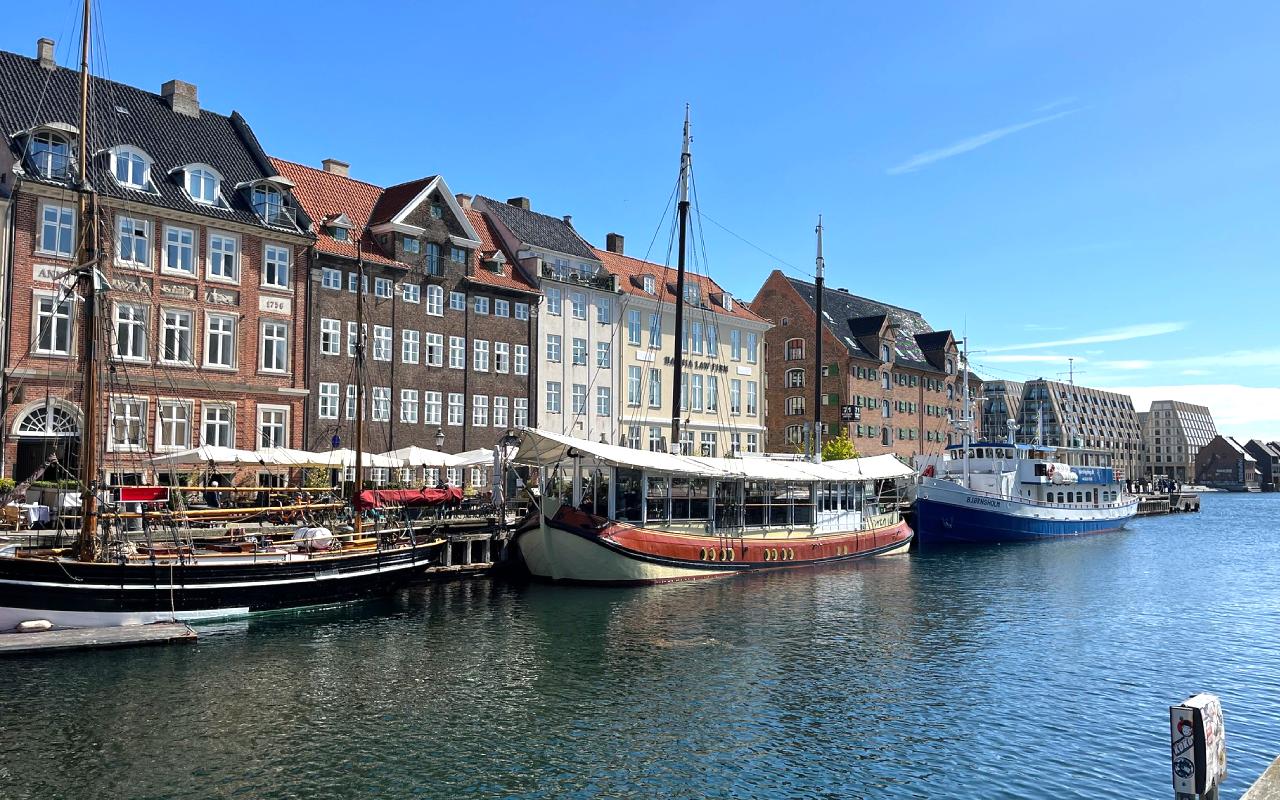
Stroll Nyhavn: Simply walking around the old harbor costs nothing. Enjoy the view of the colorful houses and moored boats, and take photos from the waterfront bridge.
It’s especially nice in good weather when street musicians play, or vendors sell ice cream. You can also walk along the entire harbor front (Langelinie promenade) for a free harbor walk.
Climb Christiansborg Tower (free): As noted, the tower above Christiansborg Palace is free to enter for everyone. This makes it one of the best free activities: you pay nothing for those panoramic views. (Just show up and say “tower, please” at the Christiansborg entrance.)
Relax in public parks: Copenhagen has many lovely parks that are always free to visit. King’s Garden (Rosenborg Garden) and the nearby Frederiksberg Gardens are both green oases for lounging or picnicking.
The Botanical Garden’s grounds (next to Rosenborg) are also free and home to the big glass Palm House (though entry to the Palm House itself costs a few DKK).
The lakes (Søerne) are perfect for a stroll or jog. In summer, you can even borrow one of the free yoga or petanque areas at parks, locals set these up on weekends.
Watch the Changing of the Guard: Every day at noon (except weekends in winter), you can witness the Royal Life Guards march from Rosenborg Palace to Amalienborg Palace.
This 12:00 ceremony is free to the public and draws a crowd in Amalienborg Square. The guards wear their famous bearskin hats and play band music on the way. It’s a colorful, royal tradition (and a great photo op).
Explore neighborhoods on foot: One of the simplest free pleasures is just walking. Wander the cobbled lanes of the Old Town (Indre By) and discover hidden courtyards or cozy squares. In Christianshavn, stroll the quaint canal belt and peek into Christians Church’s gardens.
Take a self-guided walk through Superkilen Park (Nørrebro) to enjoy its art installations (free and open to all). Even just browsing a local supermarket or food market to see new snacks can be fun and free (just don’t buy). In short, Copenhagen’s compact size makes walking a natural way to explore, and you’ll see architecture and daily life you’d miss by transit.
Unique Things to Do in Copenhagen
For something different, try these unique things to do in Copenhagen.
Explore Freetown Christiania: This is on both “Cultural” and “Unique” lists because of its special character. Christiania isn’t like any other part of Europe: its open-air art and communal lifestyle feel almost utopian.
You’ll see mural-covered walls, handcrafted lamps, and impromptu music venues in converted warehouses. This semi-autonomous neighborhood offers an experience you can’t find anywhere else. (Reminder: Be respectful of the community, smoke weed at your own discretion.)
Climb the spiral tower of the Church of Our Saviour: We mentioned this under cultural, but it’s also a unique thrill. The tightly coiled external staircase, topped with a golden figure, is an architectural oddity. For a small fee, brave the 400 steps for the unusual sensation of leaning out over the city as you spiral up. Once at the top, take in that “overlooks the royal city” view.
Swim in harbor baths: Again, mentioned before, but truly unique: swim in Copenhagen’s ocean-edge pools. Few capitals offer this. The red-painted pools of Islands Brygge or the newer slabs at Fisketorvet let you dip in cool harbor water – an unusual public swimming experience. Summer evenings often find locals splashing and chatting in the last light.
Discover hidden courtyards and cafes: Many of Copenhagen’s oldest blocks conceal peaceful courtyards. For example, find Magstræde street (with its painted wooden houses) or head to the cluster of 17th-18th-century courtyards off Fiolstræde near the university.
Here you’ll find quiet cafes, galleries, and artisan shops tucked away from the streets. Trying to find one of these tucked-away gems can be a fun little adventure itself. (Not listed in any guidebooks, so follow your instincts.)
Visit design-focused spots: Besides the Designmuseum, Copenhagen has architecture and design on display everywhere. For example, the black-glass Black Diamond library extension on the harbor is free to enter and often has exhibitions.
The modern glass-and-steel BLOX building (the Danish Architecture Center) stands next to the old meatpacking piers. Even the city’s metro stations feature art installations.
To soak in Danish design, just wander the shopping streets and look for beautifully designed chairs, lights, and ceramics in store windows; it’s nearly a free open-air museum.
Things to Do in Copenhagen for Couples
Couples will love these romantic things to do in Copenhagen together.
Romantic stroll in Nyhavn: At dusk, Nyhavn’s canalside cafes glow under string lights. Find a cozy table for two by the water and enjoy one of the harbor’s most romantic scenes.
Many couples bring a picnic or share a platter of smørrebrød at an outdoor bench. The gentle rippling water and pastel reflections of the old houses set a perfect mood.
Fine dining date: Copenhagen’s culinary scene includes several gourmet restaurants; it’s rated one of the world’s best food cities. Treat yourselves to a memorable meal at one of the New Nordic fine-dining venues.
If splurging on a tasting menu isn’t in the budget, consider a candlelit dinner at a bistro with cozy atmosphere (e.g., Brdr. Price or Relae). A dinner cruise on a canal boat is also a lovely choice: sip champagne together as you glide past lit-up buildings.
Sunset from Round Tower: Time your visit to the Round Tower so you reach the top just before sunset. Then you and your partner can watch golden sunlight flood the city from 34 meters above street level (the tower top is about 36 m tall).
The view at twilight, with church spires and roofs turning pink, is especially romantic. (Yes, couples often pause there to take selfies with the city behind them.)
Canal cruise for two: For a more private experience, some companies offer small boat rentals. Alternatively, take an evening canal tour that includes a drink. Floating along arm in arm, you’ll see the city in a new light. Some tours specialize in dinner or cocktail cruises, adding live jazz or special menus.
Picnic in King’s Garden: Spread a blanket in Rosenborg Castle Garden and watch the flowerbeds and palm trees sway. Early evening is a perfect time: you can toast with a takeaway wine and enjoy the view of Rosenborg’s turrets framed by roses. Many couples come here to relax after a day of sightseeing. (The garden’s cafés also stay open late for ice cream and drinks.)
Suggested Itinerary
Day 1 (Historic City Center): Start at Nyhavn for a morning stroll (and a canal tour if you like). Walk past the Amalienborg Palace square (see the Royal Guards at noon) and the nearby Marble Church.
In the afternoon, head to Christiansborg – tour the royal chambers and climb the tower for city views. In the evening, dine in Nyhavn or the Latin Quarter. If you have energy, visit Tivoli after dark for its lights and rides.
Day 2 (Culture & Castles): Begin at the National Museum for history (don’t miss the Viking and children’s sections). Walk through the King’s Garden to Rosenborg Castle to see the crown jewels, and relax on the lawns.
After lunch, bike or walk to the Meatpacking District (for lunch or a food hall). In the late afternoon, explore Christianshavn: climb the Church of Our Saviour, then wander into Freetown Christiania. Dinner in beautiful Christianshavn or Norrebro.
Day 3 (Offbeat & Relaxing): Have a lazy time on a morning cruise on a canal boat around the Lakes or even by bicycle. Have brunch at Torvehallerne market.
Spend the afternoon in Nørrebro or Vesterbro: see Superkilen Park, browse indie shops, or check out the new Danish Architecture Center (free exhibitions). In summer, cool off with a swim at Islands Brygge harbour baths. Wrap up with a romantic evening, perhaps a sunset tower climb or a riverfront picnic.
Grouping sights by area (for instance, the “Slotsholmen” museums together, or the Copenhagen Canal Tour + Little Mermaid + Kastellet on a loop) will save travel time. The city’s excellent metro and bus network (covered by the Copenhagen Card) makes getting around easy.
Practical Travel Tips
Best Time to Visit: Copenhagen is beautiful all year long, but seasons differ in terms of weather and population. Summer (June-August) is mild in temperatures (average 20-25°C) and has prolonged daylight, which is ideal for outdoor activities.
Outdoors, the city really does wake up (people are sitting on stairs, cafes are spilling onto the sidewalks). The weather during the shoulder seasons (May and September) is pleasant with fewer tourists.
Winter is cold (often just above freezing) but is charming in its own way: November–December feature the famous Christmas markets and Tivoli’s festive lights. Plan if you want to experience hygge (cozy time indoors) or very long summer daylight hours.
Getting Around: Copenhagen is very walkable in the center, but distances can add up. The Metro (driverless trains) is fast and covers downtown plus the suburbs. Buses and commuter trains are frequent.
A transit ticket (or Copenhagen Card) gets you unlimited travel on all public transit and even the airport train. The city’s Rejsekort system works like an Oyster card for Denmark.
Cycling is another great option, as mentioned, rentals and guided bike tours are easy to find. Taxis exist but are expensive by Danish standards.
Copenhagen Card: Consider this if you plan to visit many attractions. It includes free entry to 80+ museums and sights (including Tivoli, zoo, canal tours, etc.) and unlimited public transit.
On average, visitors save 30% on attractions using it. However, it only pays off if you hit several big-ticket sights. Otherwise, many attractions are free or inexpensive (see Free section).
Budget Tips: Copenhagen is not a cheap city, but you can save by doing things smartly. Many parks and views are free. Cheap eats include street food markets, hot dog stands, and self-service cafés. Cafes often have lunch deals or “smørrebrød to go.” Drinking tap water (safe and delicious) keeps costs down.
If visiting in summer, take advantage of free outdoor concerts and events (e.g., free jazz by the lakes). Also, many churches and palaces have one day a week with no admission fee (check before you go). Walking tours (even self-guided) are free and informative. Don’t forget to bring a sweater for chilly evenings or bus rides!
Language & Culture: Communication is not difficult since English is commonly spoken. The Danes are friendly and straightforward. It is welcome to learn some Danish words (tak=thanks, hej=hi).
Rounding up a bit, or 5-10 percent in a restaurant (not obligatory but common practice), is acceptable. Most of the shops and attractions tend to shut down early (5-6 pm), and so you should plan dinners. Credit cards are accepted almost everywhere (cash is rarely needed).
Connectivity: Most cafés and public places have free Wi-Fi. Your phone will work (Denmark uses GSM and 4G). If you want navigation, the Citymapper app is excellent for transit in Copenhagen. Also, check if your country has a roaming deal for the EU. Many European visitors get free roaming data in Denmark.
Conclusion
Copenhagen is an ideal blend of history, culture, and modernity. Whether it is iconic attractions or hidden gems, these are indeed the best things to do in Copenhagen for every traveler.
Whether you’re visiting for a short trip or a longer stay, you’ll always find amazing things to do in Copenhagen. You’ll leave having walked its cobbled streets, cycled its bike paths, and sampled its world-famous cuisine.
Among the top attractions in Copenhagen, there are the well-known attractions such as Nyhavn and Tivoli, as well as the secrets that can be found everywhere, such as Christiania.
The small scale of the city and the good transport system can leave you with much to do in a brief visit, but there are always more hidden-away cafes, museums, or parks to explore. Hopefully, these suggestions will encourage you to venture into the prime spots, as well as into the lesser-known places.
Enjoy wandering beyond the guidebook: you might find your own favorite spot, be it a quiet canal-side bench or a street-food stall, and experience firsthand why Copenhagen is often called one of the world’s most charming and fun cities to visit. Safe journeys and God rejse!














-
 0115 Best Easy Treks in Nepal for Beginners and Families
 -
 02Best season for Everest Base Camp Trek
 -
 03Best Time to Go Hiking in Nepal: A Seasonal Guide for Trekkers
 -
 04Suchi Purja –Wife of Nirmal Purja aka Nims Dai
 -
 05Dubai desert safari outfit ideas
 -
 06Top Beaches in Sri Lanka
 -
 0710 Best Easy Treks in Nepal