
Now Reading: Estadio Ciudad de los Deportes: History, Architecture & Visitor Guide
-
01
Estadio Ciudad de los Deportes: History, Architecture & Visitor Guide

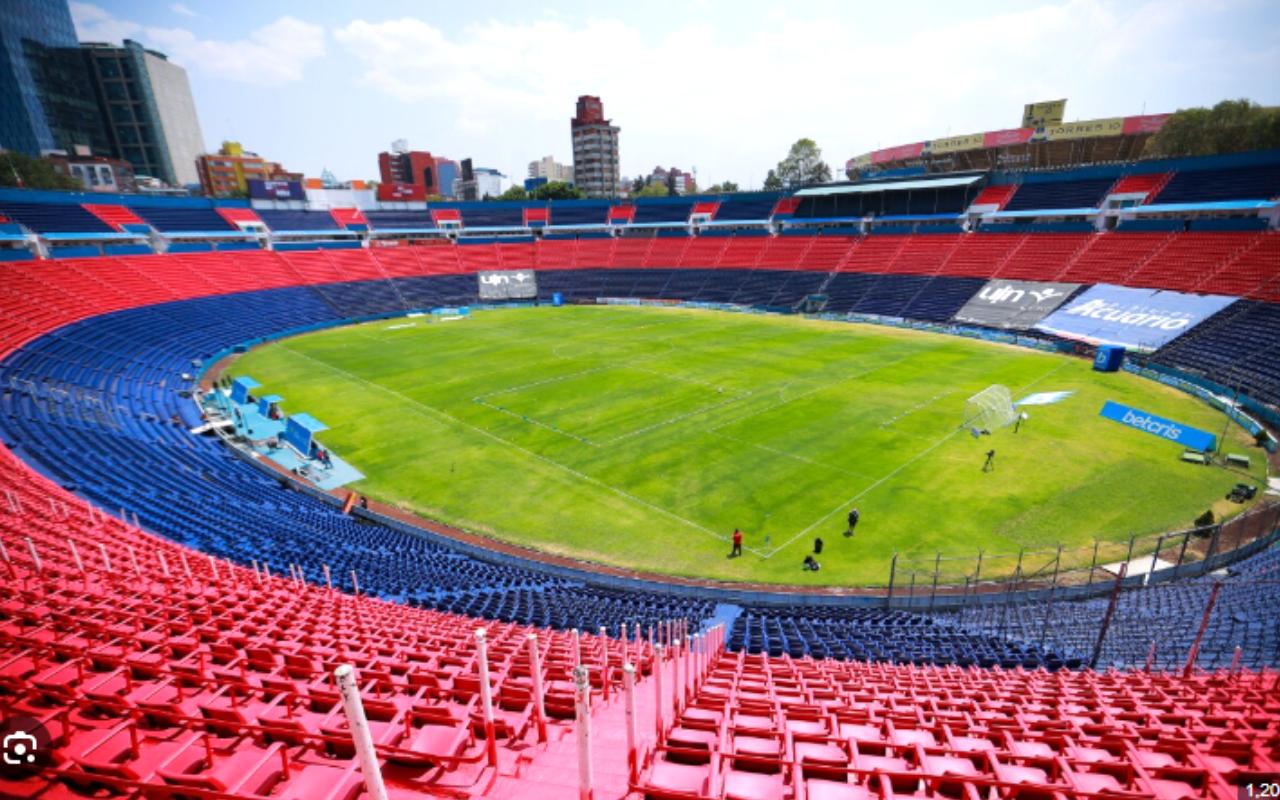
Estadio Ciudad de los Deportes, often called Estadio Azul, is one of Mexico City’s most historic football stadiums. With major Liga MX clubs, including Cruz Azul, Atlante, and Club America, which have used it at different periods, and its location in Mexico City’s Ciudad de los Deportes sports district, visitors often look for its history, capacity, and how to get there.
This guide covers its history, architecture, and visitor information, blending official sources and historical accounts. We explore how and why the stadium was built, its design quirks, which clubs have played there, notable matches and concerts, as well as practical tips for visitors (directions, tickets, accessibility).
Quick summaries are given in an executive summary, a mermaid timeline of key dates, and a comparison table with Estadio Azteca and Estadio Olímpico Universitario.
History of Estadio Ciudad de los Deportes
Origins (1944–1950s) – The stadium’s story begins in 1944 when real estate tycoon Neguib Simón embarked on the Ciudad de los Deportes (Sports City) project.
Designed by engineer Modesto Rolland, the complex was to include venues for baseball, tennis, swimming, bullfighting, and more. Only the bullring (Plaza México) and this stadium were completed.
Originally named Estadio Olímpico de la Ciudad de los Deportes, it opened on October 6, 1946. Early capacity was estimated at around 40,000, but renovations over time reduced the stadium to its current official capacity of 34,253.
Its iconic pit design (field below street level) minimized building height and reflected mid-20th-century stadium design trends, including sunken-bowl construction.
América, Necaxa, and Atlante (1947–1983) – From the start, Liga MX teams moved in. Club América made it home from 1947 to 1955, enjoying an intimate venue before later relocating to Azteca. Necaxa also played here in the 1950s.
Pumas UNAM briefly used the stadium in the early 1960s before moving to their own Olympic venue. Beginning in 1983, Atlante FC made the stadium its home, and fans popularly referred to it as ‘Azulgrana’ during this period. Atlante left and returned multiple times (1989–91, 1996–2002), cementing the nickname Estadio Azulgrana for that era.
Cruz Azul Era (1996–2018) – In 1996, Club Cruz Azul moved in from Estadio Azteca, prompting the first major renovation. During Cruz Azul’s era, it became widely known as ‘Estadio Azul,’ although the official name did not change (‘Blue Stadium’), reflecting the Cruz Azul identity.
Over the next 22 years, Cruz Azul fans filled the stands, sharing the ground with Atlante (back in 2000–02) and occasionally with Tazón México events. By 2018 there were discussions and proposals to redevelop the site into a mixed-use commercial complex on the site, and Cruz Azul did not renew its lease.
On April 21, 2018, Cruz Azul played its final match there (a 2–0 win) before leaving for Azteca. The stadium remained largely unused for several years.
Rescue and Name Change (2020–2024) – In 2020, two Mexico City clubs breathed new life into the venue. Atlante (owned by OCESA’s Cosío family) returned to CDMX to play in the Liga de Expansión MX (second tier). The Azulgrana nickname was revived among supporters, although the stadium’s official name remained Estadio Ciudad de los Deportes.
In 2022, Cruz Azul agreed to a one-year lease to return for some games, while longtime rivals Club América also arranged to use it for Apertura 2023 home matches. A crucial political decision intervened
Mexico City authorities expressed opposition to redevelopment plans and supported preserving the stadium, with then-mayor Claudia Sheinbaum publicly emphasizing the need to protect public-use spaces.
2024 Reopening – With Estadio Azteca closed for World Cup 2026 renovations, Estadio Ciudad de los Deportes was officially reopened in January 2024 for Liga MX. Cruz Azul and Club América scheduled home games there. At different points during this period, Cruz Azul, Club América, and Atlante all used the stadium.
However, local authorities temporarily closed the stadium for administrative and safety review in November 2024 because of concerns over crowd control, traffic management, and safety coordination when simultaneous events were held at the stadium and nearby Plaza México.
It later reopened with additional safety restrictions. In late 2024, Cruz Azul confirmed a move to Estadio Olympic Universitario, while Atlante explored alternative venues. Club América has used the stadium as its home venue since returning there in 2024.
Timeline
| Year | Event |
| 1946 | Opened as Estadio Olímpico de la Ciudad de los Deportes |
| 1983 | During Atlante’s era, the stadium was popularly nicknamed ‘Azulgrana’ by fans. |
| 1996 | Cruz Azul moved in; the nickname “Estadio Azul” became widely used |
| 2018 | Cruz Azul departed for Estadio Azteca |
| 2020 | The ‘Azulgrana’ nickname resurfaced among fans |
| 2024 | Reopened to host Club América and Cruz Azul during renovations at Estadio Azteca |
| 2025 | Cruz Azul moved to Estadio Olímpico Universitario, while Atlante left the stadium and moved its home matches to Estadio Agustín “Coruco” Díaz. |
Architecture and Design of Estadio Ciudad de los Deportes
Estadio Ciudad de los Deportes is notable for its mid-century modern design and seating layout. Its capacity is roughly 34,000 spectators (official figures vary, reflecting later renovations).
The stadium has a number of luxury suites and a 108 × 68 meter natural grass pitch. Unlike most Mexican venues, the field lies in a sunken bowl below ground level, a “pit stadium” design similar to Olympic venues. This results in unobstructed sightlines and an intimate feel: even the upper deck is relatively close to the action.
Inside, seating is arranged in continuous rings with no track – fans are just a few meters from the sidelines. The stadium never underwent major structural changes after 1996, so its core design remains what it was in the 1940s.
Older photos show wooden benches and metal railings; today, seats are plastic, and safety features (handrails, wider aisles) were added for modern codes, albeit reportedly insufficient.
As an older venue, parts of the stadium show signs of aging infrastructure. Lighting meets Liga MX’s 800 lux requirement after upgrades. There are two main (east/west) entrances and smaller side gates. Overall, the stadium has a classic, no-frills character that contrasts with mega-stadia like Azteca.
Teams and Sporting Legacy of Estadio Ciudad de los Deportes
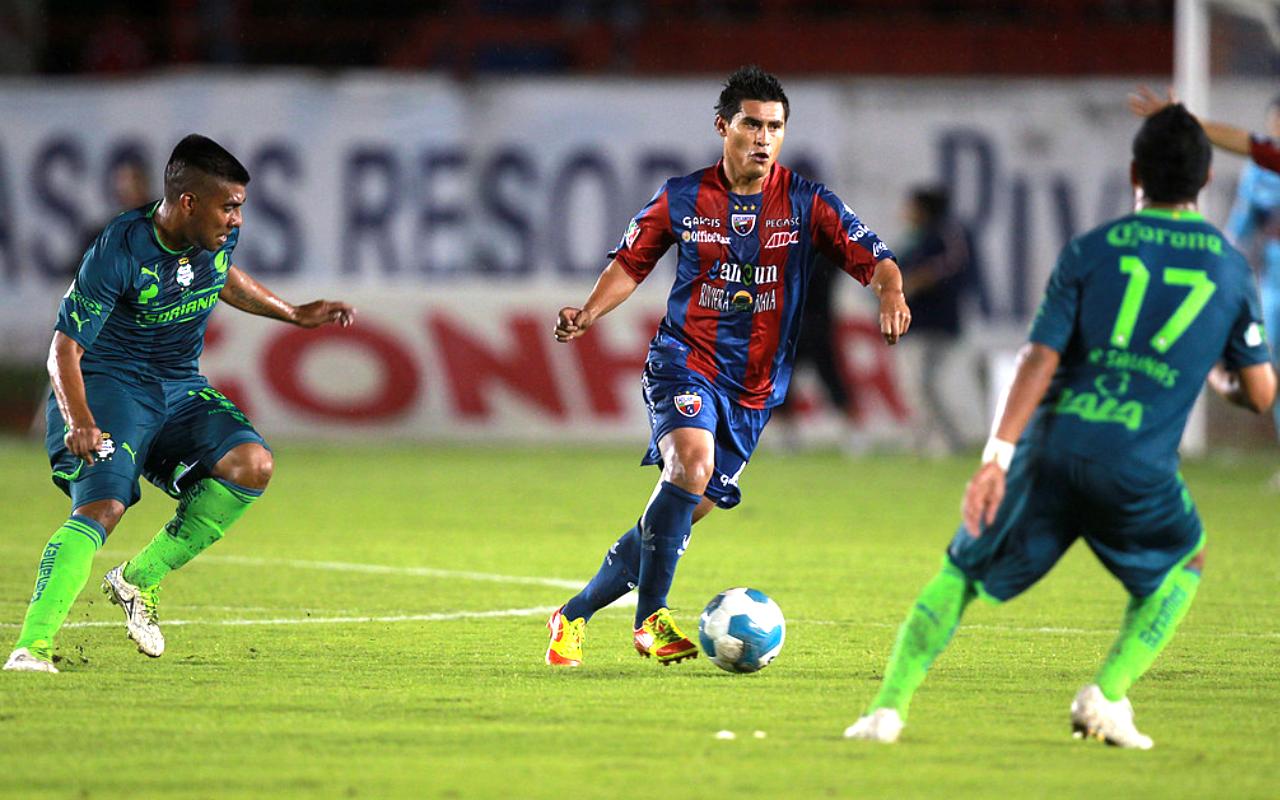
Over its history, Estadio Ciudad de los Deportes has been home to several historic Mexican clubs:
Club América – One of Mexico’s most successful teams, América played here from 1947 to 55. (They moved to Estadio Olímpico Universitario in 1955, then later to Azteca in 1966.) In 2024–25, América returned as a temporary tenant while the Estadio Azteca is being renovated.
Atlante FC – Nicknamed ‘Potros de Hierro,’ the club has used the stadium in multiple periods: 1947–55, 1983–89, 1991–96, 2000–02, and 2020–2024 (Liga de Expansión MX). When Atlante occupied it from 1983 to 96, the venue was known as Estadio Azulgrana.
Cruz Azul – The “Cementeros” moved here in 1996 after 20 years at Azteca. This is when the ‘Estadio Azul’ name became widely used. Cruz Azul played its home games here through April 2018 (their last match was Apr 21, 2018). In Jan 2024, Cruz Azul again returned briefly (for Clausura 2024) before moving to UNAM’s Olimpico in 2025.
Others – Short-term tenants have included Club Necaxa (1950s) and UNAM Pumas (1960s). Importantly, the stadium also hosts American football
The LFA championship, Tazón México, was held here in 2018 and 2019, attracting 15–18,000 fans each year. (Since 2020, Tazón México has moved, due to a combination of logistical changes, league decisions, and scheduling factors.)
Memorable matches at Ciudad de los Deportes include Atlante’s 2021 Liga de Expansión MX title (they defeated Tampico Madero in the final) and Cruz Azul’s farewell win in 2018.
It also hosted Liga MX playoff games (Atlante finals in 2022, etc.). While not a stage for World Cup soccer (it was too old to qualify for 1970/1986 venues), it has seen spirited league derbies, especially the Clásico Joven (Cruz Azul vs. América) inside its walls and “Clásico de Ciudad” games featuring Atlante.
Its role in Mexican sports lore is as a veteran field that has repeatedly been revived by its tenants.
Major Events in Estadio Ciudad de los Deportes
Besides regular league matches, the stadium has hosted a variety of events:
Sports: In addition to football and the LFA finals, the venue has seen national team games (Mexico’s team occasionally played friendlies here in the mid-20th century) and other tournaments.
Concerts and Cultural: Since its reopening in 2024, the stadium has been marketed for concerts and public events. The stadium has also been considered for international tours and large-scale public events.
During games, fans enjoy traditional matchday culture: chants, live music, and local street food vendors outside. While not formally a concert hall, it has hosted pop and rock concerts in the past (during its Cruz Azul era, the stadium hosted concerts and entertainment events, though detailed records of performers vary).
Unique Uses: The stadium complex once hosted boxing matches in the adjacent bullring, and community sports festivals use its open plaza areas.
Overall, Estadio Ciudad de los Deportes is best known as a football venue, but its flexibility has allowed rugby exhibition games, cheerleading competitions, and corporate events.
It now also serves as the temporary home for Club América’s home games (Liga MX Apertura 2023/Clausura 2024), making it a tourist spot for visiting “Águilas” fans.
Visitor Guide to Estadio Ciudad de los Deportes
Address & Location: Estadio Ciudad de los Deportes sits at C. Indiana 255, Col. Ciudad de los Deportes, Benito Juárez, Mexico City (CP 03810). It is one block east of the major thoroughfare Avenida Insurgentes.
The surrounding neighborhood (Nochebuena / Ciudad de los Deportes) is urban and well-served by public transit. Being near the city center, it is about 8 km southwest of Zócalo downtown.
Getting There: The stadium is very accessible:
Metro: The nearest subway stop is San Antonio on Line 7 (El Rosario–Barranca del Muerto). From the San Antonio station, it’s roughly a 10–15 minute walk south to the stadium.
Metrobús: Line 1 (Insurgentes corridor) stops at “Ciudad de los Deportes” right next to the stadium. Coming by Metrobús is convenient from Zapata or Insurgentes Norte.
Bus/Trolley: Many city buses run along Insurgentes; look for routes to Nochebuena or Insurgentes Sur.
Car: Parking at the stadium is extremely limited. Street parking is scarce, and the area is congested before matches. Driving is generally not recommended.
If you must drive, arrive very early or use private garages around Avenida Insurgentes or World Trade Center (WTC). Rideshare services (Uber, Didi) are popular; plan for heavy traffic on Insurgentes during game times.
Walk/Cycle: The area is generally walkable, but visitors should still use normal big-city caution. It is better to come 60-90 minutes before the start of the game because the crowd and traffic management can create some delays.
Tickets: For football matches, buy through club sites or licensed vendors. Tickets for Liga MX games (América, Cruz Azul, Atlante) are sold on Ticketmaster and Club América’s official site. Avoid scalpers.
Prices range widely: a cheap seat might be $200 MXN, while prime central seats (media cancha) can be $600–$800 MXN or more. Bring a government ID and expect bag checks at the gate. Photography policies may vary depending on the event.
Best Seats & Views: Popular Sections B/D mid-height on main sides for a full field view. Sides have less sun/glare than behind the goal. Corners and the upper deck (third level) are higher but still offer good visibility. Avoid obstructed views on the far corners. Club América fans often occupy the west side (in front of section A); visiting supporters typically use the north end sections.
Accessibility and Security: There are certain accessibility features available at the stadium; however, due to its old age, movement may be restricted in certain locations.
Visitors would be better advised to ensure that they have confirmed the existing accessibility arrangements with the event organizer prior to attending. Security is strict: no large backpacks or bottles, only small clutches allowed.
Gates open 2 hours before kick-off. Inside, you will find vendors selling beer and snacks (tacos, nachos) – local favorites include grilled meats and fresh fruit. Basic restrooms (with indoor plumbing) exist on each level.
Safety is generally good; police and private security patrol the area during events. Violent incidents are rare, but it’s wise to keep valuables secure in crowds.
Nearby Attractions, Food, Hotels
Since the stadium is centrally located, there are many things within a short distance:
Plaza de Toros México (Bullring): Right next door is the historic Plaza de Toros México, the world’s largest bullring.
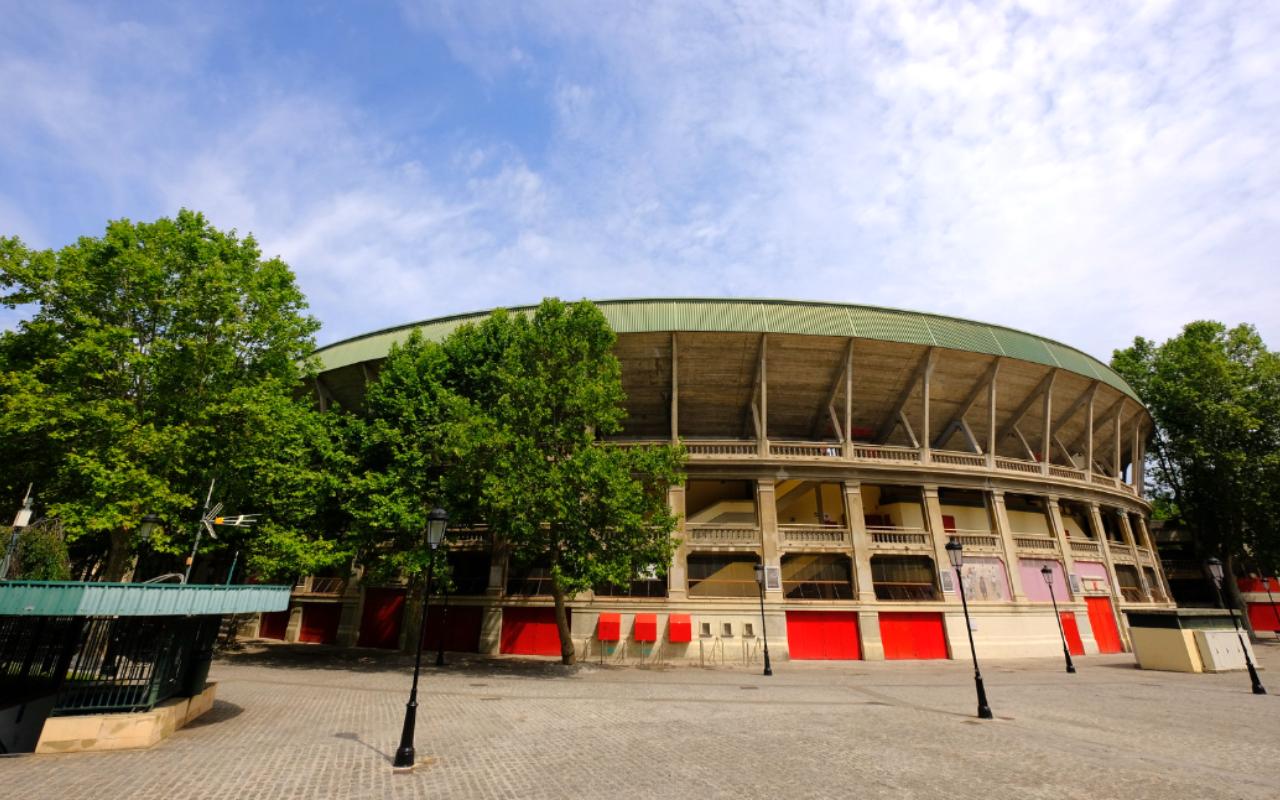
Plaza de Toros México (Bullring)
Even if you’re not there to watch a bullfight, the architecture and surrounding gardens are tourist-worthy. Guided tours of the bullring are offered on non-event days.
World Trade Center CDMX: About 10 blocks north on Insurgentes is the WTC complex (with a skyscraper, concert venue, and movie theaters).
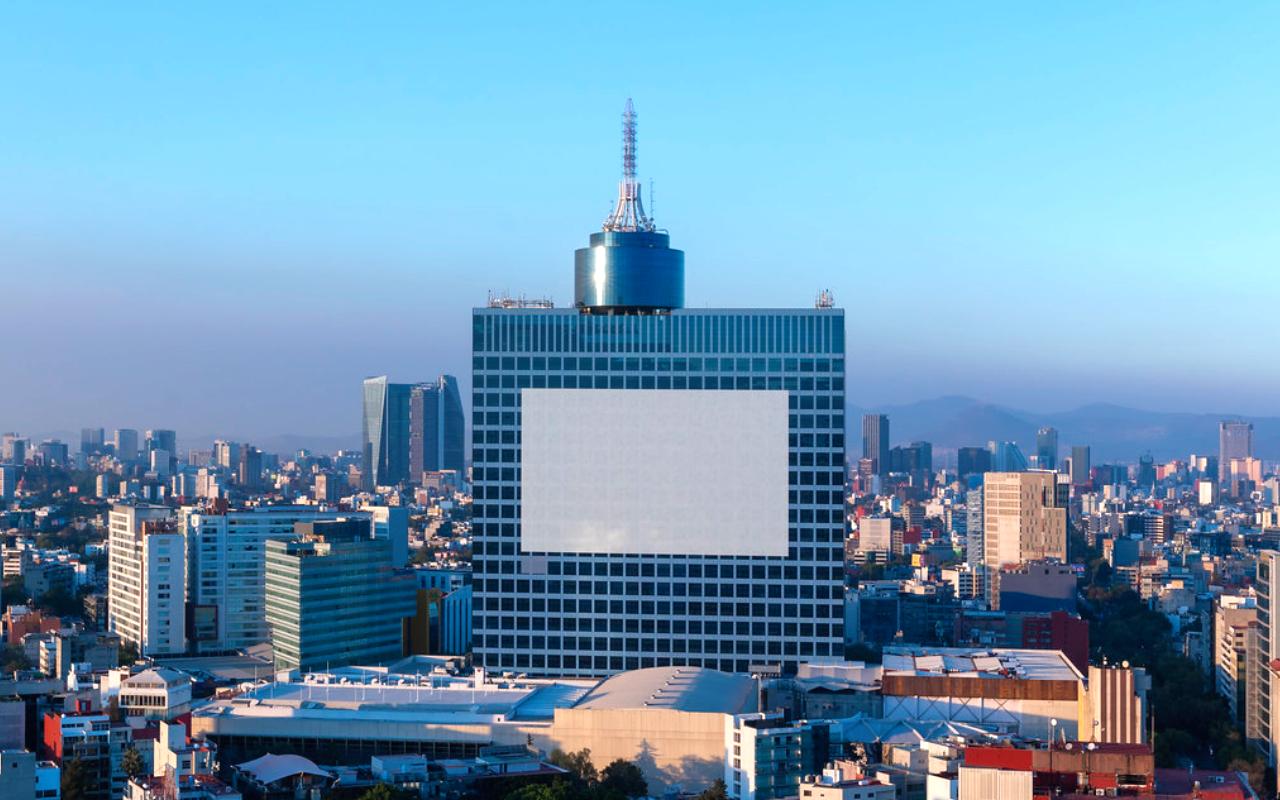
World Trade Center CDMX
It has an observation deck and many restaurants.
Restaurants: Avenida Insurgentes hosts chain restaurants (Toks, Wendy’s, Italianni’s) and local taquerías. Just outside the stadium gates, you’ll find street-food carts with tacos al pastor and quesadillas.
Upscale dining is available a bit farther: in nearby Colonia San Pedro de los Pinos/Del Valle (10–15 min walk), there are trendy bistros and bars. The Zona Rosa and Condesa neighborhoods (reachable via a short Uber ride or Metrobus) offer nightlife, cafés, and international cuisine.
Hotels: For overnight stays, consider Hotel Diplomático and Hotel El Greco, both a few blocks east on Insurgentes Sur. These are mid-range hotels that are visited by sports fans.
JW Marriott, W Mexico City, and other hotels surrounding the WTC (Insurgentes corner) are pricier alternatives. Budget guests often stay in Coyoacán or Centro Histórico (a short Metro ride away) and commute via Metro/Metrobús.
Parks and Museums: A few Metro stops away (Line 7) is Parque Hundido and the Museo Nacional de Arte (MUNAL), for visitors with time to explore Mexico City culture. Alternatively, combine a game day with a stadium tour of Estadio Azteca or Templo Mayor by using transit.
Stadium Comparison
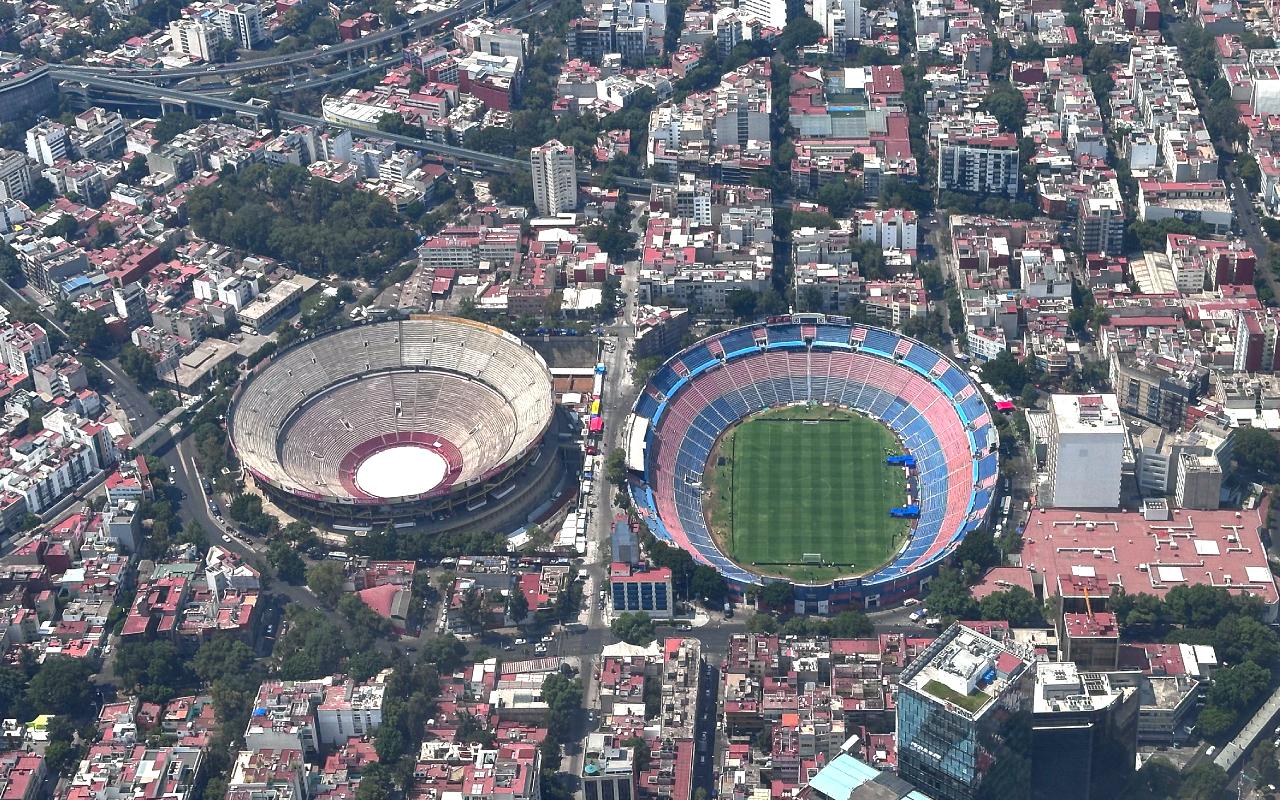
On the right is Estadio Ciudad de los Deportes, home to Cruz Azul, while on the left stands Plaza de Toros México.
| Stadium | Capacity | Year Opened | Atmosphere & Best Use |
| Ciudad de los Deportes (Estadio Azul) | 34,000 | 1946 (original) | Intimate mid-size arena. Known for passionate football matches and LFA Tazón México. Best for local derbies and a historic vibe. |
| Estadio Azteca | 87,523 | 1966 | Colossal football coloso. Renowned for World Cup finals and NFL games. Massive, boisterous atmosphere. Top choice for major Liga MX derbies and international matches. |
| Olímpico Universitario | 69,000 | 1952 | Olympic Stadium with Diego Rivera murals. Historic (1968 Games, World Cup 1986 games). Large crowd energy. Good for international fixtures; also near UNAM campus and city sights. |
Each of these Mexico City venues has a unique character: Ciudad de los Deportes is smaller and more intimate; Azteca is the largest and most iconic; Olimpico is architecturally famous (World Heritage).
Tourists choosing “best for tourists” may prefer Estadio Azteca for size and Pan-Am/World Cup lore, but Ciudad de los Deportes offers a genuine local atmosphere and easier access.
Trivia & Fun Facts of Estadio Ciudad de los Deportes
Nickname: During its Cruz Azul era, it was called “El Azul” (The Blue) or “Azulgrana” in Atlante’s time, reflecting team colors. Today, fans often just say “Ciudad de los Deportes”.
Bullring Next Door: It shares a fence with Plaza México, the world’s largest bullfighting arena, which seats 41,000. On event days, fans arriving for soccer mingle with bullfighting crowds at nearby cafes.
Sunken Field: Similar to ancient Roman amphitheaters, this stadium’s playing surface is dug 10 meters below street level. This design maintains a relatively low profile of the stadium and brings the spectators nearer to the action.
No World Cup Games: Strangely enough, in the cases of Mexico hosting in 1970 and 1986, El Azul never hosted a World Cup game. Organizers cited its age, lack of parking, and undercapacity against newer venues.
Capacity Changes: Originally around 40,000 in 1946, its capacity fell over time. The official capacity is approximately 34,253, though it may vary slightly depending on configuration.
Historical Owners: The Cosío family (owners of OCESA) has controlled it since 2013. Notably, former CDMX mayor Claudia Sheinbaum personally intervened to save the stadium from demolition in 2018, citing the need to “benefit citizens, not just build another mall.”
Location Name: The stadium gave its name to the surrounding Colonia Ciudad de los Deportes neighborhood, which largely sits on what was once sports grounds.
American Football Legacy: Besides the LFA championship, the stadium was home to the Liga Mexicana de Fútbol Americano (LMFA) teams in the 2000s and hosted NFL Europe exhibition games.
Future Prospects of Estadio Ciudad de los Deportes
As Mexico prepares for the 2026 FIFA World Cup (Azteca is being overhauled), Estadio Ciudad de los Deportes has enjoyed a temporary revival. However, its long-term future is uncertain.
The stadium’s long-term role may change as teams return to larger venues. Cruz Azul has already relocated to Estadio Olimpo Universitario, and Club América is still in Estadio Ciudad de los Deportes.
The future of the stadium will be based on club decisions, future schedules, and approvals by the city. Some analysts suggest the stadium could face reduced use after major renovations elsewhere are completed.
There is currently no confirmed redevelopment plan in place, although the future of the stadium is unclear in the long run. Owners might repurpose it (concert hall? new sports facility) or eventually revisit the original idea of a commercial complex.
Any change will require city approval and community support. For now, fans hope it remains as Mexico City’s cherished “old faithful” stadium, rather than be lost to history.













-
 0115 Best Easy Treks in Nepal for Beginners and Families
 -
 02Best season for Everest Base Camp Trek
 -
 03Best Time to Go Hiking in Nepal: A Seasonal Guide for Trekkers
 -
 04Suchi Purja –Wife of Nirmal Purja aka Nims Dai
 -
 05Dubai desert safari outfit ideas
 -
 06Top Beaches in Sri Lanka
 -
 0710 Best Easy Treks in Nepal