
Now Reading: Mtende Beach Zanzibar: Everything You Need to Know Before Visiting
-
01
Mtende Beach Zanzibar: Everything You Need to Know Before Visiting

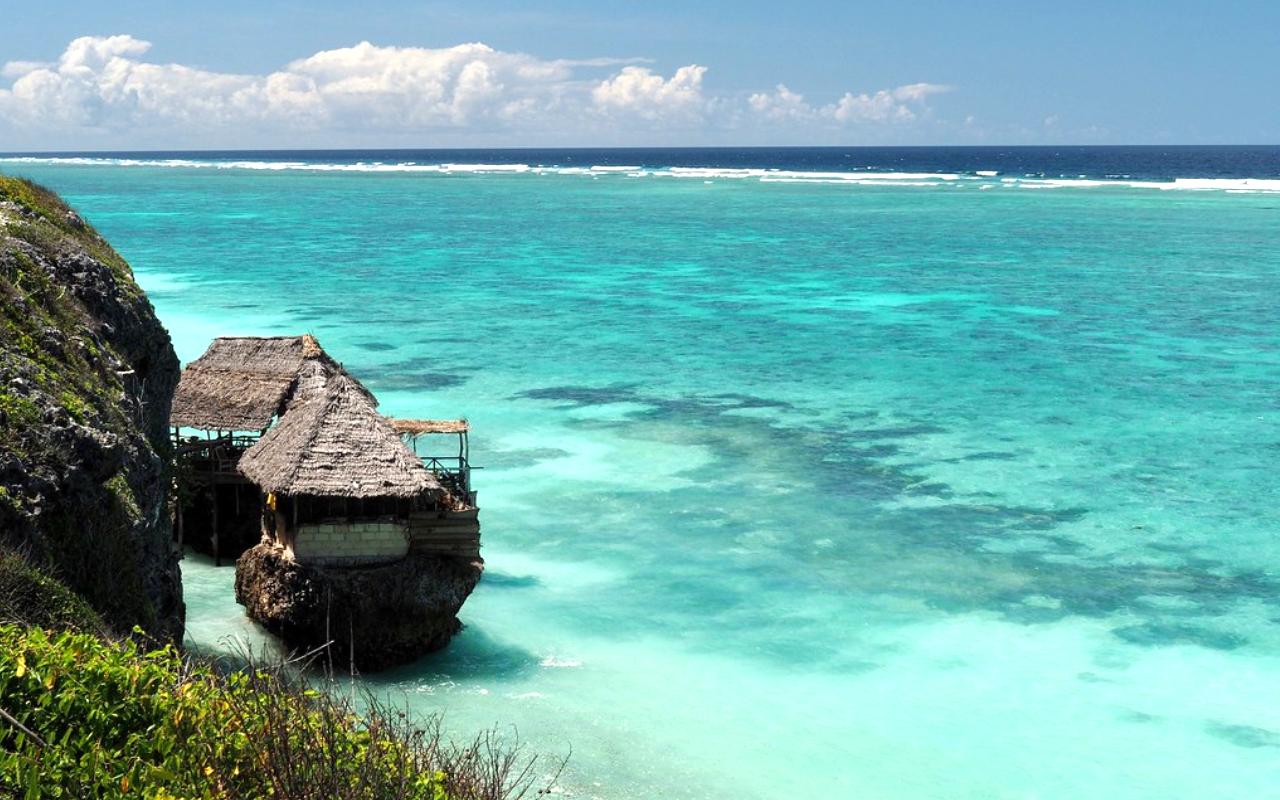
The Mtende Beach, Zanzibar, is a serene and beautiful beach located on the southeast of the island. Surrounded by coral cliffs, it offers a peaceful and natural place away from crowds.
Limestone cliffs rise sharply on either side of powder-white sand, framing a turquoise tidal lagoon that seems almost prehistoric.
When the tide goes out, the water retreats hundreds of meters and reveals a wide sandy lagoon perfect for wading. Local fishermen launch traditional dhows here, mending nets by the shore and giving visitors a glimpse of Zanzibar’s coastal life as it once was.
Mtende has been called a “best-kept secret” of Zanzibar. Mtende is not a commercialized place like the resort beaches are, and it is a wild and pure place, having very few commercial facilities.
The minimal structures that exist are a handful of modest beach bungalows and tiny local food outlets, so that the environment is serene and age-old. We will explore all you need to know about Mtende Beach in this guide: its location, its uniqueness, the best activities, and tips and tricks (tide timetables included!).
You can be a photographer who is trying to find the next best photo, you might be a nature lover who only wants to find a quiet place, or you might be a traveler who wants something out of the ordinary, but Mtende Beach will surprise you.
| Quick Fact | Details |
| Location | Southeast Unguja (Zanzibar) in Menai Bay Marine Park |
| Nearest Village | Mtende Village (Jozani–Kitogani area) |
| Distance from Stone Town | 62 km (approx. 1h 30m by car) |
| Travel Time by Car | 1.5–2 hours (depending on road conditions) |
| Best Time to Visit | Dry seasons: June–October & December–February |
| Beach Type | Secluded coral cove with high cliffs |
| Entrance Fee | Small conservation fee (2,000 TSh per person) |
| Activities | Swimming (low tide), tide-pool exploration, nature walks, photography |
| Access | 4×4 car to end of road; short walk down steps |
| Crowd Level | Very low (virtually crowd-free) |
Where is Mtende Beach Located?
Mtende Beach lies at the southern tip of Unguja, Zanzibar’s main island. It is located on the southern side of Zanzibar, close to the Menai Bay Conservation Area, which is a marine conservation area with diverse marine life.
The beach sits just south of Makunduchi village, surrounded by baobab-studded wilderness and towering coral cliffs. Nearby Kizimkazi (known for dolphin tours) and the small Mtende fishing community are the only settlements within a few kilometers.
By road, Mtende is about 60–65 km from Stone Town, taking roughly 1.5–2 hours depending on road conditions. The journey takes you through rural Zanzibar: acacia savannas, vast fields of sisal and cassava, and groves of ancient baobabs.
From the busier southeast coast hotels (like Paje or Jambiani), it’s a shorter 30–60 minute drive. The final stretch is on a narrow dirt track, so drivers often use sturdy 4×4 vehicles. Beyond this point, the road winds down to the beach.
The setting is extremely quiet and off the beaten path. There are no big resorts around, and Mtende gets the impression of a secret sanctuary. Its juxtaposition of wild coral cliffs and dense baobab forest gives the place an almost prehistoric vibe.
This deep-south location means very few other tourists arrive, making Mtende Beach a true escape from Zanzibar’s more popular spots.
How to Get to Mtende Beach
Getting to Mtende Beach takes some planning because it’s off the beaten path. There is no direct public bus to Mtende. Most guides note that “public transport access is limited,” so visitors almost always arrive by private car or tour.
If you hire a taxi or rent a car in Stone Town, expect a 1.5–2 hour drive (around 65 km). Many drivers or tour companies will take you straight to Mtende Beach and wait for you or come back for you later.
If you fly into Zanzibar’s airport (ZNZ), the drive to Mtende is roughly 70 km (about 90 minutes). Metered airport taxis (white vans) can take you all the way to Mtende for roughly \$60–\$80.
Some travelers coordinate a tour or transfer that includes Mtende Beach along with other south-coast attractions (like dolphin-watching in Menai Bay or the Jozani Forest). These tours handle all transport and usually time your arrival for low tide.
For independent travelers on the southeast coast, renting a scooter is possible. Rental shops in Paje or Jambiani offer scooters and motorbikes (around \$10–\$20/day).
The ride is scenic but requires care: the main road is paved until near the end, then you continue on loose coral sand. Inspect and wear helmets. Alternatively, you can hire a local tuk-tuk (auto-rickshaw) from nearby villages if you prefer not to drive.
Another budget option is to take a dala-dala (shared minibus) partway. For example, ride a dala-dala to Jambiani or Kizimkazi, then grab a local taxi or tuk-tuk to Mtende. This saves money but can be time-consuming and usually is only worth it if you’re on a very tight budget.
Guided day trips and private transfers are the easiest choices for most visitors. Several tour operators in Stone Town and along the east coast offer Mtende Beach excursions.
These include hotel pick-up, a knowledgeable driver who times the tides, and often a lunch stop. Just be sure to arrange pick-up times in advance, as mobile phone coverage at Mtende is spotty.
When you arrive, note there may be a small local entry fee, so it’s best to carry some cash. It’s wise to have cash ready (no ATMs on-site). Also pack water and snacks, as facilities at Mtende are minimal.
In general, hiring a private taxi or joining an organized tour is the stress-free way to reach Mtende Beach. Once you navigate the narrow final road, you’ll descend to the sand of Mtende and begin your off-the-grid Zanzibar adventure.
What Makes Mtende Beach Unique?
Mtende Beach is a spectacular natural location. A pair of giant coral reefs creates a lee shore with clear-blue water and white sand. At low tide, the sea pulls back into a large, shallow lagoon, leaving gentle pools ideal for wading.
This ever-changing landscape has been described as “intimate and cinematic”. Surrounded by ancient baobab trees, Mtende has a “hidden, wild, and prehistoric” vibe. Its crashing cliffs, hewn by the sea into holes and vaults, furnish a movie-set background to adventure.
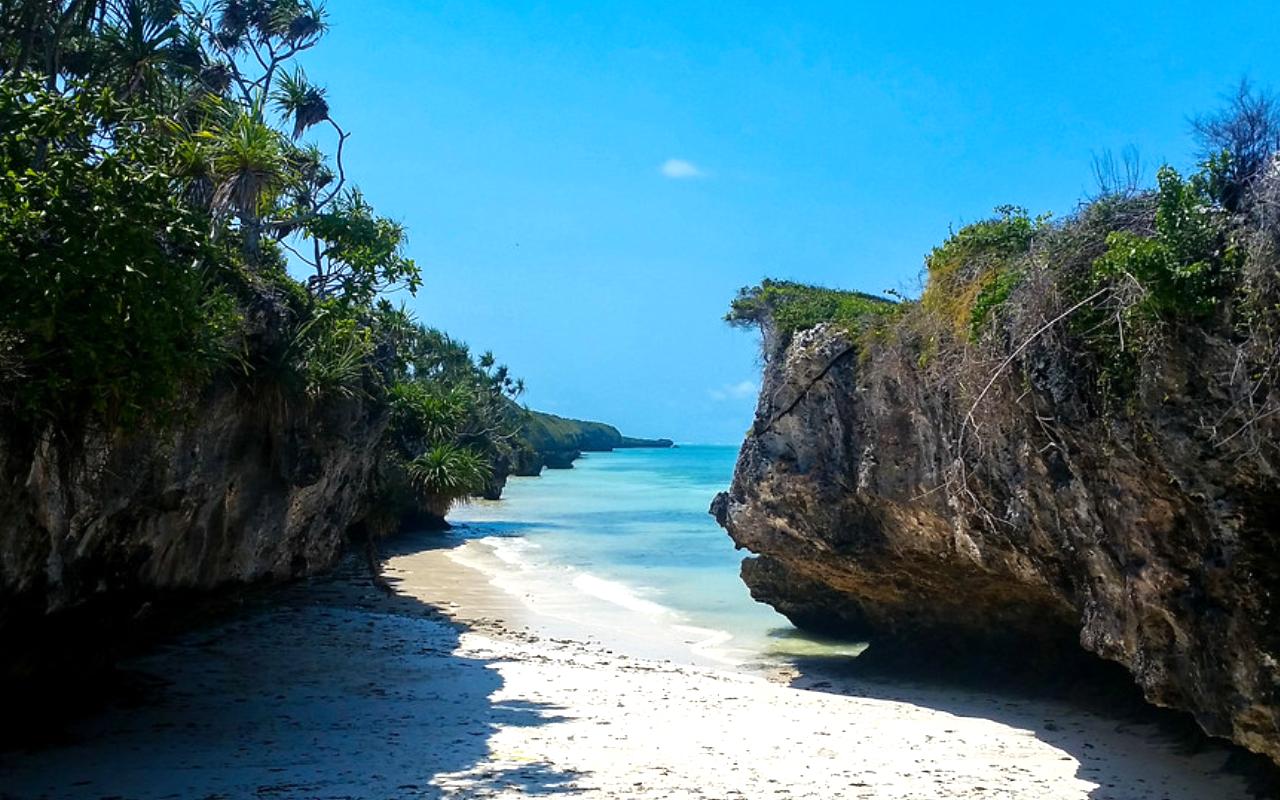
Mtende Beach
The other important characteristic is the local life that is real. Mtende is a working fishing beach, and nothing here feels staged for tourists. In wooden dhows, fishermen sail the lagoon, and nets are mended on the sand. Children of Mtende Village play freely on the shore.
You will also hear Swahili gossip and observe real life: fish drying in the sun, goats roaming in the fields, and villagers dragging catches in the evening. No neon, no souvenir booths, and only the quietness of waves and wind.
Mtende also has special attractions for adventurous visitors. The cliff edge has an iconic rope swing, which is seated on and swinging out over the lagoon, and is an adventure and a must-have photograph.
Exploration is like a treasure hunt because during the low tide, the bare reef shelves have thousands of tiny marine life. Even one of the travel guides remarks that it is as if every single detail in Mtende makes you want to relax and enjoy the moment.
Overall, Mtende is practically undisturbed by the tourist business, which makes the experience as enriching as it is uncommon.
Things to Do at Mtende Beach
Relax on the sand: Mtende is the best destination to rest. The white sand is soft, and there are no cliffs as high as those between which it is stretched, and no one may be in sight.
Lay down on a towel or hammock and have the endless sight of blue water. Listen to the wind and waves; the beach is utterly quiet. There are no beach bars or loud music here, just pure serenity.
Relax and have the serene environment embrace you.
Swimming and tide-pool exploration: Swimming: Here, swimming is subject to the tide. When there is a low tide, the sea moves back to a shallow, warm lagoon that is shielded by the coral reefs.
These crystal waters are ideal for gentle swimming, wading, and snorkeling in the exposed coral patches. When the tide recedes, dozens of little tide pools are visible, filled with little fish, crabs, and starfish.
Photography and sightseeing: Mtende is a dream for photographers. The scenery transforms with the light and tide. Look for colorful reflections in the still pools at sunrise, or dramatic shadows on the cliffs in the afternoon.
A famous shot is the wooden rope swing hanging from the cliff, swinging out over the empty lagoon, and capturing Mtende’s wild vibe. Zanzibar’s official guide even highlights Mtende’s “dramatic cliffs & ancient baobabs” as its main attraction. Every angle here feels like a natural masterpiece.
Observe local fishing life: One of Mtende’s greatest charms is its authenticity. It is not a tourist beach, but it is a working fishing village. Watch fishermen in the early morning or in the late afternoon put out their traditional dhows, pulling in their nets, and sorting the haul on the sand.
Some of the locals might even demonstrate their catch or how they sail, should you ask them nicely. It is a unique opportunity to experience a genuine Swahili life along the coast.
Keep in mind etiquette: it is always better to ask someone whether he/she wants to be photographed, and do not disrespect the villagers.
Explore hidden coves and rock pools: During low tide, areas of the reef are accessible to walk, creating mini-hiking trails along the cliffs. You may walk along the arches of the rocks and through the natural tunnels to find out about the secret pools and small coves.
These pools often shelter colorful starfish, urchins, and small reef fish. The landscape at Mtende is like a natural maze that reshapes with each tide. (Be careful, guides note that rising water can cut off sections of the reef, so pay attention to the tide schedule.)
Combine with nearby sights: Many visitors pair Mtende Beach with other southern Zanzibar experiences. Just a few kilometers north is Menai Bay, known for ethical dolphin-watching cruises.
(Many tour operators bundle a Mtende visit with dolphin spotting.) For lunch or sunset, one can also stop at The Rock Restaurant (built on an offshore rock) nearby.
Other popular add-ons include snorkeling in Salaaam Cave or wildlife visits at Jozani Forest. In short, treat Mtende as a highlight of a full-day southern Zanzibar tour; this way, you can see even more unique attractions in one trip.
Best Time to Visit Mtende Beach
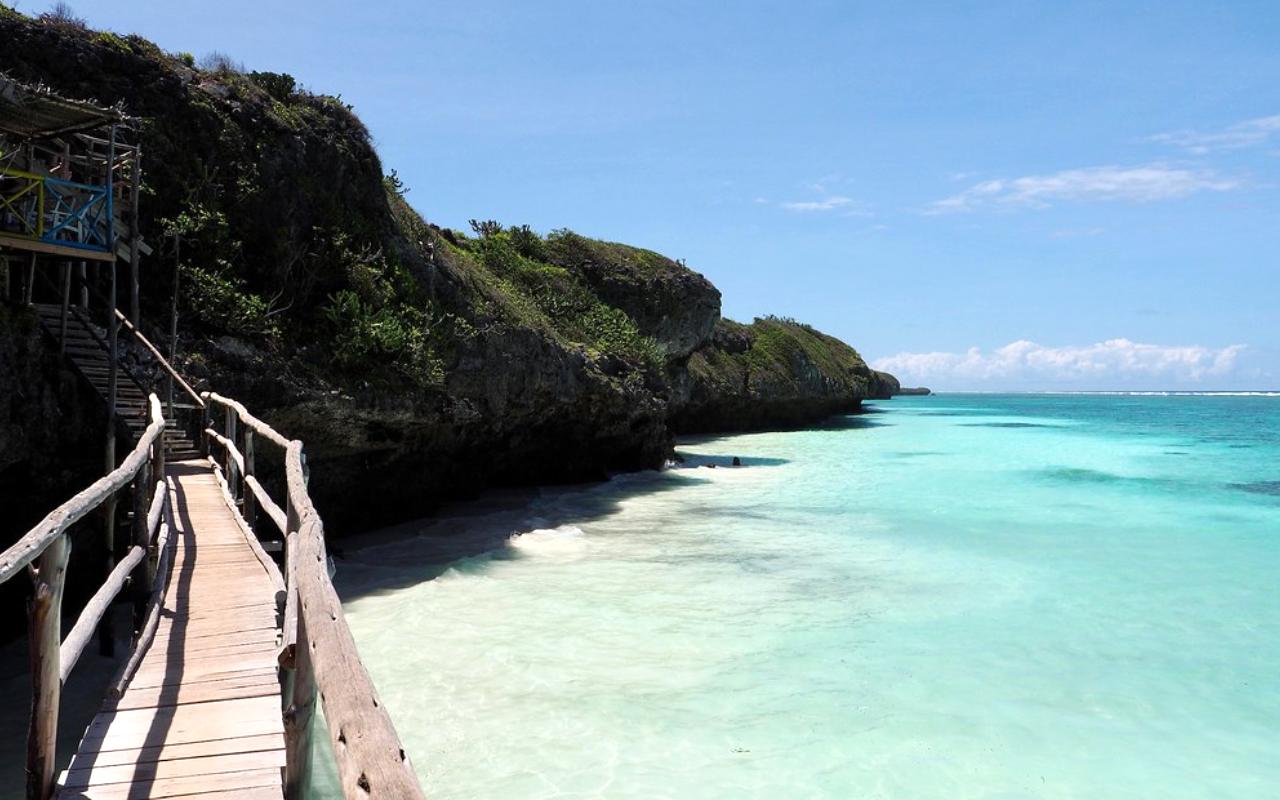
The dry seasons generally offer the most reliable weather for Mtende Beach. Zanzibar’s climate has two dry periods: June–October and late December–February. During these months, you’ll enjoy warm, pleasant weather with minimal rain.
June–October tends to be breezy and slightly cooler, while December–February is hotter and very sunny. The off-season (March–May) brings the long rains: the island becomes lush and green, but heavy downpours are common. November can have short rains or storms, so many travelers avoid it.
More crucial than the month is the tide schedule. Mtende Beach is defined by its tides. You want to plan your visit around low tide, when the extensive lagoon and tidal pools appear. At high tide, the beach is mostly submerged.
Check a local tide chart (many websites and apps cover Zanzibar tides) and aim to arrive 1–2 hours before low tide. On a clear day, preferably during the dry season, visit to have the best views and to ensure that there is safe walking, also consider the time of day.
Mornings and late afternoons provide a soft golden light that illuminates the cliffs, and the pools of water sparkle. Midday sun can be very bright (great for swimming but harsh for photos).
Even in the rainy season, Mtende can be enjoyed on the relatively dry intervals between showers. In summary: try to visit during dry-weather months, and always plan around the low tide window to see Mtende at its best.
Tide Guide for Mtende Beach
Tides are the key to Mtende Beach. The coastline here transforms dramatically between high and low tide.
At low tide, the Indian Ocean pulls back (often by hundreds of meters) and reveals a broad sandy lagoon. This shallow, sheltered lagoon is perfect for safe swimming and exploration.
You can walk far out on the exposed reef and explore hidden tide pools filled with marine life.
By contrast, at high tide, the water floods the entire cove almost up to the stairs. The beach shrinks to a narrow strip, and currents become stronger.
In simple terms: avoid arriving at high tide if you want to enjoy the sand and pools.
In practice, plan your Mtende visit around low tide. Check a tide chart and aim to arrive 1–2 hours before low tide so the beach is exposed when you get there. Many travelers go with a guide or driver who times it for them.
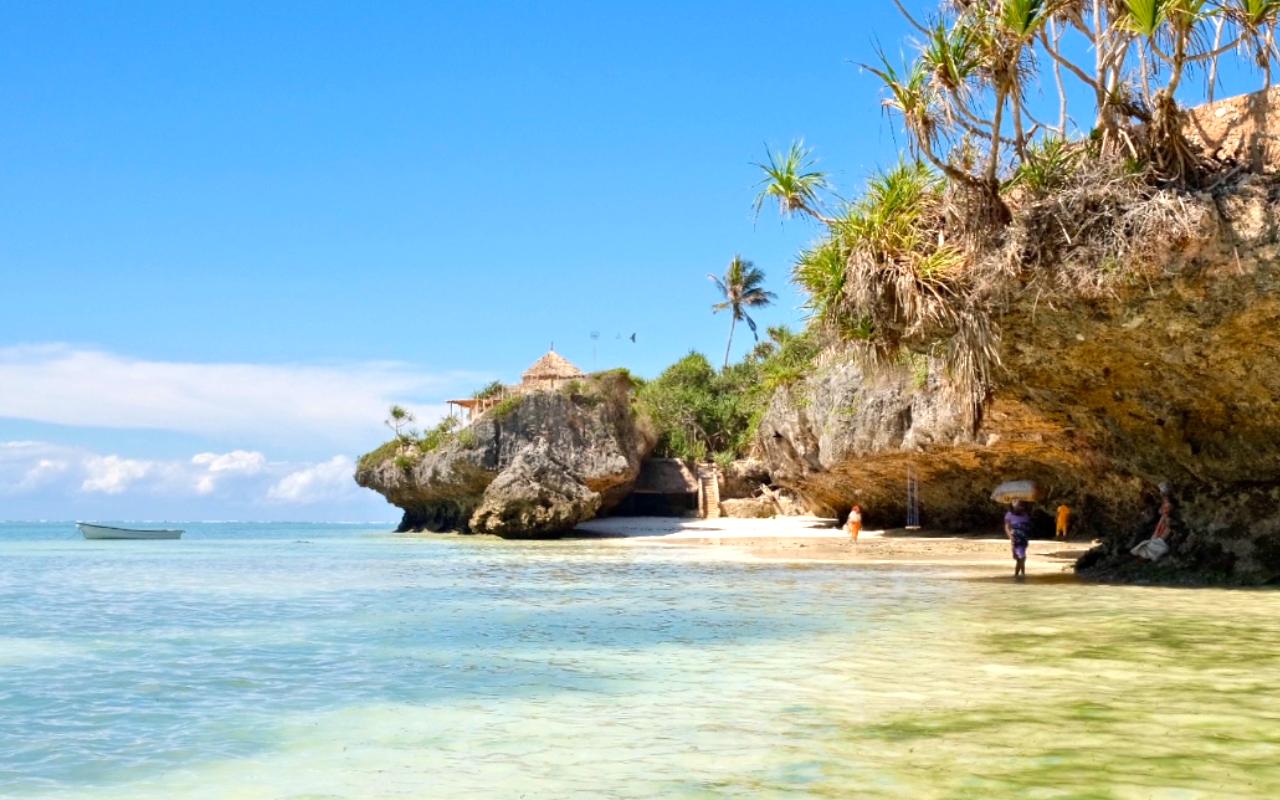
Note that the difference can be dramatic: Mtende’s high–low tide swing can expose well over hundreds of meters of sand. One moment you might be wading from the wooden steps, and a few hours later you’re strolling on sun-baked reef.
This tidal shift (sometimes called a “lunar landscape”) is what makes Mtende special. Just be cautious: never turn your back to the sea, as waves can rush back faster than expected. By planning with the tides, you’ll see Mtende Beach at its fullest glory.
Accommodation Near Mtende Beach
Lodging options right at Mtende Beach are very limited. The main one is the Eden Rock Zanzibar hotel (sometimes just called Eden Rock). This small cliffside lodge has a handful of cozy rooms and a restaurant, and is about a 5-minute walk from the sand.
Another nearby option is the Mtende Beach Bungalows (also known as Beach Bungalow Ocean View), a basic beachfront guesthouse. It offers simple rooms, an on-site eatery, and even provides airport shuttle service.
For more variety, consider staying a little farther away. The closest villages with tourist accommodations are Jambiani and Paje, each about a 30–60 minute drive north. These East Coast towns have dozens of hotels, lodges, and guesthouses.
You’ll find everything from affordable beach huts and eco-lodges to mid-range resorts. Staying in Jambiani or Paje allows easy day trips to Mtende while giving you more dining and lodging choices.
A few rustic lodges are also scattered near Mtende: for example, Baobab Africa Lodge (set among baobab trees) is a short drive inland. Most of these are simple, family-run places.
In summary: expect no luxury at Mtende itself. The closest accommodations are Eden Rock and the Beach Bungalow. Otherwise, book in Jambiani/Paje for the comfort of more amenities. (High season fills them up, so reserve ahead.)
Food and Dining
Food choices at Mtende are extremely limited, so come prepared. There are a couple of small local restaurants on site. Eden Rock Restaurant (affiliated with Eden Rock Hotel) has a small creative menu, think Italian pizzas and pasta or Swahili seafood dishes, often made from the catch of the day.
Mains here run about 20,000 Tanzanian Shillings (roughly \$10). The setting is nice (wooden deck, candles at sunset), but note that service can be slow and prices are higher.
The other option is Usumba Rock Restaurant, a tiny open-air shack right on the beach. Usumba serves simple, delicious Swahili fare, grilled tuna steak, vegetable curries, freshly baked chapatis, and local sides. Prices are much lower (around 8,000–10,000 TSh per dish). Both restaurants use fresh local ingredients and are a real taste of Zanzibari cuisine.
That’s it for food at Mtende. There are no grocery stores or snack bars here. Bring water and snacks for the afternoon. Also carry cash (Tanzanian shillings), even Eden Rock prefers cash, and you’ll need cash for the 2,000 TSh entrance fee.
For more dining options, drive north after your visit. The villages of Jambiani and Paje have dozens of restaurants, everything from beach grills and seafood cafés to pizza joints and curries.
(The famous Rock Restaurant in Michamvi, for example, is often paired with Mtende trips.) But if you plan to eat at Mtende, aim to have lunch at Eden Rock or Usumba, since there are no alternatives nearby.
Travel Tips for Mtende Beach
Check the tide schedule: Mtende Beach depends on low tide. Plan to arrive 1–2 hours before low tide to fully enjoy the lagoon and tidal pools. Use a tide app or ask your driver to time it right. A local guide will usually ensure you hit the beach at the perfect moment.
Wear proper footwear: The trail and beach can be rocky. Good sandals or reef shoes are essential for exploring safely. (High heels or flimsy flip-flops can’t handle the coral; sturdy sandals are best.) In the water, reef shoes also protect your feet from sharp coral and sea urchins lurking in the shallows.
Bring essentials: There are no shops at Mtende. Pack drinking water, snacks, sunscreen, a hat, and sunglasses. A dry bag is handy if you have valuables. Also carry cash, as both restaurants and local drivers take only shillings. Don’t forget the 2,000 TSh entry fee per person.
Expect no facilities: Facilities at Mtende are very limited, with little to no infrastructure such as toilets, wifi, or a reliable phone signal. Use the restroom before you arrive. Bring a fully charged camera and phone. Many travelers call this a good chance to “unplug” and just enjoy the natural setting.
Respect local customs: Remember, you’re visiting a working village. Dress modestly when not on the sand (especially if you wander toward the village). Always ask permission before photographing people or their boats, and be courteous. The locals appreciate respectful tourists.
Safety first: There are no lifeguards here. Never turn your back on the sea. Be cautious when swimming; only do so at low tide. Supervise children closely. If you rent a small boat or kayak (rare here), wear a life vest. It’s a good idea to hike or explore with a buddy or guide.
Transport advice: If renting a vehicle, a 4×4 is best for the bumpy road. Agree on pickup times with your driver in advance (cell signal is weak). If driving a scooter, ride slowly on the last sandy stretch. Always negotiate taxi prices upfront if you didn’t pre-book.
You will have a safe and enjoyable trip to Mtende with these tips. Keep in mind that it is worth it: Mtende treats those who are ready to travel with its really unique, uncivilized beauty.
Pros and Cons of Visiting Mtende Beach
Pros:
Mtende provides a sense of adventure and total calmness. It is practically empty of people; you can even have the whole beach to yourself. The landscape is remarkable: sharp coral cliff, blue pits, and old baobabs create a magnificent picture.
It is a truly Zanzibari experience as you watch actual fishermen in action and experience nature untouched. In one of the travel guides, Mtende is actually called a quiet and non-commercial place where one can experience the wild side of Zanzibar. These rewards are better than any inconveniences to many visitors.
Cons:
The downside is that Mtende has no facilities and cannot be reached. There are no hotels, shops, or cafes on the beach, only two small restaurants.
There are no toilets, no showers, and no lifeguards. The road is rough, and the beach itself disappears at high tide. In practical terms, your visit is constrained by the tide schedule.
If you need shade, easy comforts, or nonstop swimming, Mtende will feel challenging. As one guide bluntly notes, Mtende has “no beach bars or vendors, no public toilets or conveniences”. So know that it is a back-to-basics adventure.
To conclude, Mtende is a place of heaven for nature people and loners, but not those tourists who desire everything. The advantage of unparalleled beauty and serenity is counter-balanced by the disadvantage of isolation and few services.
Mtende Beach vs. Other Zanzibar Beaches
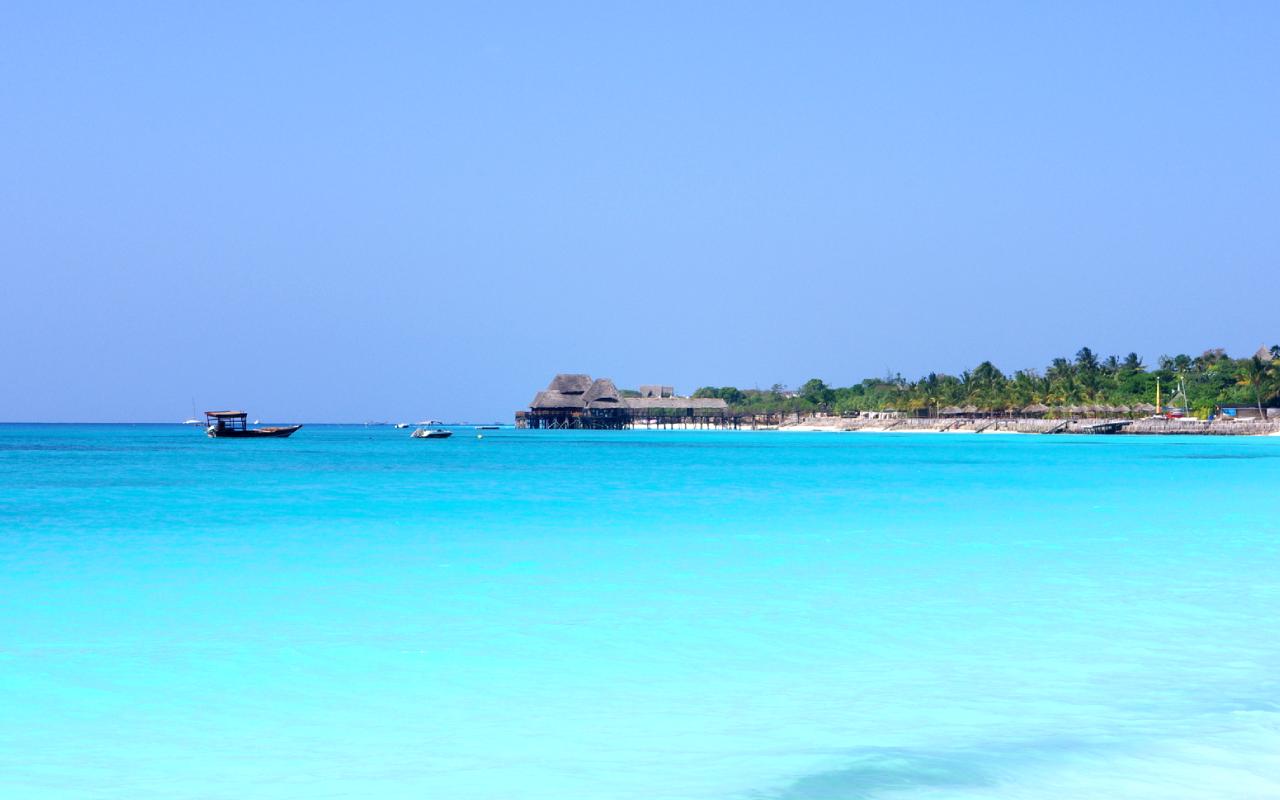
Kendwa Beach
Mtende Beach offers a very different vibe from Zanzibar’s more famous beaches. Up north, Nungwi and Kendwa have wide-open sands, beach parties, and many resorts – they stay busy well into the evening. Mtende, in contrast, is as far from that scene as you can get. There are no beach clubs, no disco – just calm nature.
On the east coast, popular spots like Paje and Jambiani buzz with kitesurfing, cafés, and a backpacker crowd. These beaches have plenty of amenities and water sports, but Mtende remains low-key and remote. Paje’s reef is famous for kite surfing, while Mtende’s reef is famous for being quiet.
Another comparison is to Menai Bay (near Kizimkazi). Both are on Zanzibar’s south coast, but Menai Bay has a few modest hotels and dolphin tours. Mtende is even quieter. Some travelers view Mtende as a “wild sister” to Kendwa: similarly beautiful but without development or visitors.
Essentially, Mtende is the place to be if one desires real seclusion. For convenience, nightlife or assured water sports are of importance; the north and east beaches will be better. However, when it comes to an off-the-beaten-path adventure with a peaceful setting, Mtende Beach is in a category of its own.
Is Mtende Beach Worth Visiting?
For many travelers, absolutely yes. Mtende Beach is highly recommended if you value nature and solitude. It’s often cited as one of Zanzibar’s most memorable spots.
In fact, travel blogs rave that “Mtende Beach in Zanzibar is a sanctuary where nature and tranquility reign, it promises a uniquely enriching experience”. They note that “every aspect of Mtende encourages you to slow down and savor every moment”.
Of course, Mtende isn’t for everyone. It requires effort to reach and some flexibility (tides, lack of facilities). If you prefer all-day beach service, bars, and nightlife, you might pass.
But many visitors who do make the trip say they wouldn’t trade the experience for anything. The quiet, the landscape, and real village life impress.
Overall, Mtende Beach is well worth the money in case you are the type of traveler who loves the wild nature of the coastline and does not mind the primitive conditions there.
It is an opportunity to enjoy Zanzibar in a more natural, silent, and normal manner. Memories of a kind you will never forget, being in Zanzibar, are usually the best thing to take away from a trip to Zanzibar.










-
 0115 Best Easy Treks in Nepal for Beginners and Families
 -
 02Best season for Everest Base Camp Trek
 -
 03Best Time to Go Hiking in Nepal: A Seasonal Guide for Trekkers
 -
 04Suchi Purja –Wife of Nirmal Purja aka Nims Dai
 -
 05Dubai desert safari outfit ideas
 -
 06Top Beaches in Sri Lanka
 -
 0710 Best Easy Treks in Nepal