
Now Reading: Things to See in Munich: Best Places to Visit in Munich Germany (2026 Guide)
-
01
Things to See in Munich: Best Places to Visit in Munich Germany (2026 Guide)

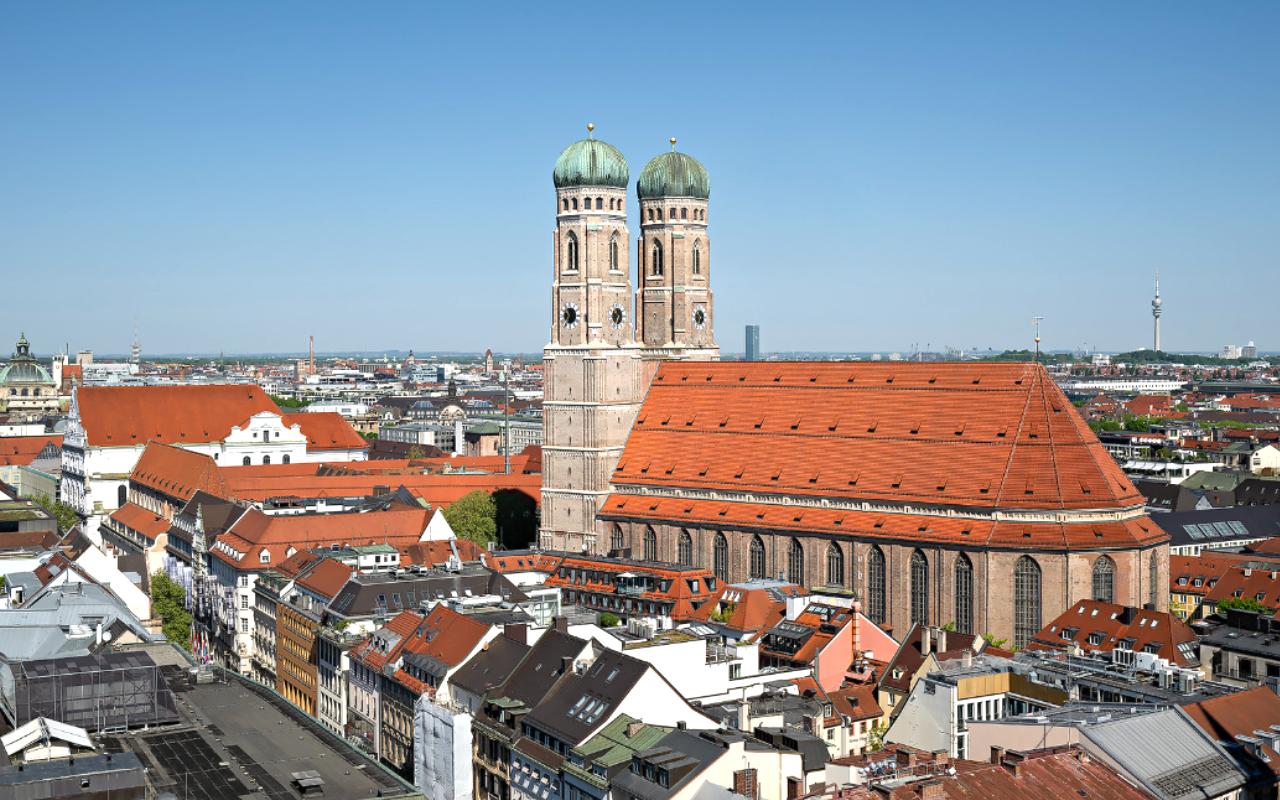
If you are looking for the best things to see in Munich, this guide will help you explore top attractions, hidden gems, and must-visit places in Munich Germany.
The capital of Bavaria and the third largest city in Germany is Munich (German: München). It attracts tourists due to its best museums, historic buildings, vibrant culture of beer, and well-known festivals.
Marienplatz, a busy square, is the center of the city, surrounded by the fairy tale Neues Rathaus (New Town Hall) and the twin spire Frauenkirche (Cathedral of Our Lady).
Whether it be the historic attractions or contemporary ones, Munich Germany, has a lot of amazing things to see and memorable places to visit for every traveler.
The old town is surrounded by medieval churches, baroque palaces, and open markets, and outside the old town are huge parks, Olympic sports facilities, state-of-the-art museums, and even a soccer world stadium. The city of Munich is an inexhaustible, fascinating place due to its abundant history and the influence of modern Bavaria.
It is a guide to everything that is best to see in Munich; it includes classic sights, as well as local secrets, with all of them being a tourist guide.
You will find the top attractions you cannot miss in the Altstadt (Old Town), such as the Glockenspiel at the Marien Platz and the baroque Residenz palace, the outdoor favorites such as the Englischer Garten and the Nymphenburg Palace. The ideal starting point to visit Munich is at Marienplatz, which is among the best places to visit in this city.
We also describe how to organize your trip, providing practical information (transport, best season, etc.), and day-trips (Neuschwanstein, Dachau, Salzburg), in case you want to go beyond the city.
At the end of this guide, you will have an in-depth itinerary of the best places to visit in Munich and all the particulars you would require to get the most out of your trip.
Quick Facts: Munich at a Glance
| Fact | Detail |
| City | Munich (München) |
| Country | Germany |
| State | Bavaria (Bayern) |
| Population (2024) | 1,604,000 |
| Area | 310.7 km² (city proper |
| Elevation | 520 m (above sea level) |
| Language | German (official) |
| Currency | Euro (€) |
| Time zone | Central European Time (UTC+1, CEST in summer) |
| Major airport | Munich Airport (MUC) – 35 km northeast |
| Other Airports | Memmingen (FMM, 110 km), Salzburg (SZG, 140 km) |
| Website | muenchen.de (city portal) |
Where is Munich & How to Get There
Munich sits in southern Germany on the River Isar, about 50 km north of the Bavarian Alps. It’s well-connected by air, rail, and road. Munich’s main airport is Franz Josef Strauss Airport (MUC), about 35 km northeast of the city center. Munich Airport is one of Europe’s busiest, offering flights to destinations worldwide.
From the airport, you can take the S-Bahn trains (lines S1 and S8) directly into the city center (Marienplatz station) in under 40 minutes. Long-distance trains (ICE/IC) also serve Munich Hauptbahnhof (Central Station), linking to cities across Germany and Europe.
If you’re driving, Munich lies at the junction of major highways like the A9 (toward Berlin) and A8 (toward Stuttgart and Salzburg).
Once in Munich, getting around is very easy thanks to the comprehensive public transport network. The city’s S-Bahn (city trains), U-Bahn (subway), trams, and buses cover almost every corner of Munich.
A single ticket covers buses/trams and the metro (U-Bahn/S-Bahn) zone you need. For airport travel, an “Airport-München XXL” ticket or the Premium S-Bahn ticket covers the outer zone.
The Munich Card or City Pass can be cost-effective if you plan to visit many attractions (it includes public transit). Taxis and rideshares are also plentiful but more expensive.
Many visitors find Munich extremely walkable in the center; you can stroll between Marienplatz, Viktualienmarkt, Karlsplatz, and the Residenz area in no time.
Best Time to Visit Munich
Munich has a continental climate: warm summers and cold winters. Summer (June–August) is the peak tourist season with daily highs of 22–25 °C. Days are long and perfect for outdoor beer gardens and festivals, but crowds (and hotel prices) are highest.
Winter (November–February) is very cold (often below 0 °C) but festive, Munich hosts Christmas markets, and January-February bring Starkbier (strong beer) festivals. Oktoberfest (mid Sep to early Oct) is the city’s biggest event, drawing millions.
Rooms book out a year in advance, and beer tent fun is a bucket-list experience. Spring and fall are shoulder seasons: April–May and late Sept–Oct offer mild weather and fewer tourists.
The Englischer Garten and outdoor biergartens are lovely in spring, and fall foliage around Nymphenburg and Linderhof palace shines with color.
No matter the season, Munich’s schedule is packed. In warmer months, don’t miss the traditional Kocherlball (a folk dance event held at dawn in July).
In winter, the Marienplatz Christmas market opens in late November. And year-round, you’ll find music concerts, beer festivals (Frühlingsfest in April, Tollwood festival in summer), and cultural events.
A quick summary:
- Spring: blooming parks, bright evenings, Easter markets.
- Summer: beer gardens, open-air concerts, Lake Starnberg excursions.
- Fall: Oktoberfest, chestnut festivals, colorful parks.
- Winter: Christmas markets, ice skating (e.g. in Karlsplatz/Weißwurstmarkt), cozy beer halls.
Top Things to See in Munich Germany
Marienplatz and the Neues Rathaus
Marienplatz
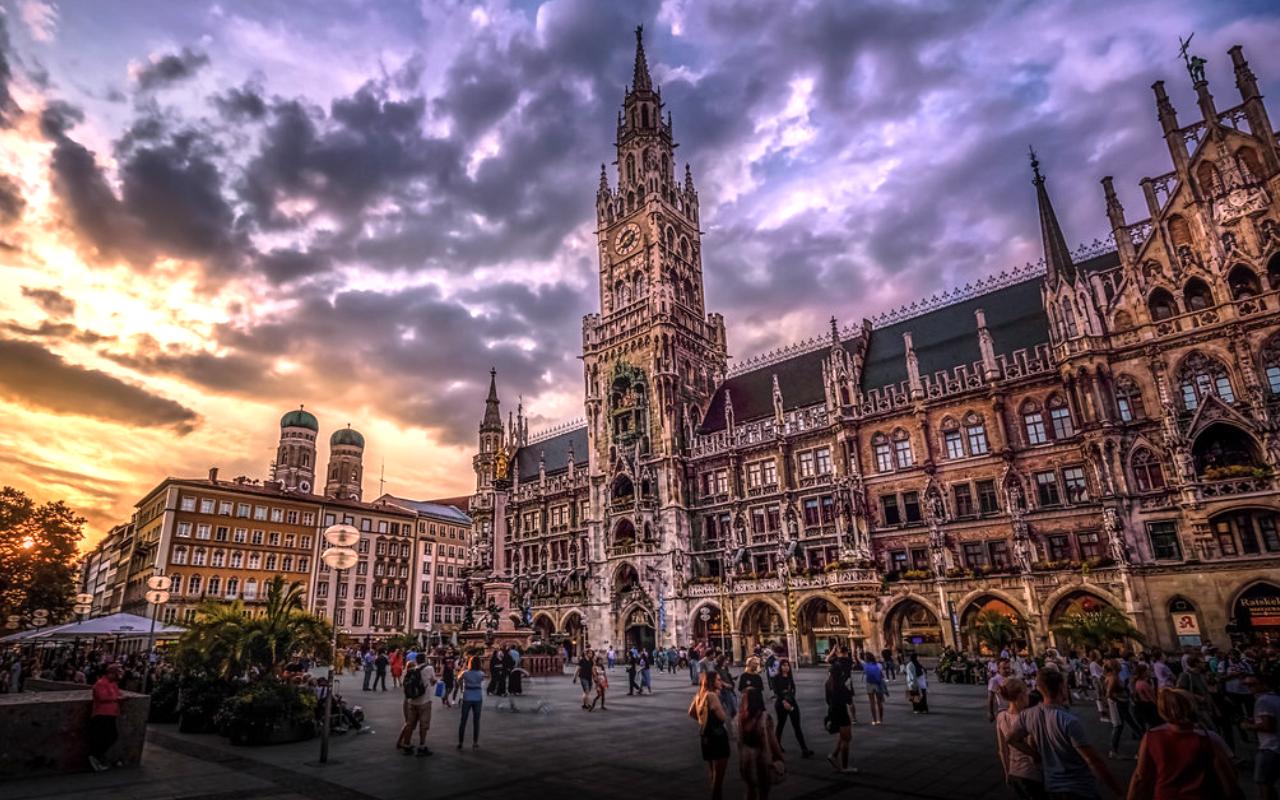
Marienplatz is Munich’s historic heart and a must-see. The square has been the city’s central gathering place for centuries. Dominating one side is the Neues Rathaus (New Town Hall), an elaborate Neo-Gothic building completed in 1908.
Every day at 11 am (and also noon and 5 pm in summer), the Rathaus’s famous Glockenspiel clock chimes to life. It’s 43 bells, and moving figurines reenact old Bavarian stories, drawing crowds to watch the show. The Rathaus also has an observation deck tower open to visitors, offering panoramic city views (book tickets onsite).
Across the square stands the Altes Rathaus (Old Town Hall), a red brick Gothic tower dating to the 15th century. Both halls face off across open cobblestones, which host street performers, festivals, and the daily farmers’ market.
On hot afternoons and crisp winter evenings, locals sip beer at Marienplatz’s perimeter cafes. The Marienplatz area also contains many shops and historic arcades, making it a great starting point for sightseeing. From here you can walk easily to Viktualienmarkt, Frauenkirche, and the Residenz.
Frauenkirche (Cathedral of Our Lady)
Frauenkirche
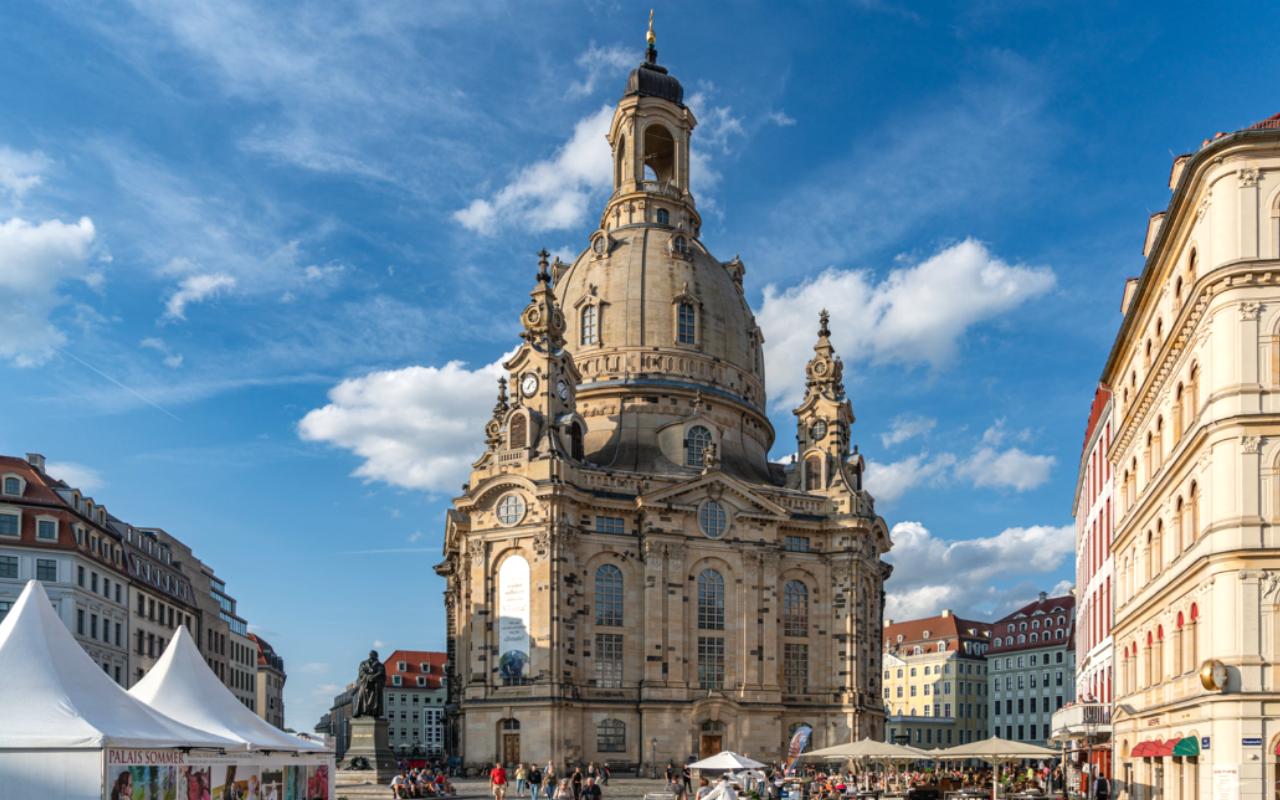
The Gothic Frauenkirche is Munich’s iconic cathedral, visible from many points across town. Its twin 98-meter towers topped with green onion domes define the city skyline.
Constructed in the late 15th century, the interior is surprisingly austere for such a large church. Yet it holds Munich’s largest church organ and the famous “Devil’s Footprint” legend at its entrance.
Legend says the devil once visited the church and stomped his foot on the floor; look closely and you’ll spot a footprint shaped like a cloven hoof.
Despite World War II damage, the Frauenkirche was rebuilt shortly after the war. Today, it stands as Munich’s most famous landmark. You can visit the South Tower viewing platform, which involves a short climb followed by an elevator, offering great views over Marienplatz and beyond.
Be sure to admire the cathedral’s brick walls and the clock on the West façade as you arrive; it has a deep red dial that contrasts with the lighter brick.
This iconic cathedral is one of the most famous things to see in Munich Germany.
Viktualienmarkt (Open-Air Food Market)
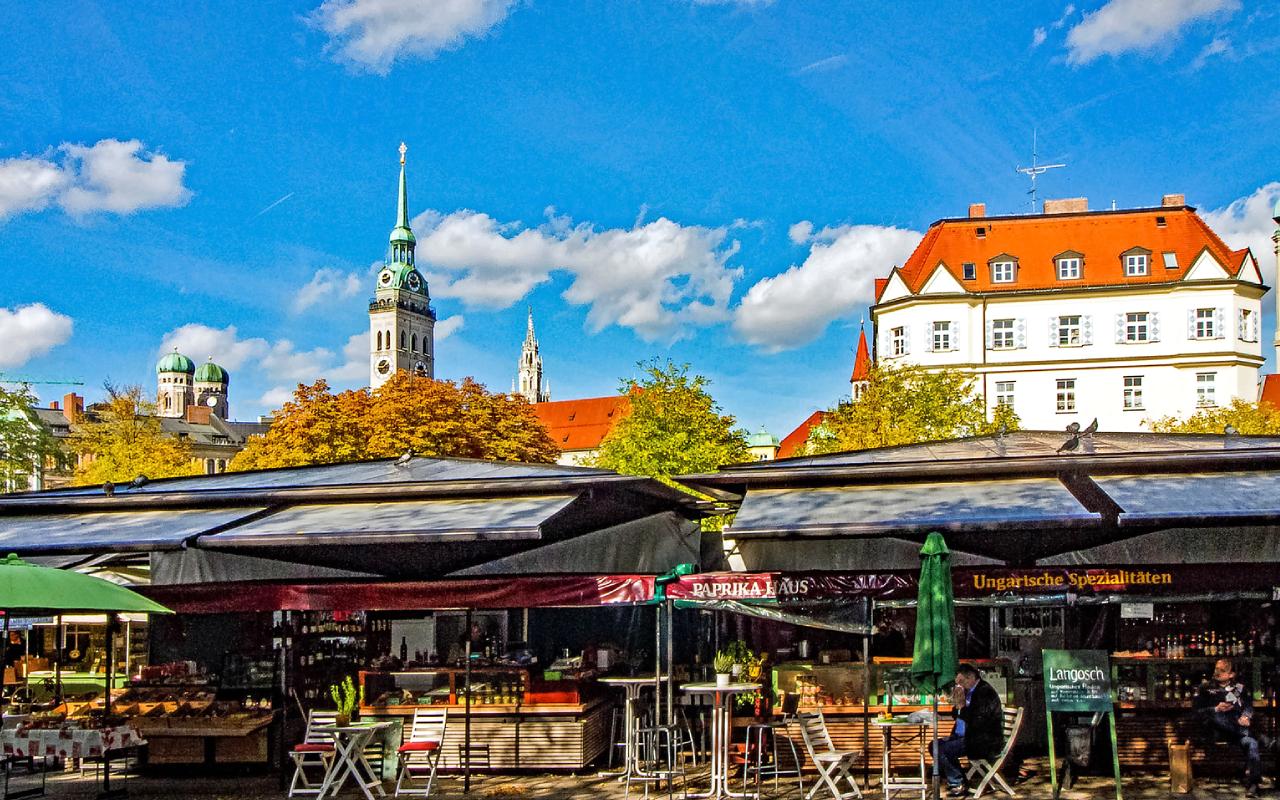
Just south of Marienplatz is the Viktualienmarkt, Munich’s beloved daily food market. What began as a small farmers’ market in the 19th century has grown into a gourmet paradise.
Here you’ll find over 100 stalls and small shops selling everything from Bavarian sausages, cheeses, and bread to exotic spices, wines, and flowers. In the market’s center stands a tall maypole (Maibaum) decorated with symbols of Bavarian trades.
On any morning, locals and tourists stroll the paths, sampling pretzels and snapping up seasonal produce. Munich’s most central beer garden is also here: it rotates taps of beer from all six Munich breweries under the chestnut trees. It’s a social hub – expect to rub elbows with office workers, students, and beer-lovers.
Stalls at Viktualienmarkt are open daily except Sundays and holidays. Highlights include the famous Honighäusl honey stall (try their spicy honeys) and the Munich Suppenküche soup kitchen stand.
Don’t miss the tiny pastry shops selling homemade cakes or the old butcher shops with sizzling wurst on the grill. Even if you’re not buying, just wandering through the colorful stalls is one of the “best things to see in Munich” for foodies and photography buffs alike.
Nymphenburg Palace and Gardens
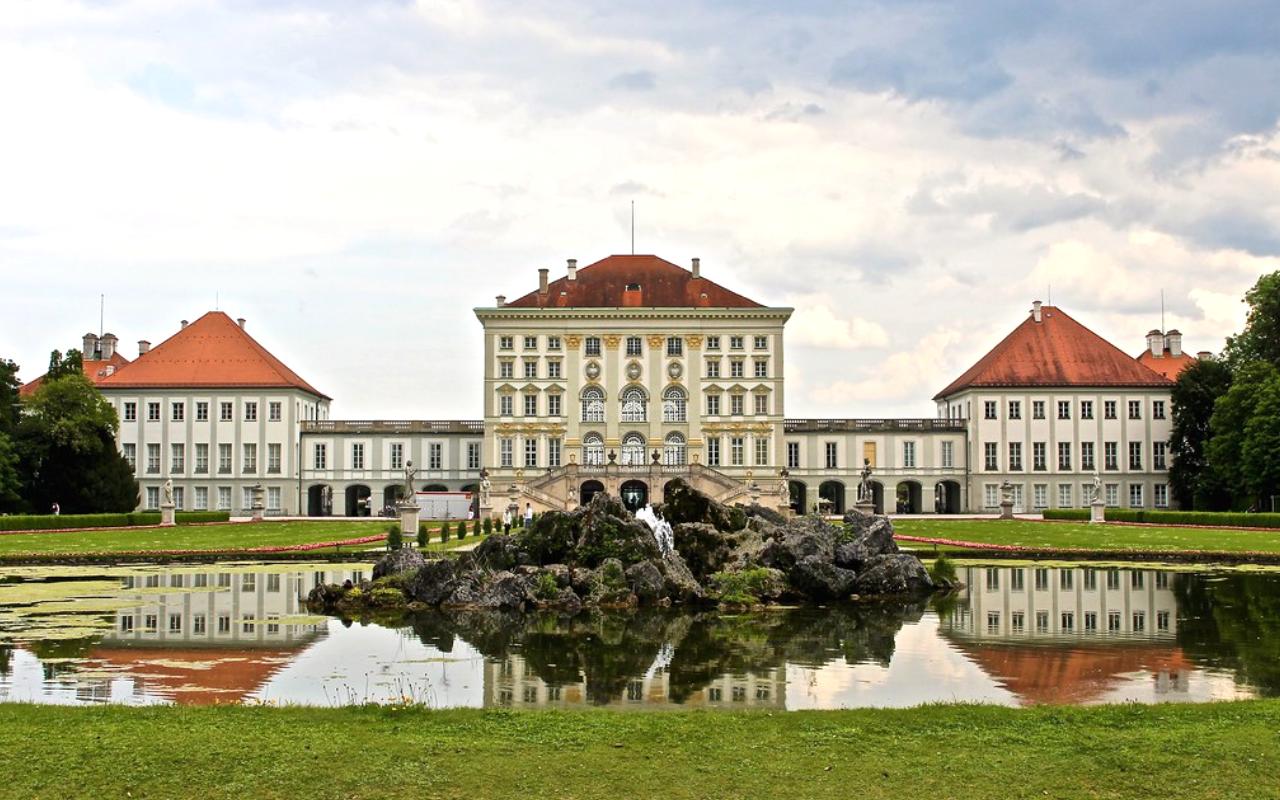
Nymphenburg Palace
In Munich’s west lies Schloss Nymphenburg, a stunning Baroque palace and gardens dating from the 17th century. It was the summer residence of Bavarian rulers and remains one of Europe’s largest palaces.
The vast estate covers 180 hectares, making it Munich’s second-largest park after the English Garden. The palace’s long façade (nearly 700 m) overlooks ponds, fountains and floral gardens.
Inside, visitors can tour the opulent central palace building, with lavish state rooms and the famous Gallery of Beauties painted by King Ludwig I.
The grand Hall of Antiquities showcases classical statues, while the “Schönheitengalerie” portrays portraits of Bavarian beauties. Beyond the palace, the Nymphenburg Park unfolds in a Baroque style with tree-lined avenues and a Canal lake.
Don’t miss the Amalienburg, a rococo hunting lodge with a gilded Hall of Mirrors, or the Moorish Kiosk in the gardens.
Nymphenburg is well worth a half-day. It is easily reached by tram or bus (lines 17 and 27) from the city. In summer, the gardens are perfect for a picnic or a rowboat on the lake.
The palace complex, its park, and museums together form “one of the largest palaces in Germany”, offering a tranquil escape from the city bustle.
Englischer Garten (English Garden)
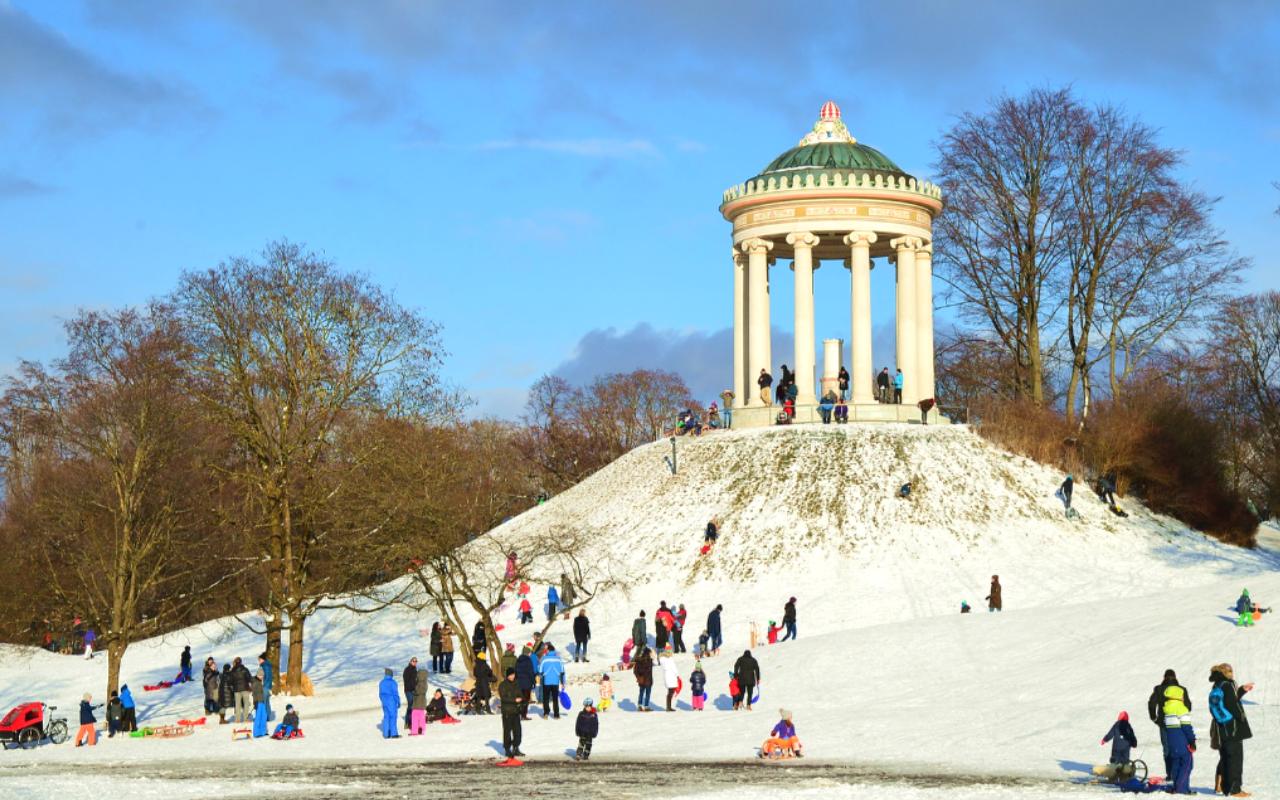
Englischer Garten
The Englischer Garten is a green oasis running through central Munich, often cited as one of the world’s largest urban parks. It stretches about 5.5 km from the city center northward to the Isar floodplains.
At 375 hectares, it’s even bigger than New York’s Central Park. Locals flock here year-round for picnics, paddling, jogging, or sunbathing.
Key sights in the park include the hilltop Monopteros temple, which offers sweeping views of the city’s skyline (Frauenkirche, Theatinerkirche, and Neues Rathaus are all visible).
A short distance away stands the iconic Chinesischer Turm beer garden, where you can sit under chestnut trees with a liter mug of Helles beer. Farther north, check out the Japanese Tea House or boats on Kleinhesseloher See lake.
One unforgettable sight is the Eisbachwelle, a perennial man-made standing wave on a side arm of the Isar in the park. Skilled surfers gather here every day, riding the wave even in winter; it’s one of the city’s quirkiest spectacles.
The English Garden also hosts events like open-air theatre and concerts, and in midsummer, the traditional Kocherlball dance party at sunrise. With its lush lawns and waterways, the Englischer Garten is an essential thing to see in Munich for nature lovers.
Residenz and Hofgarten
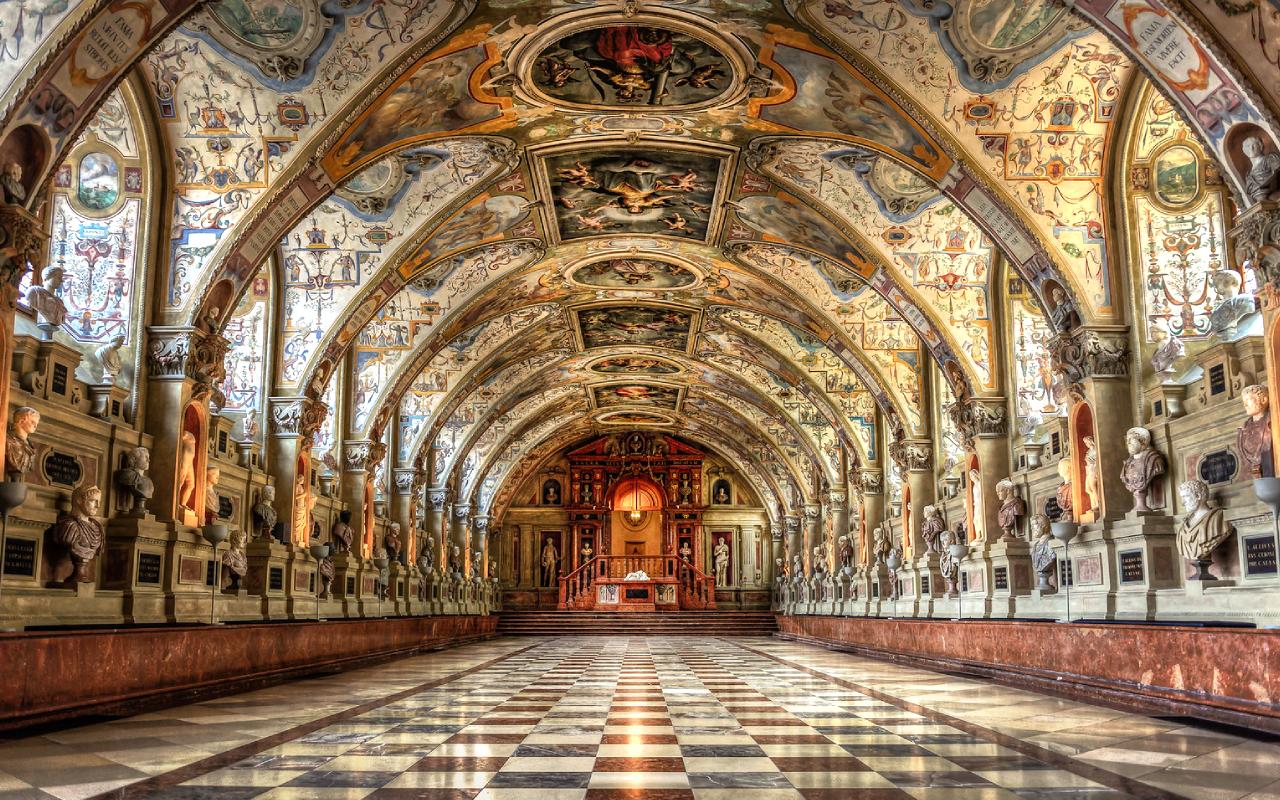
Residenz
The Munich Residenz is the former royal palace of the Bavarian Wittelsbachs. It was continuously expanded from its 1385 origins and became the seat of government from 1508 until 1918. Today, it is the largest city palace in Germany.
The Residenz’s lavish rooms, from Renaissance halls to Rococo chambers, display the dynasty’s wealth and taste. Highlights include the Antiquarium (Europe’s oldest preserved Renaissance hall), the opulent Hall of the Four Seasons, and the Cuvilliés Theatre (a rococo opera house). There is also a Treasury with crown jewels and swords.
Most of the Residenz was rebuilt after World War II, but it remains a vast museum complex. Visitors often spend hours wandering its 130 rooms.
Attached to the north side is the Hofgarten, a formal Renaissance garden with symmetrical flowerbeds and a central pavilion. In summer, the pavilion hosts classical concerts, and people relax on benches under linden trees.
A stroll through the Residenz courtyards or a concert in the garden courtyard is one of the classic experiences in central Munich.
Museums: Deutsches Museum and BMW Museum/Welt
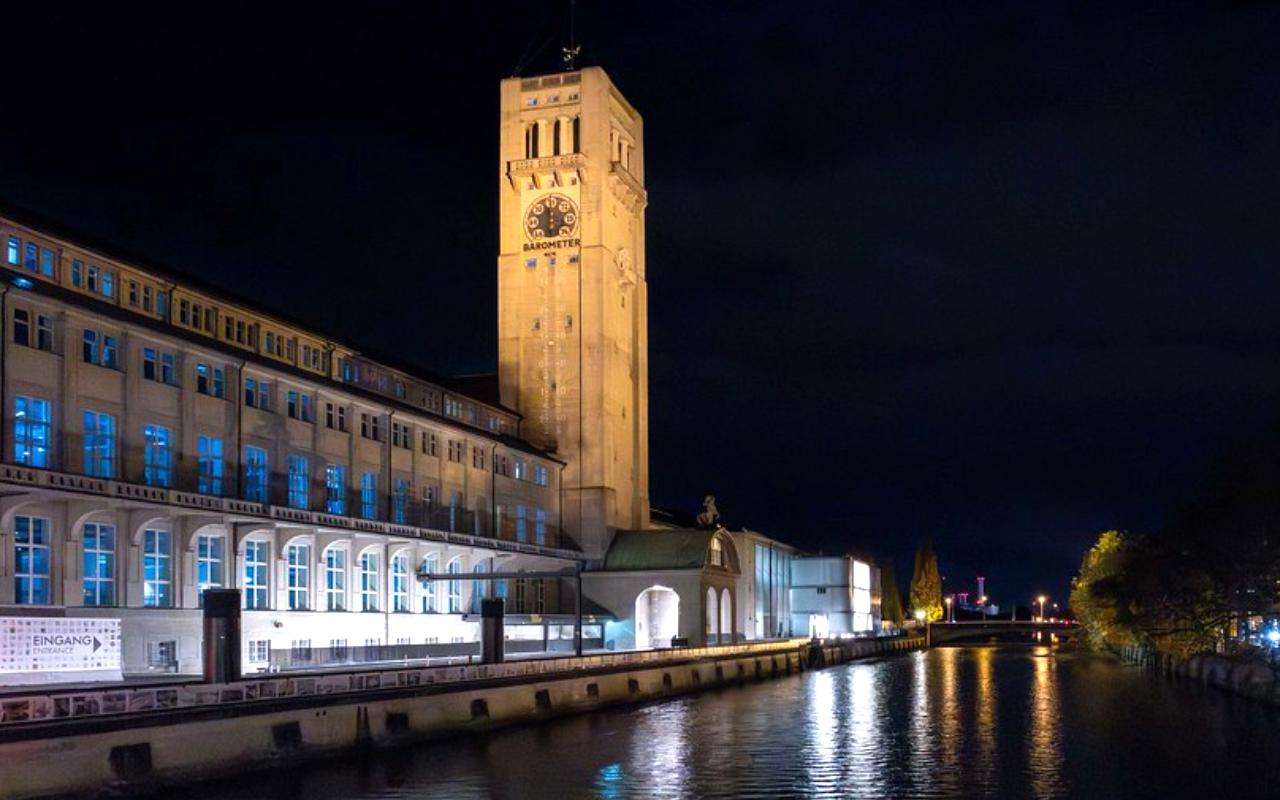
Munich is known for its excellent museums. The Deutsches Museum on the Isar River island is the world’s largest science and technology museum. Its vast collection spans everything from aircraft and locomotives to musical instruments and nuclear physics.
Millions of visitors explore hands-on exhibits like the famous Foucault Pendulum demonstration or an early automobile. If you’re traveling with kids (or tech-nerdy adults), the Deutsches Museum easily ranks among the best things to see in Munich.
Note: the museum is generally open daily, but it’s best to check official opening hours in advance. Ticket lines can be long on weekends.
Autoworld fans will love BMW Welt and the BMW Museum, located side by side in the Olympiapark district. BMW Welt is a futuristic showroom where the company delivers new cars; you can wander through huge displays of the latest BMW, Mini, and Rolls-Royce models.
Admission to BMW Welt is free. The adjoining BMW Museum (for a fee) chronicles 100 years of BMW history, from early cars and motorcycles to space-age concept cars.
Car lovers should budget a couple of hours. Both buildings feature striking architecture: BMW Welt’s silvery swooping roof is an icon in itself, while the Museum has a cylindrical atrium filled with classic vehicles.
Olympiapark and the Olympic Tower
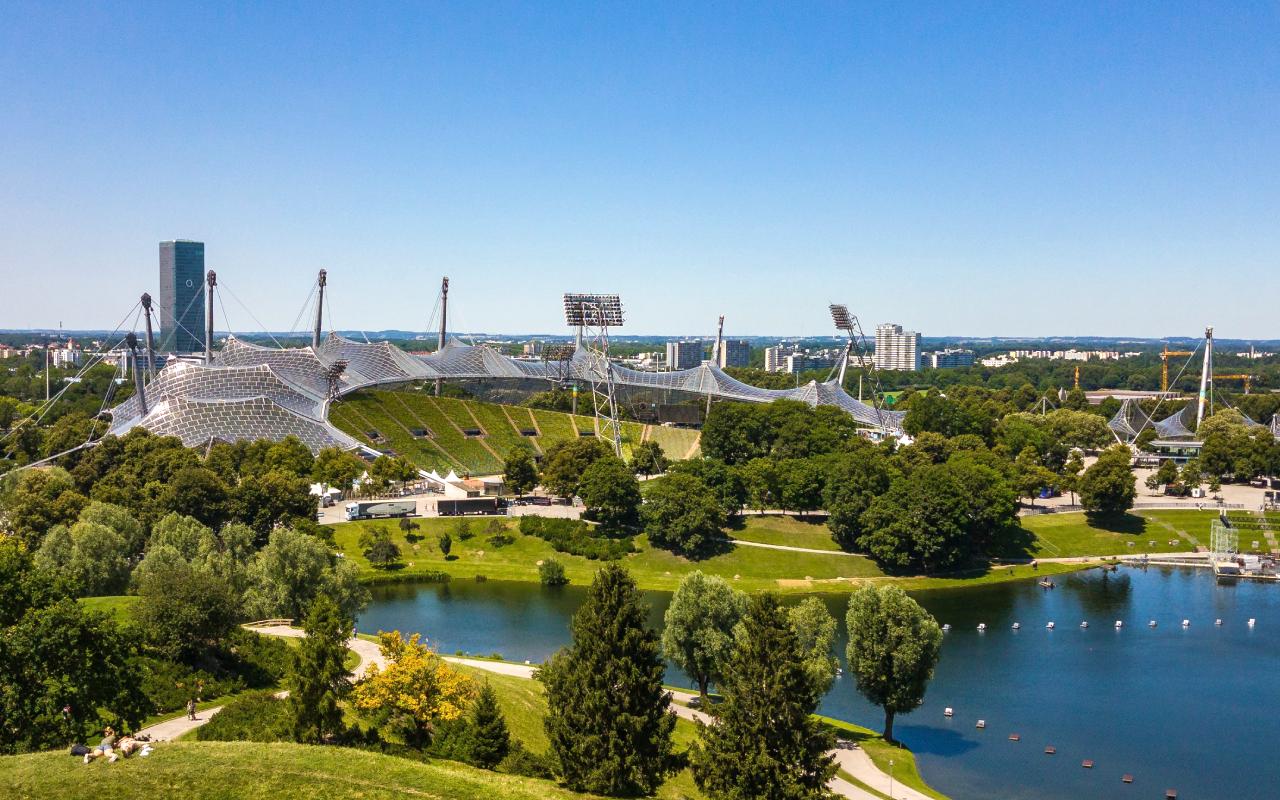
Munich’s Olympic Park was built for the 1972 Summer Olympics and remains a hub of activity. Its most striking feature is the sweeping tent-like roof of the Olympic Stadium.
You can take guided tours of the stadium and enjoy views across the park. Note that the Olympic Tower (Olympiaturm) is currently closed for renovation and is expected to reopen in the future.
The Olympic Park also has an aquatics center, concert venues (Summer Festival), and plenty of green space for picnics and fun runs. On summer evenings, it’s common to hear concerts in the open-air park area.
Sports fans may visit the Deutschlandhalle for basketball or jump into a kayak on the small lake. In winter, visitors ski on the nearby Olympic ski slope and enjoy festive illuminations.
Olympiapark illustrates Munich’s successful reuse of Olympic venues for culture and recreation. It lies just north of the BMW complex and is reachable via U-Bahn (Olympiazentrum station).
Whether you’re catching a match, exploring the German Sport & Olympic Museum inside, or simply relaxing in the park, the Olympiapark area is among Munich’s must-see attractions today.
Allianz Arena (Bayern Munich Stadium)
Just outside the city proper (in Fröttmaning) is the Allianz Arena, a cutting-edge football stadium that’s home to FC Bayern Munich. Opened in 2005, it seats about 75,000 for domestic matches.
The Arena is famous for its glowing exterior of inflatable panels, which can light up in red, blue, or white depending on which team is playing. It was the first stadium in the world with a full-color changing facade.
Tours of the Allianz Arena are very popular: you can walk the stands and go behind the scenes (dressing rooms, press area). There’s also the FC Bayern Erlebniswelt (Bayern Munich museum) inside, with trophies and jerseys.
If you can, try to catch a game in the stadium – even outside season, seeing the arena floodlit is impressive. The nearest U-Bahn (Fröttmaning) connects to the U6 line.
Best Things to See in Munich Beyond the Main Attractions
Munich’s charm goes beyond the big sights. Be sure to visit the Hofbräuhaus, the city’s most famous beer hall. Originally built in 1589 by Duke Maximilian I, the Hofbräuhaus serves traditional Bavarian fare and steins of golden lager in a raucous beer hall with oompah bands.
It’s touristy but iconic, even if you just stop for one Maß (liter beer) and a roast pork knuckle, it’s a classic Munich experience.
Art lovers might stroll through the Kunstareal (Art District) around Königsplatz and Theresienstraße. This area houses the Alte Pinakothek (old masters), Neue Pinakothek (19th-century art), and Pinakothek der Moderne.
These world-class museums (each with an admission fee) showcase masterpieces by Dürer, Rembrandt, Monet, and more. Even if you have limited time, a quick visit to just one Pinakothek rewards visitors with an immersive cultural experience.
For a bird’s-eye perspective of Munich (besides the Frauenkirche tower), try climbing St. Peter’s Church (Peterskirche). The church spire overlooks Marienplatz and offers the nearest downtown view. It’s a steep climb of 300+ steps, but you’re rewarded with frescoes up close and a gorgeous cityscape.
Another under-the-radar spot is the Asam Church (Asamkirche) on Sendlinger Straße. Built in the 18th century by two brothers, this tiny Baroque chapel has one of the most ornate interiors in Munich; it feels like a glittering treasure box inside.
Cultural events and traditions are part of “things to do” here. If you visit in summer, you might see a traditional costume parade or find a craft fair in the town squares.
For example, every July, the Kocherlball brings thousands out at dawn to dance folk dances at the Chinese Tower in the Englischer Garten. In winter, don’t miss the Christmas markets at Marienplatz and Residenzplatz, where stalls of gingerbread and glühwein line the streets from late November.
Beer garden culture is a year-round highlight: grab a pretzel and brew at the Augustiner-Keller, Hirschgarten, or the simpler Biergarten am Viktualienmarkt.
Best Places to Visit in Munich and Nearby Destinations
Munich’s location makes it a great base for nearby sights:
Neuschwanstein Castle: About 120 km southwest. King Ludwig II’s fairy-tale castle is Germany’s most visited. A guided day tour from Munich takes you through Bavaria’s Alpine foothills to admire this romantic 19th-century palace. (By car it’s 1.5–2 hr).
Dachau Concentration Camp Memorial: Just 20 km north of Munich. The Dachau memorial site is a sobering WWII history lesson. It’s accessible by a 25-minute S-Bahn plus a short bus ride. Visitors can take an audio tour of the barracks and museum.
Salzburg, Austria: 145 km southeast. The baroque city of Mozart’s birth (Salzburg) is reachable by 1.5 hr train. Popular stops include Salzburg’s fortress and gardens.
Nuremberg: 170 km north. This medieval city is reachable in 1 hr by high-speed train. Nuremberg’s castle, old town, and WWII history museums make it a popular day trip.
Castles of Bavaria: Many tours combine Neuschwanstein with Linderhof Palace or Herrenchiemsee (the “Bavarian Versailles” on Chiemsee).
Where to Stay in Munich
For first-time travelers, staying in the Altstadt or close to Marienplatz will put you within easy walking distance of key attractions. Neighborhoods like Altstadt-Lehel, Maxvorstadt (near museums), or Schwabing (lively with shops and cafes) are also excellent.
Munich’s transit is so good that you can stay a bit outside the core (e.g., near the Hauptbahnhof or university) and still reach sites easily. Accommodations range from luxury hotels (Mandarin Oriental, Bayerischer Hof) to family-run guesthouses. Look for places near a U-Bahn (subway) stop for maximum convenience.
Where to Eat and Drink
Bavarian cuisine is hearty and delicious. Try local specialties like Weißwurst (white sausage) with sweet mustard, Schweinebraten (pork roast) with dumplings, and Obatzda (cheese dip) in taverns.
Many visitors love the classic Spatenhaus or Augustiner am Dom in the city center for traditional fare. Be sure to sample Bavarian pretzels, cakes (like Schwarzwälder Kirsch), and of course beer.
Munich’s beer garden culture is world-famous: the Hirschgarten (Munich’s largest) and Augustiner-Keller serve liters of locally brewed beer under chestnuts. For high-end dining, the Dallmayr delicatessen in town or one of Maxvorstadt’s gourmet restaurants can be great.
If you have time, take a brewery tour or a beer-tasting session in one of Munich’s historic breweries (Hofbräu, Augustiner, etc.). Coffee lovers will enjoy the pastry shops in the Viktualienmarkt area or the trendy cafes in Glockenbachviertel. In summer, the outdoor terraces like Kaffeehaus im Englischen Garten are idyllic.
Practical Tips and Budget
Munich Card/Pass: The Munich Card offers discounts on attractions and optional public transport, while the City Pass includes more extensive benefits such as entry to selected attractions and transport options. Consider one if you’ll use public transport extensively.
Money: Munich is safe and card-friendly, but keep some euros in cash for markets and beer gardens (some take only cash). ATM’s (Geldautomaten) are ubiquitous.
Safety: Munich is very safe by day and night. Usual city precautions apply. The emergency number in Germany is 112.
Etiquette: Locals appreciate queuing properly and showing Bayern friendliness (prost! when toasting). Tipping 5–10% in restaurants is customary.
Language: German is the official language, but English is widely spoken in tourist areas. Learning a few German phrases is appreciated.
Accessibility: Most of the museums and open spaces are accessible by wheelchair, whereas old churches and U-Bahn stations can contain stairs. Accessibility can be advised by the tourist office and major attractions.
Packing List: What to Bring
In the case of Munich, bring comfortable walking shoes (paving!), clothing, layered (weather varies), and a light rain jacket or umbrella (even in summer, there is a risk of a shower).
When traveling during winter, carry warm clothes, hats, and gloves. For Oktoberfest or folk events, you might even pack or rent a Dirndl or Lederhosen (optional but fun).
Don’t forget a camera, travel guidebook or map (though Munich has excellent signage), and adapters for European plugs. If hiking in the Alps or swimming in a lake is planned, bring sports gear/swimsuit.
Frequently Asked Questions
Is English widely spoken in Munich?
Yes. Signage is often bilingual (German/English) in transport hubs and attractions. Most restaurant and hotel staff speak English. Locals are friendly and helpful if you stumble over words.
Do I need to book attractions in advance?
For major museums or events, booking online can save time. The Schloss Nymphenburg and BMW Museum allow timed tickets. In the high season (summer or Oktoberfest), it is highly advisable to book a hotel in advance.
What about tipping?
In restaurants, it is normal to add a 5-10 percent tip to the bill. You can simply hand the tip to the waiter or round up and say “stimmt so” (keep the change). No need to tip heavily, but it’s polite.
Is Munich expensive?
Munich is one of Germany’s more expensive cities (alongside Frankfurt and Hamburg). Expect higher hotel and beer prices than in some other German cities. Budget options: staying in hostels or one of the city’s many Airbnbs, and eating at markets, kebab stands, or the cheap eateries at Viktualienmarkt. Public transit is affordable (single ticket €3-4; day passes €7).
Can I drink beer on the street?
Yes, public drinking is generally allowed in Munich and across Germany. You are allowed to consume drinks in parks and in the open areas, but there might be restrictions in some places, such as on transport or at stations.
Is Munich good for families with kids?
Absolutely. The English Garden (with playgrounds), Deutsches Museum (hands-on), Hellabrunn Zoo, and bike rentals make Munich very kid-friendly.
What’s the tipping policy for tours/guides?
In the case of guided tours, a tip of 5-10 dollars per person (or 10 percent of the tour price) is welcome, should the guide have been a good one.
Conclusion
Munich really is a place with everything: the medieval churches and palaces to visit, the contemporary museums to be impressed with, the green parks to have a rest, and the fine food and beer to enjoy.
Its blend of history and modernity means you’ll always find new things to see in Munich on each visit. Whether you’re strolling through the Residenz courtyard, cheering at a Bayern Munich match, or riding the Eisbach wave, Munich rewards curiosity and participation.
This guide has covered the best places to visit in Munich, the practical details you need, and even side trips to nearby castles and cities.
Keep this list on hand as you plan your trip, but also leave room for spontaneous discoveries: some of Munich’s magic is found in wandering a neighborhood, hearing a brass band in the market, or sipping a Radler in a sunlit garden.
With this information, you’re ready to make your Munich adventure both memorable and smooth. Viel Spaß in München, have fun in Munich!













-
 0115 Best Easy Treks in Nepal for Beginners and Families
 -
 02Best season for Everest Base Camp Trek
 -
 03Best Time to Go Hiking in Nepal: A Seasonal Guide for Trekkers
 -
 04Suchi Purja –Wife of Nirmal Purja aka Nims Dai
 -
 05Dubai desert safari outfit ideas
 -
 06Top Beaches in Sri Lanka
 -
 0710 Best Easy Treks in Nepal