
Now Reading: Best Time to Go Hiking in Nepal: A Seasonal Guide for Trekkers
-
01
Best Time to Go Hiking in Nepal: A Seasonal Guide for Trekkers


Himalayas
A trek in Nepal is an adventure that provides a unique experience from sky-high mountains to green forests. Nepal’s diverse geography and variety in climate dominantly mean every season has a unique, different nature, clear skies to moderate temperatures, and challenging weather conditions. There are mainly four seasons in Nepal: Autumn, Spring, Summer, and Winter. Generally, the best time for trekking in Nepal is considered to be autumn (September to November) and spring (March to May).
Most of all the seasons are suitable for trekking in Nepal. You can trek any time of the year, but different trekking destinations depend upon the route and geography of the place. The weather can make or break your hike. So, you have to know the season and choose the right time to start your journey and enjoy the best trip experience. Here are the four seasons with the best time to go hiking in Nepal.
Spring (March to May)
The spring season is one of the best trekking seasons in Nepal. Spring begins in March and lasts until May, known as the flowering season; blooming flowers are scattered all over the hills. The winter frost melts, and spring covers Nepal with vibrant colors. Many trekkers prefer to trek at this time.
This season is suitable for trekking and climbing with the pleasant weather and the best mountain views. The temperature is mildly warm at the lower elevations and quite moderate at the higher altitudes over 4000 m, offering cloudless skies and spectacular mountain views.
This season, witness the beauty of blooming rhododendron and other wildflowers that make the trail colorful. While the lush green forests add to the beauty of the trekking routes. The trials are less crowded in this season compared to autumn. Spring coincides with local festivals like Holi and the Nepali New Year, enriching the trekking experience with cultural immersion. The spring season offers unparalleled mountain views along with trails filled with floral blooms, making each step an exploration of magnificent nature. Therefore, spring is considered one of the best time to go hiking in Nepal.
However, the spring season is pleasant for trekking but still has some challenges like unpredictable weather with rain, melting snow, altitude sickness, and limited accommodation availability, especially in higher elevations.
Some of the most popular treks in spring are the Annapurna Circuit Trek, Everest Base Camp, Manaslu Circuit Trek, and the Langtang Valley Trek.
Summer (June to August)
The summer lasts from June to August, which is also time for the monsoon season in Nepal. It is considered an off-season in Nepal for trekking and hiking. This is because the weather in this season can be challenging, with the frequently heavy rainfall, landslides, and humidity problems.
The trail becomes muddy and slippery, which makes trekking more difficult and dangerous. The leeches are common in lower altitudes during this season. The increasing temperatures may restrict us from enjoying our trial. The weather is cloudy, so you cannot see the clear views of mountains. Heavy rains sometimes require you to take a different pass or a different trail, which may require you to add days to your travel plans and modify your itinerary if necessary.
The monsoon season is not usually considered the best time for trekking in Nepal. But also suitable for those who love exploring nature and doing research on it. Despite the rising temperature, this season offers some unique benefits like lush greenery and blooming rhododendron and other wildflowers, painting the landscapes in vibrant colors. Trekkers can enjoy fresh fruits and vegetables along the routes. After the rain, you can see the amazing scenery of the mountains, makes it the best time to hiking in Nepal. The trails are less crowded because people usually don’t like trekking during the rainy season.
Upper Mustang trek, Nar Phu Valley Trek, Lake Phoksundo Trek, and Dolpo region are the great options for trekking during the summer season.
Autumn (September to November)
The autumn starts in mid-September and extends to late November and is also one of the best seasons for trekking and climbing in Nepal. This is the busiest trekking season in Nepal. The number of trekkers is at its peak during this season.
In autumn, there is a clear view of mountains with the most admirable weather conditions. After the monsoon season, skies are clear, and the weather is dry, making it ideal conditions for trekking. The temperatures are pleasant, and good visibility has been considered the best time to enjoy magnificent Himalayan views. The trail is filled with dry and colorful leaves, which makes the trek more exciting. Autumn also coincides with major Nepali festivals like Dashain and Tihar.
However, the autumn season attracts a large population of hikers, making it a more crowded season. The teahouses and lodges are fully packed with trekkers. So you must book your accommodation in advance during this season. People are very aware of the lovely conditions of autumn: stunning mountain views, warm temperatures, and stable weather. The monsoon clears away dust and pollution, leaving behind crystal-clear skies and perfect weather conditions, making it the best time to go hiking in Nepal.
Some of the most popular treks during autumn include the Everest Base Camp trek, Kanchenjunga trek, Langtang Valley trek, Ganga-La trek, and the Annapurna Circuit trek.
Winter (December to January)
The winter season lasts from December to January and is not the best time to go hiking in Nepal. In winter, the weather will be extremely cold, especially at higher elevations. The constant snowfall blocks the trekking routes, and the visibility can be low due to dense fog, making trekking difficult and challenging. Thus, it is considered the off-season for trekking.
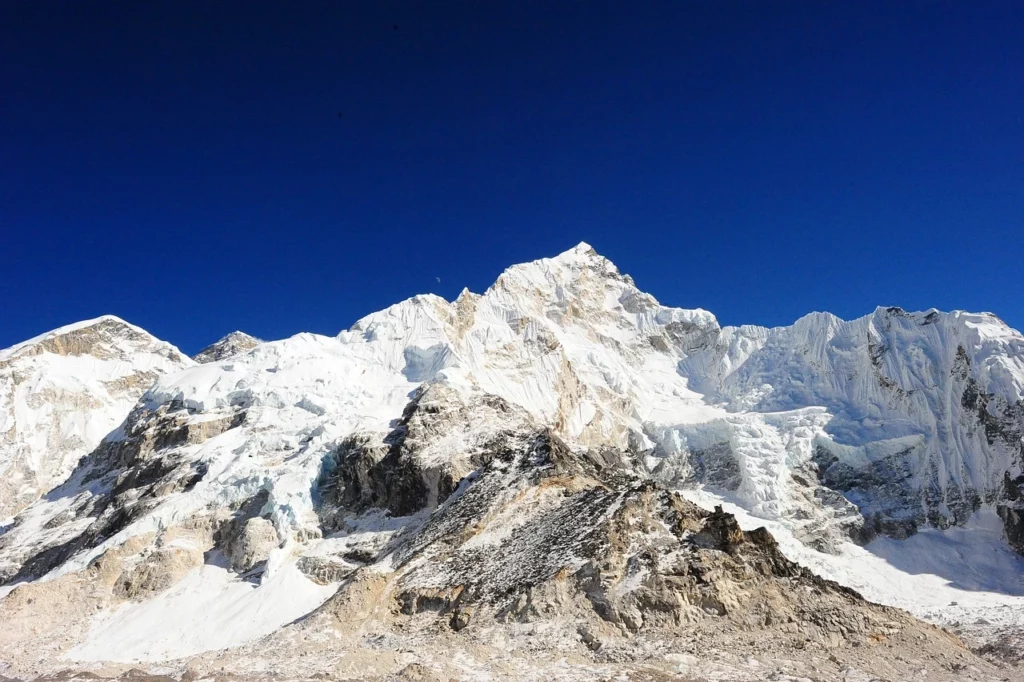
However, at lower elevations, the temperature is moderate, with clear skies and spectacular views of snowcapped mountains. Also provides a unique wonderland experience. The winter season also brings the driest weather, which reduces the chance of rain. Since the trekking environment is very calm during winter, this season is suitable for peace lovers, where they can enjoy the real nature and the native people living around.
In Nepal, trekking in winter is like an adventure that demands better preparation for the colder conditions and potential snowfall. Also, chances of getting discounts on the trek and tour packages, flight tickets, accommodation, etc. because of Overall, it’s not considered the best season for hiking in Nepal due to the weather conditions.
Trek like Ghorepani Poon Hill Trek, Everest View Trek, and Langtang Trek are excellent for the winter trekking in Nepal, offering trekkers less crowded and excellent mountain views. Also, this season is good to go for the place visit, like Chitwan, Lumbini, Kathmandu, and Pokhara.
Choosing the Best Season for Your Trek
Choosing the right season for your trek is very essential for ensuring a safe, enjoyable, and fulfilling adventure. Different seasons offer varying trial accessibility, weather conditions, crowd levels, and cultural experiences.
Autumn and spring are the best seasons for trekking in Nepal. If you want favorable trial conditions, pleasant weather, and stunning mountain views, autumn and spring are excellent choices. Additionally, the temperatures are moderate and the skies are clear, coinciding with major festivals and cultural events, adding cultural richness to the trekking experience. However, this is peak season; expect more crowds, especially on popular routes like Everest Base Camp.
For those who prefer a peaceful and less crowded experience, winter might be the ideal season for your trek. The skies are usually clear, and the snow-capped mountains look stunning. However, at higher altitudes, the weather is extremely cold, and some passes are closed due to snowfall.
The summer/monsoon season is the least popular trekking season because of heavy rain, muddy trails, and leeches. However, if you’re seeking a more adventurous experience, fewer crowds, and a challenging trek due to rain, summer is best for your trek.
Ultimately, the best season really depends on your individual preference. All in all, autumn and spring are the best time to go hiking in Nepal.
Final Tips for Trekkers
The trekking experience in Nepal can be amazing; however, preparation is the key to making a trip more enjoyable and safe. First and foremost is that you check the weather forecast before starting any journey, as the weather can change rapidly in the mountains. Even in the best seasons, sudden snowfall, rain, or strong wind can affect your trek.
Besides weather, one of the other key factors is packing—layered clothes to adjust to the sudden flip-flop of temperature changes, good hiking boots, a decent sleeping bag, a rain jacket, trekking poles, and an essential first-aid kit should top your list.
Whenever a trek lies above 3,000 m, acclimatization is important in preventing altitude sickness. Insert rest days into your trek and drink lots of fluids to help acclimatize your body to the altitude.
Having a local guide or a porter will greatly enhance the enjoyment and hassle-free application of the trekking experience, especially if you are new to trails in Nepal. They will help with directions, carry your heavier loads, and enlighten you on the culture and traditions of the area.
Lastly, conserve the environment, communities, and culture: discard your waste properly, stay on the established trails, and be careful to observe any cultural practices. A well-planned trek will offer enhanced rewards through a smooth, safe journey secured in the breathtaking landscape of Nepal.
Conclusion
While choosing a good trekking season really depends on your preference and endurance, making your journey enjoyable. If you like vivid landscapes and mild temperatures, you will love going in the spring. Autumn is the best time to go hiking in Nepal for clear views, along with all other conditions being quite perfect. Lonely adventurers can also go trekking in the winter, while monsoon trekking is for adventurers who want to trek in unique rain shadow areas.
A magical feeling is there with the trails of Nepal at any given time. So get your gear packed, then choose your season carefully and head off for the adventure of a lifetime.











-
 0115 Best Easy Treks in Nepal for Beginners and Families
 -
 02Best season for Everest Base Camp Trek
 -
 03Best Time to Go Hiking in Nepal: A Seasonal Guide for Trekkers
 -
 04Suchi Purja –Wife of Nirmal Purja aka Nims Dai
 -
 05Dubai desert safari outfit ideas
 -
 06Top Beaches in Sri Lanka
 -
 0710 Best Easy Treks in Nepal