
Now Reading: Lake Garda Travel Guide (Lago di Garda) – Where to Stay, Things to Do, and How to Explore
-
01
Lake Garda Travel Guide (Lago di Garda) – Where to Stay, Things to Do, and How to Explore
Lake Garda Travel Guide (Lago di Garda) – Where to Stay, Things to Do, and How to Explore

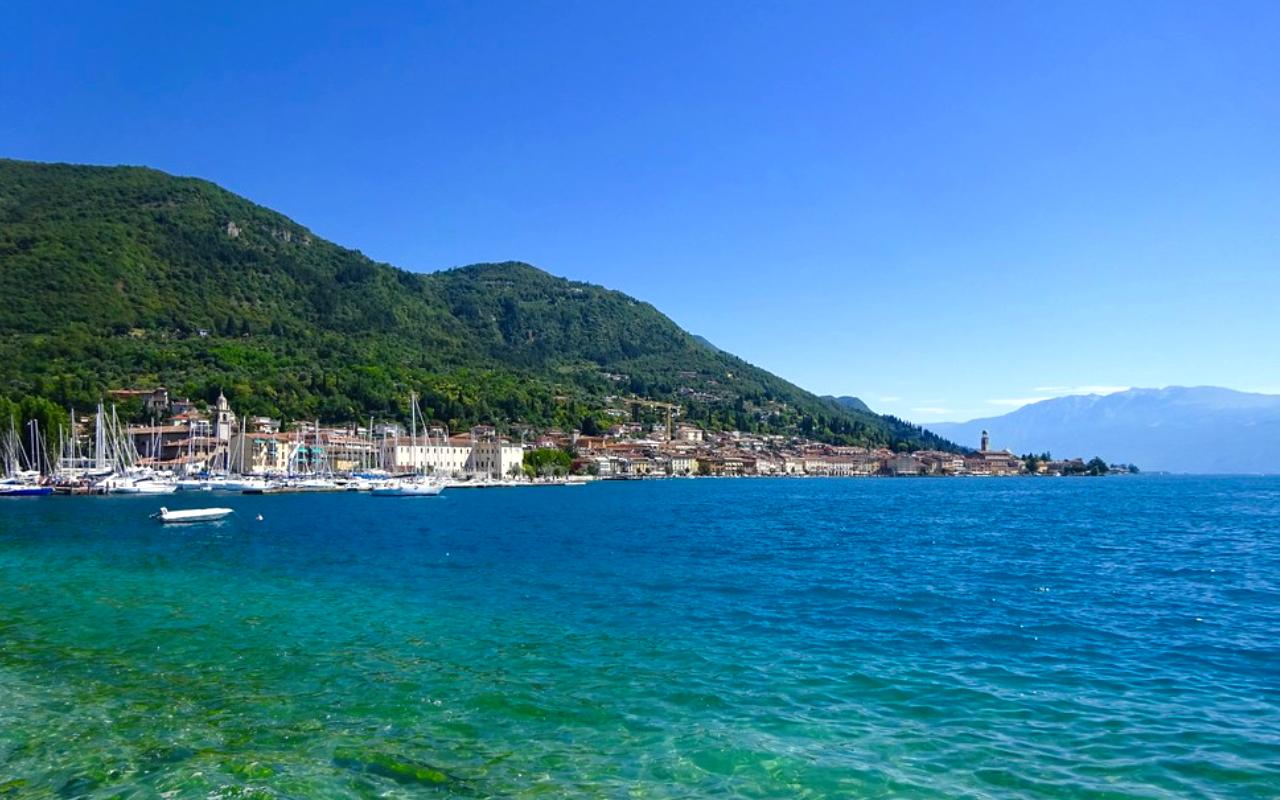
Nestled between the Alps and the Po Plain, Lake Garda (Lago di Garda) is Italy’s largest lake. Shaped like an inverted Y, it spans 370 km² across three regions (Lombardy, Veneto, and Trentino). Its shores are dotted with charming towns (Desenzano, Sirmione, Riva, Malcesine, etc.), medieval castles, and vineyards.
Visitors can enjoy a mix of scenic beauty and activities: sailing or windsurfing on the windy northern end, hiking or biking the mountain trails (including Monte Baldo’s cable car), and relaxing at lakeside spas.
Getting there is easy: fly to Verona or Milan, then train or drive via highways A4/A22. Ferries and local buses connect most towns, with peak summer service and limited winter schedules.
Accommodation ranges from 5-star luxury resorts (e.g., Lefay Resort, Villa Feltrinelli) to mid-range family hotels and budget B&Bs. We’ll recommend specific hotels, apartments, and campsites.
Cuisine highlights include lake fish dishes (risotto, “carpione” pickled fish) and local wines (Bardolino, Lugana), with top restaurants in every town. The best times to visit are late spring or early fall (pleasant weather, fewer crowds), while summer offers beaches and festivals, and winter is quiet.
This guide covers transport (airports, trains, driving, ferries), lodging (with 30+ recommendations), activities, town highlights (Sirmione, Riva, Malcesine, Limone, Bardolino, Desenzano), food & wine, events, safety/packing tips, sample 3–7 day itineraries (with timeline chart), budget breakdowns, and concludes with practical advice and meta tags suggestions.
Sources include official tourism sites and recent travel guides.
1. Geography & History of Lake Garda
Lake Garda is Italy’s largest lake, about 370 km² in area and up to 346 m deep. It sits 65 m above sea level at the southern fringe of the Alps. The lake’s shoreline runs across three provinces: Lombardy (province of Brescia) on the southwest, Veneto (Verona) on the southeast, and Trentino (Trento) on the north.
This gives it diverse landscapes: the northern end (near Riva/Torbole) is mountainous and windy (ideal for sailing), while the southern shores near Peschiera/Desenzano are flatter and warmer. The west coast (Brescia side) has dramatic cliffs and olive groves (e.g., Limone), and the east (Verona side) is famous for vineyards around Bardolino and Lazise.
Today, Lake Garda’s rich past is visible in its medieval castles, Roman villas, and historic towns. Dante Alighieri even praised the lake’s beauty in the Divine Comedy. The lake’s mild climate (Mediterranean on the shores) allows olive and lemon trees to thrive (especially in Limone and on the Gardesano coast).
2. Getting There (Air, Train, Car, Boat)
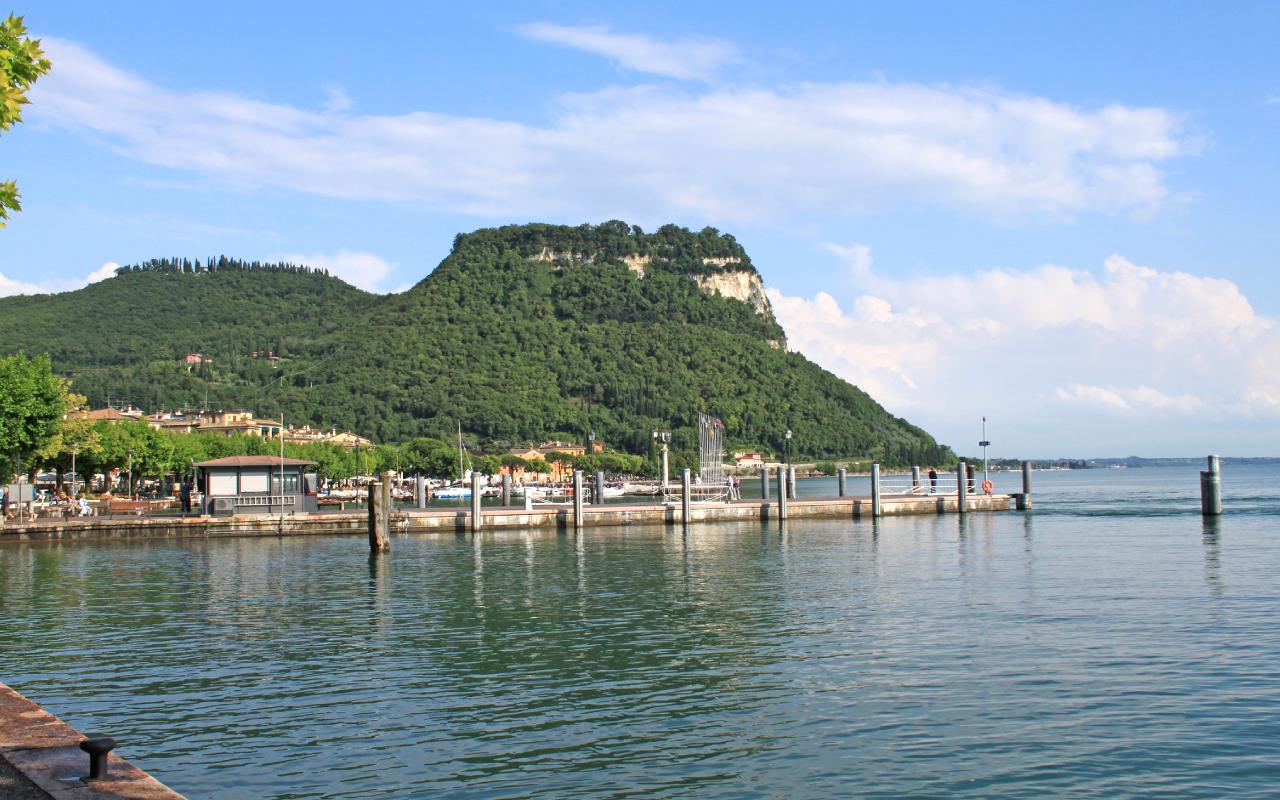
Lake Garda
Airports: The closest major airport is Verona Valerio Catullo (VRN), 30 km from Peschiera or Sirmione. From Verona airport, you can take a taxi or regional train to Desenzano del Garda (15 min) or hire a car via the A4 Milan–Venice motorway. Alternatively, Bergamo Orio al Serio (BGY) is 100 km west. From there, a direct Terravision/Autostradale bus (€9.50) runs to Brescia (50 min), then a train to Desenzano (30 min).
Milan airports (Malpensa, Linate) are 150–190 km away: take the Malpensa Express train to Milano Centrale, then a Trenitalia high-speed train (1 h) to Desenzano or Peschiera. Venice Marco Polo (VCE) is 150 km northeast: direct trains run to Verona (1 h) or Vicenza, then on to Lake Garda (transfer in Verona, total 1.5–2 h).
By Train: Lake Garda is well-connected via the Milan–Venice line. The main stations on the lake are Desenzano del Garda–Sirmione and Peschiera del Garda on the south shore.
From Milan, Verona, or Venice, trains run frequently to these stops (Intercity, Italo, Frecciarossa). For example, Milan–Desenzano takes 1h10 (Frecciarossa) or 2h (regional). From Venice, change at Verona (1h to Peschiera).
From the north, the A22 Brenner motorway corridor has stops at Trento and Rovereto; Trentino towns like Riva and Torbole lie nearby (bus needed). A scenic branch line (Verona–Riva) is not direct, but one can take the new high-speed line to Verona and transfer onto the local.
Buses also serve all lakeside towns from train hubs (e.g., ATV buses from Peschiera/Desenzano to Sirmione, Salo’, etc.; Trentino Trasporti from Rovereto to Riva). Regional trains (Trenitalia) are quite frequent along the Milan–Verona corridor, simplifying access.
By Car: Major highways border the lake. From Milan or Turin, take the A4 to the Desenzano or Peschiera exits.
From Venice, use A4 Verona–Padova to Peschiera/Garda exit. For north/West Garda (Limone), drive via A22to Rovereto South–Lago di Garda Nord exit, then the SS240 northwards. The road along the west coast (SS45bis) winds by villages (e.g., Tremosine). Parking in lakeside towns can be limited; look for ‘P’ signs, park-and-ride lots, or hotel parking. Avoid restricted ZTL zones in historic centers.
By Ferry/Boat: Lake Garda’s ferry network (Navigazione Laghi) links many towns and is very useful in summer. High-speed hydrofoils and car ferries run roughly April–October; summer schedules may offer hourly boats between Desenzano, Sirmione, Gardone, Malcesine, Riva, and other ports. In spring/fall, service is reduced. For example, a catamaran from Malcesine to Riva is direct (1–1.5 h) and runs daily in summer.
Simple sightseeing ferries (10 towns circumnavigation cruises) and hop-on-hop-off passes exist. Sirmione’s peninsula harbor is a good ferry terminal. Check navigazionelaghi.it for latest timetables (note: summer high season vs. winter service).
Local Transport: Within each town, there are local buses and rental services. The GardaCard (available in many towns) can offer discounts on ferries/buses. For exploring smaller villages and the countryside, renting a car or scooter can be handy. Bicycles and e-bikes are also popular rentals (Sirmione, Bardolino, and Riva have rental shops).
3. Accommodation for Lake Garda
Lake Garda has accommodation of all types and price ranges. Our list includes five categories: Luxury Resorts, Boutique/Mid-Range Hotels, Budget Stays, Vacation Rentals, and Campgrounds/Glamping. Both listings include a sample price range (per room, per night during high season), USP, and booking tips.
Luxury (5★+) & Resorts:
• Lefay Resort & Spa (Gargnano, Brescia side): Price: €600–€900. A five-star eco-spa resort perched on Monte Baldo’s slopes. Ultra-modern wellness center, panoramic lake views, Michelin dining. (Booking tip: request a lake-view suite; shuttle to golf club.)
• Grand Hotel Villa Feltrinelli (Gargnano): Price: €800–€1200. Historic lakeside villa with 2-Michelin-star restaurant and lush gardens. Waterfront infinity pool, art deco decor. (Tip: Dinner reservations are often required for the restaurant.)
• Grand Hotel Fasano (Gardone Riviera): Price: €300–€600. Iconic 5★ Belle Époque hotel on western shore. Classic rooms, private park, fine dining (Il Fagiano restaurant). (Booking: terrace suites have the best views.)
• Hotel Villa Arcadio (San Felice del Benaco): Price: €250–€400. Romantic villa hotel with one Michelin-starred dining. Elegant rooms, gardens, and marina views. (Tip: Panoramic rooms overlook the Garda gulf.)
• Hôtel du Lac et du Parc Grand Resort (Riva del Garda): Price: €250–€500. Historic lakeside resort with thermal spa, large park, and wellness pools. (Tip: ask for “lakefront” rooms for the best sunset view.)
• Senso di Alfio Ghezzi (Limone): Price: €350–€600. Modern 5★ by Michelin-starred chef Alfio Ghezzi, in Hotel EALA. Sky-view restaurant and spa, white-minimal design. (Tip: reserve spa treatments early.)
Boutique & Mid-Range (3★–4★):
• Hotel Castello (Malcesine): Price: €150–€200. Quaint family-run hotel at the foot of Malcesine castle, with private pier and pergola terrace. (Booking: mention corner sea-view rooms.)
• AQVA Boutique Hotel & Spa (Sirmione): Price: €150–€250. Chic lakeside hotel (panoramic rooftop pool) by Termalismo SIS spa center. Minimalist, wellness focus. (Tip: check spa packages when booking.)
• Villa Maria (Lazise): Price: €130–€180. Elegant villa B&B overlooking the lake. Large park, ancient lemon-house. (Tip: ask for rooms in the villa, not the annexe, for character.)
• Hotel Laurin (Salò): Price: €120–€180. Popular family-run lakeside hotel with panoramic terrace. Traditional Trentino hospitality. (Tip: book lake-view balcony rooms.)
• Locanda San Vigilio(Gardone Riviera): Price: €200–€350. Charming “country inn” on a small peninsula in Garda town (Lazise area). Gourmet cuisine, intimate atmosphere. (Tip: Request garden view rooms.)
• Hotel Vivere Suites (Arco, north): Price: €120–€200. Trendy design hotel in Arco, popular among climbers. (Tip: near Arco castle and climbing walls.)
Budget & Value (1★–2★, B&Bs, Hostels):
• Garni Gianmartin (Limone sul Garda): Price: €80–€120. Cozy B&B in the town center, run by a family. (Simple rooms with balconies.)
• Locanda Agli Angeli (Gardone Riviera): Price: €70–€110. Friendly guesthouse with shared terrace. (Close to Vittoriale garden.)
• Hotel du Lac (Bardolino): Price: €80–€130. Basic lakeside hotel, good location near Piazzetta. (Ideal for wine lovers – Bardolino center is within walking distance.)
• Park Hotel Casimiro (Moniga del Garda): Price: €100–€140. Simple beachside hotel on the west shore. (Great for budget families.)
• Trattoria El Bersagliere (Desenzano): Price: €60–€90. Small family-run B&B/Trattoria. (Rustic rooms and authentic dinners.)
• Camere da Letizia (Torbole): Price: €70–€110. Youth hostel-style, beds/bungalows near the river, ideal for windsurfers.
Vacation Rentals & Apartments:
Many travelers rent self-catering apartments or villas through Booking/Vrbo/Airbnb. Popular areas are the Sirmione peninsula, Lazise, Malcesine, and Riva. A 1–2 bedroom apartment typically runs €80–€200/night (depending on season and lake view).
Rentals offer kitchens and privacy – good for families or groups. (Booking tip: Filter for “lake view” and check reviews for air conditioning and parking.)
Camping & Glamping:
Lake Garda has numerous campsites, especially on the east shore. Examples: Camping Bella Italia (Peschiera, large resort-style, from €30 car+tent tent), Camping Eden (Riva del Garda, near beach, from €40), Weekend Camping Resort (Bardolino, modern glamping lodges, from €120 glamping tent).
Family-friendly sites have pools and entertainment. Glamping options (luxury tents/charms) are available at sites like Weekend (Bardolino) or Glamping by Lemai. Book early for summer.
Sample Accommodation Table:
Below is a summary table of select hotels (per night in high season, approximate rates):
| Hotel/Resort | Town | Cat. | Approx. Rate‡ | USP |
| Lefay Resort & Spa | Gargnano (BS) | Luxury | €600–€900 | Wellness spa, panoramic lake view |
| Grand Hotel Villa Feltrinelli | Gargnano (BS) | Luxury | €800–€1200 | Lakeside villa, Michelin dining |
| Hôtel du Lac et du Parc | Riva (TN) | Luxury | €250–€500 | Historic thermal spa |
| Hotel Villa Arcadio | San Felice (BS) | 4★ | €250–€400 | Michelin-star restaurant |
| Locanda San Vigilio | San Vigilio (VR) | 4★ | €200–€350 | Isolated peninsula, fine dining |
| Hotel Castello | Malcesine (VR) | 3★ | €150–€200 | At the castle base, the lakefront terrace |
| Hotel Laurin | Salò (BS) | 3★ | €120–€180 | Central, panoramic lake terrace |
| Garni Gianmartin | Limone (BS) | B&B | €80–€120 | Budget, central, lake views |
| Park Hotel Casimiro | Moniga (BS) | 3★ | €100–€140 | Beachside, family-friendly |
| Camping Eden (Bungalows) | Riva (TN) | Camping+ | €40 (tent) | Beach access, pools, windsurf hub |
‡ Rates are approximate per room/tent in summer; shoulder season lower, winter lowest. USP = Unique selling point.
4. Activities & Outdoor Adventures of Lake Garda
Lake Garda is an outdoor playground. Activities range from adrenaline sports to leisure tours:
Water Sports: The northern winds make Riva del Garda/Torbole one of the world’s top windsurfing and sailing venues. Strong morning “Peler” winds from the N and stable afternoon “Ora” breezes from the S provide ideal conditions. (The Pelèr arises from the high Alps each morning; the Ora warms up by midday.)
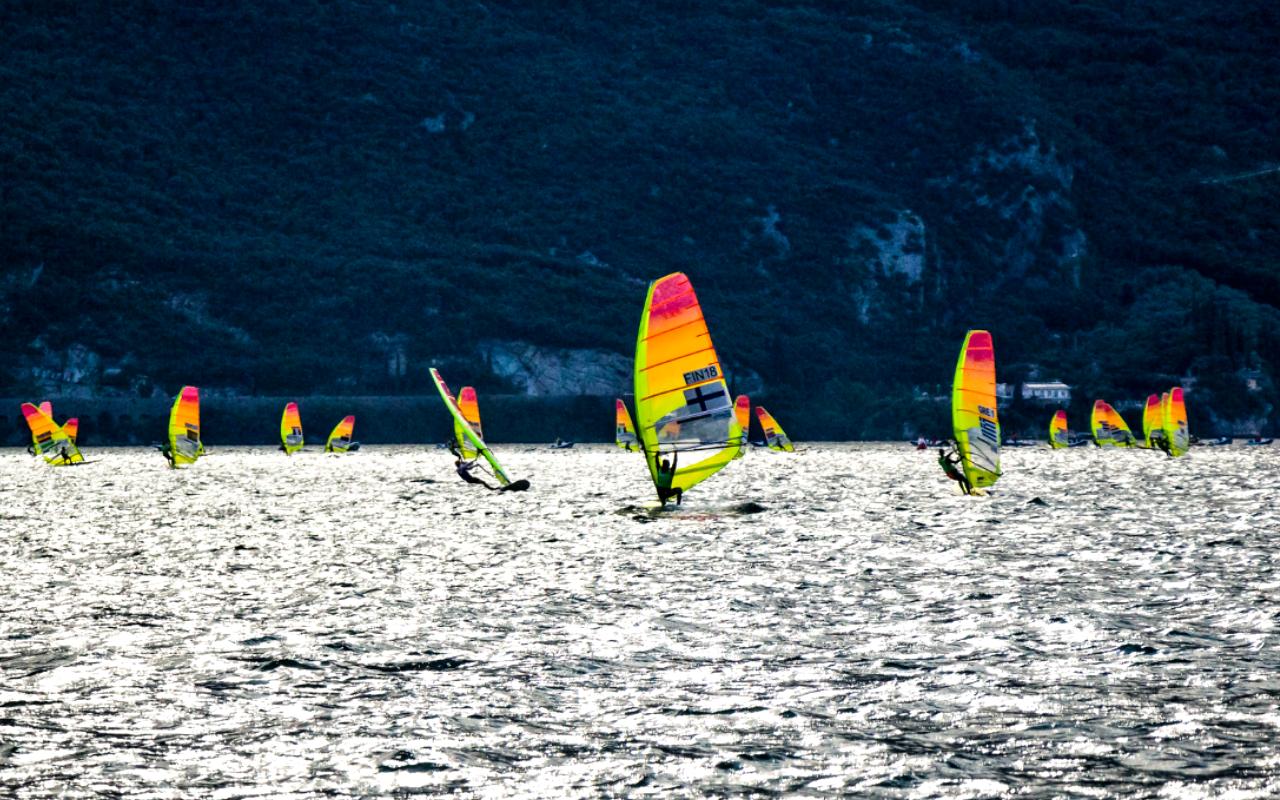
Windsurfing
Many schools rent windsurf gear, kitesurf boards, and sailing dinghies. Boating is easy; rent motorboats or kayaks in Limone, Malcesine, or Sirmione. Guided canoe/kayak tours explore lake inlets and waterfalls.
In the south (Desenzano, Peschiera), calmer waters suit swimming and stand-up paddle (SUP). Diving and snorkeling can be done off rocky points (diving centers near Sirmione and Garda town).
Hiking: Trails crisscross the surrounding mountains. The Monte Baldo massif is a prime area: a modern cable car rises from Malcesine to 1,760 m, where panoramic hikes and summit peaks await. (From the top station, walk along ridges or descend via alpine pastures.) Popular trails include the “Sentiero del Sole” (panoramic rim walk around Malcesine) and Ferrazza to Tratto Spino.
On the west, the Alto Garda Bresciano Regional Park offers routes like Valle delle Cartiere (mill valley hike) and mountain bike tracks. Another highlight is Rocca di Manerba(near Moniga): an easy clifftop trail to ancient remains with stunning lake views. Near Limone, the old limehouse walks (Limonaie) and the “Dosso del Castèl” trail reward hikers with citrus grove vistas.
The Malcesine–Monte Baldo cable car carries visitors from town (Via Navene Vecchia) to 1,760 m in minutes, with a unique revolving cabin for 360° views.
Cycling & Mountain Biking: A paved lakeside bike path connects southern towns (Desenzano–Bardolino–Lazise, 30 km). For serious cycling, climb Monte Baldo via the SP4 winding road or the steep Strada della Forra (Tremosine) – both legendary routes.
Gravel and road cyclists often loop the entire lake (160 km) by tackling Monte Baldo or the west Garda pass. Mountain bikers flock to Arco/Torbole (north), trails like Ponale/Tremosine offer technical descents.
Bike rentals and guided tours are available in Riva, Arco, Limone, etc. Many hotels allow bike storage; a few bike ferries across the lake shorten rides.
Boating & Cruises: Sightseeing boat tours and dinner cruises operate in summer. Options range from 1–2h lake panoramas to full-day tours. A “Giro del Garda” (Lake Tour) with stoppages (by catamaran or small hydrofoil) lets travelers hop off at Sirmione, Garda, Malcesine, and Riva.
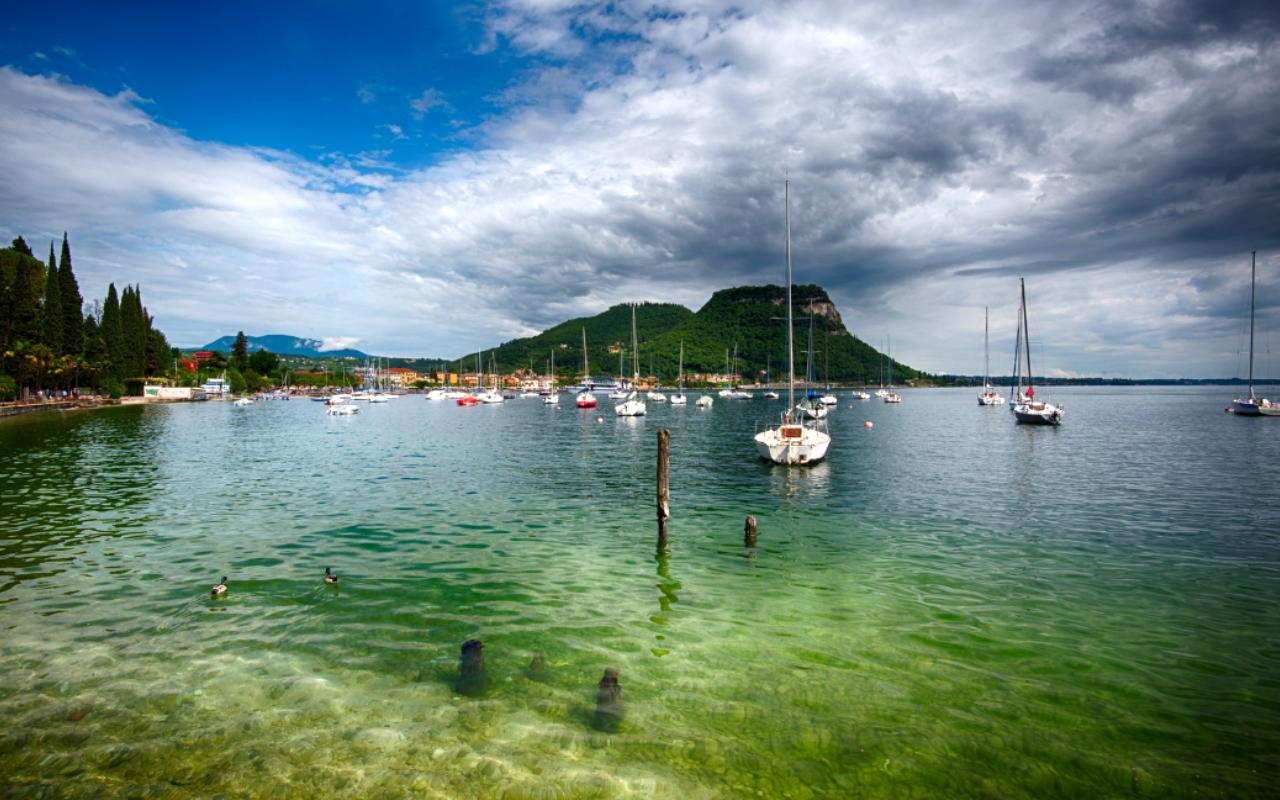
Boating in Lake Garda
Private boat charters (sail or motor) can be hired (e.g., skipper-driven wooden boat tours). Ferry lines (Navigazione Laghi) function both as transport and scenic cruise, for example, an afternoon sail from Sirmione to Torri del Benaco under the setting sun. (Tickets and schedules: navigazionelaghi.it.)
Family & Leisure: Waterparks like Canevaworld (Lazise) and Gardaland (near Pacengo) entertain families. The Varone Waterfall near Riva (a gorge with falls) is a popular half-day trip. Botanical highlights include Giardino Sigurtà (Valeggio sul Mincio, famous gardens) and André Heller’s botanical garden (Gardone Riviera).
For relaxation, try an afternoon at a spa: Sirmione and Bormio are both known for thermal baths (e.g., Terme di Sirmione). Or simply swim at lakeside beaches: Lido delle Bionde (Sirmione), Spiaggia Sabbioni (Riva), Spiaggia Bussnang (Malcesine).
In summary, Lake Garda caters to active travelers (windsurfers, climbers, hikers, cyclists) and those wanting leisure (boat tours, spa, wine-tasting). Many guided “experience” tours are offered (wine hikes, olive oil farm visits, thermal baths). Always check current conditions (e.g., wind forecasts for sailing) and book in advance for bike/boat rentals in high season.
5. Top Towns on Lake Garda
Lake Garda’s lakeside towns each have unique highlights. Below are the major ones, with must-see attractions.
Sirmione (Verona side, SE): A fingerlike peninsula jutting into the lake, Sirmione blends Roman history and thermal luxury. Its landmark is the 13th-century Scaliger Castle at the peninsula’s base (with moats and towers). Walk the battlements for photo views. Up the peninsula lie the Grotte di Catullo (Roman villa ruins, 1st century BC).
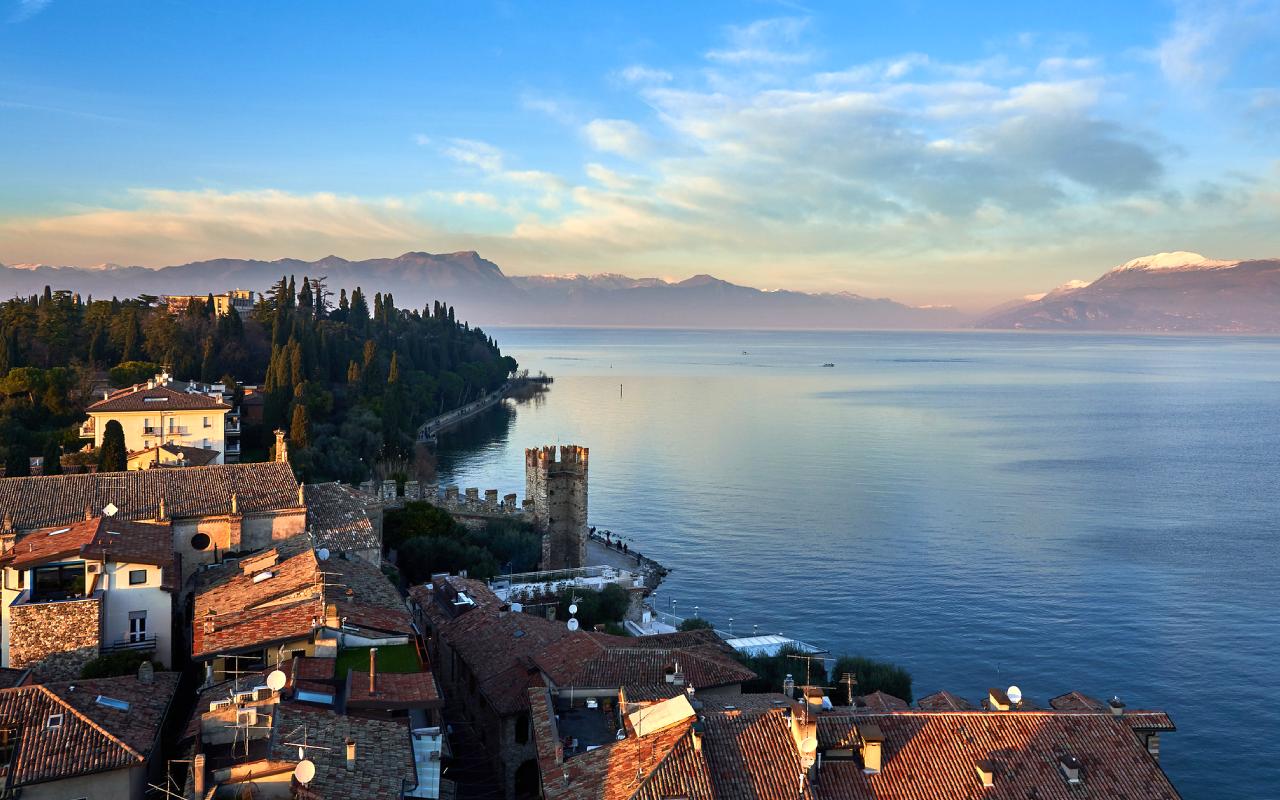
Sirmione
Sirmione is also famous for its thermal spas: the Aquaria & Terme di Sirmione use the peninsula’s sulfurous springs. The Lido beaches (Lido delle Bionde) are sandy and gently sloping (rare on Garda).
After sunset, stroll the cobbled old town lanes lined with boutique shops, gelaterias, and lakeside cafés. Recommended: Mura Sirmione walkway (touch the old city walls), and Chiesa di San Pietro in Mavino (hilltop church with frescoes).
Desenzano del Garda (BS, SW): The region’s largest town, a transportation hub. Its Rocca Viscontea castle (14th c.) overlooks the harbor. Wander Piazza Malvezzi by day (bars, shops) and dine on the bustling lakeside promenade by night. Desenzano is known for its nightlife, bars, and clubs that run late. It also has Roman ruins (a villa with mosaic floors).
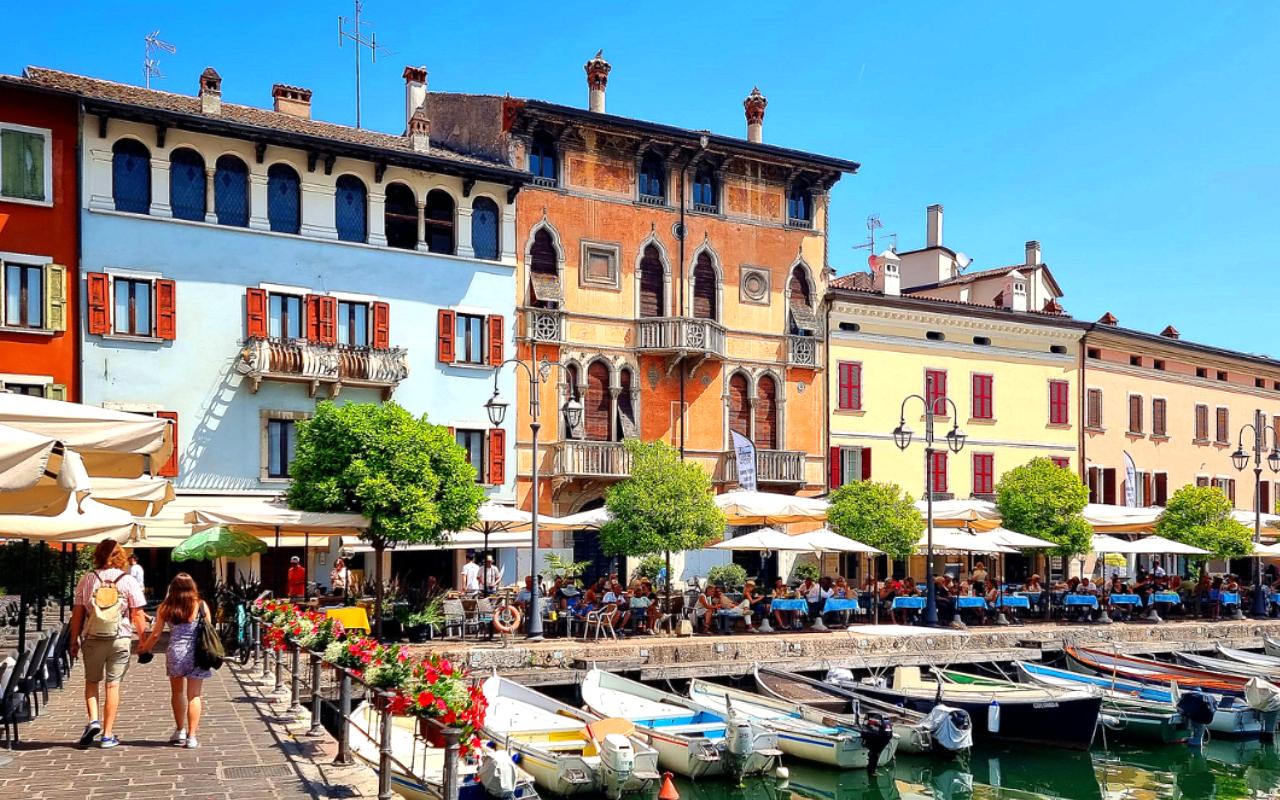
Desenzano del Garda
Desenzano’s ferry terminal connects to the north and Garda/Torbole, making it a gateway. Beach: Spiaggia Desenzano (east of town) is popular and sandy. Museums: the Grotte di Catullo Centro exhibits mosaic finds.
Riva del Garda (TN, North): This is Garda’s northernmost town, set against steep mountains. Riva’s Piazza III Novembre by the lakefront is lively, flanked by the 18th-century Torre Apponale (clock tower) and cafes.
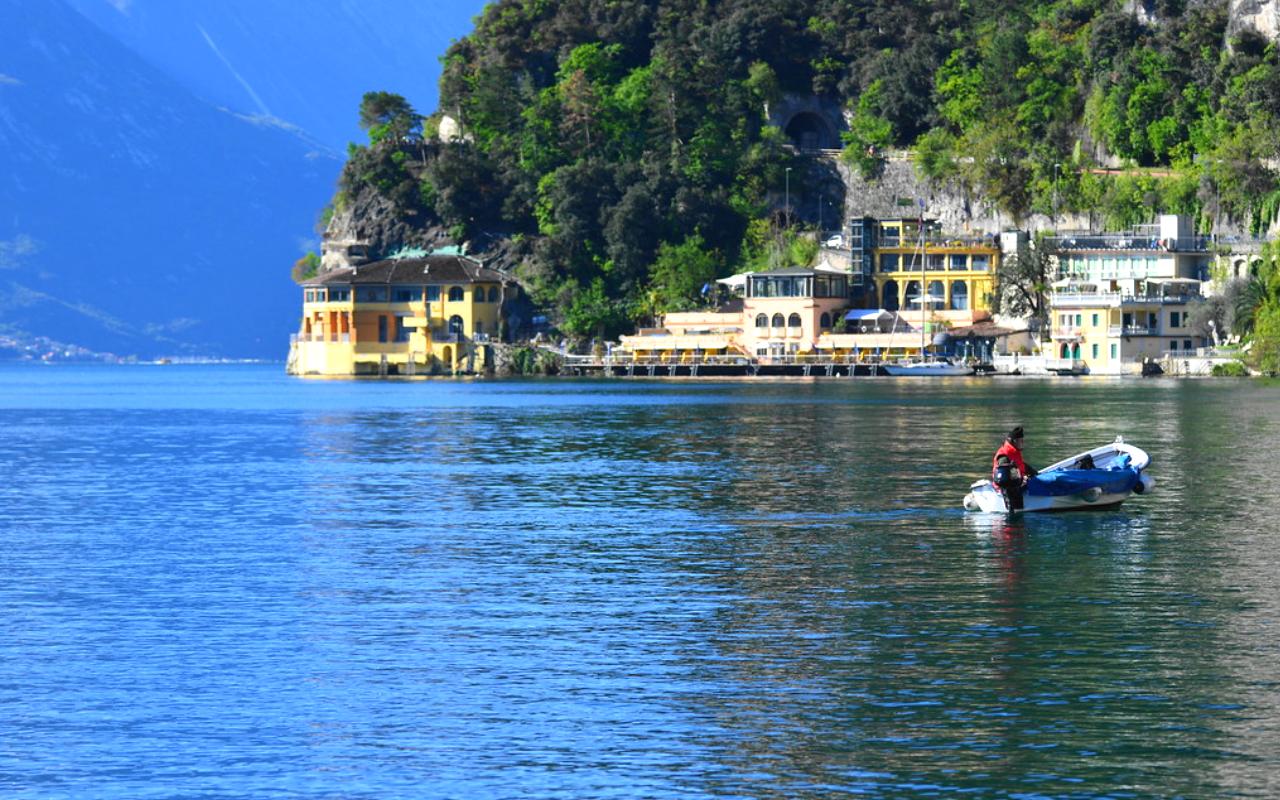
Riva del Garda
A short climb up to the Bastione fortress (rustic retaining walls, museum) yields panoramic views. Riva’s famous for windsurfing, its lakeshore beaches, and schools (e.g., Green Village) cater to board sports.
There’s a beautiful park (Parco del Ponale) along the old Ponale road with lake vistas. In winter, Riva hosts a traditional Christmas market.
Activities: bike or hike up to Varone Waterfall (1 km west of Riva; a stunning gorge), or take a lake ferry to Torbole (1 km east), then cycle along the rivers. Riva also has a small marina and two museums (lakeside and Bastione).
Torbole sul Garda (TN, NE of Riva): Tiny Torbole is just east of Riva, at the mouth of the Sarca River. It’s a windsurfing mecca (usually windier than Riva). The river park, with grand old cypress trees and a stream, is idyllic.
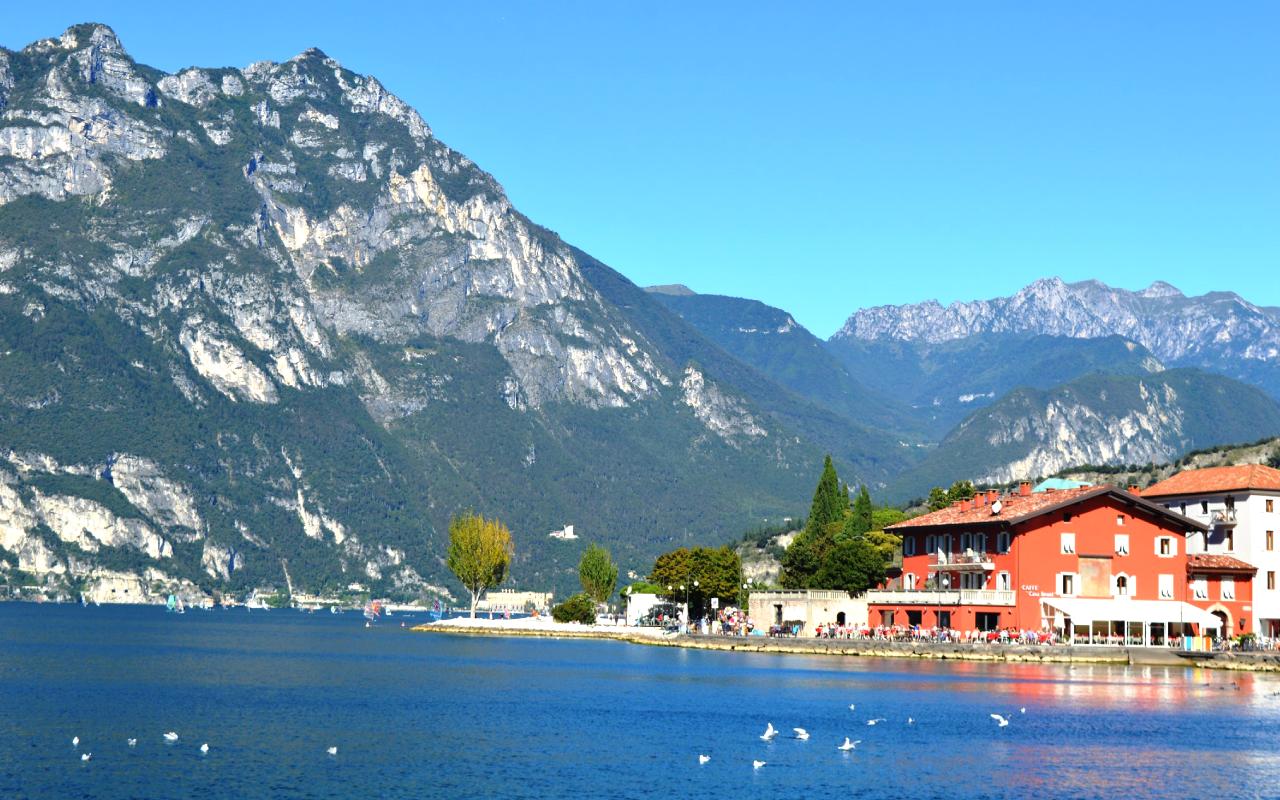
Torbole sul Garda
Don’t miss the Canyon Marmitte dei Giganti (above river mouths, giant potholes in stone). The Torbole promenade and cafés under plane trees are perfect for people-watching. A 5 km lakeside cycling path (Parco Fluviale) links Torbole to Nago above, or hop on the ferry to Malcesine.
Malcesine (VR, East): Perhaps Garda’s prettiest lakeside village. Its compact old town is dominated by the Scaliger Castle (Castello di Scaligeri) on a promontory. The castle’s tower houses a small museum and offers 360° views. From Malcesine’s harbor, you can take the famous cable car up Monte Baldo (to 1,760 m) for hiking or paragliding.
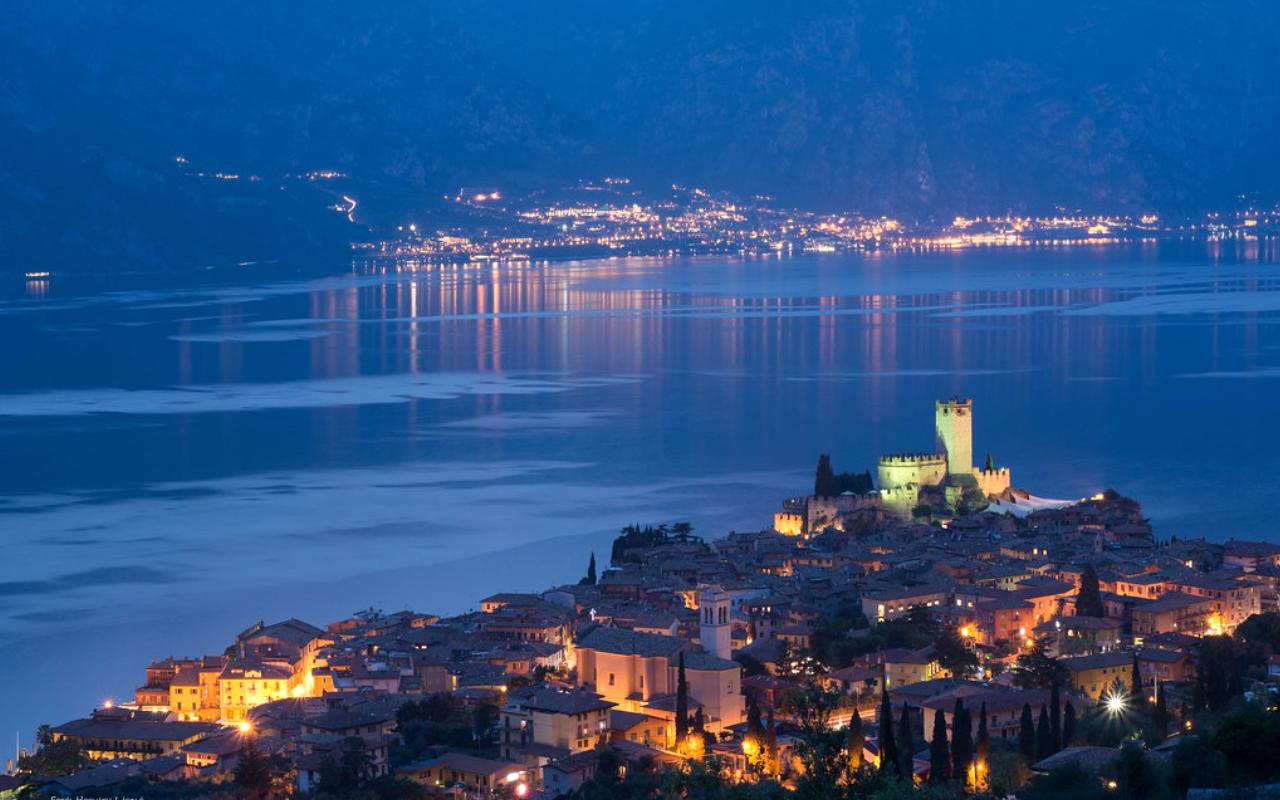
Malcesine
After returning from Baldo, stroll Malcesine’s stone streets, browse artisan shops, and dine on risotto con pesce persico (perch risotto). Beach: Lido delle Sarche has green lawns and cafes. Malcesine also has a lively lakeside bar scene.
Limone sul Garda (BS, West): A charming village with pastel houses clinging to the cliffs. Famous for its “limonaie” (historic lemon houses), and terraced citrus groves, where you can tour old irrigation systems.
The small port and lakeside promenade offer picture-postcard views. Enjoy local lemon sorbet or limoncello. The scenic Dosso del Castèl trail leads to a 15th-century fort above the town (views of the lake).
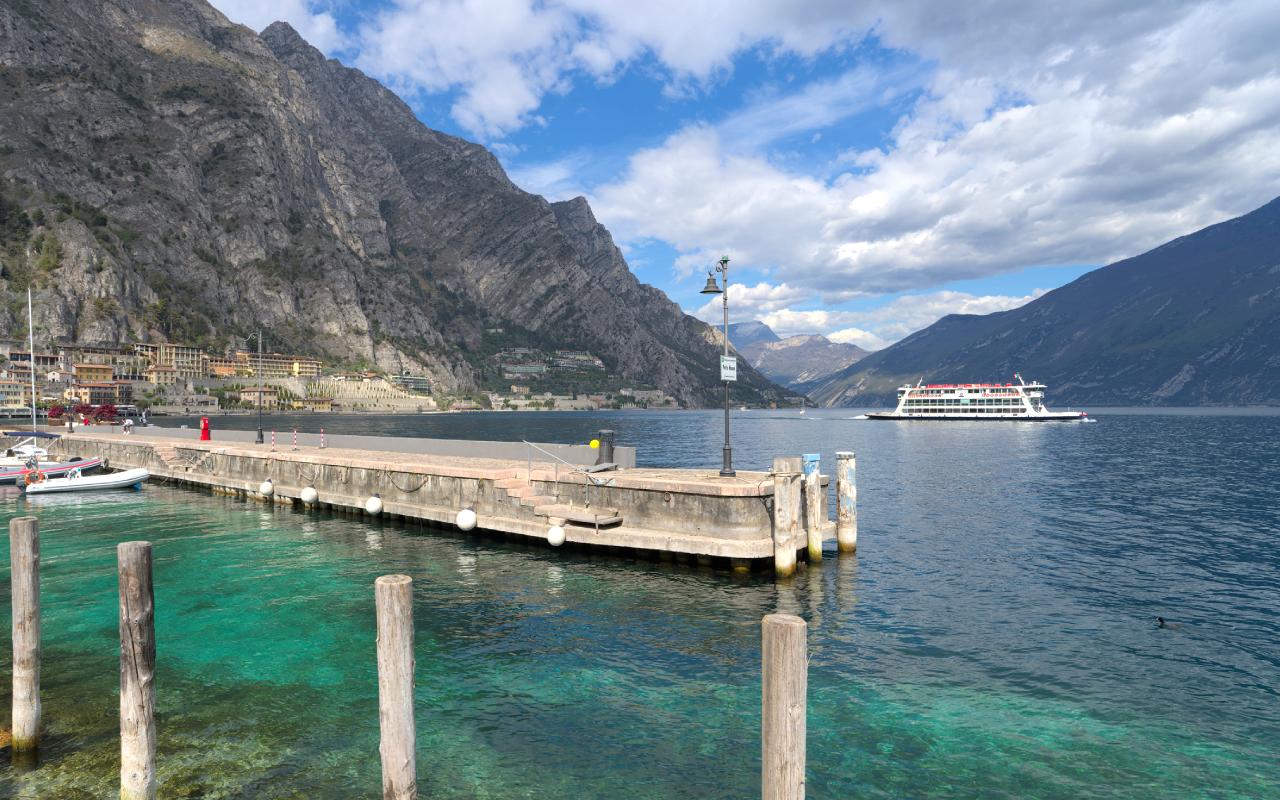
Limone sul Garda
Limone has one of the warmest microclimates on the lake (olives and lemons flourish). Don’t miss the small Museo della Limonaia (house of lemons) nearby, which is free. Beach: pebble Spiaggia Giamaica on the north end is scenic. (See [49] on Limone’s citrus heritage).
Bardolino (VR, SE): Renowned for its Bardolino wine (light reds and Chiaretto rosé). The elegant Lungolago Veneto lakeside promenade is lined with cafes; the old town behind it has medieval churches (San Severo). Bardolino hosts an annual September wine festival (Cantine Aperte).
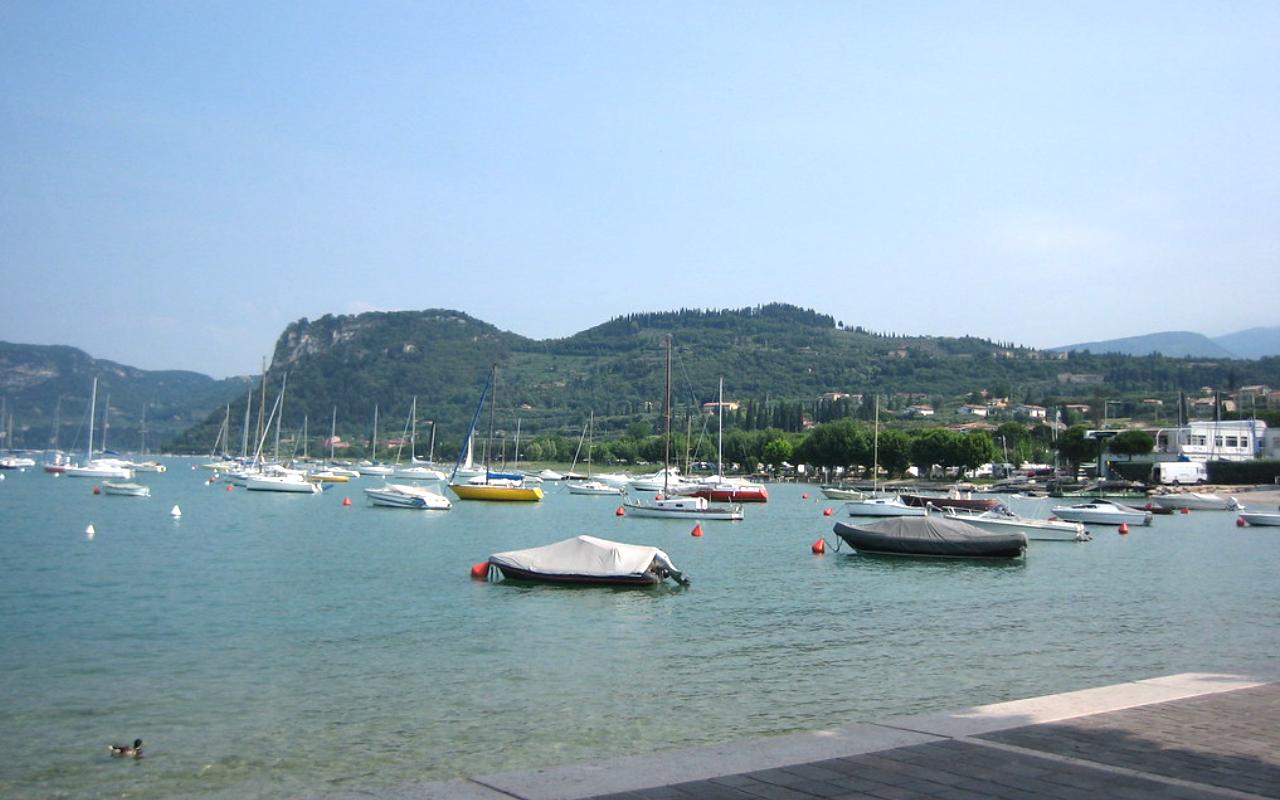
Bardolino
Visit the Museo del Vino (Zeni Winery) in town. Nearby are many wineries/vinotecas: Ca’ dei Frati (Lugana white wines, Sirmione), Zenato (famous Lugana reds/whites), Tenuta Roveglia (Amarone/Lugana) in Roncà. In summer, Bardolino’s marina is busy with sailboats. Beaches: Bardolino’s Lido Mirabello (pools) and Lido Monte Oro (free beach) are good for families.
Peschiera del Garda (VR, SE): A fortress town at the river mouths in the south. Its well-preserved star-shaped fortifications (Venetian walls) are UNESCO-listed. The historic center is on an island between rivers.
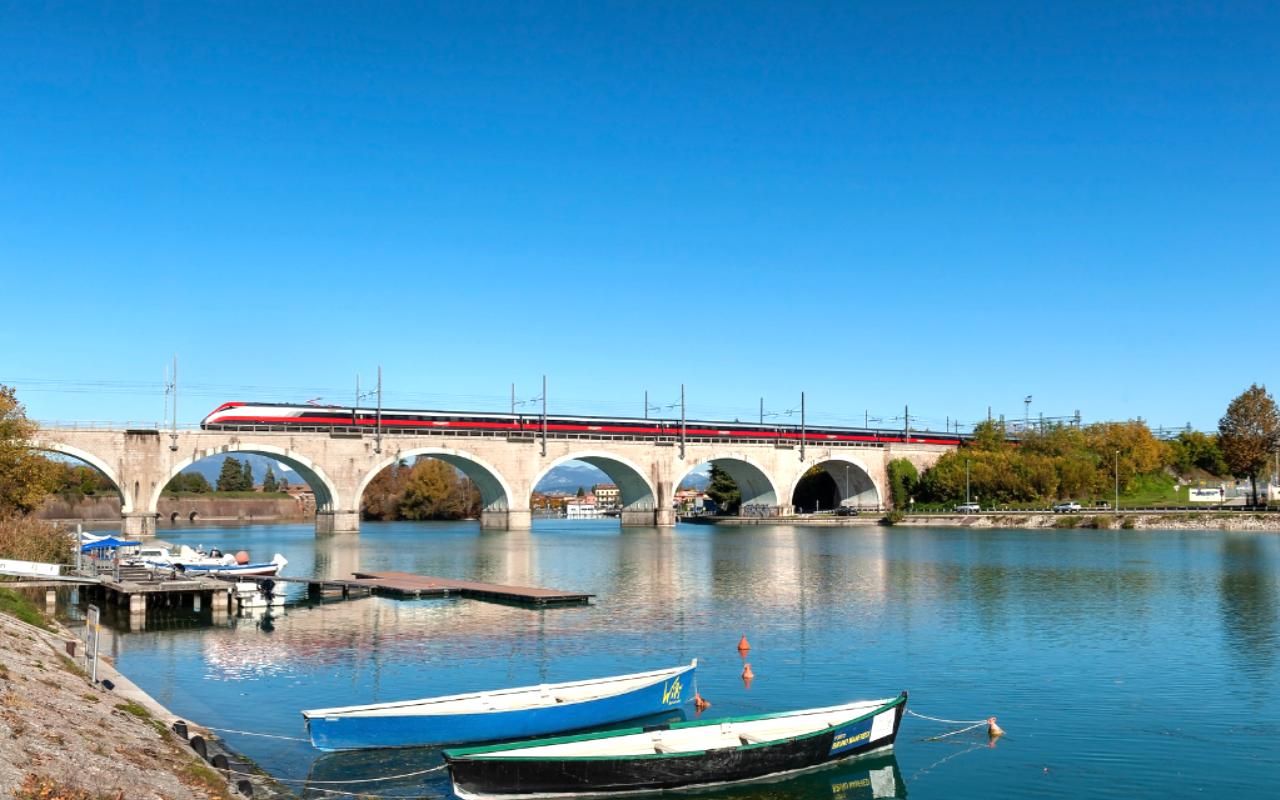
Peschiera del Gardav
Ferries depart here toward Riva/Malcesine. Worth a stop for castle walls, park-like shores, and a busy canal (Porta Brescia). The nearby Sirmione peninsula is a 10-min train ride away. (Lower priority for most tourists, but convenient for transport.)
In summary, Sirmione for history/spas, Riva/Torbole for adventure sports, Malcesine for mountain scenery, Limone/Bardolino for charm and wine, and Desenzano/Peschiera as transport hubs. Each town’s tourism website (see list above) has event calendars.
6. Best Times to Visit Lake Garda
Lake Garda enjoys a mild Mediterranean climate. Winters are cool, and wetter (avg. 4–12°C) with many hotels and attractions closed; it’s quiet and cheaper. Spring (April–May) sees green hills, blooming flowers, and comfortable 15–20°C days. Crowds are moderate.
Best for sightseeing:
Late spring (May) and early autumn (Sept–Oct): Temperatures are pleasant (15–25°C), ideal for hiking, cycling, and touring without extreme heat or crowds. Gardens (Sigurtà, Vittoriale) bloom in spring; fall offers wine harvest festivities in Bardolino and San Felice del Benaco.
Summer (June–Aug): warm (20–30°C) and perfect for swimming, sailing, and open-air concerts. However, July–August sees peak crowds and higher prices. Beaches and ferries fill up, and towns (especially Sirmione, Garda, and Limone) can get congested. It’s the high season for every activity (sports events, boat tours, open-air operas).
Winter (Nov–Mar): quiet but cool (rarely below 0°C): Some lake breezes can be blustery; thermal baths are open year-round. Many hotels on the west shore (designed for summer tourists) close. If you don’t mind rain and limited service, you’ll find lower costs (off-season rates) and easy access to cultural sites.
TripAdvisor survey (July 2023) and guides advise the shoulder seasons as optimal for good weather and smaller crowds. Note: spring/fall rains are possible, so always pack a light rain jacket.
7. Food & Wine during Lake Garda visit
Lake Garda’s cuisine merges Lombardy, Veneto, and Trentino traditions. Key ingredients are fresh lake fish, olive oil, lemons, and local wine. Signature dishes include:
Lake Fish: Grilled whitefish (coregone) and perch fillets are ubiquitous. “Carpione” (marinated fish, usually carp or “bleak”) is a classic, fish filleted, vinegar-cooked with onions and herbs. Risotto con pesce persico (perch risotto) is a regional specialty. Pike in sauce (zūca)a Gardesana) – slow-cooked with capers and served on polenta. Other trout dishes (usually farmed due to wild trout scarcity) may appear.
Polenta & Cheese: Polenta (cornmeal) often accompanies fish or stews. On the high Garda (Trentino side), you’ll find strangolapreti (spinach-ricotta gnocchi) and venison stews. The region is on the edge of Valtellina-style grana Padano and local fontina cheese.
Olive Oil & Lemons: The western shore is known for Garda DOP extra-virgin olive oil and Limone di Limone lemons. You’ll often taste salads drizzled with Frantoio oil and lemon. Honey and olive oil gelato are local treats.
Wine: Several DOC wines originate here. The red Bardolino is the lake’s icon: light, fruity Corvina blends (often enjoyed with antipasti). Its rosato (Bardolino Chiaretto, a dry rosé) pairs famously with fish. Other reds: Valpolicella (from Veneto hills at east end), and Groppello (native red grapes on the west).
Whites: Lugana (a crisp white from Trebbiano di Lugana grapes in the south) and Garda Classico Chiaretto (rosé). Custoza Bianco and Soave are also found in nearby areas. Olive- and lemon-based liqueurs (limoncello) are common after-dinner sippers.
“The wine that best symbolizes Garda is Bardolino.” Light reds and rosés (Chiaretto) are local staples, often paired with fish.
Restaurants & Wineries: A few top suggestions (name, town):
- La Cantina del Gallo (Limone): Italian-tapas style with lake view (Via Marconi 4).
- Antica Focacceria del 1563 (Brenzone): Lombardy specialties (Via Gardesana), also good for pizza.
- Osteria La Speranzina (Sirmione): Fine dining on lakeshore (Via Daneri, 2) – known for seafood.
- Trattoria La Fiasca (Lazise): Rustic lake fish dishes (Via Vittorio Emanuele 37).
- Locanda alle Rose (Desenzano): Traditional Veneto fare (Piazza Malvezzi, 10).
- Alla Stella (Desenzano): Lake-fresh seafood (Via Casotto, 2).
- Lido 84 (Gardone Riviera): Modern cuisine with a Michelin star (Via Nazionale 9).
- Regio Patio at Regina Adelaide Hotel (Garda town): Lakefront, elegant menu.
- Vecchia Malcesine (Malcesine): Michelin-star local cuisine on the east shore.
- Casa Leali (Puegnago): Farmhouse fine-dining (3 km from the lake; garden setting).
- For pizzeria: Antica Pizza (Desenzano) is renowned, or Da Chiavica (Sirmione).
- For wine tasting, visit local vineyards: Cantina Zeni (Bardolino, with free Wine Museum tours), Guerrieri Rizzardi (Bardolino), Ca’ dei Frati (Lugana, Sirmione), Zenato (Lugana, San Benedetto), Tenuta la Carga (Valtenesi red). Many wineries offer cellar tours & tastings by appointment.
- Desserts: Try tortellini di Valeggio (stuffed pasta), strudel (Trentino influence), and local gelato flavors (lemon is everywhere, olive oil and rosemary flavors also appear). Aperitivo culture is big: Spritz on the piazza is a must-do at sunset.
Restaurant/Wine Sources: Travel guides like CNTraveller and local food blogs confirm these specialties. The WonderfulItaly food guide provides details on ingredients and dishes.
8. Festivals & Events in Lake Garda
Lake Garda hosts many seasonal events:
- Wine Festivals: In Bardolino and Lazise, Cantine Aperte (late spring) sees wineries open for tasting. Festa dell’Uva (Grape Festival) in Bardolino (early Oct) with grape treading. Bardolino Wine Festival (Sept) and Rivafolk (July in Riva, world music).
- Cultural/Fairs: San Giovanni del Toro (Aug 29) celebrates Torbole’s patron with historical reenactments. Vittoriale degli Italiani in Gardone (D’Annunzio’s estate) runs summer opera spectacles. Verona Opera Arena (not on the lake but 45 min away) is a UNESCO event worth combining.
- Sports Events: Annual Garda Trentino Windsurf events (windsurf world cup in Riva, usually in the spring). Maratona dles Dolomites cycling in July (northern Italy, some riders on the Baldo roads). Fuji Lake Granfondo cycling race around Garda in summer. Outdoor races (running, triathlon) often start/end by the lake (check Garda by Bike events).
- Arts & Music: Festival Pucciniconcerts (summer opera at Villa Puccini, Forte di Marmi) and Festival delle Ville Venete (classical music in lakeside villas).
For current festival dates, see towns’ official tourism sites (Sirmione, Riva, Garda events sections). In general, spring through early autumn have weekly markets (farmers’ markets) in different towns.
9. Safety & Packing Tips for Visiting Lake Garda
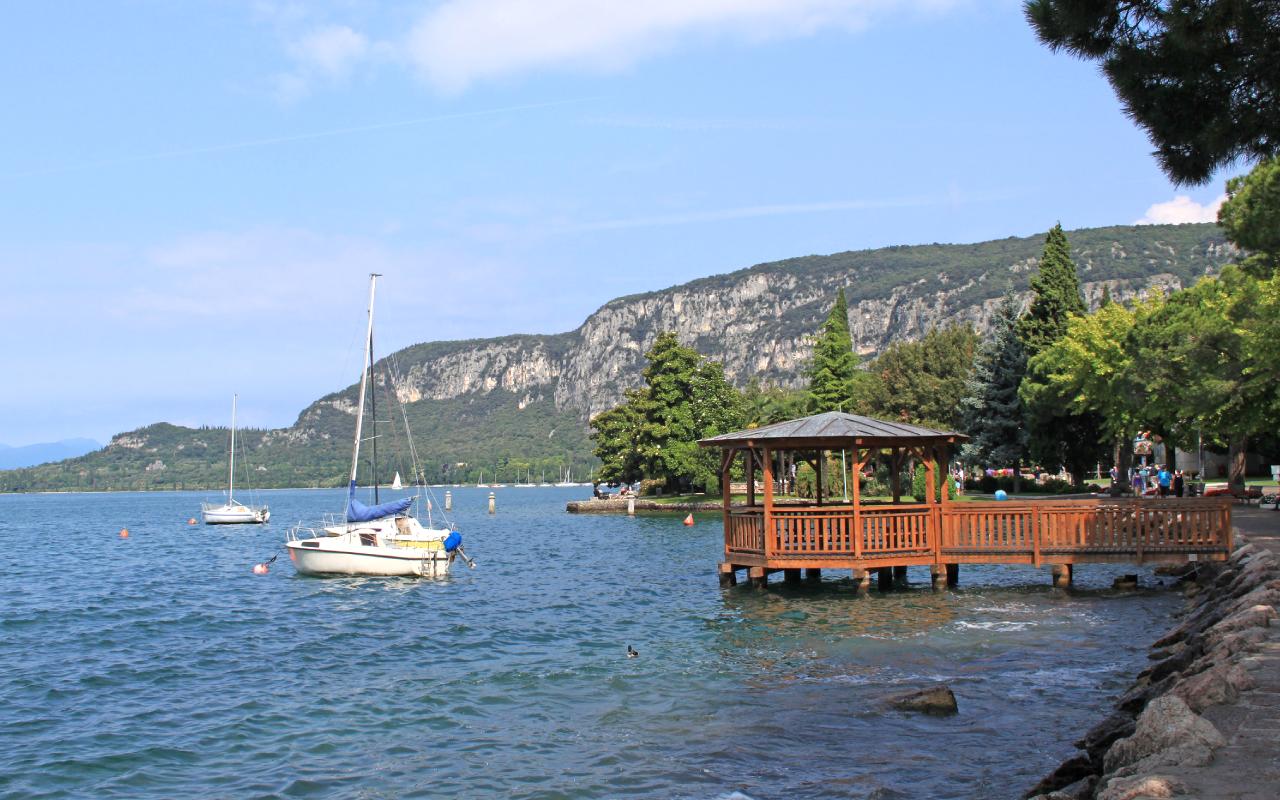
Lake Garda is very safe for tourists, with typical big-city safety norms. Tap water is potable; no special health risks. Summer UV can be intense; bring sunscreen and hats.
Packing recommendations:
- Layered clothing: summer days are hot (25–30°C), but evenings can cool, especially by the water. Spring/fall mornings are chillier (10°C) but warm by afternoon. A light jacket or sweater is handy.
- Rain gear: Spring and autumn see occasional rain; pack a lightweight raincoat or umbrella.
- Footwear: Comfortable walking shoes for cobblestones, sandals for lakesides, and sturdy boots for hikes.
- Water gear: If visiting water sports, bring swimwear and quick-dry clothing. For boating, sunglasses, and a light windbreaker.
- Adapters: Italy uses 2-pin plugs (Type L), 230V.
- Health: Pharmacies (farmacia) are in every town.
- Driving: Renters need an International Driving Permit (Italy enforces this). Note: many towns have ZTL (no-drive) zones; check signs.
Emergency numbers: 112 (general EU), 113 (police), 118 (ambulance). Overall, Garda is family-friendly and welcoming – just watch bike/scooter traffic and mountain weather warnings.
10. Sample Itineraries of Lake Garda
Below are sample trip plans. Itinerary tables and a 7-day timeline mermaid chart visualize key steps. Adjust based on your arrival town (Desenzano/Peschiera vs. Malpensa/Verona airport).
3-Day Itinerary: Ideal for a quick highlights tour (assumes arrival in South).
- Day 1: South Lake & Sirmione – Morning: visit Scaligero Castle and Catullo Ruins in Sirmione. Afternoon: swim or spa. Evening: dinner lakeside.
- Day 2: Gardesano (west) & Bardolino – Drive/ferry to Limone for morning stroll (limonaie tour). Afternoon: Bardolino town and wine tasting; sunset in Garda town.
- Day 3: North Lake – Ferry or drive to Malcesine; cable car up Monte Baldo; hike or bike. Evening in Riva del Garda (return via ferry or highway).
5-Day Itinerary: Covers more towns and activities.
- Days 1–2: as above (Sirmione, Desenzano, Limone, Bardolino).
- Day 3: Malcesine & Hiking – Visit Malcesine castle and Monte Baldo.
- Day 4: Riva/Torbole – Morning windsurfing/kayaking in Riva. Afternoon: visit Varone Waterfall and Bastione fortress. Evening in Torbole.
- Day 5: Leisure Day – Beach in Peschiera or Lazise; optional Gardaland (theme park) or relax at a spa.
7-Day Itinerary: A full-circle lake tour.
Each section above groups a day’s activities. For example, on Day 4, we visited Malcesine + Monte Baldo, etc. This chart helps visualize shifting focuses around the lake.
Itinerary Table Example (7 days):
| Day | Region | Activities | Overnight |
| 1 | Sirmione | Sirmione Castle, Catullo Villa, Spa | Sirmione |
| 2 | West Garda | Limone lemon gardens, Valtenesi wine tour, Bardolino | Bardolino |
| 3 | East Garda | Lazise castle & market, Garda town promenade | Garda town |
| 4 | Malcesine | Scaliger Castle, Monte Baldo (cable car + hikes) | Malcesine |
| 5 | Riva/Torbole | Bastione fortress, Varone waterfall, windsurfing | Riva del Garda |
| 6 | South Garda | Leisure in Desenzano/Lazise, optional Gardaland | Desenzano |
| 7 | Departure | Morning ferry/train to Verona or Milan | — |
Notes: This is a sample. If flying into Verona/Desenzano on Day 1, reverse Days 6–7 as needed. Ferry/boat schedules can optimize one-way travel (e.g., boat from Malcesine to Desenzano to save driving).
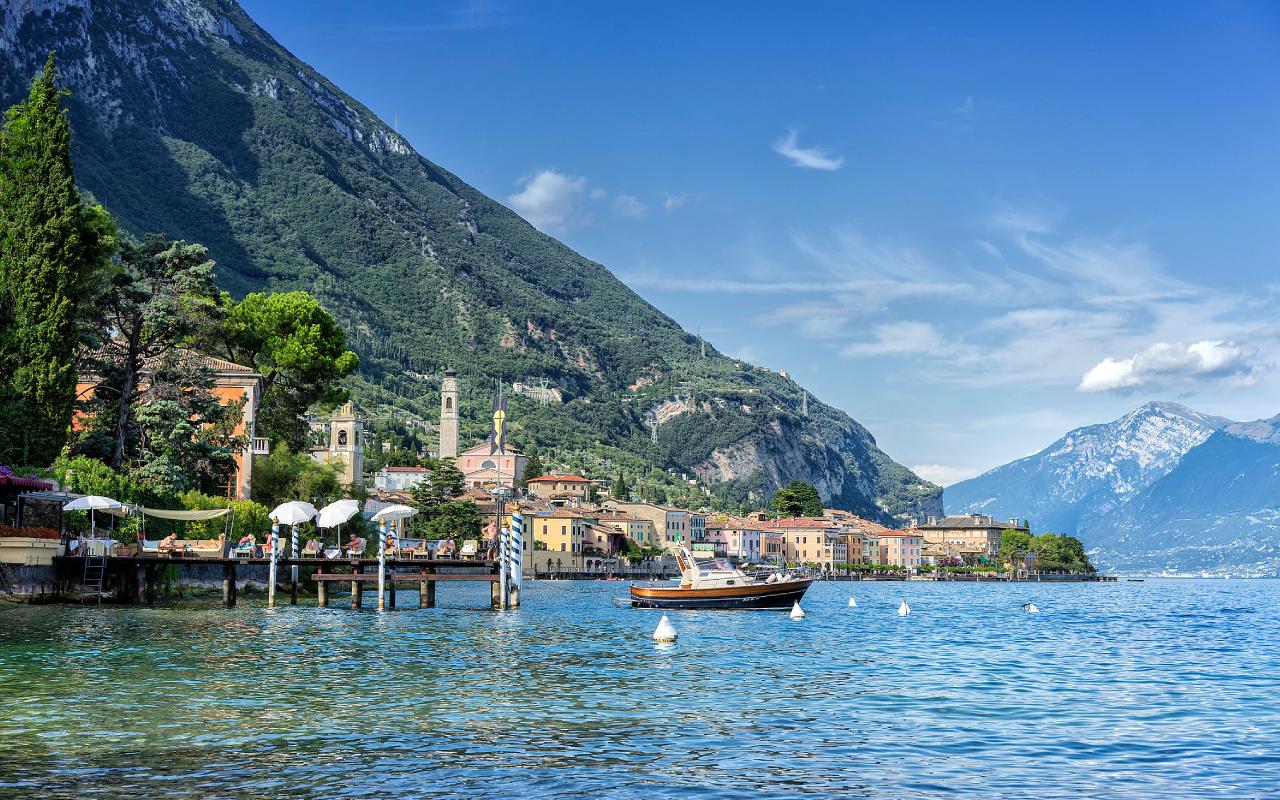
Lake Garda
11. Transport Timetable Overview of Lake Garda
Ferries (Navigazione Laghi): In high season (May–Sep), ferries run daily on most routes. Key lines are:
- Riva–Limone–Malcesine–Garda–Maderno–Desenzano (hourly or better in summer; slower ferry).
- Desenzano–Sirmione–Peschiera (frequent catamaran services).
- Torbole–Maderno (fast hydrofoil). Exact frequencies vary by month; e.g., in July, there may be a boat every 30–60 min on main stretches. Winter schedules often limit service to key segments (Riva–Torbole–Maderno, once or twice daily).
Trains: Trenitalia/Italo operate:
- Verona↔Desenzano/Peschiera every 15–30 min (40–60 min trains) throughout the day.
- Milan↔Verona high-speed every 30–60 min; continue to Desenzano.
- Venice→Verona hourly (1h travel), then on to the lake.
- Trento↔Verona regional 1h (stop at Peschiera). Timetables: use trenitalia.com or italotreno.it. Regional buses connect stations to lake towns if needed (e.g. Rovereto→Torbole by bus 421).
Highway Bus: FlixBus/Marino offer routes from Milan/Venice to Brescia/Verona (then local train). Brescia–Desenzano Lonato – Coach (FlixBus) is available. Taxi/shuttle services connect airports to train stations (e.g. Malpensa→Milano Centrale).
12. Budgeting & Costs of Lake Garda
Daily Budget Estimates (per person): These are ballpark figures (mid-2026); adjust for seasonal peaks. Lodging per night is per person (double occupancy).
- Budget Traveler: €80–€120/day. Hostels or simple B&B (€30–€50 pp). Self-catering or cheap eats (panini, pizza, supermarket €10–€15). Public transport (10–20€). Activities on foot or free hikes.
- Mid-Range: €150–€250/day. 3★ hotels/guesthouses (€60–€100 pp), restaurant meals (€20–€30 x2), occasional guided tour or rental (bike rental €20).
- Luxury: €350+/day. 4★–5★ hotels (€150–€300+ pp), gourmet dinners (€50+), private transport, spa fees, boat rentals.
Typical Costs: (grouped)
- Hotel (dbl room): Budget €60–100, 4★ €120–200, Luxury €300+.
- Meals: casual €10–20, mid €25–40, fine dining €60+ per person.
- Coffee/gelato: €2–€5.
- Ferry: €5–15 one-way (town-to-town); day-pass €20.
- City bus: €1.50–€2.80.
- Car hire: €50–€100/day (car only, excludes fuel/parking).
- Bike hire: €15–€30/day.
- Entrance fees: Catullus villa €10, Baldo cable car €20, castle museums €6–10.
- Tours: Full-day guided boat €50–€100; wine tour €100.
Example Budget Table (per day, couple):
| Traveler Type | Accommodation | Food/Drink | Transport | Activities | Total/day |
| Budget (shared room/cheap B&B) | €60 | €30 | €10 | €10 | €110 |
| Midrange (3★ hotel) | €100 | €50 | €20 | €20 | €190 |
| Luxury (5★ resort) | €300 | €100 | €40 | €50 | €490 |
(Accom. per person)
Exclusions: international flights, major private tours, and shopping. Lake Garda’s City Tax* (1–3 €/night) may apply in hotels.
Money Tips: The euro is used. Credit cards widely accepted, but carry cash (€) for small shops in villages. Tipping 10% in restaurants if the service is good.
13. Conclusion
Lake Garda offers an unbeatable mix of Alpine scenery, Mediterranean charm, and Italian culture. Whether you seek thrilling windsurf sessions in Riva, romantic castle dinners in Malcesine, or relaxing spa days in Sirmione, this guide will help you plan an unforgettable trip.
From the rich history of Roman villas and Scaliger castles to modern wine-tasting and lakeside promenades, Garda satisfies families, adventurers, and luxury travelers alike.
Call to Action
Ready to explore Lake Garda? Start booking your flights and lodgings now! Use this guide’s itinerary and tips to lock in accommodations (especially in peak season) and ferry tickets.
Don’t forget to pack your swimwear and hiking boots. Its diverse offerings mean there’s something for everyone. Start planning today










-
 0115 Best Easy Treks in Nepal for Beginners and Families
 -
 02Best season for Everest Base Camp Trek
 -
 03Best Time to Go Hiking in Nepal: A Seasonal Guide for Trekkers
 -
 04Suchi Purja –Wife of Nirmal Purja aka Nims Dai
 -
 05Dubai desert safari outfit ideas
 -
 06Top Beaches in Sri Lanka
 -
 0710 Best Easy Treks in Nepal