
Now Reading: Al Marmoom Oasis: The Ultimate Desert Escape You Didn’t Know Dubai Had
-
01
Al Marmoom Oasis: The Ultimate Desert Escape You Didn’t Know Dubai Had
Al Marmoom Oasis: The Ultimate Desert Escape You Didn’t Know Dubai Had

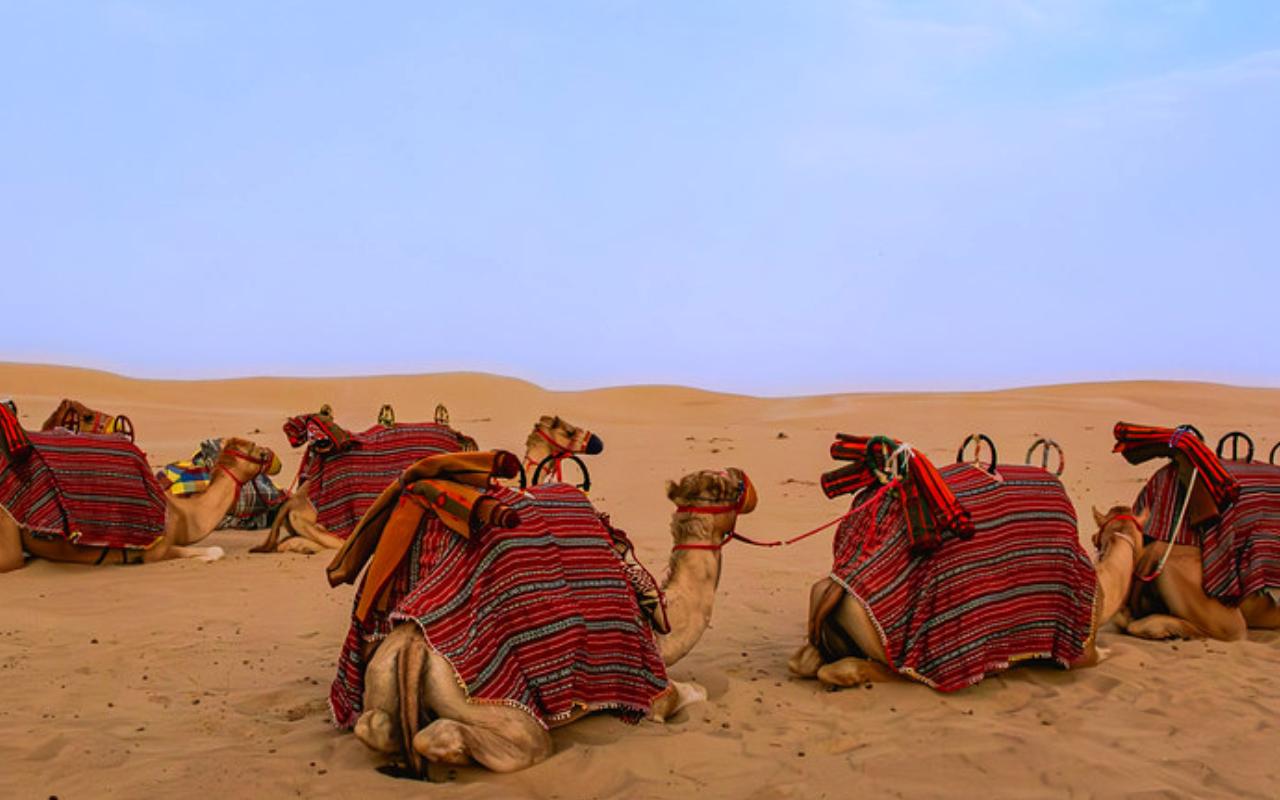
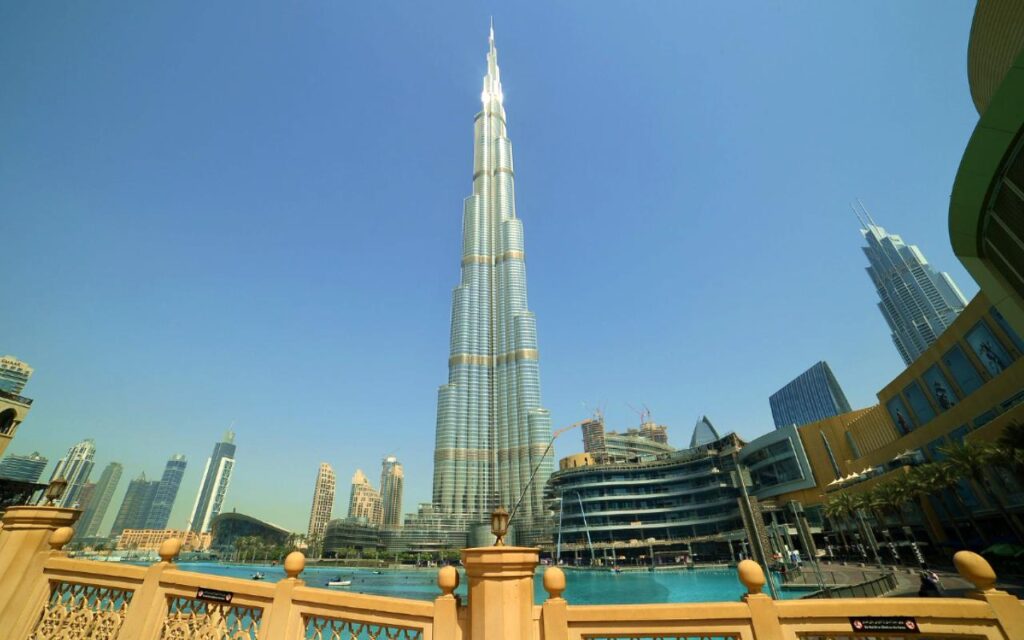
Everyone knows Dubai for its gleaming skyscrapers, luxury shopping malls, and world-class beaches. It’s the city that made the impossible possible with an artificial island shaped like a palm tree, the world’s tallest building, and an indoor ski slope in the middle of the desert.
Dubai loves the spectacular. And tourists love Dubai for exactly that reason. But here’s the thing nobody tells you before your trip.
Behind all that glitter and glass, there’s another Dubai, a quieter, wilder, and infinitely more soul-stirring. A Dubai where the only sounds you hear are the soft padding of camel hooves on sand and the distant call of a falcon against a sunset sky.
A Dubai where the stars are so thick and bright they seem almost unreal. A Dubai where you can sit by a desert lake, watch flamingos wade through the water, and feel completely and utterly far from the world you left behind.
That Dubai exists. And it has a name: Al Marmoom Oasis.
Tucked within the boundaries of the Al Marmoom Desert Conservation Reserve, the largest unfenced nature reserve in the entire UAE, Al Marmoom Oasis is one of the most extraordinary and underrated travel experiences in the region.
While thousands of tourists pack into commercial dune-bashing vans each evening, a lucky few find their way here, to a place where authentic Emirati culture, rare wildlife, and breathtaking desert scenery come together in perfect harmony.
This guide gives you a complete, honest, and detailed look at Al Marmoom Oasis, including what it is, what to expect, how to get there, what to do, and why it deserves a prime spot on your Dubai itinerary. Whether you’re visiting Dubai for the first time or the fifth, this experience will change how you see the city entirely.
What Is Al Marmoom Oasis?
We need to know what exactly Al Marmoom Oasis is before we have to get into the experiences and activities, because it is far more than just another tourist attraction.
The Reserve Behind the Oasis
Al Marmoom Oasis is located within the Al Marmoom Desert Conservation Reserve, which is a large, protected ecosystem of an area of approximately 10,000 hectares of raw, undisturbed desert landscape, on the outskirts of Dubai.
Installed by the Dubai government as a promise to the environment and sustainable tourism, it is distinguished by the fact that it is the largest unfenced desert reserve in the UAE, i.e., there are no walls, no barriers, no unnatural boundaries between wildlife and their natural habitat.
Contrary to most of the desert experiences in the region, which are basically theme parks constructed on sand with quad bikes, DJ sets, and buffet dinners served in decorated tents, Al Marmoom is the real thing.
It was a ground-up design to protect the native desert flora and fauna, rehabilitate the endangered species, and provide visitors with a truly authentic experience with the Arabian desert environment.
Even the oasis itself is an impressive natural phenomenon: a desert lake area surrounded by sand, greenery, and wildlife. The lakes around Al Marmoom, including Al Qudra Lakes, are known as desert wetland areas within the reserve.
It is a very important water source to the wildlife that makes this reserve their home, and it creates the sort of landscape that seems almost surreal, with water and life thriving in the middle of one of the harshest climates on earth.
A New Standard for Desert Tourism
The only difference between Al Marmoom Oasis and all the other desert experiences in Dubai is that it has never wavered in its commitment to authenticity and sustainability.
This is not a place that was built to sell Instagram moments (though it delivers plenty of those). It was built to tell a story, the story of the Emirati people, their Bedouin heritage, their relationship with the desert, and their vision for how tourism can coexist with nature rather than consume it.
Quick Facts at a Glance
| Detail | Information |
| Location | Al Marmoom Conservation Reserve, Dubai, UAE |
| Distance from Dubai City Center | Approx. 45–55 km (35–45 min drive) |
| Reserve Size | Around 10% of Dubai’s total land area |
| Best Time to Visit | October to April |
| Tour Options | Morning, evening, overnight |
| Accommodation | Luxury glamping domes and tents |
| Suitable For | Couples, families, solo travelers, groups |
Getting to Al Marmoom Oasis
Location and Distance
Al Marmoom Oasis is located roughly 45 to 55 kilometers from central Dubai, making it a comfortable day-trip or overnight escape from the city.
From the Burj Khalifa, you’re looking at approximately 35 to 45 minutes by road under normal traffic conditions. From Dubai International Airport, the drive is similar, under an hour.
The reserve is situated along the Dubai–Al Ain Road (E66), which makes navigation relatively straightforward for self-drive visitors.
Getting There by Car
If you’re renting a car or have access to one, the self-drive route to Al Marmoom is well signposted. Head south from Dubai on Sheikh Mohammed Bin Zayed Road (E311), then take the Dubai–Al Ain Road (E66). The reserve entrance is clearly marked, and parking is available on-site.
Getting There via Guided Tour
For most visitors, the easiest and most enjoyable way to reach Al Marmoom Oasis is through a guided tour that includes hotel pickup and drop-off. The majority of tour operators that serve the oasis have air-conditioned transfers between major hotels in Dubai, so that you can just sit back and enjoy the ride and arrive at the oasis ready to explore.
It is particularly advisable for those who have not experienced this type of tourism before, families with young children, or simply those who just want to have the full experience of this type of tourism without the logistics of doing so of your own. Tour prices usually have transport included, hence it is also very economical.
The Landscape and Natural Beauty of Al Marmoom
Imagine standing in the middle of an ocean of golden sand, with nothing in any direction except dunes rolling gently to the horizon. The sky is an impossible shade of blue.
The air carries the faint scent of desert herbs. The silence is so complete you can hear your own heartbeat. That’s Al Marmoom.
The Dunes
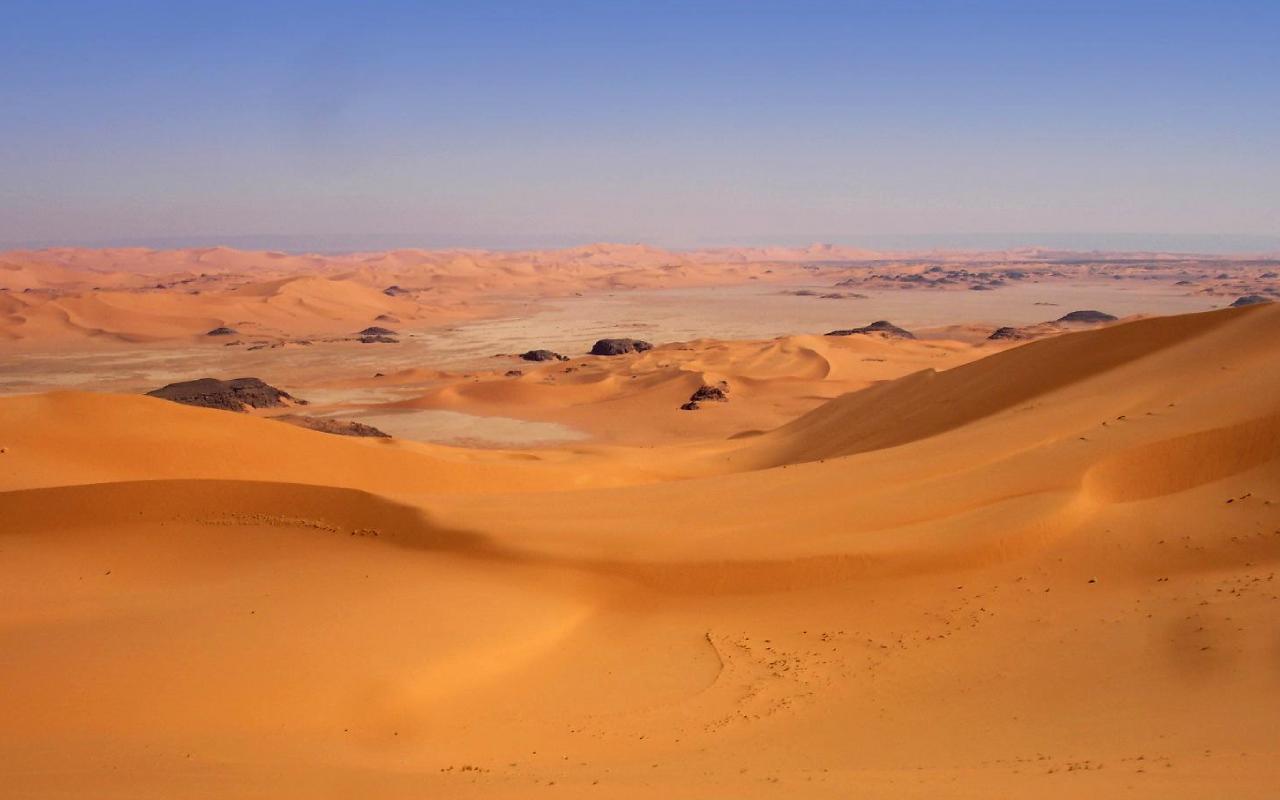
Dunes
The landscape of Al Marmoom Desert Reserve is defined by its sweeping, undulating dunes, natural formations shaped by thousands of years of wind and sand.
Unlike some desert areas near Dubai, where the dunes feel almost manicured, the dunes here feel genuinely wild and untouched. They shift. They breathe. They catch the light in ways that are absolutely impossible to photograph adequately, though you’ll spend most of your visit trying.
The golden hour, which has a magical window around sunrise and sunset, transforms these dunes into something otherworldly. The light turns the sand from bright gold to deep amber to violet-tinged rose in the space of twenty minutes, and if you’re in position with a good camera, you will take some of the best photographs of your life.
The Oasis Lake
One of the most unexpected and beautiful features of the Al Marmoom landscape is the desert lake at the heart of the oasis. A permanent water body in the middle of the desert might seem contradictory, but this lake is entirely natural, a result of the unique geography and underground water table of the area.
The lake draws wildlife from across the reserve, making it a hotspot for birdwatchers and nature photographers. In the right season, you might find hundreds of flamingos wading in the shallow waters, their pink reflections shimmering on the still surface. It’s one of those sights that genuinely makes you stop and catch your breath.
Desert Flora: The Ghaf Tree and Beyond
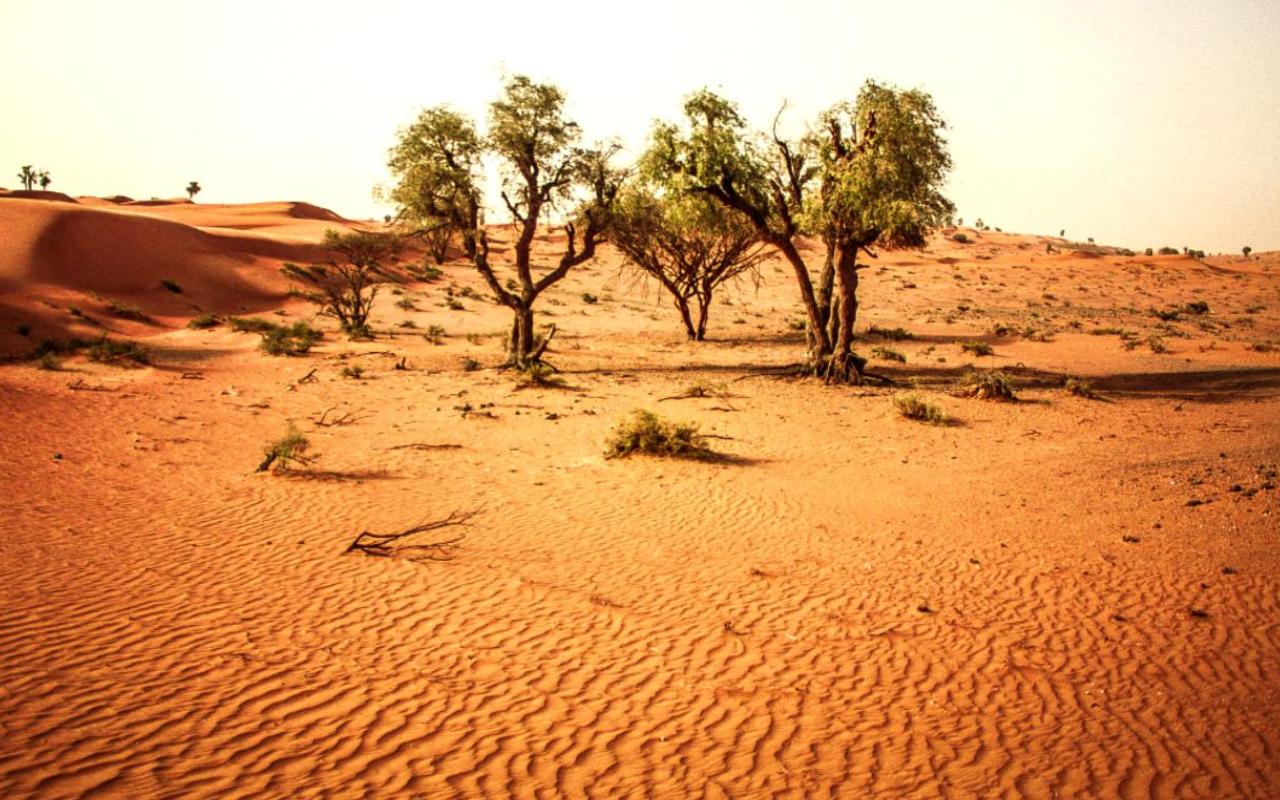
The Ghaf Tree
The plant life of Al Marmoom tells its own story. The Ghaf tree, the national tree of the UAE, grows throughout the reserve, its deep roots tapping into underground water sources to survive in one of the harshest climates on Earth.
Emirati culture has long regarded the Ghaf as a symbol of resilience and generational strength, and seeing it thrive in the open desert is quietly moving.
Beyond the Ghaf, guided tours point out a fascinating range of medicinal herbs and desert plants that the Bedouin people have relied on for centuries, such as desert sage, camelthorn, and various salt-tolerant shrubs, each with its own story and role in the desert ecosystem.
Photography Tips:
Golden hour (sunrise/sunset) is the absolute best time for landscape photography at Al Marmoom, so plan to be positioned on a dune during this window.
The oasis lake offers stunning reflections in the early morning when the water is calm.
Wildlife shots require patience and a zoom lens; animals here are free-ranging and wild, not posed for tourists.
Milky Way photography is spectacular on clear, moonless nights. Bring a tripod and a wide-angle lens.
Drone rules: Always check the latest UAE Civil Aviation Authority regulations before flying anywhere in the reserve.
Wildlife at Al Marmoom — Nature’s Hidden Kingdom
If you care even slightly about animals and nature, Al Marmoom Desert Conservation Reserve will absolutely blow you away. The variety of wildlife in this shielded ecosystem is truly amazing, and the preservation narrative behind it is truly uplifting.
The Arabian Oryx
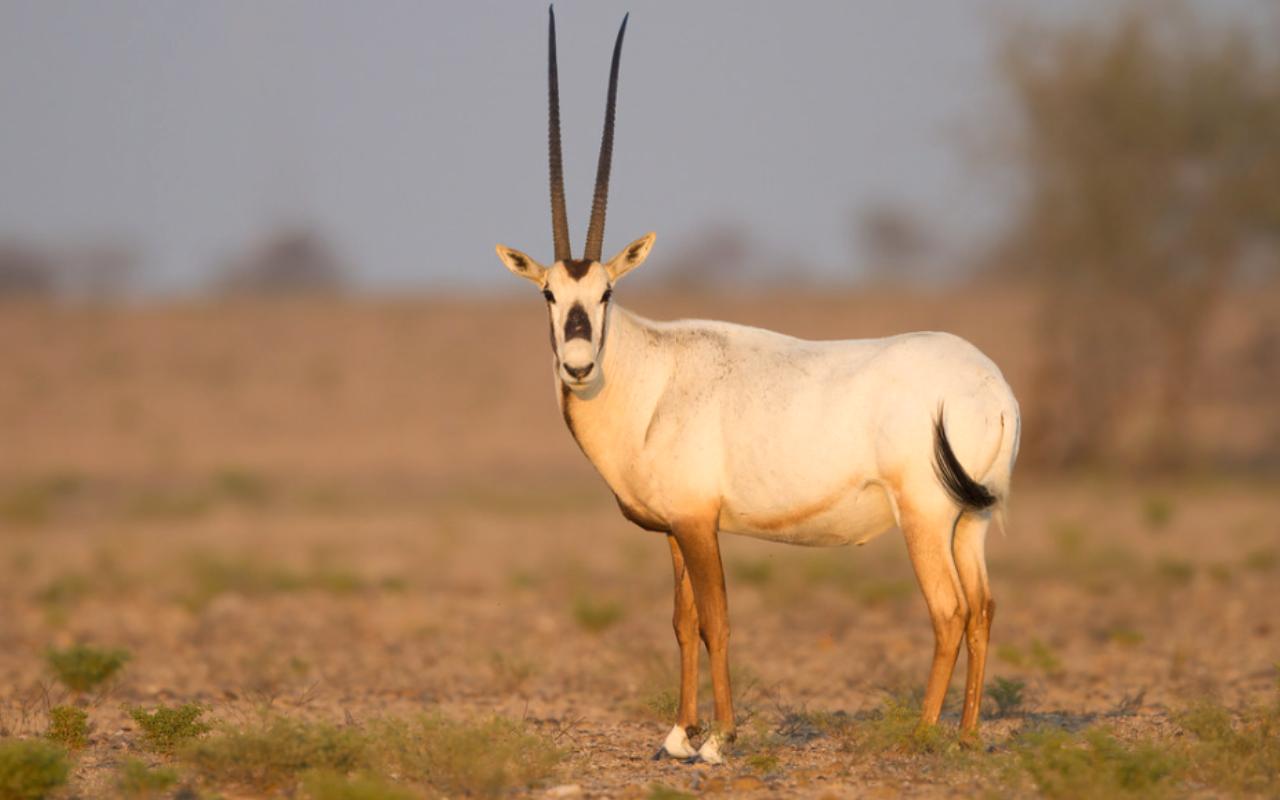
The Arabian Oryx
Arabian Oryx is, probably, the most recognizable inhabitant of Al Marmoom. This beautiful, cream-colored wild antelope with its dramatic, long horns was at one time extinct in the wild and hunted to extinction by the 1970s.
With a successful introduction back into the wild on the Arabian Peninsula, the Arabian Oryx has made a successful comeback to the wild through the careful conservation breeding programs and the secured reserves such as Al Marmoom.
Oryx is a culturally important national symbol of the UAE, symbolizing grace, strength, and stamina. Watching a small herd move silently through the desert landscape at dawn is the kind of memory that stays with you for years.
Gazelles and Desert Deer
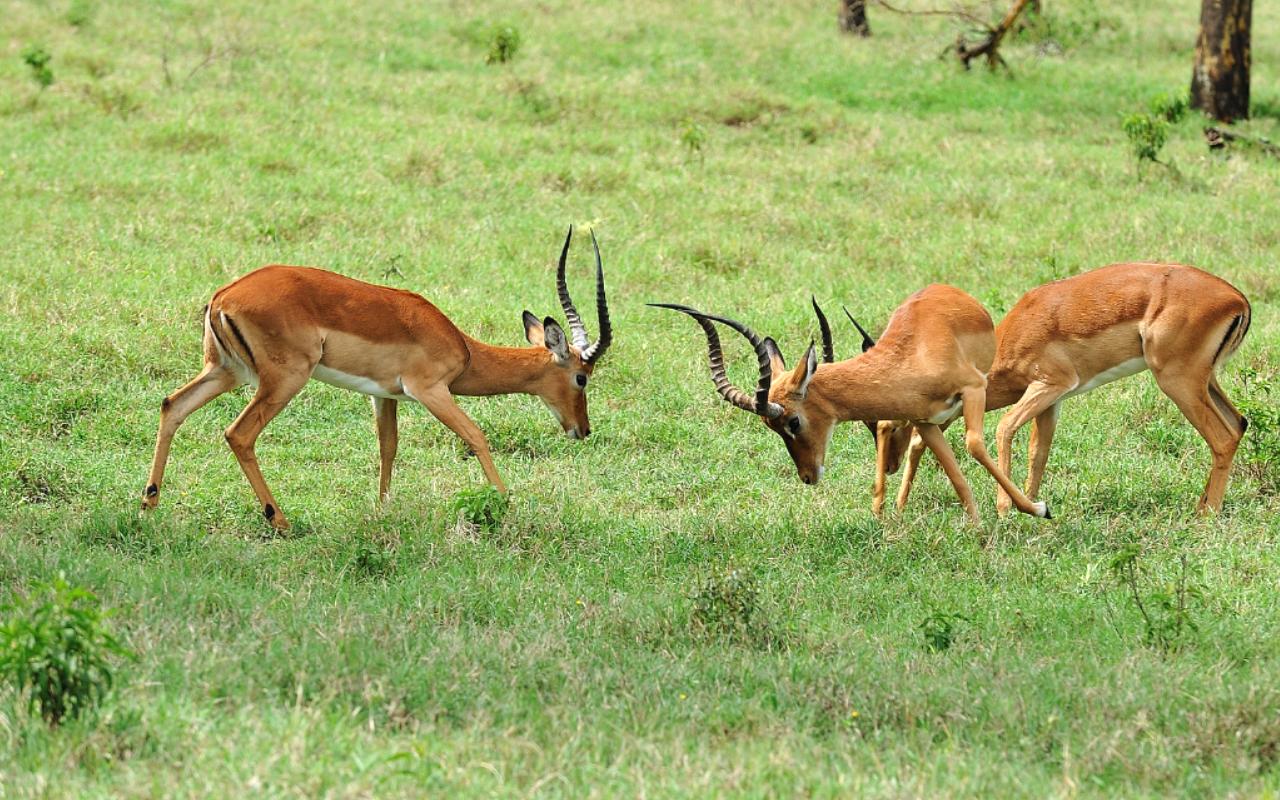
Gazelles
Several species of gazelle roam the reserve, along with deer that have been introduced as part of the broader wildlife rehabilitation program.
These animals are naturally shy and quick-moving, so early morning is the best time to spot them. Keep your distance, move slowly, and let them come to you because patience is always rewarded here.
Falcons and Raptors
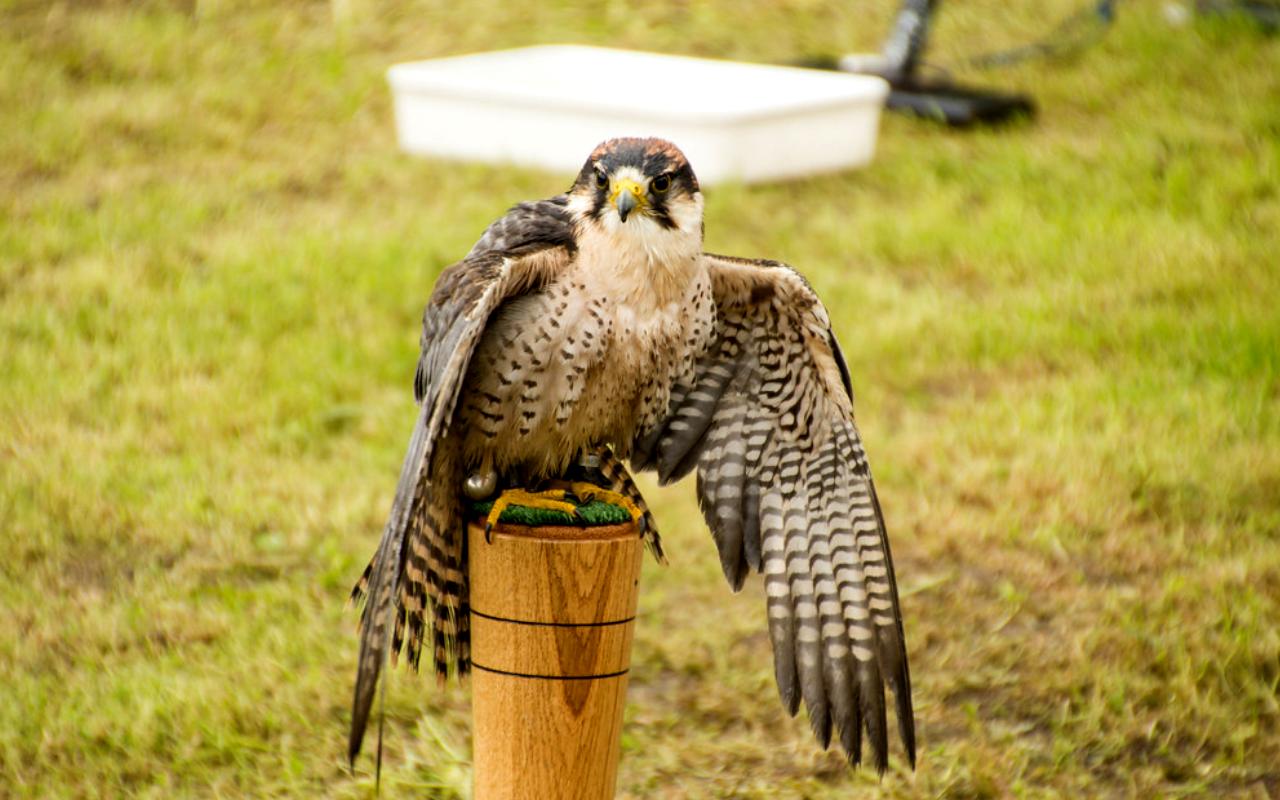
Falcons
Falconry is one of the oldest and most culturally significant traditions in the UAE, and Al Marmoom is one of the best places in Dubai to encounter these magnificent birds in both their wild and trained states.
Wild falcons hunt over the reserve’s open desert, while trained falcons are featured in dedicated falconry demonstrations. The relationship between Emirati culture and the falcon is UNESCO-recognized intangible cultural heritage; seeing it up close at Al Marmoom is a genuine privilege.
Flamingos and Migratory Birds
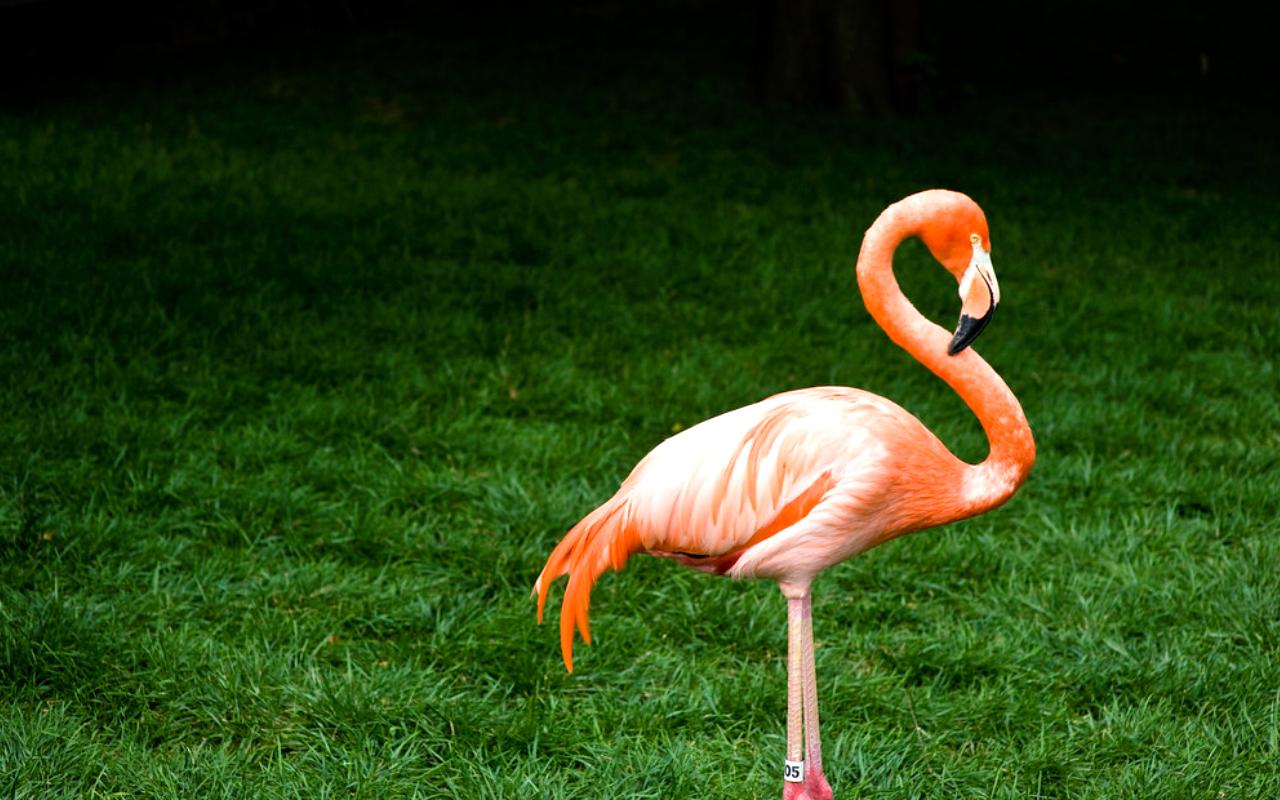
Flamingos
The oasis lake is a magnet for migratory birds, and during peak migration season (roughly October to March), it can attract extraordinary numbers and variety of species.
Greater flamingos are the headline attraction, and their pink, improbable beauty against the desert backdrop creates a visual contrast that feels almost dreamlike.
Serious birdwatchers will also find herons, egrets, ducks, waders, and a rotating cast of migratory visitors throughout the cooler months.
Top Experiences and Activities at Al Marmoom Oasis
This is where Al Marmoom truly shines. The variety and quality of the experiences that are available here are truly unprecedented, and each and every experience that they offer is extensively developed so that it could resonate with the authentic desert heritage of the UAE in a manner that is neither performative nor empty.
Heritage Desert Safari — The Vintage G-Class Mercedes Ride
The undisputed signature experience of Al Marmoom Oasis, the heritage desert safari in a vintage G-Class Mercedes from the 1980s, is unlike anything else available in Dubai’s crowded safari market. These beautifully restored vintage vehicles navigate the open desert with a rugged elegance that perfectly suits the landscape.
Your guide is knowledgeable, entertaining, and deeply proud of their Emirati heritage, and takes you through the golden dunes at a pace that allows you to actually look, listen, and absorb your surroundings rather than screaming through them at high speed.
The route typically covers 30 to 40 minutes of driving through varied desert terrain, with stops for photographs, wildlife viewing, and those precious sunset moments.
This is not adrenaline tourism. It’s something rarer and better that offers a genuine sense of discovery.
Camel Caravan Rides
No trip to the Arabian desert is complete without a camel, and the camel caravan at Al Marmoom Desert Conservation Reserve feels genuine and authentic.
Rather than a small ride around a small area, visitors are taken on an authentic caravan journey across open dunes, along the routes that reflect the historic trade paths that Bedouin communities used.
Tips for First-Time Camel Riders
- Lean back when the camel stands up, as the front legs go first and may push you forward dramatically if you’re not prepared.
- Hold the saddle horn firmly until you find your rhythm.
- Wear long trousers to help prevent discomfort or chafing during the ride.
- Stay relaxed and move naturally with the camel’s swaying motion.
The ride may feel unusual at first, but it usually becomes comfortable after a few minutes.
Bedouin Village Visit
At the heart of every Al Marmoom Oasis tour is the Bedouin village experience, a carefully reconstructed traditional camp that brings the historic nomadic lifestyle of the Arabian Peninsula to vivid life.
Arriving at the village as the soft desert light fades is genuinely magical. As evening settles in, the camp glows with warm, ambient lighting. The scent of Arabian coffee, brewed with cardamom and wonderfully light and fragrant, drifts through the air.
Within the village, you’ll discover traditional Bedouin tent structures, handwoven rugs, antique artifacts, and cultural demonstrations that bring the everyday realities of desert nomadic life to light.
How did Bedouin families navigate without GPS? By reading the stars, tracking wind patterns, memorizing dune formations, and passing centuries of hard-won knowledge down through generations, no signal needed.
Falcon Show
The falcon show at Al Marmoom Oasis is a demonstration of one of humanity’s oldest and most extraordinary partnerships, the relationship between human and raptor that has been central to Emirati culture for over 2,000 years. Watching a trained falcon respond to its handler with impressive precision as it dives, turns, and returns on command is both exciting and memorable.
Stargazing Under the Desert Sky
This might be the most quietly spectacular experience Al Marmoom Oasis has to offer. Far from the light pollution of Dubai city, the night sky above Al Marmoom is extraordinary.
On a clear night, using only the naked eye, you can see thousands of stars, and the Milky Way stretching above your head can be seen with the naked eye in breathtaking clarity. The silence of the desert intensifies this experience in a manner that is difficult to explain.
Telescopes on overnight tour packages generally have knowledgeable guides capable of identifying constellations, planets, and celestial objects. The most favorable months to watch the stars are November to February, when the skies are clearest, and the weather is most comfortable.
Horseback Riding
Those who would like to explore the desert on horseback can do so in the Al Marmoom Oasis, where they will be guided through the scenic desert landscapes on their horses.
Appropriate to both the experienced riders and the novices, with routes that are based on the ability level and the preference of the group, riding through the dunes either in the morning or in the evening, creates a sense of timelessness that is indeed hard to replicate in any other setting.
Henna Painting
A quieter but enormously popular activity, especially among visitors traveling with children or as couples, traditional henna painting by skilled local artists is available at the Bedouin village.
Intricate geometric and floral patterns are applied to hands and arms using natural henna paste, creating beautiful temporary designs that typically last one to two weeks.
Food and Dining at Al Marmoom Oasis
Food at Al Marmoom Desert Conservation Reserve is not treated as an afterthought. It is an important part of the overall experience, and the quality of the meals adds greatly to the visit.
Dining Under the Stars — The Emirati Dinner
The evening dining experience at Al Marmoom Oasis is one of the most atmospherically extraordinary meals you’ll eat anywhere in the world. Tables are set within the Bedouin camp, surrounded by soft lighting, burning torches, and the vast, star-studded sky overhead. The food itself is a generous spread of traditional Emirati cuisine, prepared with care and pride.
Expect dishes like:
- Machboos — the Emirati national dish, a fragrant slow-cooked rice with spiced meat (lamb or chicken), saffron, and dried limes
- Harees — a slow-cooked porridge of wheat and meat, deeply satisfying and unlike anything in most visitors’ culinary experience
- Luqaimat — small golden dumplings drizzled with date syrup and sesame seeds, crispy outside, soft inside, and absolutely addictive
- Camel milk — lighter and slightly saltier than cow’s milk, with a distinctive flavour that grows on you quickly
- Freshly baked bread with a range of dips, including hummus, baba ganoush, and various spiced preparations
- Arabic coffee (Qahwa) and herbal teas are served throughout the evening
Breakfast Experiences (Morning Tours)
Morning tours typically conclude with an Arabic breakfast served at the camp, a spread that might include fresh bread, honey, labneh (strained yoghurt), olives, tomatoes, eggs, and a selection of Emirati pastries and sweets. It’s a simple but deeply satisfying meal, made extraordinary by its setting.
Dietary Accommodations
Most tour operators serving Al Marmoom Oasis can accommodate vegetarian, vegan, and common dietary requirements with advance notice. If you have specific dietary needs, communicate them when booking and confirm again with your guide on arrival.
Glamping and Overnight Stay at Al Marmoom Oasis
Visiting Al Marmoom Oasis for an evening tour is wonderful. Spending the night there is life-changing.
The Glamping Experience
Al Marmoom Oasis has developed a collection of luxury glamping accommodations, a combination of elegant dome structures and signature canvas tents that manage to feel simultaneously wild and incredibly comfortable. This is not ‘roughing it.’ This is sleeping in the desert in genuine luxury, and it is extraordinary.
Accommodations typically include:
- Private check-in and check-out services
- Air conditioning (essential during warmer months)
- Comfortable beds with quality linens and private bathrooms
- Mini-bar, streaming entertainment services, and outdoor fireplace
- Sun terrace or private outdoor seating area
The Morning After
Here’s what nobody tells you about glamping at Al Marmoom Oasis: the morning is even better than the evening. Waking up in the desert as the sun rises is one of those experiences that fundamentally recalibrates your relationship with the world.
The light comes slowly, painting the dunes in graduated shades of gold and rose. The birds at the oasis lake are already active, their calls the only sound in the perfect silence. You eat your Arabic breakfast slowly, sipping strong tea, watching the desert come to life around you.
Booking Tips
- Book at least two to three weeks in advance during peak season (October–March)
- Ask about inclusive packages that bundle accommodation with dinner, activities, and breakfast
- Confirm pickup arrangements and what to pack before your stay
Al Marmoom Oasis for Different Types of Travelers
Couples and Honeymooners
One of the most romantic places in Dubai is the Al Marmoom Desert Conservation Reserve, which offers a serene desert environment, tranquility, and memorable experiences that are totally different from busy city life.
The combination of sunset over golden dunes, a candlelit Bedouin dinner under a sky full of stars, and the option of a private luxury glamping dome creates the kind of experience that romance novelists write about. Highlight experiences: sunset photography on the dunes, private glamping domes, stargazing sessions, shared camel rides, and intimate fireside dining.
Families with Children
Al Marmoom Oasis is exceptionally well-suited to families. Children are absolutely captivated by the camels (especially the baby camels, which reviews consistently mention as an absolute highlight), the falcon show, henna painting, and the Bedouin village exploration.
It’s also educational in a way that children engage with naturally, learning about wildlife, culture, and ecology through experience rather than textbooks.
Solo Travelers
Al Marmoom is a safe, well-organized, and genuinely welcoming environment for solo travelers. Tour options: Group tours imply that you will be generally sharing the desert with other tourists, which will naturally open up the chances of connection.
The guides are well-versed and keen, and the overall feel is friendly and welcoming. Bring along other tourists on a book group tour instead of having a personal experience in order to maintain costs at manageable levels.
Photography Enthusiasts
Al Marmoom Oasis is a photographer’s paradise. The dune landscapes, wildlife, cultural touches, starlit skies, and the quiet oasis lake nestled among them give photographers an almost endless array of subjects to work with; no two visits will ever look quite the same.
To make the most of it, pack a wide-angle lens for sweeping landscapes and Milky Way shots, a telephoto zoom of 200mm or more for wildlife, and a sturdy tripod for those long night exposures. A lens cleaning tool and spare batteries are easy to forget but hard to do without.
Corporate and Group Tours
Al Marmoom Oasis is the kind of place that makes corporate trips genuinely memorable. Whether you’re planning a team-building day, a company retreat, or a private group experience, the setting does a lot of the heavy lifting.
Dramatic desert scenery, rich cultural heritage, and seamless on-the-ground logistics combine to create something that feels a world away from a hotel conference room. For incentive travel or corporate entertaining, it’s a seriously impressive choice.
Best Time to Visit Al Marmoom Oasis
October to April — The Golden Window
This is the ideal time to visit Al Marmoom Oasis. Temperatures during these months are genuinely comfortable, with daytime highs ranging from around 20°C to 30°C, with cooler evenings perfect for outdoor dining and stargazing.
October and November bring the first migratory birds to the oasis lake, while December through February are the peak months for flamingo sightings. March and April offer slightly warmer temperatures but are still very pleasant, and the desert flora is at its most vibrant.
May to September — The Heat Challenge
The UAE summer is genuinely extreme; temperatures can exceed 45°C during peak summer months. That said, Al Marmoom does operate year-round, and visiting in summer has its own rewards: dramatically lower prices, very few other tourists, and the extraordinary experience of being in the desert under a blazing sky.
Morning vs. Evening Visits
Morning visits offer cooler temperatures, the best wildlife sightings (animals are most active at dawn), beautiful soft light, and the meditative experience of watching the desert wake up, ideal for photographers and birders.
Evening visits bring the spectacular golden-hour sunset, the gradual revelation of the stars, the warmth and atmosphere of the Bedouin village after dark, and the shared experience of watching day become night in one of the most beautiful landscapes on Earth, ideal for couples and first-time visitors.
Practical Travel Tips and What to Pack
What to Wear
- Long, loose trousers, ideal for camel rides and respectful of local culture
- Light layers, warm during the day, potentially cold at night in the winter months
- Closed-toe shoes or sturdy sandals for walking on sand
- A light scarf or shawl is useful for sun protection and warmth in the evening
- Avoid tight or revealing clothing, it’s both culturally respectful and practically uncomfortable
Sun Protection Essentials
- SPF 50+ sunscreen, applied liberally and reapplied every 90 minutes
- Sunglasses with proper UV protection
- A wide-brimmed hat for daytime tours
Health Considerations
- Carry at least 2 litres of water per person for a half-day tour
- Bring any regular medication you require, more than you think you’ll need
- Basic first aid supplies: plasters, antiseptics, pain relief
- Insect repellent, useful for evening stays near the oasis lake
- Anyone with respiratory conditions should be aware that fine desert sand can be an irritant
Al Marmoom Oasis vs. Other Dubai Desert Experiences
How does Al Marmoom Oasis compare to the other desert experiences Dubai has to offer? Here’s an honest breakdown.
| Feature | Al Marmoom Oasis | Commercial Safari | Bab Al Shams |
| Authenticity | Very High | Low–Medium | Medium |
| Wildlife (Wild) | Excellent | Minimal | Limited |
| Cultural Immersion | Deep & Genuine | Superficial | Moderate |
| Crowd Levels | Low–Medium | High | Medium |
| Sustainability Focus | Excellent | Poor–Medium | Medium |
| Accommodation Quality | Luxury Glamping | Basic Camp | Hotel Resort |
| Unique Experience Factor | Very High | Low | Medium |
The commercial dune-bashing tours that dominate Dubai’s desert safari market are designed for volume and spectacle, high-speed dune driving, belly dancers, shisha, and buffet dinner in a crowded camp.
They’re entertaining enough, but they bear very little relationship to the actual desert, its wildlife, or the culture of the Emirati people who have called this landscape home for millennia.
Al Marmoom Oasis is the antidote to all of that. It is slower, quieter, more genuine, and infinitely more memorable.
Sustainability and Eco-Tourism at Al Marmoom
The Al Marmoom Conservation Reserve is one of the UAE’s flagship commitments to environmental preservation, and the tourism experiences developed here are designed with ecological responsibility at their core.
The reserve actively supports the rehabilitation of endangered species, including the Arabian Oryx, monitors the health of the desert ecosystem, and provides a protected habitat for migratory bird populations that rely on the oasis lake as a critical waypoint on their seasonal journeys.
Tourism at Al Marmoom follows low-impact principles: visitor numbers are managed to prevent overcrowding, tourism activities are generally promoted with a conservation and low-impact approach, and all cultural and dining experiences are designed to generate minimal waste.
By preferring Al Marmoom Oasis to other options of commercial desert tourism, visitors contribute actively to such conservation initiatives. The revenue generated by responsible tourism here funds ongoing wildlife management, habitat maintenance, and educational programs, making your visit not just a great experience, but a genuinely good one.
Conclusion
Dubai will always dazzle you. The skyscrapers, the islands, the luxury, the spectacle — it’s extraordinary, and it’s entirely worth experiencing. But if you only see the city that Dubai has built, you miss the landscape that Dubai was built from.
Al Marmoom Oasis is that landscape. It’s the desert that was here before the towers, the culture that has sustained the Emirati people for generations, the wildlife that is protected and supported through conservation efforts alongside the most dramatic urban development story of the 21st century.
It’s camels and falcons and flamingos and a billion stars. It’s Arabic coffee and cardamom, and the smell of desert herbs on a cool morning breeze.
It is, without question, the most extraordinary experience most Dubai visitors will never book, because they simply don’t know it exists.
Now you do. Start planning your Al Marmoom Oasis visit today. You’ll thank yourself for it.
Frequently Asked Questions About Al Marmoom Oasis
Is Al Marmoom Oasis free to visit?
The conservation reserve itself is publicly accessible, but the guided tour and glamping experiences at Al Marmoom Oasis are ticketed. Prices vary by tour type, duration, and accommodation. Most visitors access the oasis through guided tour packages that include all activities.
How far is Al Marmoom Oasis from the Dubai city center?
Approximately 45 to 55 kilometers from central Dubai, which translates to roughly 35 to 45 minutes by car under normal traffic conditions.
Can I visit Al Marmoom without a guided tour?
While the reserve itself is open to independent visitors, the real highlights, like the Bedouin village, camel rides, falcon show, and dining, can only be accessed through an authorized tour operator. The reserve is large, and some areas are restricted, so guided access is strongly recommended.
Is Al Marmoom Oasis suitable for children?
Absolutely. The camel rides, falcon shows, henna painting, and Bedouin village are all child-friendly and enormously popular with younger visitors. Baby camels in particular tend to be a massive hit. Check the minimum age requirements for specific activities, like horse riding, when booking.
What should I wear to Al Marmoom Oasis?
Loosely fitting and comfortable clothing covering arms and legs is the best, not only because it provides protection against the sun but also because of cultural reasons. When walking on sand, it is advisable to wear closed-toe shoes or strong sandals. Carry garments in winter to wear in the evening.
Is Al Marmoom Oasis open year-round?
Yes, Al Marmoom Oasis operates throughout the year. October to April is the peak and most comfortable season. The summer months are very hot, although tours are made in the summer months, though only at early morning and late evening, to avoid excessive heat.
Can I see flamingos at Al Marmoom Oasis?
Yes! The flamingos and a great variety of migratory birds are attracted by the oasis lake, especially during the months between October and March. It is among the most unpredictable and gorgeous wildlife experiences that Dubai has to offer.
Which Al Marmoom Oasis experience would first-time visitors love the most?
The evening heritage safari with dinner at the Bedouin village is the classic introduction; it covers the vintage G-Class Mercedes ride, camel caravan, falcon show, cultural immersion, and Emirati dining all in one package. If the budget allows, adding an overnight glamping stay takes the experience to a completely different level.












-
 0115 Best Easy Treks in Nepal for Beginners and Families
 -
 02Best season for Everest Base Camp Trek
 -
 03Best Time to Go Hiking in Nepal: A Seasonal Guide for Trekkers
 -
 04Suchi Purja –Wife of Nirmal Purja aka Nims Dai
 -
 05Dubai desert safari outfit ideas
 -
 06Top Beaches in Sri Lanka
 -
 0710 Best Easy Treks in Nepal