
Now Reading: 20 Best Things to Do in Monterey, California: A Complete Travel Guide
-
01
20 Best Things to Do in Monterey, California: A Complete Travel Guide

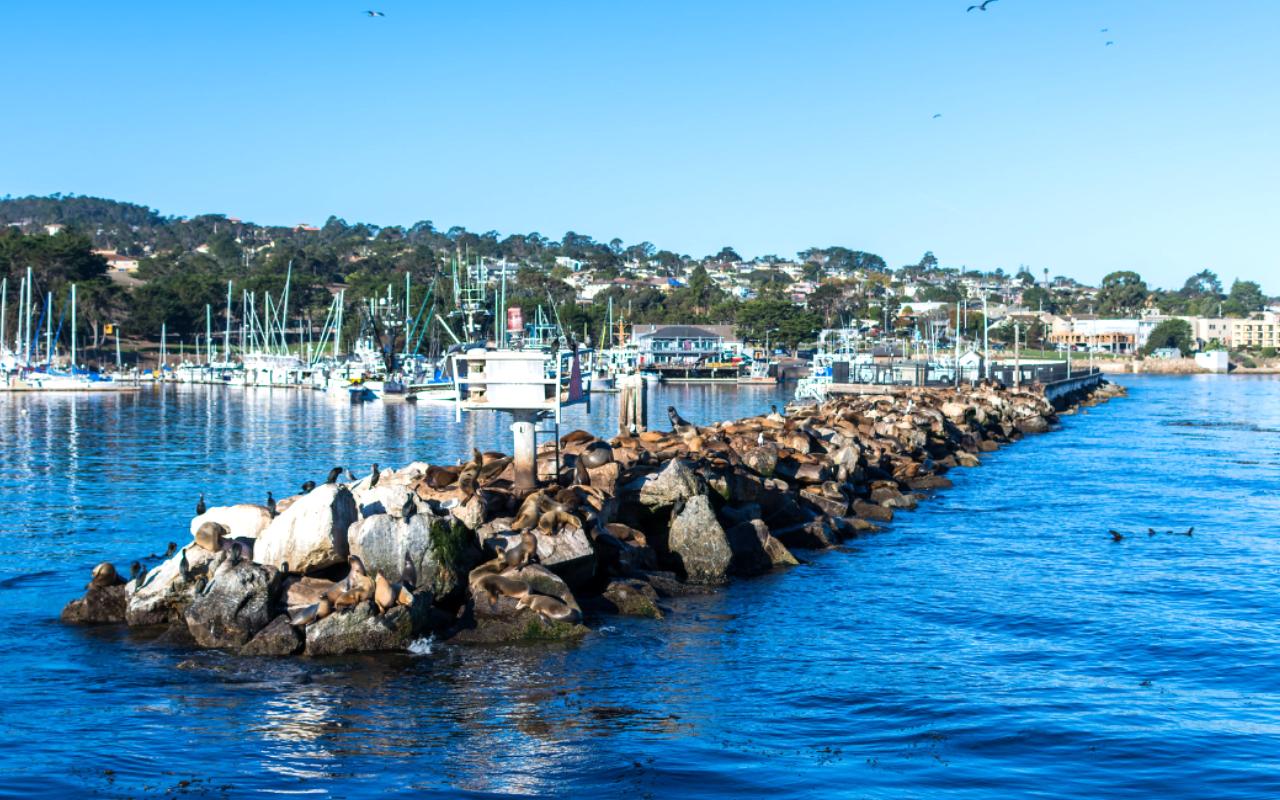
Monterey, a scenic coastal city on California’s Central Coast, offers a wealth of exciting things to do in Monterey. Whether you are a sea turtle enthusiast or just enjoy the beautiful scenery, this colorful city offers it all.
Whether you’re looking for things to do in Monterey, CA, or discovering hidden gems in the region, this comprehensive guide covers the best attractions and experiences Monterey has to offer.
Monterey is famous because it has a rich history, colorful sea life, and stunning landscapes. The city is replete with various experiences, like taking a whale-watching tour and hiking through some of the most beautiful state parks, to a visit to historic landmarks like Cannery Row and the Carmel Mission.
Whether you’re strolling along the charming streets of Carmel-by-the-Sea or relaxing on the peaceful shores of Carmel Beach, this city offers a perfect mix of adventure and relaxation, showcasing the best things to do in Monterey, CA.
It also provides tips on what to pack for those studying what to do in Monterey, CA. Monterey is a perfect destination throughout the year because of its mild climate and a variety of attractions.
Whether you are looking to spend a short weekend vacation or a longer stay, this guide will assist you in making the most out of your Monterey vacation.
Besides having the highest quality attractions in the area, Monterey also has a wide range of outdoor activities that can be used to display its beautiful natural landscapes.
The Monterey Bay Coastal Recreation Trail is an ideal place to go biking or walking, where you can see panoramic views of the coastline, with nearby features such as the Point Lobos State Natural Reserve, where one can hike, view wildlife, and take pictures.
To have a more adventurous experience, kayaking in Monterey Bay can allow the visitor to get close to sea otters, harbor seals, and colorful kelp forests.
Whether you are seeking to immerse yourself in nature, indulge in fresh seafood, or explore the art galleries and museums of the area, Monterey will ensure that every visitor finds something for all types of adventures, making it the best source of things to do in Monterey Bay.
Quick Facts
| Location | Monterey Peninsula, Monterey County, California (Central Coast) |
| Population | 30,218 (City of Monterey, 2020 Census) |
| Nearest Airport | Monterey Regional Airport (MRY) – 5 miles north of downtown (flights to major hubs) |
| Time Zone | Pacific Standard Time (UTC–8; summer DST UTC–7) |
| Climate (Avg Temps) | Year-round mild maritime climate. Average mean 57°F (coastal highs 60–65°F; lows 45–50°F). Cool summers (50s–60s°F) and mild winters (50s°F). |
| Best Months to Visit | Sept–Nov (Indian Summer) and Mar–May – warm, sunny days and smaller crowds; whale migration (Dec–Apr) and butterfly season (Oct–Feb) also draw visitors. |
| Top Attractions | Monterey Bay Aquarium; 17-Mile Drive (Pebble Beach); Cannery Row; Point Lobos State Park; Historic Downtown (Custom House, Colton Hall); Whale watching in Monterey Bay; Carmel Beach; Pacific Grove Lighthouse and Monarch Sanctuary. |
| Local Specialties | Fresh seafood (clam chowder, Dungeness crab, local oysters); artichokes (Castroville is “Artichoke Capital,” 2/3 of the world’s artichokes are grown in Monterey County); lettuce and salad greens (Salinas Valley supplies 80% of U.S. lettuce); Monterey Jack cheese and local wines (Monterey AVA vineyards). |
Best Time to Visit Monterey
Monterey enjoys a Mediterranean coastal climate – foggy summers, sunny falls, mild winters. The “Indian Summer” of September–October often brings the warmest, driest weather.
Spring (March–May) offers blooming wildflowers and whale migrations with daytime highs in the 60s.
Summer (June–Aug) is busier and cooler (coastal fog is common in June), though water activities are still popular. The perfect time to visit for the best things to do in Monterey, California.
January–February: Quiet offseason with fewer tourists. Cooler and wetter weather. Ideal for whale watching (gray whale migration peaks Jan–Mar) and rugged coastal scenery.
March–April: Spring bloom and continued whale season. Monterey Bay Aquarium and gardens come alive. The Pebble Beach Food & Wine Festival is usually held in late March/April.
May–June: Warmer, drier days. Early summer crowds arrive, but mornings may still be foggy. Good time for outdoor activities before peak summer prices.
July–August: High summer. Tourist season peaks (especially the week of Car Week in mid-August). Coastal fog (“June Gloom”) can blanket mornings, clearing by afternoon. Beaches and festivals (Fourth of July fireworks, outdoor concerts) are highlights.
September: Monterey Jazz Festival (mid-Sep) and warm Indian Summer weather make this an ideal visit. Biking, hiking, and strolling along the bay are especially pleasant.
October: Continued mild weather. Monarch butterflies arrive in Pacific Grove (clusters October–February). Monterey’s countryside is beautiful as the evening “Devil’s Cauldron” sunsets light up the sky.
November–Early December: Off-season quiet, great hotel deals. Temperatures cool slightly, but many restaurants remain open. Whale season resumes late December (gray and humpback whales).
In summary, late spring and early fall tend to have the most comfortable weather and manageable crowds. If you’re aiming for special events, plan around Jazz Festival (Sept), Car Week (Aug), or local festivals (e.g., Oyster Fest in October). Always check event calendars, as dates can shift yearly.
Practical Travel Tips
Getting There: Monterey is accessible by air, road, and public transit. The Monterey Regional Airport (MRY) sits just 5–10 minutes north of downtown, with flights from Los Angeles, San Francisco (via San Diego or via Sacramento), Denver, Phoenix, Seattle, and others. Many visitors instead fly to San Jose (SJC) or San Francisco (SFO/OAK) and drive (2–3 hours via I-880/101).
U.S. Highway 101 runs north–south through the Salinas Valley; CA Highway 68 and Highway 156 connect to Monterey. Note that the scenic Pacific Coast Highway (Highway 1) between Carmel and Big Sur is often closed by winter storms from January to April.
For train/bus travel: Amtrak’s Coast Starlight or Capitol Corridor train stops in Salinas (35 miles east of Monterey). From Salinas, Monterey-Salinas Transit (MST) buses provide service to Monterey (e.g., Route 9X or Route 55 toward Monterey).
MST also runs local buses within the Monterey Peninsula (see MST routes 1, 2, 5, 94, etc. for connections to Pacific Grove, Carmel, Seaside, Salinas). The free Monterey Trolley (seasonal) circulates downtown in summer (Route 0 on MST list). Rideshare and taxi services are available but car rental is often most convenient for exploring beyond Monterey.
Local Transport & Parking: Driving and parking can be challenging in peak season. Downtown Monterey and popular spots (Cannery Row, Wharf) have metered street parking and lots. Typical rates run $1–$2 per hour; exact rates vary by location and garage (some hourly limits may apply).
The Monterey Conference Center parking garage and Wharf lots have pay stations ($1/hr or so). Cannery Row has a large municipal lot ($1.50–$2/hr) and some free short-term street parking. Residential street parking in Pacific Grove and Carmel can be free. Check posted signs carefully for time limits and permits.
Bicycles are a popular way to explore on the Monterey Bay Coastal Recreation Trail (18 miles of mostly flat, paved waterfront trail). Many shops near Fisherman’s Wharf rent bikes, electric bikes, and surreys. The trail is divided (bike vs pedestrian lanes in Pacific Grove). Dogs must be leashed on the trail.
Safety & Permits: Monterey County is generally safe for travelers, but exercise usual precautions. Watch for fog and sea spray on coastal roads (slippery and reduced visibility).
Beach and tidepool safety is important: sneaky large waves (“sneaker waves”) can occur on rocky shores, so never turn your back to the ocean and heed all posted warnings.
Rip currents and strong surf are common, so swim only in lifeguarded areas with caution. Monterey’s crime rate is low, but keep an eye on valuables in crowded areas (downtown, trails).
No special travel permits are needed for casual visitation. However, note that some attractions require paid entry: for example, a California State Parks Day-Use Pass ($10/vehicle) is needed at Point Lobos State Reserve (south of Carmel) and at Garrapata State Park.
17-Mile Drive is a private toll road ($12.50 per vehicle). Monterey Bay Aquarium, Monterey State Historic Park museums, and the Carmel Mission all charge admission (see individual entries below). If you plan to visit multiple state parks, consider buying an Annual California State Parks pass.
Pet Rules: Monterey is pet-friendly but with restrictions. Carmel Beach is famously off-leash friendly for dogs (requires owner’s voice control), so it’s great for pets.
However, pets are prohibited in Point Lobos Reserve (no dogs on trails) and in the Pacific Grove Monarch Sanctuary (strictly no pets allowed). On Monterey’s Recreation Trail and in city parks, dogs must be on leash.
Always check signage at individual sites. Monterey’s dog-friendly culture means many restaurants and shops (especially in Carmel-by-the-Sea) welcome leashed dogs.
Other Tips: Dress in layers; even summer days can have chilly fog and winds off the bay. Sunscreen and a hat are recommended year-round. Reservations are strongly advised for popular hotels and restaurants in summer and around big events.
Tipping is customary (15–20% in restaurants and for tours). Credit cards are widely accepted, though small cash is handy for parking meters or tips.
Cell phone coverage is good in Monterey and Carmel, but may be spotty in remote areas (Point Lobos, Big Sur). Always carry water and snacks for hikes, as facilities can be limited.
Suggested Itineraries
Whether you have just 2 days or a long weekend, here are sample schedules to make the most of Monterey and nearby highlights.
2-Day Monterey & Carmel Itinerary:
Day 1: Start at Monterey Bay Aquarium (plan 2–3 hours). Stroll Cannery Row and have lunch there. Spend the afternoon at Monterey State Historic Park (Custom House, Larkin House, Colton Hall) on Pacific Street. Walk or bike the Recreation Trail from Cannery Row down to Old Fisherman’s Wharf for sunset and dinner (watch harbor seals on the way).
Day 2: Drive the scenic 17-Mile Drive (doable in 2–3 hours with photo stops at Lone Cypress, Pebble Beach, and Spanish Bay). Head to Carmel-by-the-Sea for lunch on Ocean Avenue, and visit the Carmel Mission in the afternoon. Relax on Carmel Beach at sunset (dogs often have evening bonfires). Finish the day with Carmel’s charming shops and galleries.
4-Day Monterey Peninsula Itinerary:
Day 1 (Monterey): Aquarium and Cannery Row; Historic Downtown (see timeline below). Evening: Whale-watching dinner cruise or harbor walk.
Day 2 (Carmel & Pacific Grove): Morning at 17-Mile Drive; afternoon Carmel Mission and Beach; late afternoon Pacific Grove (visit Point Pinos Lighthouse and Monarch Sanctuary if in season).
Day 3 (Outdoor Adventure): AM kayak tour in Monterey Bay (see Section 13) or a boat tour at Moss Landing/Elkhorn Slough. Lunch in Pacific Grove. Afternoon at Dennis the Menace Park or beach time.
Day 4 (Big Sur Coast): Morning hike at Garrapata State Park. Lunch in Big Sur (Nepenthe or Big Sur Deli). Afternoon visit to Julia Pfeiffer Burns State Park (McWay Falls). Return via CA-1 stops (e.g., Bixby Bridge).
Packing List
- Clothing Layers: Lightweight layers for cool mornings/evenings. Include a windbreaker or fleece. Summers can have morning fog and breezy winds off the bay.
- Sun Protection: Sunscreen, sunglasses, hat (even on cloudy days, UV can be strong).
- Comfortable Shoes: Sneakers or hiking shoes for walking trails and cobblestones. Water shoes or sandals if planning tidepooling or kayaking.
- Rain Jacket: For winter/spring visits, short rains can occur.
- Swimsuit: For hot tubs, heated pools, or ocean swims (Carmel/Asilomar beaches). Wetsuit is optional for ocean kayaking/surfing.
- Binoculars: For whale/dolphin spotting and bird watching.
- Camera/Phone: The scenery is photogenic (brown pelicans, cypress trees, redwoods, dramatic coast). Don’t forget chargers or a power bank.
- Reusable Water Bottle and Snacks: Tap water is safe (Monterey has excellent water). Snacks for hikes or road trips.
- Backpack Daypack: For carrying layers, water, snacks, camera on excursions.
- Personal Medications & First Aid: including seasickness remedy if sensitive (for boat tours).
- Parking Permit (if needed): If visiting multiple state parks, a California State Parks pass is useful to avoid buying multiple day passes.
Estimated Budget (per person, per day)
| Category | Budget | Mid-Range | Luxury |
| Accommodation | $50 (motel/hostel) | $150 (3★ hotel) | $400 (resort/BB) |
| Food & Drink | $20 (fast casual) | $50 (sit-down meals) | $100 (fine dining) |
| Transportation | $10 (bike/bus) | $30 (car rental) | $50 (private car) |
| Activities & Tours | $15 (self-guided) | $50 (tours/entries) | $100 (private tours) |
| Total (per day) | $100 | $280 | $640 |
These are rough estimates. Monterey is moderately expensive, especially lodging on the peninsula. Budget travelers may camp or hostel and cook some meals to save costs.
Mid-range assumes comfortable hotels and a couple of paid tours (e.g., whale watching, aquarium tickets).
Luxury includes upscale hotels, private transport, and dining. Many attractions (aquarium, lighthouse, mission, etc.) have admission fees ($10–65) that fit into these estimates.
Remember to factor 9% sales tax and 15–20% tips at restaurants.
Top 20 Things to Do in Monterey
Below are the must-see attractions and experiences. Each entry includes a brief history, what to expect, practical info (hours, fees, accessibility), and nearby amenities.
1. Monterey Bay Aquarium
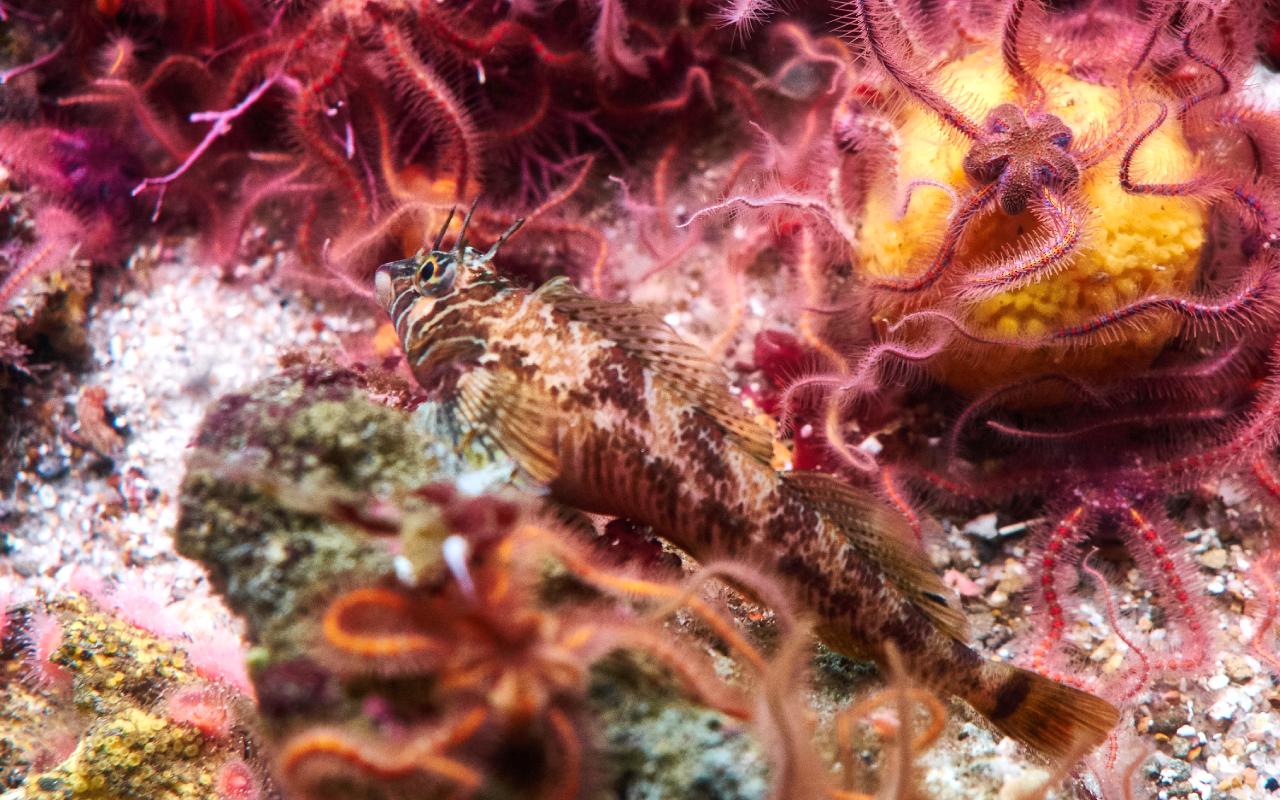
Monterey Bay Aquarium
A jellyfish exhibit in the Monterey Bay Aquarium (photo unsplash). The aquarium’s open ocean displays are world-famous. The Monterey Bay Aquarium is Monterey’s #1 attraction and a global leader in ocean conservation. Established in 1984, it sits on historic Cannery Row.
You’ll find 200+ living exhibits and tens of thousands of marine animals: playful sea otters, giant kelp forests, jellyfish galleries, tuna, rays, and more. Don’t miss the Open Sea tank (huge ringed window), the kelp forest (floating canopy), and the outer bay floor window (undisturbed deep reef life).
- What to Expect: Interactive displays, dive shows, and feeding sessions. Plan 2–3 hours minimum. Busy season (summer/weekends) can sell out, so buy tickets online in advance.
- Hours: Open daily 10 am–5 pm (closed only on Dec 25).
- Admission: Adults $65; Youth/Seniors $50; under 5 free (prices subject to change). Tickets must be purchased online.
- Location: Cannery Row (886 Cannery Row, Monterey). Public parking: a large lot on Cannery Row (paid), plus street parking. The Aquarium is wheelchair-accessible.
- Amenities: On-site cafe and gift shop. Right on the coast – after your visit, stroll Cannery Row or the Coastal Trail.
2. 17-Mile Drive (Pebble Beach)
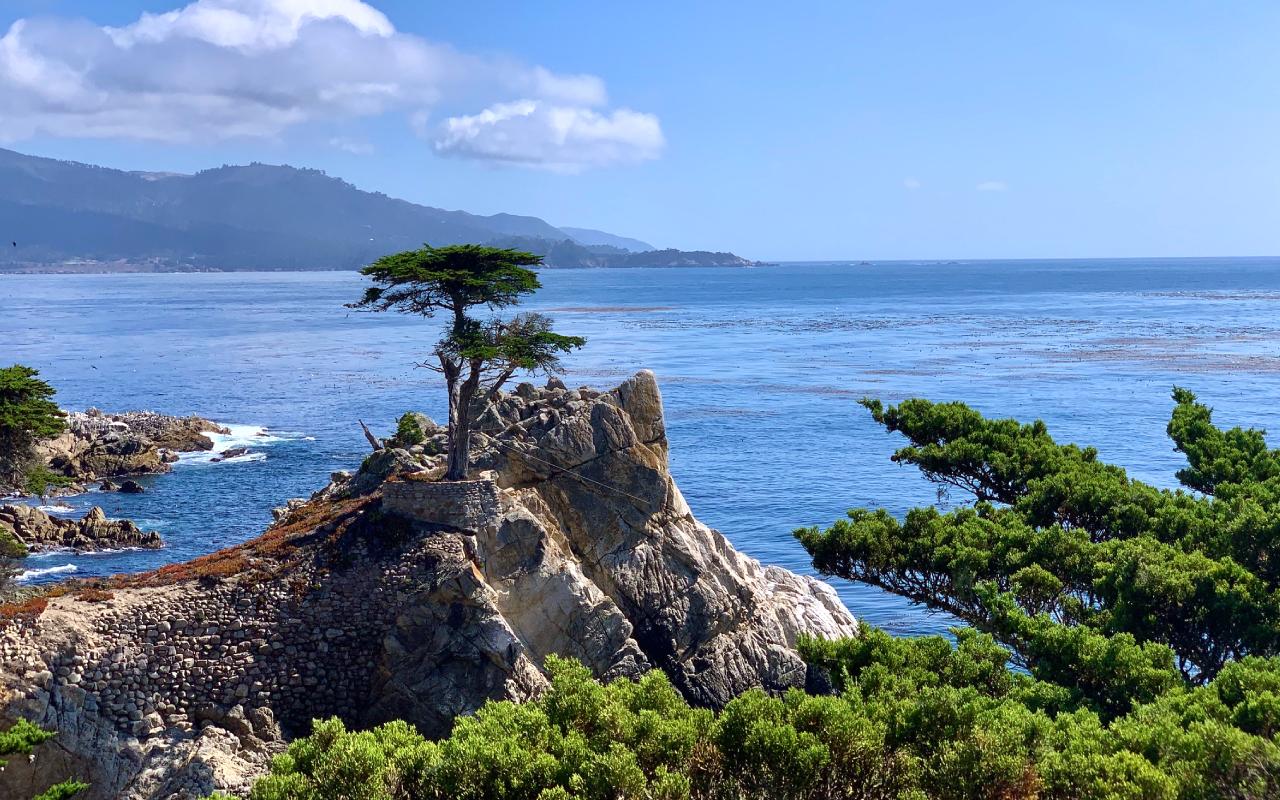
Pebble Beach
This iconic scenic drive winds through the Pebble Beach peninsula. It begins at the Pacific Grove gate and traverses Del Monte Forest to Carmel.
Highlights include the solitary Lone Cypress, panoramic ocean vistas, sandy coves (China Cove, Fanshell Beach), and famed golf courses (Pebble Beach, Spyglass Hill).
- History: Developed by the Pacific Improvement Company in the late 1800s to attract resort visitors. The drive loops past historic estates, groves of giant cypress and pine, and a dramatic coastline. Steinbeck set scenes of Cannery Row here.
- Fees: Entrance fee is $12.50 per vehicle. (If you spend $35+ at Pebble Beach resorts’ restaurants on the same day, they may waive the fee.) Buses pay $6 per passenger.
- Hours: Open from sunrise to sunset (exact hours vary by season). No after-dark access.
- Restrictions: No motorcycles allowed on 17-Mile Drive. Dogs are restricted (check signage).
- Tips: Start early to avoid crowds and capture morning light on the coast. The drive takes 1 hour without stops; budget 2–3 hours to enjoy overlooks (Lone Cypress, Bird Rock) and a picnic.
3. Historic Cannery Row
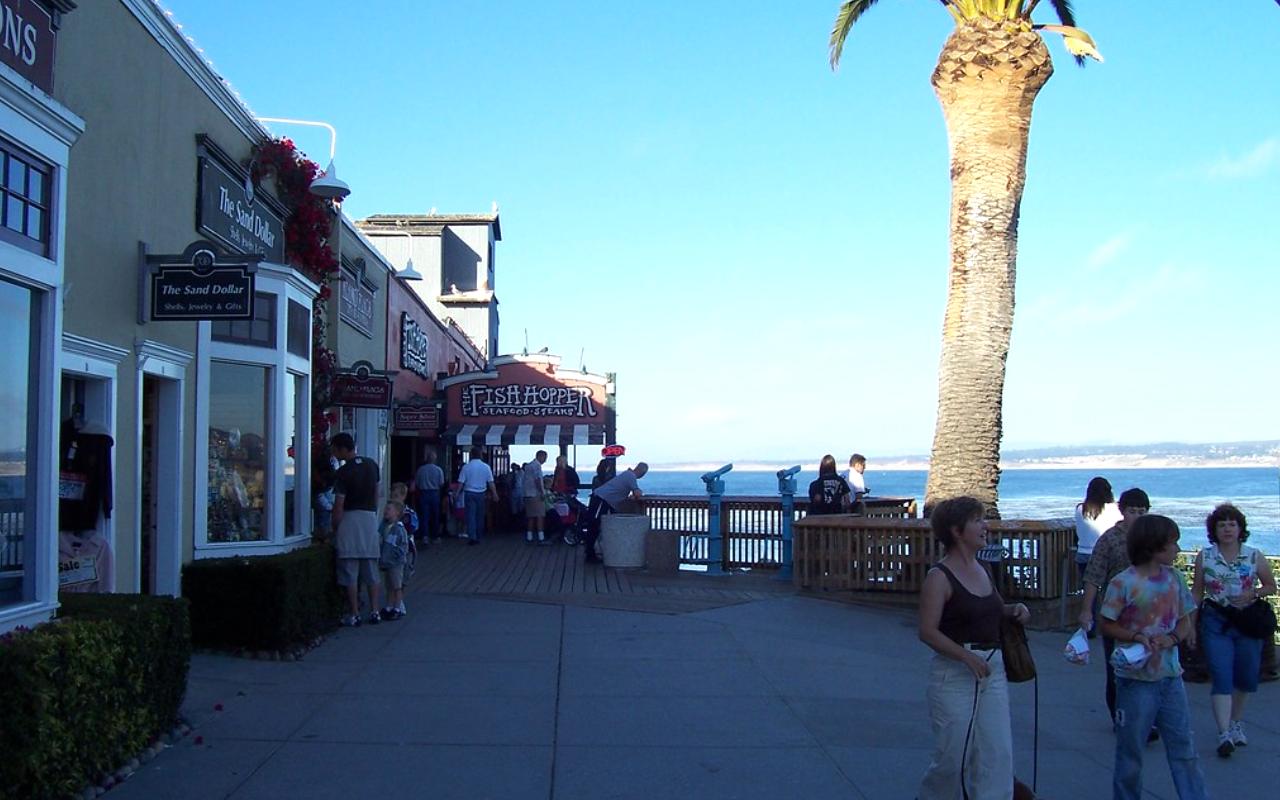
Cannery Row
Cannery Row is the old sardine-canning district immortalized by John Steinbeck’s novel. Today it’s a vibrant waterfront promenade of shops, restaurants, and attractions.
Historic brick buildings now house seafood eateries (famous clam chowder and Dungeness crab bisque), souvenir shops, and the Monterey Bay Aquarium (at the Row’s end).
- History: From the early 1900s to the 1950s, Cannery Row was the world’s sardine-canning hub. Sardines were so plentiful that the waterfront buzzed with factories and canneries. The industry collapsed by the 1950s. Steinbeck’s Cannery Row (1945) captured its rough-and-tumble spirit.
- What to Expect: A family-friendly pedestrian street. Key stops: tasting local seafood, visiting the Aquarium entrance, and Monterey State Historic Park’s Pacific House Museum nearby (see #9). On summer evenings, live music and street performers are common.
- Parking: A large municipal lot (paid) is behind the Aquarium. Street parking (paid) on Prescott Ave; some free parking in off-block areas.
- Nearby: After walking the Row, continue onto the Monterey Bay Coastal Trail (see #17) for seaside views.
4. Carmel Beach – Carmel-by-the-Sea
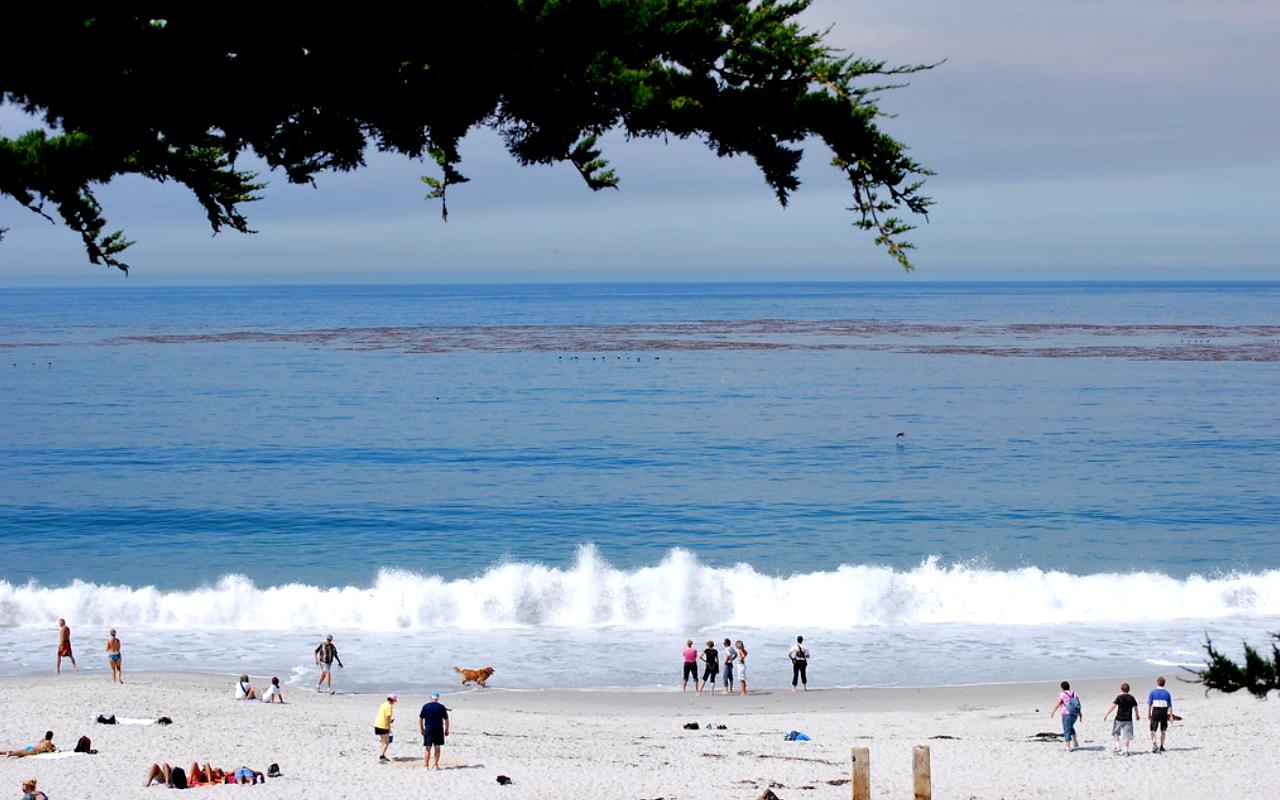
Carmel Beach
Sunset at Carmel Beach, overlooking white sand and the Pacific. Dogs run free, and bonfires warm the shore in the evenings. Just a few minutes from Monterey, Carmel-by-the-Sea is a picturesque village with a beautiful white-sand beach.
Carmel Beach at the foot of Ocean Avenue is one of California’s top beaches. Climb the dunes for panoramic views of Point Lobos and the misty coastline.
- What to Expect: A broad, gentle beach of fine sand. Popular for picnics, bonfires (fire rings provided), and dog-walking. The water is chilly (50°F); surfers wear wetsuits. There are no lifeguards; swim carefully.
- Dog Policy: Carmel Beach is famously dog-friendly – dogs are allowed off-leash under voice control. There are even doggie foot-baths (freshwater rinses) at beach exits.
- Facilities: Parking lot at Ocean & Junipero (free, limited spaces); additional metered parking on Scenic Road. Restrooms at the beachhead.
- Nearby: Stroll up Ocean Avenue into Carmel village (“the English village by the sea”) to explore art galleries, boutiques, and pubs. East of the village is Carmel Mission (#11) and east of that the Carmel Valley wineries (#12).
5. Whale Watching Tours
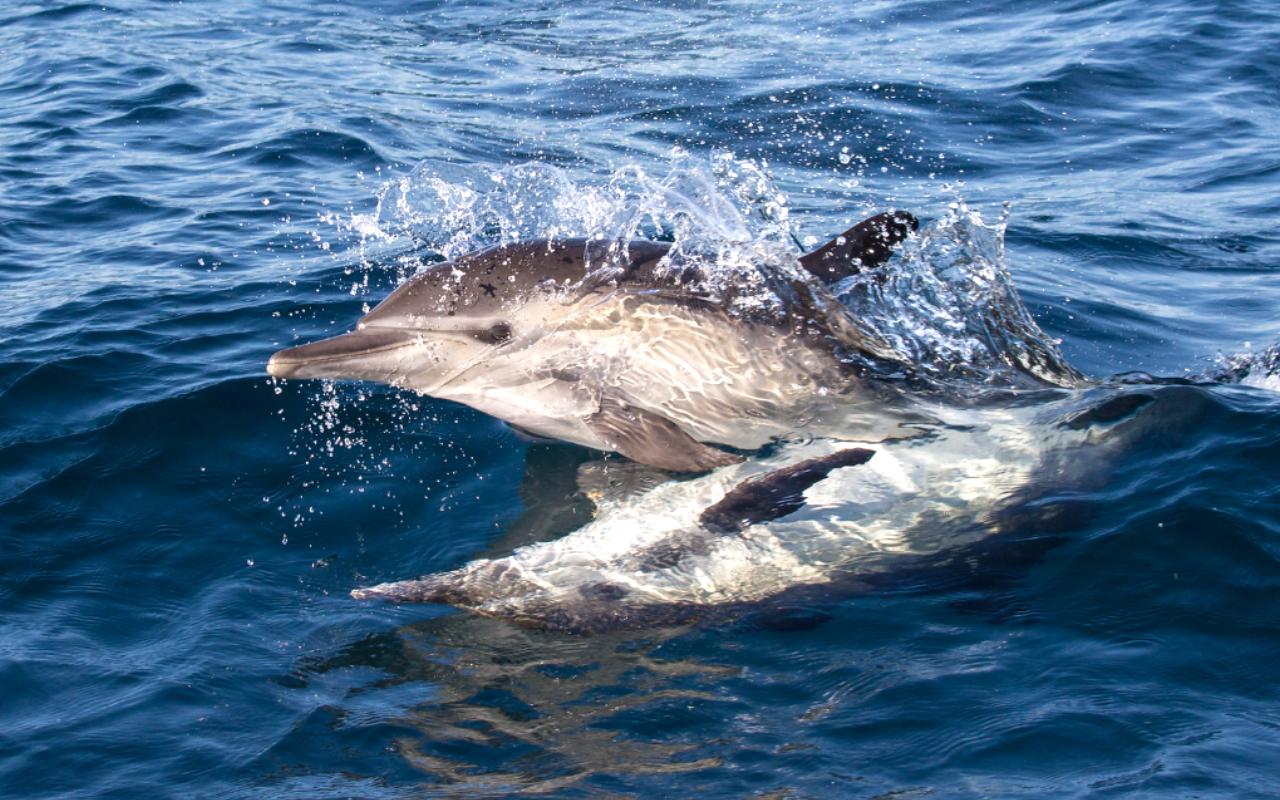
Whale Watching Tours, Monterey
A humpback whale breaches off Monterey’s coast (photo unsplash). Monterey Bay’s deep underwater canyon makes it one of the best places in the world for year-round whale-watching.
Join a whale-watching cruise from Monterey (usually departing Old Fisherman’s Wharf) or Moss Landing. Monterey Bay’s deep canyon attracts whales, dolphins, and sea life in all seasons.
Seasonal Highlights:
- Gray whales migrate Dec–Apr (peak in Jan & Mar) on their way to Baja.
- Blue whales (the largest animals ever) can appear from July to October.
- Humpback whales are seen year-round (often June–Nov).
- Killer whales (orcas) are spotted occasionally (notably in spring and fall).
Tours: Many companies operate 2–3 hour cruises. Common operators include Sanctuary Cruises, Princess Monterey Whale Watching, Sea Goddess Whale Watching, Discovery Whale Watch, Monterey Bay Whale Watch, and Shearwater Sailing. Tours often guarantee sightings. Dress warmly (waterproof layers).
Expect to See: Besides whales, cruises often spot dolphins, sea lions, seals, and seabirds. In spring, steer towards bay headlands for nesting sea birds. Some tours offer sunset sails or combination tours (e.g., glass-bottom or submersible options).
Prices: $60–$90 per person for standard trips. Book online for discounts.
6. Point Lobos State Natural Reserve
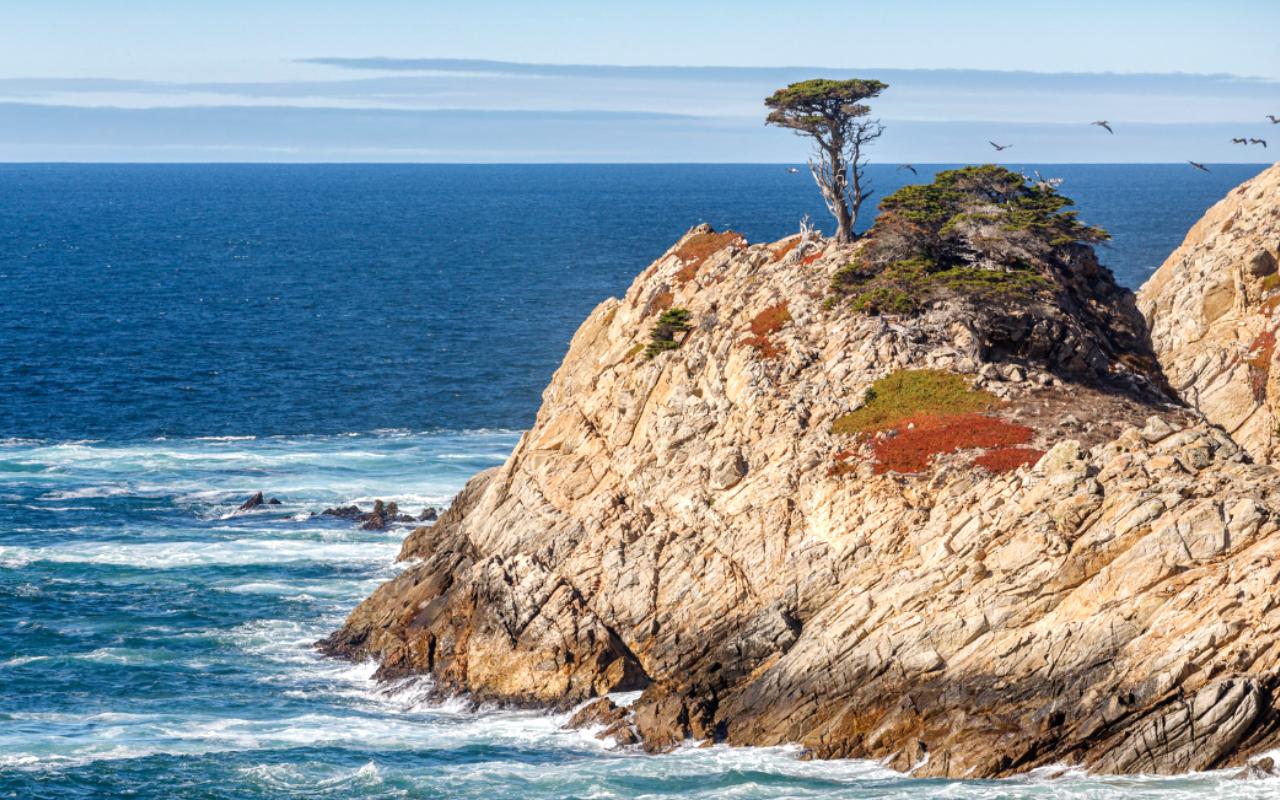
Point Lobos State Natural Reserve
The dramatic coastal beauty of Point Lobos, south of Carmel, is known as the “Crown Jewel of California State Parks. It is a playground to hikers, divers, photographers, and wildlife lovers with rugged headlands, hidden coves, and underwater kelp forests.
- Highlights: Scenic cliff trails (Cypress Grove Trail, China Cove), tide pools, and exotic plants. You can see otters, seals, sea lions, and even passing whales. The submerged reserve has kelp forests and fish forests of colors.
- Hours & Fees: Open daily 8 am to sunset (last entry 6:30 pm). Entrance is $10 per vehicle (California Park Passes accepted).
- Facilities: Restrooms and a small café at the Whalers Cabin Store (trailhead).
- Trails: Easy to moderate walks (0.25–2 miles). Many paved overlooks; trails are mostly ADA-accessible or have easy grades. Good photography spots at Bird Island and the scenic cove at China Cove.
- Location: 3 miles south of Carmel on Highway 1. The parking lot can fill by mid-morning, so arrive early. No dogs allowed on any trails.
7. Point Pinos Lighthouse (Pacific Grove)
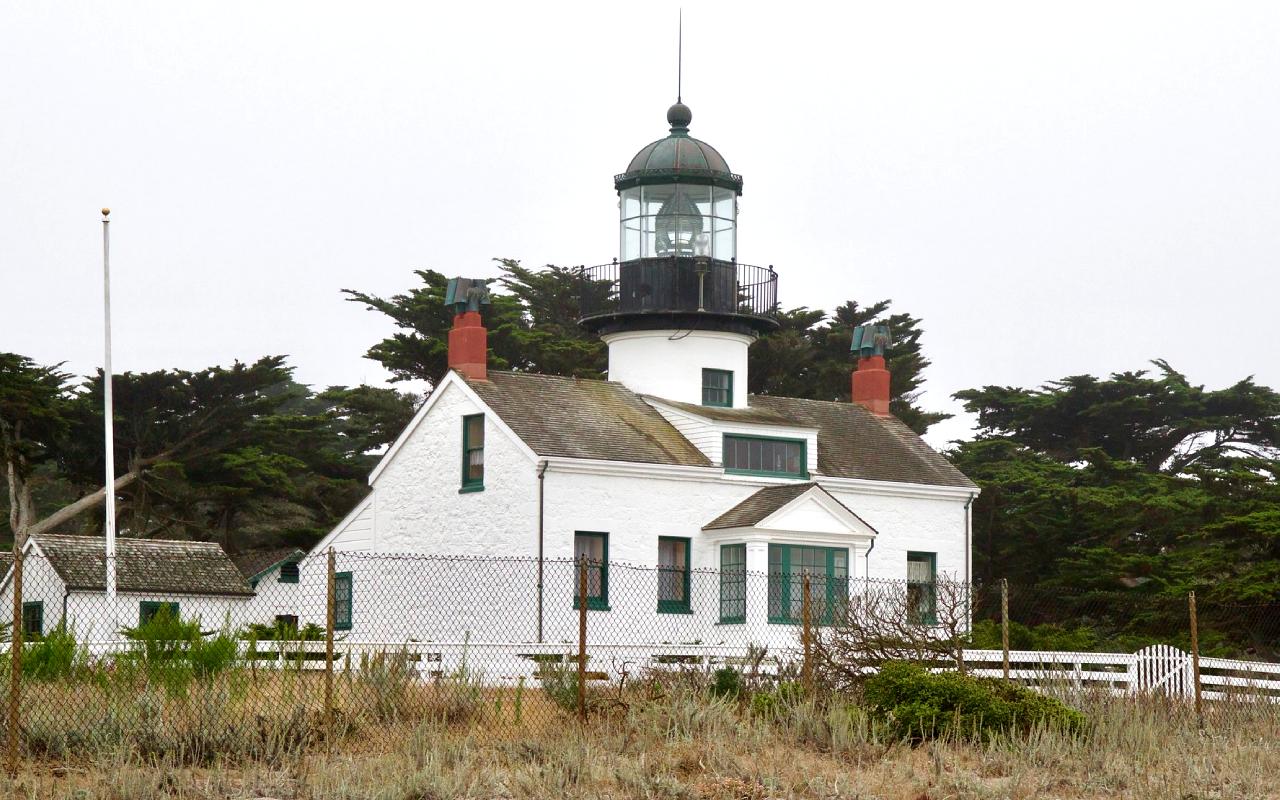
Point Pinos Lighthouse
Point Pinos Lighthouse, at the tip of the Monterey Peninsula in Pacific Grove, is the oldest continuously operating lighthouse on the West Coast (since 1855). The quaint, historic light still guides boats by night.
- Tours: The lighthouse is now a free museum with modest entrance fees for tours of the lantern room. Hours: Thurs–Fri 1–3 pm, Sat–Sun 11 am–3 pm (closed most major holidays).
- Admission: $7 adults, $3 youth (7–17), free under 7. Guided tours highlight the history and panoramic views of the bay.
- What to Expect: Inside is a small maritime museum. From the lens room, you get a close-up bay view. The park grounds (Lighthouse Park) along the rocky shore are lovely for picnics and sunsets.
- Nearby: Next to the lighthouse is Point Pinos Park with tidepools. Downtown Pacific Grove is 1 mile east (classic Victorian buildings, restaurants).
8. Pacific Grove Monarch Sanctuary (Butterfly Town, USA)
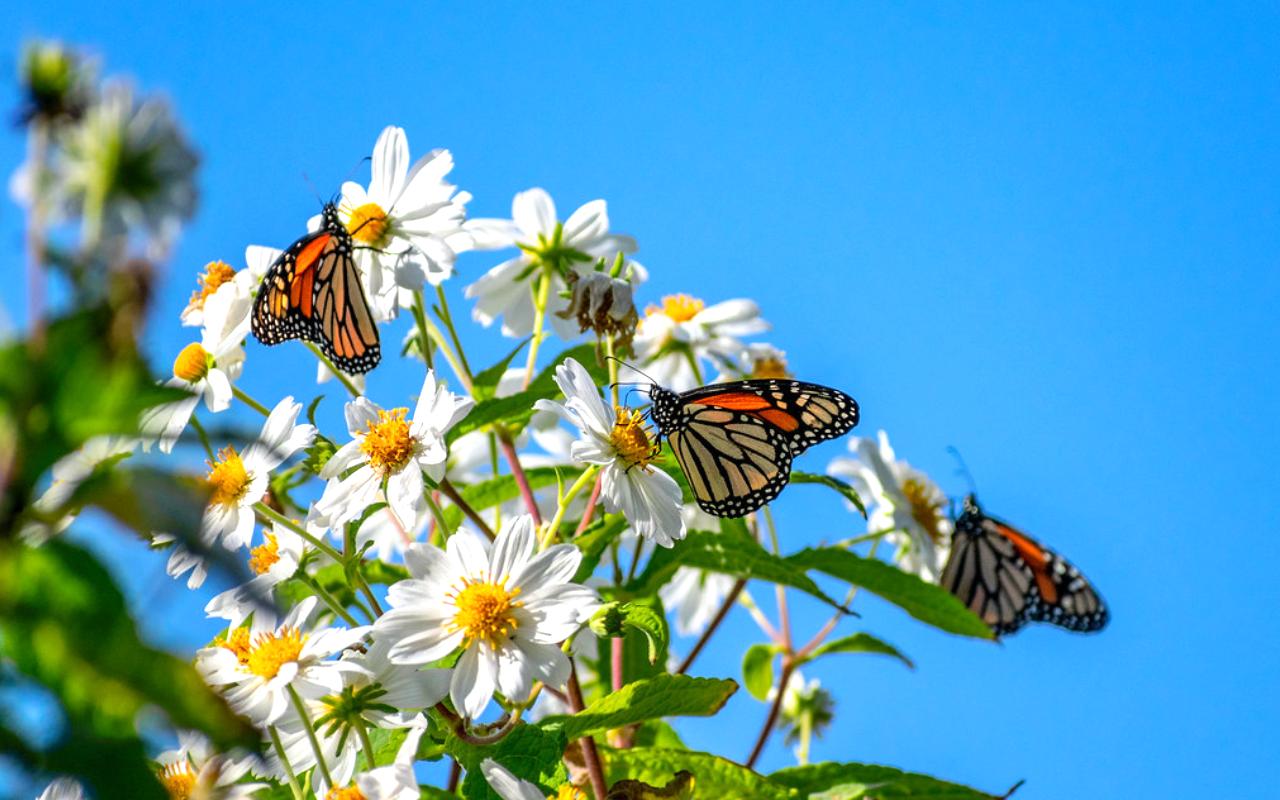
Pacific Grove Monarch Sanctuary
Pacific Grove, just north of Monterey, is famous as Butterfly Town, USA. Every autumn, thousands of Monarch butterflies migrate to P.G. and roost in Eucalyptus trees. The Monarch Sanctuary (Monarch Grove Sanctuary) is the county’s largest overwintering site.
- Visiting: Open daily sunrise–sunset (no fee). Best seen mid-Nov through Feb. The butterflies cluster on trunks in cool weather; on sunny days, they flutter around the grove.
- Rules: Keep voices down and do not disturb the butterflies. Pets are not allowed in the sanctuary. There’s limited free street parking on Lighthouse Ave. (first-come basis). The site is ADA-accessible.
- Tips: Mornings are often calm and colder, so more butterflies are clustered. In the afternoons, they may fly away if it’s warm. Plan 30–60 minutes here, then explore downtown Pacific Grove (friendly shops, fish-and-chips by the sea) or head to nearby Asilomar Beach.
9. Monterey State Historic Park
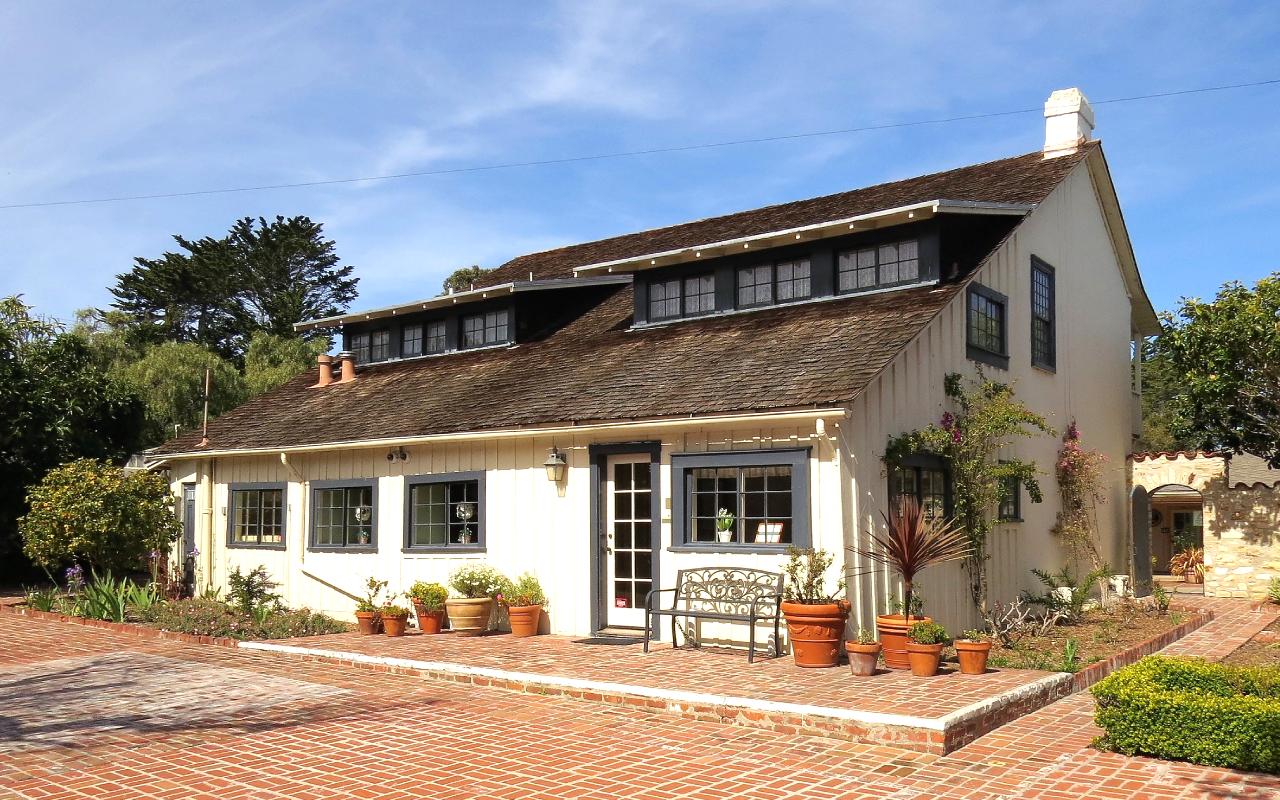
Monterey State Historic Park
This downtown Monterey park preserves the city’s Spanish and Mexican heritage with 12 historic buildings clustered around Custom House Plaza (the very spot where California was ceded to the U.S. in 1846).
- Highlights: The Custom House (the oldest government building in CA), the Larkin House (1840s adobe consulate), the Pacific House Museum, and the gardens. The Path of History is a walking tour with markers through downtown (from Plaza to Colton Hall).
- Hours: Many museum buildings open Tues–Sun 10 am–4 pm (Custom House and gardens are free). English and Spanish tours are often offered.
- Fees: Most sites are free or donation-based. Check the Pacific House Museum (420 Calle Principal) if open (it houses Monterey’s art and history exhibits).
- What to Do: Start at Custom House Plaza (Monterey State Historic Park’s hub). Walk up Pacific Street to Colton Hall (monument to California’s first constitution signing) – see item #10.
- Nearby: Many eateries and shops on Alvarado/Wall streets. Monterey’s Visitor Center is adjacent (great local literature).
10. Colton Hall Museum
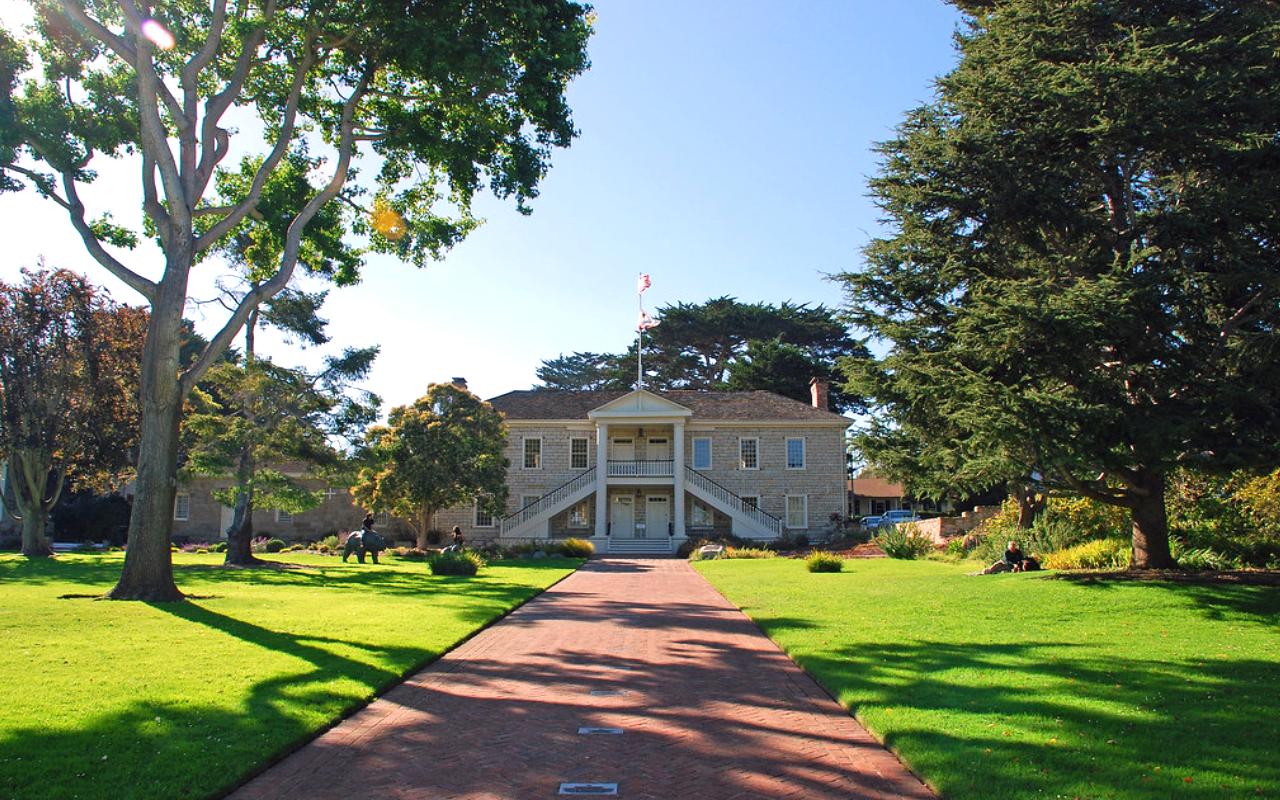
Colton Hall Museum
Located in the heart of Monterey’s Historic Park, Colton Hall is where California’s first constitution was drafted (Sept 1849). Named for Walter Colton, Monterey’s first American alcalde (mayor), it originally served as a school and town hall.
- Why Go: The upstairs museum displays the original 1849 Constitution and civic artifacts. It offers insight into early California and Monterey life.
- Hours: Open Thurs–Mon 10 am–4 pm. Entrance is free. Guided tours (if available) narrate the building’s dual role as schoolhouse and statehouse.
- Features: Notice the audience benches and the 1847 schoolhouse plaques. The downstairs Quarters are usually closed to the public. The historic Old Monterey City Hall is attached.
- Location: 570 Pacific St (between the Plaza and Alvarado). Combine with a walk through the adjacent Casa Serrano Park or Plaza.
11. Carmel Mission Basilica
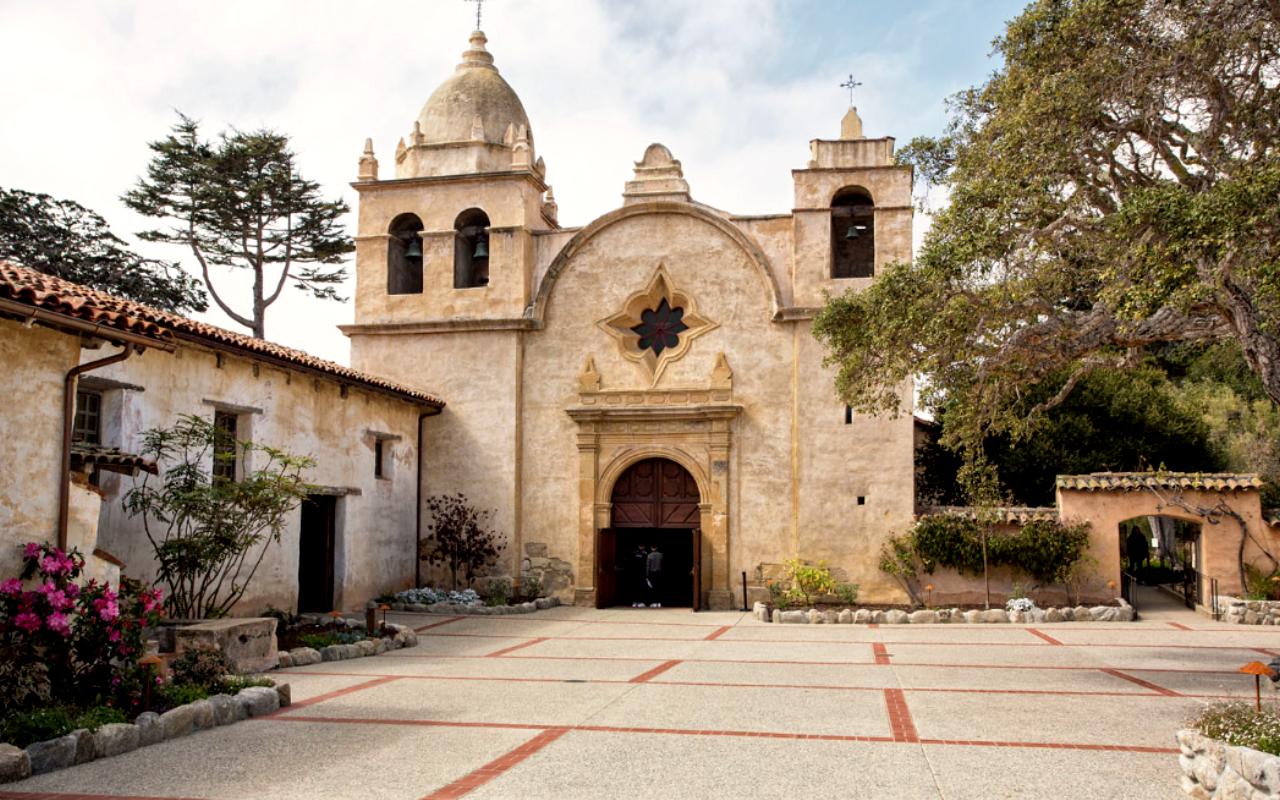
Carmel Mission Basilica
The Mission San Carlos Borromeo de Carmelo, just outside Carmel village, is one of California’s most beautiful and historically significant missions.
Founded in 1771 by Father Junípero Serra, its reconstruction is a majestic Spanish-Renaissance church with rose gardens and a museum.
- Features: The large rose-colored basilica, ornate interiors, gardens, and cemetery (Serra is entombed here). The onsite museum and gardens display mission-era artifacts.
- Hours: Wednesday–Sunday 10 am–4 pm (Sat 10–5; Sun 11:30–5). Closed Mon/Tues.
- Admission: $15 adults, $12 seniors, $8 youth; under 6 free. Special Masses may alter hours (check schedule).
- Tips: Guided tours are not required, but audio tours are available. The mission store sells crafts and refreshments. The site closes 15 min before posted hours.
- Location: 3080 Rio Rd, Carmel. Parking lot on site (paid) and street parking.
12. Carmel Valley Wineries
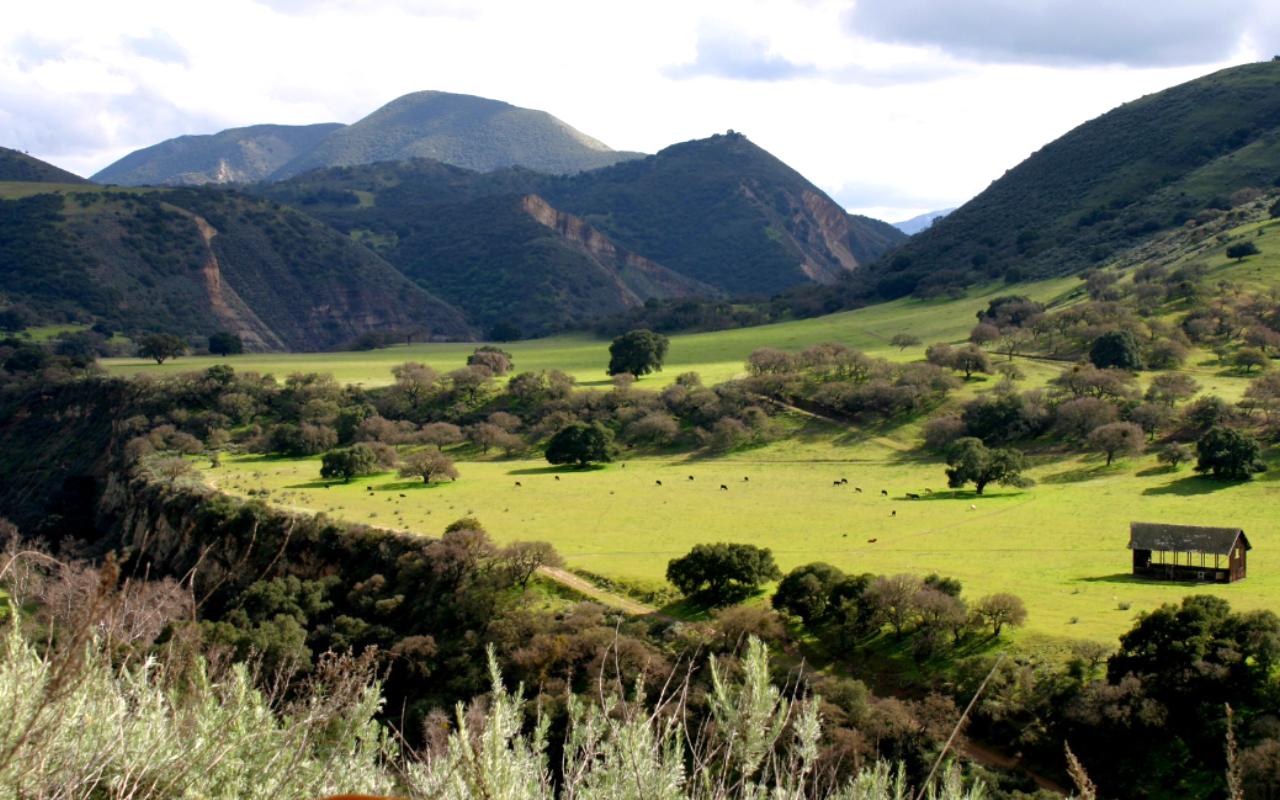
Carmel Valley
Just inland from Carmel lies Carmel Valley, a warm-summer AVA producing elegant wines. The valley’s Mediterranean climate (hot days, cool nights) is ideal for Cabernet Sauvignon, Merlot, Chardonnay, and Rhône varietals.
- What to Do: Visit tasting rooms in the rolling hills. Notable wineries: Bernardus, Holman, Cowgirl, Talbott, Galante, Folktale, Ryder, Joyce, and others. Many have picturesque estates and offer tours or tastings by reservation.
- Highlights: Some wineries offer food pairings or picnic grounds. The valley also has olive oil farms and local markets. Combine wine tasting with a scenic drive (East Carmel Valley Road) and views of vineyards.
- Travel Note: Plenty of rural country roads; a car or driver is needed. Many wineries are open by appointment or limited hours, so plan ahead. There are also tasting rooms in downtown Carmel (e.g., Scheid Vineyards, Wrath Vineyards).
13. Kayaking Monterey Bay
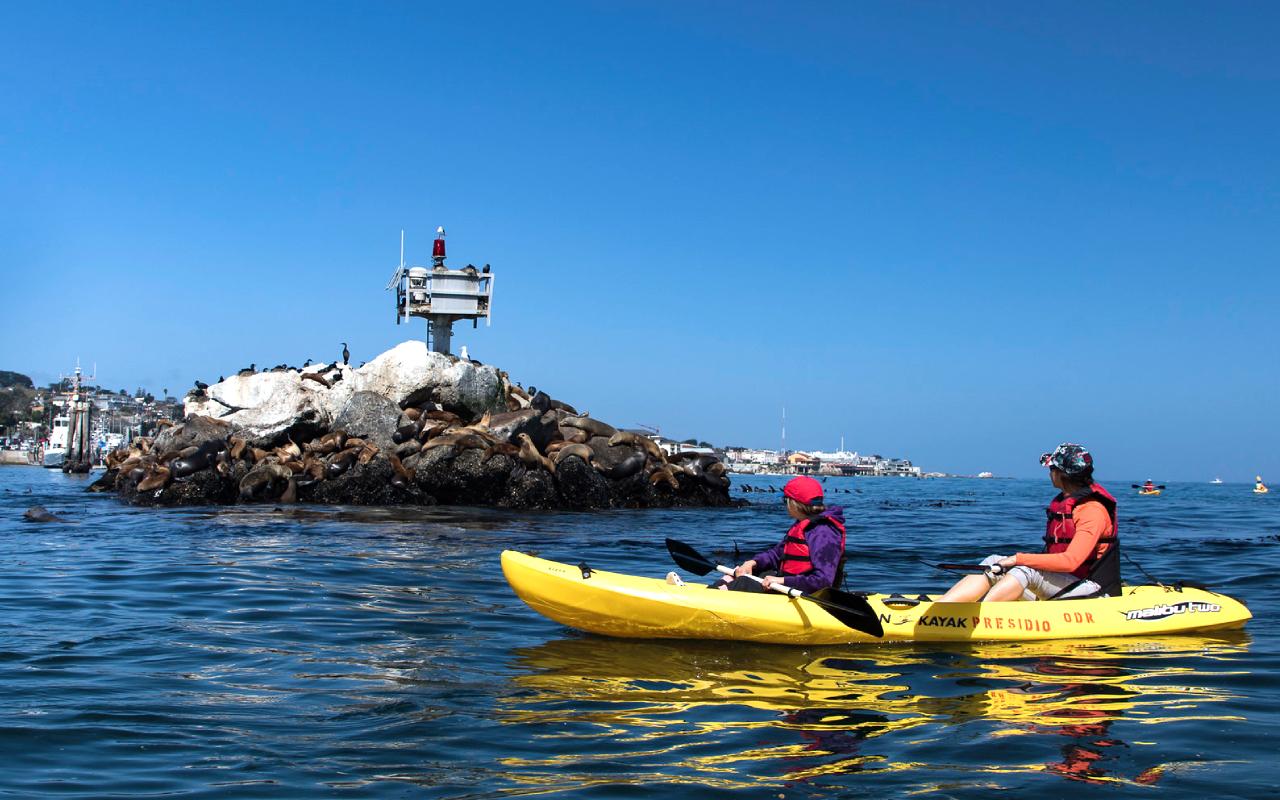
Kayaking Monterey Bay
Monterey Bay’s calm waters and sheltered kelp forests make it a premier kayaking destination. Rentals and guided tours launch from Monterey’s harbor (near Fisherman’s Wharf) and from Moss Landing (for Elkhorn Slough).
- Monterey Bay Kayaks: A popular outfitter at the harbor rents single/double kayaks and paddleboards. You can paddle straight into the marine sanctuary. Expect to see sea otters, harbor seals, and curious sea lions among bull kelp patches.
- Elkhorn Slough: 5 miles north of Monterey, this estuary is car-top only (no motorboats). Kayak Connection in Moss Landing runs slough tours, where you’ll see river otters, herons, and other birds in still waters.
- Experience: Bring layers and a waterproof bag (the bay is cold). For novices, guided eco-tours are safest. Stand-up paddleboarding (SUP) is also offered; it’s easier at Moss Landing (protected waters) than on the open bay.
- Tips: Book in advance during summer weekends. Life jackets provided. Park along the breakwater (metered).
14. Pacific Grove Museum of Natural History
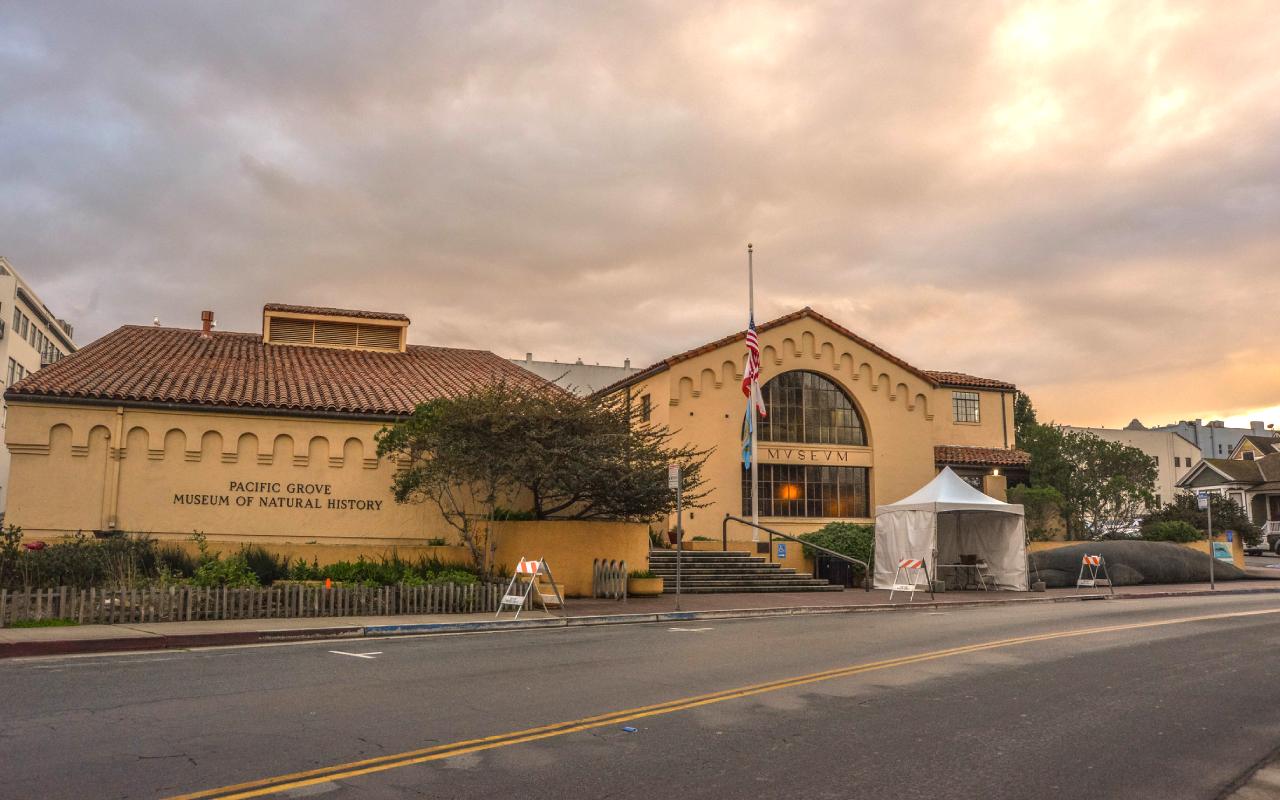
Pacific Grove Museum of Natural History
This small but charming museum (in a renovated 1924 train depot) highlights Monterey Peninsula ecology, geology, and history. Exhibits include local wildlife dioramas, an extensive Monarch Butterfly Hall, gem and mineral collections, and native culture displays.
- Hours: Wed–Sun 10 am–4 pm (closed Mon/Tue).
- Admission: $12 adults, $8 seniors/youth (7–17), children under 7 free.
- Highlights: The “Butterfly, Bird & Coast” halls explain the monarch migration, seabird colonies (the nearby rookery on Bird Rock), tidepool life, and Monterey pine forests. A jagged jade mine exhibit and a life-size gray whale skeleton are featured.
- Location: 165 Forest Ave, Pacific Grove (two blocks from the ocean).
- Nearby: Spend some time in Pacific Grove afterward: walk along the Bay Trail or enjoy the charming downtown (Pacific Grove hosts the U.S. Open Sandcastle Competition each June).
15. Old Fisherman’s Wharf
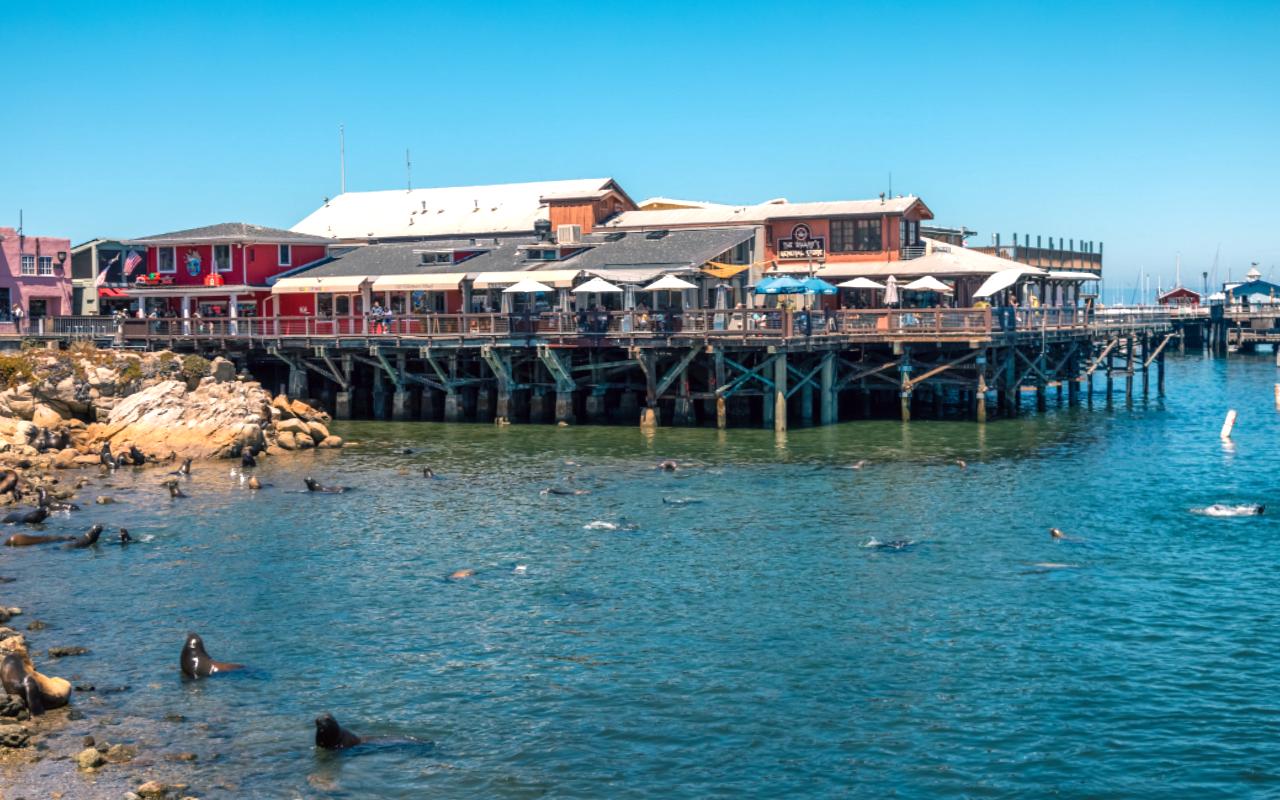
Old Fisherman’s Wharf
Monterey’s historic Fisherman’s Wharf extends into the bay just east of Cannery Row. It’s a lively dock area lined with seafood restaurants, souvenir shops, and boat tour companies.
- Attractions: Enjoy fresh fish-and-chips or clam chowder in a bread bowl at waterfront eateries (e.g., Old Fisherman’s Grotto). Watch local fishermen offload crab and lobster. On the breakwater by the wharf, sea lions often congregate (similar to SF’s Pier 39).
- Tours: It’s the hub for whale watching cruises, fishing charters, and sunset sailing cruises. You can hop on a bay cruise (some include glass-bottom or sub rides).
Highlights:
- Monterey Bay Whale Watch boats depart here (4-year-old company).
- Historic Rigger’s Loft: a small museum (free) showing local maritime history.
- Bartlett Marine Mammal Center: coastal rescue center (donation-based, see marine mammal exhibits).
- Visitor Info: No admission fee to walk around. Shops sell everything from seashells to art. Street parking is metered; the largest lot is at the wharf head ($) and the nearby W. Alvarado street (lot with permit machines). The wharf attracts 4 million visitors/yr, so expect crowds in summer.
16. Dennis the Menace Playground
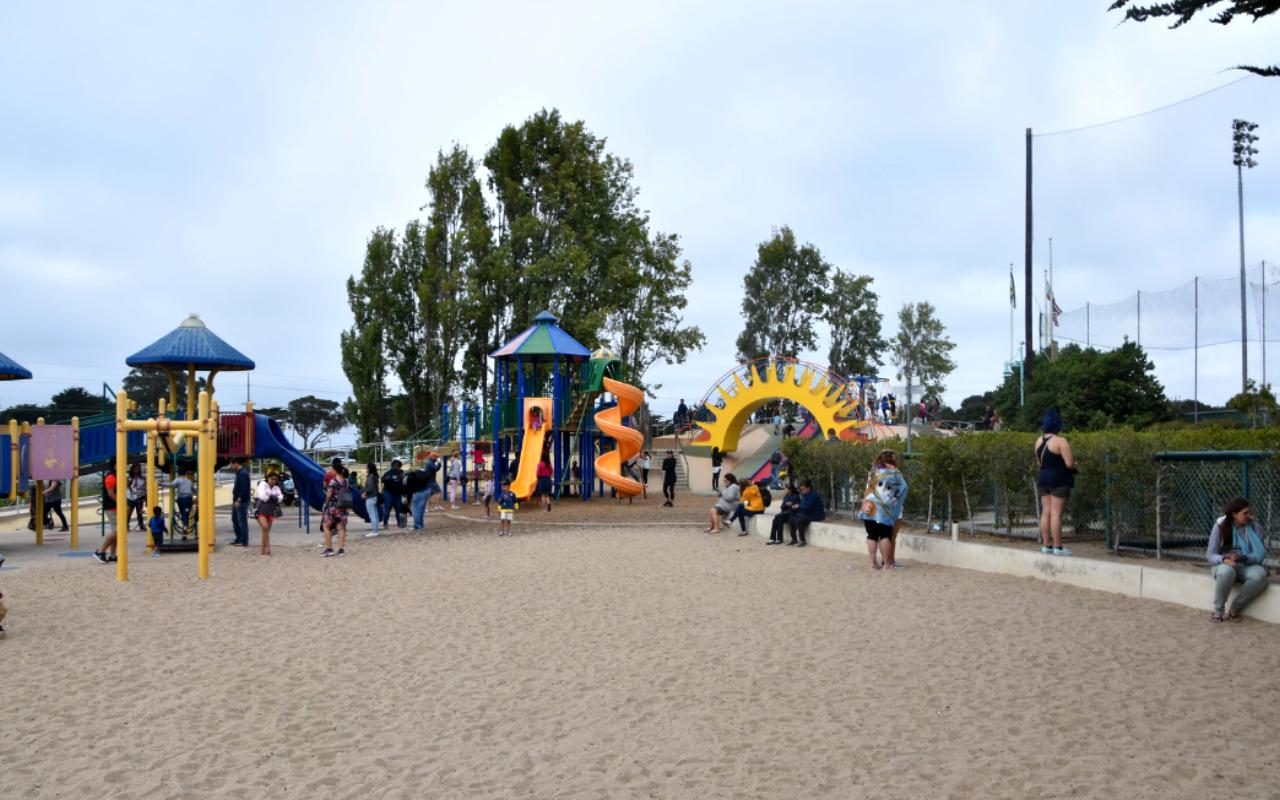
Dennis the Menace Playground
A short drive north of downtown Monterey is the Dennis the Menace Park (named after the comic strip character, who once had his own antics plaque on-site). It’s Monterey’s largest and most popular children’s playground.
- Features: Giant slides, climbing structures, rope bridges, a maze, a kid-sized steam locomotive, a wading pool, and a concrete play ship. The park is fenced and shaded by large oak trees.
- History: Opened in 1956 as a gift from cartoonist Hank Ketcham and the Jaycees. It has been upgraded several times while retaining its whimsical charm.
- Hours: Open daily 10 am–dusk. (Memorial Day–Labor Day: open daily; Off-season: closed on non-holiday Tuesdays).
- Cost: Free entry. (Weather permitting; closes in heavy rain).
- Location: 777 Pearl St., adjacent to Frank E. Sollecito Ballpark and Youth Center. Plenty of free parking in the lot. Nearby picnic areas and restrooms are available. (Dogs on leash are allowed in the park.
17. Monterey Bay Coastal Recreation Trail
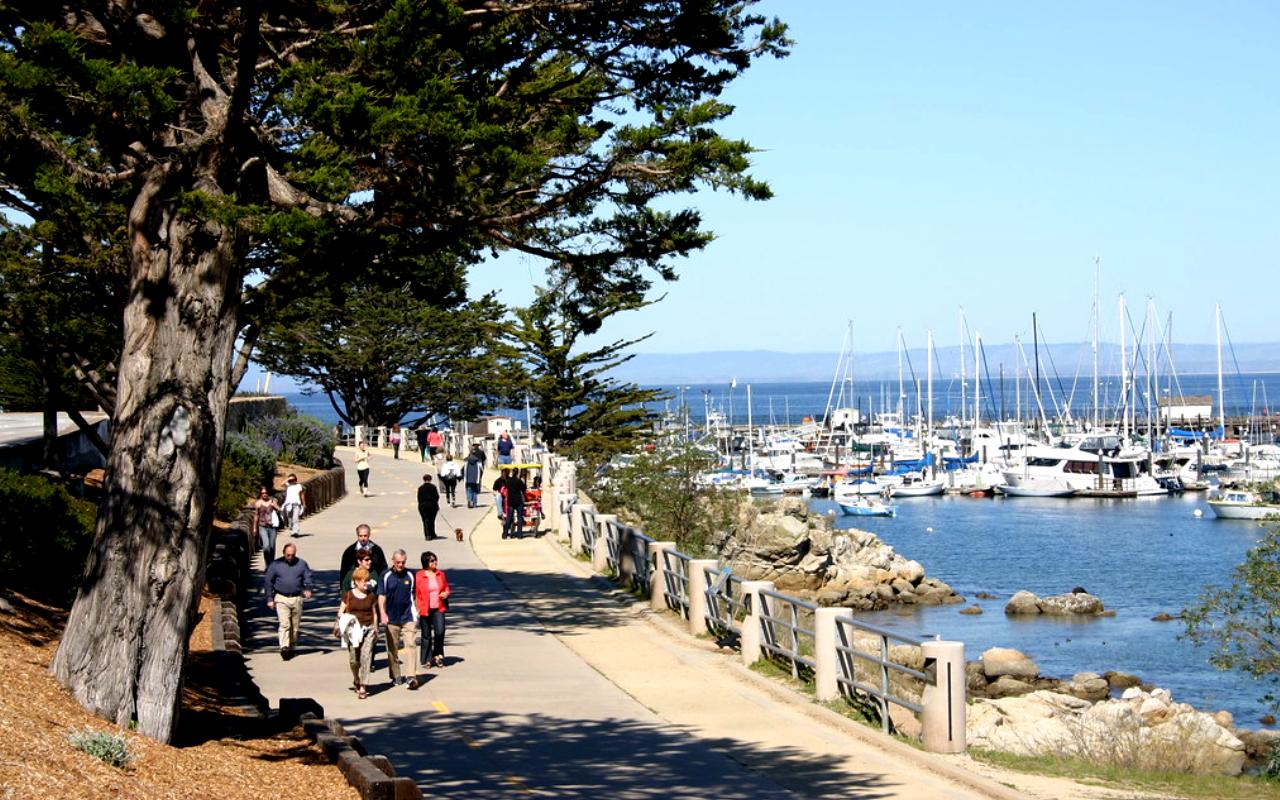
Monterey Bay Coastal Recreation Trail
Cyclists on the Monterey Bay Coastal Recreation Trail enjoy seaside views through Pacific Grove. The 18-mile path connects Castroville to PG with coastal scenery.
This paved multi-use trail hugs the coastline from Castroville (north of Monterey) all the way through Seaside, Monterey, and Pacific Grove (to Lovers Point), about 18 miles in all.
- Activity: Ideal for biking, rollerblading, or walking. Many families rent bikes and surreys (canopied quadricycles) from vendors at Cannery Row or Del Monte Center.
- Highlights: Scenic bay views at every mile. You’ll pass the Monterey Aquarium, Cannery Row, Fisherman’s Wharf, Lover’s Point Park, and Asilomar Beach. Watch for harbor seals and sea otters playing near shore.
- Facilities: Rest areas with benches and picnic spots. Several beach access points.
- Rules: Two lanes like a road, keep right. Dogs must be leashed. Stay alert at crosswalks.
18. Carmel-by-the-Sea Village
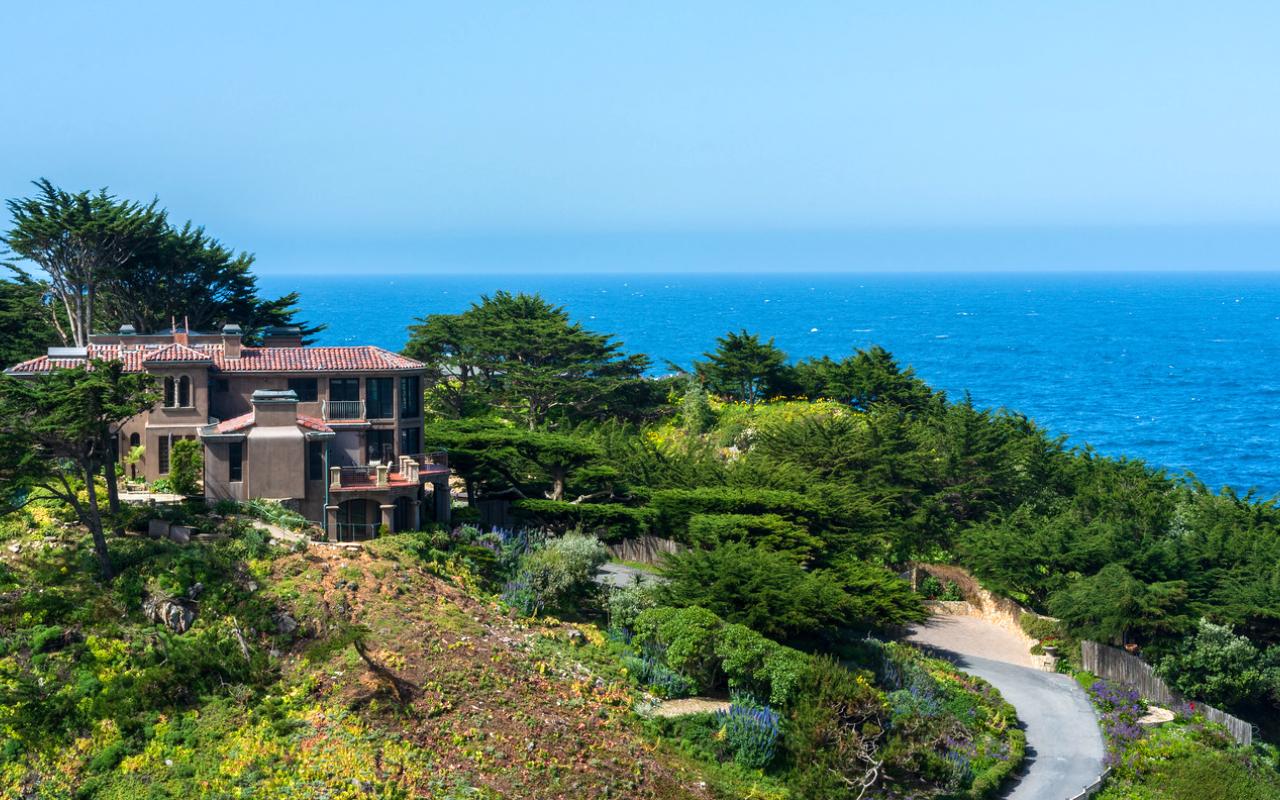
Carmel-by-the-Sea Village
Don’t miss exploring downtown Carmel (just south of Carmel Beach). Ocean Avenue and adjoining streets form a charming, pedestrian-friendly village of boutiques, art galleries, wine tasting rooms, and gourmet restaurants.
Key sights and tips:
- Shopping & Galleries: Over 100 galleries within one square mile, Carmel is an art lover’s paradise. From fine art to curios, you’ll find unique souvenirs.
- Restaurants: Carmel’s fine-dining scene (e.g., Aubergine, La Bicyclette) rivals big cities. Casual spots and bakeries abound on 5th Avenue and Mission Street. Many eateries are dog-friendly outdoors (and there are dog-washing stations for muddy paws).
- No Address Policy: Fun fact – buildings in Carmel officially have no street numbers, only business names on curbs!
- City History: Historic Court of the Golden Bough theater (first American film censor venue) and the Fairy-Tale Cottages of Hugh Comstock (just off Ocean Ave) add a quaint feel.
- Events: Stroll city parks (Devendorf Park) or catch the annual Pebble Beach Concours on Ocean Ave in August (cars parade after the Pebble golf tournament).
(Note: Carmel does have its own attractions like the Carmelite Monastery and the Norma Jean Morgan Memorial Garden, but walking the village and soaking in its storybook ambiance is the main draw.)
19. Carmel River State Beach (Lagoon & Monastery Beach)
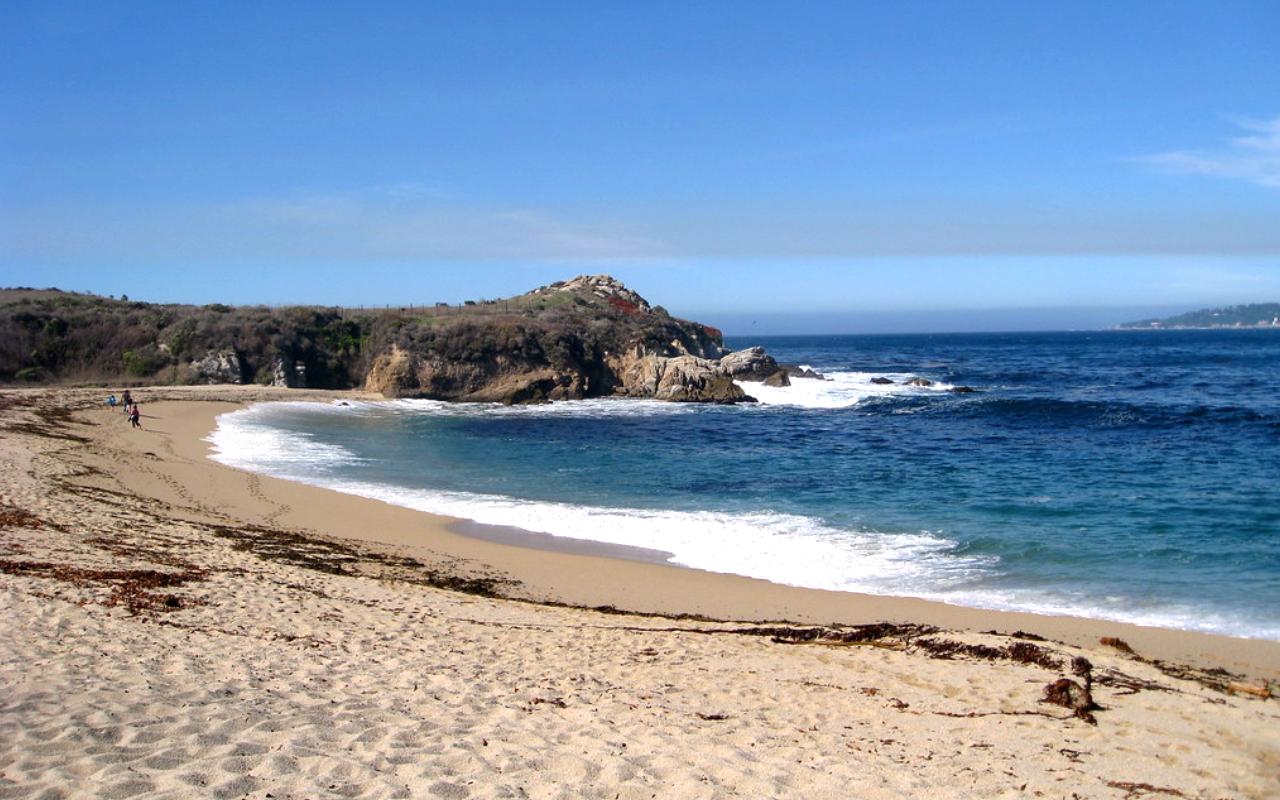
Carmel River State Beach
Just south of Carmel Mission, Carmel River State Beach encompasses a mile-long sandy beach and the Carmel River Lagoon, a protected wetland and bird sanctuary. It’s a quieter spot loved by birders, kayakers (on the lagoon), and tidepool hunters at the ocean side.
- Carmel River Lagoon: Part of California’s Wetlands Natural Reserve. In late fall, kayaks (guided tours) operate on the peaceful lagoon behind Carmel Mission (Monastery Beach area). Look for shorebirds, egret rookeries, and harbor seals on sandbars.
- Monastery Beach: A broad open beach known for big waves (surfers frequent it). It’s powerful, and riptides are lethal; no swimming. But it’s fun for beachcombing and sunbathing.
- Fauna: The lagoon hosts ducks, shorebirds, and occasional pelicans. Monterey cypress and Monterey pine shelter the area.
- Parking: Small lot near Old Ranch Road (access via Rio Road). Sand dunes and grasslands on the north side of the highway.
- Tips: Bring binoculars. Stay on trails through the dunes to protect nesting areas.
20. Garrapata State Park
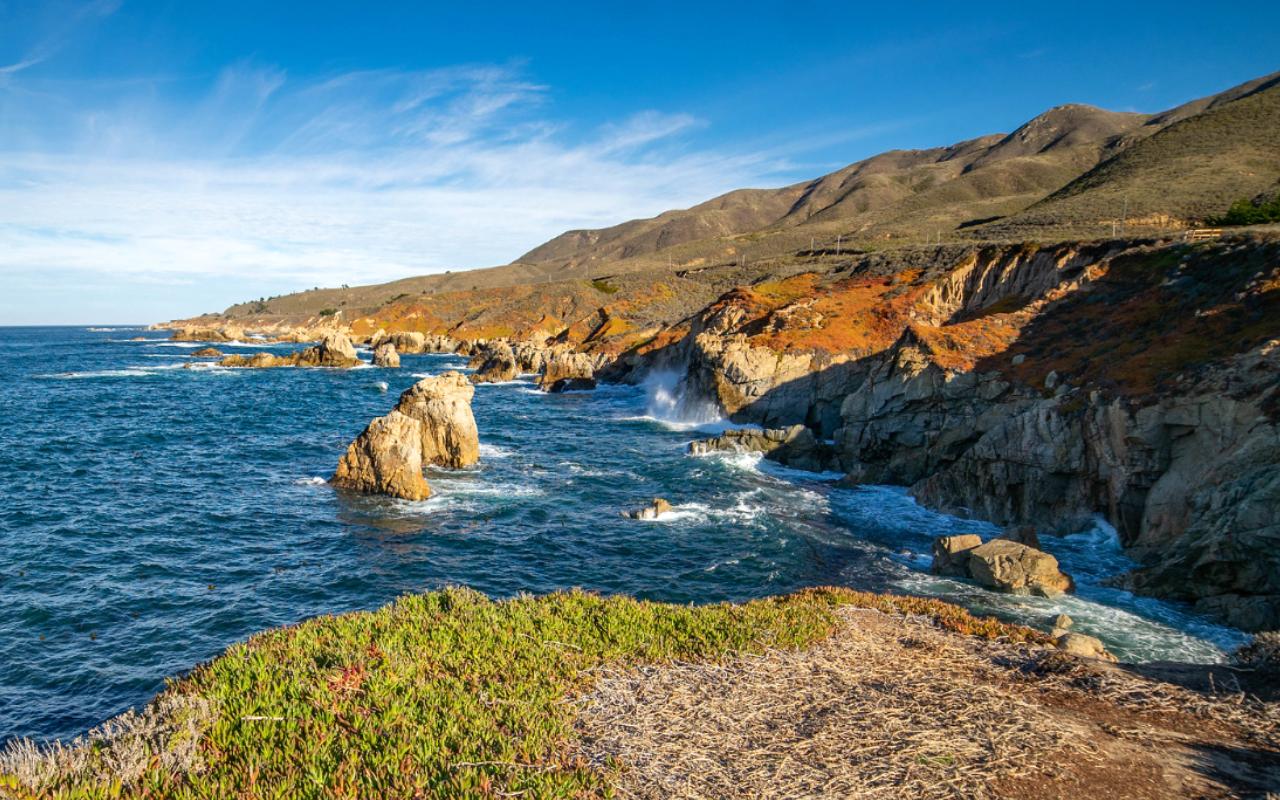
Garrapata State Park
Wildflowers and coastal bluffs at Garrapata State Park. This Big Sur gateway park has dramatic hikes down to a sandy beach. Though technically just outside Monterey city, Garrapata State Park (6.7 miles south of Carmel on Highway 1) offers superb Big Sur-style scenery close by.
- Scenery: Two miles of undeveloped coastline with high cliffs, seaside bluffs covered in wildflowers (spring), and Redwood groves inland. The long sandy beach (Garrapata Beach) is perfect for exploring tidepools.
- Hiking: The Soberanes Canyon Trail (1.25 miles one-way) descends through redwoods to an inland canyon. The Rocky Ridge Trail (coastal bluff top) is currently closed, but when open, it offers 360° views. Otherwise, the short Coastal Trail (mostly flat) connects the north (Highway 1, Gate 8) to the beach.
- Wildlife: Whales can be seen offshore (gray whales migrate close by). California condors have been spotted in the area. On land, you may see deer or bobcats.
- Hours & Fees: Day-use 8 am–sunset; $10 vehicle fee (California parks pass accepted). No dogs on most trails, except on-leash in the south beach area (Gate 19).
- Facilities: No camping or services. Limited parking on Highway 1 (use turnout areas). Use caution: there are no guardrails on the bluffs.
Conclusion
The list of activities that Monterey has to be able to offer is quite a long list indeed, and can be offered to quite a wide range of travelers. Be it the case that you are looking to get yourself entertained in Monterey, California, or are exploring the numerous outdoor wonders of Monterey Bay, there is something in Monterey that will, in some way or another, capture your interest.
Be it the world-famous Monterey Bay Aquarium or scenic hiking and whale-watching tours, you will not find yourself wanting to experience more of the natural beauty and rich history of this area.
To unwind, one can walk along the serene beaches and quaint streets of Carmel-by-the-Sea, and activities such as wine tasting in the Carmel Valley and sightseeing the various historic sites within the town add a touch of culture to your vacation.
No matter the type of adventure you want, Monterey provides the combination of sightseeing, outdoor activities, and local flavor that makes it a must-visit destination. Today, plan your trip and find out about all the wonderful things to do in Monterey Bay!










-
 0115 Best Easy Treks in Nepal for Beginners and Families
 -
 02Best season for Everest Base Camp Trek
 -
 03Best Time to Go Hiking in Nepal: A Seasonal Guide for Trekkers
 -
 04Suchi Purja –Wife of Nirmal Purja aka Nims Dai
 -
 05Dubai desert safari outfit ideas
 -
 06Top Beaches in Sri Lanka
 -
 0710 Best Easy Treks in Nepal