
Now Reading: 25 Best Things to Do in Medellín, Colombia – A Complete Guide for First-Time Visitors
-
01
25 Best Things to Do in Medellín, Colombia – A Complete Guide for First-Time Visitors
25 Best Things to Do in Medellín, Colombia – A Complete Guide for First-Time Visitors

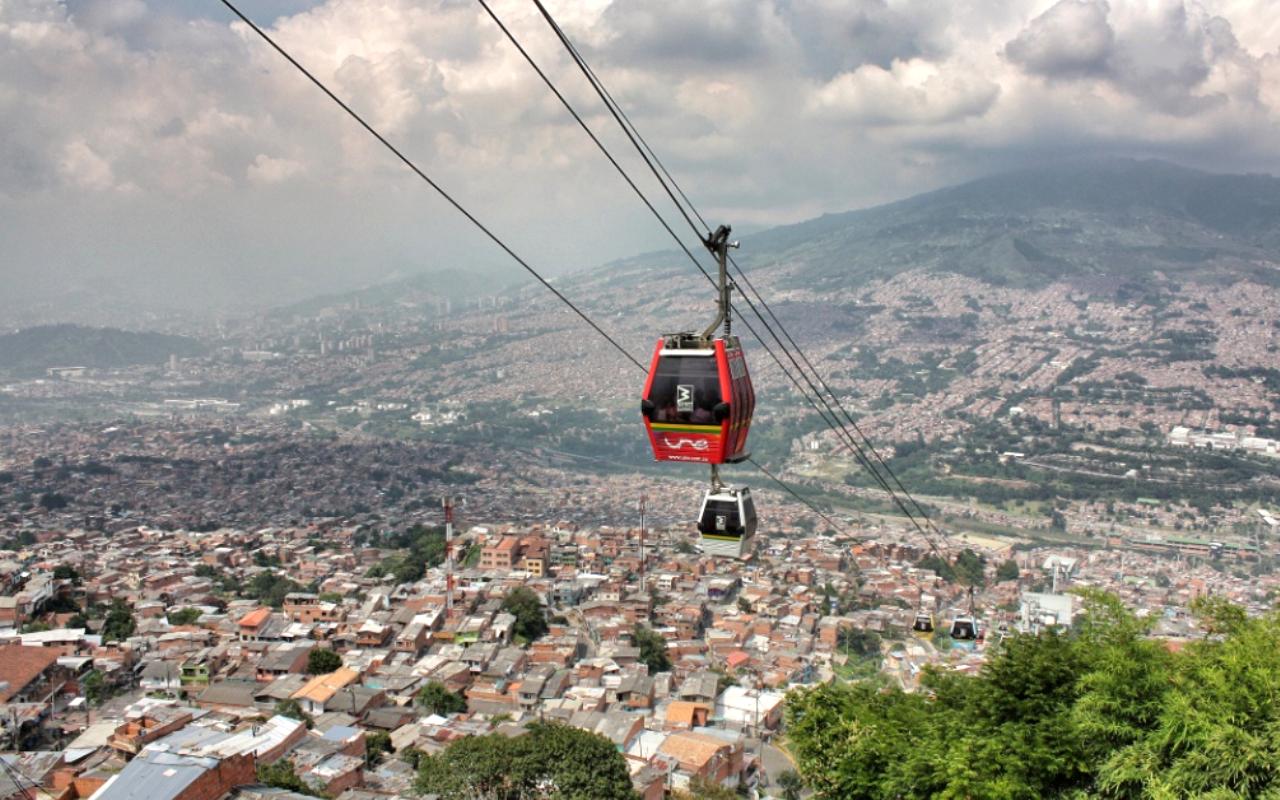
The city of Medellin, known as the City of Eternal Spring, has evolved to be one of the most dynamic and friendly cities in South America despite its turbulent past.
Located in the green valley of Aburra in the Andes (northwestern Colombia), Medellin has a spring-like climate all year round. This vibrant metropolis offers countless Things to Do in Medellín, from riding the famous Metrocable cable cars to exploring its coffee culture, colorful street art, and energetic nightlife.
Visitors come to the country in large numbers to enjoy the hospitality of the friendly Paisa, their good food, and a culture that respects tradition and welcomes innovation. Indeed, travelers like National Geographic and BBC have listed Medellin as one of the best places to visit, as it has transformed itself with an impressive turnaround from violence to innovation.
First-time visitors can expect a city of warm people, constant spring weather, endless activities (from museums and parks to salsa clubs and coffee shops), and an exciting mix of urban life and nearby nature.
This guide covers everything from basic facts and practical tips to detailed descriptions of the 25 must-see attractions in Medellin Colombia, local foods to sample, recommended neighborhoods and itineraries, and more, ensuring you make the most of things to do in Medellín.
Quick Facts About Medellín, Colombia
| Topic | Details |
| Country | Colombia |
| Region | Antioquia (capital city of Antioquia department) |
| Language | Spanish (official); English is taught but not widely spoken |
| Currency | Colombian Peso (COP) |
| Best Time to Visit | Dry Season: December–March (and July–August). These months have the least rain; the busiest is August (Flower Festival). |
| Main Airport | José María Córdova International Airport (MDE) in Rionegro, 35 km from Medellín’s city center |
| Famous For | Metrocable cable cars (scenic hillside transit), world-class nightlife and restaurants, rich coffee culture, and vibrant street art (especially in Comuna 13). |
Introduction
Medellín’s story is one of transformation. By the 1980s, it had one of the world’s highest homicide rates, but a combination of urban innovation and improved security has reshaped its image.
Today, Medellín is modern, progressive, and remarkably safe by comparison. Homicide rates are at a 40-year low, and the city is often lauded for its innovation and friendly residents.
In fact, in 2013, The Wall Street Journal named Medellín the “Most Innovative City in the World.” Locals, called Paisas, are known for their warmth and fashion sense, and they take pride in their city’s friendly atmosphere and coffee-shop culture.
First-time visitors will find a city of perpetual pleasant weather (hence “Eternal Spring”), with greenery everywhere, comfortable walking weather, and a sprinkling of drizzle in the rainy months.
Expect a vibrant arts scene (outdoor sculptures and murals), extensive green parks and plazas, and nightlife districts bustling until dawn.
The blog discusses the basics (facts on a glance, neighborhoods, safety) and then goes into the 25 best activities to do in Medellin, Colombia, sightseeing, food, accommodation, and travel tips, all that a first-time traveler needs to know to have a memorable experience.
Where is Medellín, Colombia?
Medellín is located in northwestern Colombia. It sprawls along the Aburrá Valley, a high plateau in the Colombian Andes. The city lies roughly 260 miles (420 km) north of Bogotá; a direct flight between the two capitals takes only about one hour. Medellín’s elevation (1,500 m) gives it a spring-like climate year-round.
The Aburrá Valley location means the city is surrounded by mountains; this geography contributes to both the city’s moderate temperatures and its scenic cable car (Metrocable) lines up into hillside barrios.
Accessibility: Medellín is well-connected by air and road. The main international airport is José María Córdova (MDE) in Rionegro, about 35 km from downtown. Shuttle buses, taxi colectivos, and Uber can easily bring you into the city.
A second airport, Olaya Herrera, handles domestic flights (flights to Cartagena, Cali, Bogotá). By land, modern highways link Medellín to other cities: it’s a 1-hour flight or an 8–9-hour bus ride to Bogotá, and only 30 minutes by air to the Caribbean (Cartagena).
The Aburrá Valley plays a crucial role: it provided fertile ground for Medellín’s coffee plantations and textile industry in colonial times, and today it holds most of the Antioquia department’s population.
Major neighboring towns in the metropolitan area include Envigado and Bello. The valley’s corridor has encouraged Medellín’s growth into a major metropolitan region (over 4 million in the metro area).
The city’s valley location also means many travelers enjoy the unique city-and-mountain vistas, for example, from Pueblito Paisa or Parque Arví, where you can see all the way across the valley at sunset.
Medellín is especially popular among international visitors and digital nomads these days. The combination of reliable broadband, a plethora of cafes and coworking spaces (especially in El Poblado and Laureles), plus a relatively low cost of living, makes it attractive to remote workers. Colombia has even granted a “digital nomad visa” option in recent years, reflecting this trend.
In summary, Medellín is in northwestern Colombia, the capital of Antioquia, set in the Aburrá Valley of the Andes. It’s easy to reach by direct flights from Bogotá (1h) and other regional hubs. Its mountain-ringed location gives the city its mild climate and iconic cable-car rides into hillside communities.
Best Time to Visit Medellín, Colombia
Medellín’s climate is quite stable, but it does have wetter and drier periods. Overall, expect warm days (18–28°C or 65–82°F) and cooler evenings (as low as 15°C/59°F). There are two rainy seasons (around April–May and October–November) and relatively drier seasons (December–March and July–August). Here’s what to know:
Dry Season vs Rainy Season
Dry Season (Best Time): Late December through March is the main dry season. Skies are mostly clear, and outdoor activities are ideal. July and August also tend to be relatively dry and coincide with local festivals (Flower Festival in early August). During dry months, the weather is warm and sunny, making hiking and sightseeing a pleasure.
Rainy Season: April–May and October–November see more rainfall. Showers are often intense but short-lived (tropical rainstorms that pass quickly). It can rain at any time of year, but these months are rainier on average. Afternoon rains cool things off, so come prepared. Tip: Those visiting during wetter months should carry a waterproof jacket or umbrella for sudden downpours.
Even in the rainy season, Medellín rarely has cold or grey weather for long. Locals call it the City of Eternal Spring because even “rainy days” can be mild and verdant. But as a first-time traveler, if your schedule is flexible, aim for the December–March window for the most reliable weather.
Best Months for First-Time Visitors
For first-timers, the consensus best months are December to March. These months offer plenty of sunshine and comfortable touring conditions.
December–January is festive (Christmas and New Year), and late January through March has fewer crowds. If you can’t avoid the rains, August (Flower Festival) is very busy but famous, and April can be nice in the early months.
To recap:
Ideal Months: December–March (dry, warm, light crowds).
Festivals: Early August (Feria de las Flores – citywide floral displays) draws big crowds. Late June has the Medellín Book Fair, and September has Colombiamoda (fashion expo) – also popular.
Peak Season: Though Medellín isn’t as touristy as Cartagena or Bogotá, expect more international visitors in December/January and August.
What to Pack for Medellín
Pack for a spring-like climate and be ready for occasional rain.
Key items:
- Light Clothing: The average daytime temperatures of Medellin are 18-28 °C (65-82oF). Carry short-sleeved shirts, shorts, and breathable clothes. Days are warm even during the wintertime.
- Layers: It can be cooler during mornings and evenings (15-18 °C). A long-sleeve shirt or lightweight sweater will come in handy. A light jacket will help in case you have early-morning increases or a night out.
- Rain Gear: Bring a travel umbrella or a waterproof jacket. Even during dry-season days, storms can come out of the blue. Travelers recommend a “flying umbrella or raincoat” for sudden showers.
- Comfortable Shoes: You’ll walk a lot – Medellín is hilly, so sturdy walking shoes are a must. Sandals are fine for evenings, but good sneakers/hikers for daytime adventures.
- Sun Protection: Don’t forget sunscreen, sunglasses, and a hat. Even if it’s overcast, UV rays are strong at altitude.
- Special Items: If you plan hiking outside the city (like Arví Park or Guatapé), bring extra water, bug repellent, and a small daypack.
In short: wear comfortable “spring” attire (t-shirts, jeans, light jacket). Medellín’s weather is moderate; “spring clothes” are ideal. But keep rain in mind and pack at least one waterproof item. This way, you’ll be prepared for all conditions while focusing on things to do in Medellín.
Is Medellín Safe for Tourists?
Safety in Medellín has improved dramatically over the past decades. While no city is without crime, today Medellín is generally safe for tourists who take common-sense precautions.
Current homicide rates are near 40-year lows, and violent crime against tourists is relatively rare. Statistically, Medellín’s homicide rate is now even lower than that of some large U.S. cities.
However, petty crime (pickpocketing, bag-snatching) and isolated scams do occur, as in any major city. Here are the key points on safety:
Safe Neighborhoods for Tourists
El Poblado: This upscale district (Parque Lleras area) is one of the safest in the city. It’s where most foreign visitors stay, and its bars, hotels, and restaurants are well-patrolled and tourist-friendly.
Laureles: A more residential district with a mix of locals and expats. It’s generally safe, especially around main streets (Casa Barichara, 70th Avenue). Standard urban awareness is advised, but families and professionals live here.
Envigado: Technically its own town just south of Medellín, Envigado is known as very safe and laid-back. It’s popular with families and is an emerging spot for foreigners.
Other Areas: Stay in other central neighborhoods (La Candelaria downtown, Belén) with caution, as petty theft can happen. Avoid parts of the northern and eastern outskirts at night (San Javier, Aranjuez, etc.).
In short, stick to the known tourist areas (Poblado, Laureles, Envigado) for lodging and nightlife. Public transit (metro, buses, cable cars) is also very safe and useful for getting around.
Important Safety Tips
Follow these simple guidelines to stay safe in Medellín:
Don’t Flaunt Valuables: Keep jewelry, cameras, and electronics discreet. Petty thieves target visible valuables. Use a money belt or concealed pouch. Locals say “no dar papaya” – don’t make yourself an easy target by showing off cash or phones.
Use Official Transport: Use the Metro, Metrocable, or authorized taxis/rideshares (Uber, DiDi, Cabify). Avoid hailing random street taxis at night. If possible, take a rideshare or call a radio taxi from a hotel concierge. When using app taxis, verify license plates carefully and don’t open windows wide (to deter snatch thieves).
Stay in Groups at Night: Evening nightlife in Poblado, Laureles, etc., is vibrant, but stay aware. It’s wise to travel in pairs or groups after dark and stick to well-lit, populated areas (e.g., Parque Lleras, Provenza, La 70). Keep friends posted on your plans.
Carry Limited Cash: Take out enough cash for the day, but not all your funds. Use credit/debit cards in secure places. If withdrawing from ATMs, do so inside banks or malls.
Check the Meter: If you use a street taxi, ensure the meter is on, and tariffs are correct (flag drop 5,100 COP). Unmetered “flat fares” from tourist areas can be overpriced.
Stay Sober Enough: If enjoying Medellín’s nightlife, drink moderately. Tourists have occasionally been targeted after excessive drinking. Never leave drinks unattended.
Be Cautious with Strangers: Scam schemes exist (e.g., “wet love” with spiked drinks). Don’t accept invitations to unknown places or let strangers “take care” of your drink.
Follow Official Advice: Check your country’s travel advisory and register your travel info if needed. Local tourism offices and hotel staff can also brief you.
Medellín locals are generally friendly and helpful. Use common sense as you would in any big city, and you should have a trouble-free visit.
As one guide advises: travel with awareness but “enjoy the ride” in Medellín, it’s a city proud of its safety improvements.
3 Common Tourist Mistakes to Avoid
Many new visitors to Medellín make avoidable errors. Watch out for these pitfalls:
Using Unofficial Taxis: Never accept a taxi from someone on the street at night. Always use an app or go to a taxi stand at malls, hotels, or airports.
Walking Alone Late at Night: Alone on unlit streets is risky. Stick to main zones, and take rides home from bars if out late.
Showing Off Valuables: Flashing cameras, phones, or cash can provoke robbery. Keep belongings close and concealed.
Not Checking Transport: If a driver turns off the meter or doesn’t use the app, insist on the correct fare. (Ride-sharing apps with tracking are safer.) Some tourists have been tricked by taxi drivers who do not charge by meter.
Skipping Spanish Basics: If you rely only on English, you’ll limit yourself. Learning a few Spanish phrases can help, especially outside tourist spots.
Ignoring Weather: Travelers not expecting rain have had uncomfortable moments. Always pack for sudden showers, even if the forecast is sunny.
By using common sense and local tips, you’ll avoid most issues. Remember: most visitors feel perfectly safe in Medellín’s tourist areas.
25 Best Things to Do in Medellín, Colombia
Here are the top attractions and activities that every first-time visitor to Medellín should consider. Each is a highlight of the city or nearby region, and together they offer a full experience of Medellín’s culture, history, and natural beauty.
1: Explore Comuna 13
Comuna 13
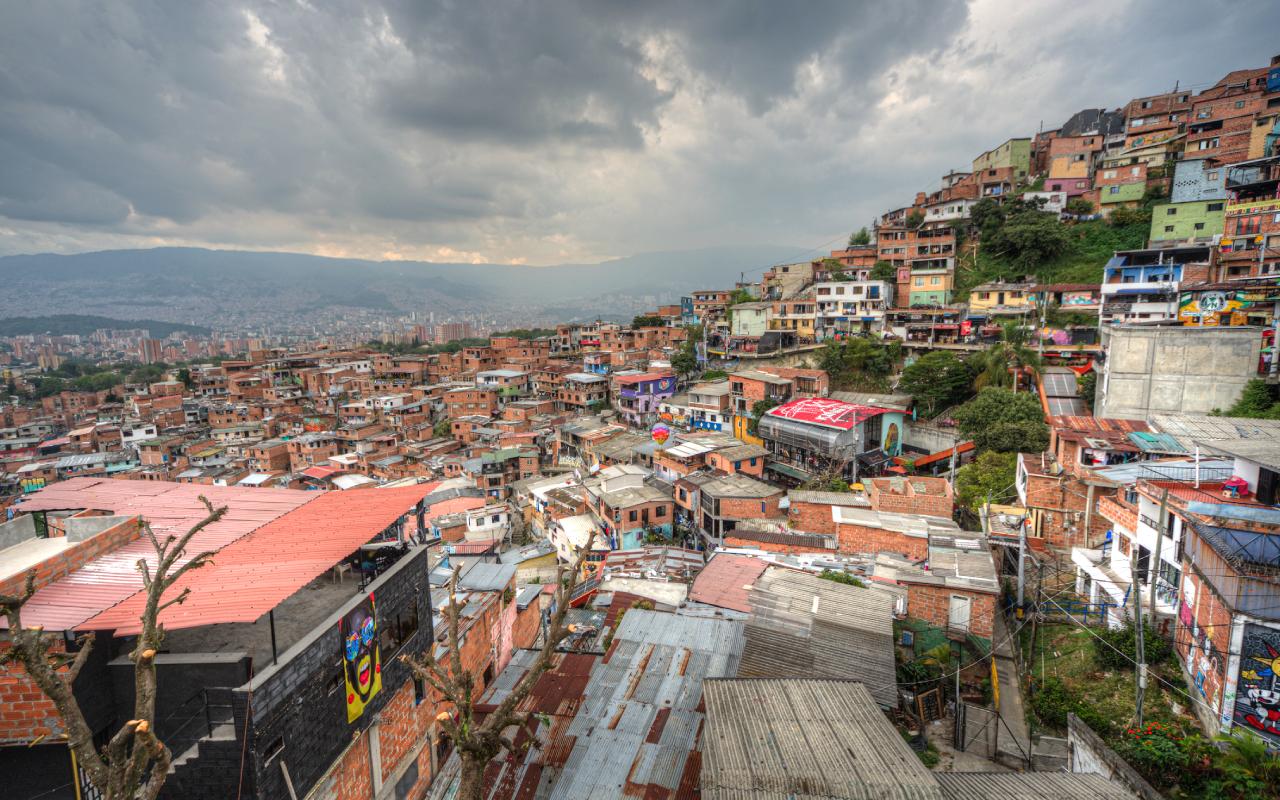
Comuna 13 is a hillside neighborhood in western Medellín that has become a symbol of the city’s rebirth. Once one of the most dangerous areas in the 1990s, it is now celebrated for its transformation. The main attractions here are:
Outdoor Escalators: In 2011, the city installed six long outdoor escalators rising up the steep hill, connecting Comuna 13 to the Metro network. Riding them (basically vertical moving walkways) is thrilling and practical. It’s “not every day you get to ride an escalator up the side of a mountain,” as one guide puts it.
Street Art & Graffiti: The walls along the routes are covered with colorful murals and graffiti that tell the story of the community. Countless local artists have painted tributes, resistance themes, and historical narratives. Walking these corridors is like an open-air museum; each mural shares a piece of Comuna 13’s journey.
Guided Walking Tours: Locals lead tours that explain the art, the social context (including the story of brutal gang violence and the 2002 Operation Orion crackdown), and the community’s hopes. Tours often include stops at the “Mirador de los Sueños” (a viewpoint high above the city), where you can get panoramic photos. Audio guides or volunteer initiatives can help you appreciate the symbolism.
Local Music & Culture: You will be able to listen to hip-hop, reggaeton, and salsa. Casa Kolacho is a community center where one can watch break dancers or music. The snacks and artisan goods are sold by the street vendors. You’ll sense a lively neighborhood spirit.
Tips: Take a guided tour in daylight. The escalators and murals are fully lit and secure. Combine it with a ride on Metrocable Line J (from San Javier Metro), which climbs further up into green areas. Comuna 13 is best reached through the San Javier Metro Station. From there, you can walk, take a short taxi ride, or join a guided tour to reach the escalator area.
Significance: Visiting Comuna 13 is more than sightseeing; it’s witnessing Medellín’s social progress. Outdoor escalators cost approximately $6.7 million and were planned to be a declaration of inclusiveness. It has become a monument to community strength today.
2: Visit Plaza Botero
Plaza Botero
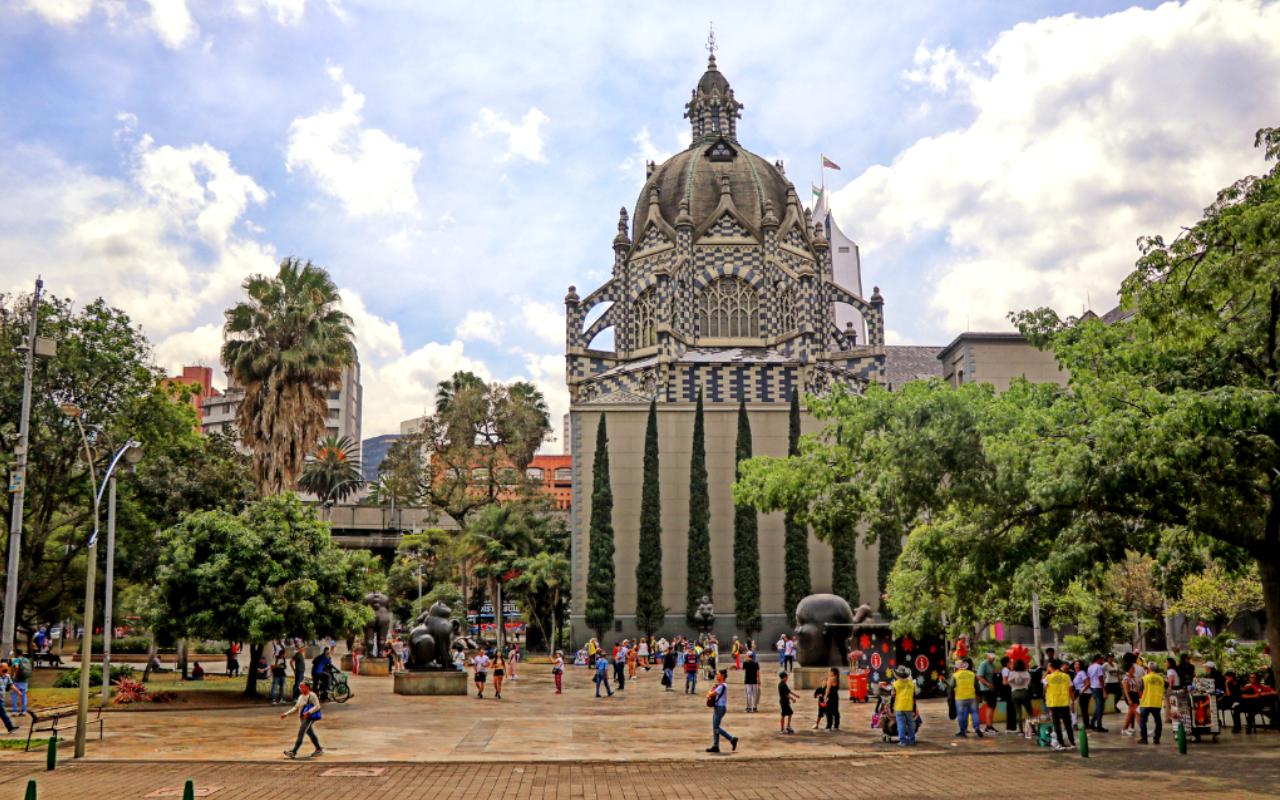
Plaza Botero is a must-see cultural landmark in downtown Medellín. This open square is dominated by 23 giant bronze sculptures donated by Medellín-born artist Fernando Botero. Botero’s signature style, rotund, voluptuous figures, is on full display: look for fat cats, seated men, walking women, all with exaggerated proportions. Some key points:
Outdoor Museum: The plaza itself is an outdoor sculpture park. You can wander among the sculptures, taking selfies with the giant bull, a man on a horse, or the dancing couple. The art is accessible; feel free to touch or even sit on the sculptures (locals do all the time).
Museo de Antioquia: The plaza sits in front of the Museum of Antioquia, which houses many of Botero’s paintings and sketches, plus works by other Colombian and international artists. A visit to Plaza Botero is often paired with a museum tour inside. (The museum chronicles regional history and modern art; check admission times.)
Photography: Sunset and day photos with the warm bronze statues are popular. You’ll also see street performers and vendors in the plaza, adding local color.
Location: Plaza Botero is in the heart of downtown (Calle 52, La Candelaria). Nearby is the Palacio de la Cultura Rafael Uribe Uribe (the tall spired building), where a free stairwell leads to a rooftop viewpoint over the city.
Nearby Sights: Aside from Museo de Antioquia, nearby are Museo Casa de la Memoria (history museum) and Parque Berrío metro station. You can also walk to the next plaza, San Antonio.
Takeaway: Plaza Botero is famous for Botero’s monumental sculptures. It offers an easy and striking cultural experience – and a chance to appreciate Medellín’s pride in its native artist.
3: Ride the Medellín Cable Cars (Metrocable)
Medellín Cable Cars
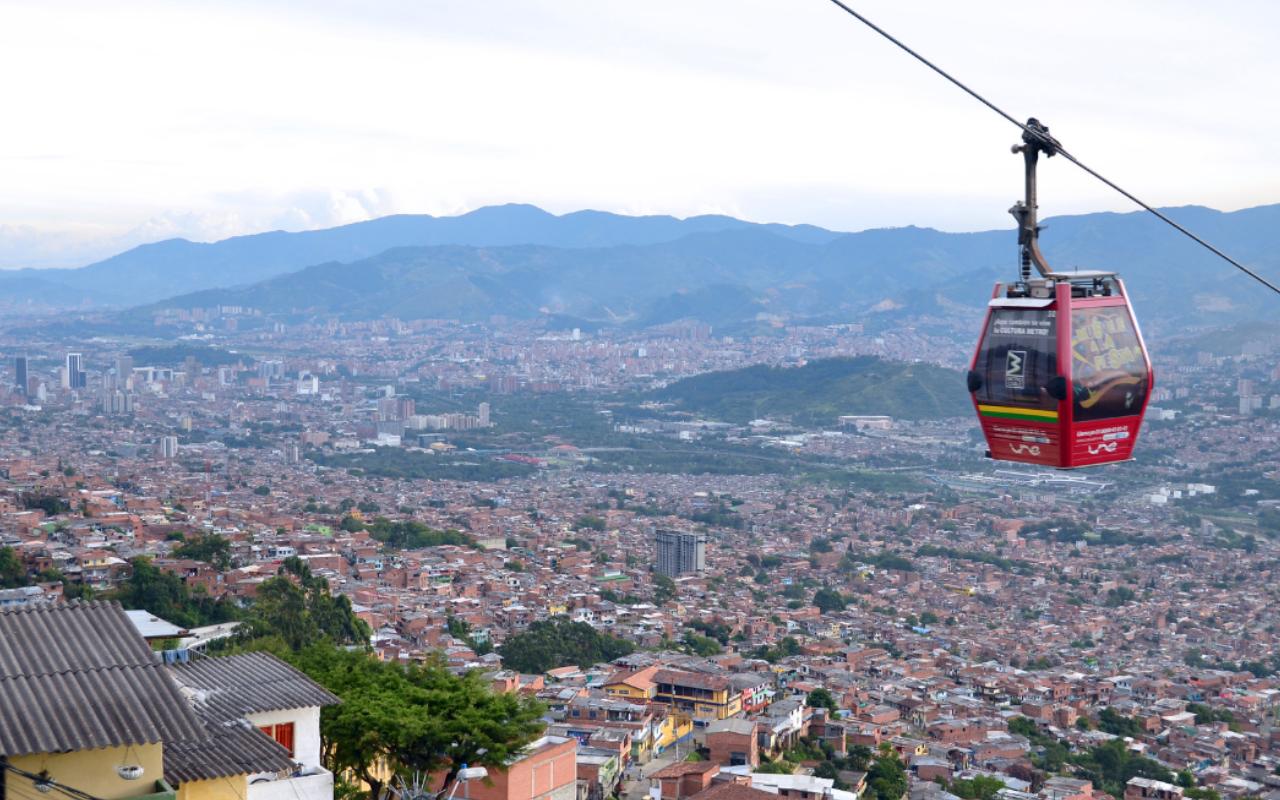
Riding the Metrocable is one of the signature Medellín experiences. Unlike any other city, Medellín’s public transit includes cable car gondolas climbing high over the valley. This is not only practical, connecting hillside neighborhoods, but also scenic:
Panoramic Views: From any cable line, you get 360° views of the city’s mountains and urban grid. Line J (San Javier→Parque Arví) and Line L (Santo Domingo→Arví) offer especially incredible vistas. The ascent reveals sprawling brick buildings against lush green hills, a view that’s iconic of Medellín.
Affordable Sightseeing: The Metrocable is part of the public Metro system. For most transfers, there’s no extra fare beyond your Metro ticket. (Exception: Line L to Parque Arví requires a separate ticket at Santo Domingo station.) It’s cheaper than a paid cable tour in most cities, yet you get professional maintenance and safety.
Neighborhoods: The cables also take you to unique areas. For example, the Santo Domingo and Mariscal zones (Line K) have markets and street life. Line L ends at Parque Arví – a green sanctuary (see next item). Lines K/J allow commuters to escape the crowded valley floor and tourists to reach viewpoints.
Historical Note: The cable car system started in 2004 to connect poor hillside slums. Today, it’s a model of “social inclusion” in urban transit.
Tips: Use the Cívica card. Try to ride when it’s clear out – the morning or early afternoon often has better visibility than late afternoon mist. There are security cameras and staff, and the experience is very safe and family-friendly.
In summary: Riding Medellín’s cable cars (especially Lines J and L) is a must-do. You’ll enjoy gorgeous city and mountain panoramas, reach Parque Arví (for nature), and experience an innovative transport solution that Medellín is famous for.
4: Walk Around El Poblado
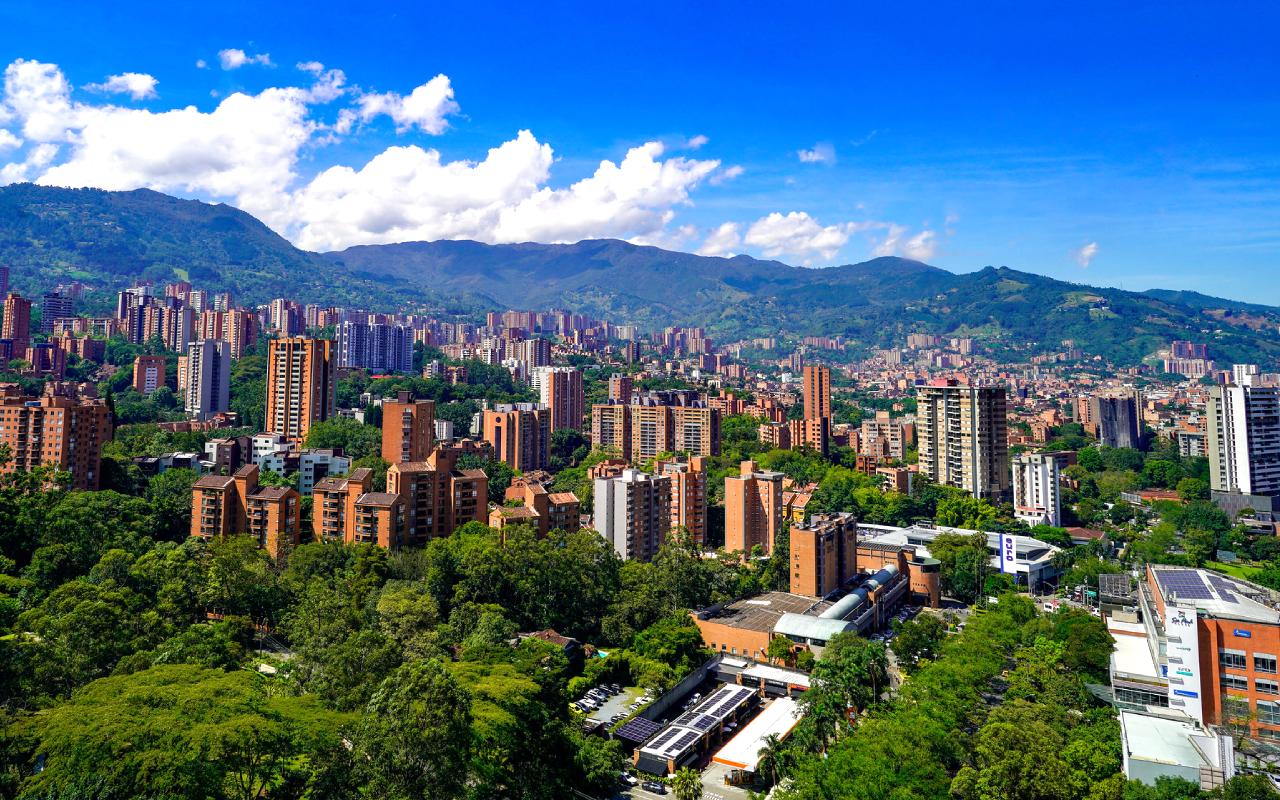
El Poblado
El Poblado is the city’s upscale, cosmopolitan district and a hub for dining, shopping, and nightlife. Spending an afternoon or evening here is a classic thing to do in Medellín:
Parque Lleras: This lively park and surrounding “Zona Rosa” is the center of nightlife. During the day, it’s dotted with cafes; after dark, it fills with people heading to bars and clubs. Nearby streets (Calle 10 and Provenza) have stylish restaurants and lounges.
Cafés & Restaurants: El Poblado has dozens of choices, from Colombian eateries to international cuisine. Cafés are abundant (try Pergamino, Velvet, or Hija Mia for great local coffee).
Shopping: Calle 10 and the “Golden Mile” (Las Palmas corridor) host boutique shops and malls (e.g., Santa Fe, Oviedo, Milla de Oro). You can find local fashion brands and artisan markets as well.
Parks: Parque del Poblado and Parque Lleras are small green spaces in the heart of the district. They’re good for people-watching or a coffee break.
Atmosphere: El Poblado has a more international feel; you’ll often hear English, see expats working on laptops, and find most menus in English. It’s generally very safe and easy to navigate, even at night.
Highlights: Some visitors start with brunch at Cafe Pergamino, stroll through Parque Poblado, then have dinner at one of the trendier restaurants (like Oci. Mde or Baranda). As night falls, cocktail bars and salsa clubs open up in Lleras.
In short, El Poblado is the top neighborhood for tourists looking for cafes, markets, shopping, and vibrant nightlife. It’s also a great base for your stay (see “Places to Stay” below). Walking around El Poblado gives you a taste of modern Medellín life.
5: Discover Parque Arví
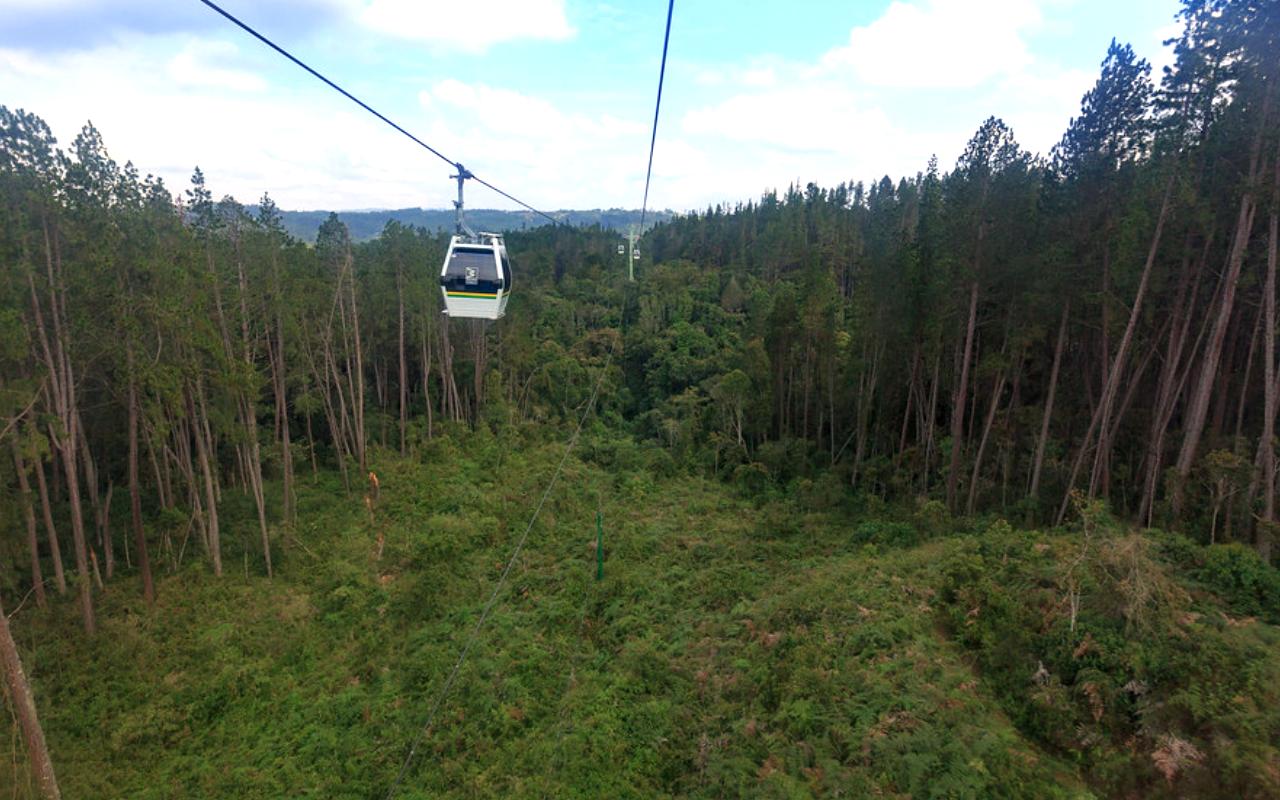
Parque Arví Cable Car
Parque Arví is a nature reserve and eco-park on the outskirts of Medellín. It’s the perfect escape from the urban bustle:
Getting There: Take the Metro to Acevedo, transfer to Metrocable Line K (toward Santo Domingo), then Line L to Arví (about 1.5 hours total from city center). The ride itself is scenic – the ticket for Line L is around COP 24,500 (free with a personalized Cívica card, or you can pay as a tourist for the experience).
Scenery & Trails: At 1,800+ meters elevation, Arví offers cooler air and emerald forests. There are several hiking trails (Orchids, Mythical Troja de la Piedra, etc.), picnic areas, and even bike rentals. You might see butterflies, orchids, and learn about native plants. A small farmers’ market near the entrance sells local produce and handicrafts.
Activities: You can hike modest trails or take a guided eco-tour. Bring water and a hat; even though it’s forested, the sun does peek through. Pack a lunch or try the food stalls (there’s fresh trout, fruits, and coffee).
Wildlife & Orchids: The park has themed trails (orchid garden, myrtle tree trail, etc.). The Orquideorama (nearby Botanical Garden in the city) has over 5,000 orchid plants in Medellín, but Arví has wild orchids in their habitat. Birdwatching is popular (look out for hummingbirds).
Relaxation: After the cable ride, many families picnic on the grassy slopes or visit the Laguna de Guarne viewpoint. The park has an amphitheater and spaces for art installations.
Significance: Parque Arví spans 1,700 hectares (17 km²) and is owned by the city. It’s a model of sustainability – the Metrocable linking to it won awards for combining transit and green space.
Why go: Parque Arví offers fresh air and nature within reach of Medellín. It’s one of the top “things to do in Medellín, Colombia,” especially for those who love hiking, picnicking, or birds. Its forest trails and scenic vistas provide a tranquil counterpoint to the city below.
6: Visit the Museum of Antioquia
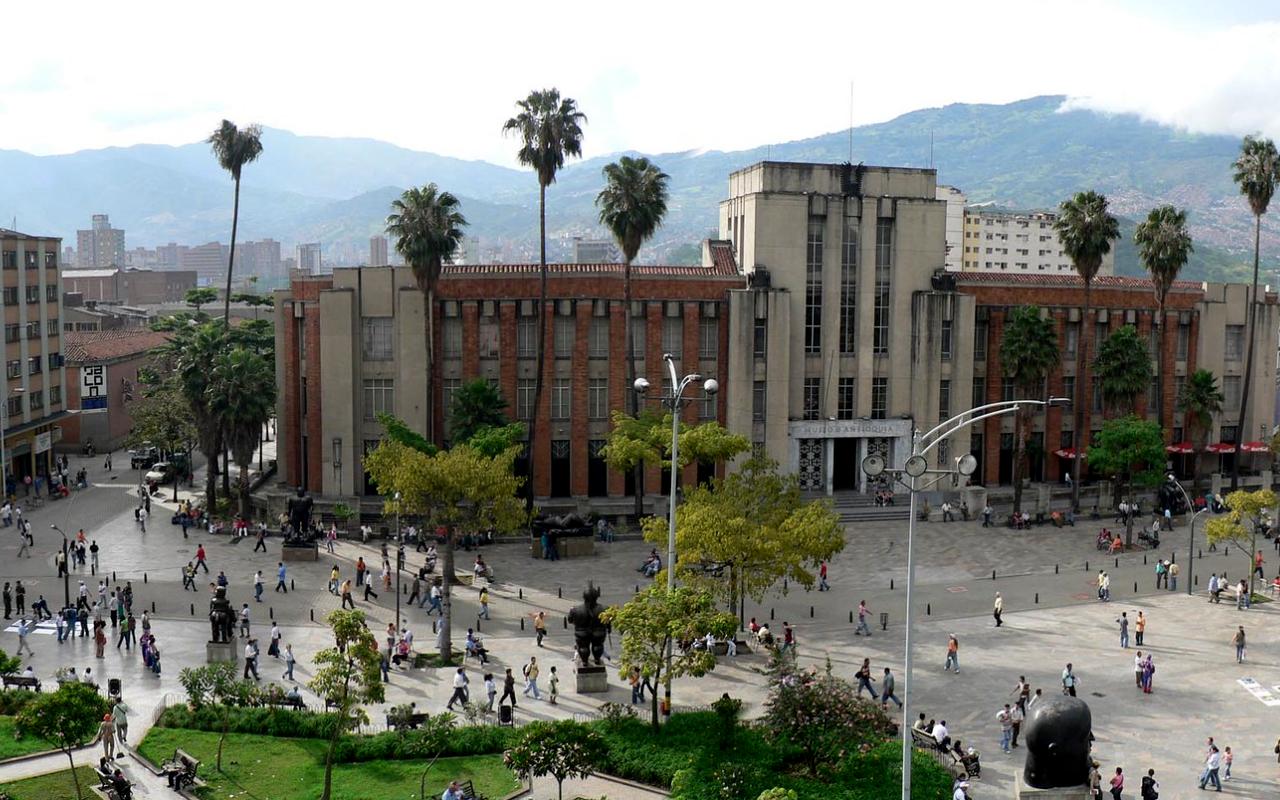
Museum of Antioquia
The Museo de Antioquia is Medellín’s premier art and history museum. It is located in the Centro district, right next to Plaza Botero:
Art Collection: The museum’s highlights include a large collection of works by Fernando Botero (paintings and smaller sculptures). Also on display are modern and contemporary art by Colombian and Latin American artists, as well as historical photographs and documents about the region.
Botero Works: In addition to the bronze sculptures outside, inside the museum, you’ll find Botero’s paintings and sketches – often depicting everyday Colombian scenes with his signature volumetric style. Many pieces were donated by Botero himself.
Local History: The Museo de Antioquia also explores Antioquia’s cultural heritage. Past exhibits have covered departmental history, folk art, and memory of conflict. (Note: The Casa de la Memoria museum is a separate institution focused on Medellín’s past violence, which can be visited nearby if interested.)
Architecture: The museum building (Palacio de la Gobernación) is historic, and it has a nice rooftop terrace café with city views. Even if short on time, the sculpture plaza + museum combo is convenient.
Tips: Allow 1–2 hours. Photography inside may be restricted for some works. There’s a gift shop with art books and memorabilia. The admission fee is modest (or free on certain days).
In short, the Museum of Antioquia is the place to learn about Colombian art and see Botero’s works up close. Pair it with Plaza Botero (just outside) for a full cultural outing.
7: Experience Medellín’s Nightlife
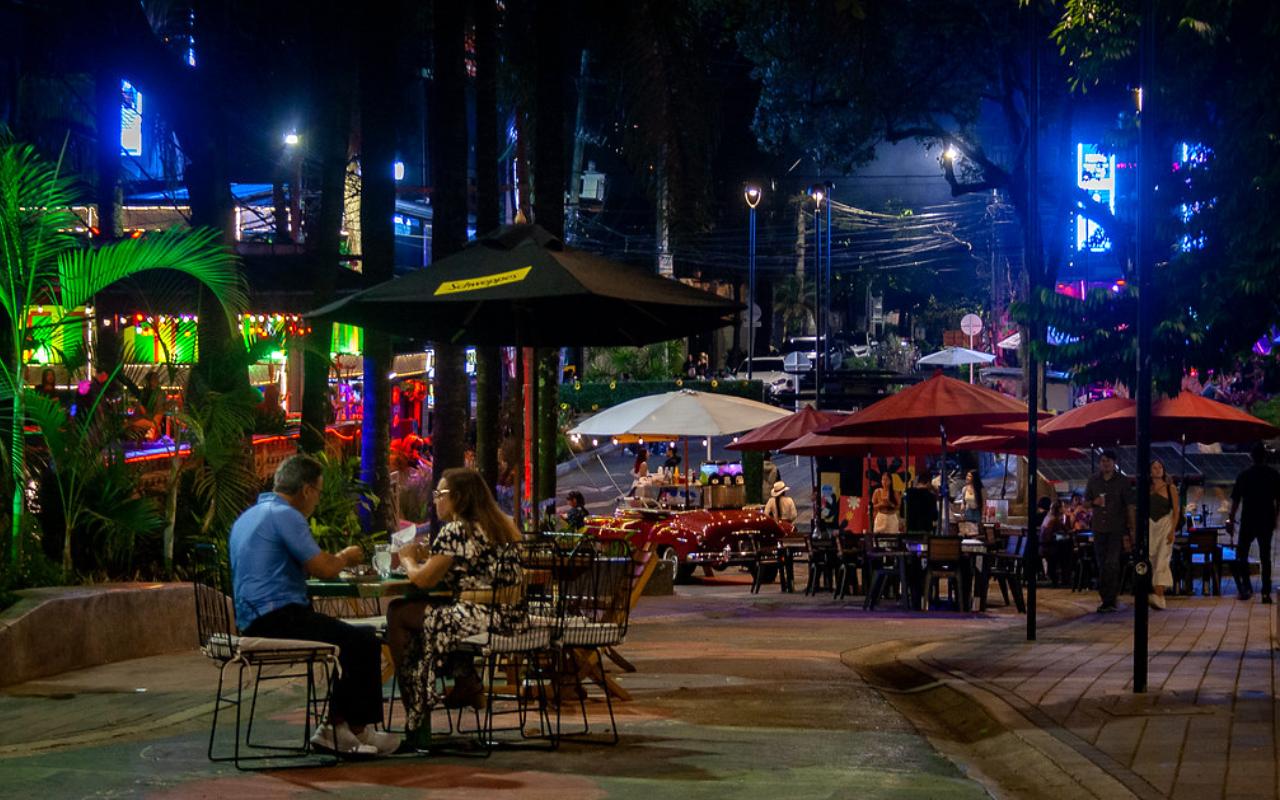
Medellín’s Nightlife
Medellín is famous for its after-dark scene, which caters to music lovers, dancers, and partygoers. The city truly comes alive at night, and experiencing it is on most travelers’ lists:
Main Nightlife Areas: El Poblado (Parque Lleras/Provenza) and Laureles (La 70 and La 33) are the hot spots. Young people, in Poblado, crowd the bars of Lleras Square and the luxury clubs of Provenza. Laureles is more local, with breweries and dance clubs along Carrera 70.
Music & Dancing: Colombia has a national dance, salsa, and there are numerous salsa clubs in Medellin. El Poblado’s Son Havana and El Aquelarre often host live Latin bands. For reggaeton or EDM, clubs like La Oculta or Clamore draw party crowds. There are also hip-hop, electronic, and rock venues.
Rooftop Bars: The city’s high-rise hotels have rooftop terraces with DJs and cocktails. Mosquito or Zuma at The Charlee Hotel (Parque Lleras) and Palma Piton at Envy Rooftop are famous for panoramic city lights.
Craft Breweries: Medellín also has a growing craft beer scene. There are brewpubs like 3 Cordilleras (Laureles) and small microbreweries in Poblado.
Salsa Lessons: For a local twist, take a salsa or bachata class in Poblado or Laureles before hitting the clubs. Many schools (e.g., Dancefree Medellín) offer beginner-friendly evenings.
Safety: Visit familiar places and do not carry around flashy items. Nightlife in Medellin is usually safe, and cover charges are commonly offered at nightclubs, including a drink. Metro works up to midnight during weekdays (late on weekends), and Uber/taxis can be easily found late.
Timing: Colombians party and eat late. Dinner usually begins at 8-9 PM, and clubs are full at midnight. Bars are open until the early morning.
In summary, Medellín’s nightlife is vibrant and diverse. Whether sipping cocktails on a rooftop, shaking salsa under the stars, or hopping between craft beer pubs, you’ll find plenty of things to do in Medellín at night. Don’t miss dancing to Colombian beats as part of your visit.
8: Explore Laureles Neighborhood
Laureles is a pleasant residential area west of downtown, loved for its tree-lined streets and local charm. It’s a bit quieter than Poblado but still full of cafes, parks, and restaurants:
Avenues & Parks: Laureles is organized in numbered “carreras” and “calles.” Carrera 70 (La 70) is the nightlife strip with clubs and street food. Carrera 36 (La 33) has the big stadium (Liga de Quito) and beer bars. Two small parks, Segundo Parque Laureles (Carrera 70) and León de Greiff Park, are hubs where locals gather.
Food Scene: Laurels boasts a great number of local restaurants. Here you will have an opportunity to taste the Colombian classics such as bandeja paisa or ajiaco (soup). There are also hip cafes and brunch spots popular with residents. It is more of an ordinary Medellin than tourist-packed areas.
Coffee Shops: The neighborhood has become a hub for digital nomads and coffee lovers (see “Digital Nomad Areas”). You’ll find specialty coffee shops like Café Revolución (Carrera 70) where locals hang out.
Shopping: Laureles has smaller malls and shops. Mercados del Río and Premium Plaza (nearby) are large food/retail centers if you want variety.
Atmosphere: It’s more laid-back and “local.” You’ll see families and students out walking at night. English is less common, but everyone is friendly. It’s a good place to get a feel for Medellín’s normal pace of life.
Visiting Laureles gives a contrast to Poblado’s shine. Enjoy walking its quiet streets, trying local restaurants, or sipping coffee in a shaded park. It’s an excellent alternative area to explore that many tourists overlook.
9: Take a Day Trip to Guatapé
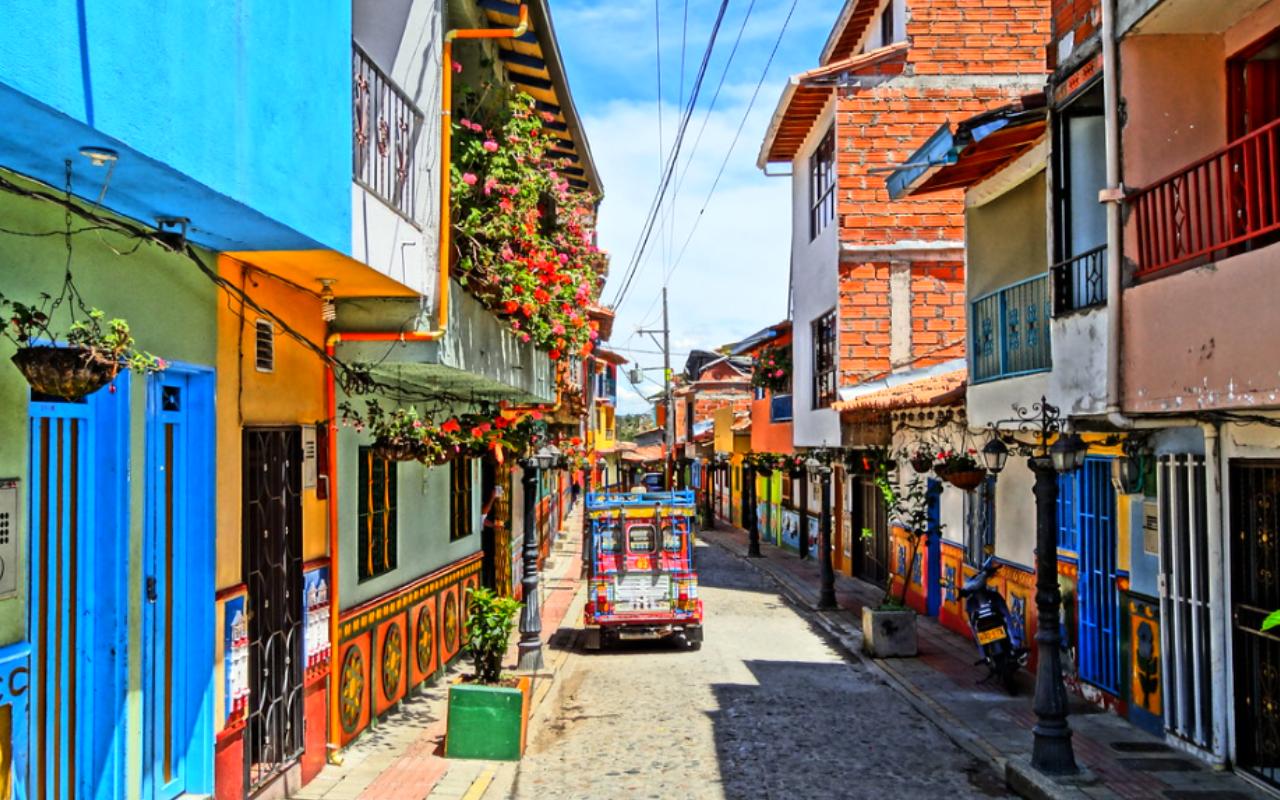
Guatapé
The town of Guatapé and its neighboring El Peñol Rock are a can’t-miss day trip from Medellín:
Colorful Streets: Guatapé (about 79 km northeast) is famous for its vividly painted houses and zócalos (bas-relief art panels) on building facades. The town’s main square is very photogenic with brightly painted colonial facades. Walk around, pick up souvenirs, and try local snacks.
Scenic Lake: Guatapé sits on a large reservoir. Boat tours are available, or you can stroll along the waterfront. The town has become a recreational hub with kayaks and motorboat rentals for exploring the many lake inlets.
Piedra del Peñol (El Peñol): Just outside town stands a 220-meter-high granite monolith. A narrow metal staircase (740 steps) has been built into a crack on the side. Climbing it is a thrilling (if strenuous) experience. At the top, you’re rewarded with a 360° panorama of the turquoise Guatapé Lake and islands. This view is often described as postcard-perfect.
Travel Tip: Tours from Medellín often include hotel pickup and drop-off (2 hours each way). You can also go by bus to Guatapé’s base and walk or take a taxi to the rock. Many visitors combine a stroll through Guatapé’s zócalos-laden streets with the rock climb.
Significance: Guatapé’s hilltop reservoir and rock were formed by ancient volcanoes. It’s now a scenic resort area. It’s famous enough that many Medellín locals say it’s a “must” – one travel tip says a visit to Guatapé is a must-do on your first trip.
A visit to Guatapé offers a completely different landscape from Medellín: vivid colors and sparkling waters, plus a memorable stair climb. It’s one of the top day trips from Medellín for good reason.
10: Climb El Peñol Rock (La Piedra)

El Peñol Rock (La Piedra)
Closely tied to Guatapé is El Peñol (“La Piedra”), the giant granite monolith. If you visit Guatapé, climbing this rock is an unforgettable activity:
The Climb: 740 concrete steps (some steep and narrow) lead to the top of the 220-meter tower. It takes most people 15–30 minutes to reach the summit, pausing for breath and photos.
Panoramic Views: From the summit, arguably, is one of the best views anywhere. You’ll see the zig-zag reservoir (Embalse Peñol-Guatapé) with hundreds of emerald-green lakelets surrounded by forested hills. On a clear day, the horizon stretches for miles. The sense of accomplishment (and the cool breeze up top) is well worth the effort.
Visitor Tips: Bring water, wear shoes with grip (the steps can be wet/algae). There’s an entrance fee of a few thousand pesos to climb. There’s also a souvenir shop and snack stands at the bottom. It can get busy; early morning is quieter.
Nearby: After you descend, most people wander the town of Guatapé (see #7.9). The rock itself was considered holy by the indigenous Tahamí people before Spanish times.
Legend: The rock is often called “the rock that beats the rock.” Its original name is Piedra del Peñol, but Guatapé grew around it. Rivalry once existed when Guatapé tried to write its name on the rock using dynamite, leading to the stairway crack, a fun historical footnote.
In summary, climbing El Peñol is a thrilling adventure and offers the best sweeping vista in the region. It’s easily one of the “great outdoors” things to do near Medellín for first-time visitors.
11: Visit Jardín Botánico (Botanical Garden)
Jardín Botánico de Medellín is a beautiful urban oasis and botanical museum. It’s a peaceful place to stroll and learn about Colombia’s biodiversity:
Lush Gardens: The garden is approximately 14 hectares with tropical flora, palms, orchids, and flower gardens. It’s a great spot for a leisurely walk among greenery.
Orquideorama: A striking structure of towering wooden columns housing massive orchid displays. It’s an architectural highlight (and often used for events). Inside the orquideorama you’ll see thousands of orchid and bromeliad species.
Butterfly House: A walk-through butterfly enclosure allows you to see free-flying local butterfly species up close. This is popular with families.
Freshwater Lake & Recliners: There is a pond with seating, and often cultural events or fairs on weekends.
Exhibits: The garden also has a small cactus area and a Heliconia (plant) garden. It’s like a living museum, staff can educate on native flora.
Entry: Admission is free (supported by city funds). The garden is open daily (check hours).
Location: It’s next to the University of Antioquia and is one stop north of Atanasio on the Metro (University Station).
Why Go: Beyond the plants, it’s a venue for Colombiamoda (fashion week) runway shows sometimes. Many locals come for jogs or picnics. It’s an easy place to cool off if you’ve had a hot afternoon shopping or hiking.
So Jardín Botánico is a relaxed must-visit for nature lovers and families. You can even combine it with a meal or coffee at nearby Provenza (El Poblado) afterward.
12: Explore Local Coffee Shops
Medellín sits near Colombia’s famed coffee-growing regions, so enjoying Colombian coffee locally is practically a requirement:
Specialty Cafés: The city is full of excellent cafés. Try spots like Pergamino (popular Poblado roaster), Hija Mia, or Aroma de Barrio (in Comuna 13, known for espresso), and Café Revolución (Laureles, great pastries).
Coffee Culture: Locals typically take coffee seriously. You’ll find everything from classic tinto (small black coffee) to elaborate latte art at third-wave shops. Many cafes display their origin; some use beans from nearby Antioquia or the coffee axis in Huila, Caldas, or Tolima.
Tasting Experiences: Consider a coffee tasting or barista tour. Some cafes offer brief cupping sessions to appreciate flavor differences.
Ambiance: Cafés in Medellín range from hipster lofts to cozy local joints. You’ll often see young people on laptops (especially in Poblado). Our research found that Medellín “serves up fresh brews from locally-sourced beans” thanks to its proximity to the coffee axis.
Bottom line: Make time to relax in at least one coffee shop. Sip an arequipe latte or a straight arabica brew, and savor Colombia’s world-famous coffee beans. It’s one of the simplest yet most delightful of all the things to do in Medellín, Colombia.
13: Try Traditional Colombian Food
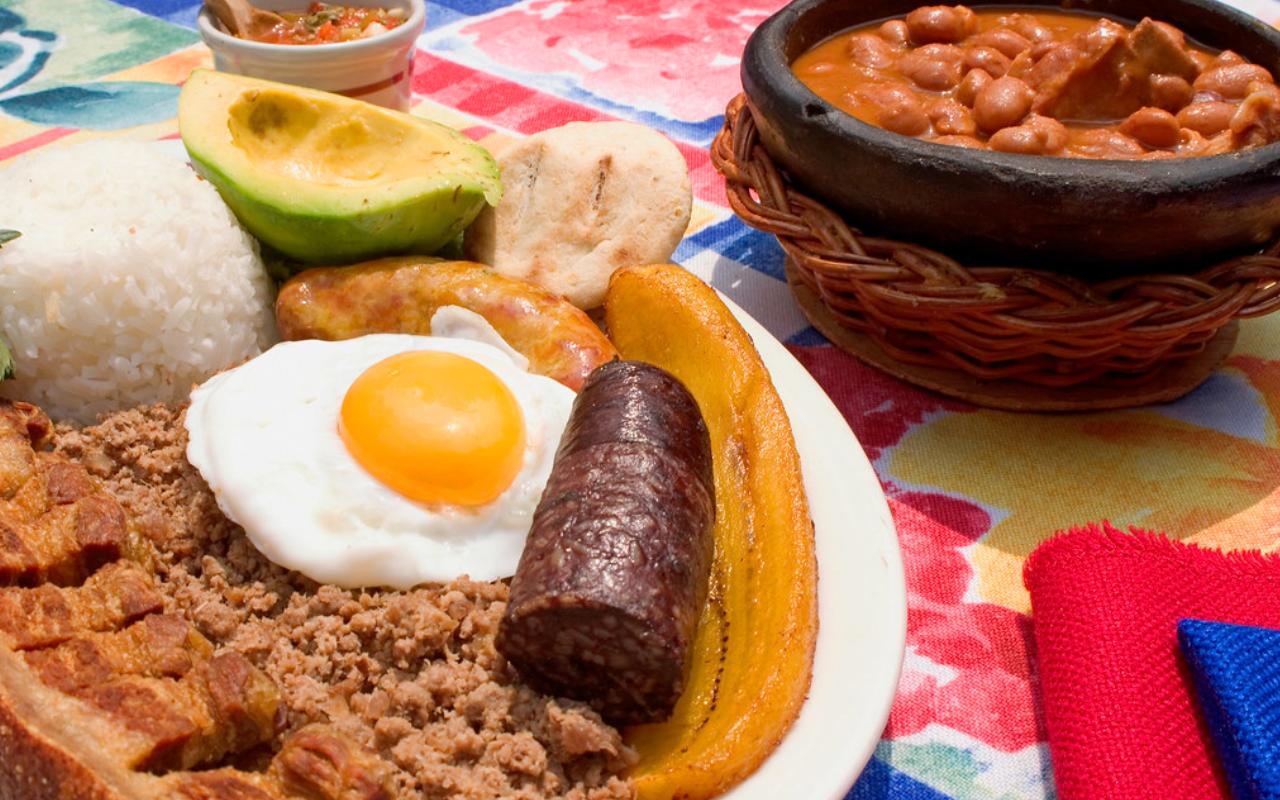
Bandeja Paisa
Colombia’s cuisine is flavorful and varied. In Medellín, you should try local Antioquian specialties:
Bandeja Paisa: The iconic dish of the region, often called Colombia’s heaviest meal. A Bandeja Paisa plate includes red beans, rice, ground beef, chicharrón (fried pork belly), chorizo, a fried egg, an arepa, avocado, and plantain. It’s a feast! Try it at restaurants like Hacienda or local eateries in Laureles or Guatapé.
Arepas: Cornmeal patties that are eaten at any meal. The most famous local variant is arepa de choclo, sweet corn arepa with cheese. Arepas are often stuffed or topped with cheese or butter. Don’t confuse them with the thinner corn tortillas used in the Caribbean region.
Empanadas: Deep-fried corn pastries filled typically with seasoned beef (and potato). They’re sold everywhere on street corners and in markets, often with a spicy ají sauce on the side. In Medellín, empanadas antioqueñas are a popular snack or breakfast item.
Fresh Tropical Fruits: Visit a fruit market or street stall for exotic fruits. Colombia has dozens of fruits you’ve never seen – lulo, guanábana (soursop), maracuyá (passion fruit), borojó, zapote. Many are eaten sliced or in juices. For example, a glass of fresh lulo juice costs 2,000 COP ($0.60) and is deliciously tart.
Street Food: Try local snacks like buñuelos (cheese fritters) or chicharrón (fried pork). Antioquia is also known for hormigas culonas (toasted ants) – an adventurous delicacy if you dare.
Coffee and Desserts: Have tinto (small black coffee) or latte in the end. Sample natilla (sweet custard) or oblea (caramel wafer treat) in the local bakery stores.
Restaurants to Visit: For a casual meal, Mondongo’s (Poblado) is famous for soup and bandeja. Carmen (El Poblado) offers upscale Colombian fusion. SuperCofee (multiple locations) is a great bakery-café chain for snacks and coffee.
Colombian cuisine is generally hearty and delicious. As one source notes, you can find empanadas/arepas for just a few cents (COP 2–3 thousand). So be bold, eat like a local while you’re here, and you’ll truly taste the spirit of Medellín.
14: Visit Pueblito Paisa
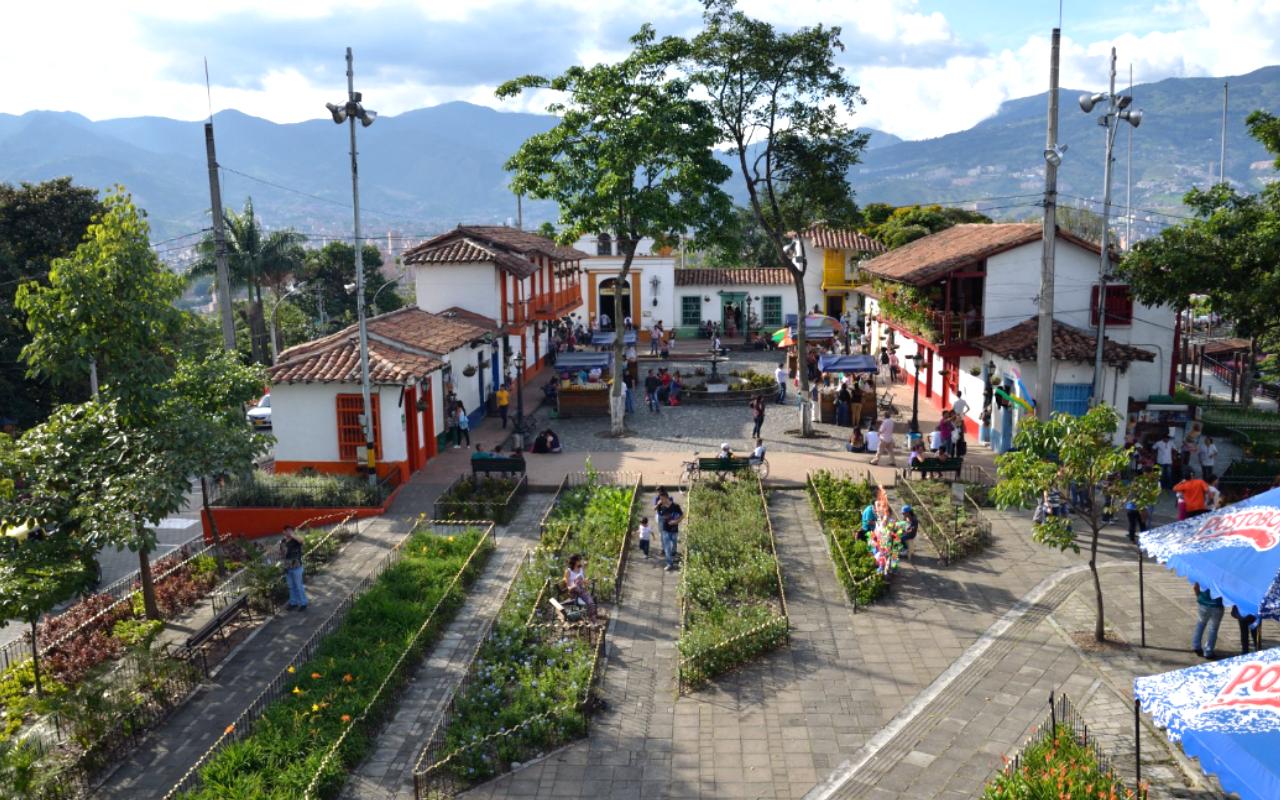
Pueblito Paisa, Cerro Nutibara
Pueblito Paisa is a replica “town-square village” perched on Cerro Nutibara, a hill in the middle of Medellín. It’s basically an open-air museum:
Replica Town: It recreates an early-20th-century Antioquian pueblo, complete with a white church, town square, fountain, and cobblestone streets. It was built to celebrate Paisa culture.
City Views: Because it’s on a hill (1,800m elevation), you get panoramic views of Medellín from here. There are lookout points around the village that show downtown Medellín against the Andes backdrop. Sunset from Pueblito is especially pretty.
Shopping & Cafes: The “streets” of Pueblito have souvenir stalls selling handicrafts, coffee, and postcard scenes. You can sit at a café or snack stand with a cup of Colombian coffee and enjoy the breeze.
City Museum: Also on the hill is the Museo de la Ciudad (Medellín City Museum), which offers cultural exhibits about the city’s history (entry fee).
Accessibility: Reachable by taxi (or walk 20 min uphill from Atanasio metro). There’s also a cable car from Parque Arví, but that goes only one way (you’d need another ride down).
Significance: Pueblito Paisa shows the rural roots of Antioquia within the city. It’s a popular spot for tourists to get a “taste” of traditional culture while enjoying great views.
In short, Pueblito Paisa is a charming cultural stop in Medellín. It’s small, so it only takes an hour or two, but the vistas and photo ops are excellent. Many first-timers include it as a half-day excursion, sometimes combined with a visit to the nearby El Volador or Tres Cruces hill for more nature.
15: Explore Medellín Street Markets
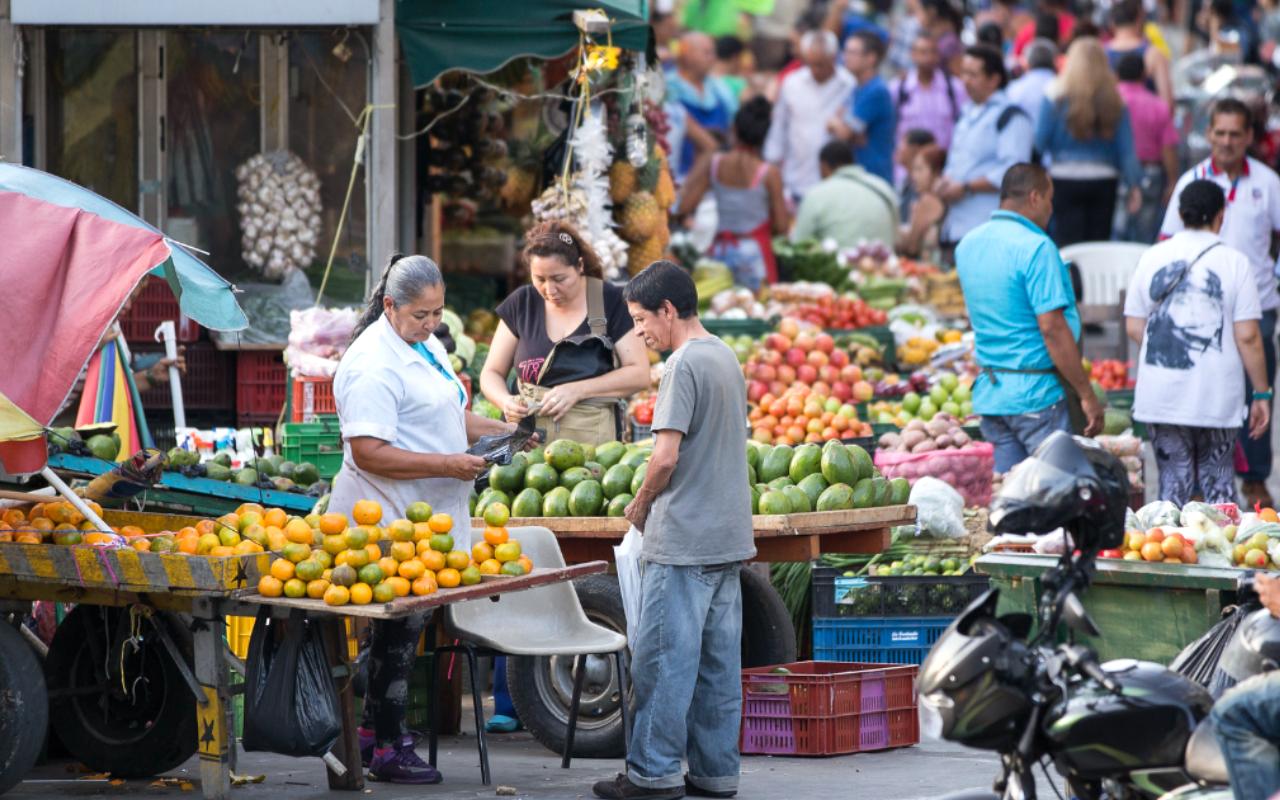
Medellín Street Markets
For a taste of local life, check out Medellín’s markets and artisan fairs. These bustling markets offer food, crafts, and souvenirs:
Minorista Market (Mercado de la Minorista): A huge produce market downtown. Vendors sell exotic tropical fruits (like lulo, guanábana, yaca, etc.), fresh juices (around 2,000 COP), and street snacks. It’s a feast for the senses and a great place to try unusual fruits on the cheap. Tip: Take a guided food tour here to sample safely.
Mercado del Río: An upscale food hall (opened 2016) with dozens of restaurants and bars under one roof. International and Colombian cuisines abound. It’s great for an evening out if you want many choices of gourmet eats.
Envigado Flea Market: Every Saturday at Parque Envigado. Local artisans sell woven goods, leather crafts, and Antioquian hats (sombrero vueltiao). You’ll also find typical street food stands.
San Fernando Plaza Flea Market: A craft market near Poblado Mall. On weekends, it pops up with artisan jewelry, leather goods, and local organic products.
San Alejo Artisan Market: Held on the first Saturday of every month in Plaza Bolívar (downtown). It’s a festive outdoor market with handicrafts, jewelry, artwork, and souvenirs. Friendly atmosphere, great for gifts.
El Hueco: Not a market per se, but a downtown maze of discount shops. If you need inexpensive clothes or electronics, it’s a famous bargain district.
Ciclovía Market: On Sundays, Avenida Poblado becomes car-free for cyclists and joggers. You’ll see pop-up vendors selling fresh fruit juice and snacks along the route.
Such markets are ideal to taste some local delights and grab some local souvenirs. Do not forget to negotiate on prices. They also make the best places to initiate conversations and people watching.
Eating street food or purchasing a handmade mochila bag are genuine experiences in getting to know the culture of the city of Medellin.
16: Attend a Football Match
Colombians adore soccer (fútbol), and two big teams play in Medellín: Atlético Nacional and Independiente Medellín. Watching a live game is a thrilling experience:
Stadium: They play at Estadio Atanasio Girardot in Laureles (capacity 40,000). The metro has stations nearby (Estadio). The fan sections are known as palcos: Nacional’s fans (Verdolagas) and DIM’s fans sit behind each goal.
Atmosphere: Colombians are extremely enthusiastic about soccer. Expect constant drumming, chanting, and colorful flags. Even if you’re not a die-hard fan, joining 30,000 locals cheering is a thrill. (Many visitors wear club jerseys – consider buying a scarf at the stadium for fun.)
Access: Tickets can often be bought online or at kiosks; for big matches, it’s wise to book in advance. Night games are cooler.
Local Culture: The metro is typically crowded with jersey-clad fans en route to the stadium (L80-90). This “commuting” experience is sociable – you’ll hear songs and stories about the teams from riders. Pro tip: if you ride the metro to the stadium, keep an eye on personal items (pickpockets sometimes target crowded trains).
Matchday Events: Pre-game, there are often vendors outside the stadium selling pupusas, Colombian beer, and chicken. Take the chance to mingle with local fans. An important tip: wear only simple accessories. Fans are known for their passion, so better not to draw unwanted attention.
Why Go: Even if you don’t understand Spanish chants or the difference between Nacional (green) and DIM (red), being part of the crowd is unforgettable. It’s one of the most authentic Colombian experiences – lively, noisy, and full of local color.
Safety: Use official metro routes or taxis after the game. Guards and police are present at major matches. As always, keep valuables secure in the stands.
In summary, attending a Medellín fútbol match is more than just a game; it’s a cultural event. National Geographic even notes Medellín’s transit and soccer scenes as symbolic of the city’s transformation. If timing allows, add a stadium visit to your itinerary for an adrenaline-filled evening.
17: Visit Parque Lleras
Parque Lleras
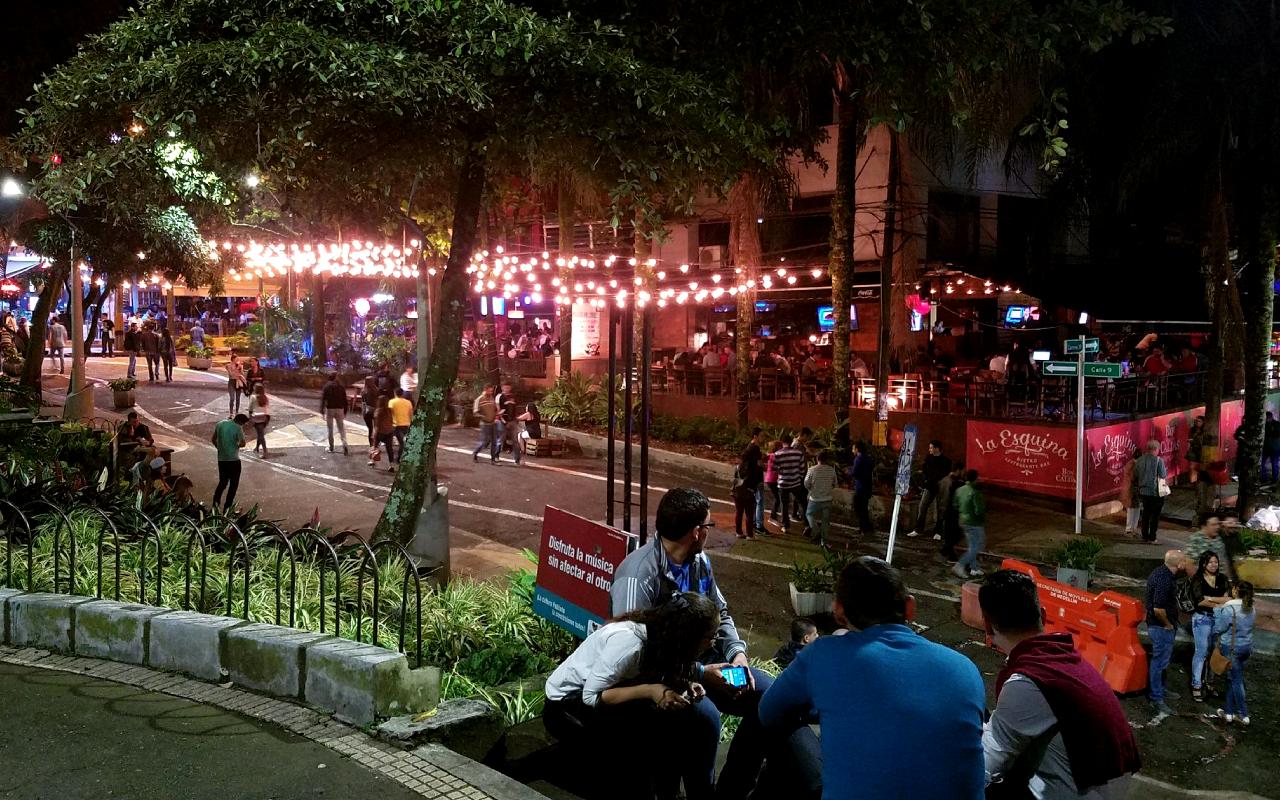
Parque Lleras is the heart of El Poblado’s nightlife and a popular leisure spot:
Daytime: In daylight, Parque Lleras (a small triangular plaza) is a nice place to relax. It has palm trees, benches, and outdoor cafés. People come here to hang out with friends, study on laptops, or enjoy a coffee and a pastry.
Evening: After dark, Lleras transforms. Nearby bars and nightclubs open up, the sound changes to Latin music, and the streets fill with partygoers. It’s a little like Medellín’s version of Times Square by night (though much safer and more laid-back).
Food & Drink: Surrounding Lleras are dozens of restaurants (steakhouses, sushi restaurants, casual bistros) and fashionable bars. It is an excellent dinner, cocktail, or club-hopping.
Street Vibe: It seems quite secure on weekends with an obvious presence of police. Street performers and neon lights add to the atmosphere.
Tips: Lleras is touristy, so it’s not cheap. But as a first-timer, it’s convenient to find a variety of options in one area (especially if you want to try salsa after a nice dinner).
Simply put, a stroll through Parque Lleras in the evening is a quick lesson in Medellín’s modern youth culture. It’s highly recommended if you want to experience where many locals and expats unwind.
18: Visit Medellín’s Rooftop Cafés
For spectacular sunset or city views, Medellín has embraced a rooftop café/bar trend:
Location: Many high-rises in Poblado (and a few in Laureles) have rooftop lounges. The Charlee Hotel’s Envy Rooftop Bar and Hotel BH’s Mosquito Bar overlook downtown Medellín and the mountains.
Ambiance: These spots often mix locals and travelers. You’ll sip cocktails or craft beers while looking out at the sparkling cityscape below. DJs and lounge music are common at night.
Popular Venues: Besides those mentioned, check out Roboto Café (Craft Beer & Café) or Oci.Mde’s terrace. For budget travelers, some hostels like Selina (Poblado) have rooftop common areas open to guests.
Timing: Rooftop bars fill up around sunset, so arrive early for a table. The atmosphere is relaxed; it’s not a nightclub, more a scenic cocktail hour.
Why: Sitting above Medellín’s skyline (the blend of city lights and mountain backdrop) is magical. Reviews often note that “the view from these rooftops is unbeatable”.
In short, if your schedule is packed but you still want to see Medellín from above, a quick drink at a rooftop is a perfect treat. It’s an especially nice way to see why the city earned its nickname, the eternal spring evening.
19: Visit Parque Explora
Parque Explora is a modern science and technology park that appeals to all ages. It’s one of the top-rated attractions in Medellín:
Interactive Science Museum: With over 300 interactive exhibits, Explora is like a big hands-on playground for science. You can experiment with physics games, simulate earthquakes, play with sound and optics installations – all geared for learning through fun.
Aquarium: Explora houses the largest freshwater aquarium in South America. Inside are 29 tanks with 300+ species (many native to Colombian rivers). The centerpiece is a giant Amazonian tank (3 levels, 320,000 liters) with big fish and flooded forest plants.
Terrarium & Fauna: There’s also a reptile house (frogs, snakes, turtles) and a small insect exhibit.
3D Theater & Dome: A 3D cinema and a digital planetarium (Parque del Lenguaje) screens educational films.
Kid-Friendly: Families love Explora; many children’s smiles here. But even adults enjoy it – you’re never too old to press buttons and learn how things work.
Location: In North-Central Medellín, adjacent to the botanical garden (near the Universidad Metro station). It’s easy to reach by metro or taxi from any part of the city.
Visitor Notes: Plan at least 2-3 hours. Admission is quite affordable. There are cafes and a gift shop on site. Friday nights sometimes have special events.
Impact: Explora was conceived under former Mayor Fajardo’s administration to boost science education. It’s part of Medellín’s effort to create a knowledge economy. In fact, TripAdvisor ranks it #2 in things to do in Medellín.
Summary: Parque Explora is an excellent outing for families or anyone curious. If the weather is iffy or you’re with kids, it’s a top indoor/educational option. And don’t miss the giant aquarium while you’re there, it’s truly a standout.
20: Explore San Antonio Plaza
San Antonio Plaza
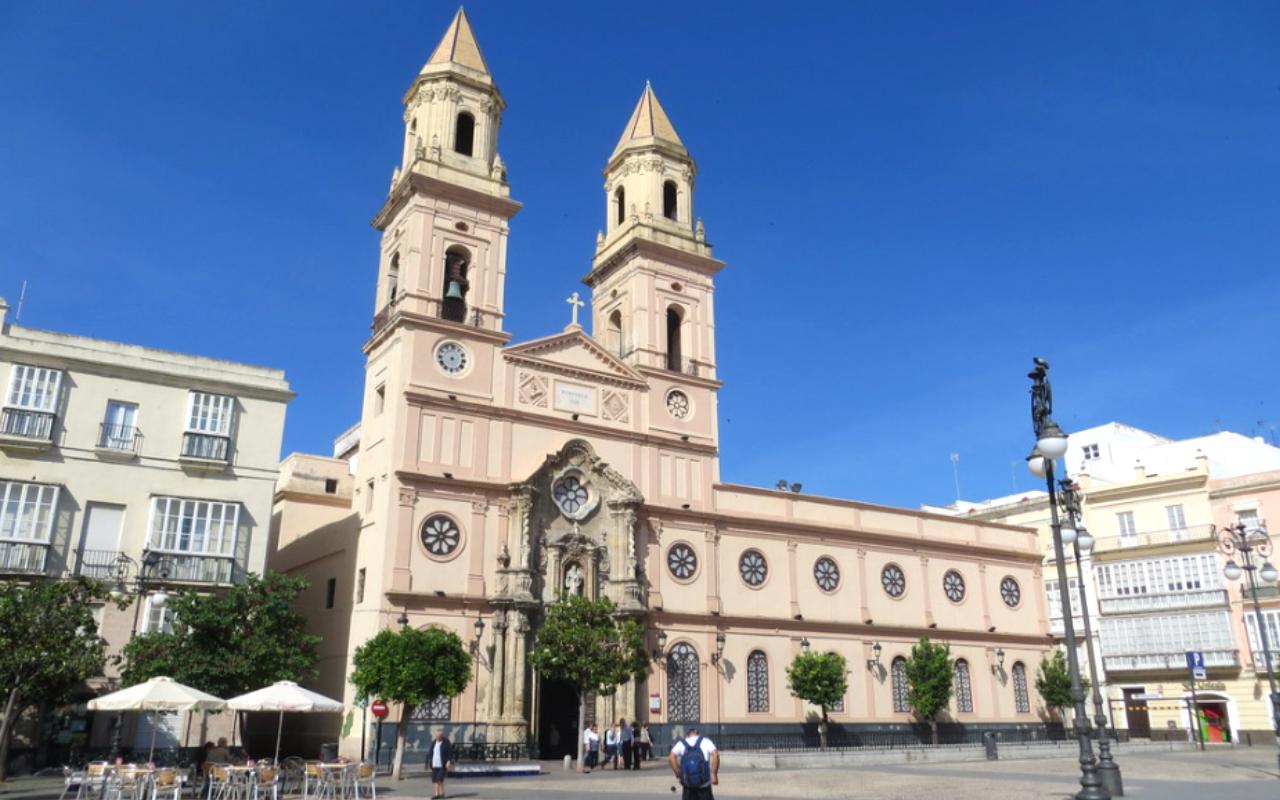
Parque San Antonio is a historic plaza in central Medellín with cultural significance:
Description: It’s a broad plaza in front of the San Antonio Cathedral (white neo-Gothic church). The park has shaded benches and is flanked by cafés.
Botero’s “Bird of Peace”: In 1995, a bombing at San Antonio killed 23 people during a concert. Before the attack, a large Botero sculpture called El Pajaro de la Paz (Bird of Peace) stood in the plaza.
After the bombing, Botero replaced the destroyed statue with an identical one next to the ruins, as a tribute to peace and remembrance. The dual remnants and new sculpture are poignant reminders of the city’s turbulent past.
Local Atmosphere: There is no one in the park today, as families and groups take breaks. On warm afternoons, residents tend to pass by to take a walk, purchase snacks in street stalls, or have a meal in local restaurants.
People-Watching: It is a popular local bar. It is also possible to see artists, puppet shows, and snack vendors such as popcorn or churros.
Warning: As with any busy urban plaza, watch out for pickpockets. However, the plaza is generally safe during the day, especially when busy with people.
A visit to San Antonio Plaza offers both a glimpse into Medellín’s history and a relaxing spot to soak in everyday life. It’s especially notable for Botero’s memorial sculpture. Many tours include a stop here, but even independently, it’s worth strolling through when exploring Centro.
21: Enjoy Medellín’s Food Tours
A food tour is a great way to dive into local cuisine if you prefer guided experiences:
Local Cuisine Tours: Companies like “Secret Food Tours” or “Tripping Animals” offer guided walks through El Poblado or Laureles, stopping at cafés, street vendors, and restaurants. You’ll taste empanadas, arepas, bandeja paisa samplers, Colombian hot chocolate, exotic juices, and more.
Markets & Street Food: Some tours focus on markets (e.g. Minorista) and snacks in the street, describing the components of tropical fruits, cheeses, and influences of Afro-Colombian.
Night Food Crawls: Evening tours are generally a mix of dinner and some sightseeing. An example is to begin at a local dinner shop, then go to a dessert shop, and end at a coffee shop or rum tasting.
Learning Experience: Guides provide history (such as why ajiaco is the dish of Bogotá or why bandeja paisa is so unique) and tips on how to dine.
Booking: These tours range from $20–$50 USD per person. Many include samples and drinks. Reservations are recommended.
While we didn’t cite a specific source on tours, travel sites, and TripAdvisor list many Medellín food tours (over a dozen options). They’re a convenient way to experience Colombian gastronomy safely. So if you enjoy local food, consider a food tour as one of the best things to do in Medellín.
22: Take a Salsa Dance Class
Embrace the rhythm of Colombia by learning salsa in the city where salsódromo carnival parades are famous:
Dance Schools: Medellín has many reputable dance schools. Dancefree Medellín (Poblado) and Casa Ritmo Latino are popular choices for beginners. They offer 1–2 hour classes in salsa or bachata, often in English and Spanish.
Experience: Classes are group-based. You’ll learn basic steps and moves to Latin music. It’s a fun, sweaty workout. Even if you’re shy, teachers are used to tourists and make it easy to follow.
Local Clubs: After your lesson, you can put your skills to use. In places such as Son Havana or Café Zorba in Laureles, there are salsa nights during which beginners are welcome.
Cultural Note: Salsa has taken root in local culture (Medellin even has a salsa dance pageant of its own). A lesson will provide an understanding of the Colombian social life and music.
Tips: Wear comfortable clothes/shoes (non-slippery soles). Taking a 1–2 hour class once won’t make you an expert, but it’s an unforgettable way to connect with the city’s vibe.
No specific citation, but salsa classes are widely recommended by travel guides as a unique local experience. Many visitors rank dancing salsa among the top things to do in Medellín. If nothing else, it’s a lively evening of exercise and laughter.
23: Visit Local Artisan Shops
Colombia boasts many handicrafts, and Medellín has shops and galleries selling artisan goods:
Handmade Products: Look for mochilas (woven Wayuu bags), sombreros vueltiaos (traditional woven hats), leather goods (hand-tooled handbags), pottery, and jewelry. Antioquia’s wool products (ruanas, scarves) can also be found.
Where to Shop: Medellín has dedicated crafts markets: Arte y Tradición Colombiana (Centro) is a large government-run store, but also look in Pueblito Paisa (artisan street stalls) and the occasional craft fairs like Artesanías de Medellín.
Coffee & Textiles: You’ll see shelves of locally-grown coffee beans and fancy coffee blends as popular souvenirs. Artisan chocolate and preserved fruits are also sold.
Shopping Districts: In El Poblado, some boutiques on Calle 10 and Provenza sell handicrafts and designer items by Colombian artisans. The Patronato area (southern downtown) is full of small shops with cheap goods.
Tips: Bargain gently at outdoor stalls. Quality artisanal products may come with a higher price, but are great keepsakes. Remember: every purchase supports local communities.
Shopping for local crafts is not only fun but culturally rewarding. Seeing colorful bags or drinking mate de coca made from local leaves connects you with regional traditions. It’s definitely one of the “things to do in Medellín, Colombia” for souvenirs beyond generic T-shirts.
24: Explore Medellín by Bike
Medellín
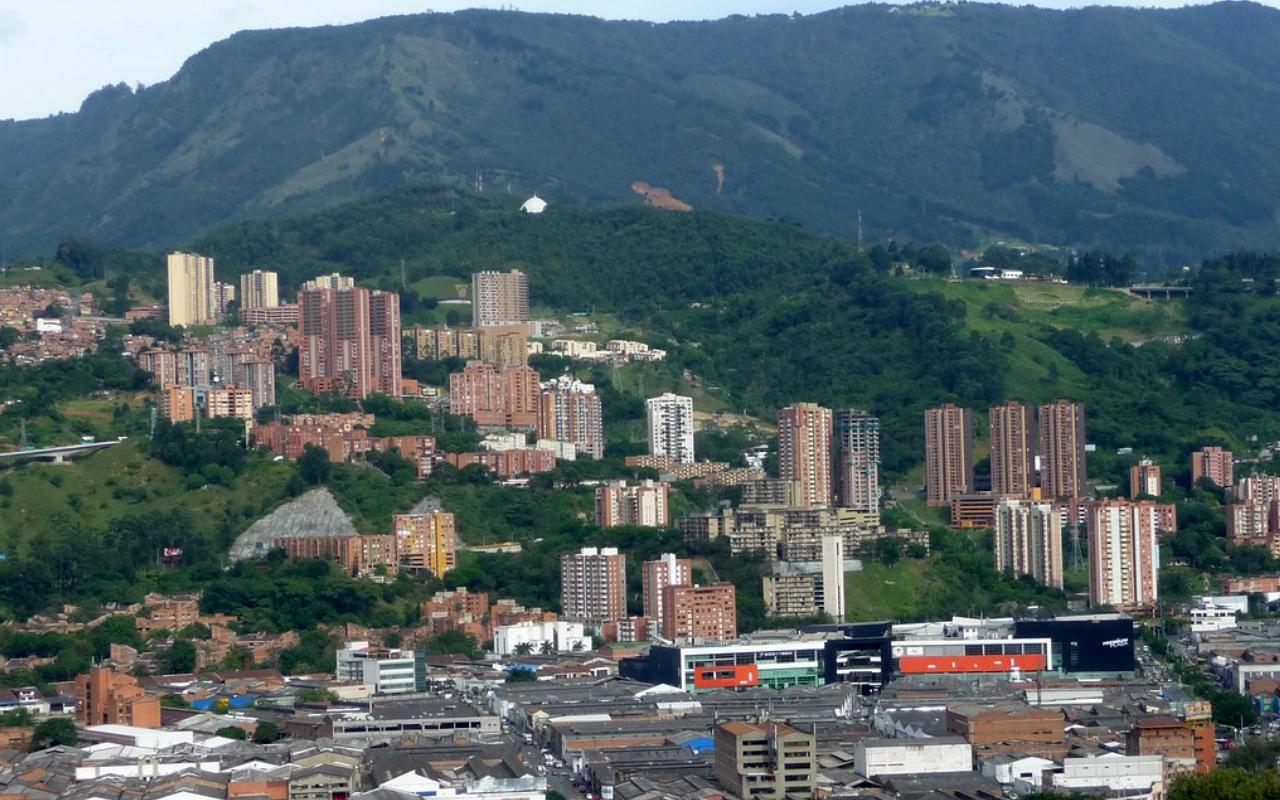
Cycling is a popular way to see the city, thanks to dedicated bike lanes and car-free days:
Ciclovía (Car-Free Sundays): Every Sunday (7 am–1 pm), major roads such as Avenida Poblado are closed to cars. Thousands of locals bike, jog, and roll. You can rent bikes (or take your own) and cruise along Poblado, passing parks and cafés. It’s a festive atmosphere, families and fitness groups alike take advantage of the open streets.
Bike Tours: Guided bike tours are available (city tours, graffiti tours, or Parque Arví rides). These typically include a guide, a helmet, and a route through neighborhoods. For example, tours might go to Comuna 13 (there are guided graffiti cycling tours) or around the city center.
Park Routes: Even on regular days, there are bike lanes on Avenidas like El Poblado and Las Palmas. For a scenic ride, you can bike up to Parque Arví from Santo Domingo (via the cable car one way, bike back down).
Rentals: Numerous shops rent bikes and e-bikes by the hour or day. Ask your hotel; many have partnerships.
Safety: Wear a helmet. Traffic in Medellín is busy in spots, so stick to bike paths where possible. The Sunday Ciclovía is a safe way to cycle, relaxed (thousands of people, police overseeing).
Fit Factor: The terrain around Medellín is hilly. Sunday routes along the Poblado valley are mostly flat. Beware of altitude (6,000+ ft).
Biking allows you to cover more ground (or see a neighborhood intimately) at your own pace. It’s also eco-friendly. So join the crowds on Avenida Poblado on a Sunday, or hire a bike to wander local parks and plazas. Many travelers say cycling the ciclovía is a fun highlight.
25: Watch the Sunset Over Medellín
Finally, end one of your days by watching the sunset. Medellín’s dramatic skyline against the Andes makes sunsets spectacular:
Cerro Nutibara (Pueblito Paisa): As mentioned, from Pueblito Paisa, you get a perfect vantage point. Arrive an hour before sunset and see the city lights flicker on as the sky turns orange.
Mirador Las Palmas: On the way up to Pueblito (via Las Palmas road) is Mirador Las Palmas. It’s a popular lookout (and hosts paragliding companies launching). Worth a photo stop for sunset sky.
Parque Arví: Up in the forest, you can also catch the sun going down behind the city valley (though you’ll need permission to stay inside late).
Rooftop Bars: The aforementioned rooftop lounges are essentially great sunset spots. Catch a cocktail and watch the sun disappear, mountain silhouettes growing blue.
West City Plaza: In downtown, Plaza San Antonio offers an open vista (especially as day turns to night and Botero’s statues glow under lights).
Why It’s Great: Medellín’s evenings are often clear, and the combination of brick buildings, mountains, and golden light is photogenic. As one traveler notes, the blend of urban lights twinkling with the vibrant colors of the sky creates a captivating panorama that captures the city’s unique charm.
So don’t skip a sunset viewpoint. It’s a peaceful, reflective way to see why Medellín is called “la ciudad de las montañas”.
Best Foods to Try in Medellín, Colombia
Colombian and Paisa (Antioquian) cuisine is a highlight of visiting Medellín. Here are some must-try dishes and foods:
Bandeja Paisa: Antioquia’s signature platter. Consists of beans, rice, ground beef, fried egg, chorizo, pork belly (chicharrón), avocado, arepa, and plantains. Essentially a meat-lover’s feast. Portions are huge! Many restaurants serve this; look for “Bandeja Paisa” on the menu.
Arepas: Corn cakes that accompany most meals. Try a plain arepa (often filled with cheese) and the sweet arepa de choclo (fresh sweet corn + cheese grilled). Also, arepa de huevo (fried corn pocket with egg) is a street snack.
Empanadas: Fried corn turnovers usually stuffed with beef and potatoes. These are a top snack, crispy and delicious with hot pepper sauce (ají). A bargain at a few hundred pesos each.
Ajiaco: A creamy chicken and potato soup (traditional in Bogotá but found in restaurants here). Made with three kinds of potato and corn, topped with guasca herbs and capers. Hearty and warming.
Fresh Tropical Fruits: Colombian fruits are abundant. Try lulo (tart orange fruit) or guanábana (soursop) in a juice, borojó juice (energy drink), or exotic berries like feijoa. At markets, you can find cut fruit to sample. Our research noted juice for $0.60.
Empanadas Antioqueñas: Beyond the basic empanada, restaurants serve patacones (fried green plantains with toppings), patacón paisa (with beans and meat), and mote de queso (cheese soup from the coast).
Buñuelos and Pandebono: These are cheese breads/fritters sold at lunchtime. Buñuelos are ball-shaped fried cheese dough (crispy exterior, soft inside). Pandebono is a baked cheese bread (sweet-ish).
Beverages: Coffee is everywhere (try café tinto, small black coffee). Also, try aguapanela (hot cane sugar drink) or fruit juices. The Medellin, Colombia guide notes how accessible coffee is near the city’s coffee axis.
Desserts: For something sweet, try postre de natas (milk-based custard), merengón (meringue with fruit), or tres leches cake. Ice cream shops use exotic flavors like lulo, maracuya, or cocona.
These foods are not just tasty, they’re part of the local culture. The cuisine reflects Antioquia’s history (meaty, energy-packed) and tropical environment (abundant fruits, corn).
Don’t miss a chance to eat at a typical “corrientazo” lunch spot, where for 10,000–15,000 COP you get soup, drink, main course (often beans-and-meat), and arepa. Enjoying these flavors is a key part of things to do in Medellín, Colombia.
Best Places to Stay in Medellín
For first-time visitors, choosing the right neighborhood and lodging style is important. Popular areas are El Poblado and Laureles (see safety above).
Best Area for First-Time Visitors
El Poblado (Parque Lleras/Provenza): The top choice for new visitors. Safe, with many hotels/hostels. At night, it’s lively around Lleras. Great restaurants and shops are within walking distance.
Laureles (Estadio area): A good alternative for a more local vibe. Safe and quieter, but still plenty of cafes and parks. Near the football stadium.
Envigado: A bit farther out, but very safe and village-like. If staying in Envigado, you’ll likely be in serviced apartments or small hotels.
Generally, avoid high-crime outlying zones for accommodations (like barrio San Javier).
Budget Hotels and Hostels
Hostels: Medellín has many quality hostels (bunks to private rooms). Top-rated ones include Los Patios Hostel (Poblado – has a pool) and Selina Medellín (multiple locations, with co-working). Dorm beds run $10–15 USD/night.
Budget Hotels: In Laureles, you’ll find guesthouses and affordable hotels ($30–50/night). In Poblado, look for 3-star hotels or Airbnb rentals in El Poblado or Laureles for under $50.
Prices are generally lower than in North America/Europe. Always check reviews for safety and cleanliness.
Mid-Range Hotels
4-Star Hotels: Poblado has many international chain hotels and boutique 4-stars (e.g., NH Collection, Hotel Milerios Park, Hotel Dann Carlton). These often have pools and restaurants on site.
Boutique Inns: Medellín has charming mid-range stays like Binn Hotel (Poblado, rooftop bar) or Travelers Hostel (Laureles). These cost $60–$100/night.
Location tip: El Poblado’s Calle 10/11 area and Provenza have several boutique options with trendy designs.
Luxury Hotels
Medellín’s top luxury properties tend to focus on El Poblado:
Charlee Hotel: A luxury hotel known for its nightlife, restaurants, and sky bar (beautiful pool overlooking the city).
The Click Clack Hotel: Stylish and modern, with rooftop views and a popular restaurant.
InterContinental Medellín: Upscale, near Parque de los Pies Descalzos (spa, gyms).
Casa Medina: Colonial-style in Laureles, recommended for tranquility and gardens.
Luxury prices are higher (often $150+ USD per night), but include amenities like pools, gyms, and high-end dining.
Digital Nomad Friendly Areas
Medellín’s best areas for remote workers are those with good internet, co-working spaces, and cafes:
El Poblado: Often called the “nomad capital”. Parque Lleras and its surrounds have dozens of cafes with Wi-Fi (Pergamino, Urbania, etc.), plus co-working spots (e.g. Zona Fría, La Casa Redonda). Many expats live here.
Laureles: Offers a more relaxed pace, plus coworking (Selina, Rhubarb). Cheaper rents and local neighborhoods.
Envigado: Safe suburb with suburban feel. Has cafes and some co-working (like Parque El Dorado). More affordable housing, family-friendly.
Sabaneta & Belén: Up-and-coming. Sabaneta (south) is quieter but has small malls and a metro extension. Belén (west) is more “authentic” and budget-friendly.
Our research notes that digital nomads favor these areas for their blend of affordability, safety, and lifestyle. Each has Metro access or easy transport and plenty of neighborhood cafes to plug in your laptop.
Suggested Medellín Itineraries
One Day in Medellín
If you only have one day, focus on core highlights:
Morning: Start downtown. Take a free walking tour or self-guided walk around Plaza Botero (see the Botero sculptures). Visit the Museo de Antioquia (if open). Wander El Centro – check out San Antonio Plaza and the Cathedral.
Lunch: Try a local restaurant for bandeja paisa or ajiaco. Many visitors eat at Mondongo’s or another noted spot.
Afternoon: Go up to Pueblito Paisa on Cerro Nutibara (for city views and a quick cultural village experience). Or take the Metro cable to Santo Domingo and on to Parque Arví for a bit of nature (or at least the ride’s view).
Evening: Head to El Poblado. Stroll along Provenza, have an early dinner in a café. Then relax at a rooftop bar or enjoy the nightlife around Parque Lleras.
This covers the best of the city center + hillside. Of course, skip any if you prefer a half-day trip to Guatapé (see below) instead.
Three-Day Medellín Itinerary
Three days lets you see much more:
- Day 1: As above (Botero, Museo, Nutibara, Pueblito, Poblado nightlife).
- Day 2: Do a Comuna 13 tour. Morning or early afternoon, join a guided street-art tour with a local. Afterwards, unwind in Laureles for dinner (try local dishes on La 70) and maybe salsa at night.
- Day 3: Take a day trip to Guatapé & El Peñol. Book a shared tour or drive yourself. Climb the rock, explore the colorful town, and return by evening.
Three days give a balanced mix of city sights, culture, and a big nature excursion (Guatapé).
Five-Day Medellín Travel Plan
With five days, you can really relax and dig deeper:
- Days 1–2: As above (Downtown, Pueblito, Poblado; Comuna 13 and Laureles).
- Day 3: Guatapé full day (rock + town).
- Day 4: Parque Arví and Explora Park. Take the cable to Arví; in the afternoon, visit Explora near the city (metro Universidad). Both give nature and science on the same day.
- Day 5: Free day for any extras: perhaps a half-day coffee tour to a finca (there are private coffee farms near Medellín), or shopping for souvenirs (El Hueco or markets) and any missed museums (e.g., Museum of Modern Art, or Pablo Escobar tour if that interests you).
This pace allows time to linger, enjoy meals, and adapt to weather or fatigue. It also leaves some “downtime” to sit in plazas or cafes, soaking in the atmosphere. As travel bloggers note, adding a coffee region tour or a local market visit is easy if you have extra days.
Note: Scheduling can vary by season (maybe evening boat rides in Guatapé in summer) or by your interests (art, hiking, etc.).
Travel Tips for First-Time Visitors
Here are some practical tips to make your trip smooth:
Currency and Payments: The Colombian peso (COP) is cash-based for most small transactions. ATMs (Cajeros) are widely available, especially Visa/Mastercard-friendly. Exchange a small amount at the airport if needed, but better rates are in the city or withdraw on arrival.
A few US dollar bills ($20s) are handy emergencies. Credit cards (Visa, Mastercard) are accepted in hotels, restaurants, and malls; some taxis with meters can take cards. Always check the receipt and the no tip column in restaurants (10% service charge is often included by law). Don’t forget to carry some small bills (2,000–20,000 COP) for taxis, buses, and tips.
Internet and SIM Cards: Colombia has good 4G coverage in the city. Major providers are Claro, Movistar, and Tigo. At the airport or downtown malls, you can buy a prepaid SIM (need to show passport). A data SIM card costs around $10 USD for a few GB.
Alternatively, many cafes and hotels offer free Wi-Fi. In case you require internet connectivity anywhere, an eSIM or portable hotspot might be a good option. Install apps such as Google Maps (offline mode), Uber/DiDi (taxi), and Duolingo, or Google Translate to Spanish. Medellín’s metro stations also have free Wi-Fi.
Language Tips: Spanish is the official language. Learning some basic Spanish phrases (hello, hola, thank you, gracias, how much ¿cuánto cuesta?, directions) will earn smiles from locals.
In Poblado and tourist areas, English is somewhat spoken, but outside of that, few people speak fluent English. Tourists often survive just fine by pointing, gestures, and basic “business Spanish.” Menus often have English translations or pictures, especially in restaurants.
Local Etiquette: Colombians are warm and friendly. A handshake or a brief hug is customary when meeting (more between the same genders). Tipping: 10% is the norm in restaurants (often included as “propina” on the bill).
Taxi drivers aren’t expecting tips. Be punctual for tours, but don’t stress about restaurants taking a bit longer (relaxed service is common). Greeting store clerks or saying “gracias” when paying goes a long way. Public intoxication is frowned upon.
Budget Expectations: Medellín is affordable by North American standards. On a tight budget: a hostel bed $10-15 USD/night, meals $3-5 for street food or menu del día (home-style lunch).
Metro rides cost 85¢ USD. More comfort (mid-range hotels, restaurants) still costs less than in many big cities. Our sources noted a juice for $0.60 or an arepa for $0.50; a nice dinner might be $10-20.
Generally, 1 USD is about 3,700 COP (2025 rate). Always carry pesos and confirm USD-to-COP rates if paying in dollars (most places prefer card or pesos).
To conclude, pack in local money, some Spanish, and a relaxed mindset. Utilize technology (maps, translation apps, Uber, etc.). These tips can help you remain focused on the numerous attractions of Medellin.
12. Common Mistakes Travelers Make in Medellín
Avoid these pitfalls for a smooth trip:
Ignoring Weather: Underestimating rain. Visitors often pack only summer clothes; remember, Medellín can get wet even in the sunny season. Keep a raincoat/umbrella handy.
Showing Off Valuables: As stressed above, don’t flash your iPhone or big camera. Thieves target obvious targets. Even an expensive watch can make you a target.
Sticking Only to Tourist Areas: Medellín has interesting neighborhoods beyond Poblado and Laureles. Yet some tourists never venture further. Exploring a bit more (like Manrique or Castilla) with a guide can reveal local color, but go with locals for safety.
Not Learning Spanish Phrases: Some visitors rely purely on English. It’s easy to learn simple greetings and thanks to enhance goodwill. Colombians appreciate it when you try to speak Spanish.
Overlooking Altitude: Don’t underestimate the high altitude (Medellín 1,500m; Guatapé rock 2,135m). In case you want to take hiking or other active activities, then acclimatize and drink plenty of water.
Underestimating Cabs: When you are late at night and you want to hail an official taxi on the street, this may be hazardous. Never take a chance and take Uber or have your hotel organize your transportation.
Bringing It All: Packing day gear. When doing sightseeing, be light; only carry what you really need on a daily basis, and leave valuables in your hotel safe.
By understanding these frequent problems, you will be able to make your visit pleasant and hassle-free. Being aware of these common issues will help ensure your visit stays enjoyable and trouble-free.
13. Frequently Asked Questions
Is Medellín safe for tourists?
Generally yes. The city has significantly lower crime rates than in the past. Common-sense precautions (as outlined above) will keep you safe. Many visitors say they felt safer here than in other big Latin American cities. Travel advisories often highlight Colombia’s rural areas; Medellín itself is much improved. Still, always stay aware of your surroundings, especially at night.
How many days should I spend in Medellín?
Ideally, 3–5 days. One full day will cover downtown highlights (Plaza Botero, museums, Pueblito Paisa, cable car). Three days lets you also do Comuna 13 and perhaps an evening or extra food outings. Five days allow a day trip (Guatapé/El Peñol) and some leisure time (coffee tour, Explora, extra city exploring). More time is great if you enjoy slow travel or additional excursions.
What is Medellín famous for?
Its Cable Car (Metrocable) system and innovative urban projects; its street art (especially in Comuna 13); and its pleasant climate. It’s also known for being a center of Colombian culture, the birthplace of Fernando Botero, lively nightlife, and the annual Flower Festival. (It used to be infamous for Pablo Escobar and violence, but that history only partly defines it now; it’s truly famous for its transformation into a friendly, modern city.)
Is Medellín expensive for travelers?
Not generally. It’s cheaper than North America or Europe. Budget travelers can eat well on a few dollars per meal, stay in inexpensive hostels, and use the cheap metro. Mid-range hotels are reasonably priced. Of course, luxury options (fine dining, high-end hotels) will cost more. But everyday costs (food, transport) are quite affordable.
Can you visit Medellín without speaking Spanish?
To an extent, yes, many people in the tourist industry speak English, and you’ll find English signage in hotels/restaurants. However, outside of Poblado, you’ll find fewer English speakers. Learning basic Spanish phrases (and using translation apps) is recommended. Locals appreciate the effort, and it will enhance your experience.
What is the best neighborhood to stay in Medellín?
For first-time visitors, El Poblado (Parque Lleras/Provenza) is the safest and most convenient area. Laureles (Estadio area) is a solid alternative, more residential, slightly cheaper, and still tourist-friendly. Envigado is great if you prefer a quieter suburb. Each has hotel and dining options; just consider what vibe you want.
Are Medellín cable cars safe?
Yes. The Metrocable is a state-operated transit system, heavily used by locals every day. It is well-maintained and patrolled. Riding it as a tourist is completely safe. In fact, Business Insider highlighted the cables as a symbol of Medellín’s positive change. You only need to be mindful of altitude if you’re prone to dizziness, but it’s normal for all riders.
What foods should I try in Medellín?
Don’t miss local specialties. Try the hearty Bandeja Paisa, street arepas and empanadas, and sample exotic fruit juices or snacks. For dessert, go for Colombian coffee and sweets like tres leches cake or oblea. The food scene is a highlight; also, consider doing a food tour.
Is Medellín good for solo travelers?
Yes, many find it solo-friendly. The city is well-connected, most attractions can be done independently, and hosts are generally welcoming. Solo female travelers report feeling comfortable in tourist areas. Of course, take normal solo-traveler precautions (avoid deserted areas at night, stick to known neighborhoods). You’ll likely meet other tourists or expats easily in hostels, tours or cafes.
What is the best time to visit Medellín, Colombia?
December through March is ideal, with less rain and pleasant weather. July/August are also dry but busier (don’t miss the Flower Festival in August). Avoid April–May and October–November if you hate rain. In any season, Medellín’s climate remains mild compared to Bogotá or coastal heat.
Conclusion
Medellín is absolutely worth visiting. Its combination of tradition and modern innovation, coupled with a warm and friendly culture, provides a special travel experience.
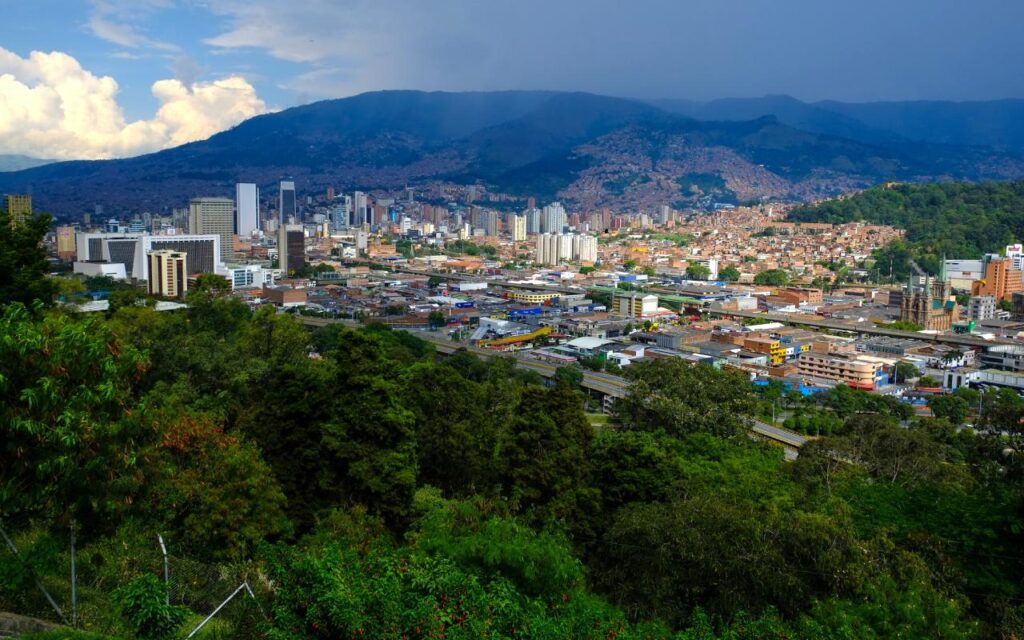
Here, you will have green mountains that border an urban valley, and the city life is laced with paisa hospitality and creativity. Riding cable cars that represent the metamorphosis of Medellin to dancing salsa with friendly people, taking a rest with a cup of freshly roasted coffee, and diverse and vivid things to do in Medellin are numerous.
The food is hearty, the art (like Botero’s sculptures and Comuna 13’s murals) is iconic, and the city’s eternal spring climate makes outdoor exploring enjoyable year-round.
Remember to venture beyond the tourist bubble: wander neighborhood markets, strike up conversations in a café, or sit in a plaza and watch the city. Medellín’s comeback story (from tragedy to innovation) gives it an energizing spirit and optimism.
This city is a warm place, whether you are gazing at the sunset in the hills or enjoying an arepa in one of our neighborhood restaurants. We wish that this guide would guide you through what to do in Medellin, Colombia, so that you may enjoy the culture, food, nature, and nightlife of this place to the fullest. ¡Buen viaje!













-
 0115 Best Easy Treks in Nepal for Beginners and Families
 -
 02Best season for Everest Base Camp Trek
 -
 03Best Time to Go Hiking in Nepal: A Seasonal Guide for Trekkers
 -
 04Suchi Purja –Wife of Nirmal Purja aka Nims Dai
 -
 05Dubai desert safari outfit ideas
 -
 06Top Beaches in Sri Lanka
 -
 0710 Best Easy Treks in Nepal