
Now Reading: Things to Do in Knysna: Complete Travel Guide for First-Time Visitors
-
01
Things to Do in Knysna: Complete Travel Guide for First-Time Visitors

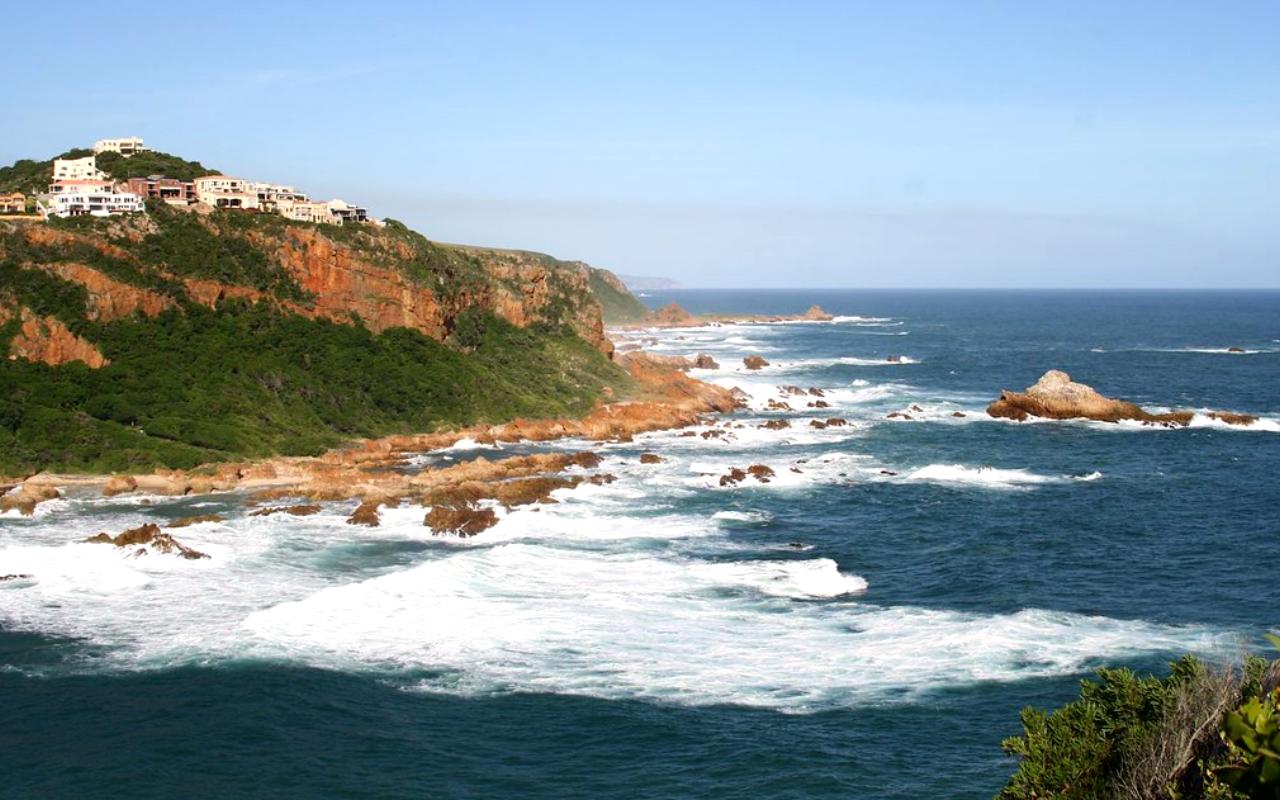
Looking for the best things to do in Knysna? You are in the right place. Nestled in the heart of South Africa’s famous Garden Route, Knysna is a coastal paradise that captivates every traveler. From its sparkling blue lagoon to the ancient indigenous forests, this town offers a perfect mix of relaxation and adventure.
Knysna stands out as one of the country’s most popular travel destinations. It is known for its dramatic landscapes, incredible wildlife, and world-class seafood. You can spend your morning hiking through a dense forest, your afternoon sailing on the estuary, and your evening eating fresh local oysters.
Whether you are a family seeking a fun vacation, a couple on a romantic getaway, a solo traveler hunting for adventure, or a nature lover wanting peaceful trails, Knysna has something for you.
In this complete travel guide, you will learn exactly how to plan your trip. We cover the top Knysna attractions, travel tips, costs, and a suggested itinerary to make your first visit unforgettable.
Quick Knysna Travel Facts:
- Location: Western Cape, South Africa (Garden Route)
- Best Time to Visit: September to April (Spring to Autumn)
- Famous For: The Knysna Heads, Oysters, Lagoon, Indigenous Forests
- Closest Major Airport: George Airport (70 km away)
- Ideal Trip Length: 3 to 5 Days
1. Getting to Know Knysna
1.1 Where is Knysna?
Knysna sits right in the middle of the famous Garden Route in the Western Cape province of South Africa. It is a scenic coastal town surrounded by lush forests and the Indian Ocean.
If you are driving, Knysna is about 490 kilometers (300 miles) east of Cape Town. The drive takes around 5 to 6 hours along the beautiful N2 highway.
It is also 260 kilometers (160 miles) west of Port Elizabeth (Gqeberha). The closest regional airport is in George, which is just a 60-minute drive away.
1.2 Why is Knysna Famous?
Knysna is famous for several unique natural and cultural features. The centerpiece of the town is the Knysna Lagoon, a massive tidal estuary that opens up to the ocean.
Guarding the entrance to the lagoon are the Knysna Heads. These are two massive sandstone cliffs that create a dramatic and dangerous channel for boats. The town is also ringed by deep indigenous forests. These woods are full of giant Yellowwood trees and rare bird species.
Finally, Knysna is famous for its seafood and oyster culture. The cool, clean waters make it one of the best places in the world to farm and eat fresh oysters.
1.3 Best Time to Visit Knysna
Choosing the right time to visit can make a huge difference in your trip. Knysna has a mild, temperate climate all year, but each season offers a different experience.
- Summer (December–February): This is peak tourist season. The weather is hot and sunny, perfect for beaches and water sports. The downside is that it gets very crowded, and accommodation prices are high.
- Autumn (March–May): This is arguably the best time to visit. The weather remains warm, but the heavy summer crowds have left. The winds are also calmer, making it great for boat cruises.
- Winter (June–August): Winters are cool and mild. It is a great time for hiking in the forests. The famous Knysna Oyster Festival happens every July, bringing the town to life.
- Spring (September–November): Spring brings blooming flowers and pleasant temperatures. It is a fantastic time for wildlife viewing and outdoor adventures.
2. Explore the Iconic Knysna Heads
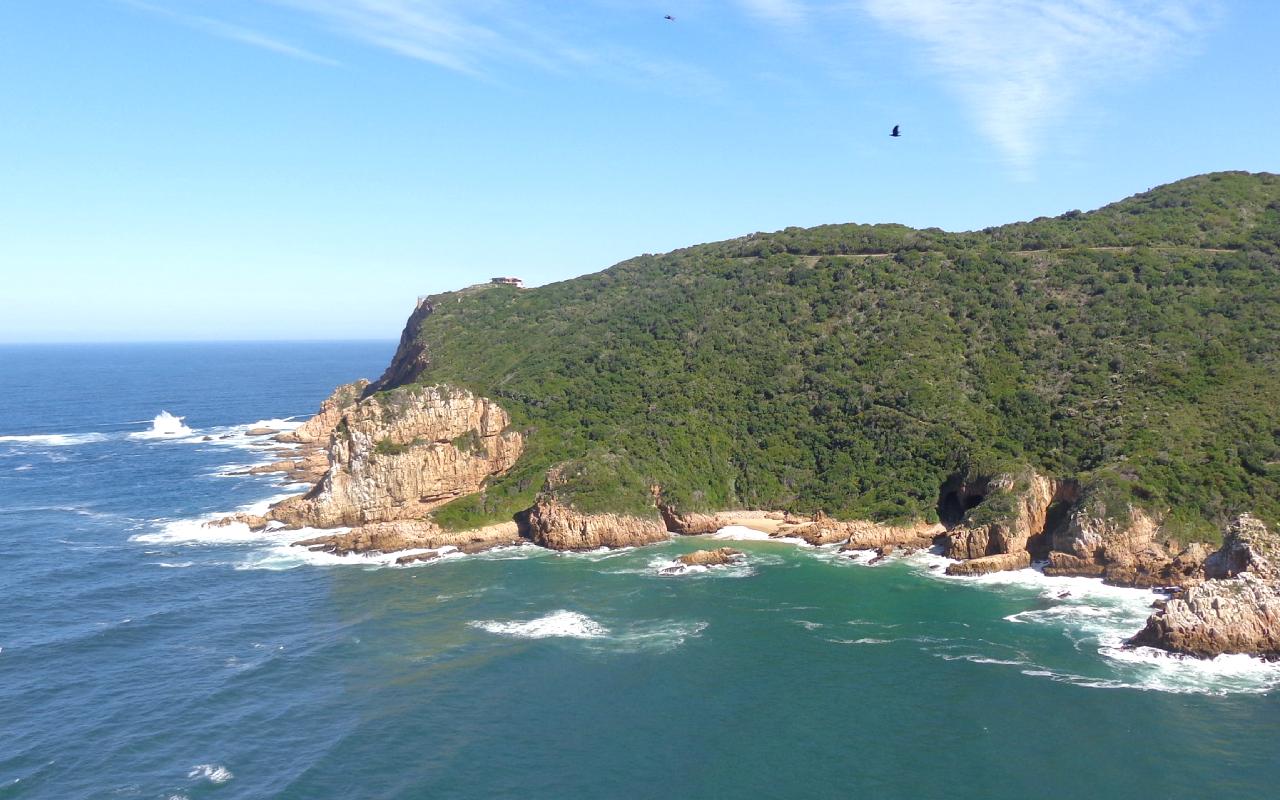
Knysna Heads
Why the Knysna Heads are a Must-Visit
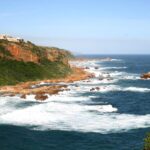
The Knysna Heads are the most recognized landmark on the Garden Route. These two giant cliffs stand like sentinels where the lagoon meets the restless Indian Ocean. The geological significance of these cliffs dates back millions of years.
Standing on top of the Eastern Head gives you sweeping, panoramic views. You can look out over the calm waters of the estuary on one side, and the wild, crashing waves of the Indian Ocean on the other.
Things to Do at the Heads
Visiting the Heads is completely free and easily accessible.
- Scenic viewpoints: There are several viewing decks constructed on the Eastern Head. They offer safe, uninterrupted views of the water below.
- Photography opportunities: The contrast of the orange rocks, blue water, and green vegetation makes this a photographer’s dream.
- Sunset watching: It is a very popular spot to grab a coffee and watch the sun go down.
- Short walking trails: There are paved pathways linking the different viewpoints, making it an easy stroll for all fitness levels.
Visitor Tips
For the best lighting, try to visit the Heads either early in the morning or just before sunset. There is a free public parking lot at the Eastern Head, but it fills up fast in summer.
Arrive early to secure a spot. The Western Head is privately owned by the Featherbed Nature Reserve and can only be accessed via a ferry tour.
3. Cruise the Beautiful Knysna Lagoon
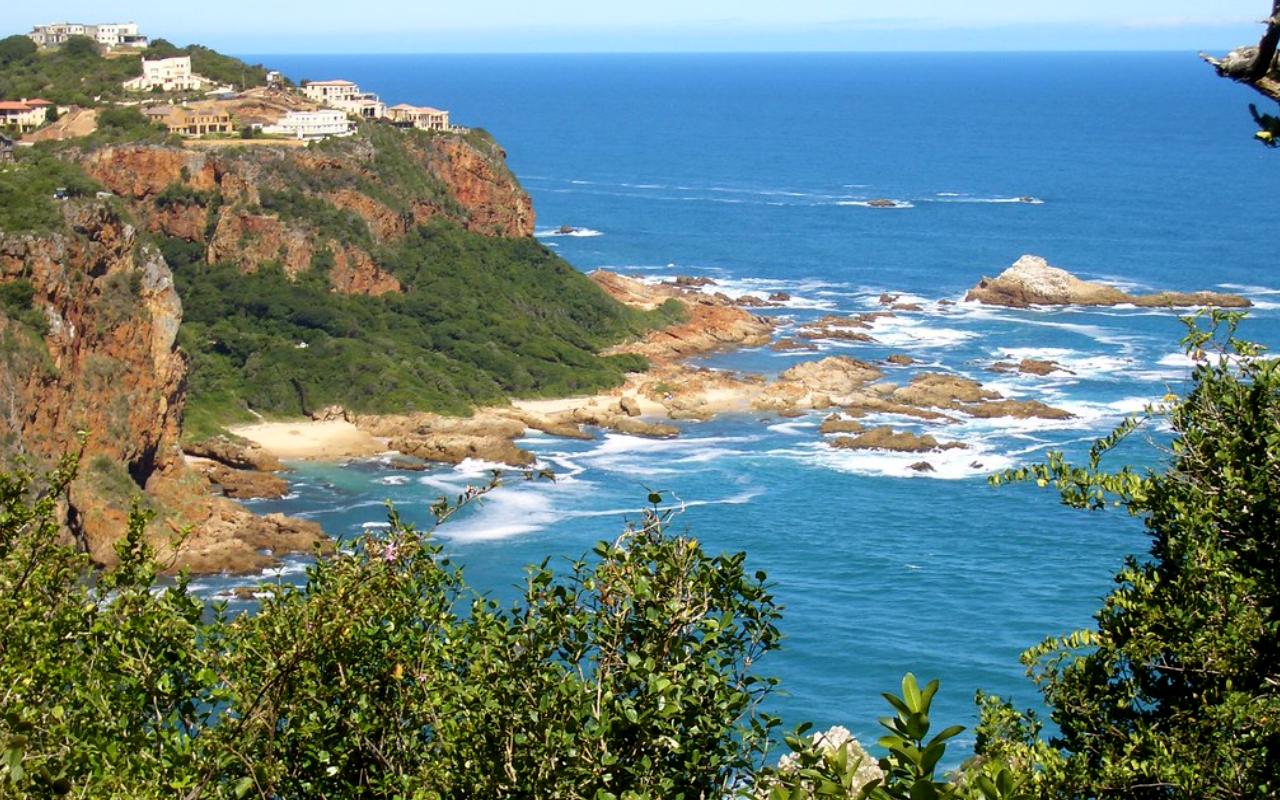
Knysna Lagoon
About the Lagoon
The Knysna Lagoon is actually an estuary where the Knysna River meets the sea. It is the beating heart of the town. The lagoon is crucial to local tourism and supports a rich marine ecosystem.
Popular Lagoon Activities
Getting out on the water is one of the top things to do in Knysna, South Africa. There are plenty of options depending on your budget and style.
- Sunset cruises: Enjoy a glass of local sparkling wine while watching the sky turn pink and orange over the water.
- Catamaran tours: Sail out toward the Heads on a spacious, stable catamaran.
- Sailing excursions: For a more active experience, you can join a guided sailing yacht.
- Private boat charters: Families or groups can rent a private pontoon boat for a customized afternoon on the water.
Wildlife You May Spot
Keep your eyes peeled while on the water. You can spot a variety of seabirds, including cormorants and the African Fish Eagle. The lagoon is also home to the endangered Knysna seahorse, though they are very hard to spot. Occasionally, dolphins are seen playing near the river mouth.
Best Cruise Experiences for First-Time Visitors
If it is your first time, book a cruise that goes to the Knysna Heads. Many operators depart from the Knysna Waterfront. The John Benn is a classic double-decker boat that offers a very stable and comfortable ride, perfect for families.
4. Visit Featherbed Nature Reserve
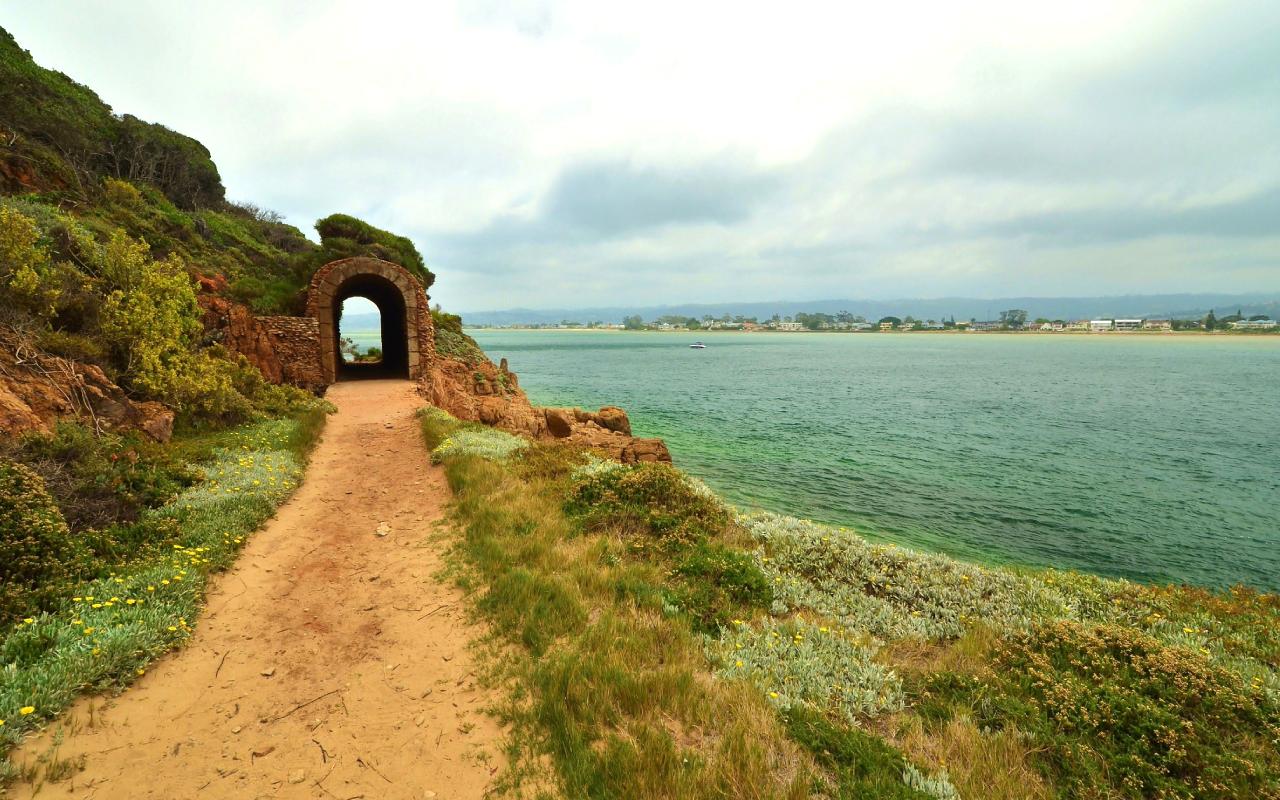
Featherbed Nature Reserve
Introduction to the Reserve
The Featherbed Nature Reserve sits on the Western Head of Knysna. It is a pristine piece of paradise that protects unique coastal vegetation and wildlife. Because it is privately owned, it is only accessible via a specialized ferry trip from the Knysna Waterfront.
Top Attractions
Taking a guided eco-tour here is a premium Garden Route experience. The tours last about four hours. After a scenic ferry ride across the lagoon, a 4×4 vehicle drives you up to the top of the Western Head. You get to see rare fynbos (indigenous vegetation) and dramatic coastal landscapes.
Hiking Opportunities
Once at the top, you have the option to take a guided 2.2-kilometer walk back down. This trail winds through a milkwood forest and past ancient sea caves. It is a gentle, downhill walk. Bring comfortable walking shoes, a sun hat, and your camera.
Why Featherbed Nature Reserve Is Worth Visiting
The reserve suffered massive fire damage in 2017, but it has undergone incredible rehabilitation. It offers exclusivity, world-class views, and a fantastic buffet lunch under the milkwood trees after your hike. Pre-booking is highly recommended as daily visitor numbers are limited.
5. Discover Knysna’s Indigenous Forests
History of the Knysna Forests
The forests surrounding the town are the largest complex of indigenous forests in Southern Africa. They are truly one of the country’s natural treasures. Walking among the towering Yellowwood and Stinkwood trees feels like stepping into a fairy tale.
Best Forest Experiences
Exploring the woods is a peaceful escape from the busy town center.
- Forest walks: There are many well-marked paths maintained by the national parks board.
- Birdwatching: Look out for the famous Knysna Turaco (Knysna Loerie) with its bright green and red feathers.
- Nature photography: The dense canopy, small streams, and colorful fungi provide endless photo opportunities.
The Legendary Knysna Elephant
The Knysna forest is famous for its “ghost elephants.” Historically, hundreds of elephants roamed these woods. Due to hunting in the 19th and 20th centuries, the population was almost wiped out. Today, experts believe only one or two elusive wild elephants still survive deep in the forest. While you won’t see them on a hike, the myth and history add magic to the woods.
Top Forest Trails for Beginners
The Jubilee Creek Walk is perfect for beginners and families. It is a flat, scenic 3-kilometer trail that follows a fresh forest stream. It ends at a beautiful rock pool where you can swim. The Circles in a Forest trail is another excellent, moderate option.
6. Relax at Knysna’s Best Beaches
6.1 Brenton-on-Sea Beach
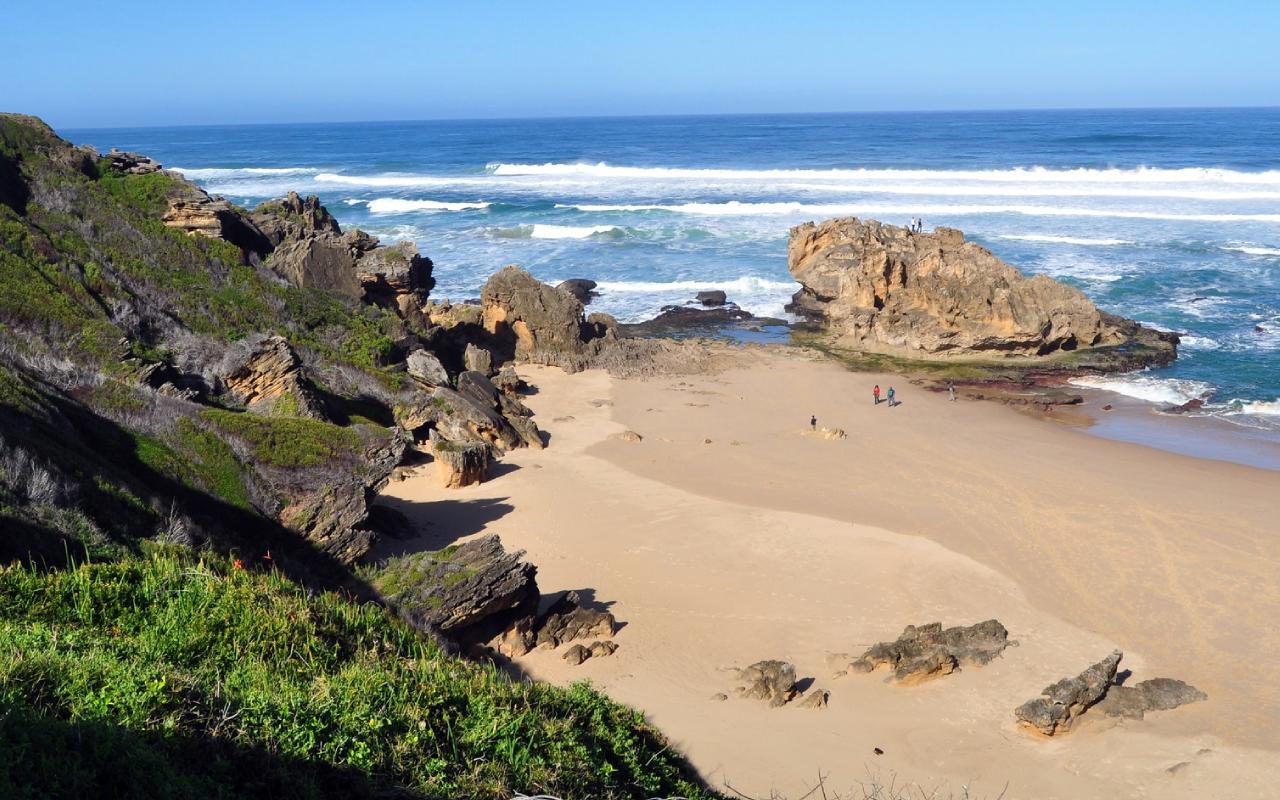
Brenton-on-Sea Beach
Located just outside town, Brenton-on-Sea offers long stretches of pristine white sand. The scenic beauty here is unmatched. It is perfect for long, uninterrupted beach walks. The sunsets here are spectacular.
6.2 Buffalo Bay Beach
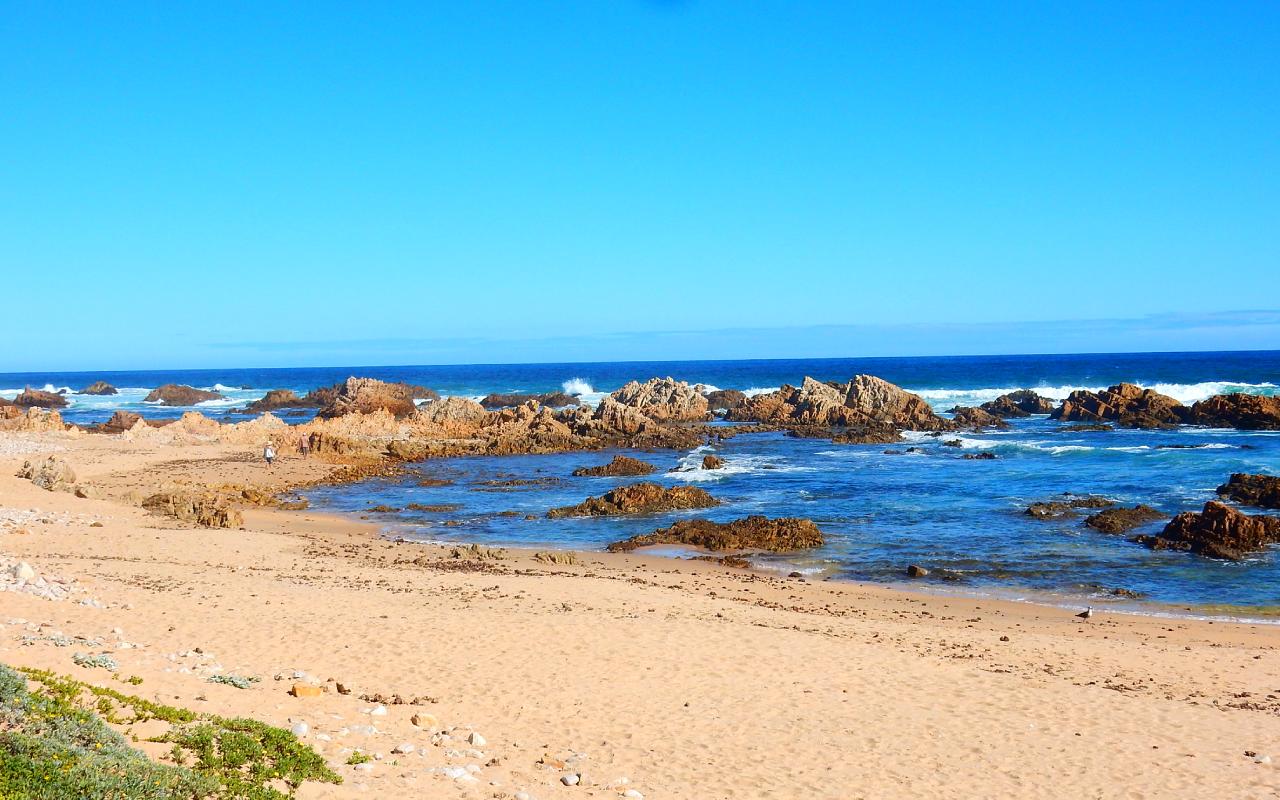
Buffalo Bay Beach
Buffalo Bay (Buffelsbaai) is widely considered the best swimming beach in the area. It is tucked into a safe, sheltered bay. It has a very family-friendly environment and is a popular spot for beginner surfers.
6.3 Bollard Bay
If you want completely flat, calm water, head to Bollard Bay on Leisure Isle. It is located inside the lagoon, so there are no ocean waves. This makes it an incredibly safe swimming spot for toddlers and young children.
Beach Safety Tips
The ocean along the Garden Route has strong rip currents. Always swim at beaches with lifeguards on duty, like Buffalo Bay during the summer season. Never swim near the Knysna Heads channel, as the currents are extremely dangerous.
7. Visit Knysna Elephant Park
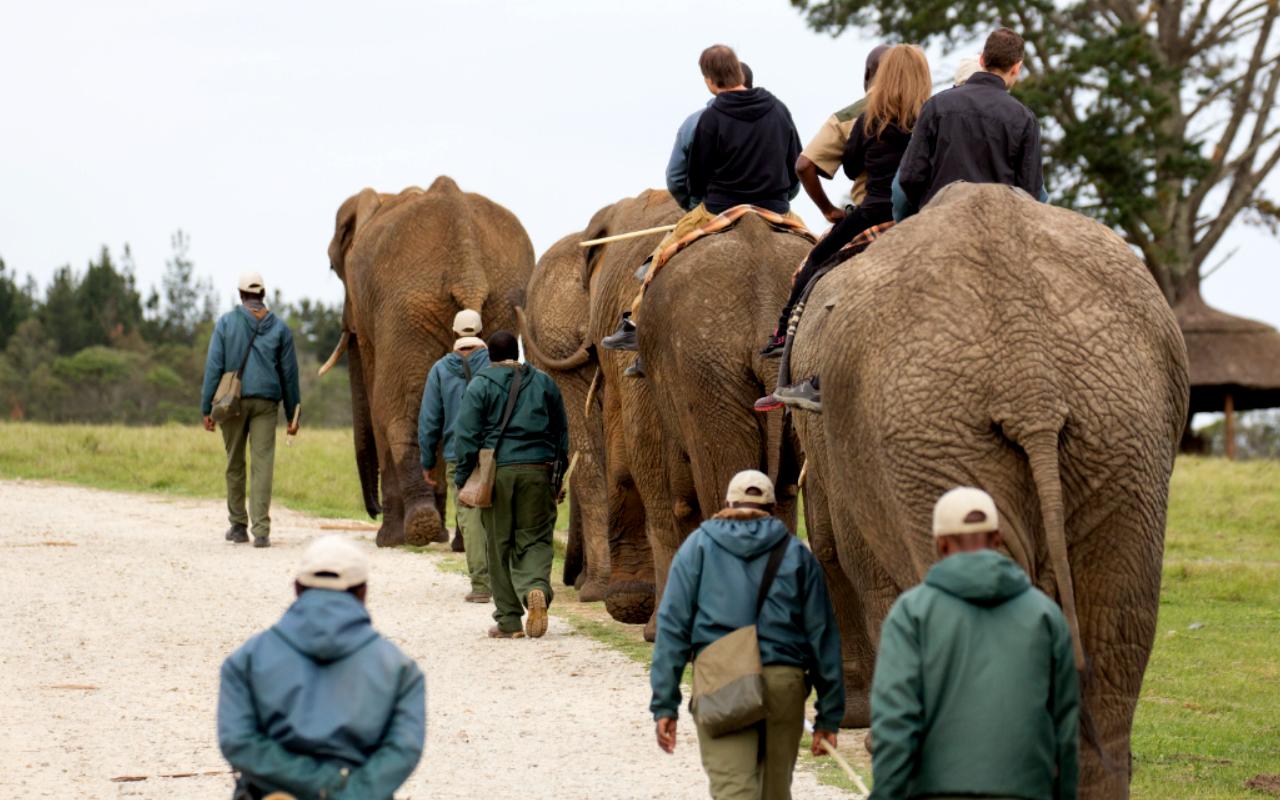
Knysna Elephant Park
About the Sanctuary
Established in 1994, the Knysna Elephant Park was South Africa’s first facility to care for orphaned African elephants. It is located just 20 minutes outside of town. The park focuses strictly on welfare and conservation.
Experiences Available
The park offers ethical, respectful encounters with its resident herd.
- Educational tours: Learn about elephant behavior, intelligence, and conservation history from knowledgeable guides.
- Elephant encounters: You can walk into the open field and stand alongside the free-roaming herd. You also have the option to buy a bucket of fruit to feed them.
- Photography opportunities: Getting up close to these gentle giants provides incredible photos.
What First-Time Visitors Should Know
The park no longer offers elephant rides, which aligns with modern ethical wildlife practices. You must book your visit in advance online. Morning tours are often the best, as the animals are active and the lighting is soft.
8. Explore the Knysna Waterfront
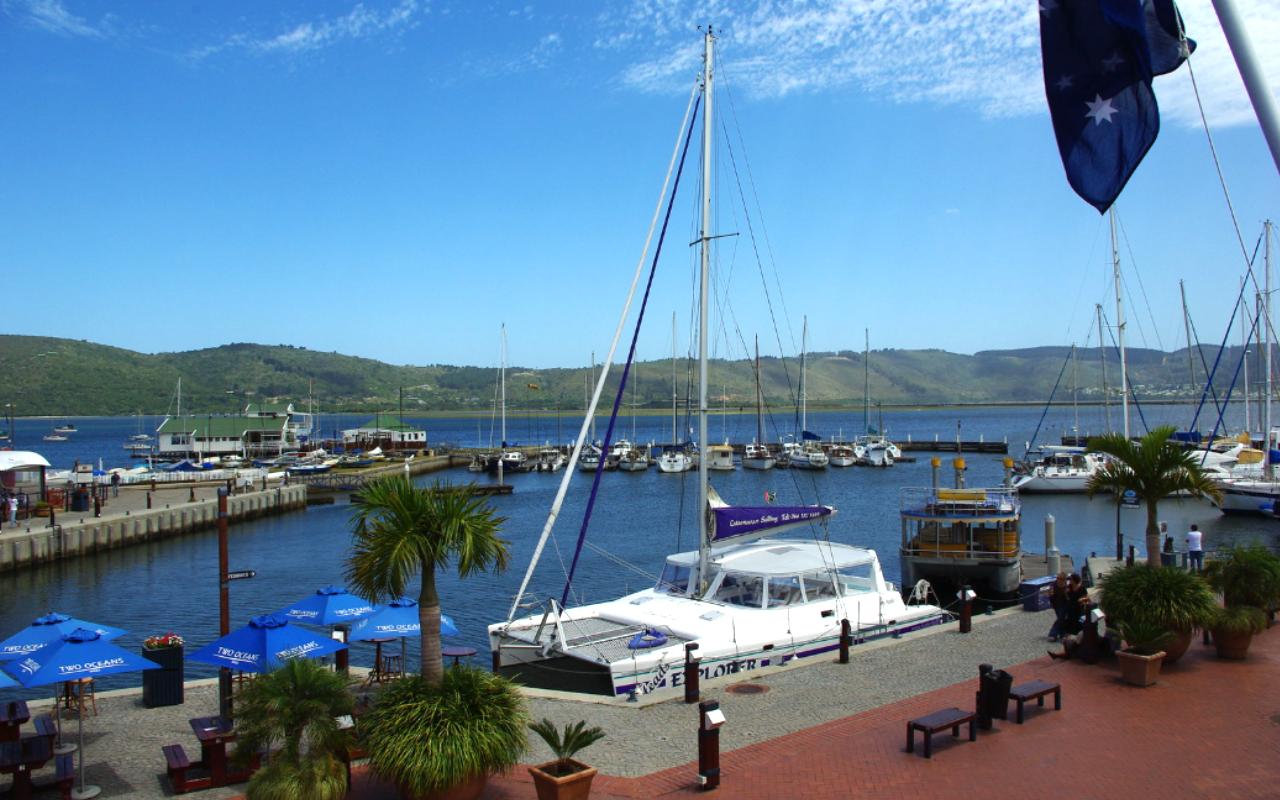
Knysna Waterfront
Why the Waterfront Is Popular
The Knysna Quays Waterfront is the bustling tourist hub of the town. It sits right on the edge of the lagoon. Visitors love it for the safe atmosphere, excellent shopping, and unbeatable lagoon views.
Things to Do
You can easily spend a few hours just wandering around this area.
- Browse local boutiques: The shops sell high-quality clothing, art, and local crafts.
- Enjoy waterfront dining: Grab a table right on the water’s edge and enjoy fresh seafood while watching the boats go by.
- Boat departures: Almost all lagoon cruises and sailing charters depart from the Waterfront harbor.
Best Places for Souvenirs
Look out for shops selling items made from local Knysna wood. There are also several stores offering beautiful South African beadwork, pottery, and vibrant fabrics.
9. Taste Knysna’s Famous Oysters
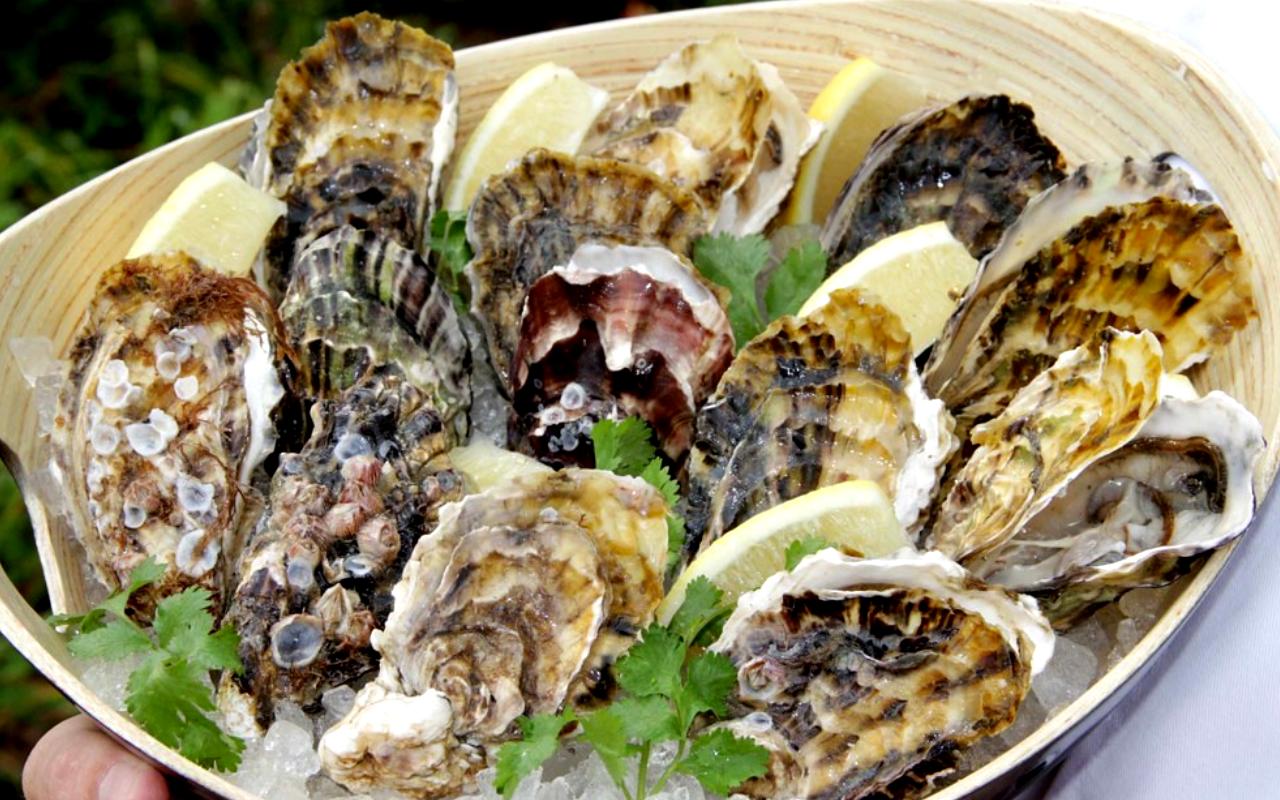
Knysna’s Oysters
Knysna’s Oyster Heritage
You cannot talk about Knysna attractions without mentioning oysters. The town has a rich heritage of oyster farming. The clean, nutrient-rich waters of the estuary create the perfect environment to cultivate large, sweet coastal oysters.
Best Ways to Experience Local Cuisine
If you are a seafood lover, you are in for a treat.
- Oyster tastings: Many local taverns offer tasting platters paired with South African sparkling wine (Cap Classique).
- Seafood restaurants: You will find oysters served fresh, grilled with garlic, or topped with cheese at almost every restaurant in town.
Knysna Oyster Festival
Every winter, the town hosts the massive Knysna Oyster Festival. The 2026 festival is scheduled for 3–12 July. It is a 10-day celebration featuring oyster shucking competitions, wine tasting, live music, and massive sporting events like the Knysna Forest Marathon. It is a vibrant, family-friendly event that brings the whole town to life.
10. Go Hiking Around Knysna
Best Hiking Trails for Beginners
You do not need to be super fit to enjoy Knysna on foot.
- Leisure trails: The walk around Leisure Isle is totally flat, paved, and offers lovely lagoon views.
- Forest walks: The Woodville Big Tree walk is a short 2-kilometer loop that takes you past a massive, 800-year-old Yellowwood tree.
Moderate Hiking Routes
If you want to stretch your legs, try these paths.
- Coastal paths: The Kranshoek Coastal Trail offers dramatic views of the rocky shoreline, though it has some steep sections.
- Viewpoint hikes: The hike up the Western Head at Featherbed Reserve (if you book the tour) is highly rewarding.
Essential Hiking Tips
Always tell someone where you are going before entering the deep forest trails. Cellphone reception can be spotty. Wear sturdy, closed shoes, carry at least a liter of water per person, and pack a light rain jacket as coastal weather changes fast.
11. Adventure Activities in Knysna
If you want to get your heart racing, there are plenty of outdoor thrills.
Kayaking on the Lagoon
Renting a kayak is a brilliant way to explore the quiet edges of the estuary. You can paddle close to the shore and look for birds and marine life. It is safe, calm, and affordable.
Stand-Up Paddleboarding
Stand-up paddleboarding (SUP) is very popular around Leisure Isle and Thesen Island. The water in the canals is flat and protected from the wind.
Mountain Biking Trails
Knysna is a famous mountain biking destination. The surrounding forests have hundreds of kilometers of single-track trails. You can easily rent bikes in town.
Ziplining Experiences
Just outside Knysna, you can find thrilling zipline tours that take you flying over the forest canopy and deep river gorges.
Rock Climbing Opportunities
There are several coastal crags and boulders near the area for experienced rock climbers, though you will need to bring your own gear.
Which Adventure Activities Are Best for First-Time Visitors?
If it is your first visit, stick to kayaking or paddleboarding. They require no prior experience, offer great views, and are safe for older kids and adults alike.
12. Wildlife and Birdwatching Experiences
Birds You Can Spot
The Garden Route is a birder’s paradise.
- Knysna Turaco: This elusive green bird with flashes of red under its wings is the prize sighting.
- Kingfishers: The Malachite Kingfisher and Giant Kingfisher are often seen diving near the water.
- Eagles: Keep an eye on the sky for the majestic African Fish Eagle.
Best Birdwatching Locations
The indigenous forests are great for forest species, but they can be hard to spot in the dense canopy. The wetlands around the Knysna River and the open lagoon areas are much better for spotting waders and water birds.
Wildlife Photography Tips
Bring a lens with at least a 300mm reach if you want to photograph birds. The forest canopy is quite dark, so you will need to push your camera’s ISO up to maintain a fast shutter speed.
13. Day Trips from Knysna
Because Knysna is centrally located, it makes a perfect base camp to explore the rest of the Garden Route.
Plettenberg Bay
Just 30 minutes east, Plettenberg Bay offers stunning, expansive ocean beaches. It is a fantastic place for whale watching (from July to November) and swimming with seals.
Wilderness
A 40-minute drive west brings you to Wilderness. It is known for its vast lakes, endless sandy beaches, and incredible paragliding opportunities.
Tsitsikamma National Park
About an hour away, Tsitsikamma is a dramatic coastal reserve. You can walk across the famous suspension bridges over the Storms River mouth or hike the rugged coastline.
Sedgefield
Only 25 minutes west of Knysna, Sedgefield is a laid-back coastal village. It is famous for the Wild Oats Community Farmers’ Market, held every Saturday morning.
How to Plan a Garden Route Day Trip
Start early in the morning to beat the tour buses. Always check the weather forecast before heading to coastal parks. Keep some cash handy for toll roads and national park conservation fees.
14. Family-Friendly Things to Do in Knysna
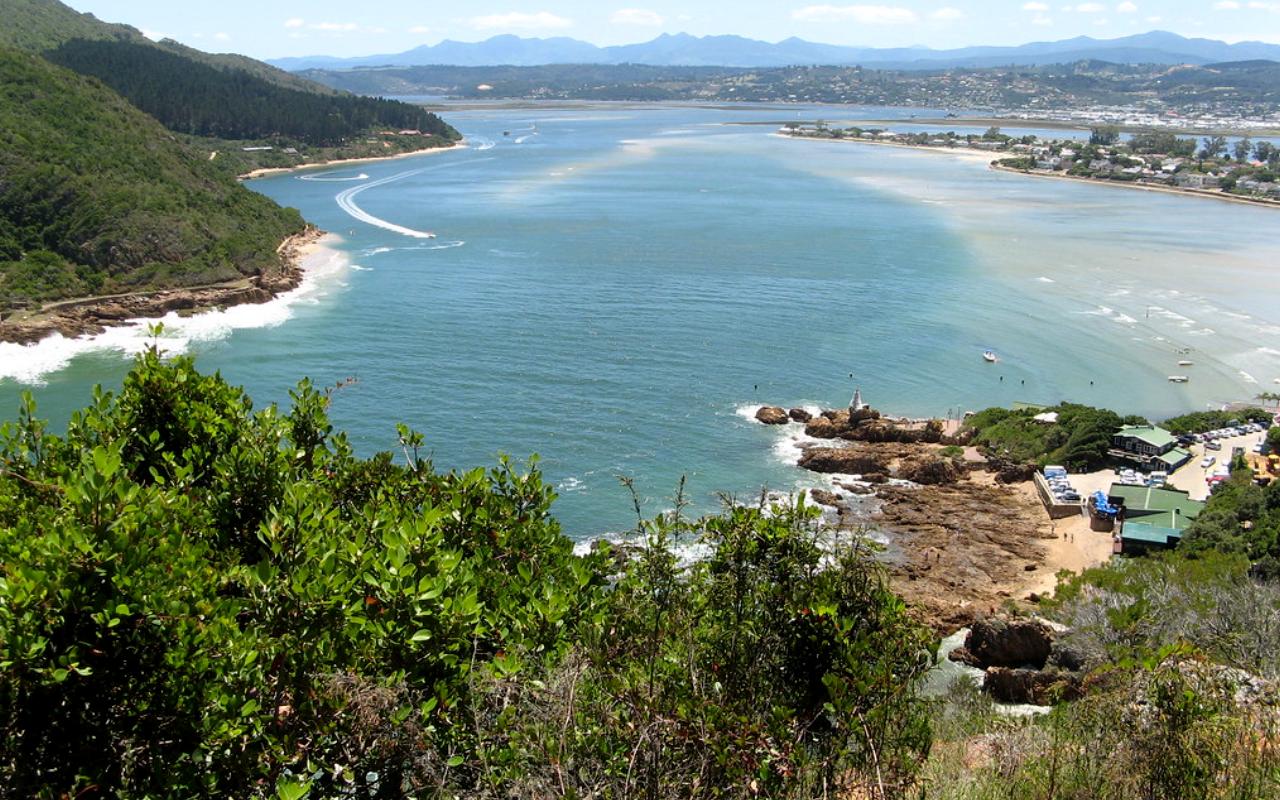
Knysna
Top Activities for Kids
Knysna is highly geared toward families.
- Beaches: Build sandcastles at the calm Bollard Bay beach.
- Wildlife parks: Feed the gentle giants at the Knysna Elephant Park or visit nearby monkey and bird sanctuaries.
- Boat trips: Kids love the pirate-style wooden boats or the big lagoon cruisers.
Educational Attractions
The Garden Route has great educational stops. Take a guided walk in the Featherbed Nature Reserve to teach kids about conservation, or visit the local museums to learn about the town’s timber history.
Family Travel Tips
Book accommodation with a kitchen to save money on meals. Renting a car is essential for families, as public transport is limited. Keep a close eye on children near the Waterfront edge, as there are no railings in some areas.
15. Romantic Things to Do in Knysna for Couples
Sunset Lagoon Cruises
Nothing beats sailing on the lagoon with your partner as the sun sets. Book a private yacht charter or a luxury catamaran trip and enjoy fresh oysters and champagne on deck.
Fine Dining Experiences
Knysna boasts excellent culinary options. Book a table at a top-tier seafood restaurant on Thesen Island. Many places offer intimate, candle-lit dining right beside the water.
Luxury Spa Retreats
Treat yourselves to a couple’s massage. Many of the boutique hotels and resorts in town have world-class wellness centers offering relaxing treatments.
Scenic Viewpoints
Drive up to the Eastern Head viewpoint at twilight. It is a quiet, breathtaking spot to sit together and watch the ocean waves crash below.
Romantic Weekend Itinerary
Spend Friday evening dining at the Waterfront. On Saturday, take the Featherbed eco-tour, followed by a sunset cruise. On Sunday, enjoy a lazy morning coffee on Leisure Isle before heading to the beach.
16. Where to Stay in Knysna
Budget Accommodation
Backpackers and budget travelers will find several clean, highly-rated hostels in the center of town. There are also many affordable guesthouses offering basic amenities and free Wi-Fi.
Mid-Range Hotels
Families and couples will love the mid-range hotels located near the town center or on the edges of the lagoon. They offer comfortable rooms, swimming pools, and easy access to restaurants.
Luxury Accommodation
For a spoil, look at the luxury boutique hotels on the hills overlooking the lagoon. There are also premium 5-star resorts offering private golf courses, spas, and butler service.
Best Areas to Stay
- Waterfront & Thesen Island: Best for being close to restaurants and boat trips. Very safe and walkable.
- The Heads: Offers the best dramatic ocean views, though you will need to drive to town for dinner.
- Leisure Isle: Perfect for families looking for a quiet, safe, and flat neighborhood near a calm beach.
17. Where to Eat in Knysna
Best Seafood Restaurants
Seafood is the main event here. Head to Thesen Island or the Waterfront for incredible line fish, calamari, and prawns.
Waterfront Dining Spots
The Knysna Quays has a strip of bustling restaurants. You can sit outside, enjoy a local beer, and watch the boats dock. It is casual, vibrant, and great for people-watching.
Local South African Cuisine
Don’t miss the chance to try traditional South African food. Look for restaurants serving Bobotie (a spiced minced meat dish), game meats like ostrich or springbok, and traditional braai (barbecue) platters.
Cafes and Breakfast Places
Start your day with excellent coffee. The bakeries on Thesen Island serve incredible pastries, artisanal bread, and hearty farm-style breakfasts.
Vegetarian and Vegan Options
Knysna is very accommodating to dietary needs. Most cafes offer plant-based milk, and many restaurants have dedicated vegan menus featuring fresh, locally grown produce.
18. Suggested 3-Day Knysna Itinerary for First-Time Visitors
Day 1
• Morning: Drive up to the Eastern Knysna Heads. Spend an hour taking photos and enjoying the view.
• Afternoon: Head to the Waterfront and board a 90-minute lagoon cruise to see the Heads from the water.
• Evening: Enjoy a fresh seafood dinner and oyster tasting at the Waterfront.
Day 2
• Morning: Take the ferry to the Featherbed Nature Reserve. Enjoy the 4×4 drive, the guided hike, and the buffet lunch under the trees.
• Afternoon: Drive out to the Knysna forest. Walk the short Jubilee Creek trail and breathe in the fresh woodland air.
• Evening: Relax at a cafe on Thesen Island.
Day 3
• Morning: Visit the Knysna Elephant Park. Take the early morning tour to meet the herd and learn about conservation.
• Afternoon: Pack a picnic and head to Buffalo Bay beach for some swimming and sunbathing.
• Evening: Grab sundowners at a bar overlooking the estuary.
19. Essential Travel Tips for Visiting Knysna
Safety Advice
Knysna is generally a very safe tourist destination. However, practice standard travel safety. Do not leave valuables visible in your parked car. Do not walk alone in dark, unlit areas at night. Stick to well-traveled hiking paths.
Transportation Options
Renting a car is the absolute best way to see the Garden Route. There is no reliable public bus system for tourists. Uber is available but can be scarce during the off-season.
Budget Planning
Knysna caters to all budgets. Activities like the Head and forest walks are very cheap or free. Luxury boat charters and premium dining will push your budget up. Plan to spend about $50 to $100 per person per day, excluding accommodation.
What to Pack
Pack layers. Even in summer, the coastal wind can be chilly in the evenings. Bring comfortable walking shoes, a high-SPF sunscreen, a hat, and a light rain jacket.
Local Etiquette
Tipping is customary in South Africa. A 10% to 15% tip in restaurants is standard for good service. Always be respectful of nature—do not litter in the forests or the lagoon.
Frequently Asked Questions (FAQs)
Is Knysna worth visiting?
Absolutely. It is the jewel of the Garden Route. Its mix of ocean, lagoon, and forest makes it one of the most beautiful and diverse towns in South Africa.
How many days should I spend in Knysna?
You should plan to spend at least 3 days. This gives you enough time to see the Heads, do a boat cruise, visit the forests, and relax on the beach without rushing.
What is Knysna famous for?
It is famous for the Knysna Heads, the massive tidal lagoon, its dense indigenous forests, and its world-class oysters.
Can you swim in the Knysna Lagoon?
Yes, you can swim in designated areas like Bollard Bay on Leisure Isle. However, avoid swimming near the Heads channel due to dangerous and unpredictable currents.
What is the best month to visit Knysna?
March and April are fantastic. The weather is still warm, the wind drops, and the heavy summer tourist crowds have left.
Is Knysna family-friendly?
Yes, it is incredibly family-friendly. There are safe beaches, wildlife sanctuaries, and plenty of easy outdoor activities perfect for children.
What are the best free things to do in Knysna?
Visiting the Eastern Head viewpoints, walking around Leisure Isle, browsing the Waterfront shops, and taking a scenic drive through the forest passes are all completely free.
Conclusion
When it comes to things to do in Knysna, you are truly spoiled for choice. From the dramatic cliffs of the Knysna Heads to the peaceful indigenous forests, this coastal town is a nature lover’s dream. You can fill your days with thrilling boat rides, close encounters with elephants, and lazy afternoons eating the world’s best oysters.
Knysna deserves a dedicated place on every Garden Route itinerary. It perfectly balances outdoor adventure with small-town luxury. Do not rush your visit. Take the time to combine Knysna with nearby destinations like Plettenberg Bay and Tsitsikamma.
Start planning your trip today. Book your accommodation early, pack your walking shoes, and get ready to fall in love with South Africa’s coastal gem.













-
 0115 Best Easy Treks in Nepal for Beginners and Families
 -
 02Best season for Everest Base Camp Trek
 -
 03Best Time to Go Hiking in Nepal: A Seasonal Guide for Trekkers
 -
 04Suchi Purja –Wife of Nirmal Purja aka Nims Dai
 -
 05Dubai desert safari outfit ideas
 -
 06Top Beaches in Sri Lanka
 -
 0710 Best Easy Treks in Nepal