
Now Reading: Things to Do in Pretoria: A Comprehensive Travel Guide
-
01
Things to Do in Pretoria: A Comprehensive Travel Guide

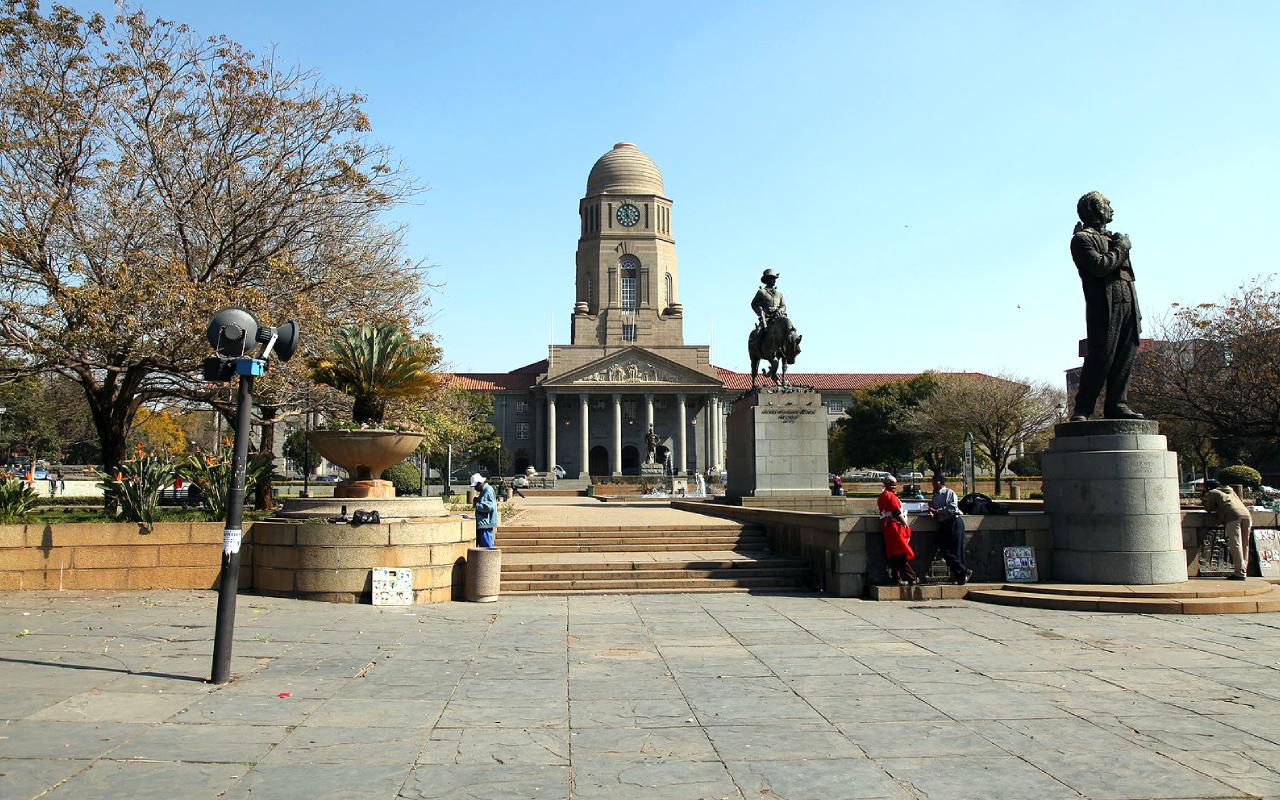
Pretoria, the capital of South Africa, popularly referred to as Jacaranda City, is a relaxing and culturally diverse tourism destination that offers a wide range of experiences for visitors.
The city is characterized by its tree-lined streets, which turn purple in spring, and a blend of history, nature, and contemporary city living in an easily navigable way.
Heritage sites, green spaces, and local experiences offer visitors a wide range of Things to Do in Pretoria, and many of these attractions can be found throughout the city.
Pretoria has several historical landmarks at its core, which depict the complicated history of the country. Sights such as the Union Buildings, Voortrekker Monument, and Church Square provide visitors with a clear understanding of the political and cultural progress in South Africa.
These locations are not only crucial in terms of their history, but also in terms of architecture and panoramas. By taking a stroll through these locations, visitors will be able to identify with the city as well as experience open spaces and the city landscape. This makes exploring the city easy and enjoyable for every visitor.
Outside of history, Pretoria is unique in terms of natural attractions. There are parks, gardens, and reserves near the city where visitors can have a rest or explore.
The Pretoria National Botanical Garden is also a relaxing place to enjoy walks and picnics, and the Groenklof Nature Reserve is an opportunity to view wildlife within minutes of being in the city.
The opportunity to experience a safari with ease is considered one of the most peculiar features of visiting Pretoria, as a Big Five reserve can be found within the greater Tshwane area.
There are also unique Things to Do in Pretoria related to food and culture, as the city continues to develop its local scene. Local markets, casual restaurants, and traditional foods such as braai and biltong provide the visitors with a sample of what everyday life in the country is like.
The city is not as busy as the bigger destinations, hence it is suitable for those who want a relaxed and comfortable atmosphere.
In general, Pretoria is a place of synthesis between culture, history, and nature, without being overwhelming. You can enjoy the city in many rewarding ways, whether you are a museum enthusiast, an outdoor adventurer, or just a local experience.
Here are some of the best Things to Do in Pretoria you should not miss.
Why Visit Pretoria?
Pretoria offers a unique blend of history, architecture, and nature, with many Things to Do in Pretoria for every type of traveler. Known as the “Jacaranda City”, its leafy streets burst into purple bloom each spring (October–November).
It’s South Africa’s administrative capital, one of three national capitals, so you’ll see stately government buildings and many foreign embassies. At its heart are landmarks like the Union Buildings (the president’s offices, atop Meintjieskop) and the Voortrekker Monument, both iconic National Heritage Sites. These alone make Pretoria worth visiting.
Pretoria is also culturally rich: there are numerous museums and memorials (Paul Kruger’s House, the Ditsong museums, Freedom Park, etc.) that tell South Africa’s story.
And nature lovers rejoice, the city has an impressive botanical garden, two large game reserves (Groenkloof and Dinokeng), and abundant parks.
Uniquely, Tshwane is “the only city in the world” with a Big 5 game reserve within its bounds (Dinokeng). This means you can spot a lion, an elephant, or a rhino just outside the city.
In short, Pretoria is a “naturally exciting, cultural and cosmopolitan destination” with urban life and quick access to wildlife and scenery. The city is also relatively quiet and safe compared to some big cities.
English and Afrikaans are widely spoken, and most tourists find Pretoria welcoming and easy to navigate. In the tables and sections below, you’ll find detailed tips on what to see and do, from historic sites to local cuisine to practical travel advice.
Top Historical Attractions in Pretoria
Pretoria’s history comes alive in its monuments and museums, making it one of the most interesting Things to Do in Pretoria for history lovers.
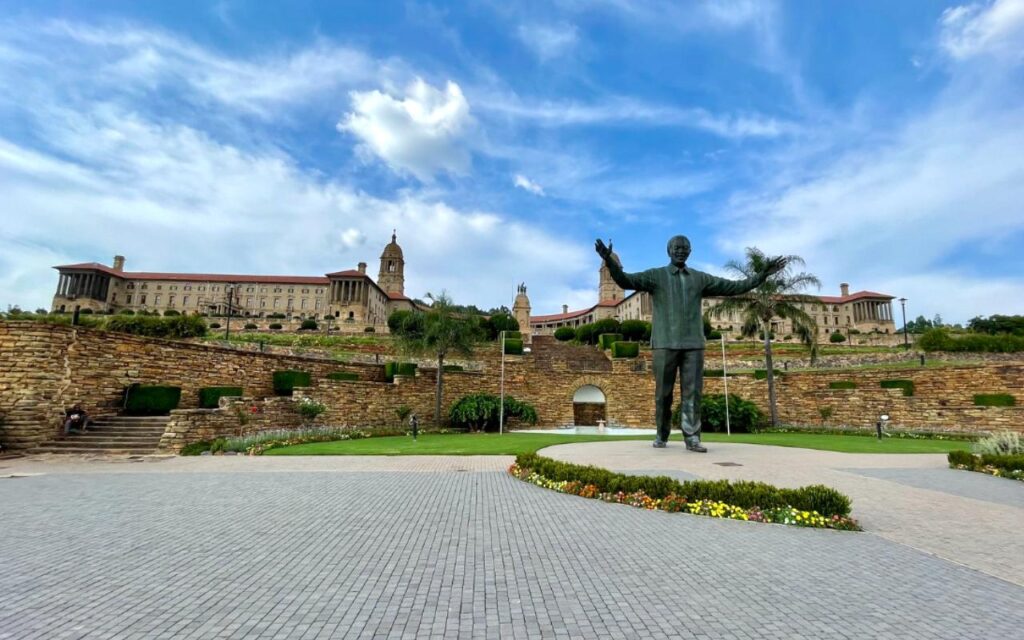
Union Buildings (Arcadia), the impressive sandstone Union Buildings form the official seat of South Africa’s government.
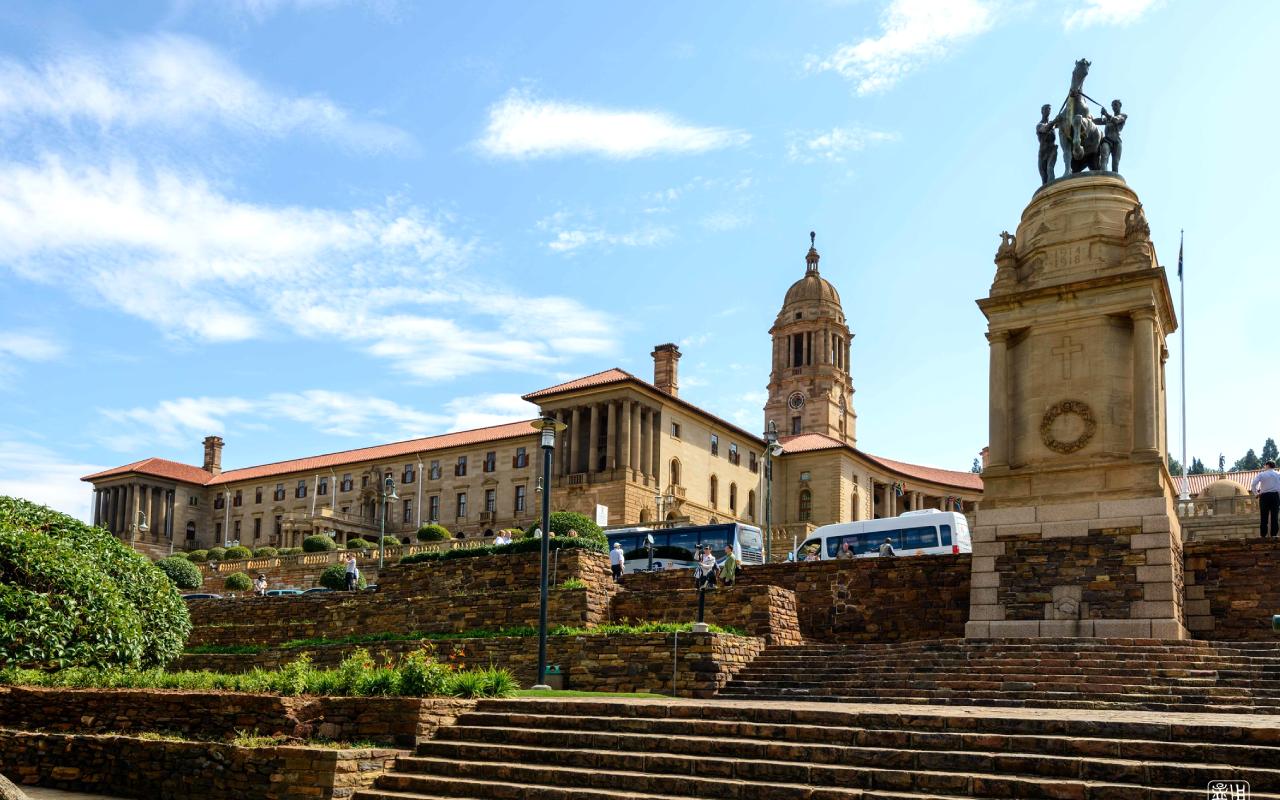
Union Buildings
Designed by Herbert Baker, their semicircular terraces and gardens (with statues and war memorials) are open to the public.
The Union Buildings are perched on Meintjieskop hill, offering sweeping views of Pretoria. They are a declared National Heritage Site and an iconic symbol of the post-apartheid Rainbow Nation.
Voortrekker Monument (Monument Hill) – This 40m-high granite obelisk, south of the city, commemorates the Boer pioneers (Voortrekkers) of the 1830s-1850s.
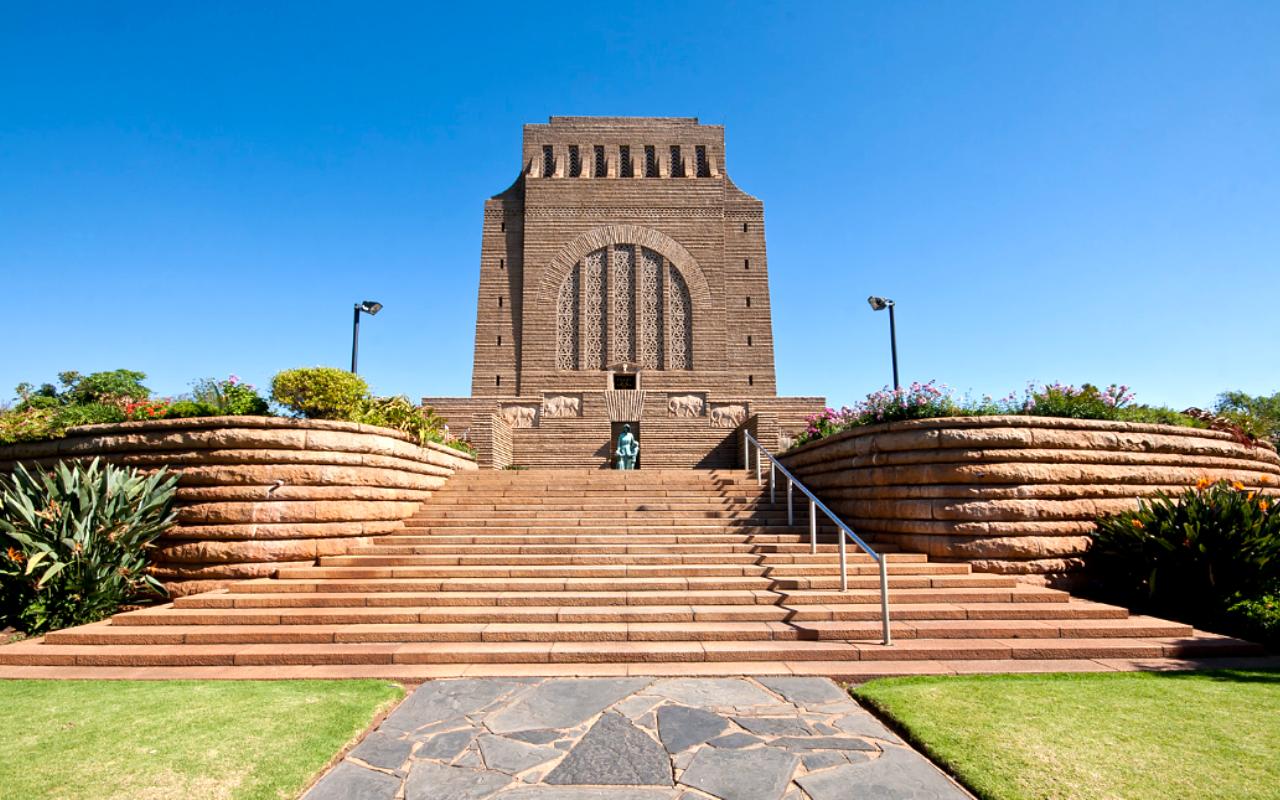
Voortrekker Monument
Built in the late 1940s, it’s also a National Heritage Site. Inside is a huge domed “Hall of Heroes” with a famous marble frieze, and a cenotaph that is illuminated by a sunbeam each December 16th.
From the hilltop, you get panoramic views of Pretoria and the Magaliesberg mountains beyond. The site is open daily for tours.
Kruger House Museum (Church Square) – The elegant late-19th-century house of President Paul Kruger (the first president of the South African Republic) is now a museum.
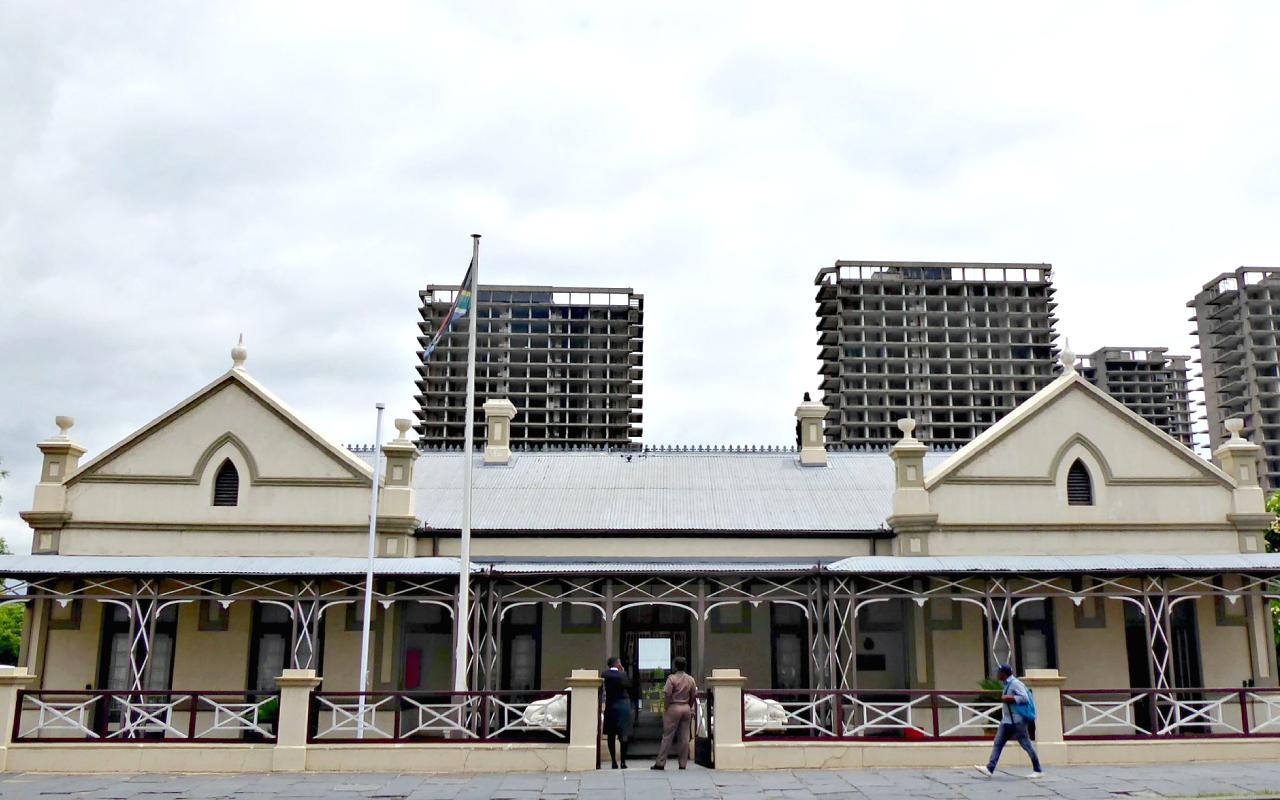
Kruger House Museum
The “Krugerhuis” contains Kruger’s original furniture and personal effects, giving a sense of life in Pretoria circa 1900. It’s located at Church Square, Pretoria’s historic plaza, which also features the statue of Paul Kruger.
Freedom Park (Salvokop) – A powerful memorial on a 52-hectare hill site, Freedom Park celebrates South Africa’s journey “from history to freedom”.
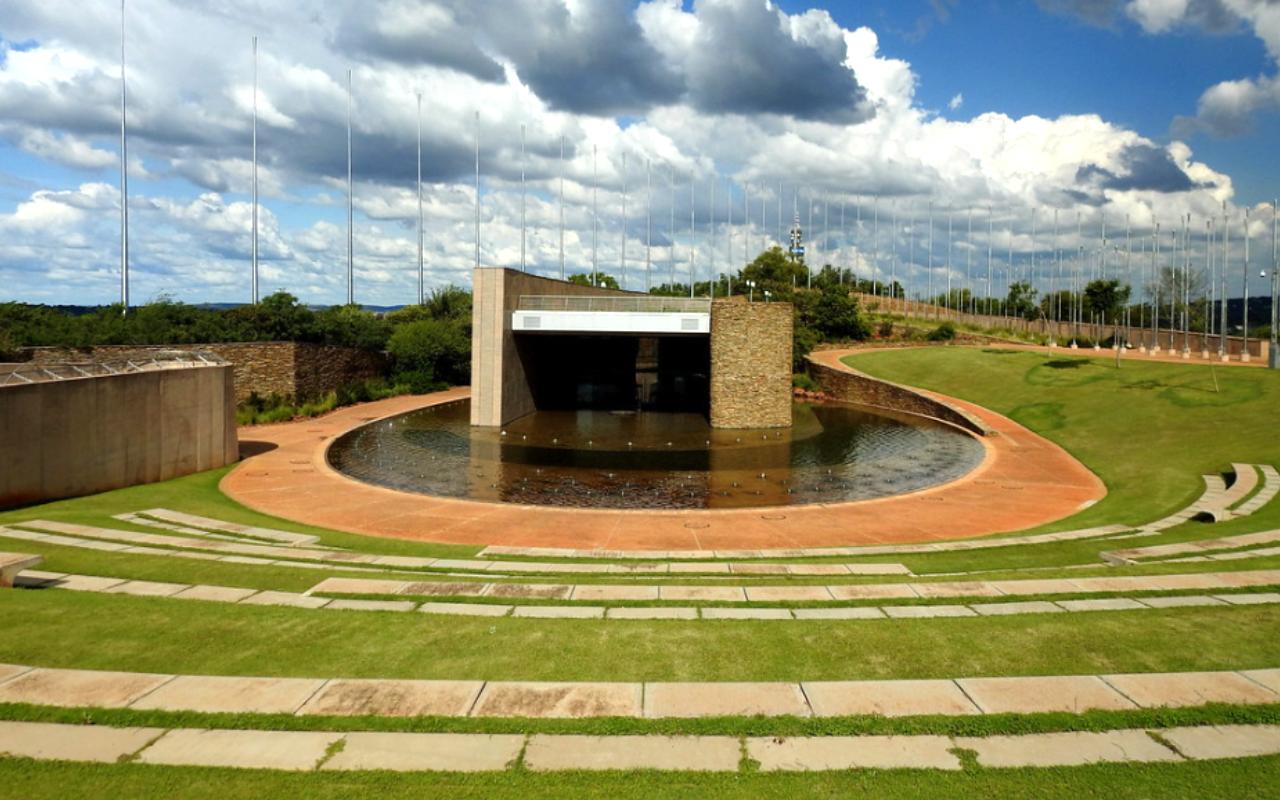
Freedom Park
It includes the //Hapo Museum, the Garden of Remembrance (to freedom fighters), and a long wall inscribed with the names of 30,000 people who died in conflicts (the Wall of Names). From Salvokop, there are spectacular city views. Freedom Park embodies the struggles of Apartheid and celebrates democracy (the name //hapo means “dream”).
Other Historical Sites: Don’t miss Melrose House (former Boer War HQ, treaty site), the National Cultural History Museum (Visagie St, showing San rock art and Iron-Age artifacts), and the Ditsong National Museum of Natural History (Transvaal Museum) near Kruger House, with famous fossils and taxidermy.
The South African Reserve Bank and State Theatre (near Church Square) are also heritage landmarks. The Old Raadsaal (now City Hall) and historic University of Pretoria campus (e.g., Ou Raadsaal, Tukkies) are charming for architecture buffs. Each site offers guided tours or exhibits to enrich your understanding of South Africa’s past.
Nature and Outdoor Activities
Pretoria is surprisingly green, with parks and reserves in and around the city, offering relaxing Things to Do in Pretoria for nature lovers.
Pretoria National Botanical Garden (Faerie Glen), this 76-hectare SANBI garden was founded in 1946 and showcases indigenous flora. A 35m-high quartzite ridge (Cussonia Rock) divides the garden; you can hike or follow a paved trail to panoramic views.
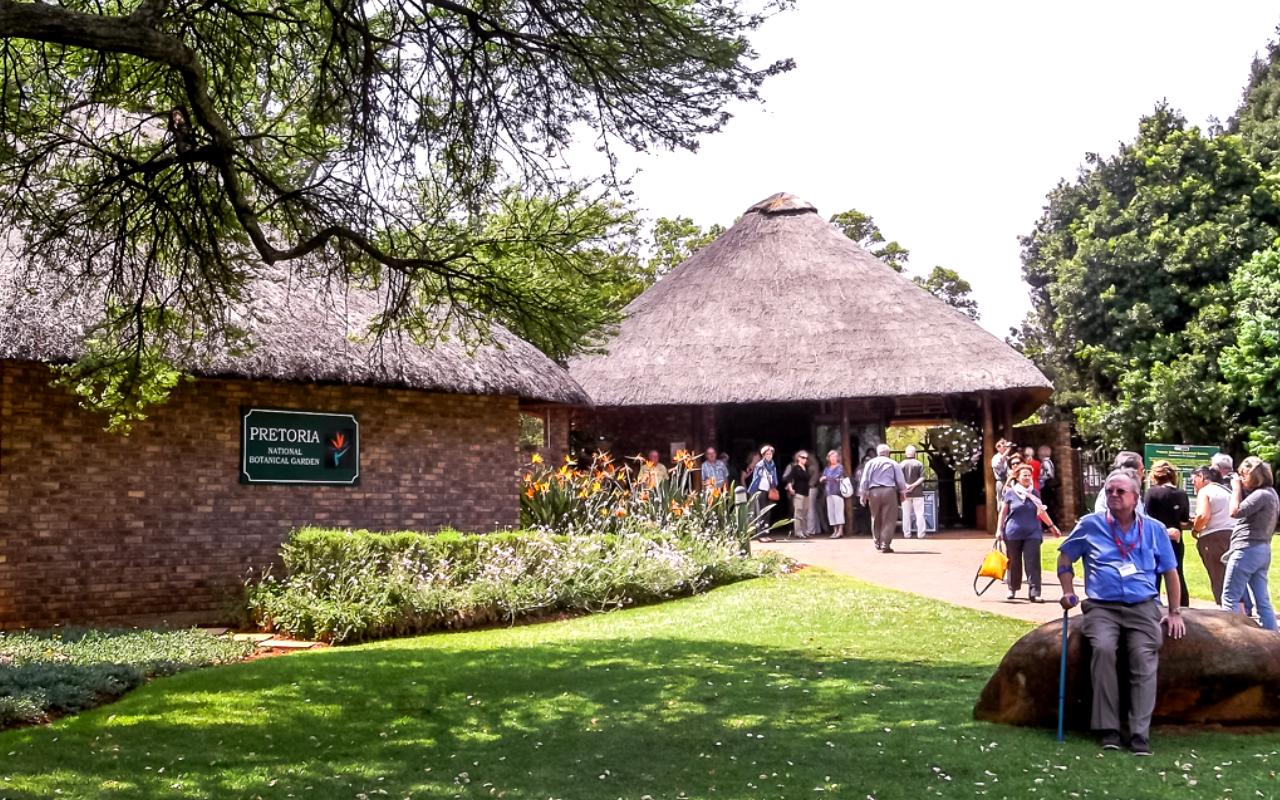
Pretoria National Botanical Garden
Below are landscaped sections of savanna and forest plants (aloe fields, forest trail, cycad garden, etc.). The garden has picnic spots, braai (barbecue) areas, a bonsai garden, and a restaurant. It’s a free or low-cost entry.
Groenkloof Nature Reserve – Only 10 km south of downtown, Groenkloof (600 ha) was declared the first game sanctuary in Africa (1895). Today, it has hiking/biking trails and lowveld game introduced since 1999: zebra, impala, kudu, wildebeest, and giraffe.
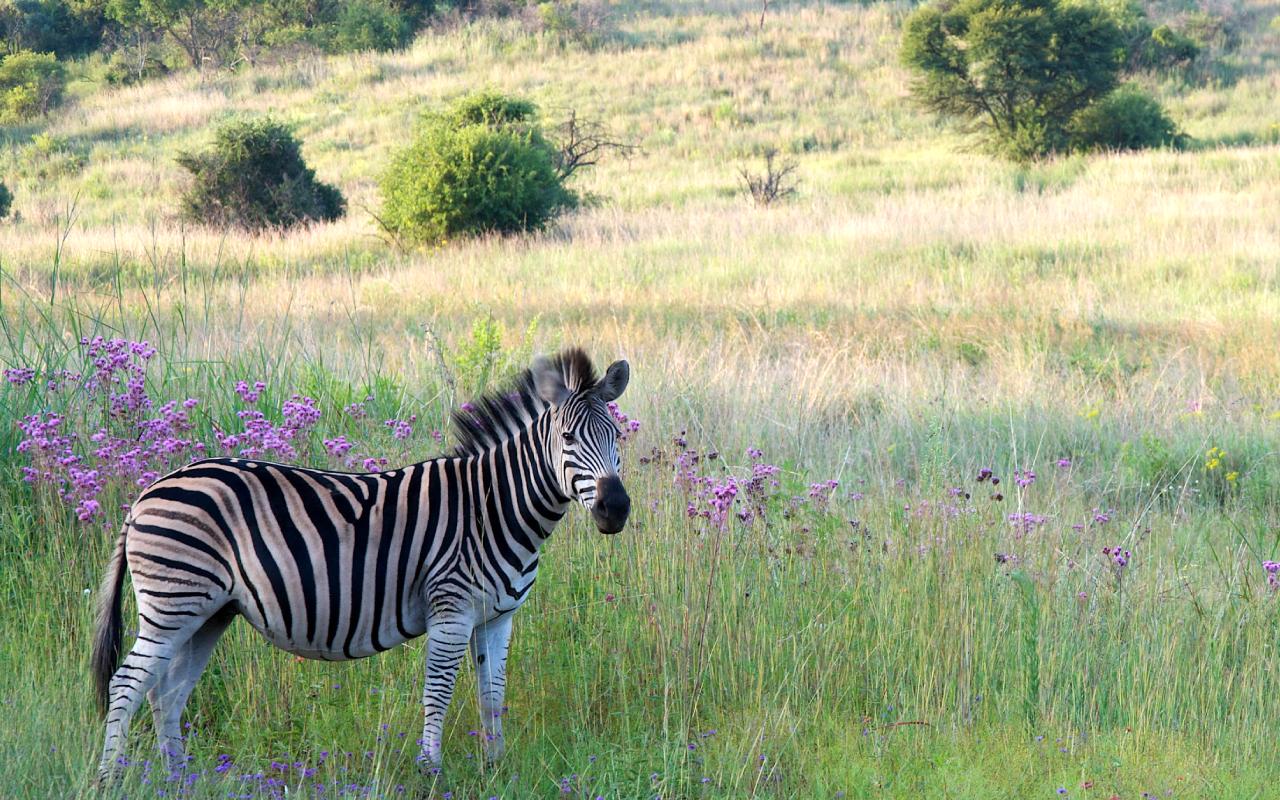
Zebra Spotted at Groenkloof Nature Reserve
You can self-drive through the reserve or join a safari tour. The reserve is open for day visits (summer 05:30–19:00, winter 07:00–18:00). It’s a great half-day adventure to see wildlife and birds.
Wonderboom Nature Reserve – In the northern suburbs (in Pretoria city limits) lies the Wonderboom Reserve, named for the giant Wonderboom fig tree grove.
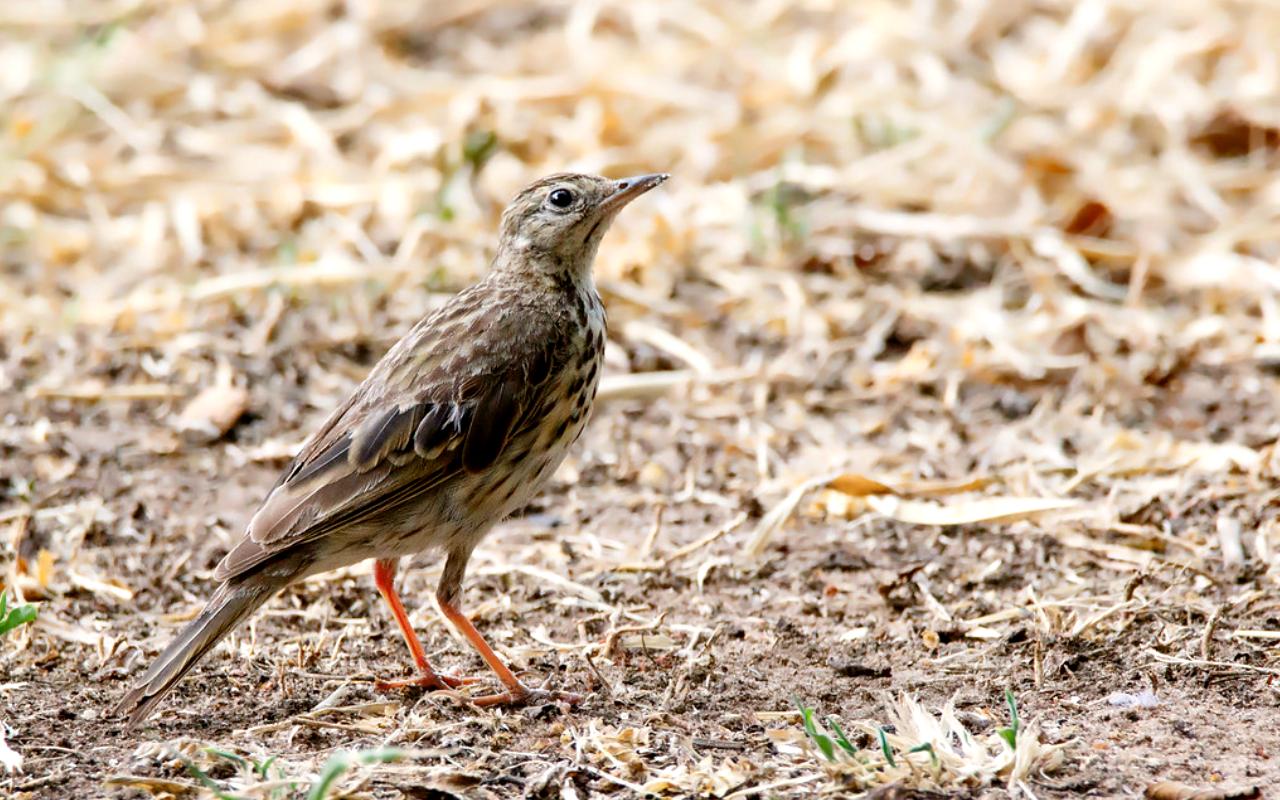
The original Wonderboom (“marvel tree”) is over 1000 years old, with a complex of multiple trunks. A trail circles this tree.
For views, hike up to the Fort Wonderboompoort ruins on a nearby hill: from there, you see the city below. The reserve has picnic spots, a nursery, and on weekends, you can do skydiving at a drop zone nearby. (Open 07:00–18:00, daily.)
Jacaranda Season: One of Pretoria’s most beloved outdoor spectacles is the jacaranda bloom in spring. From late September through October, the streets (like Lynnwood Road) and parks turn purple. Driving or walking down a jacaranda-lined road is unforgettable, and people often schedule city tours or photography walks in mid-October.
Outdoor Activities: Other possibilities include birdwatching at the Walter Sisulu Bird Sanctuary (on the southern side of Groenkloof), cycling along the Moreleta Spruit river paths, or scenic drives to nearby spots (the Magaliesberg foothills, or Hartbeespoort Dam, about 45 min away).
The city also has several golf courses, picnic sites, and, of course, Lion & Rhino Park and Rhino & Lion Nature Reserve, a bit further out for more big-game encounters.
In summer, outdoor cultural events and open-air concerts often take place at the Brooklyn Theatre or the Fountains Valley. Many locals also enjoy an early-morning jog up Meintjieskop to the Union Buildings.
Cultural and Museum Experiences
Pretoria has a wealth of museums and cultural attractions, many free or low-cost, making them important Things to Do in Pretoria for cultural exploration.
Ditsong Museum of Cultural History – Housed in the former SA Mint building (Visagie Street), this museum explores South Africa’s diverse heritage. Exhibits include San rock paintings and 1,000-year-old Iron Age figurines (Schroda culture).
The Marabastad exhibit recreates old market life. This museum tells stories of indigenous peoples, colonialism, and urban heritage. It’s worth a couple of hours.
Melrose House (Pretoria) – A beautifully restored Victorian mansion built in 1886, Melrose House became the British military headquarters in the Second Boer War.
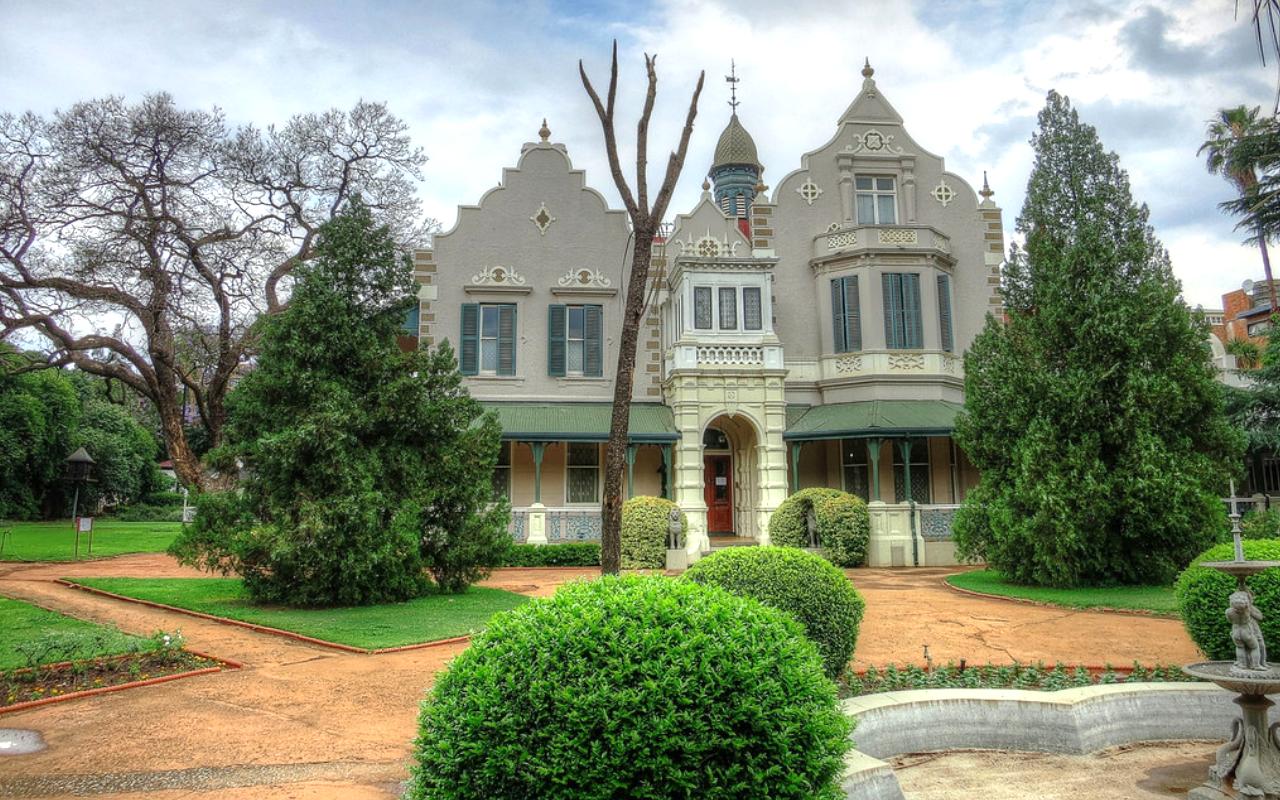
Melrose House
On 31 May 1902, the Peace Treaty (Treaty of Vereeniging) was signed here, ending the war.
Today it’s a museum with period furnishings; you can see the very table where the treaty was signed. Gardens and a tea room offer a slice of colonial elegance. It’s located opposite Burgers Park.
Other Cultural Sites: The National Zoological Gardens of South Africa in Pretoria (85 ha) is more than a zoo; it’s also a botanical collection and research center. As the country’s largest zoo (and only one with “national status”), it houses 9,000 animals from 700 species, from elephants and lions to penguins and komodo dragons.
The aquarium and nocturnal house are popular. The adjacent Pretoria Bird Gardens (Austin Roberts Bird Sanctuary) is free and open daily for bird lovers (one of the largest in Africa with 900 birds).
The Pretoria Art Museum (Lynnwood Road) has a strong collection of 19th–21st-century South African art (especially Afrikaner works). Nearby, the ZAR (Government) House (on Church Square) and the Presidential Mansion (Mahlamba Ndlopfu) are photo-op sites (though closed to the public).
Also consider the House of South Africa delegation exhibits, or an evening at the South African State Theatre if there’s a performance (drama, ballet, opera).
Cultural Events: Pretoria hosts festivals like the Pretoria Arts Festival, Jazz in July, and traditional markets. On Saturdays, markets like the Faerie Glen Farmers Market or Hazel Food Market bring local foods and crafts.
Don’t miss a chance to sample local music (goeie ou Pretoria rock or Afrikaans folk) and theatre, the Barnyard Theatre in Brooklyn often has musicals.
Things to Do in Pretoria for Different Travelers
Pretoria’s broad appeal means there’s something for everyone:
For Couples: Enjoy romantic strolls in the Union Buildings gardens or a sunset picnic at Pretoria National Botanical Garden. Take a scenic drive up Jan Celliers Park for city views, or hike the Wonderboompoort hill.
Dine at intimate Pretoria eateries (e.g., Loftus or Hatfield area restaurants) serving biltong, boerewors, or fine wines. Culture buffs can tour Freedom Park or the art museum together. Evening ideas: a musical at the Barnyard Theatre, or a craft beer tasting (Pretoria has a growing craft brewery scene).
For Families: Kids love the Pretoria Zoo and the De Wildt Cheetah Centre (north of Pretoria), as well as the interactive Science Centre at Wonderboom. The National Zoological Gardens also has a large playground and fun events. Groenkloof Reserve offers easy animal-spotting drives and picnic areas.
History- and nature-themed outings (Kruger House Museum, Horse Memorial, botanical garden, or the Snake Park) entertain younger visitors. The weekly Kitchener’s Car Boot Market (Saturday) is family-friendly, with toys, clothes, and tasty treats.
For Solo Travelers: Pretoria is safe and laid-back for solo exploration. Early-morning walking tours (church square, city monuments) or bike rentals can be fun. The A Re Yeng bus system is easy to learn. Solo hikers enjoy Groenkloof trails or riding the Pretoria Zipline in Ruimsig (nearby).
Join a game drive at Dinokeng or a Johannesburg city day trip from Pretoria. Couchsurfing and youth hostels in the Hatfield/Arcadia areas have backpacker vibes. Even just café-hopping (with strong South African coffee) or joining a local braai (BBQ) meet-up can lead to new friends.
For Budget Travelers: Many top Pretoria attractions are free or low-cost. Public gardens (Union Building lawns, Burgers Park, Hazeltine Park) and walking tours of jacaranda streets cost nothing. The Ditsong museums have modest fees; Church Square and the Paul Kruger statue are free.
Use the free Hatfield–CBD Gautrain shuttle and inexpensive Uber/taxi rides. Eat affordably by grabbing takeout bunny chow (hollowed-out bread with curry), and shopping at local markets or Spartan restaurants like Mzoli’s or Maders Butchery. Stay in hostels or guesthouses around Brooklyn or Hatfield. Pretoria in late winter (May–Aug) has lower rates and comfortable weather.
Food and Local Experiences
Pretoria’s culinary scene reflects South Africa’s diversity. You must try classic Afrikaner fare: braaivleis (barbecue meats) and biltong (spiced dried beef). Many family-run braai spit restaurants (like Muckleneuk Mall’s Angus Grill) serve generous boerewors (sausage) rolls and steaks.
Maders Traditional Restaurant in Middelburg also has hearty boerewors and pap (maize porridge) with sosaties (kebabs). For a sweet treat, have a slice of melktert (creamy milk tart) or koeksister (fried dough in syrup) at a coffee shop.
Pretoria has been growing in cafes and international flavors, too. The Brooklyn and Menlyn suburbs have trendy brunch spots and gourmet burger joints. The Pretoria East area (Lynnwood/Lynnwood Bridge) has Asian restaurants (Cape Malay curries, sushi, Chinese).
Don’t miss trying a bunny chow, a hollowed loaf of bread filled with curry (a Durban specialty now popular citywide).
For local markets: Hazel Food Market (Saturdays, Lynnwood) offers global street foods (Mexican, Indonesian, South African snacks) and craft beers. Faerie Glen Farmers Market is more upmarket with organic produce and live music.
Mzansi African Restaurant (Muckleneuk) is a traditional restaurant offering real traditional food (mielie pap, chakalaka, stews) in a small setting. Parks or zoo (weekends), outdoor braais are fun, social gatherings.
Local Etiquette: South Africans are informal and friendly
Local Etiquette: South Africans are friendly and informal. Greet with “Howzit” or shake hands. Tipping 10–15% in restaurants is customary; even in street food or bars, you can round up.
Most people speak English, but knowing a few words in Afrikaans or Zulu is appreciated. Dress is casual in summer (warm), and layers in winter (June–Aug can be cool, 5–20°C).
Shopping and Local Markets: Shopping in Pretoria caters to all tastes and is one of the more relaxed Things to Do in Pretoria for visitors. For mall shopping, Brooklyn Mall and Menlyn Park (the largest in Africa) have international brands and department stores.
For arts and crafts, visit the Feather Market Centre in Church Square (bargains on souvenirs, beadwork, wool scarves). The Tatham Art Gallery (in the CBD) also has a gift shop with local art.
Weekly markets are Pretoria’s social hubs. The @The Sheds Food & Craft Market (Robinson Dell, Centurion – Wednesdays) is known for fresh produce and crafts.
The Sunday Kuns & Knips Flea Market (Faerie Glen) and Sat Parkview Barnyard Theatre Market have antiques, clothing, and homemade goods. The mention of “Farmers Markets” on TripAdvisor highlights their popularity.
Unique finds: Pretoria has an Antiques Row (Veritas Hill) for vintage décor. The Kirbytown craft centre near Burgers Park sells Ndebele beadwork and Zulu baskets at wholesale. Techies can browse gadgets in the north suburbs (Menlyn Mega Mall’s electronics section).
The local currency is the rand (ZAR); credit cards are widely accepted. ATMs and currency exchange kiosks are easy to find. Always carry some small bills for market purchases or street food.
Best Time to Visit Pretoria
Pretoria has a mild, subtropical climate.
Spring (Sept–Nov) is ideal: jacaranda trees bloom (usually October), gardens look lush, and temperatures are warm (25–30°C). There is occasional rain in late summer, but generally, the skies are clear.
Summer (Dec–Feb) is hot (up to 30–35°C) and wet, with afternoon thunderstorms – perfect for travelling if you like lush landscapes (and time museums in the afternoons).
Autumn (Mar–May) offers mild, dry days and cooler nights (20–25°C), with beautiful fall foliage in jacarandas and oaks.
Winter (Jun–Aug) is dry and cool (5–20°C), often with cold early mornings. Johannesburg’s inland summers and winters apply to Pretoria.
For festivals: Pretoria has events like Jacaranda Day (late Oct) and the Aardklop arts festival (Sept). During July, the city hosts the Pretoria Jazz Festival and the Winterverlore market. Off-peak travel (May–Aug, or Jan before Easter crowds) can mean lower hotel rates.
Avoid the busiest exam months (Oct/Nov) when student hostels fill up. In short, spring and autumn are most comfortable for sightseeing, but any time is fine if you plan around the weather and events.
How to Get Around Pretoria
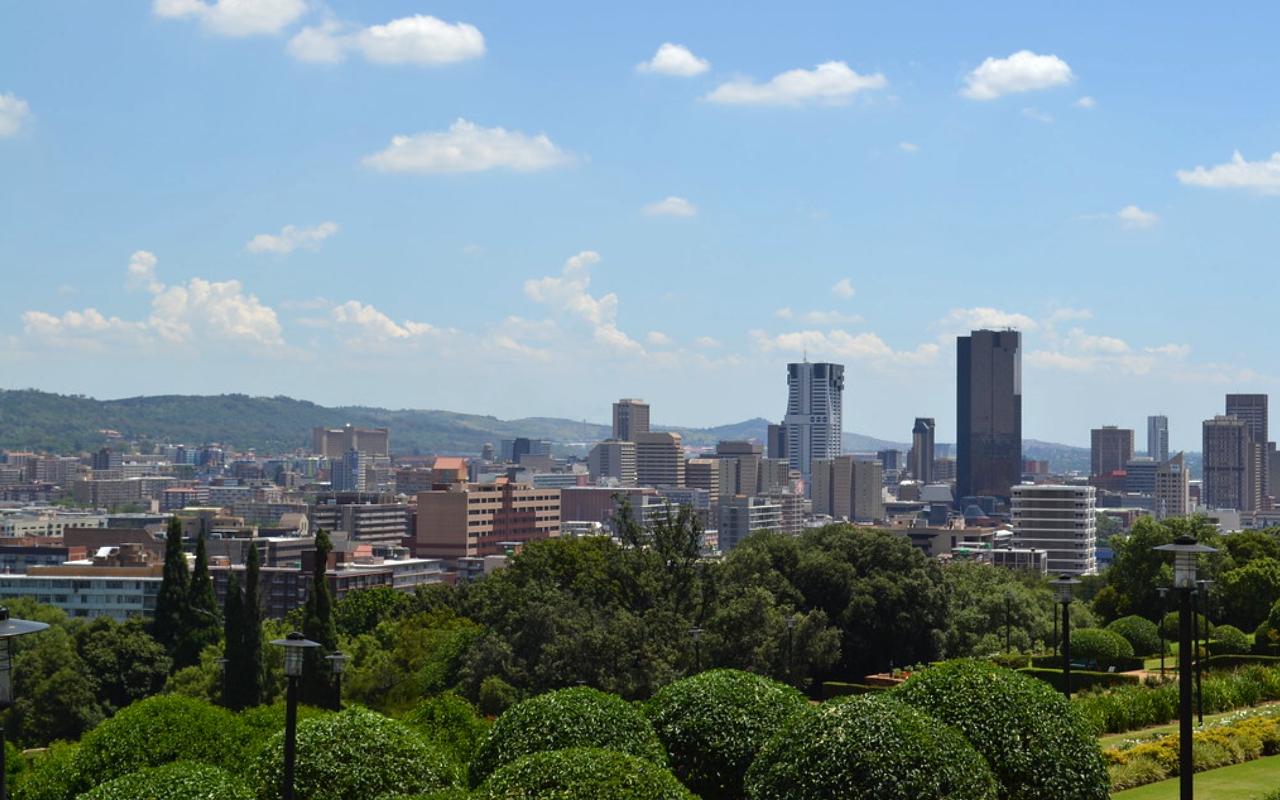
Pretoria
Pretoria is easy to navigate by car, but public transit and taxis are also good. The A Re Yeng Bus Rapid Transit (BRT) system has free city-center shuttles and routes linking Hatfield, Sunnyside, and the CBD. These purple buses are frequent, safe, and run 05:30–22:30. Importantly, the BRT connects Hatfield Station to downtown (Hatfield has Gautrain).
The Gautrain rapid rail has a Pretoria hub at Hatfield (5 minutes south of the Union Buildings). It links Pretoria to Johannesburg (Park Station) and O.R. Tambo Airport.
From Hatfield, free Gautrain shuttles run through the city center (M.F. Hub when open). This is the fastest way to reach Jo’burg attractions or the airport (15 min to Kempton Park).
For short hops, Uber and metered taxis are plentiful and inexpensive in Pretoria. Rental cars are also common, and highways (N4, N1) connect Pretoria to Johannesburg, Sun City, and other provinces.
Roads in the city are wide and grid-like (with few confusing turns), and almost all signs are in English. If driving, note that the law requires an up-down pressure for height (no obstructions between the Voortrekker Monument and the Union Buildings).
Cycling is popular among locals: the city has some bike lanes, but beware of traffic on major roads. Walking tours around Church Square or the University of Pretoria campus are pleasant.
Safety tip: walk in groups at night, stick to busy streets, and consider a taxi after dark. Always carry water, sunscreen, and a hat, especially in summer. Pretorians are friendly, so asking directions is easy in case you get lost.
Suggested 2-Day Itinerary
Day 1 (Historic & Cultural):
- 08:00–09:00: Breakfast in Arcadia (South African coffee and pastries).
- 09:00–11:00: Explore Church Square: see the Paul Kruger statue and the old Raadsaal. Walk to the Kruger House Museum.
- 11:00–13:00: Head to Union Buildings (via Thabo Sehume Street): tour the gardens and view the presidential lawns.
- 13:00–14:00: Lunch at a nearby braai restaurant (e.g., Muckleneuk Angus Grill).
- 14:00–16:00: Drive to Voortrekker Monument on Monument Hill (10 min south): climb the steps and tour the Hall of Heroes. Panoramic city views from above.
- 16:00–17:30: Visit Freedom Park (Salvokop): guided tour of the //hapo Museum and memorial (sunset views over the city).
- 18:00: Dinner in downtown Hatfield (e.g., Greek or Middle Eastern food).
Day 2 (Nature & Museums):
- 08:00–09:00: Quick breakfast; drive to Pretoria Zoo (southern suburbs). See big cats, elephants, reptile house.
- 09:00–10:30: Walk through the National Zoological Gardens (it’s massive – pick highlights like the Aquarium and Bird Aviary).
- 11:00–12:30: Stroll through Pretoria National Botanical Garden (climb Cussonia Rock for city views).
- 12:30–13:30: Picnic lunch in the garden or nearby café (braai packs or sandwiches).
- 13:30–15:30: Visit Ditsong National Museum of Natural History (fossils) or the National Cultural History Museum on Visagie Street.
- 15:30–17:00: If time permits, drive to Wonderboom Nature Reserve (north): see the ancient fig tree and the small Fort ruins for a short hike.
- 17:00–18:00: Relax at your hotel; consider an outdoor braai if available.
- 18:00: Dinner in Brooklyn (South African tapas or pub meal).
Suggested 3-Day Itinerary
Day 3 can add neighboring attractions:
Day 3 (Outbound Excursion):
- 07:00–08:00: Early departure for Cullinan Diamond Mine (20 min NE): tour the Big Hole museum and mine, see the original Cullinan Diamond. Lunch in Cullinan (mall shops or bakeries).
- 10:00–12:00: Drive through Dinokeng Game Reserve (40 min north): a self-drive safari for Big Five (zebra, giraffe, lions). Stop at a waterhole if possible.
- 12:00–14:00: Picnic lunch at Dinokeng (reserve rest camp) or snack at Cullinan.
- 14:00–16:00: Return to Pretoria; visit an art museum (Pretoria Art Museum) or enjoy coffee in the pretty Brooklyn suburb.
- 16:00–17:00: Last-minute shopping at Brooklyn Mall or Feathers Market.
- 18:00: Final dinner: try an upscale South African restaurant (game meats like springbok or ostrich) to cap off the trip.
Safety and Practical Tips
Safety: Pretoria is relatively safe by South African standards, but crime can occur. Take basic precautions: avoid walking alone in dark or unfamiliar areas, especially after 8 pm; keep valuables (phones, wallets) out of sight; use hotel safes; and stay alert in markets or stations.
Use an official metered taxi or Uber; these are inexpensive and traceable. If driving, lock doors at traffic lights. South Africans are helpful, but scammers exist (beware fake charities or unsolicited guides).
Health: No special vaccinations are required for Gauteng province (no malaria risk). Make sure routine vaccines (tetanus, diphtheria, etc.) are up to date. Tap water in Pretoria is generally safe, but many opt to drink bottled water. The sun can be strong; always use sunscreen, a hat, and stay hydrated. Hospitals and pharmacies are good, but ensure travel insurance covers you.
Money & Tipping: South African currency is the rand (ZAR). ATMs are abundant; credit cards (Visa/MasterCard) are accepted nearly everywhere. Carry small bills (10–50 rand) for tips and small purchases.
Tipping 10–15% in restaurants is expected; round up taxi fares (or 10%). Porters and hotel staff appreciate R5–R20 each. For rideshare drivers, a small tip isn’t mandatory but always welcome for good service.
Local Etiquette: English is widely spoken. Greet people with a smile and “Hello” or the local “Howzit”. Conservative dress is fine in most settings; however, Johannesburg and Pretoria are casual cities (jeans and tees). At churches or solemn sites, dress modestly. South Africans tend to be punctual for formal tours and polite at restaurants. A handshake and eye contact are polite.
Weather Packing: For most of the year, lightweight clothing (shorts, T-shirts) and closed shoes are enough; pack a light jacket or sweater for winter nights. An umbrella or rain jacket is handy in summer. If visiting in October (peak jacaranda bloom), evenings can be chilly, so layers are wise.
Conclusion
Pretoria offers a rich mix of experiences, from the glow of spring jacarandas to the solemnity of its monuments and the thrill of Big Five safaris. You can easily spend a weekend sampling its museums and botanical gardens, or extend to a week to explore the surrounding reserves.
First-time visitors will appreciate the city’s walkable historic center and friendly locals. Couples will find romance in the gardens and sunsets, while families have plenty of parks and interactive attractions. Solo and budget travelers can enjoy city markets, free sights, and affordable local eats.
Ultimately, Pretoria stands out as a “lovely, quiet city” with a fascinating story. Its gentle atmosphere belies the national significance of the sites it holds. Wherever your interests lie, history, nature, culture, or cuisine, you’ll find memorable Things to Do in Pretoria.
FAQs
Q: What are the top attractions in Pretoria?
A: Major attractions are the Union Buildings (seat of government), the Voortrekker Monument (historic obelisk), Church Square and the statue of Paul Kruger, Freedom Park, and the National Botanic Garden. Also see the Krueger House Museum, Pretoria Zoo, and a wildlife reserve.
Q: What is so special about the city of Pretoria that it is called the Jacaranda city?
A: Thousands of jacaranda trees bloom purple in the spring in Pretoria and make the streets and parks colorful. This season’s flowers are popular and a tourist attraction (typically in October-November).
Q: When is the best time to go to Pretoria?
A: Spring (September- November) is the best time to enjoy fair weather and jacaranda flowers. Autumn (March–May) is also mild and dry. Summers (Dec–Feb) are hot and showery; winters (June–August) are cool and dry.
Q: Is Pretoria safe for tourists?
A: Pretoria is mostly safe as a tourist destination; however, exercise common sense. Go to crowded places at night, leave the valuables out of sight, and go in registered taxis or Uber (cheap and trackable). Park in safe places and ask hotel staff about the local safety.
Q: What currency and what tipping?
A: South Africa has the Rand (ZAR). There is a wide acceptance of credit cards. Tip 1015 percent in restaurants to be well served. In the case of taxis, you can round or pay 10%. Hotel porters/bellboys are typically paid between R10 and R20 per bag.
Q: What are the outdoor activities?
A: The closest game reserves are Groenkloof (10 min south) and Dinokeng (40 min north), where one can go on a wildlife walk/safari. The bird sanctuary and botanical garden have nature trails. Hiking can be done in the foothills of the Magaliesberg (e.g., Fort Wonderboompoort). Popular ones are cycling, picnics, and urban parks (Burgers Park, Jan Celliers).
Q: Does Pretoria have safari or wildlife tours?
A: Yes. Dinokeng Game Reserve (in Tshwane) is a 40-minute drive and the only Big-5 reserve in Gauteng. You can self-drive or join guided safaris for lions, rhinos, etc. Groenkloof has smaller game (giraffes, zebra). Day-trip safaris to Pilanesberg or Madikwe Game Reserve can be booked from Pretoria too.
Q: Can I see penguins or exotic birds in Pretoria?
A: The Pretoria Zoo has penguins, owls, flamingos, and a large nocturnal house. Nearby, the Rietvlei Wetland Reserve and Austin Roberts Bird Sanctuary house native waterbirds and raptors. (The nearby Johannesburg Walter Sisulu Bird Sanctuary is also a top birding spot.)
Q: What’s a good 2-day itinerary for Pretoria?
A: A sample itinerary: Day 1 – Union Buildings and gardens, Church Square/Paul Kruger statue, Kruger House, then Voortrekker Monument and Freedom Park. Day 2 – Pretoria Zoo and Botanical Garden in the morning, followed by Ditsong museums (Natural or Cultural History) and the Wonderboom Reserve. Adjust for your pace.
Q: What is the local cuisine like?
A: Pretoria cuisine is classic South African: barbecued meats (braai), boerewors, biltong (dried beef), and pap (maize porridge). Try bunny chow (curry in bread) and Mrs. Ball’s chutney. Desserts include melktert (milk tart) and koeksisters (syrupy pastries). Don’t miss Afrikah’s spicy chakalaka sauce with your braai.
Q: How do I get around Pretoria without a car?
A: Use the Gautrain (fast train) between Pretoria (Hatfield Station) and Johannesburg/Airport, and hop on the free Gautrain buses into the city. In town, the purple A Re Yeng buses run key routes. Ubers and metered taxis are affordable. For short trips, walk or use local minibus taxis in business districts.
Q: What languages are spoken in Pretoria?
A: English and Afrikaans are most common in Pretoria, but many South Africans also speak Zulu, Tswana, and other African languages. You can get by in English everywhere; signage is in English and Afrikaans. Learning a greeting like “Dankie” (thank you in Afrikaans) is appreciated.
Q: Do I need any special health precautions?
A: Pretoria is in the Highveld, which is malaria-free. No special vaccines are required beyond routine ones (tetanus, etc.). Tap water in Pretoria is generally safe; use bottled water if unsure. As with all travels, use sunscreen and drink plenty of fluids due to the sunny climate.
Q: How many days should I spend in Pretoria?
A: A minimum of 2 days covers most city highlights (monuments, museums, gardens). For nature reserves and nearby excursions (Dinokeng, Cullinan), 3–4 days is ideal. One week allows a very relaxed pace, including day trips.
Q: What local festivals or events should I check?
A: Pretoria hosts the Aardklop Arts Festival (September), and a big jacaranda-themed festival in October. There’s also Winter JazzFest (July) and smaller food or craft markets on weekends. Check local event calendars as dates can vary.
Q: What souvenirs should I buy in Pretoria?
A: Look for genuine Karoo dried fruit, Rooibos tea, locally made arts and crafts (Ndebele beadwork, Lesotho blankets), and traditional sweets (koeksisters). The Feather Market Centre offers artisan goods. Biltong (dried meat) and Boerewors are popular edible souvenirs.










-
 0115 Best Easy Treks in Nepal for Beginners and Families
 -
 02Best season for Everest Base Camp Trek
 -
 03Best Time to Go Hiking in Nepal: A Seasonal Guide for Trekkers
 -
 04Suchi Purja –Wife of Nirmal Purja aka Nims Dai
 -
 05Dubai desert safari outfit ideas
 -
 06Top Beaches in Sri Lanka
 -
 0710 Best Easy Treks in Nepal