
Now Reading: Best Things to do in Chicago with Kids: Family-Friendly Attractions, Activities, and Travel Tips
-
01
Best Things to do in Chicago with Kids: Family-Friendly Attractions, Activities, and Travel Tips
Best Things to do in Chicago with Kids: Family-Friendly Attractions, Activities, and Travel Tips


There are family destinations that are easy because they are small, and then there are family destinations that are easy because they are well-built for real life.
Chicago belongs in the second category. It is a major city, but many of the places families most want to see cluster in intuitive zones: the south lakefront museum district, downtown parkland, the riverfront, and the near-north waterfront. That geography matters.
This is because in the morning you can be viewing dinosaur fossils, in the afternoon you can be playing and burning energy at a playground, you can eat an early deep-dish dinner, and get back to your hotel at a decent hour.
The other reason Chicago works so well with kids is the variety across age bands. Toddlers can thrive at sensory-forward stops like the Chicago Children’s Museum, Maggie Daley Park, and the Peggy Notebaert Nature Museum.
Elementary-age kids tend to hit the jackpot at Shedd, the Field Museum, Lincoln Park Zoo, and Griffin MSI, where the experiences are big, hands-on, and memorable.
Tweens and teens usually respond best to city-scale wow moments: observation decks, architecture boat tours, giant public spaces, and attractions that blend views, movement, and spectacle.
That said, the city rewards planning. A great Chicago family trip is less about cramming in every “top sight” and more about choosing the right rhythm. Timed-entry museums, dynamic-ticket attractions, and weather-sensitive waterfront stops all benefit from booking ahead and building in recovery time.
The best version of this trip is not a marathon. It is one in which your child gets one major thrill, one chance to play freely, and one easy meal every day. That philosophy is what turns “Best Things to Do in Chicago with Kids” from a generic checklist into a trip that actually feels fun in real life.
Many of the Best Things to do in Chicago with Kids are found in the city’s museums, parks, and waterfront areas
Best Kid-Friendly Museums in Chicago
The Field Museum

The Field Museum is one of the city’s best choices for kids who love dinosaurs, ancient civilizations, animals, and “big room” museum energy. The easiest family wins here are SUE, Máximo, Inside Ancient Egypt, and the gem halls.
Best for ages roughly 5 and up, though younger kids can still enjoy the scale and visual impact if you keep the visit selective. Hours are typically daily from 9 a.m. to 5 p.m., with last entry at 4 p.m.
Typical current ticketing starts around $30 for adults, with child pricing varying depending on exhibits, residency, and package type, with children under 3 free. Accessibility is strong: accessible drop-off is available, wheelchairs are offered at the entrances, and the East entrance is the accessible entrance.
The best practical tip is to buy ahead and focus on two or three “musts” instead of trying to conquer the whole building in one go. Official site and visitor information: see the museum’s ticketing, accessibility, and visit pages. This is why it remains one of the Best Things to do in Chicago with Kids.
Shedd Aquarium
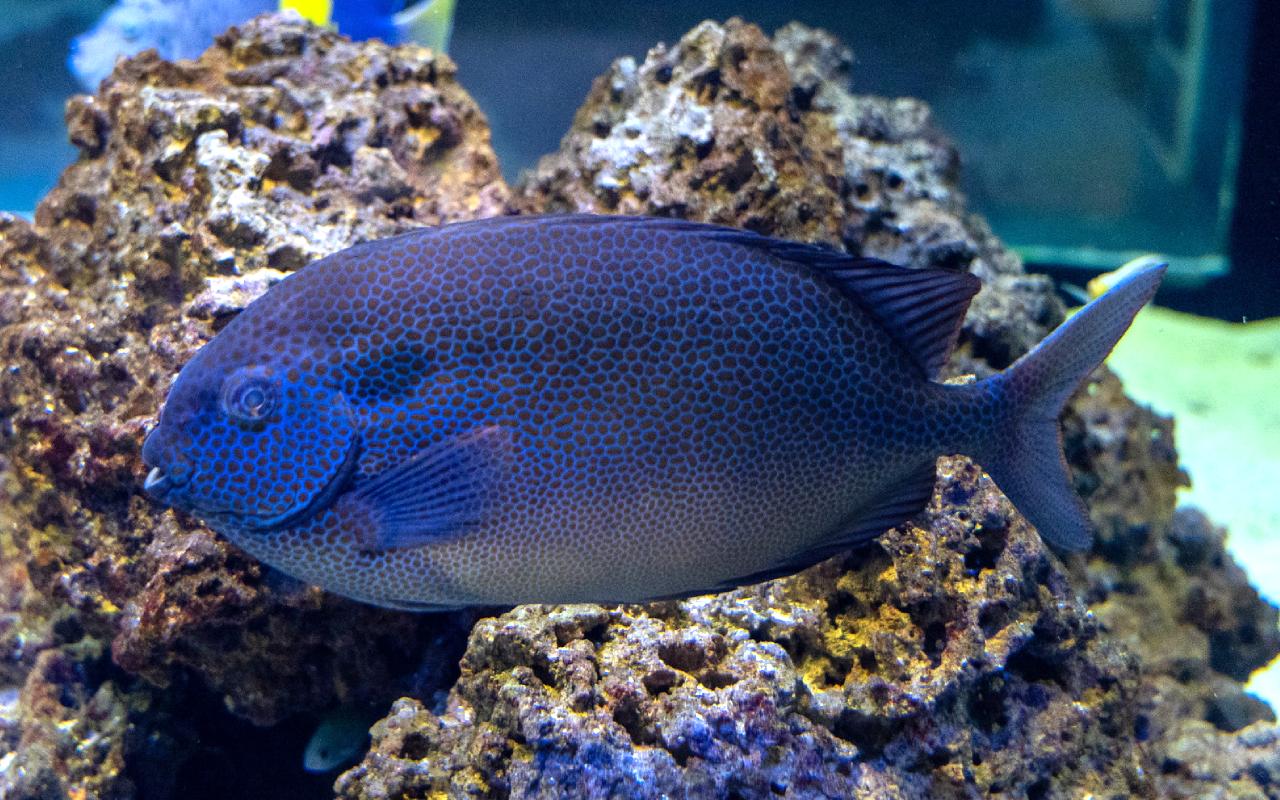
Shedd is ideal for kids who want high-energy animal encounters and large-scale visual exhibits. Strong kid picks include penguins, belugas, sea otters, sharks, and the touch experiences, including sea stars and sturgeon, with Stingray Touch offered seasonally.
It works especially well for ages 3 through early teens. Winter/spring hours listed on the official site are 9 a.m. to 6 p.m. Pricing is dynamic: Official pages note Chicago residents pay $19.95 for adult general admission, while nonresident adult and child prices vary by date and time under the aquarium’s plan-ahead model
Accessibility resources include quiet spaces, sound-reducing headphones, sensory bags, accessible seating, and accommodations for personal care attendants.
The biggest tip here is simple: reserve in advance, especially for weekends, holidays, and spring-break-style dates. Official site and visitor information: plan-a-visit, tickets, and accessibility pages. That combination makes it one of the Best Things to do in Chicago with Kids.
Griffin Museum of Science and Industry

This is one of the strongest all-day family museums in the country and arguably the best choice in Chicago for school-age kids who like engineering, machines, transportation, weather, and hands-on STEM storytelling.
The signature family draws are U-505, Science Storms, the Coal Mine, and the huge exhibit footprint. It is best for ages 6 and up, though there are enough interactive moments that curious younger children can still enjoy selected galleries.
Regular hours are open daily from 9:30 a.m. to 4 p.m., with summer extensions on some dates. General admission is currently listed at $25.95 for adults and $14.95 for children ages 3 to 11, with separate add-ons for some tours and experiences.
Accessibility resources include complimentary manual wheelchairs with photo ID, permitted mobility devices, and scheduled low-sensory mornings.
A practical family tip: because U-505 and the Coal Mine can dominate a day, decide in advance whether you want the museum to be your only major attraction that day. Official site and visitor information: hours, pricing, accessibility, and exhibit pages.
Chicago Children’s Museum
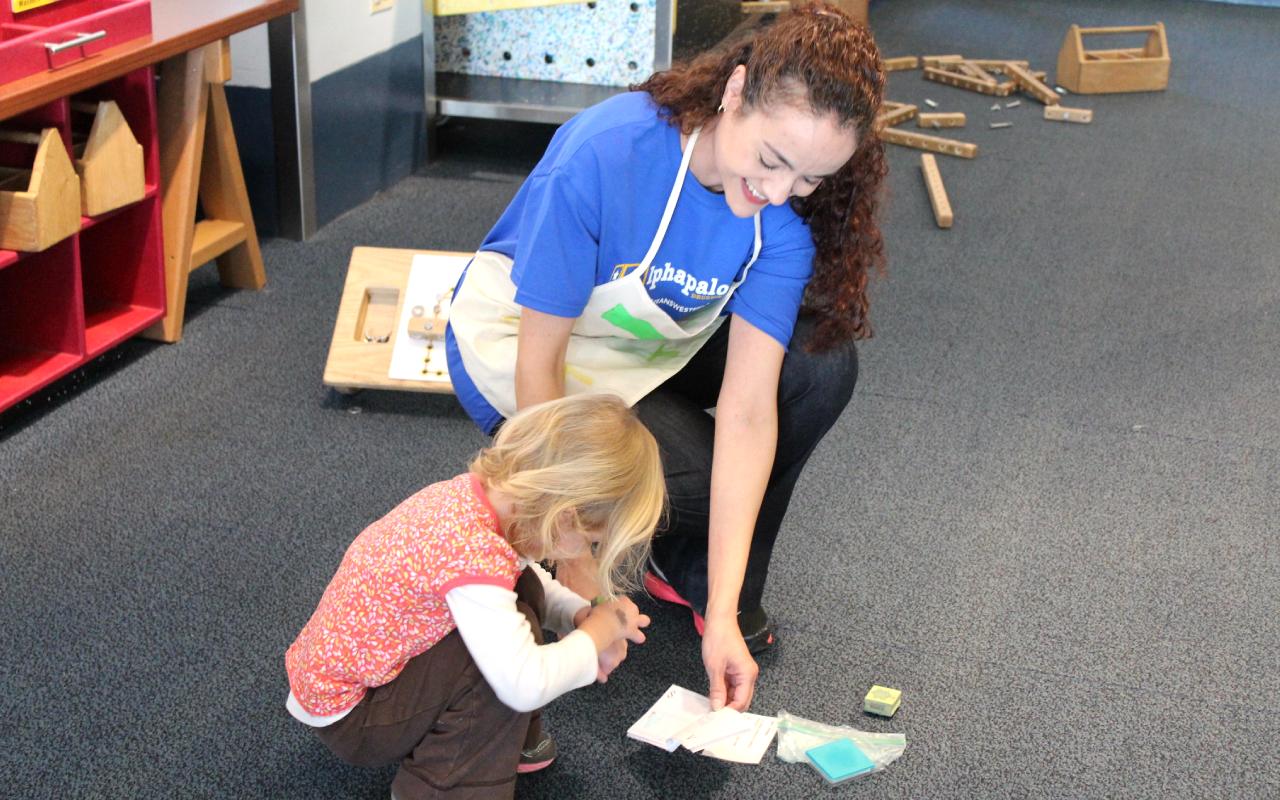
For toddlers, preschoolers, and younger elementary kids, this is one of the most reliable yes attractions in the city. The museum’s biggest strengths are active play, self-directed learning, and kid-scale exhibits like Dinosaur Expedition, Water City, and the play zones designed for younger children. It is best for ages 1 through 8, though some older siblings still enjoy the hands-on energy.
Admission is currently $21 per person for Illinois residents and $25 per person for non-residents; children under 1 are free. Current regular hours are Monday, Wednesday, and Thursday from 10 a.m. to 2 p.m.; Friday, Saturday, and Sunday from 10 a.m. to 5 p.m.; closed Tuesday.
Accessibility and inclusion supports include personal care attendant policies, stroller friendliness, and Play for All programming for families with disabilities and members.
Tip: slot this earlier in the trip if your children are young, because it gives everyone a chance to settle into “vacation mode” without over-structuring the day. Official site and visitor information: hours, tickets, FAQ, exhibits, and accessibility pages.
Some of the Best Things to do in Chicago with Kids are free, which give children space to play and explore.
Outdoor play and iconic sights
Millennium Park
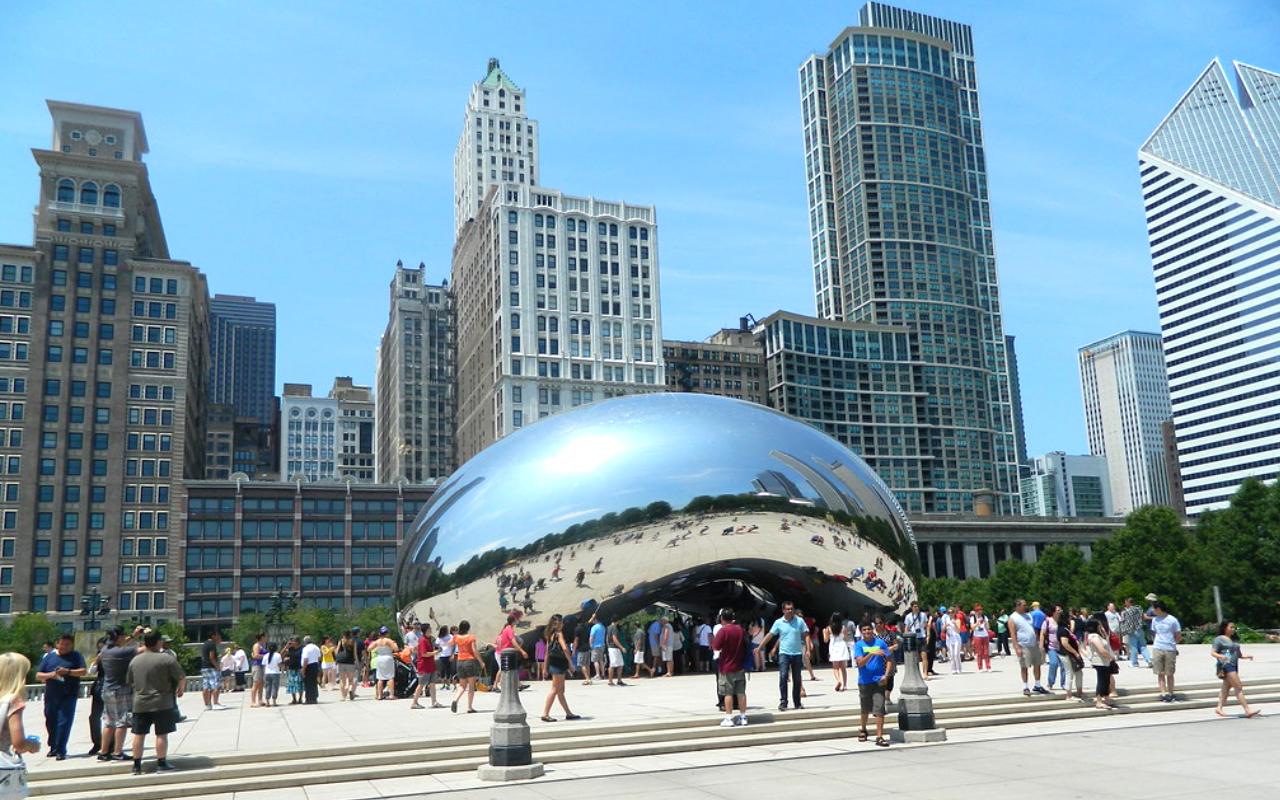
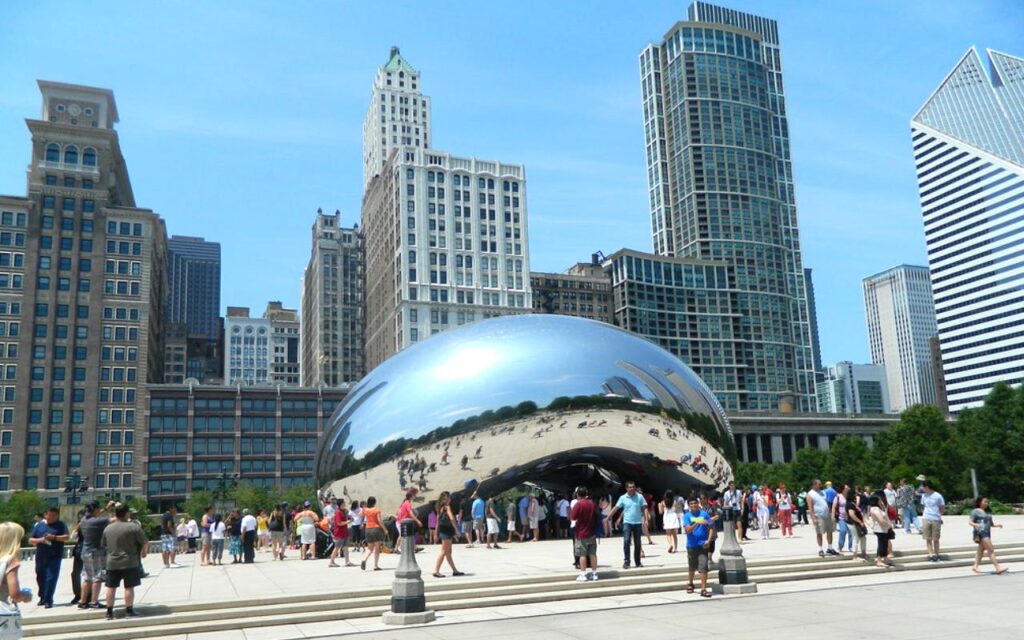
Millennium Park is the easiest free family stop in central Chicago because it delivers iconic city imagery and room to move at the same time. Families usually come for reflective public art, the splash-friendly fountain in warm weather, the lawns, and the ability to pair the park with nearby museums, shopping, or dinner. It is suitable for all ages.
Admission is free, and official city pages list the park as open daily from 6 a.m. to 11 p.m. Accessibility is excellent, with paved entrances and walkways that are wheelchair- and stroller-friendly.
For families, the strongest tactic is to go early in the day or near dinner rather than midday on busy weekends. Official site and visitor information: City of Chicago and visitor-access guides. It continues to stand out as one of the Best Things to do in Chicago with Kids.
Maggie Daley Park
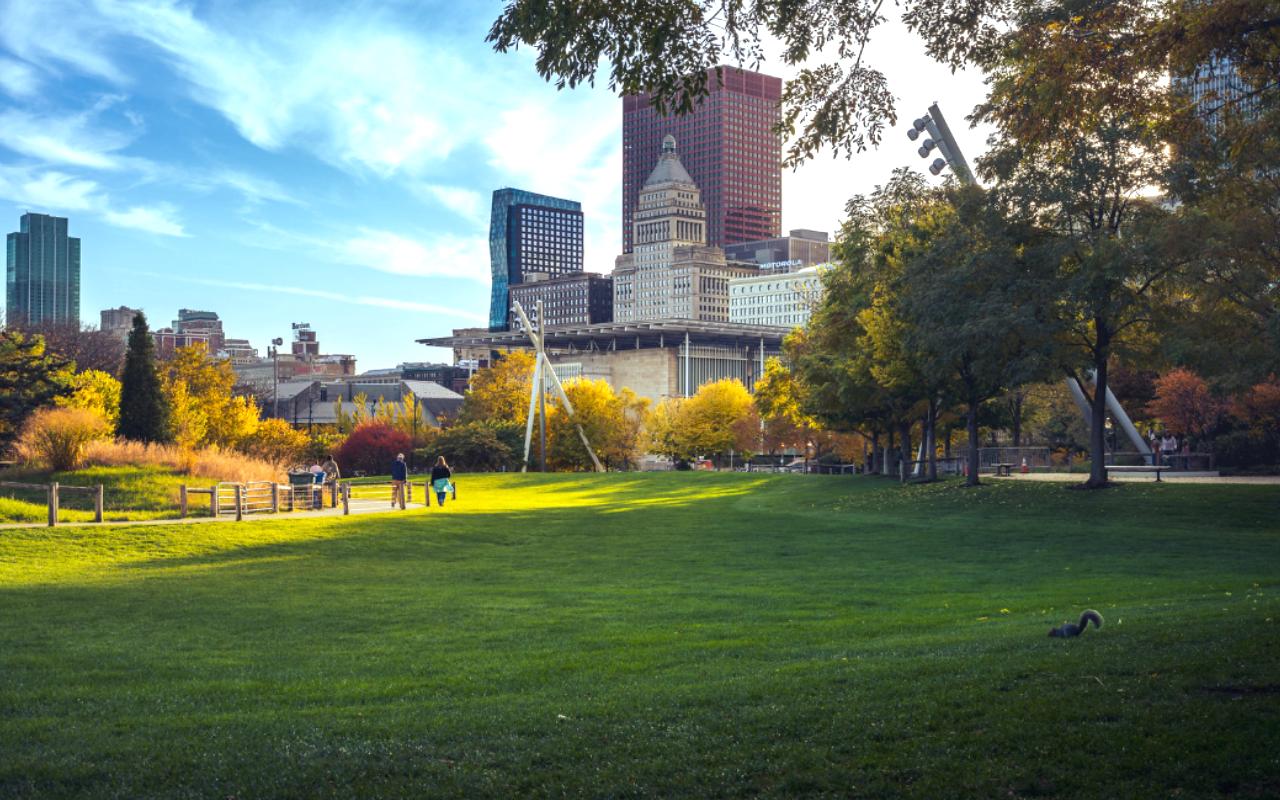
Maggie Daley Park is where many downtown family itineraries become genuinely kid-friendly rather than merely kid-tolerant. The giant playground, climbing areas, lawns, and seasonal skating make it the city’s most useful “let them run” stop near downtown hotels and Millennium Park.
It is best for toddlers through preteens, though older kids often love the climbing wall and ribbon in season. Park and play-garden hours are generally 6 a.m. to 9 p.m. daily, and the core outdoor spaces are free.
Accessibility notes are excellent: paved stroller-friendly pathways, power-door fieldhouse access, and ADA-exceeding soft-surface play areas are all noted on official pages.
Tip: Pair Maggie Daley with Millennium Park on the same day instead of treating them as separate attractions. Official site and visitor information: Chicago Park District and Maggie Daley Park pages. This makes it one of the Best Things to do in Chicago with Kids for active play.
Lincoln Park Zoo

Lincoln Park Zoo is one of the best-value family attractions in Chicago because general admission is free and the grounds are compact enough to feel manageable with kids.
Animal exhibits, gardens, stroller access, and add-on rides make it especially useful for ages 2 through 12. Official visitor pages note that the zoo is open 365 days a year and entry is always free, with gates typically opening at 10 a.m. and seasonal closing times.
Accessibility resources include wheelchair rentals, ECV rentals, accessible entrances, and sensory-inclusive resources through the visitor center.
Tip: visit in the morning, then use the surrounding park area or a nearby meal break rather than pushing for an all-day zoo visit. Official site and visitor information: visit, hours, today at the zoo, and accessibility pages.
Navy Pier
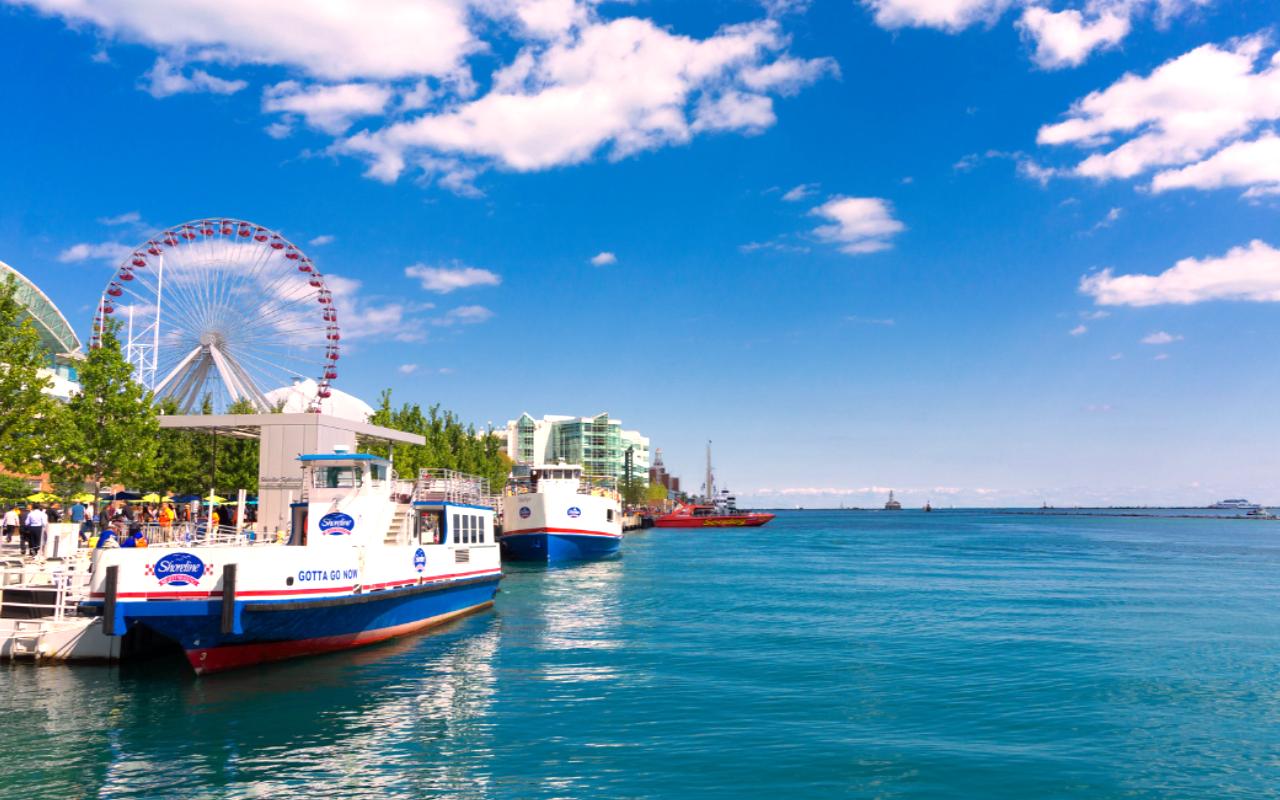
Navy Pier works best when you treat it as a choose-your-own-adventure waterfront zone rather than a mandatory half-day. General pier admission is free, and families tend to use it for the lakefront atmosphere, rides, strolls, boat outings, seasonal events, and easy pairing with the Chicago Children’s Museum.
The current official 2026 spring hours list the pier as open 11 a.m. to 8 p.m. Sunday through Thursday and 11 a.m. to 10 p.m. Friday and Saturday in the April 1–May 22 period, with the enclosed wheel running daily.
The iconic enclosed wheel rises nearly 200 feet; official Navy Pier materials have published wheel ticket values starting around $18–$20 for adults and $15–$18 for children, though prices can vary by date. It is best to verify the current booking page before purchasing. Accessibility pages confirm accessible parking, accessible restrooms, and wheelchair access to the Centennial Wheel.
Tip: This is better as a late-afternoon and evening stop than a first thing in the morning attraction. Official site and visitor information: hours, admission, Centennial Wheel, guest services, and accessibility pages.
Indoor attractions
Indoor attractions are also among the Best Things to Do in Chicago with Kids when the weather is cold, rainy, or windy.
Peggy Notebaert Nature Museum

Peggy Notebaert Nature Museum is a strong rainy-day alternative if you want something smaller, calmer, and more nature-centered than the city’s huge flagship museums. Families come for local wildlife, child-friendly science exhibits, and the butterfly haven add-on.
It is especially good for toddlers through early elementary. Official hours are generally 10 a.m. to 4 p.m. daily. Basic admission is currently $15 adult and $8 child for Illinois residents, or $17 adult and $10 child for out-of-state visitors; the butterfly haven is a separate add-on for non-members beginning in 2026.
Accessibility supports include personal care partner policies, accessible restrooms, and scheduled sensory-friendly mornings. Tip: This is a terrific “lighter day” attraction if you are staying longer than two days and need a lower-stimulation reset. Official site and visitor information: plan-your-visit, accessibility, and exhibit pages.
Skydeck Chicago
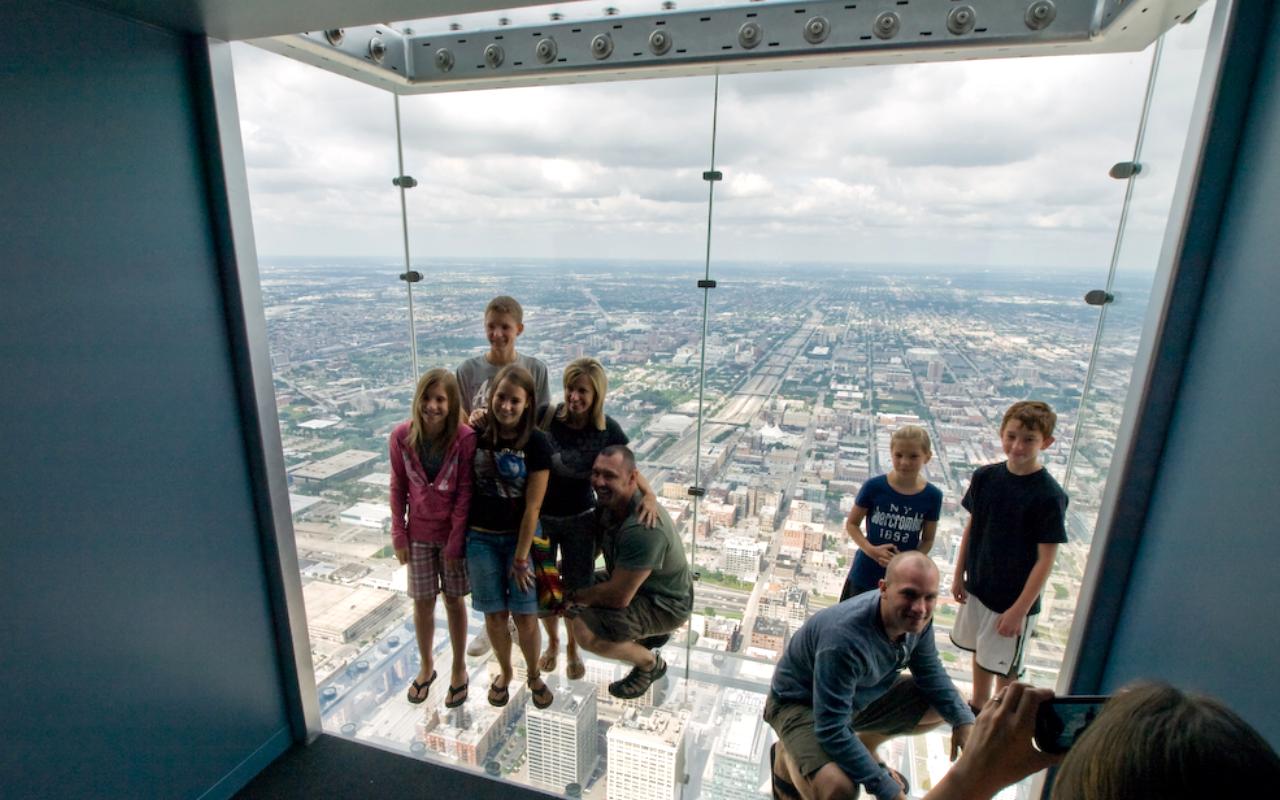
For families who want a high-impact city “wow” moment during bad weather, Skydeck is the strongest downtown option. The big draw is not just the height but the combination of city-view spectacle and the glass ledge experience.
It tends to work best from around age 5 upward, depending on how your child handles heights and lines. Official pricing starts at $32 for adults and $24 for youth ages 3 to 11, with under-3s free; timed tickets and expedited tickets cost more.
Official seasonal hours for March through September are roughly 9 a.m. to 10 p.m. on weekdays and 8:30 a.m. to 10 p.m. on weekends.
Accessibility is excellent, with ramps, elevators, stroller and wheelchair access, sensory bypasses, sensory kits, and a quiet room.
Tip: book a morning or late-evening slot if you want shorter waits and clearer pacing with kids. Official site and visitor information: pricing, visitor tips, and accessibility pages.
360 CHICAGO

360 CHICAGO is often the better family pick when you want skyline views with a slightly more relaxed feel than Skydeck. The observation deck is family-friendly, the optional TILT thrill element is available as an add-on, and the location makes it easy to combine with shopping or a meal nearby.
It is best for school-age kids, tweens, and teens. Official pages list daily hours from 9 a.m. to 11 p.m., with the last entry an hour before closing.
General admission typically starts around $29 to $30 for adults and $19 to $20 for children ages 3 to 11, with under-3s free; TILT is an additional charge. Accessibility notes mention ramps, strollers, and wheelchair-capable elevators, and accessible restrooms.
Tip: sunset is gorgeous here, but mid-afternoon is easier with younger children. Official site and visitor information: hours, pricing, tickets, and plan-your-visit pages.
Unique Chicago experiences that kids actually remember
The most “Chicago” family add-on is a river architecture cruise, because it turns downtown into a moving storybook and gives kids a view of the city they cannot get from sidewalks alone.
If your children are old enough to listen to at least part of the commentary, an architecture river tour usually lands better than parents expect.
The most convenient family option among the official providers I reviewed is the architecture river tour with Shoreline Sightseeing, which departs daily in season, covers all three branches of the river, runs about 75 minutes, is wheelchair-accessible from the Navy Pier dock only, and currently lists adult tickets starting around $46 and child tickets around $29 for ages 3 to 12.
I would rate it best for ages 6 and up. If your kids are younger, you may get more value from the wheel at Navy Pier or an observation deck instead. Official site and visitor information: tour, schedule, and accessibility pages.
Top attraction comparison table
The Best Things to Do in Chicago with Kids can vary depending on age, budget, and the time of year you visit.
| Attraction | Ideal age range | Typical visit length | Admission cost | Proximity to downtown |
| Field Museum | 5+ | 3–4 hours | Starting around $30 adult / $23 child | South of downtown, an easy taxi/bus ride |
| Shedd Aquarium | 3+ | 3–4 hours | Dynamic pricing: Chicago residents $19.95 adult / $14.95 child, nonresident prices vary | South of downtown, same day as the lakefront |
| Griffin (MSI) | 6+ | 4–6 hours | $25.95 adult / $14.95 child | Farther south, it’s best as a destination on a day |
| Chicago Children’s Museum | 1–8 | 2–3 hours | $21–$25 per person | Waterfront, downtown-adjacent |
| Millennium Park | All ages | 1–2 hours | Free | In the heart of downtown |
| Maggie Daley Park | 2–12 | 1.5–3 hours | Free | Next to Millennium Park |
| Lincoln Park Zoo | 2–12 | 2–3 hours | Free general admission | Short ride north of downtown |
| Navy Pier | All ages | 2–4 hours | Free entry; rides extra | Near-north waterfront |
Visit lengths and “proximity to downtown” labels are editorial planning estimates based on official locations, hours, and attraction scope. Admission prices are current public-facing rates or officially published “from” prices at the time of research and may change with date, residency, or package selection.
Best things to do by age, budget, and season
By age
Toddlers and Preschoolers
For toddlers and preschoolers, your best bets are the Chicago Children’s Museum, Maggie Daley Park, Peggy Notebaert Nature Museum, and Lincoln Park Zoo. These options are among the Best Things to do in Chicago with Kids in this age group.
These attractions offer movement, sensory variety, and lower stakes if attention spans shift fast. The common family mistake in Chicago is overscheduling that age group with too many “look only” attractions.
Kids Ages 5–10
For kids roughly ages 5 to 10, Chicago is at its best. This is the prime age for Shedd, the Field Museum, Griffin (MSI), Millennium Park, and a first architecture cruise.
They are old enough to follow stories, love scale, and still get excited by fountains, fish, and giant machines. This is the stage where many of the Best Things to do in Chicago with Kids truly shine.
Tweens and Teens
For tweens and teens, lean into spectacle and agency. Observation decks, river tours, museums with engineering or history hooks, and flexible neighborhood time all play well.
Skydeck, 360 CHICAGO, Griffin (MSI), Navy Pier, and the architecture cruise are usually stronger than purely little-kid play spaces in this age band. These experiences reflect the Best Things to Do in Chicago with Kids for older children.
Free activities that are genuinely worth doing
The best free family activities in Chicago are not filler. Millennium Park is free and centrally located; Maggie Daley Park’s core outdoor spaces are free; Lincoln Park Zoo has free general admission year-round; the Chicago Riverwalk is free and open from 6 a.m. to 11 p.m.; and Chicago’s beaches are free during the season, which runs from the Friday before Memorial Day through Labor Day, as defined by the Chicago Park District, with lifeguards on duty from 11 a.m. to 7 p.m. Illinois-resident free museum days can also materially cut costs if your family qualifies.
Seasonal ideas
Spring is a strong museum-and-park season because timed indoor attractions are fully active and outdoor spaces start to feel comfortable again. Choose Chicago’s current spring-break guides continue to position Shedd, Navy Pier, museums, and downtown play spaces as the city’s most reliable spring family wins.
Summer is when Chicago becomes easiest for families who want big outdoor energy. Summer highlights many of the Best Things to do in Chicago with Kids at their peak.
Beaches open for the season, the lakefront becomes a major asset, architecture boats run frequently, and downtown parks feel lively rather than just scenic. The tradeoff is crowding and higher demand for timed attractions.
Fall is a nice compromise season for family travelers who want cooler temperatures and fewer peak-summer crushes. Millennium Park and other green spaces are especially attractive when fall color arrives, and architecture cruises remain in season.
Winter can still work extremely well with kids if you plan around indoor anchors and seasonal events. Holiday family guides from Choose Chicago highlight downtown tree-and-light traditions, indoor museum time, and winter versions of classic family attractions. The observation decks, aquarium, children’s museum, and major science/history museums all remain useful during cold-weather trips.
Food, where to stay, and getting around
Kid-friendly food
Chicago is one of the easier big cities for family dining because the signature foods are already kid-friendly: deep-dish pizza, hot dogs, fries, shakes, and casual comfort-food staples. The official family-dining guide from Choose Chicago is a good starting point for crowd-pleasing options across neighborhoods.
For classic deep-dish, Lou Malnati’s and Giordano’s remain dependable choices for first-time visitors, while Portillo’s is still one of the easiest places to introduce kids to Chicago-style fast-casual staples. If your children are hungry now rather than “at dinner time,” that matters more than chasing a trendier reservation.
Where to stay with kids
For most first-time family trips, stay in The Loop or Streeterville. The Loop gives you the easiest access to Millennium Park, the riverwalk, major transit connections, and downtown sightseeing. Streeterville puts you closer to Navy Pier and the near-north waterfront and still keeps you in easy reach of downtown attractions.
If your family prioritizes dining and a slightly more residential-feeling home base, River North is a practical alternative. If your trip is museum-heavy and you know Griffin (MSI) is central to your plan, spending part of the trip in Hyde Park can make sense, though for shorter first-time stays, I still prefer downtown.
Getting around without stress
For downtown-focused family trips, you usually do not need a car. Many of the major downtown family stops connect easily by walking plus short transit hops. CTA fare pages and family-travel pages confirm that Children under 7 ride free with a fare-paying adult (up to 3 children per adult), and children ages 7–11 receive reduced fares.
On weekends and select holidays, Metra allows up to three children 11 and under to ride free with each fare-paying adult under Family Fares. In practice, this means public transportation works particularly well for downtown plus near-north itineraries, while museum-outlier days may still justify a rideshare.
Sample itineraries and practical travel tips
Quick trip
If you only have a short family weekend, the strongest version is simple. On day one, stay downtown: Millennium Park, Maggie Daley Park, a nearby lunch, then either Skydeck or 360 CHICAGO before an early dinner.
On day two, choose one major museum anchor based on your kids’ interests: Shedd for animal lovers, the Field for dinosaurs and mummies, Griffin (MSI) for big science, or Chicago Children’s Museum for younger kids.
Detailed longer itinerary
The following sample plan is designed for a first visit with elementary-age kids staying downtown and using public transit plus occasional rideshare.
| Day | Time | Plan |
| Arrival day | 8:30 a.m. | Breakfast near the hotel in the Loop or Streeterville |
| Arrival day | 10:00 a.m. | Millennium Park walk and family photos |
| Arrival day | 11:15 a.m. | Maggie Daley Park free play |
| Arrival day | 1:00 p.m. | Lunch break |
| Arrival day | 2:30 p.m. | Skydeck or 360 CHICAGO |
| Arrival day | 5:30 p.m. | Early dinner and easy evening |
| Museum day | 9:00 a.m. | Timed entry at the Shedd Aquarium or Field Museum |
| Museum day | 12:30 p.m. | Lunch near the lakefront |
| Museum day | 2:00 p.m. | Add one light stop: Riverwalk or Navy Pier |
| Museum day | 6:00 p.m. | Casual pizza dinner |
| Adventure day | 9:30 a.m. | Lincoln Park Zoo or Chicago Children’s Museum |
| Adventure day | 12:30 p.m. | Lunch |
| Adventure day | 2:00 p.m. | Architecture river tour |
| Adventure day | 5:00 p.m. | Pack in one flexible last stop or souvenir time |
This flow works because it alternates high-attention activities with movement and unstructured time, while also respecting official opening patterns and timed-entry realities at the major attractions.
Smart travel tips
Buy timed tickets in advance for the attractions that explicitly nudge visitors toward advance booking, especially Shedd, Skydeck, and many boat tours. That is not marketing fluff; it is practical family sanity.
If you are trying to save money, combine one paid attraction with one free attraction every day. A pattern like “Shedd plus Millennium Park,” “Field plus Riverwalk,” or “Chicago Children’s Museum plus Navy Pier stroll” usually feels fuller to kids than stacking paid entries back-to-back.
Reserve more time than you think for getting in and out of the biggest attractions. Shedd’s pricing model is built around timed visits and crowd management, and architecture cruises specifically tell guests to arrive early.
Use CityPASS only if your attraction list already resembles the pass. It includes Shedd and Skydeck plus choices like the Field Museum, Griffin MSI, 360 CHICAGO, and Shoreline’s architecture tour, so it is strongest for first-time visitors doing several major paid sights in a short window.
For families with younger children, prioritize stroller-friendly attractions and spaces in the first half of the day. Chicago Children’s Museum explicitly allows strollers, and Millennium Park, Maggie Daley Park, Skydeck, and 360 CHICAGO all provide strong stroller or paved-access conditions.
FAQs
Is Chicago a good destination for toddlers?
A: Yes. Chicago Children’s Museum, Maggie Daley Park, Lincoln Park Zoo, and the Peggy Notebaert Nature Museum are especially strong for younger kids because they combine movement, sensory play, and flexible pacing.
How many days do families need in Chicago?
A: Two days is enough for a highlight trip, but three days is much better if you want one big museum day, one downtown park-and-view day, and one flexible waterfront or zoo day.
What is the single best museum for dinosaur lovers?
A: The Field Museum is the clearest first choice because of SUE, Máximo, and its major natural history focus.
What is the best rainy-day attraction for younger kids?
A: Chicago Children’s Museum is usually the best answer for younger children; Shedd and Peggy Notebaert are also strong, depending on interests.
Do we need a car?
A: Not usually for a first-time family trip centered on downtown, the near north lakefront, and one or two major attractions. CTA and walking cover a lot.
Which neighborhood is best for a first family stay?
A: The Loop if you want central sightseeing access; Streeterville if Navy Pier and the near-north waterfront matter most.
What is the best free attraction with kids?
A: Lincoln Park Zoo is the best free “major” attraction, while Millennium Park and the Riverwalk are the best free downtown add-ons.
Are Chicago beaches free?
A: Yes. The Chicago Park District states that admission to city beaches is free, with beach season running from the Friday before Memorial Day through Labor Day.
What time should we visit Millennium Park?
A: Early morning or late afternoon is usually the easiest family window if you want photos and space before heavy crowds build. The park opens at 6 a.m. daily.
Is Navy Pier worth it with kids?
A: Yes, if you plan it as a waterfront zone with rides, strolling, children’s museum time, or a boat tour, rather than expecting it to behave like one single attraction.
Which museum should we pick if we only do one paid attraction?
A: Choose based on interests: Shedd for animals, Field for dinosaurs/history, Griffin MSI for science and engineering, and Chicago Children’s Museum for toddlers and preschoolers.
Are the major attractions accessible?
A: Yes, and many have meaningful resources beyond basic ADA access, including wheelchairs, sensory tools, quiet rooms, or personal care attendant policies. Always check the specific attraction page before visiting.
Can kids ride transit for free in Chicago?
A: On CTA, children under 7 ride free with a fare-paying adult, and children 7–11 qualify for reduced fares.
Does Metra help families save money?
A: Yes. Metra says that on weekends and select holidays, up to three children 11 and under ride free with each fare-paying adult.
Is an architecture cruise too “adult” for kids?
A: Not necessarily. It tends to work best for school-age kids and up, especially those who like boats, skyline views, or bridges.
When is CityPASS worth it?
A: Usually only when your family is definitely doing several included paid attractions such as Shedd, Skydeck, and two or three from the Field, Griffin MSI, 360 CHICAGO, or Shoreline.
What should families book first?
A: Shedd, Skydeck, and architecture cruises are the ones I would lock first because they rely most heavily on timed or capacity-managed entry.















-
 0115 Best Easy Treks in Nepal for Beginners and Families
 -
 02Best season for Everest Base Camp Trek
 -
 03Best Time to Go Hiking in Nepal: A Seasonal Guide for Trekkers
 -
 04Suchi Purja –Wife of Nirmal Purja aka Nims Dai
 -
 05Dubai desert safari outfit ideas
 -
 06Top Beaches in Sri Lanka
 -
 0710 Best Easy Treks in Nepal