
Now Reading: Best Time to Go to Aruba: Weather, Prices & Festivals Explained
-
01
Best Time to Go to Aruba: Weather, Prices & Festivals Explained

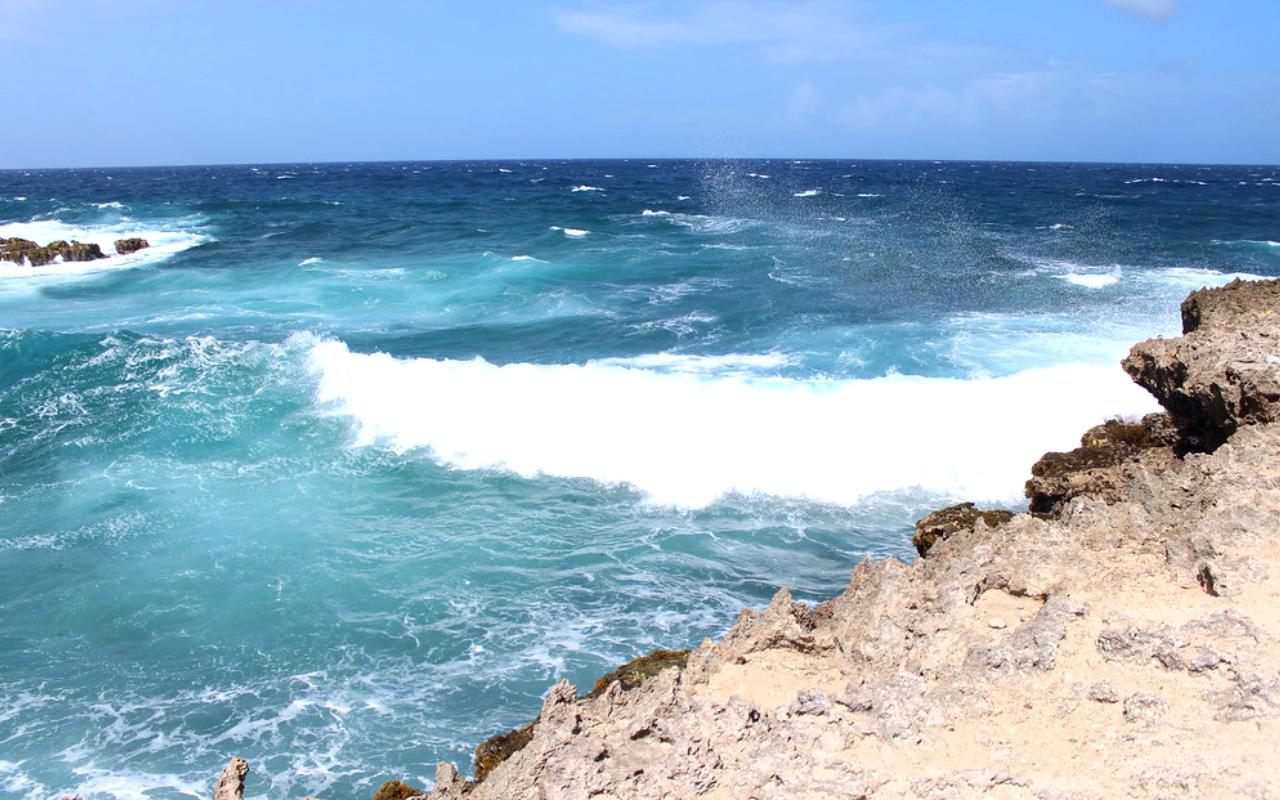
Planning a Caribbean vacation takes real thought, and if Aruba is on your list, one of the first questions you are probably asking is: What is the best time to go to Aruba?
It is a fair question, and the answer is actually more interesting than a simple month or two. Aruba is one of those rare destinations where you genuinely can visit any time and still have a good trip.
The sun shows up most days, the water stays warm all year, and the island has a relaxed, welcoming energy that does not really go away. But depending on when you land there, your experience with prices, crowds, weather, and local events can be quite different.
That is why choosing the best time to go to Aruba depends heavily on the type of vacation you want. This guide covers all of it, so you can pick the timing that works best for you and not just for the travel brochure.
Aruba Weather: Why This Island Is Different From Most of the Caribbean
A lot of people are surprised when they learn that Aruba sits outside the main hurricane belt. That one fact changes everything about how you plan your trip.
While other Caribbean islands deal with tropical storms and heavy rain between June and November, Aruba mostly carries on as usual during those months. There are occasional showers, yes, but nothing close to what you would experience on other islands during the same period.
The climate here is tropical desert. Warm temperatures all year, very little rainfall compared to neighboring islands, and trade winds that blow in steadily from the northeast.
This unique climate is a major reason why many travelers consider almost any season the best time to go to Aruba, depending on their travel style. Those winds are part of what makes the beaches feel so good, even when the sun is strong.
Average daytime temperatures sit between 27°C and 32°C (around 80°F to 90°F) throughout the year, with evenings cooling down just enough to make outdoor dinners comfortable.
Here is a simple overview of how the three main travel seasons compare:
| Season | Weather | Crowds | Prices |
| December to April | Sunny and dry | High | Most expensive |
| May to August | Warm and breezy | Moderate | Mid-range |
| September to November | Slightly wetter | Low | Cheapest |
Each season has its own character. None of them is bad. The best time to go to Aruba really comes down to your budget, weather preferences, and travel priorities. The right one just depends on what you value most.
December to April: Peak Season and the Best Weather You Will Find
Most travel guides will tell you that December through April is the best time to go to Aruba for weather, and they are not wrong. These are the driest, sunniest months on the island.
Humidity is lower than at other times of the year, and rain is rare enough that you can plan outdoor activities without much worry. The ocean is calm and clear, perfect for snorkeling or just floating around with a drink in your hand.
Temperatures during this stretch stay around 27°C to 29°C (80°F to 84°F) during the day. For travelers looking for reliable sunshine and beach weather, this is often considered the best time to go to Aruba. Evenings get a little cooler, which is nice. You will want to be outside most of the time, and the weather makes that easy.
What the beaches are like during peak season
Eagle Beach and Palm Beach are the two most visited spots, and both are at their best during these months. Eagle Beach tends to be a bit quieter despite being genuinely one of the most beautiful beaches in the Caribbean. Wide, soft, and clean. Palm Beach is more of the resort scene, with beach bars, water sports rentals, and people everywhere. Both are worth visiting.
Activities that work well during this time
Swimming and snorkeling are excellent because of the water clarity. Sunset cruises and catamaran tours fill up fast, so book a day or two ahead. Jeep tours into the interior of the island are popular, and the dry landscape is easy to explore during these months. Scuba diving is good year-round in Aruba, but visibility tends to be at its best during the dry season.
The honest downsides
Prices are high. That is just the reality. Hotels at popular resorts can cost significantly more than they would in September or October. Flights are more expensive too, especially around Christmas and New Year.
Beaches get crowded in the mid-morning to early afternoon, and restaurant reservations matter more than they would at other times. If you are set on visiting during peak season, book everything at least two to three months in advance. For the Carnival period in January and February, even earlier is better.
September to November: The Best Time to Go to Aruba on a Budget
If your budget is a real factor in your decision, then September through November is the best time to go to Aruba to save money. Hotel prices drop noticeably during these months.
Flights are cheaper. Package deals that bundle accommodation with airfare become much easier to find, and some resorts run promotions specifically to attract visitors during the quieter season.
The reason prices fall is that this period overlaps with the rainy season across the broader Caribbean. Aruba does see a little more rain during these months than during the dry season, and temperatures climb a degree or two higher. Humidity goes up as well.
What travelers often get wrong about the low season in Aruba
Many people assume that September and October mean bad weather every day. That is not accurate. Rain showers during this period are usually short and pass quickly. Plenty of days are completely dry and sunny.
The beaches look just as good, the water is just as warm, and you will often have much more space to yourself. If anything, the quieter beaches are one of the best parts of visiting during the low season.
This window suits budget-minded travelers really well, and it also works nicely for couples who want a quieter, more peaceful experience. For travelers focused on savings and fewer crowds, this can still feel like the best time to go to Aruba. The island feels less rushed.
You can get a table at a good restaurant without waiting. You can find a spot on the beach without planning your towel placement around other people.
Simple ways to save more during this time
Book flights departing on a Tuesday or Wednesday rather than over the weekend. Look at boutique hotels and smaller guesthouses rather than going straight to the big resort chains.
They often offer better value, and the experience is sometimes more personal. If your schedule allows any flexibility, November tends to have better weather than September and October while still carrying most of the low-season savings.
Aruba by Season: A Closer Look
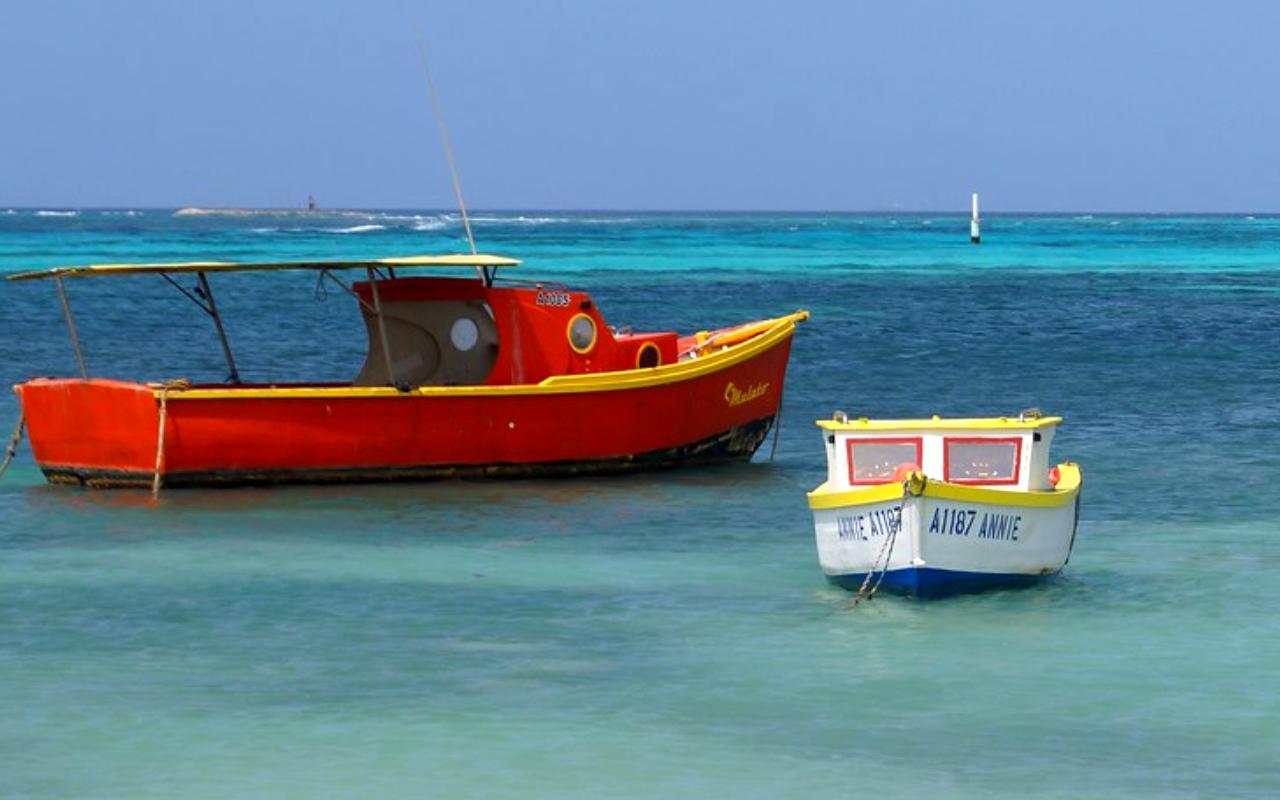
Aruba
Looking at Aruba season by season can help you decide the best time to go to Aruba based on your budget, weather preferences, and travel goals.
Winter (December to February)
This is Aruba at its most lively. Visitors pour in from cold climates in North America and Europe, looking for warmth, and the island delivers. The festive atmosphere around Christmas and New Year carries into January when the Carnival season starts building up.
By February, the Carnival is in full swing, and the streets of Oranjestad come alive with music, color, and dancing. Winter is genuinely magical here, but it comes at a cost.
Hotels and flights are at their most expensive, particularly in late December and early February during the Carnival grand parade. If you have the budget for it and you book ahead, it is hard to beat.
Spring (March to May)
Spring is one of the underrated times to visit. March and April still have excellent weather with lower prices than the January and February peak. The trade winds are strong and consistent during this period, which makes it ideal for windsurfing and kitesurfing. Water visibility is good for diving. Crowds are lighter than in peak season.
May marks the start of the shoulder season. The Soul Beach Music Festival happens over Memorial Day weekend and draws a good crowd of music fans. Prices are generally reasonable, and the weather holds up well through most of the month.
Summer (June to August)
Summer belongs to families. School holidays mean that parents with children choose this period, and resorts are well prepared for it. The beach conditions are good, the days are long and sunny, and hotel deals are better than in winter. June brings the Hi-Winds Windsurfing Event, which is worth watching even if you are not a water sports person yourself.
Temperatures are a little higher in summer, and humidity increases, but the trade winds take the edge off. Most people find it very manageable. If you are traveling with kids or you want reasonably priced accommodation without fully stepping into low season, July and August are solid options.
Fall (September to November)
Fall is quiet, affordable, and underappreciated. The beaches are less crowded than at any other time of year, and there is a slower pace to everything that some travelers genuinely love. For couples looking for something more private and relaxed, this season has a real appeal.
Rainfall is slightly higher during September and October. Some resorts do maintenance or light renovation work during this period, so it is worth checking with your hotel before you book. November is generally the best of the three fall months, with improving weather and low prices still in effect.
Festivals and Events: Planning Around Aruba’s Best Celebrations
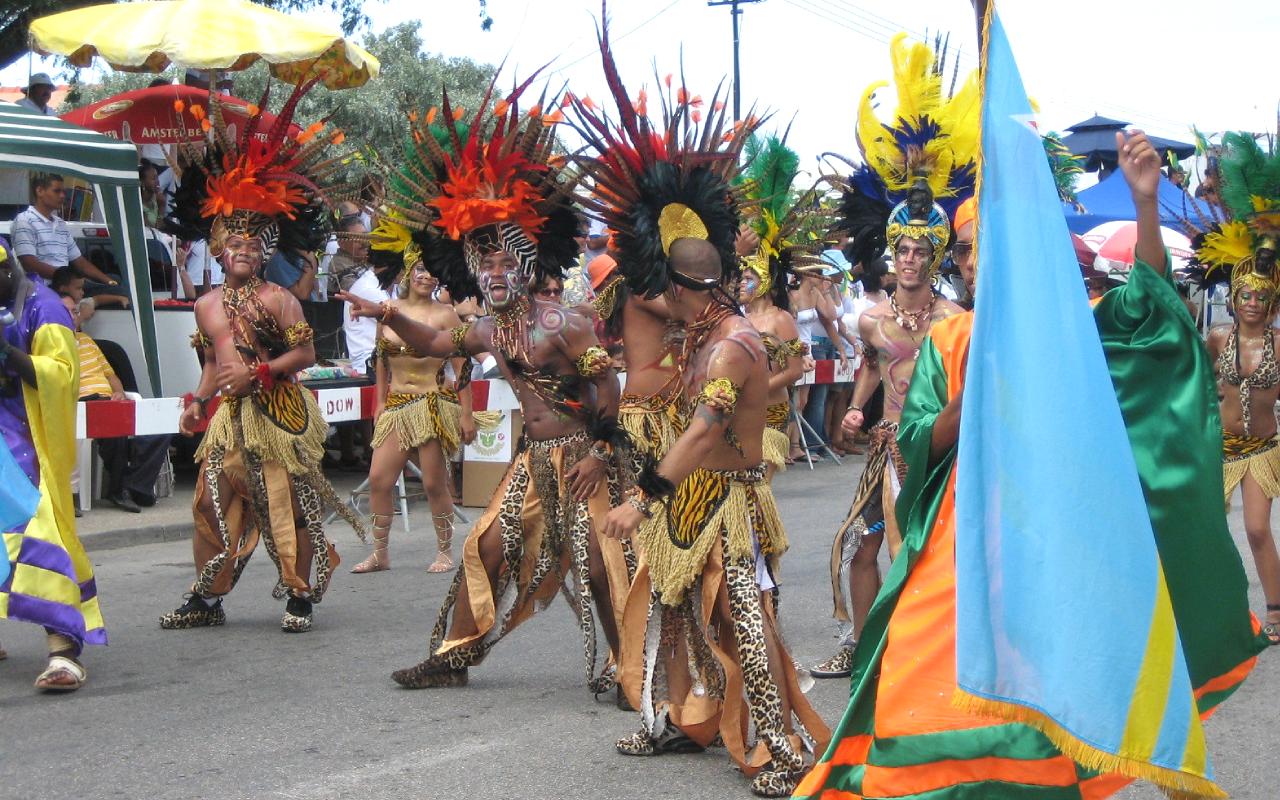
Aruba Carnival Parade
Part of what makes Aruba worth visiting at certain times is what is happening on the island beyond just the beach. For many travelers, local celebrations and cultural events also help determine the best time to go to Aruba. The local culture comes through strongly in its festivals, and some of them are genuinely worth planning a whole trip around.
Aruba Carnival: January to February
This is the biggest event on the island’s calendar and one of the most celebrated carnivals in the entire Caribbean region. It runs for several weeks, building momentum with smaller events, street parties, and music competitions before reaching its peak with the Grand Parade through Oranjestad.
The costumes are elaborate, the music is loud and joyful, and the energy is contagious, even if you are watching from the sidewalk.
For travelers who have never experienced a Caribbean carnival, this one is worth seeing. Just plan well ahead because accommodation fills up fast during this period.
Soul Beach Music Festival: May
Held over Memorial Day weekend, this festival brings together well-known R&B and hip hop artists for concerts and beach parties across the island. It draws visitors mostly from the United States and has grown into one of the more popular events in Aruba’s annual calendar. If live music is your thing, May becomes a more interesting travel window because of this.
Hi-Winds Windsurfing Event: June
Aruba is consistently ranked among the best windsurfing destinations in the world, and Hi-Winds is the celebration of that reputation. International competitors come to race in the strong trade winds off the coast. Even if you are not into windsurfing, watching professionals work in those conditions is quite something.
Bon Bini Festival: Every Tuesday Year-Round
Held every Tuesday evening at Fort Zoutman in Oranjestad, the Bon Bini Festival is a small, regular event that showcases traditional Aruban music, dance, and food. It is a nice way to connect with local culture in a relaxed, unpressured setting. No matter when you visit, a Tuesday evening here is worth adding to your itinerary.
Christmas and New Year
The last two weeks of December are festive and fun in Aruba. Fireworks over the water on New Year’s Eve, beach parties, and a general celebratory atmosphere make it a memorable time to be on the island. It is the most expensive window of the year, but if the budget allows, spending the holidays here is something people tend to remember fondly.
Best Time to Go to Aruba Based on Your Travel Goals
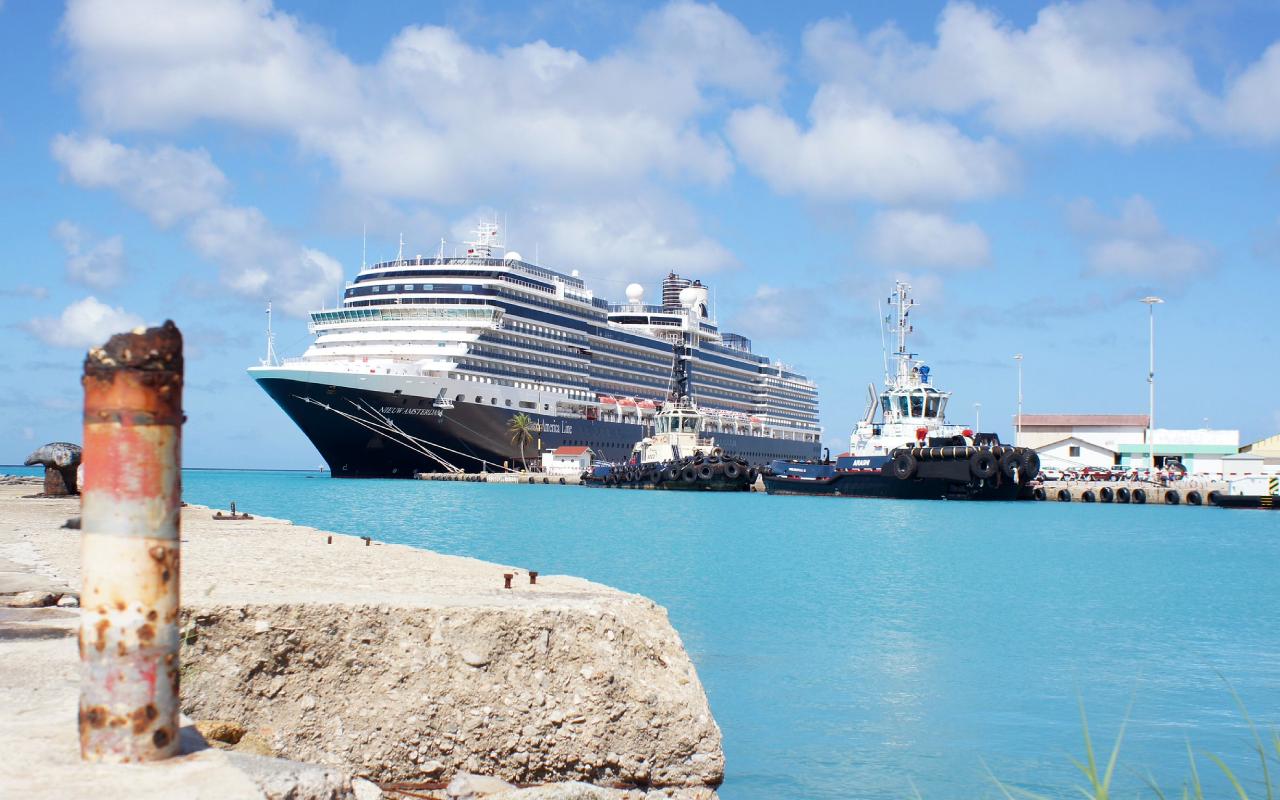
Aruba
Honeymooners and couples: April through June tends to work really well. The weather is warm and reliable, the peak season crowds have settled down a little, and the island feels more intimate. Sunsets are beautiful, beaches are a little quieter, and there is space to breathe.
Families with kids: June through August lines up with school holidays and gives families access to the full range of resort activities. The beaches are calm, and the water is gentle enough for younger children.
Budget travelers: September through November is your best window. Savings on hotels and flights can be significant, and the experience is still genuinely good. Just go in with realistic expectations about the occasional rain shower.
Water sports enthusiasts: March through August is when the trade winds are most consistent, and conditions are best for windsurfing, kitesurfing, and sailing. If wind sports are your reason for visiting, aim for this window.
Festival lovers: January and February for the Carnival. Full stop. It is a cultural experience unlike most things you will find elsewhere in the Caribbean, and it is worth the extra planning and cost.
Month by Month: A Quick Reference
- January: Peak season with Carnival beginning. Lively, expensive, book early.
- February: Carnival reaches its grand finale. Best energy on the island all year, but also the busiest and priciest month.
- March: Still great weather, slightly lower prices than February. Good for water sports and beach time.
- April: One of the most pleasant months to visit. Warm weather, calmer crowds, prices coming down. Great for couples.
- May: Shoulder season with the Soul Beach Music Festival adding some buzz. Solid value overall.
- June: Hi-Winds event, family travel begins, good deals available. The weather is warm and sunny.
- July: Busy with families, hot but manageable. Better prices than peak season.
- August: Similar to July. Good for families and anyone who wants warmth without paying December prices.
- September: Cheapest month of the year. Some rain but many sunny days too. Great for budget travelers.
- October: Quiet beaches and low prices continue. A peaceful time on the island.
- November: Weather improves toward the month’s end while prices stay low. A smart choice for value seekers.
- December: The holiday season brings a festive atmosphere and rising prices. Book well ahead for Christmas and the New Year.
Practical Travel Tips for Aruba
Packing: Keep it light. Swimwear, shorts, light shirts, and comfortable sandals cover most of your needs. Bring a thin layer for air-conditioned restaurants and cooler evenings. Reef-safe sunscreen is important here. Regular sunscreen can harm the coral reefs, and many beaches ask you to use the reef-safe kind. A hat and good sunglasses will serve you well any time of year.
Booking ahead: For peak season travel, book three to six months in advance. This becomes even more important if you plan to visit during the best time to go to Aruba for weather and festivals.
For the Carnival period specifically, even longer is wise. During low season, you have much more flexibility, but comparing prices across platforms before you commit is always worth a few minutes of your time.
Getting around: Renting a car gives you the most freedom, especially if you want to explore the less-visited east side of the island or drive through Arikok National Park. Taxis are easy to find near hotels and tourist areas. Public buses connect the main tourist zones with Oranjestad at a very low cost if you are not in a hurry.
Safety: Aruba is one of the safer Caribbean islands for visitors. The crime rate is low, and locals are genuinely welcoming. Normal common sense applies anywhere you travel. Keep valuables secured at the beach, be aware of your surroundings after dark in unfamiliar areas, and follow posted signs in natural areas and around the reefs.
Final Thoughts: Choosing the Right Time for Your Trip
So, what is truly the best time to go to Aruba? The answer depends on the kind of trip you want to have. Here is the honest summary:
- For the best weather, December through April is your answer. Dry skies, warm days, clear water, and a lively island atmosphere.
- For the lowest prices, September through November gives you the most savings with beaches that are still worth every minute of your time.
- For festivals and culture, January and February around the Carnival are hard to match anywhere in the region.
- For a balanced trip with decent weather and reasonable prices, consider April, May, or November. These shoulder months often offer the best of both worlds.
Aruba is one of those places that rewards visitors no matter the season. In the end, the best time to go to Aruba depends on whether you prioritize weather, budget, festivals, or smaller crowds.
The beaches are consistently lovely, the trade winds keep things comfortable, and the people make you feel welcome. Whatever month you choose, you are going to find something worth coming back for.














-
 0115 Best Easy Treks in Nepal for Beginners and Families
 -
 02Best season for Everest Base Camp Trek
 -
 03Best Time to Go Hiking in Nepal: A Seasonal Guide for Trekkers
 -
 04Suchi Purja –Wife of Nirmal Purja aka Nims Dai
 -
 05Dubai desert safari outfit ideas
 -
 06Top Beaches in Sri Lanka
 -
 0710 Best Easy Treks in Nepal