
Now Reading: Enchanted Adventure: A Simple Guide to Magical Travel Experiences
-
01
Enchanted Adventure: A Simple Guide to Magical Travel Experiences

An enchanted adventure combines magical travel with a sense of excitement and awe. It may be a stroll through foggy mountains, a trip to a sunrise temple, or a swim through bioluminescent waves. In our digital era, travellers would be longing to travel to experience trips that elevate their spirits and reunite them with nature and culture.
After all, traveling may make us happier, less stressed, and may leave us with precious memories. An enchanted adventure isn’t just about seeing places; it’s about feeling magical and being immersed in nature and culture.
In this guide, we’ll define enchanted adventures and their benefits, then dive into stunning examples of such destinations, types of magical travel experiences to try, and practical tips to plan your journey.
You’ll learn how to balance budget or luxury options, pack wisely (with advice from CDC’s travel health kit guidelines), and even see a model 7-day itinerary. By the end, you’ll be ready to start planning a truly magical trip.
What Is an Enchanted Adventure?
An enchanted adventure is a travel experience that feels extraordinary, often immersive, nature-rich, and a little mystical. It can be in remote mountains, ancient forests, serene islands, or culturally rich locales.
The common thread is a sense of awe or magic: think of misty morning light through redwood trees, the quietude of a high mountain lake, or an enchanting sunset from a cliffside ruin.
People visit such places seeking connection: as one anthropologist notes, “Mountains, large bodies of water, and canyons frequently inspire reverence” and stir deep emotional responses. It’s this sensory and emotional effect that makes an adventure feel enchanted.
These trips combine exercise (think hiking, biking, or kayaking) with activities that stimulate the mind and spirit: viewing animals, experiencing culture, or even religious worship. The aim is usually personal transformation.
We know travel can lessen stress and enhance well-being. In an enchanted adventure, the entire travel process from preparing for your trip to that last, panoramic sunset is a “journey” in the classic sense, not only from one place to another, but an adventure towards magic.
Why Choose an Enchanted Adventure?
Enchanted adventures feed our desire for experiences. Research indicates that vacations can increase happiness and well-being. A recent study compared people’s subjective well-being when they had taken a holiday versus when they hadn’t.
Holidays reduce stress, increase mindfulness, and allow an opportunity to “disconnect”. Moreover, the anticipation of a holiday can boost your mood up to a month before your holiday begins.
In addition, new experiences lead to lasting memories. Memories of a new experience, such as walking on a secret jungle path or learning a folk dance, stick out in your memory. These experiences become part of who you are and can make you happier than buying stuff.
An enchanted adventure often includes social bonding, too. Exploring beautiful landscapes or eating delicious local food with friends or family creates bonds, so it’s a memorable experience.
Indeed, a recent study finds that leisure travel is associated with increased social support and decreased stress. So whether you go solo, with a partner, or in a group, you’re likely to return more refreshed and connected.
Finally, travel pushes you outside your comfort zone, building confidence. Mastery experiences, trying something a bit challenging, heighten travel happiness long after the trip.
Standing at the rim of a canyon at dawn or navigating foreign streets can be transformative. Simply put, enchanted adventures can reset your perspective and recharge your spirit in ways daily life rarely does.
Top Enchanted Adventure Destinations Around the World
Below are 12 destinations spanning mountains, forests, coasts, and cultural sites, each with a touch of magic. For each, we note why it feels enchanted, when to go, and who will love it (see also the Destination Comparison table below).
Fairy Meadows, Pakistan (Himalayan Mountains) – Nestled at the base of Nanga Parbat (the “Killer Mountain”), this alpine meadow is a fairy tale with panoramic snowy peaks.
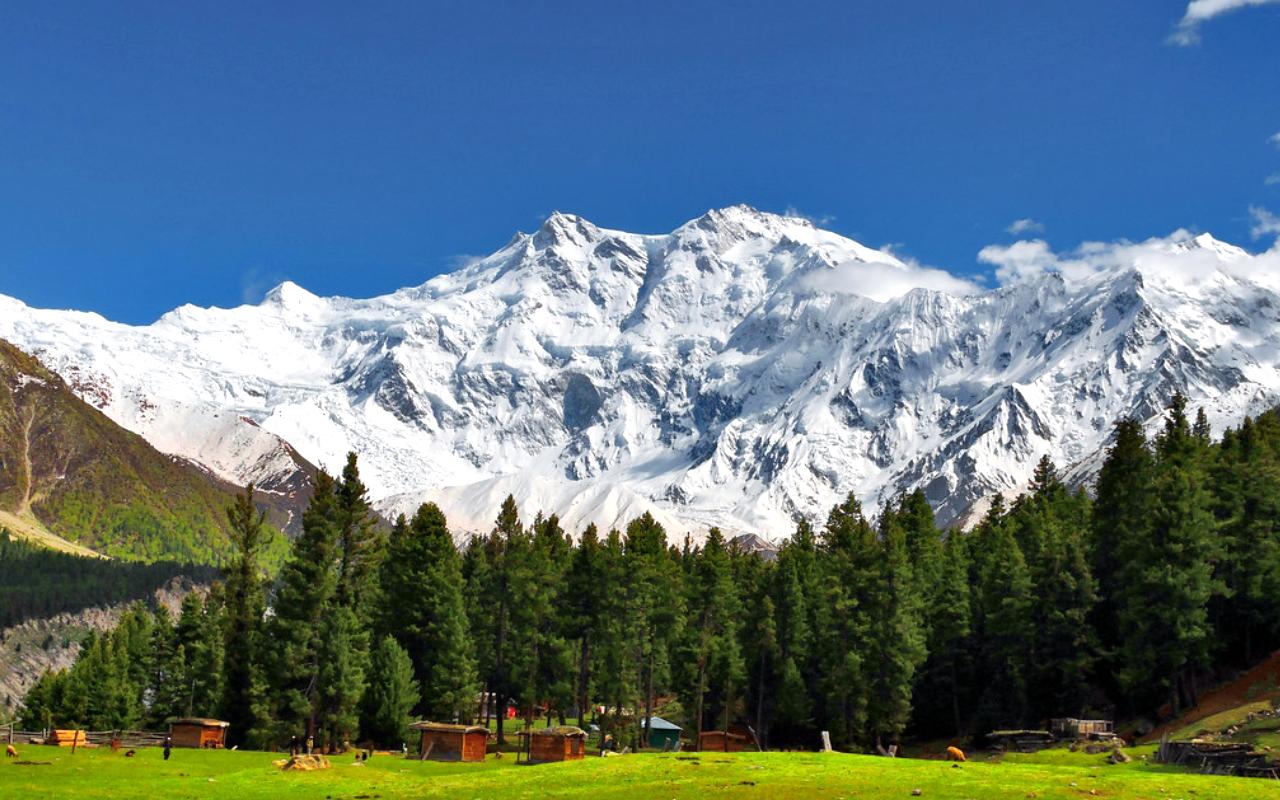
Fairy Meadows, Pakistan
Travelers hire rugged jeeps to reach it, and the views are “sublime”; bear and ibex sightings are possible. Best in summer (June–Sept), it enchants hikers and mountaineers seeking remote beauty and cultural insight in Gilgit-Baltistan.
Lake Atitlán, Guatemala (Central American Highlands) – A serene volcanic crater lake surrounded by three volcanoes and Mayan villages.
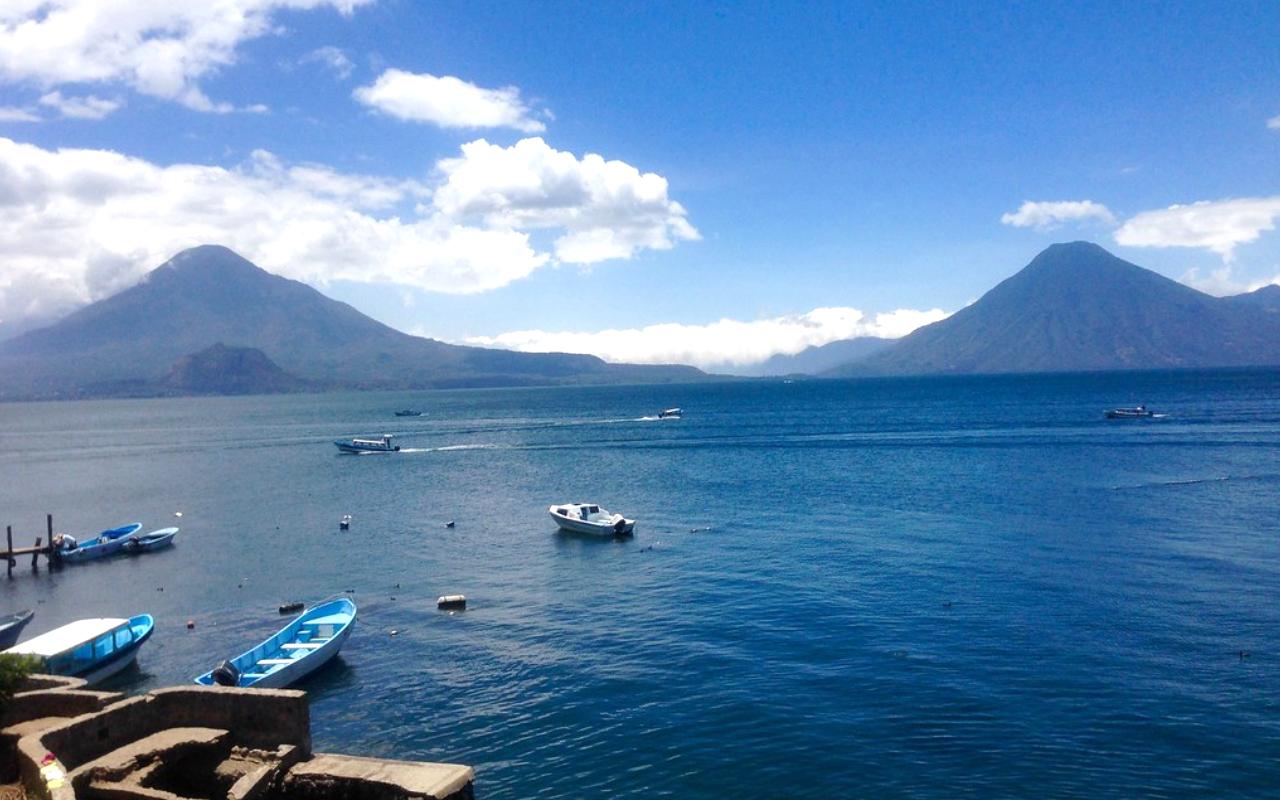
Lake Atitlán, Guatemala
The blend of Indigenous culture and waterside tranquility is enchanting. Popular in dry season (Nov–Apr), it’s ideal for yoga retreats, artisan market strolls, and gentle volcano hikes.
The locals say the lake’s spiritual energy invites reflection.
Monteverde Cloud Forest, Costa Rica (Tropical Highlands) – A magical, misty cloud forest shrouded in fog, home to quetzals and orchids.
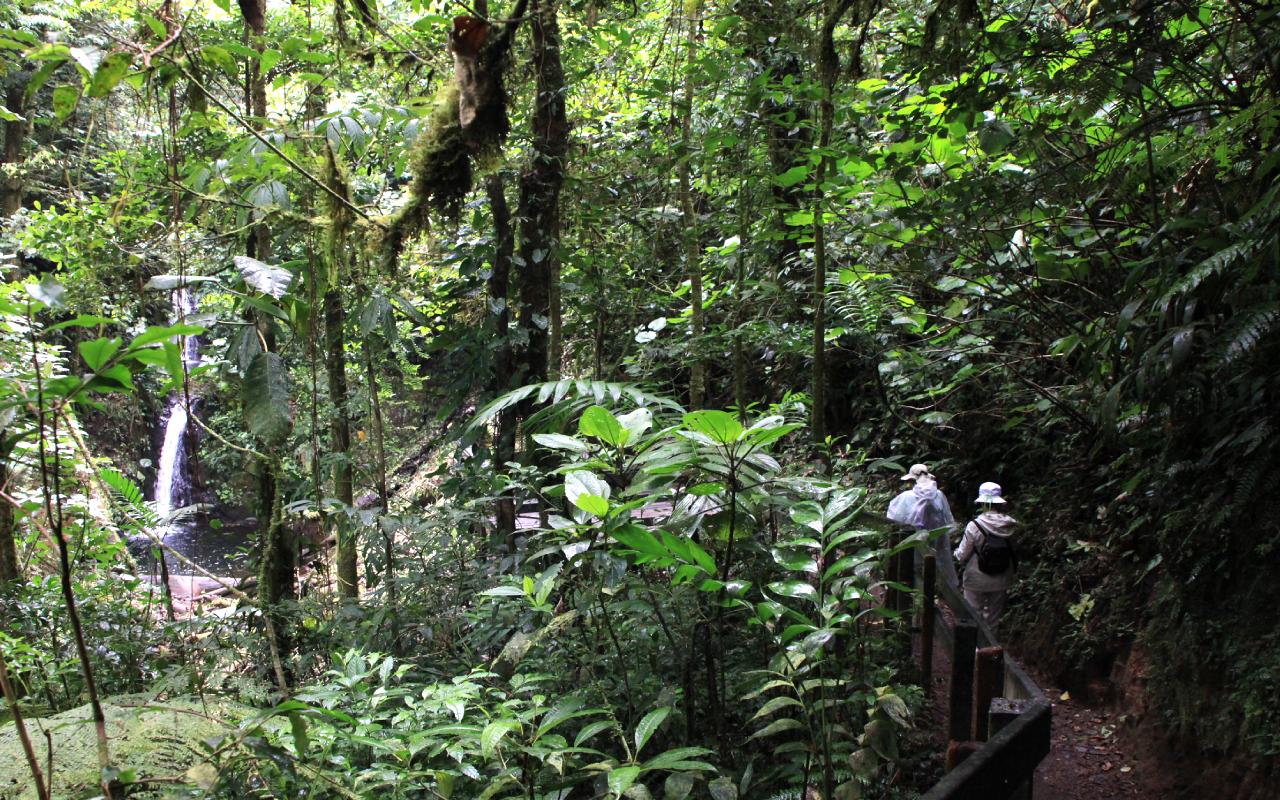
Monteverde Cloud Forest, Costa Rica
Narrow suspension bridges above the canopy make you feel in a dream. Thanks to sustainable tourism, it’s a pristine paradise.
Dry season (Dec–Apr) is best; birdwatchers, nature-lovers, and eco-travelers relish this fairy-tale jungle.
Zhangye Danxia “Rainbow” Mountains, China (Gansu Province) – Striking multicolored sandstone peaks that look painted, called China’s “psychedelic” mountains.
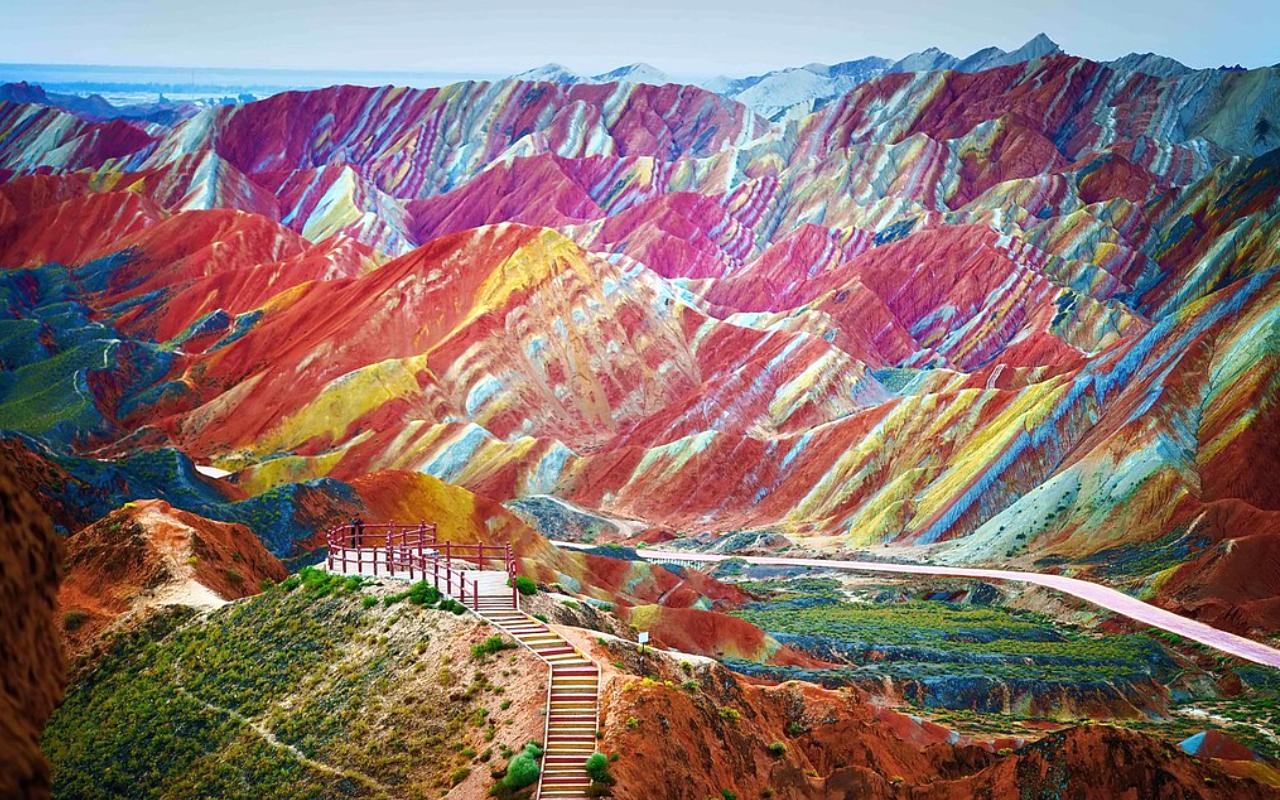
Rainbow Mountains, China
Wooden boardwalks thread through scarlet, ochre, and ivory ripples. Go in warm months for clear views.
This UNESCO Geopark feels otherworldly; photography enthusiasts and geology buffs find it surreal.
Machu Picchu, Peru (Andean Mountains) – The Incan “Lost City” perched on a mountain ridge, surrounded by misty peaks.
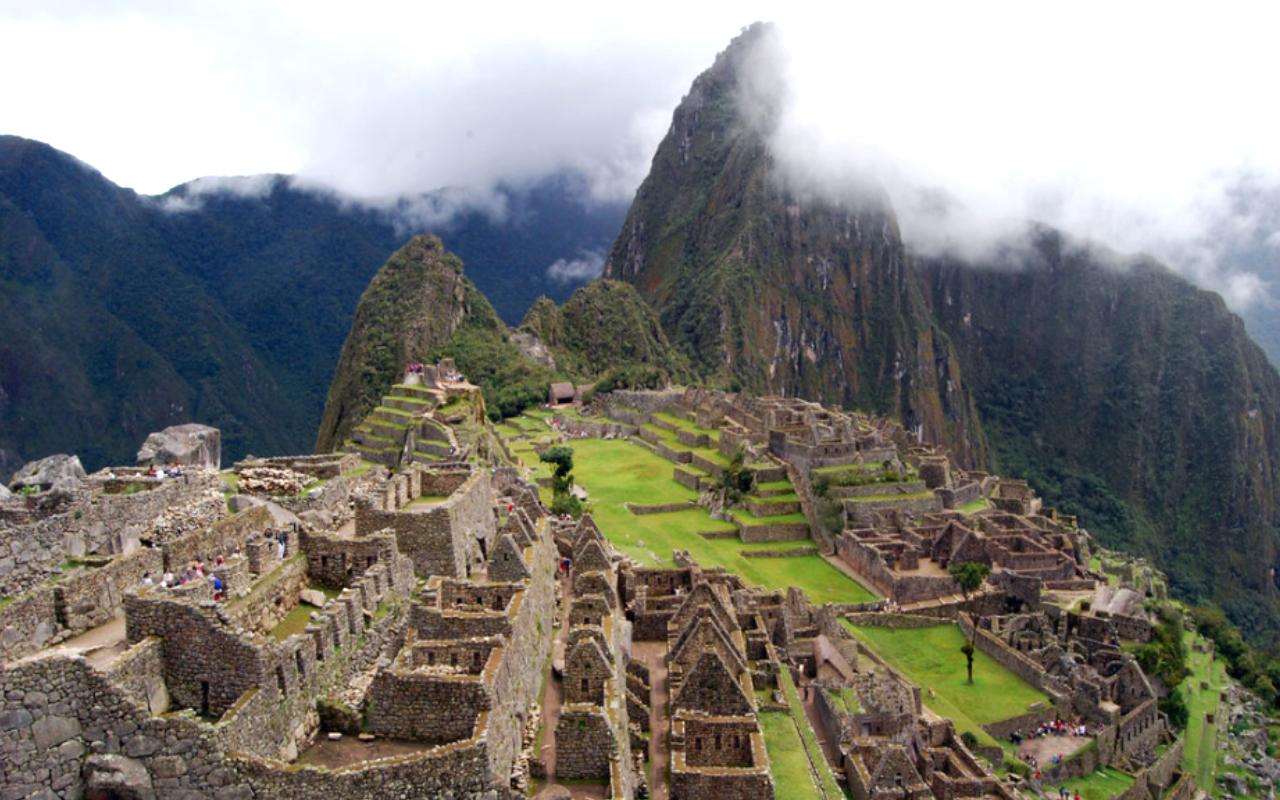
Machu Picchu, Peru
Its engineering marvels and sacred setting are legendary. Visit in dry season (May–Sept) for clear skies.
It’s a romantic and mystical place that draws historians, trekkers (via the Inca Trail), and anyone longing for an ancient connection.
Glencoe, Scotland (Highlands) – A hauntedly beautiful glen of steep valleys and peaks, steeped in legend. Clouds often swirl around granite cliffs, giving an enchanted vibe.
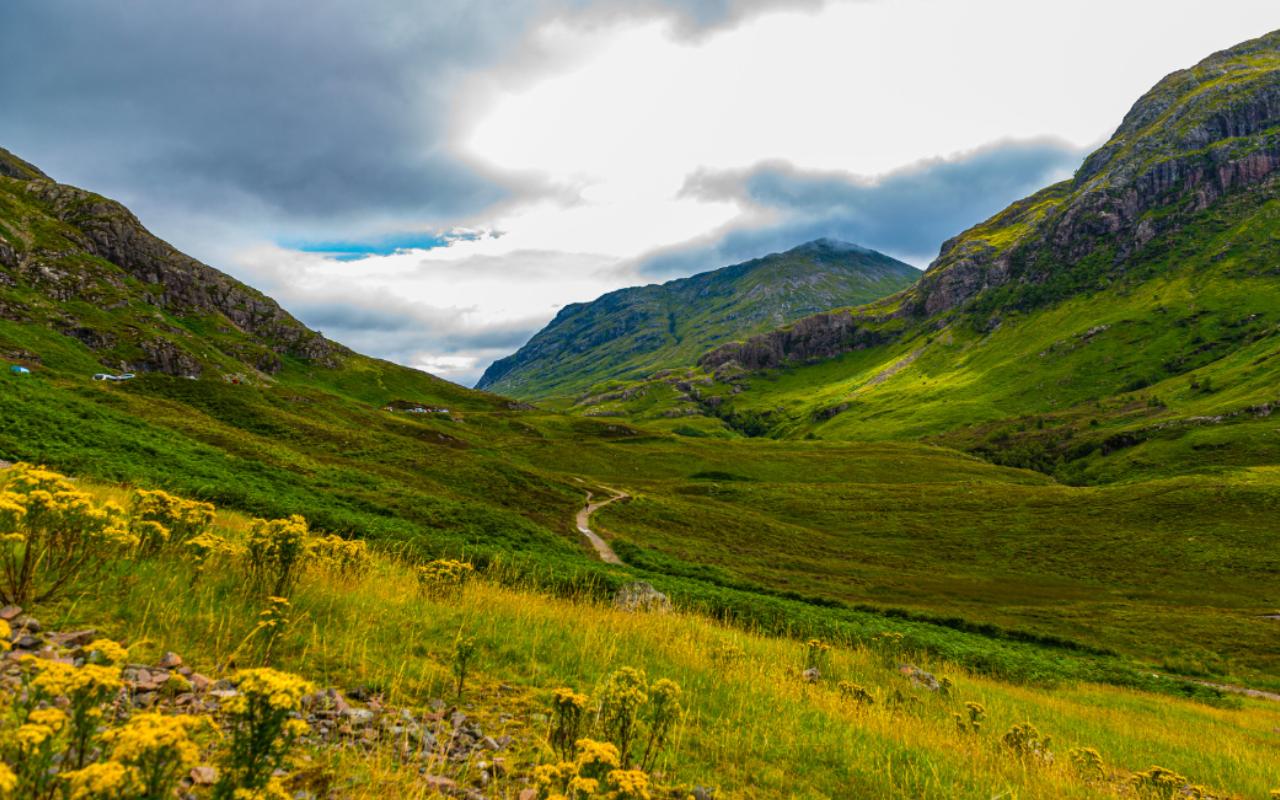
Glencoe, Scotland
Go summer or even misty fall. Hikers and history-lovers enjoy its folklore and whisky distilleries nearby. It feels like a “Colosseum of Nature” (to quote Victor Hugo on France’s Cirque de Gavarnie).
Acadia National Park, USA (Maine Coast) – Rocky shoreline meets pine forests and granite mountains (“Cadillac Mountain”).
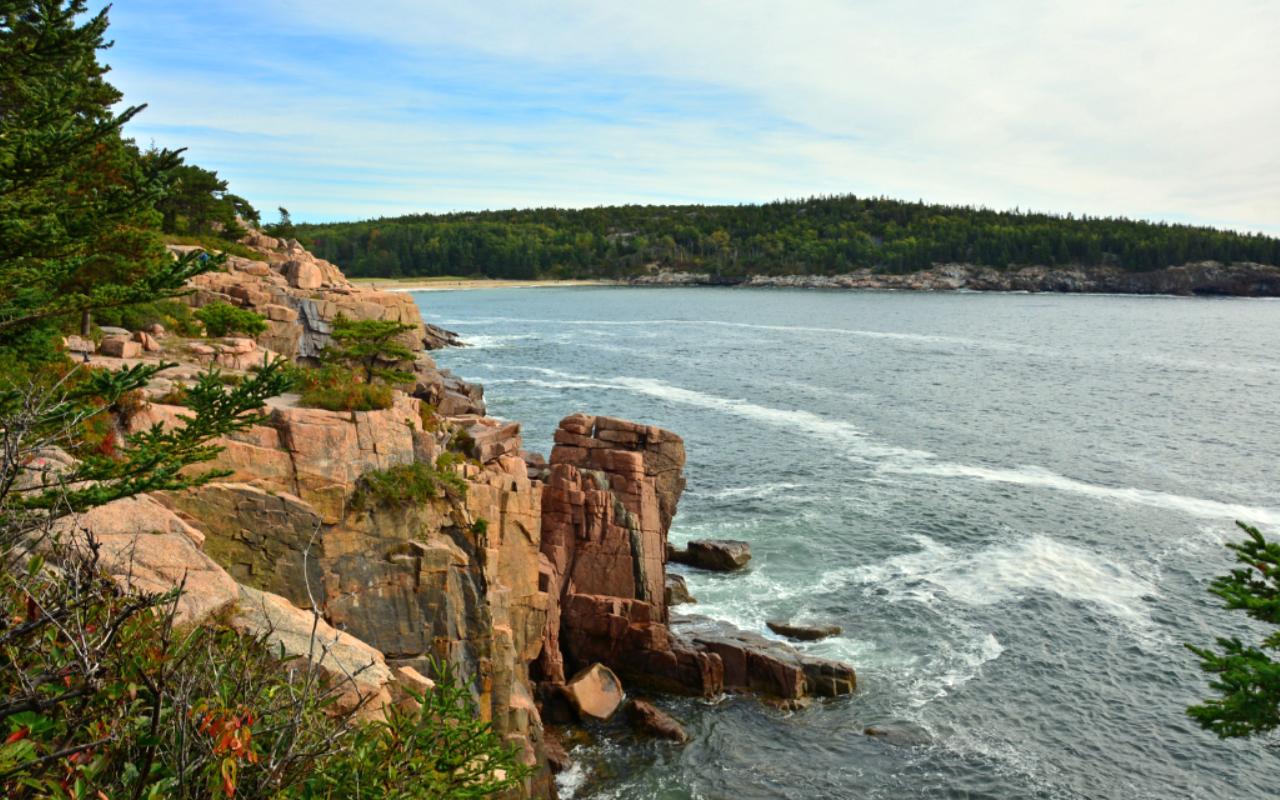
Shrouded often in fog or fire-colored sunsets, it feels like New England’s edge of the world. Best in summer; brings hikers, anglers, and sunrise-lovers. The endless mist and stone make even a sunrise hike feel epic.
Okavango Delta, Botswana (Kalahari) – An inland watery wilderness, where the Okavango River fans into swampy islands rich with hippos, elephants, and birds. Exploring by traditional mokoro canoe through papyrus channels feels timeless. Go in the winter dry season (June–Oct) for wildlife viewing. Safari seekers and nature-lovers find its emerald maze “otherworldly.”
Bagan, Myanmar (Temples and Culture) – Ancient pagodas across flat plains: when hot-air balloons rise at sunrise, thousands of stupas dot the mist below.
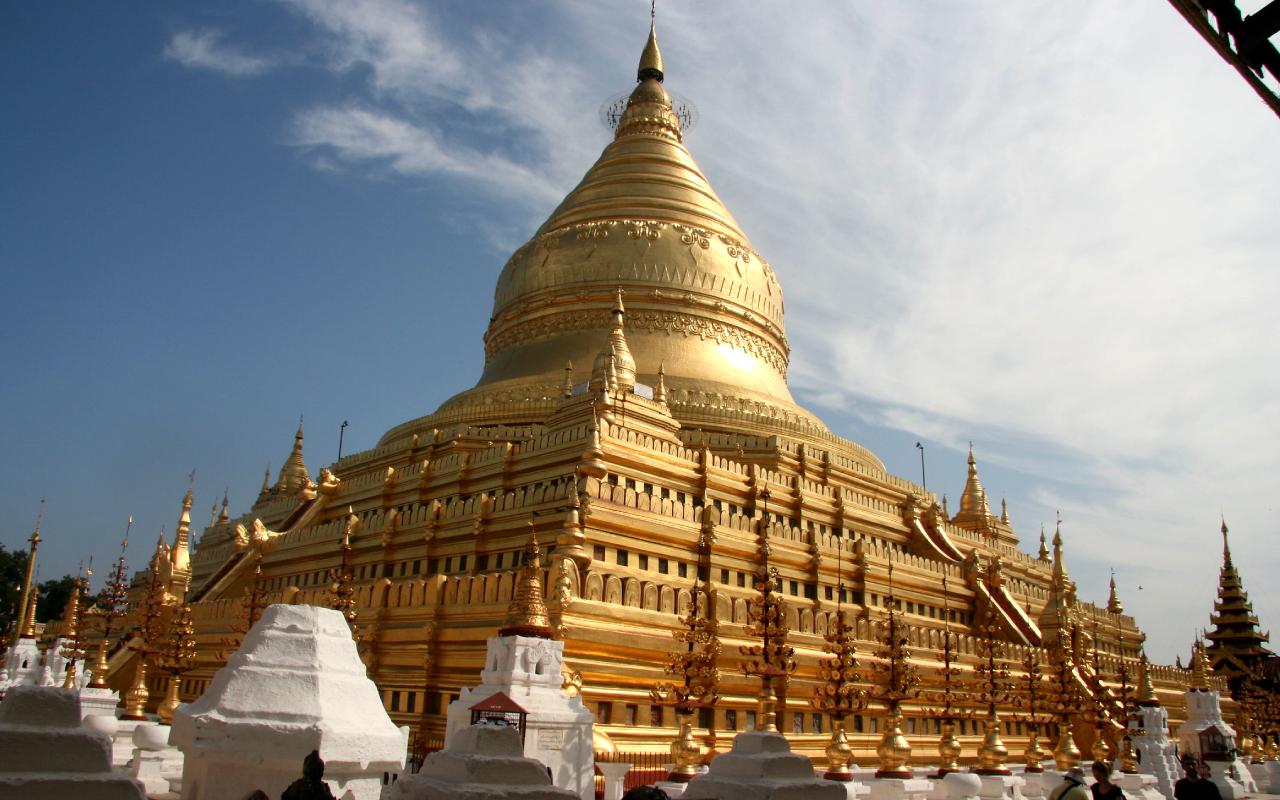
Bagan, Myanmar
Exploring by e-bike among golden temples feels mystical. Visit during the winter dry season. It’s perfect for history buffs and romantic travelers. The sacred aura and endless temples truly feel enchanted.
Hallstatt, Austria (Alpine Lake) – A fairy-tale village on a crystal lake’s shore backed by the Dachstein mountains. Colorful wooden houses mirror in the water, like a movie set.
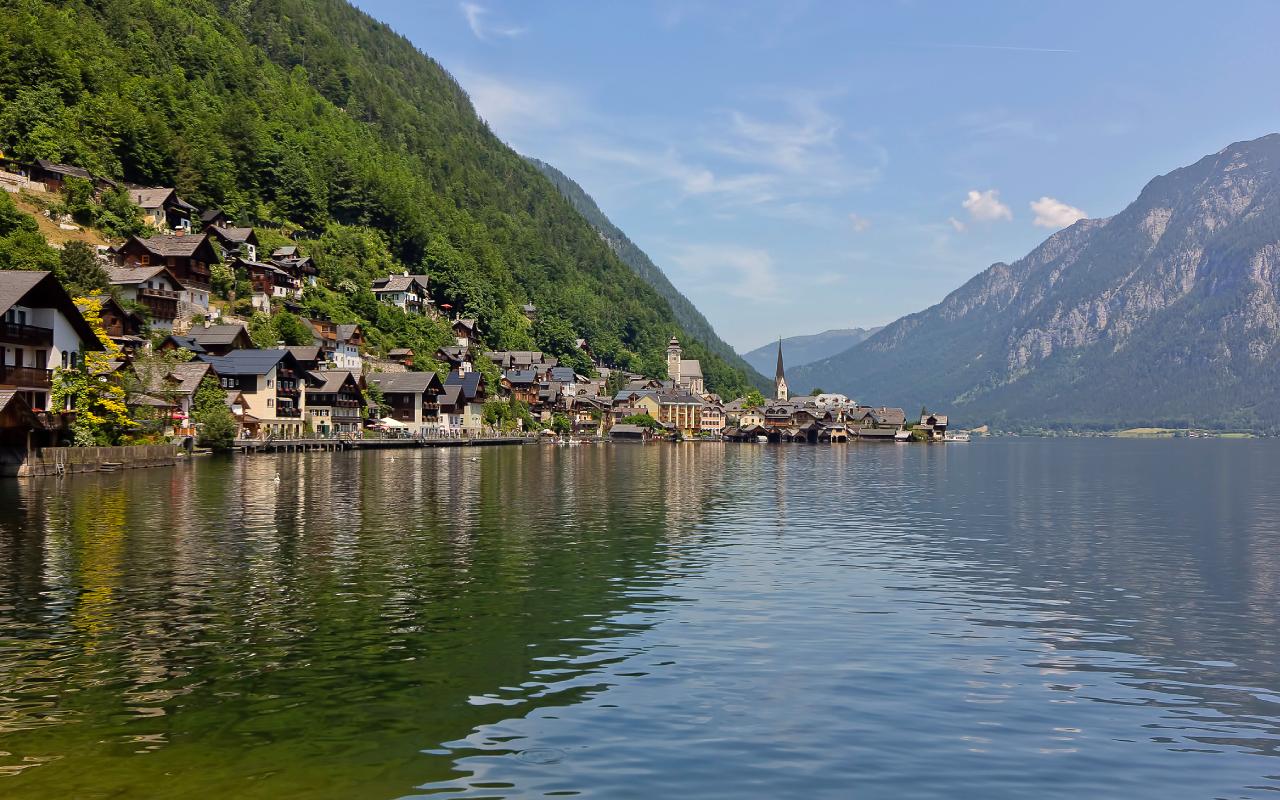
Hallstatt, Austria
Explore salt mines or hike alpine trails. Any season: winter snows make it extra magical. Travelers of all ages, especially families, love the old-world charm and glacier-fed lake.
Avenue of the Baobabs, Madagascar (Tropical Africa) – A dusty dirt track lined by towering centuries-old baobab trees silhouetted at sunrise/sunset.
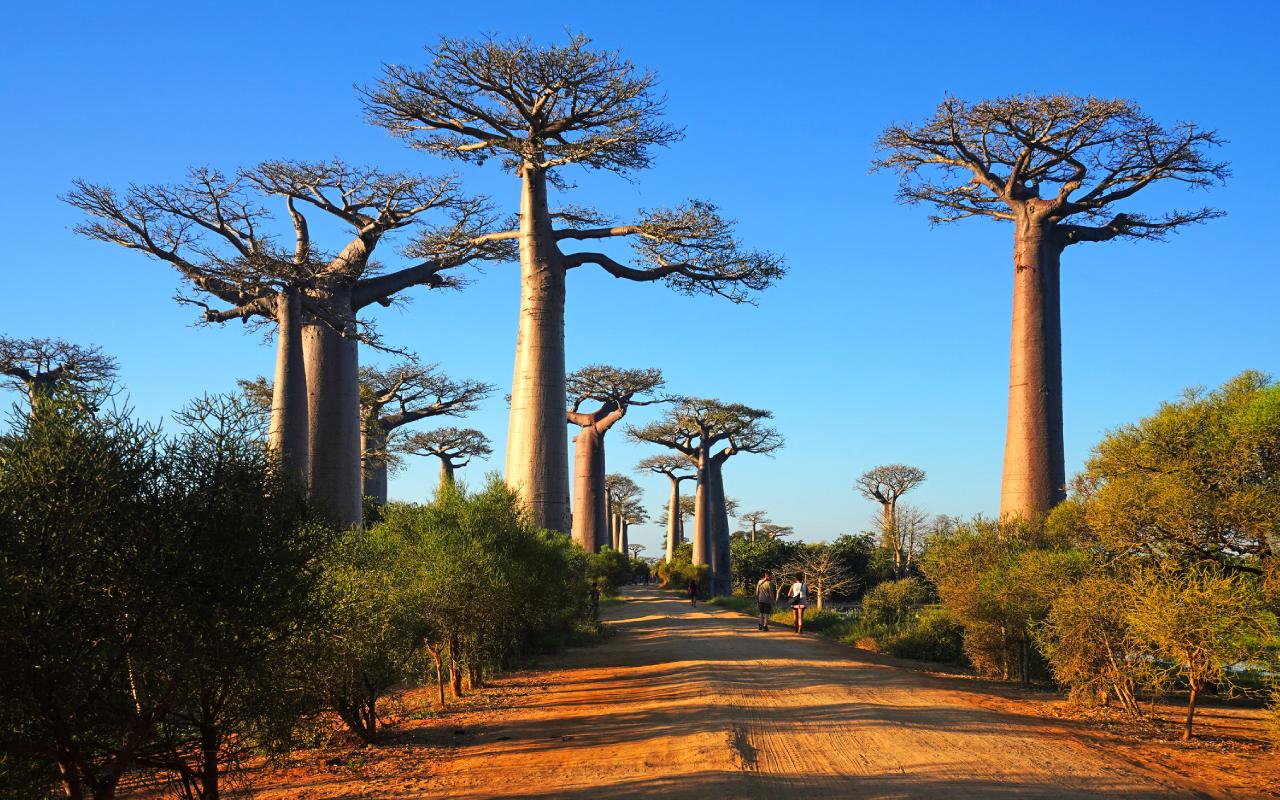
Avenue of the Baobabs, Madagascar
The sky often has stars or fiery clouds between the giants. Dry season (May–Oct) for clear skies. Ideal for photographers and adventure travelers, the place feels prehistoric and enchanted by sun-drenched giants.
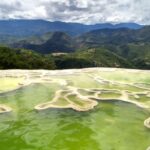
Le Morne Brabant, Mauritius (Indian Ocean) – A forested basalt mountain on a peninsula, with a hidden feature: when viewed from above, sand and silt in the water create an “underwater waterfall” illusion.
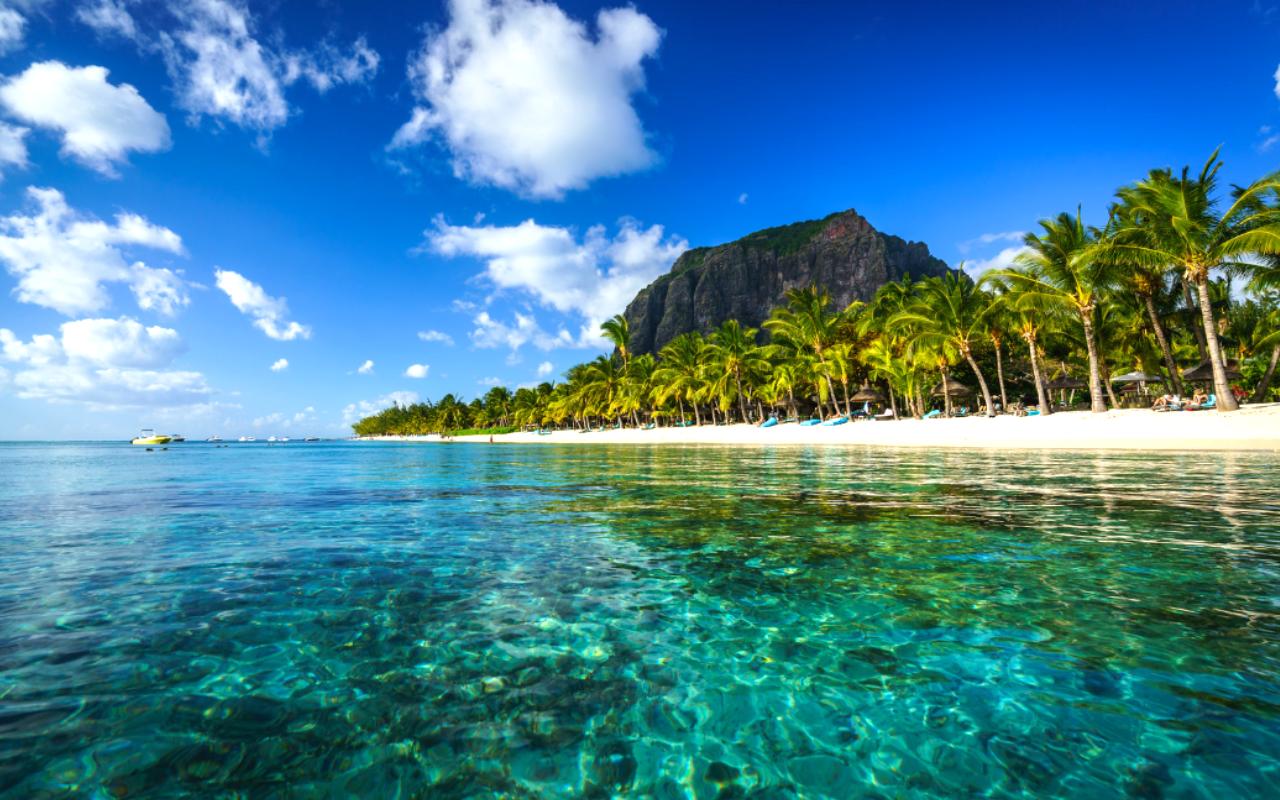
Le Morne Brabant, Mauritius, Enchanted Adventure
The history of escaped slaves adds mystique. Go in Southern Hemisphere winter (May–Oct) to snorkel and hike. Island and beach travelers will find this spot both beautiful and poignant.
Each of these destinations offers scenery or culture that feels beyond the ordinary. From South America’s Andes to Asia’s Himalayas, and from Caribbean beaches to African deltas, the variety ensures any traveler finds their own version of “enchanted.”
(See the Destination Comparison table below for a handy summary.)
| Destination | Region | Why Enchanted Adventure | Best Time | Ideal Traveler |
| Fairy Meadows (Pakistan) | Himalayas/Asia | Sublime snow-capped peaks, lush meadows, and rare wildlife | Summer (June–Sept) | Experienced trekkers, nature lovers |
| Lake Atitlán (Guatemala) | Highlands/Central America | Serene crater lake with volcanoes & Mayan culture | Dry season (Nov–Apr) | Yoga/relaxation seekers, culture enthusiasts |
| Monteverde (Costa Rica) | Rainforest/C. America | Misty cloud forest, hanging bridges, rich biodiversity | Dry season (Dec–Apr) | Birdwatchers, eco-travelers |
| Zhangye Danxia (China) | Desert/Asia | Rainbow-colored rock formations in alpine hills | Spring/Fall | Geology/photography buffs |
| Machu Picchu (Peru) | Andes/S. America | Ancient Inca citadel atop a mountain ridge | Dry season (May–Sept) | History buffs, trekkers |
| Glencoe (Scotland) | Highlands/Europe | Dramatic misty glens & legends; “Colosseum of Nature” vibes | Summer, Autumn fog | Hikers, history/folklore fans |
| Acadia NP (USA) | Coastal N. America | Rugged coast meets pine forests; sunrise on sea and stone | Summer | Families, campers, photographers |
| Okavango Delta (Botswana) | Savannah/Africa | Lush inland delta with wild waterways and wildlife | Dry winter (June–Oct) | Safari/wildlife enthusiasts |
| Bagan (Myanmar) | Plains/Asia | Vast temple landscape; sunrise ballooning over pagodas | Winter dry season | Cultural explorers, romantics |
| Hallstatt (Austria) | Alpine Europe | Fairy-tale village on a glacial lake (postcard-pretty) | Year-round (charming winter) | Families, photographers |
| Baobab Avenue (Madagascar) | Forest/Africa | Ancient baobabs lining sunset vistas | Dry season (May–Oct) | Photographers, naturalists |
| Le Morne (Mauritius) | Island/Africa | Isolated mountain with “underwater waterfall” illusion | Dry winter (May–Oct) | Beach lovers, adventurers |
Types of Enchanted Adventure Experiences
Enchanted Adventure travel comes in many flavors. Here are six experience categories, each with sample activities and recommended locations:
Trekking & Hiking: Enchanted trekking & hiking: Scale mountain trails or walk through mystical forests, discovering enchanted paths that lead to unforgettable experiences. Think the Inca Trail to Machu Picchu (Peru), the Everest Base Camp trek (Nepal), the GR20 across Corsica (France), or Japan’s Kumano Kodo pilgrimage paths.
You might climb volcanoes like Guatemala’s Acatenango, wander fairy-tale woodland trails in New Zealand’s Fiordland, or scramble the Alps in Europe. Recommended activities: guided multi-day hikes, summit wild peaks, or forest bathing in calm groves. Regions: Andes, Himalayas, Rockies, Alps, Japanese mountains.
Wildlife & Nature Safaris: Encounter animals and nature in magical ways. For example, a Botswana safari in the Okavango Delta or the Maasai Mara (Kenya) during the Great Migration feels epic. A night safari in India’s Bandhavgarh or Costa Rica’s Monteverde cloud forest at dawn can feel enchanting as jungle sounds come alive.
Farther north, Canada’s polar bear tours in Manitoba or observing bioluminescent plankton in Puerto Rico’s Mosquito Bay also fit here. Sample activities: guided game drives, hot-air balloons over wildlife parks, boat safaris to see hippos or whales, and birdwatching at dawn.
Cultural Immersion: Live like a local to experience hidden magic in everyday life. Stay with a host family in a rural village (e.g., Uros reed islands on Lake Titicaca, or homestays in the Thai countryside), learn traditional crafts (like the Japanese tea ceremony or African beadwork), or take part in a local festival (Holika Dahan in India, Lantern Festival in Taiwan).
As World Expeditions notes, “immersion in the indigenous cultures of the world is an exceptional way to learn about humanity”. Locations: visit Navajo tribal lands in Arizona, Maasai villages in Kenya, or Mongolian nomads on the steppe. The key is eating local food, listening to local stories, and moving at the local pace.
Spiritual & Wellness Retreats: Travel for inner enchantment and healing. Popular spots include meditation monasteries in Thailand or India, yoga retreats in Bali or Costa Rica’s beaches, and Scottish highlands retreats (like on Skye).
Even urban getaways can be spiritual: try hot springs in Japan’s Hakone, a sound bath in California’s Joshua Tree, or a transformational retreat in Sedona, Arizona.
These focus on wellness activities like yoga, forest therapy, or spa/hot-spring soaks. The setting (mountains, forests, temples) provides the enchanted backdrop. Seasonal retreat centers often have guided mindfulness and energy work that make a trip feel deeply rejuvenating.
Epic Road Trips: Hit the road where the journey itself feels enchanted. Classic drives like Norway’s Lofoten Islands route (Nordland), South Africa’s Garden Route, the Scottish North Coast 500, or the American Blue Ridge Parkway (Virginia/North Carolina) offer scenic variety and surprise vista after vista. On these drives, you pass from mountains to coast to forests in a day.
Rent a 4×4 in Iceland to tour volcanoes and glacial lagoons, or drive Argentina’s Route 40 through Patagonia. Sample activities: stop for sunrise hikes in national parks (e.g., the Smokies), whale-watching along the coast (e.g., in California or Canada), or picnic in flower-strewn alpine meadows. A road trip lets you uncover hidden gems at your own pace, turning ordinary travel into an adventure itself.
Family-Friendly Magic: Traveling with kids or multigenerational groups can be enchanting, too. Look for destinations blending wonder and convenience: for example, a safari in South Africa with child-friendly lodges, a trip to Orlando’s theme parks (or more nature-oriented parks, as Brand USA highlights “family-friendly travel experiences” from beach resorts to national parks), or an “enchanted forest” holiday where kids can hike easy woodland trails and spot wildlife. Interactive science museums, castle tours, or dolphin-swim experiences can also infuse a family trip with magic.
Many destinations (Costa Rica, Japan, or Utah’s national parks) have itineraries tailored for families that balance exploration with relaxation. As travel planners note, families today seek “shared experiences and meaningful time together”, so building in kid-friendly adventures (nature scavenger hunts, cultural performances, or simple farm stays) makes an enchanted trip for all ages.
These experience types can overlap. For example, a road trip through Yellowstone can include wildlife safaris and geothermal wonders. When planning, pick a style that excites you and add local “magic” activities (like hot springs after a hike or a nighttime lantern ritual) to personalize the adventure.
Planning Your Enchanted Adventure
Budgeting & Itinerary Planning for Enchanted Adventure
Budget vs. Luxury: Budget vs. Luxury: Enchanted adventures can be budget-friendly backpacker trips or luxurious getaways. For example, visiting a cloud forest lodge or joining a national park tour can range widely in price. As a rule of thumb (currency unspecified):
Low Budget:50–100 per day. Stay in budget guesthouses or hostels, eat street or local market food, and use public transport or shared shuttles. Great for adventurous solo travelers or couples who don’t mind basic comforts.
Midrange: 150–300 per day. Stay in moderate hotels or eco-lodges, mix local eateries with sit-down meals, and rent a car or take internal flights. This is a comfortable band for most seasoned travelers with two upsides: flexibility.
High (Luxury):300+ per day. Stay at high-end resorts or boutique hotels, dine at fine restaurants, and use private guides or drivers. Ideal for special occasion trips or when extra comfort is needed (e.g., multi-generational families).
(See Budget Tiers table below for more detail.) Always start by breaking down costs: flights, lodging, food, activities. Budgeting apps can help you keep track of your spending. Look for ideas in travel guides or agency package rates for your destination.
Itinerary Templates: Planning should include a mix of sightseeing and rest. For a 5-7 day break, you could choose 2-3 destinations (such as a national park, nearby town, and nature reserve) and spend 2-3 days in each. For a 10–14-day trip, spread across a larger region: e.g., 3–4 places, or include a travel day by train/overnight bus.
Short Itinerary (5–7 days): Day 1 arrive and rest, days 2–3 explore region A (hiking, village visit), days 4–5 travel to and explore region B (wildlife or spa), day 6 possible day-trip to region C or relax, day 7 return.
Long Itinerary (10–14 days): Following the same pattern with additional destination: e.g., 3-4 nights in area A (mountain trek), 3-4 in area B (forest and temple), 3-4 in area C (beach or spa), travel days between. Take advantage of travel booking websites to locate the quickest routes or scenic trains/buses. Always overestimate travel time in mountainous or rural areas.
The key is to theme each leg (nature, culture, wellness) and mix active days with gentler ones. We include one sample 7-day itinerary below for inspiration, complete with transport modes and accommodation types.
Seasonality & Timing for Enchanted Adventure
Check the best time to visit each destination (tables above hint at seasons). Alpine areas often have short summer windows, while tropical places may have rainy seasons.
For example, Himalayan treks are best in spring or fall when the weather is stable; monsoon rains (summer) should be avoided. Conversely, desert areas like Namibia are typically visited in dry winter months. Use official tourism sites or World Bank climate data to verify seasonal patterns.
Also consider timing for activities: if you want to see the northern lights in Iceland, go in winter; for wildflower meadows in Arizona, go in spring. Festivals can add magic too (e.g., cherry blossom season in Japan, lantern festivals in China).
However, peak seasons may be crowded or more expensive. If you enjoy solitude (a key part of “enchanted” quiet), try shoulder seasons or visit popular spots at off-peak hours (sunrise/sunset).
Packing, Health, and Safety for Enchanted Adventure
Packing Checklist: Bring versatile clothing for layers (even tropical jungles can get chilly at night). Essentials include sturdy hiking shoes, rain gear, swimwear (for waterfalls or thermal springs), and a travel medical kit.
According to the CDC’s travel health advice, pack copies of your documents (passport, vaccination records, emergency contacts) and medicines for common issues (diarrhea, pain relief, allergy).
Don’t forget sunscreen, insect repellent, and any altitude meds if going high. Electronics: camera, headlamp, power bank. A daypack, reusable water bottle, and snacks are also useful. (See the Packing Checklist table below.)
Safety & Health: Learn what to do before traveling (government sites), and get recommended vaccinations. In case of trekking, remember about altitude sickness. Always have a first-aid kit. Be
Wilderness-safe: inform someone of your intentions, employ local guides in new places, and do not disturb wildlife (stay away and never feed them).
For tropical areas, check mosquito-borne disease info. Travel insurance is a must, especially for remote adventures. For COVID or other outbreaks, check current alerts and entry rules (many places still advise proof of vaccination or tests).
Booking Tips: Reserve flights and hotels well in advance for popular destinations. To be authentic, think about mixed accommodation: e.g., a night camping or homestay between hotel stays. Specialised tours (such as hiking, wildlife, cultural treks) can be organised by tour operators (such as World Expeditions or local operators).
Compare independent booking with package tours for convenience vs. flexibility. Always confirm local transportation schedules (some remote buses run only a few times a week!). Use reputable booking sites or even contact hotels directly; often, smaller lodges off the beaten path are not on big platforms.
Plan for Internet access: when going to isolated places (deep forests or mountains), you may want to download maps and guide information to use offline. Lastly, leave yourself some wiggle room in the plan; the magic usually strikes unexpectedly, so keep your mind open to unexpected turnings (a local festival, a new trail, or a secret waterfall).
Sample 7-Day Itinerary (Enchanted Adventure)
Day 1: Arrive in the capital city. Stay in a cozy inn. Take a walk through cobblestone streets in the afternoon, go to a local market, and have a sunset view at a hilltop in the city. (Accommodations: mid-range hotel.)
Day 2: Private van (or bus) to a local national park. Explore a magical forest via mossy trails that make one feel that they are walking into a fairy tale. Have a picnic by a stream, and come back. (Spend the night in a lodge at the edge of the forest.)
Day 3: See a traditional mountain village. In the morning, follow a cultural demonstration (such as weaving, cooking) with locals. Follow lunch with a picturesque journey by a train or bus, in the hazy valleys, to a lake town. (Night at a hotel on a lake).
Day 4: At dawn, take a small boat on the crater lake. Cruise around, and see mist climb up the water. Have a yoga session or a meditation retreat in the afternoon on a lake beach. Evening free to relax or journal.
Day 5: Morning excursion to a wild animal park (jeep Safari). Look for deer, birds, or other wildlife in open plains. Return via a mountain road, with photo stops at panoramic overlooks. (Consider camping or a cabin in the park for a night under the stars.)
Day 6: Optional activity day: lounge in a mountain spa if available (natural hot springs!), or do a short trail hike you missed earlier. Gather around a campfire if camping, or dine on local specialties in the village.
Day 7: Head back to the city by bus or train (journey 1 day depending on distance). Fly home that evening or the next morning.
(This itinerary uses a mix of coach, train, and ferry transport, and alternates village stays, lodges, and one night of camping. Adjust accommodations and pace for budget or luxury preferences.)
Enchanted Adventure Budgeting: Backpacker to Luxury
When it comes to spending, an enchanted adventure can fit any wallet. Below is a simplified budget tier table (all values approximate, unspecified currency).
| Tier | Daily Budget | Accommodations | Meals & Transport |
| Low | 50–100 | Hostels, guesthouses, camping | Local eateries, markets, buses, or group tours |
| Midrange | 150–300 | 2–3★ hotels, eco-lodges | Mix of casual restaurants & local food; car rental or short flights |
| High | 300+ | Luxury resorts, boutique hotels | Fine dining (multi-course meals); private car/guide or first-class travel |
As an example, budget travelers may hike with a bare bones guide service and lodge in bare bones eco-lodges, and luxury travelers may hire a private guide to guide them on a tailor-made route and book into spa resorts.
Prices are different in different countries: 100 a day in one location can be extravagant or moderate in another. Always check local prices to get an approximate amount, and don’t forget to include visas, park charges, and tips in your budget.
Packing Checklist for Enchanted Adventure
| Category | Items (Examples) |
| Documents & Essentials | Passport & visas, travel insurance info, ID cards, photocopies of documents, credit cards, booking confirmations. Additional: Regional SIM or hotspot device. |
| Clothing | Moisture-wicking layers, insulating jacket (if mountains), waterproof shell, hiking boots, quick-dry shirts, swimwear, hat, gloves (if needed), sleepwear. |
| Health & First-Aid | Travel first-aid kit (bandages, antiseptic, tweezers), medications (prescription and over-the-counter: pain relievers, antihistamines, anti-diarrheal, altitude pills), sunscreen, insect repellent, water purification. |
| Tech & Gear | Phone + charger, power bank, camera/binoculars, headlamp/flashlight, travel towel, day pack, reusable water bottle, travel adapter, earplugs, sunglasses. |
| Miscellaneous | Guidebook or offline maps, snacks, travel pillow, zip-lock bags (for electronics/keepsakes), cash in local currency, a journal or sketchbook. |
Tailor this list for climate: e.g., heavy rain gear for tropics or warm gloves for alpine treks. Remember CDC advice: keep medicines in original containers and bring extras.
FAQs
What exactly is an “enchanted adventure”?
It’s a trip designed to feel magical or awe-inspiring, often involving nature, culture, or adventure elements that leave you feeling uplifted and connected.
How do I choose destinations?
Look for places with natural beauty or cultural mystery (see our top destinations list). Consider what enchants you: misty mountains, ancient ruins, or starry deserts, and then check guides or travel blogs for real travelers’ impressions.
Is special gear needed?
Depends on activities. At a minimum, sturdy walking shoes, weather-appropriate clothing layers, and a good camera. Add hiking poles, snorkel gear, or telescopes as needed. Use our Packing Checklist above.
When is the best time to travel?
Seasons vary. Aim for the dry season in jungles and savannas, and the shoulder seasons in mountain areas. Consult local climate charts. Off-peak can be lovely (fewer crowds), but check for rain or closures.
What about safety?
Research health advisories for each country. When possible, travel with a guide in the more remote areas. Exercise common sense: stay out of reach of wild animals, never walk alone in the dark, and lock up. Get the latest guidance with the help of government resources and CDC travel pages.
What is the balance between adventure and comfort?
Mix lodging types. One night in a tent or simple lodge can be balanced by others in a comfortable hotel. Daytime adventures can be strenuous, so plan an easy/fun day (like a hot spring spa or city tour) next.
Is solo travel recommended?
Yes, enchanted trips can be deeply personal. Solo travelers report high satisfaction as well. Join group tours for safety if you’re new to an area, or pick destinations with good traveler communities.
What’s the typical daily budget?
It varies. Low-budget adventures might run 50–100/day, while luxury trips easily exceed 300/day (see our Budget table). Consider local costs: Asia and Latin America are often cheaper, Western Europe and remote islands are pricier.
Can families do enchanted adventures?
Absolutely. Focus on nature parks (like safaris or tropical islands) and interactive cultural activities. Many kids love animals, gentle hikes, and starry nights. Some tour operators specialize in family itineraries.
Any travel “must-pack” for wellness?
A yoga mat (or travel towel) and basic fitness gear can let you do sunrise stretches in nature. Essential oils or herbal teas can help with relaxation. Don’t forget comfortable sleep aids (earplugs, eye mask) for restful nights.
Is high altitude a concern?
If you’re climbing above 2500–3000 m (8–10k ft), acclimatize slowly, hydrate, and consider medication like acetazolamide. Many enchanted mountains (like Everest Base Camp or Kilimanjaro) require acclimatization days.
How to find authentic local experiences?
Seek community-run tours or homestays. Websites like UNESCO’s pages or local tourism boards often list cultural heritage tours. Review sites and travel blogs can also point to lesser-known cultural experiences.
Should I pre-book everything?
Major hotels and tours are safer to book in advance, especially in high season. But leave some free time. You can often book local day tours last-minute once you arrive. Just keep a bit of flexibility.
How to stay healthy (food, water)?
Stick to bottled or purified water. Insects can be a worry in the tropics: use repellent and sleep under nets if needed. Eating freshly cooked, well-cooked foods or street food at busy stands is usually fine. Check CDC guidelines for any region-specific vaccines or precautions.
Is travel insurance necessary?
Strongly recommended for any adventure travel. Ensure it covers medical evacuation, trip cancellation, and adventure activities. Many enchanted destinations are remote.
What about flights and local transport?
Shop around for international flights, but consider multi-stop tickets if visiting multiple regions (e.g., Europe + Asia on one trip). For local travel, trains or ferries can be scenic. In many areas, renting a car gives flexibility; in others, arranged tours or local buses are safer.
How to keep costs down?
Travel in shoulder season, share dorm-style lodging, cook some meals if possible, and use public transport. National park passes and multi-day tour combos can save money.
Are guided tours or self-guided better?
Both have magic. A guide can unlock hidden folklore and ensure safety. Self-guided (with maps or GPS) offers freedom to linger and discover your own “enchanted” moments. Many use a mix: guided hike one day, explore solo the next.
Will there be any Language barriers?
Learn a few key phrases (“hello”, “thank you”) in the local language. In remote areas, guides often speak some English. Translation apps help with basic communication. A smile and respectful posture can go a long way.
How do I capture memories?
Other than photos, find travel journaling/drawing. Mindfulness will allow you to internalize information (what the wind sounds like blowing through bamboo, what a local fruit tastes like) that photos cannot capture. Bring gifts that are representative of the location (a handmade object, pressed flower, a recipe). These intimate details keep the magic alive once you come back.










-
 0115 Best Easy Treks in Nepal for Beginners and Families
 -
 02Best season for Everest Base Camp Trek
 -
 03Best Time to Go Hiking in Nepal: A Seasonal Guide for Trekkers
 -
 04Suchi Purja –Wife of Nirmal Purja aka Nims Dai
 -
 05Dubai desert safari outfit ideas
 -
 06Top Beaches in Sri Lanka
 -
 0710 Best Easy Treks in Nepal