
Now Reading: Japan Landmarks: 25 Must-Visit Icons from Tokyo to Kyoto
-
01
Japan Landmarks: 25 Must-Visit Icons from Tokyo to Kyoto

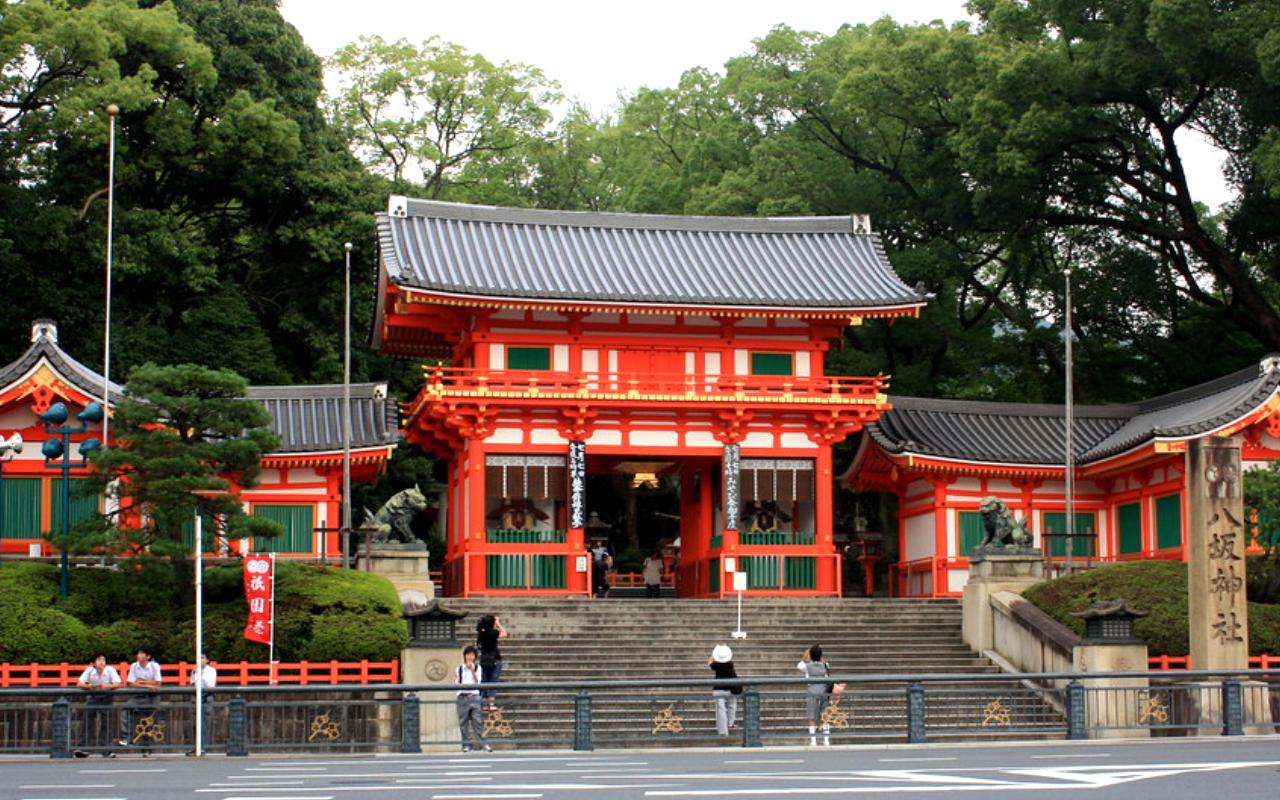
If you’re planning a first trip (or a return trip) to Japan in 2026, the fastest way to understand the country is through its landmarks: sacred shrines tucked into cedar forests, castles shaped by samurai-era power struggles, neon districts that never sleep, and landscapes that define Japanese art itself.
This Japan Landmarks guide is built around one goal: helping you experience the country’s “big icons” without losing the cultural meaning that makes them unforgettable.
Japan’s landmark scene is also unusually “layered.” You can admire a centuries-old temple in the morning and then stand on a 634-meter observation deck at night.
Tokyo Tower even explains that the tower’s 333-meter height was determined by broadcasting needs across the Kanto region, and adds that the founder wanted it to surpass the Eiffel Tower.
That blend of practical engineering + symbolism shows up again and again across the famous landmarks in Japan.
Because hours, access rules, and pricing can change, this blog is written as a 2026 planning guide with a strong emphasis on official sources (tourism boards, UNESCO listings, and venue websites).
When you see exact prices, assume they’re “as posted” on official channels at the time of publishing and always double-check right before you go.
Quick facts about Japan’s landmarks
| Category | Details |
| Country | Japan |
| Capital City | Tokyo |
| Famous Cities for Landmarks | Tokyo, Kyoto, Osaka, Nara, Hiroshima (and many more) |
| UNESCO World Heritage Sites | 26 properties listed for Japan (as of 2026, subject to updates) |
| Best Time to Visit | Spring cherry blossoms (generally March–May) and autumn color season (especially Oct–Nov planning, with foliage timing varying by region) |
| Currency | Japanese Yen (JPY) |
| Language | Japanese |
| Travel Style | Cultural, historical, nature, urban |
| Ideal Trip Duration | 7–14 days (10–14 days is the sweet spot for first-timers doing the “classic route”) |
Japan landmarks overview and travel flow
Think of Japan’s most streamlined landmark route as a “spine” that runs east-to-west through the country’s most connected regions, then add side trips when you want deeper nature or a less-crowded pace.
In regional terms, the Japan Landmarks in this guide cluster like this:
Kanto (Tokyo area): Tokyo Tower, Senso-ji, Shibuya Crossing, Meiji Shrine, Tokyo Skytree, plus modern add-ons like Odaiba and teamLab Planets. Tokyo Tower’s official site publishes current hours and ticket categories (Main Deck vs. Top Deck Tour), which helps you plan evenings efficiently.
Chubu / Mt. Fuji area: Mount Fuji itself (a UNESCO cultural World Heritage property) plus gateway destinations like the Fuji Five Lakes and Hakone. UNESCO describes Fujisan as a sacred place and source of artistic inspiration and lists 25 component sites within the inscribed property.
Kansai (Kyoto–Nara–Osaka): Kyoto’s torii tunnels and temple stages; Nara’s Great Buddha and sacred deer; Osaka’s castle and neon canal district. Kyoto’s top temples are part of UNESCO’s “Historic Monuments of Ancient Kyoto,” which contains 17 component parts.
Hiroshima / Chugoku region: Hiroshima Peace Memorial Park and nearby Miyajima (Itsukushima Shrine). UNESCO notes the Genbaku Dome was the only structure left standing near the hypocenter of the first atomic bomb on August 6, 1945, and has been preserved as a symbol of peace.
Optional northern extension (Hokkaido): Sapporo Clock Tower, one of the most recognizable Western-style historic landmarks in Japan’s north.
A classic first-timer travel flow that matches rail connections and “landmark density” is:
Tokyo → Hakone / Mt. Fuji area → Kyoto → Nara → Osaka → Hiroshima → Miyajima (optional extension: Nagoya and/or Sapporo). If you follow that order, you minimize backtracking and can progressively shift from ultramodern Tokyo to “heritage Japan,” then end with the most reflective historical sites in Hiroshima.
Iconic landmarks in Tokyo
Tokyo is where “Japan famous landmarks” often start, because the city lets you time-travel without leaving the train network. Here are five Tokyo icons that also work well as anchors for neighborhood exploration.
Tokyo Tower
Tokyo Tower remains one of the most recognizable silhouettes in the Tokyo skyline, and official visitor info makes it easy to plan around crowds. The tower is 333 meters tall and (as of 2026) typically posts Main Deck hours of 9:00–23:00 with last admission at 22:30, though timings may vary slightly by season.
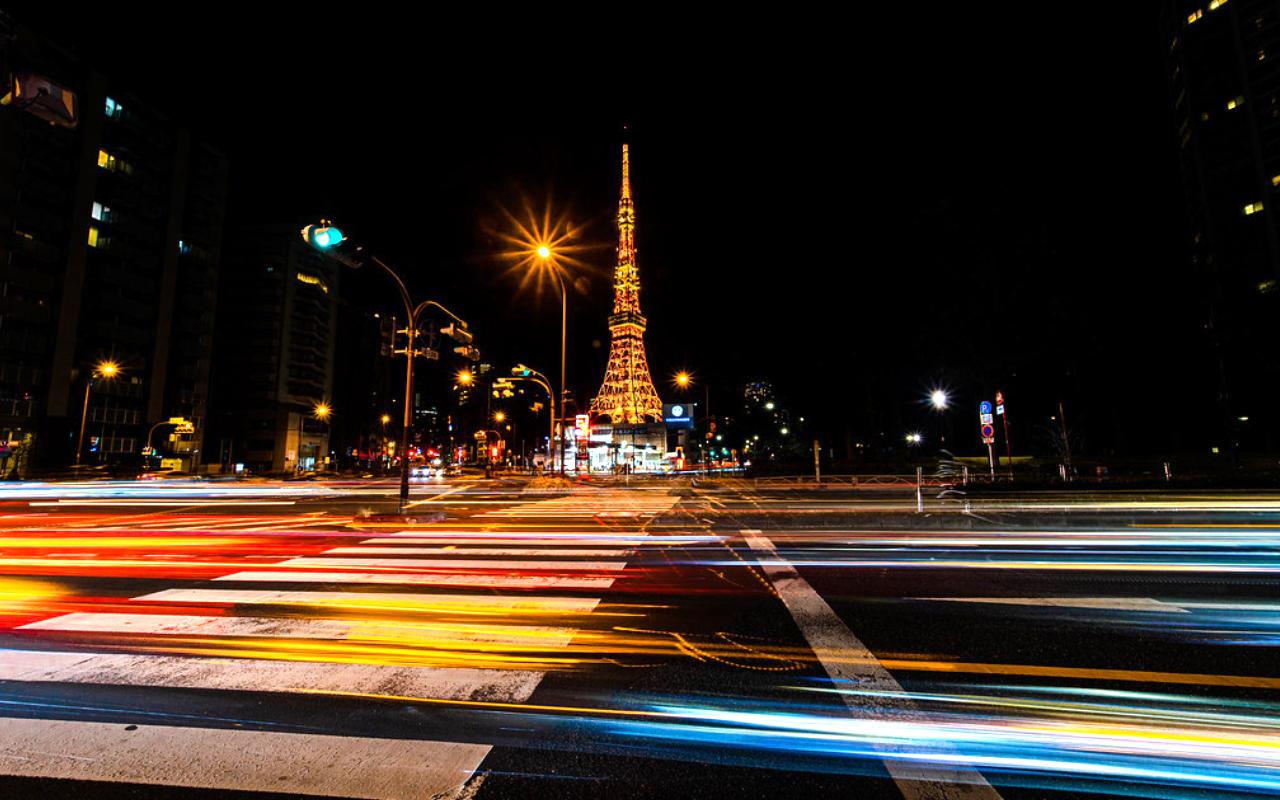
Tokyo Tower
For history and symbolism, Tokyo Tower’s own “Towerpedia” explains that the 333-meter height was chosen to cover broadcasting across the Kanto region, and adds that Tokyo Tower’s founder wanted it to surpass the Eiffel Tower.
Practical planning tip: Tokyo Tower publishes separate ticket pricing for the Main Deck and the Top Deck Tour, and prices differ depending on whether you buy online or at the counter, so book ahead when you can. The best visit time is usually late afternoon into the evening, so you can catch city views that transition into night illumination.
Senso-ji Temple (Asakusa)
Senso-ji is widely regarded as Tokyo’s oldest temple, and it’s one of the easiest places to experience traditional Tokyo street culture in a single walk.
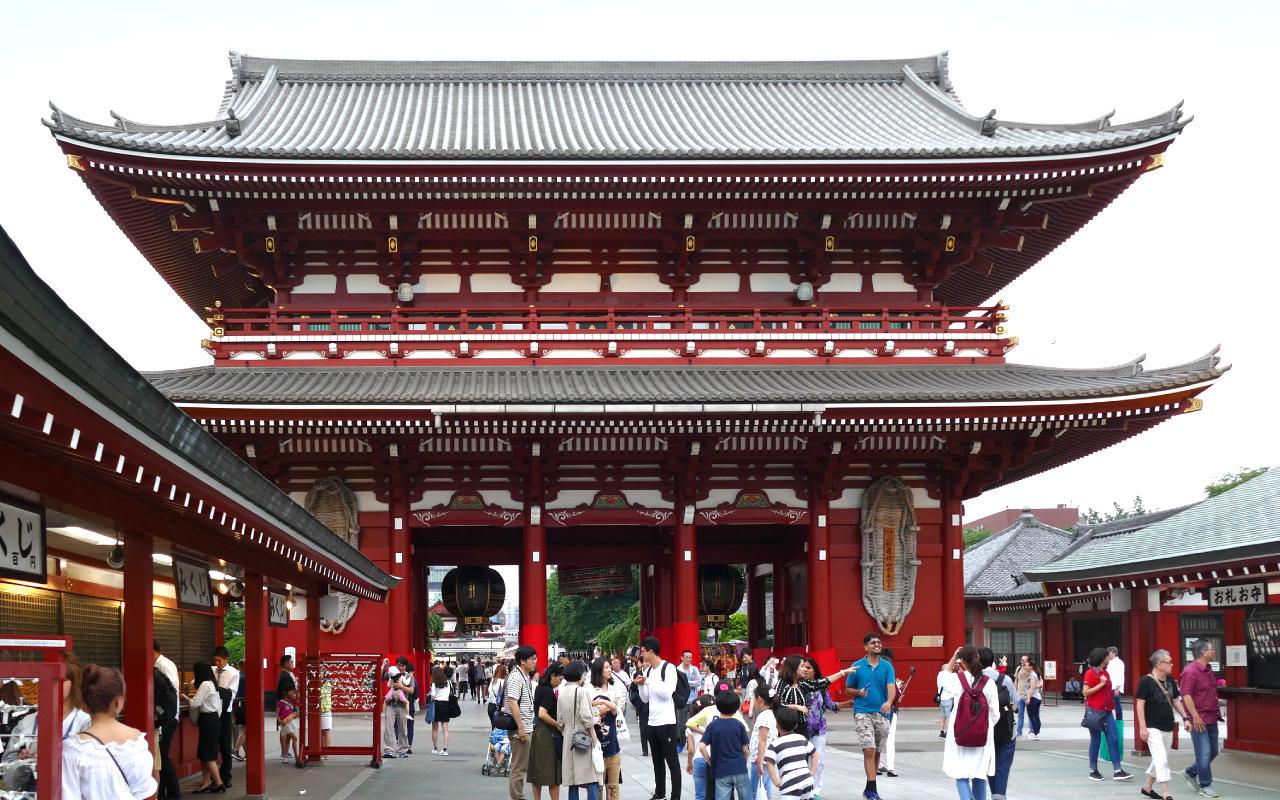
Senso-ji Temple (Asakusa)
The official Senso-ji site highlights its status as Tokyo’s oldest temple (also called Asakusa Kannon) and is often reported to attract around 30 million visitors annually, which tells you everything you need to know about why early mornings matter here.
The approach through Asakusa is part of the landmark experience; plan time for Nakamise-style shopping streets and a slower pace. If you want photos without shoulder-to-shoulder crowds, arrive shortly after sunrise, then revisit in the evening for a completely different atmosphere.
Shibuya Crossing
If you want the “modern Japan postcard,” Shibuya Crossing is it. Japan’s national tourism site describes Shibuya as the world’s busiest pedestrian crossing, and it’s a landmark not because of architecture, but because of pure human motion and urban design.
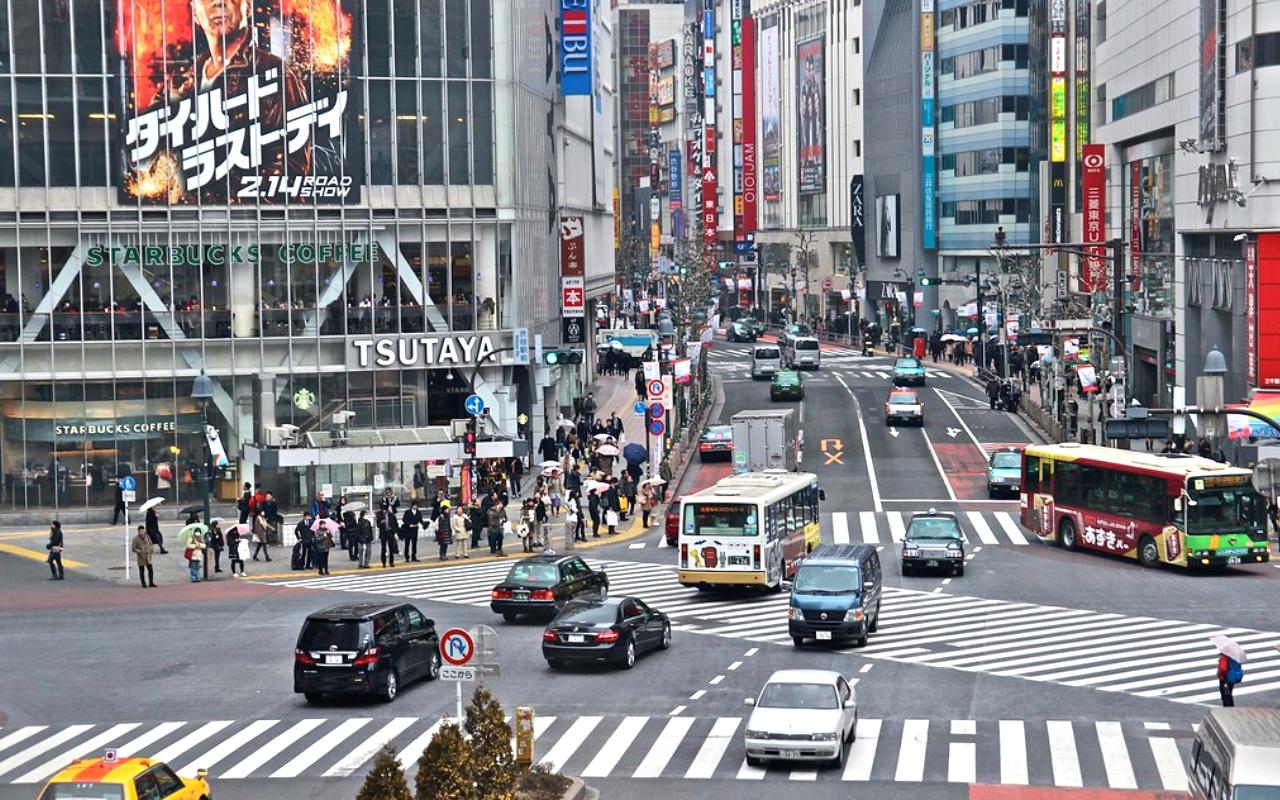
Shibuya Crossing
Best viewpoints change over time as buildings renovate, but the strategy doesn’t: pick an elevated indoor viewpoint for wide shots, then go street-level for the immersive experience.
Photography tip: shoot short video clips, not only stills, motion is the point here.
Meiji Jingu (Meiji Shrine)
Meiji Jingu is the “reset button” for Tokyo’s sensory overload: a major Shinto shrine surrounded by a forested approach that feels miles away from the city even though it’s not.
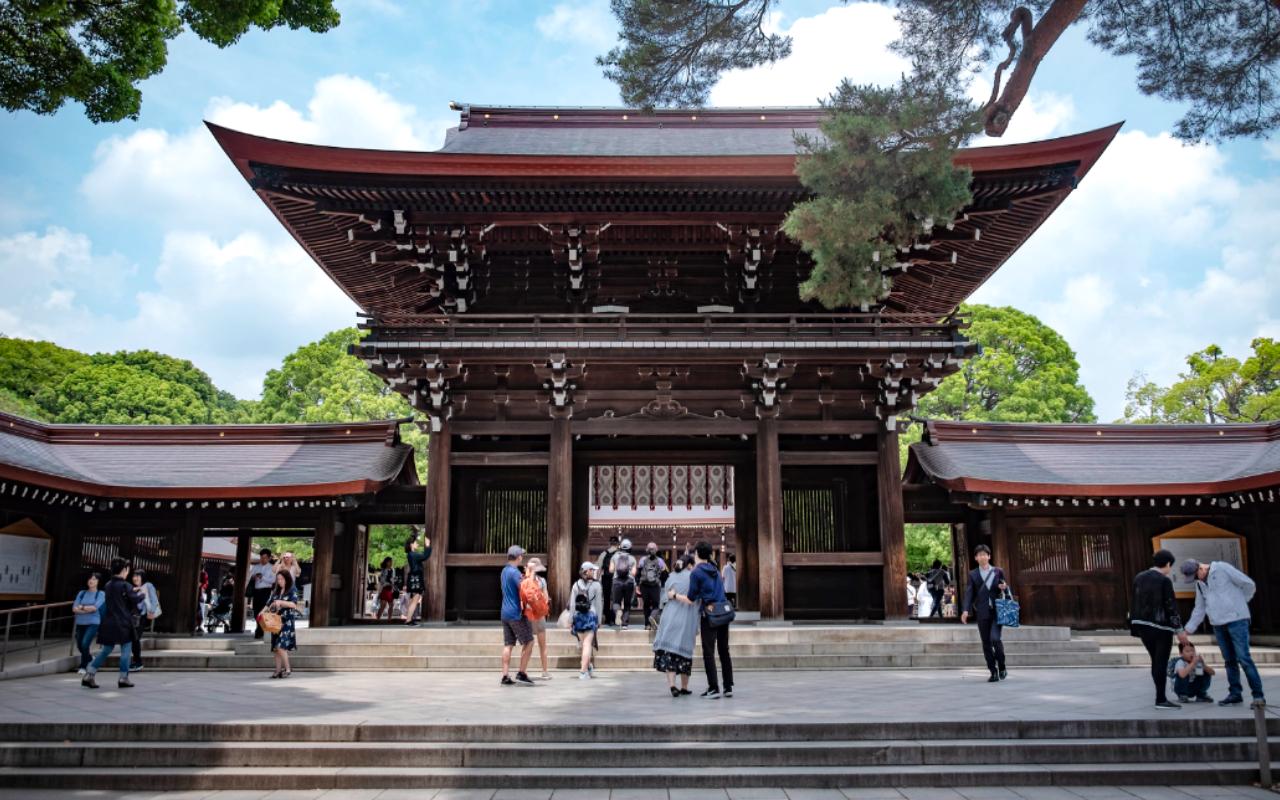
Meiji Jingu
The shrine’s official site positions it as a central spiritual site in Tokyo and provides visitor information for planning a respectful visit.
Go in the morning for a quieter walk under the torii gate and trees, then pair it with a Harajuku/Omotesando stroll to see Tokyo’s cultural contrast in under an hour.
Tokyo Skytree
Tokyo Skytree is the “new generation” tower icon: the official site describes it as 634 meters tall, with the height chosen for symbolic meaning and engineering identity.
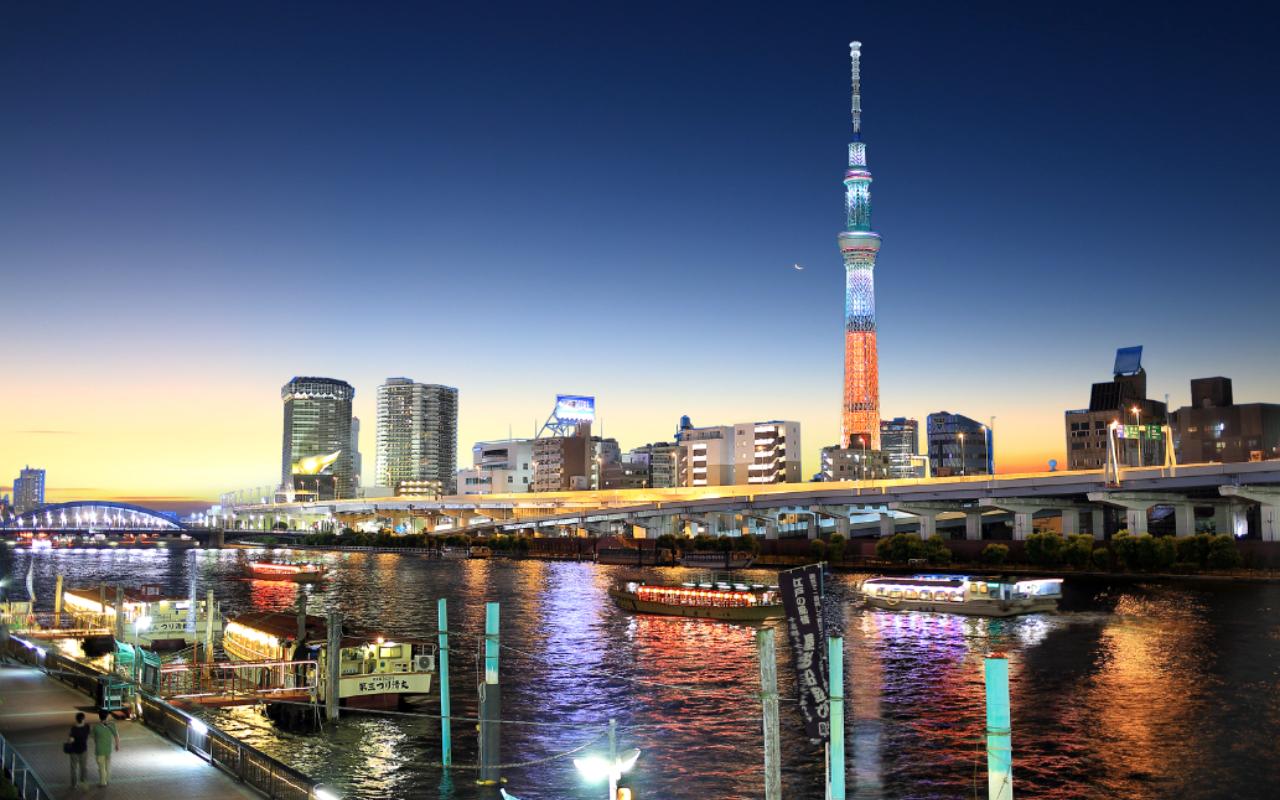
Tokyo Skytree
For visitors, the key is ticket strategy. The official ticket page lists observation deck options and indicates online booking can be cheaper than same-day tickets; it also details combo tickets for the Tembo Deck (350m) and Tembo Galleria (450m).
Plan a clear-weather day if city views are your priority; Skytree is also one of the places where you may see Mt. Fuji from Tokyo when visibility is excellent.
Cultural landmarks in Kyoto
Kyoto is where Japan Landmarks become intensely “textured”: spiritual gates that curve up mountainsides, gold leaf reflected in still ponds, and neighborhoods shaped by craft traditions and living performance culture. Kyoto’s most famous sites also experience heavy tourism pressure, so planning and etiquette matter.
Fushimi Inari Taisha
Fushimi Inari is one of the most photographed religious sites in Japan because of its thousands of vermilion torii gates forming tunnels that climb into the wooded slopes of Mt. Inari.
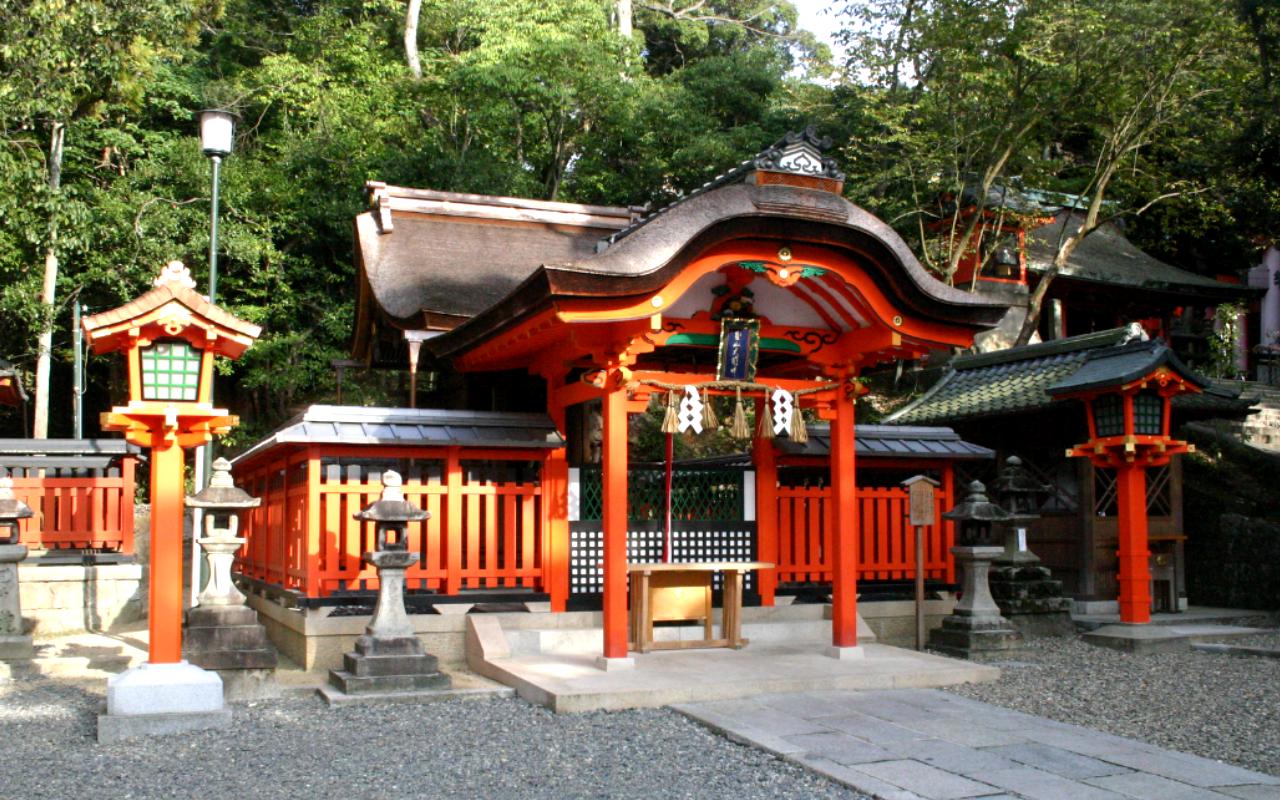
Fushimi Inari Taisha
The magic here is that it scales: you can do a quick lower-slope loop for iconic photos, or commit to a longer hike that gradually thins crowds and deepens the atmosphere.
The best time to visit is early morning or late evening if you want quieter paths. The higher you hike, the more the experience shifts from “bucket list photo stop” to genuine forest pilgrimage vibes.
Kinkaku-ji (Golden Pavilion)
Kinkaku-ji is one of Kyoto’s signature images: a Zen temple pavilion shimmering above the pond, with reflections that change radically by season and light.
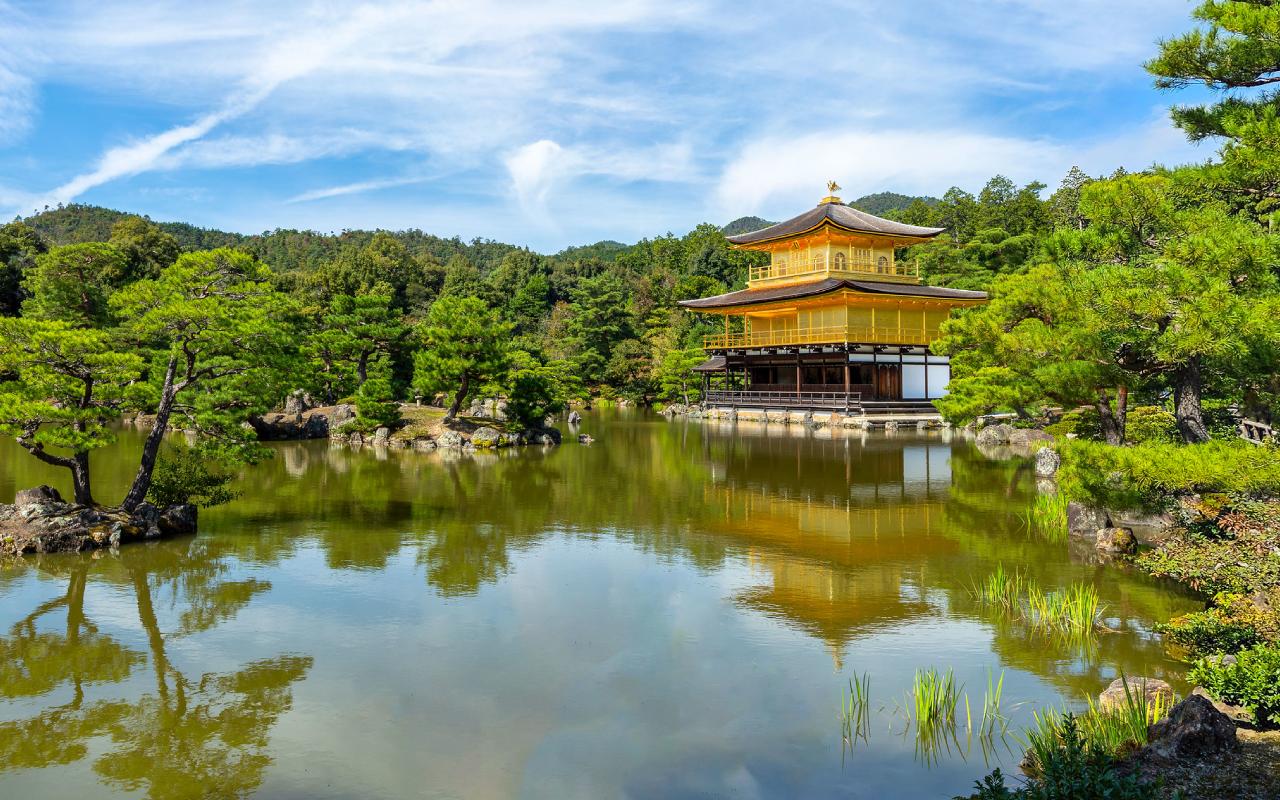
Kinkaku-ji (Golden Pavilion)
For practical planning, the temple’s official access page lists opening hours (generally 9:00–17:00) and admission (commonly 500 yen for general admission, with a separate student/child rate), and notes that fees can change for special exhibitions.
Go earlier in the day if you care about photography, because the viewing route is structured and crowds build quickly.
Arashiyama Bamboo Grove
Arashiyama’s bamboo is a natural landmark, but it feels like architecture: tall stalks creating a green corridor where even the wind becomes part of the experience.
Japan’s official tourism site calls it one of Kyoto’s most photographed and recognizable places.
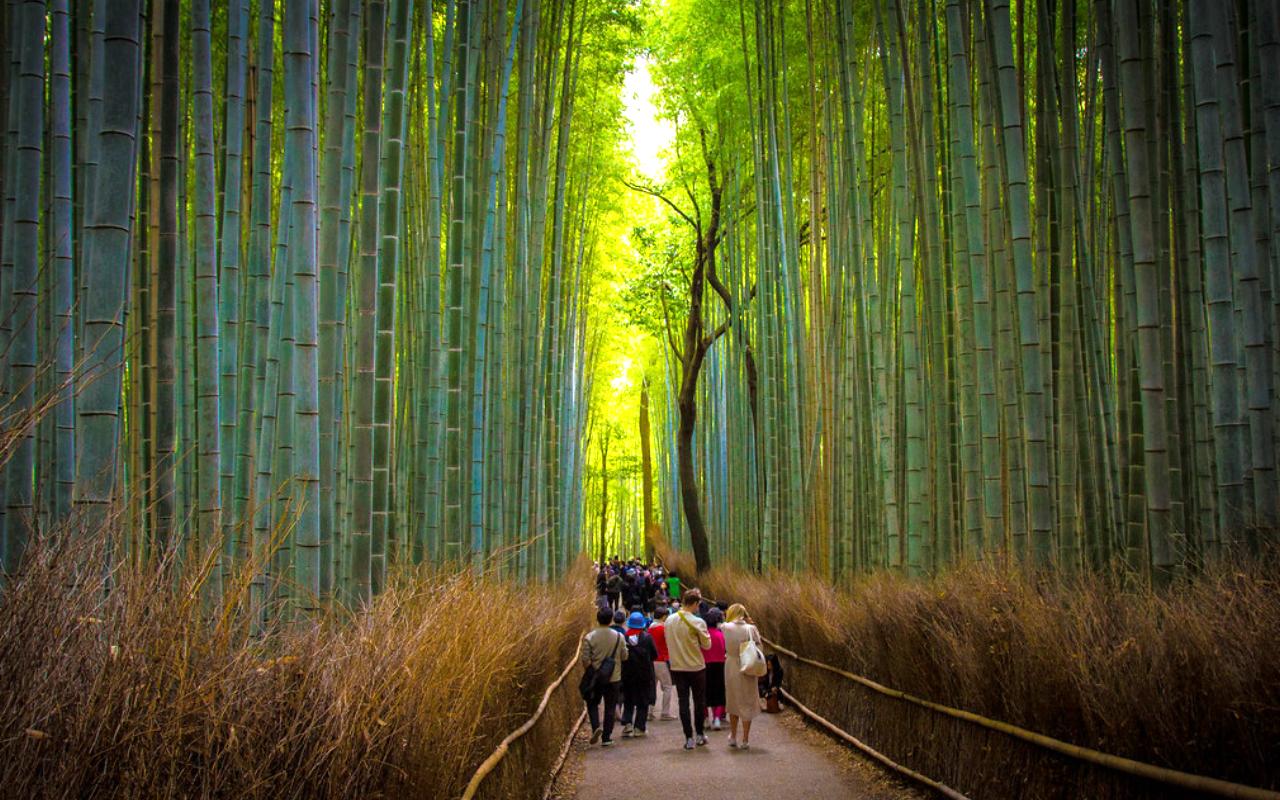
Arashiyama Bamboo Grove
For cultural context, Japan’s government public information site describes Sagano (the broader area) as famous for the “Path of bamboo” (Chikurin-no-Komichi).
Crowd avoidance tip: treat this like a sunrise spot. If you arrive after most tours begin, the path becomes less meditative and more congested. Pair it with nearby temple gardens so it’s not just a five-minute walk-and-leave.
Kiyomizu-dera
Kiyomizu-dera is iconic for its dramatic wooden stage and hillside position above Kyoto. It is also part of the UNESCO “Historic Monuments of Ancient Kyoto” inscription.
In 2026, the temple’s official access/visitor guidance publishes detailed seasonal opening times, including extended hours during special night viewings (spring and autumn dates vary by year).
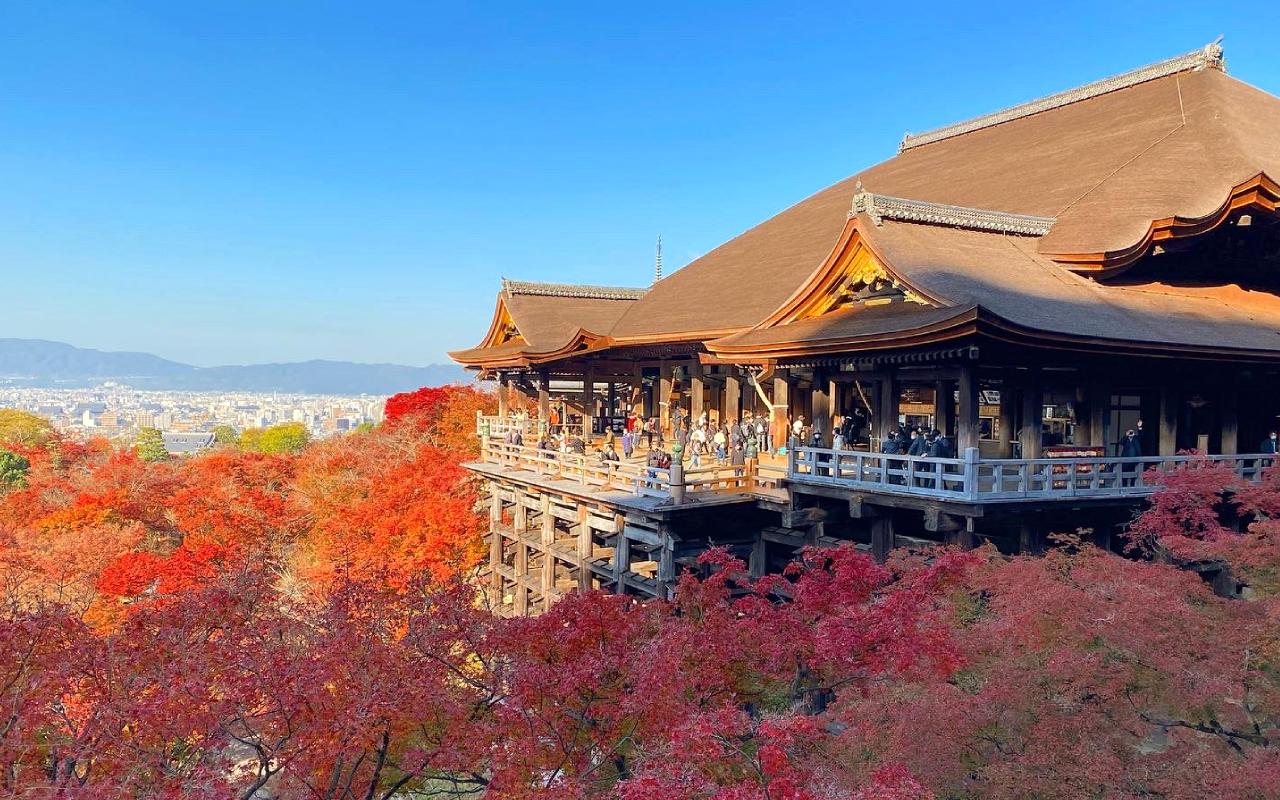
Kiyomizu-dera
The official FAQ confirms an admission fee (with exemptions for some school-trip teachers and for visitors with disability certificates plus one caregiver), and also outlines behavior rules such as no pets (except service animals) and restrictions on certain types of filming.
The best time to visit is early morning if you want the view with less crowd pressure; during seasonal illumination periods, expect the atmosphere to be spectacular and busy.
Gion District
Gion is Kyoto’s most famous geisha (geiko) district, known for traditional streetscapes, teahouses, and the cultural world of geiko and maiko.
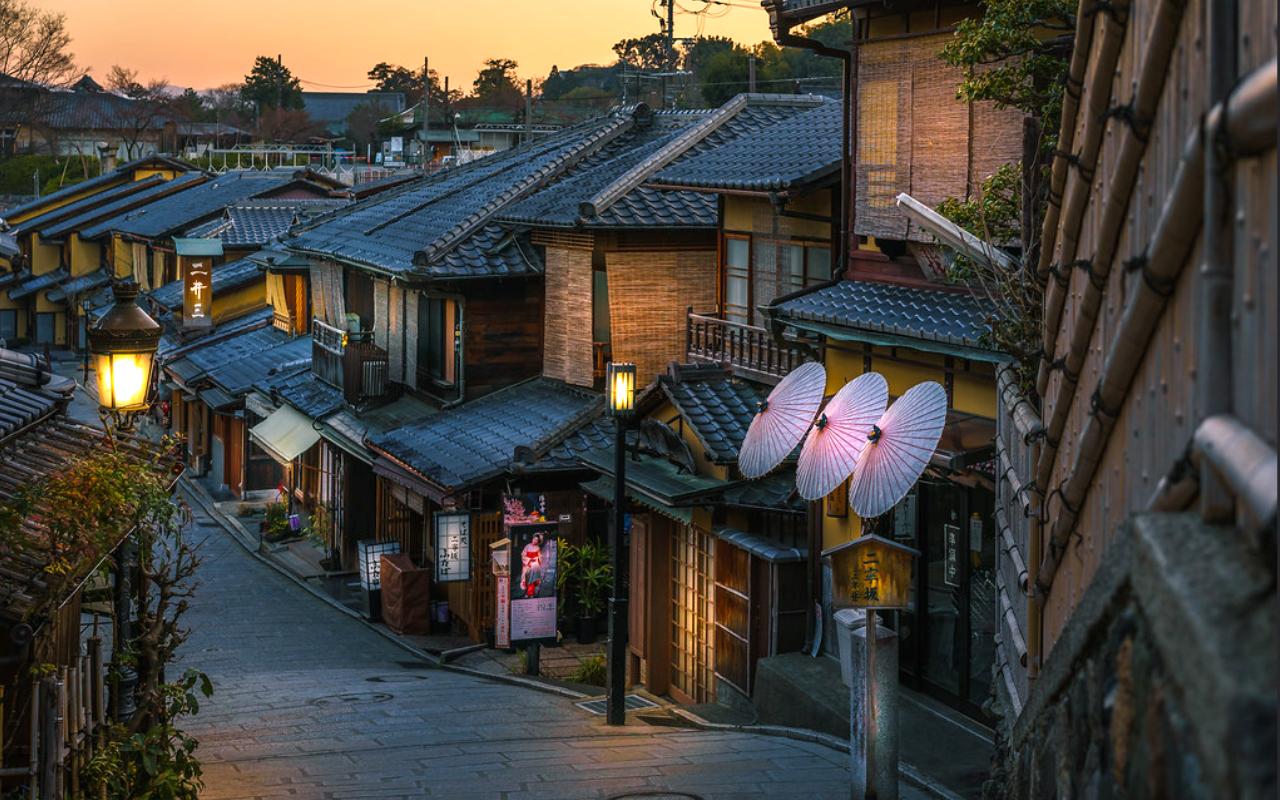
Gion District
Because Gion is also a living, working neighborhood, visitor etiquette is not optional. Some areas of Gion have introduced restrictions on tourists entering certain private alleys due to concerns around overcrowding and inappropriate behavior, so it is important to follow local guidelines and signage.
Your best “Gion strategy” is simple: go at dusk for ambiance, keep distance from performers, avoid blocking narrow lanes, and treat the area like a neighborhood first and a photo set second.
Historic Japan landmarks in Nara and Osaka
Nara and Osaka sit close together geographically but feel very different: Nara is an ancient capital atmosphere with spiritual gravity, while Osaka is urban energy and food culture with deep historical roots.
Tōdai-ji Temple (Nara)
Tōdai-ji is one of Japan’s most awe-filled temple experiences because scale becomes the message: the Great Buddha Hall is presented by the temple itself as the world’s largest wooden structure, and the site’s official information explains the hall’s history, including past destructions and later rebuilding.
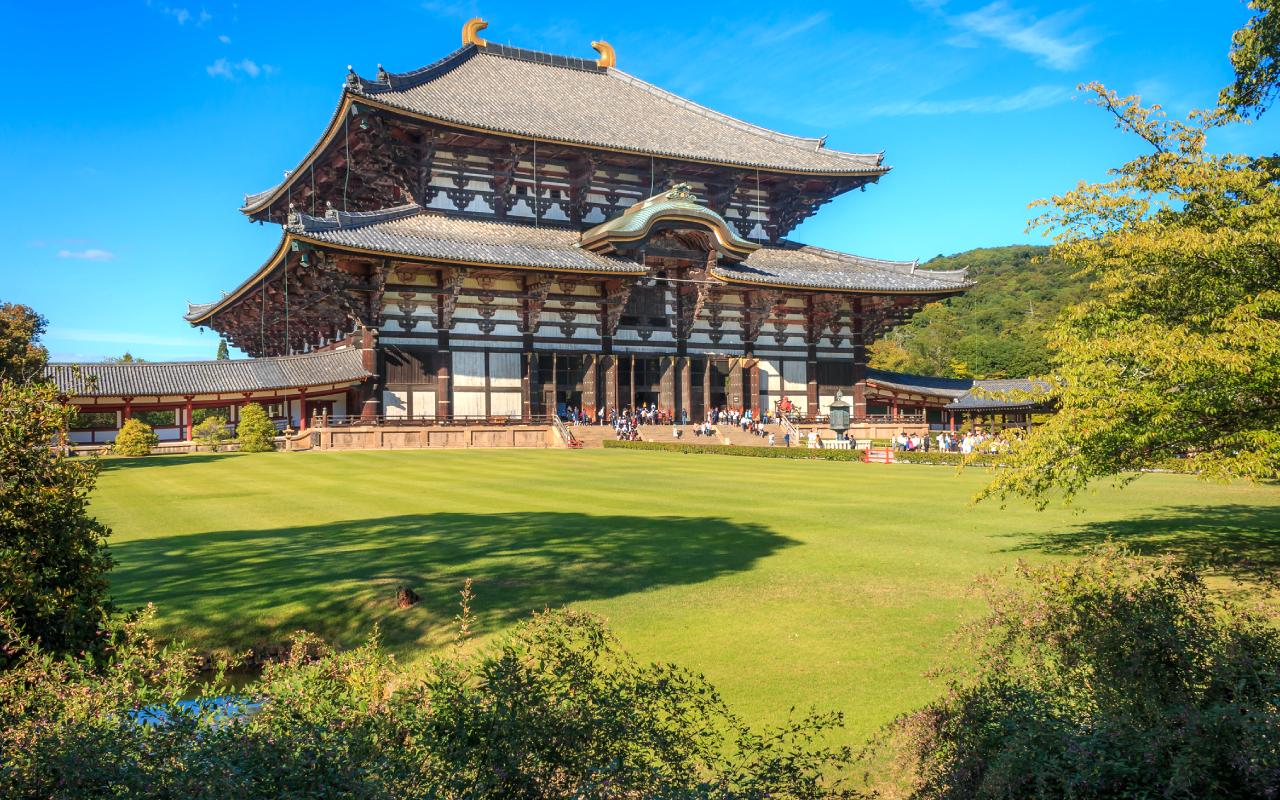
Tōdai-ji Temple (Nara)
The temple’s official history notes that the Great Buddha image was dedicated in 752 with a major consecration ceremony. For planning, the temple publishes seasonal opening hours and confirms that admission fees apply to specific buildings (including the Great Buddha Hall).
UNESCO also lists Tōdai-ji among the “Historic Monuments of Ancient Nara,” reinforcing why this is one of the most important heritage stops on any Kansai itinerary.
Nara Park
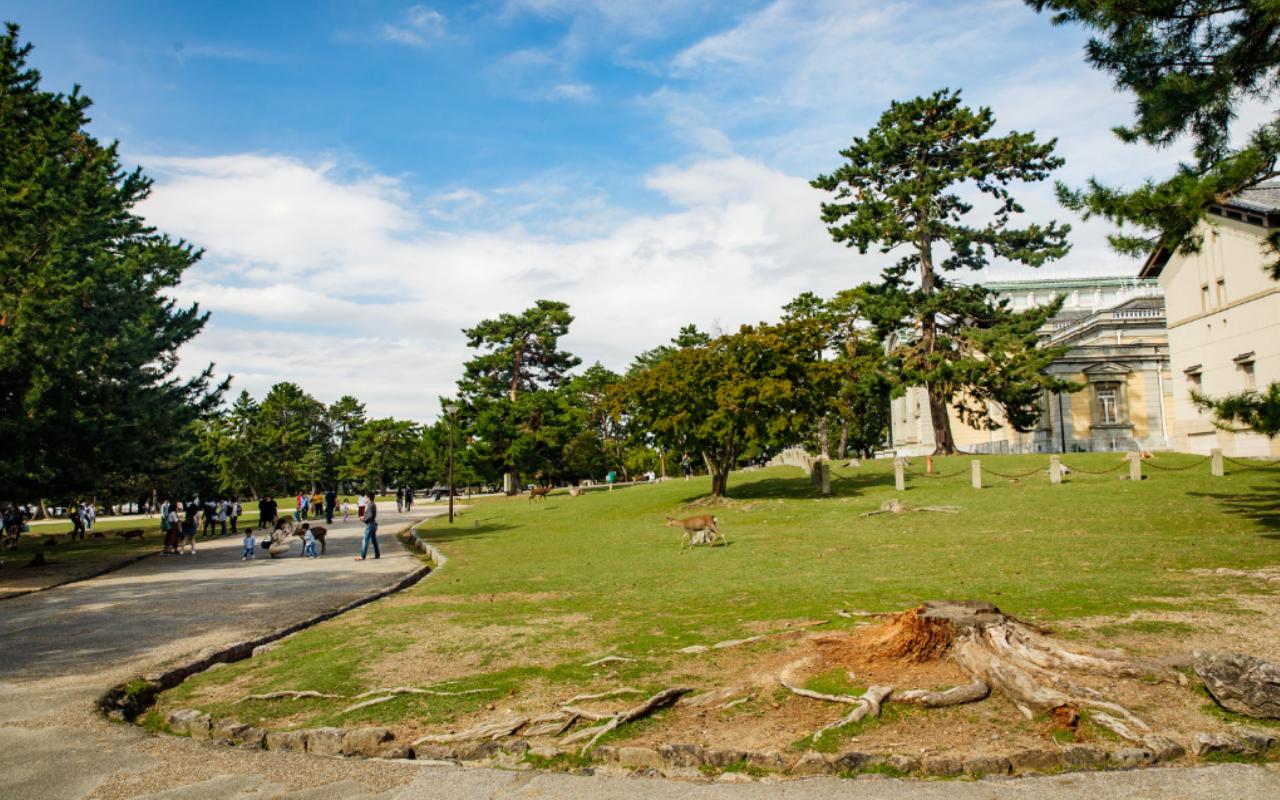
Nara Park is famous for its free-roaming deer, but the landmark experience is deeper than “cute animals.”
The official Nara travel guide explains that the deer are protected as Natural Monuments and emphasizes that the special deer crackers (shika senbei) sold around the park are the only food visitors should feed them.
Nara Park
Treat this like wildlife, not a petting zoo: deer are accustomed to humans, but they are still wild and can become pushy around food.
If you want calmer encounters, go earlier and avoid clustering around vendors during peak times.
Osaka Castle
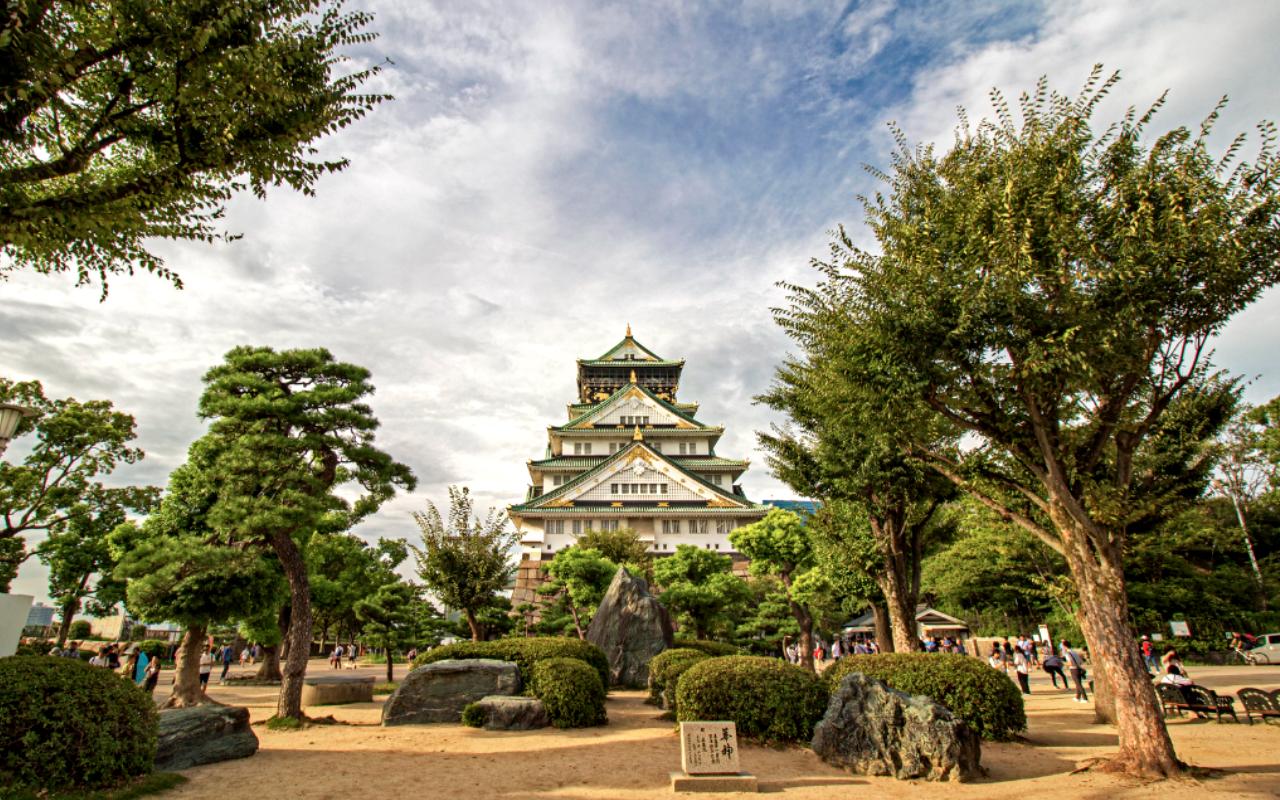
Osaka Castle is one of the biggest “samurai history” landmarks in Japan, and it’s supported by unusually clear official visitor materials.
Japan’s national tourism site notes Toyotomi Hideyoshi began construction in 1583, and explains that today’s keep is a 1931 reconstruction with a museum inside.
Osaka Castle Park
For on-the-ground planning, the official Osaka Castle site states that the main tower is open from 9:00–18:00, with last admission at 17:30.
Admission is 1,200 yen for adults, 600 yen for university and high school students with ID, and free for junior high school students
Photo tip: the outside grounds and moats often provide a more dramatic “castle” feel than the interior museum view, so plan both.
Dōtonbori District (Osaka)
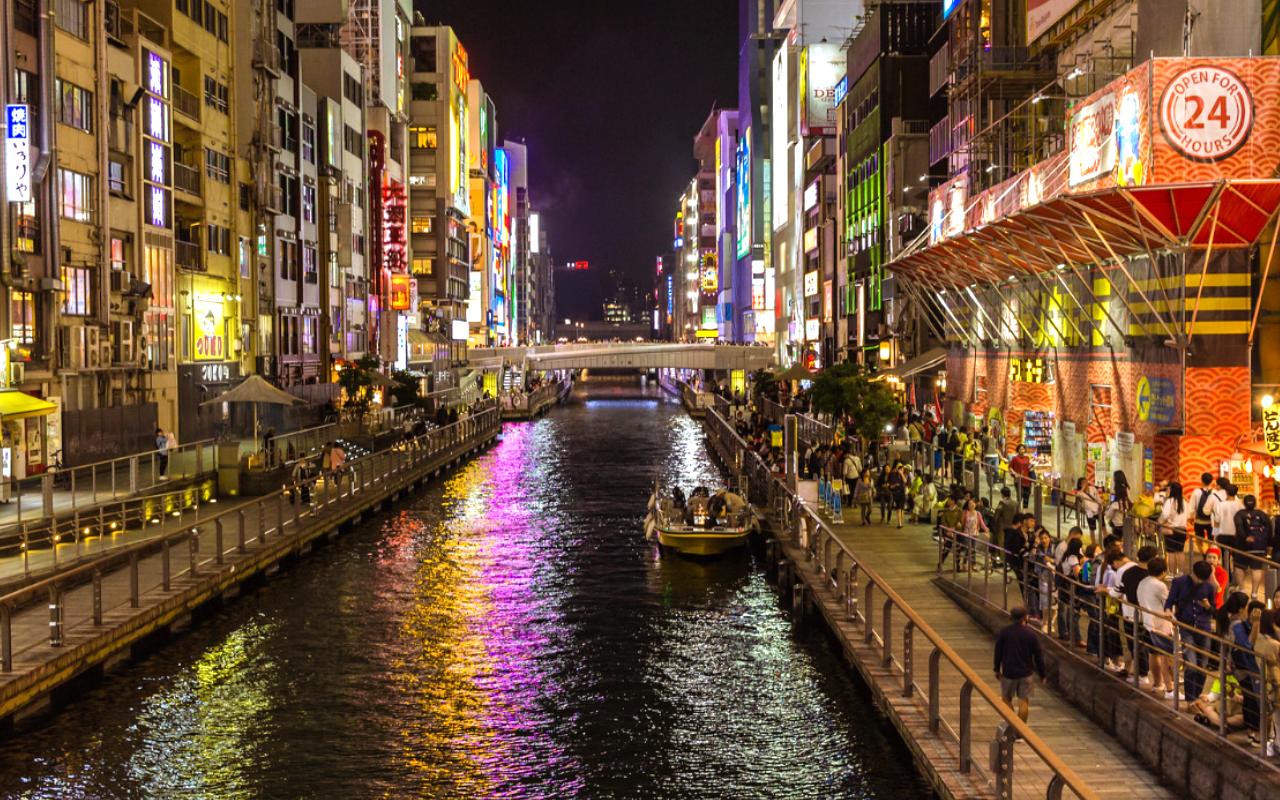
Dōtonbori is one of the most recognizable nightlife districts in Japan—neon signs, the canal walk, and street food culture all concentrated in a few blocks. Japan’s official tourism site describes
Dōtonbori is a hotspot filled with towering neon signs, bars, clubs, and restaurants serving Osaka specialties.
Dotonbori
This is the place to lean into Osaka’s identity as Japan’s “eat until you drop” city; takoyaki and okonomiyaki culture are part of the landmark experience.
Go after dark for maximum atmosphere, and don’t rush: the point is to wander.
Shitennō-ji Temple (Osaka)
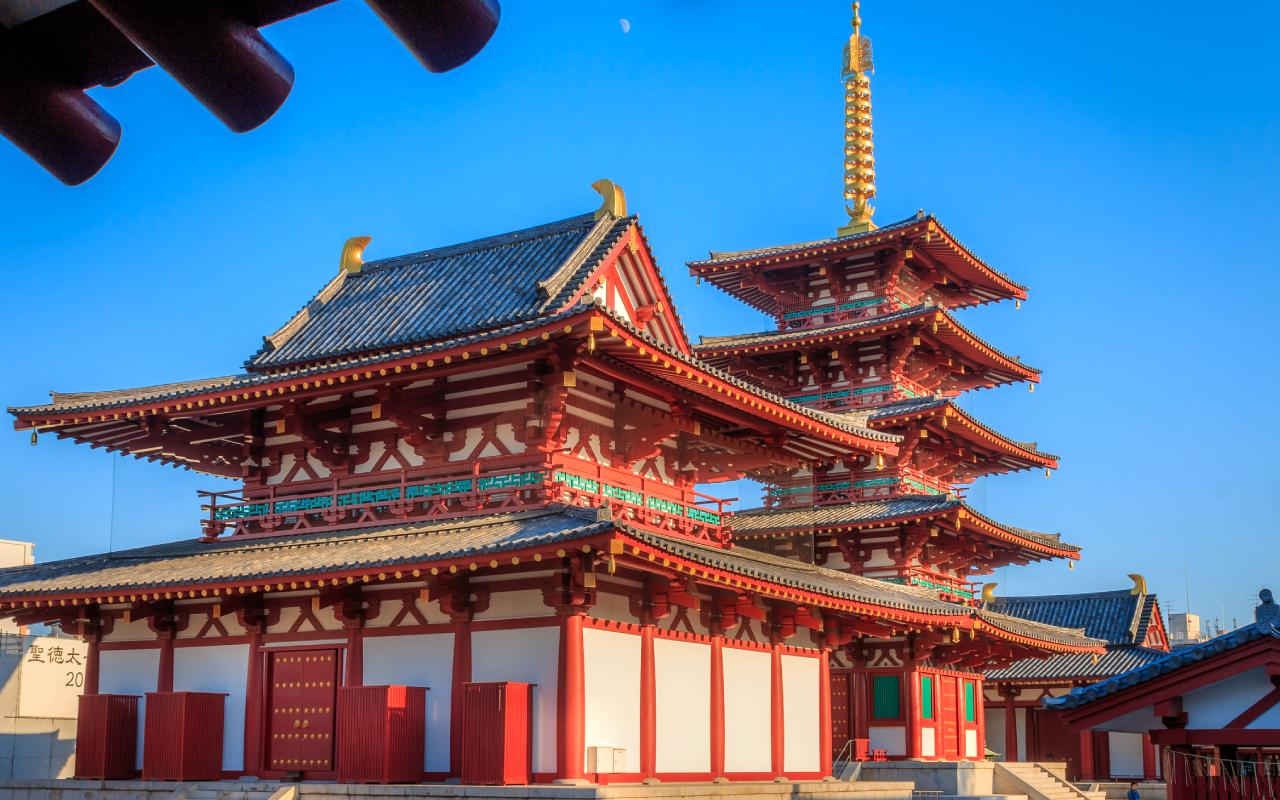
Shitennō-ji is routinely described as one of Japan’s oldest temples and is historically linked to Prince Shōtoku and early state support for Buddhism.
Osaka’s official tourism info calls it the first official Buddhist temple in Japan, built in 593.
Shitennō-ji Temple
For practical planning, the temple’s official admissions page lists paid areas and pricing tiers (for example, the central buildings/precinct, garden, and treasure hall each have separate fees), and it also notes certain monthly observance days where access may be free for specific areas.
If you want a calmer, more reflective Osaka landmark (especially after Dōtonbori), this is your balance point.
Natural and scenic Japan landmarks
Japan’s nature landmarks are not “breaks” from culture; they’re part of it. Mt. Fuji is a sacred and artistic symbol; the Japanese Alps are engineered access routes through dramatic terrain; and even the snow monkeys reflect how humans relate to seasonal landscapes.
Mount Fuji
Mount Fuji is Japan’s defining natural icon and also a UNESCO cultural World Heritage property (“Fujisan, sacred place and source of artistic inspiration”).
Japan’s official tourism guide describes Fuji as 3,776 meters tall, the country’s tallest peak, and emphasizes it as both a recreational destination and a cultural symbol.
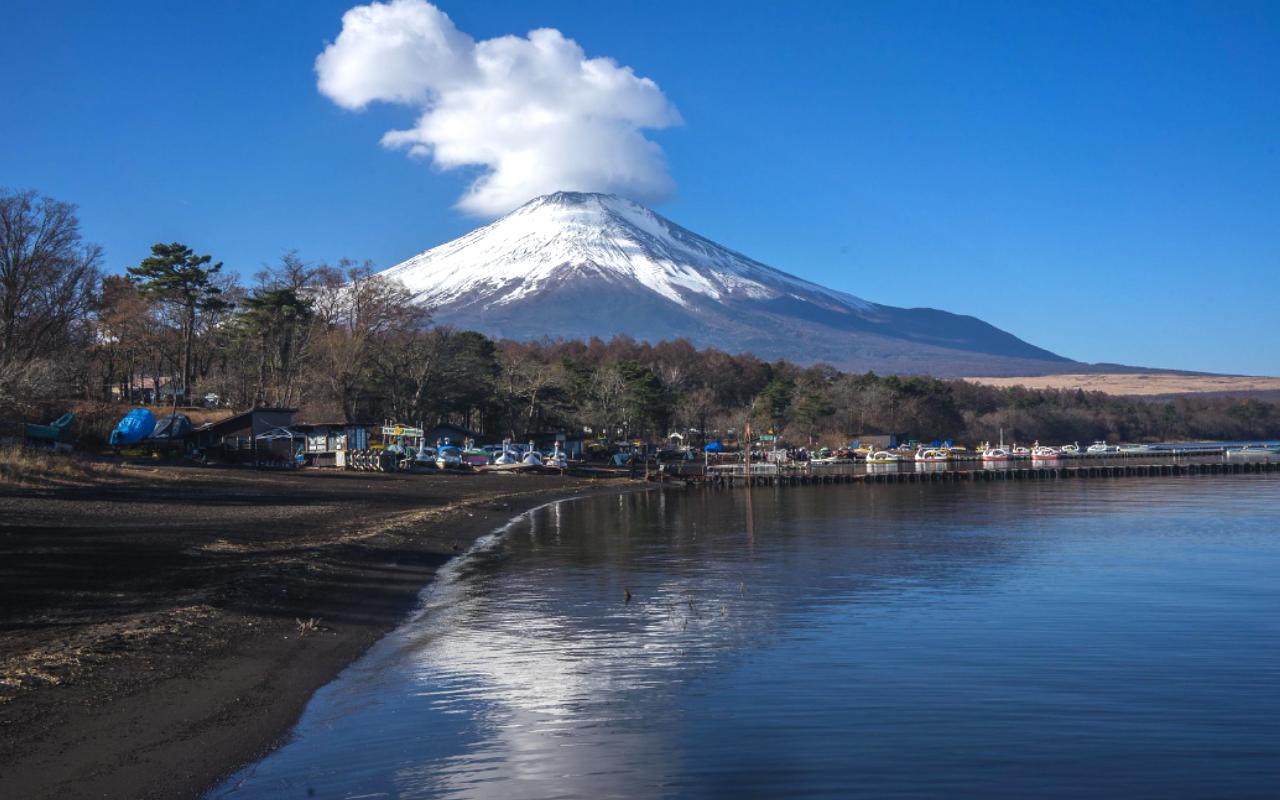
Mount Fuji
If you plan to climb, you must treat 2026 as a regulated season. The official Mt. Fuji climbing site outlines regulated access for the Yoshida Trail, including a climbing season typically from early July to early September, a 4,000 yen hiking fee, daily visitor limits, and safety checks at the 5th station.
Exact rules are given, and defined gate closing times, plus required equipment checks at the 5th station.
If you don’t want to climb, you can still build a Fuji experience through viewpoints (Fuji Five Lakes, Hakone, or clear-day city views).
Hakone
Hakone is the classic “Tokyo side trip” because it combines hot springs (onsen), lake scenery, mountain transport routes, and museum culture. The official Hakone tourism portal (run by the Odakyu Hakone Group) functions as a real-time planning hub for transport notices and seasonal guidance.
A great day plan is to structure your route around major scenic nodes, Lake Ashi, ropeway viewpoints, and onsen time rather than trying to “collect” every attraction. Because Hakone is sensitive to maintenance suspensions and fare updates, the official portal is especially important here.
Miyajima Island (Itsukushima Shrine)
Miyajima’s Itsukushima Shrine is one of Japan’s most visually distinctive landmarks: the famous torii gate appears to “float” at high tide. UNESCO lists Itsukushima Shinto Shrine as a World Heritage site and emphasizes the spiritual concept of scenic beauty embodied in the shrine’s setting.
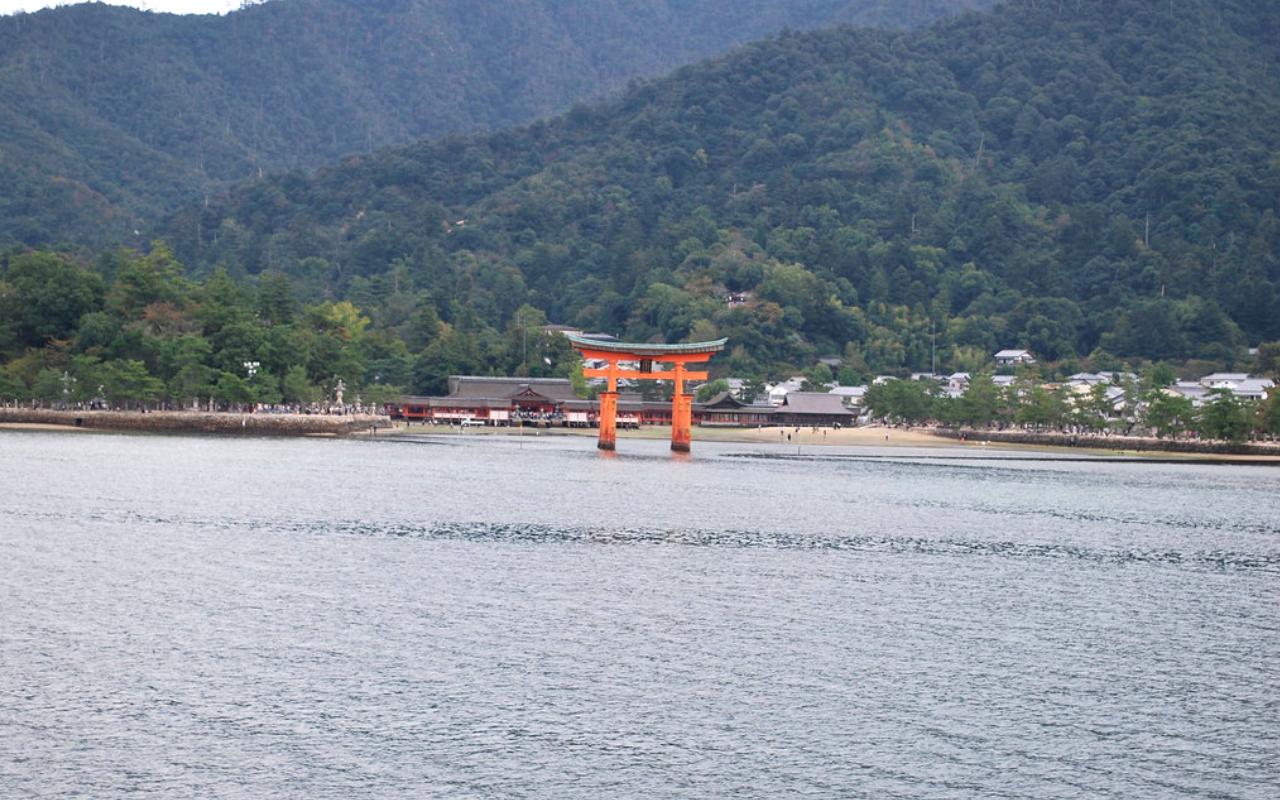
Miyajima Island
For cultural and practical context, Hiroshima’s official tourism guide describes the “Reiwa Renovation” of the Great Torii Gate as running from June 2019 to December 2022, meaning visitors in 2026 are seeing the landmark post-restoration.
Timing tip: check tides. High tide delivers the “floating” illusion; low tide lets you walk near the base (with respect for boundaries).
Japanese Alps
When people say “Japanese Alps,” they usually mean dramatic mountain ranges with both hiking culture and impressive transport engineering. A flagship experience is the Tateyama Kurobe Alpine Route.
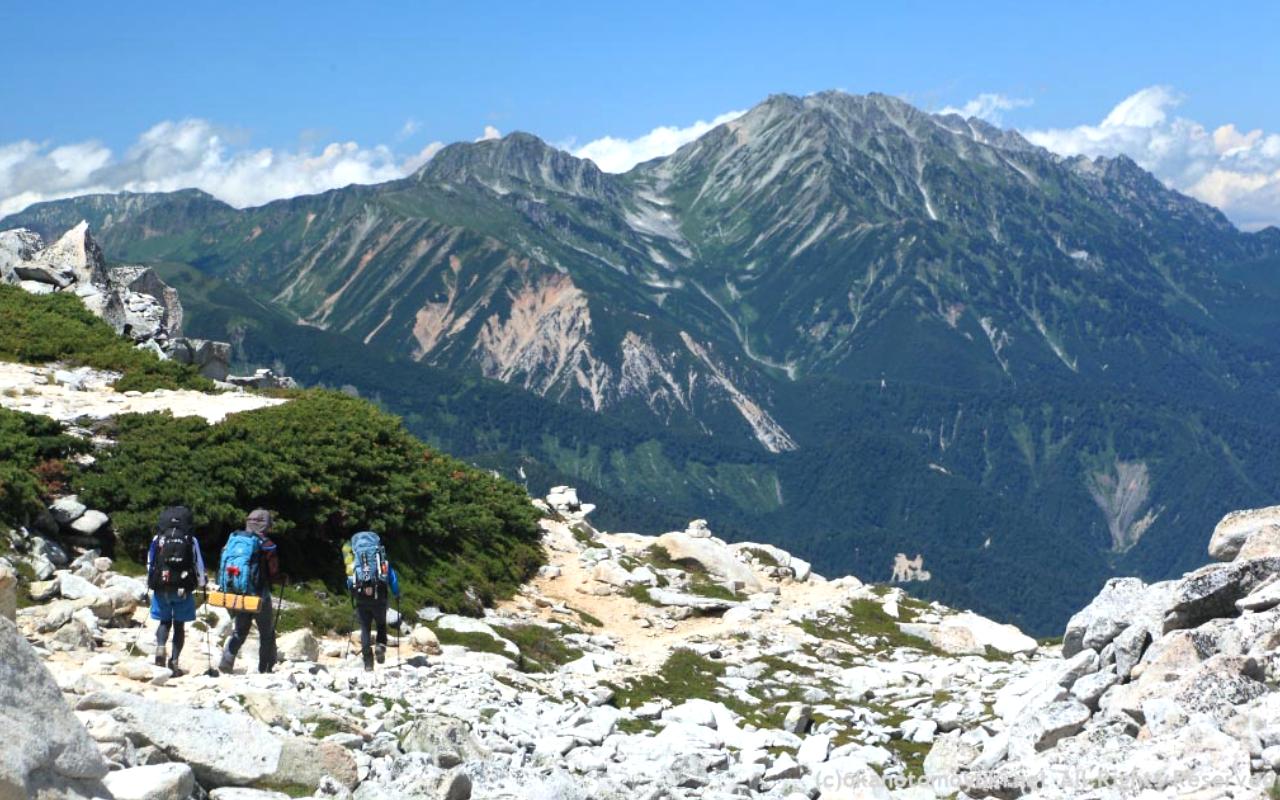
Northern Japan Alps
The Alpine Route’s official site describes it as a 37.2 km mountain sightseeing route traversing the Northern Japan Alps, largely within Chubu Sangaku National Park, and notes its scale and elevation difference.
If you’re not a hardcore hiker, this is one of the best ways to experience “big mountain Japan” with controlled access, clear infrastructure, and high scenic payoff.
Jigokudani Monkey Park (Snow Monkeys)
Jigokudani Yaen-koen is famous because it offers a rare experience: observing wild Japanese macaques that sometimes soak in hot springs during winter. The official park site places it at an altitude of 850 meters, notes it is buried in snow about one-third of the year, and explains the park has operated since 1964.
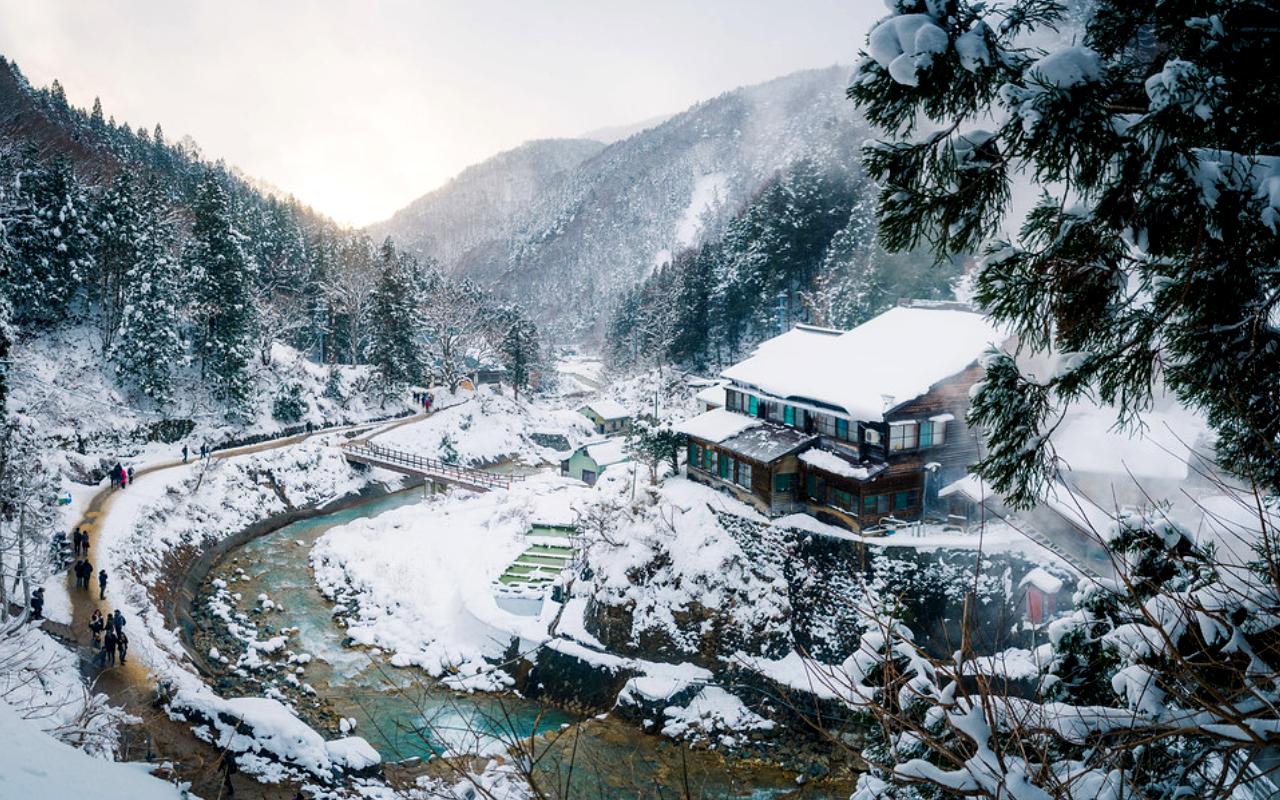
Jigokudani Monkey Park
The park’s official first-time visitor guidance clarifies that the monkeys use the hot spring baths mainly from December to March, and also reminds visitors that sightings can vary because these are wild animals, not a zoo exhibit.
This is one of the most season-dependent “Japan famous landmarks”; if the bathing monkeys are your dream photo, plan for midwinter.
Modern and unique Japan landmarks plus itinerary, tips, FAQs
This final section completes the 25-landmark list and shows you how to stitch everything into a realistic 10–14-day trip. If the earlier sections are the “classic heritage” core, these are the modern/unique additions that make a 2026 itinerary feel current.
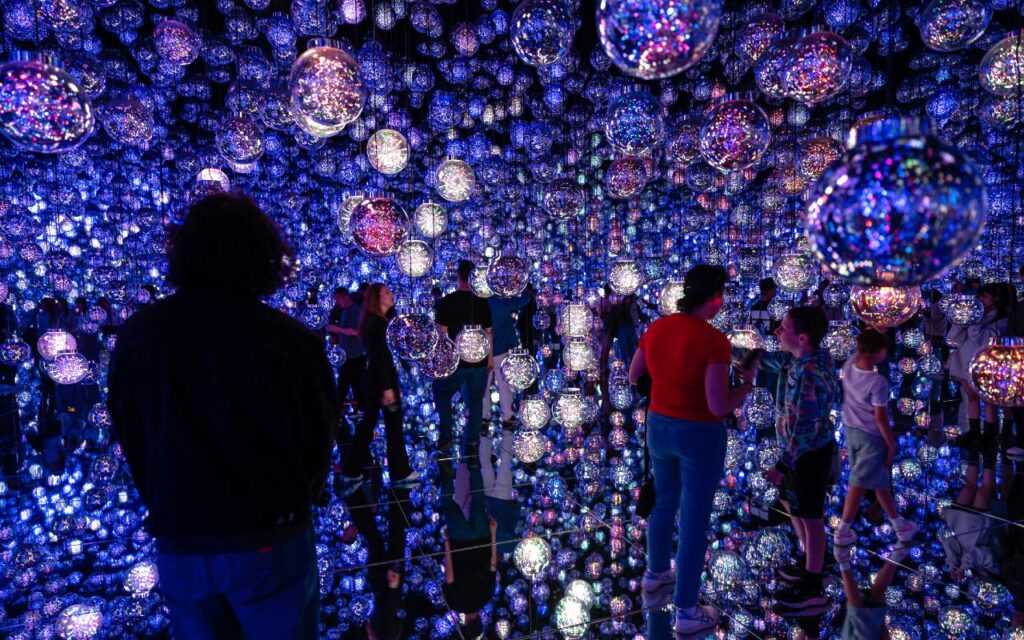
teamLab Planets Tokyo
teamLab Planets is one of Tokyo’s defining modern attractions because it treats art as a physical environment: you’re not only viewing installations, you’re moving through them.
The official teamLab Planets page provides visitor policy details (including timed entry and ticket-change rules), which matters because capacity is managed tightly.
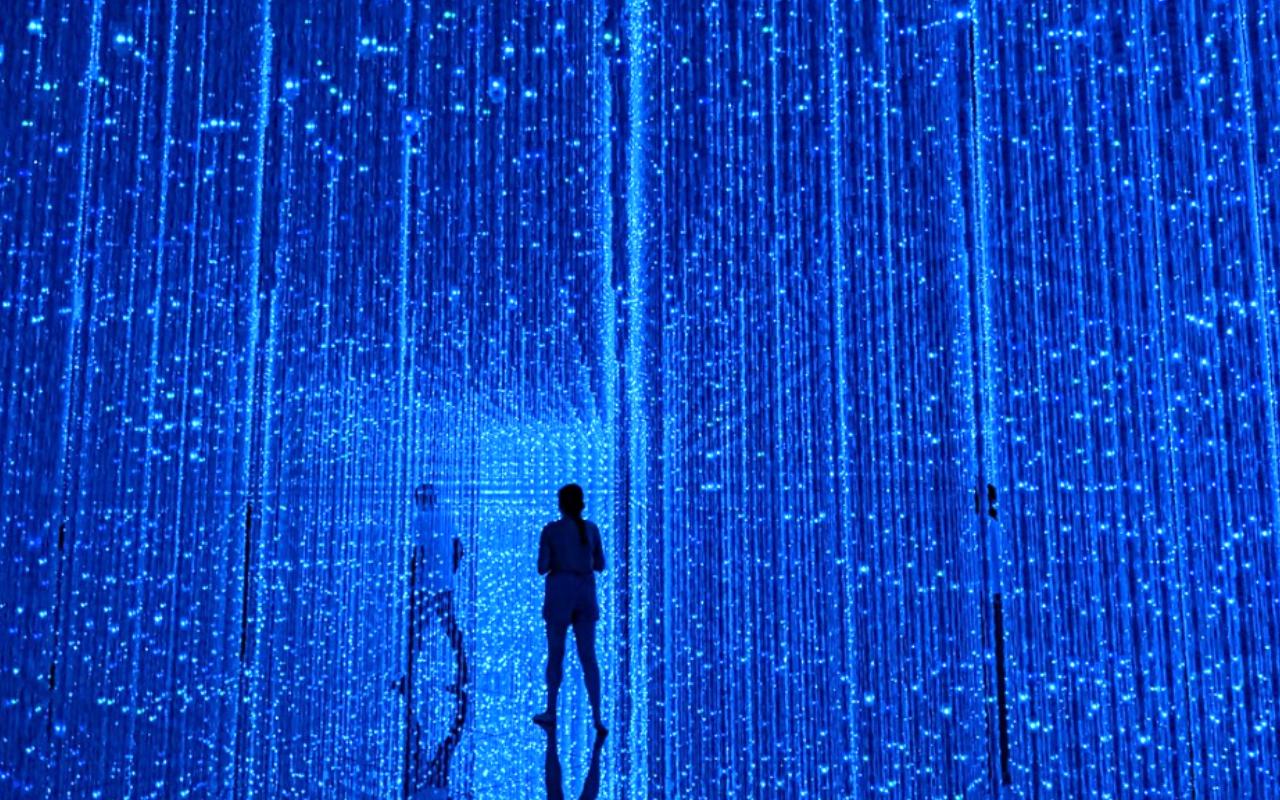
The Infinite Crystal Universe, teamlab Planets
For price planning, teamLab Planets’ official group ticket price PDF (published via the venue’s official ticketing domain) lists ticket categories and pricing in JPY, and notes key policies like free entry for children under 3 and potential ID checks for student tickets.
Tip: treat this like a “reserved experience,” not a walk-in museum; book early, and plan a buffer around your entry time.
Odaiba
Odaiba is Tokyo’s entertainment island: futuristic architecture, waterfront views, and family-friendly attractions. Tokyo’s official tourism guide highlights “must-not-miss” icons like the life-sized Gundam statue, Rainbow Bridge, and the local Statue of Liberty replica.
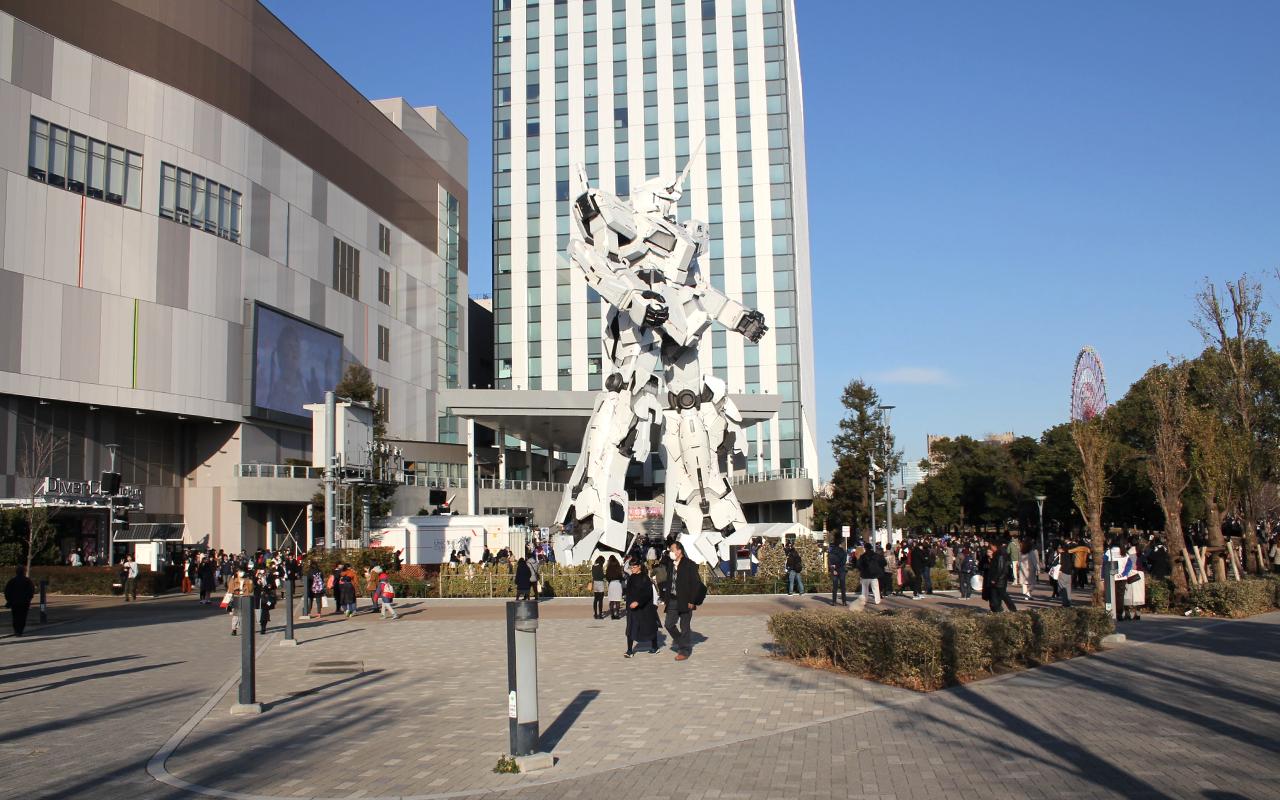
Life-sized Gundam statue
If you want a simple landmark moment without a museum ticket, consider walking viewpoints around Rainbow Bridge, Japan’s national tourism site, which explicitly frames the bridge walk as a scenic way to reach Odaiba and enjoy Tokyo Bay skylines.
Hiroshima Peace Memorial Park
Hiroshima is a landmark destination for reflection, not entertainment, and it’s a necessary counterbalance on a trip filled with visual spectacle.
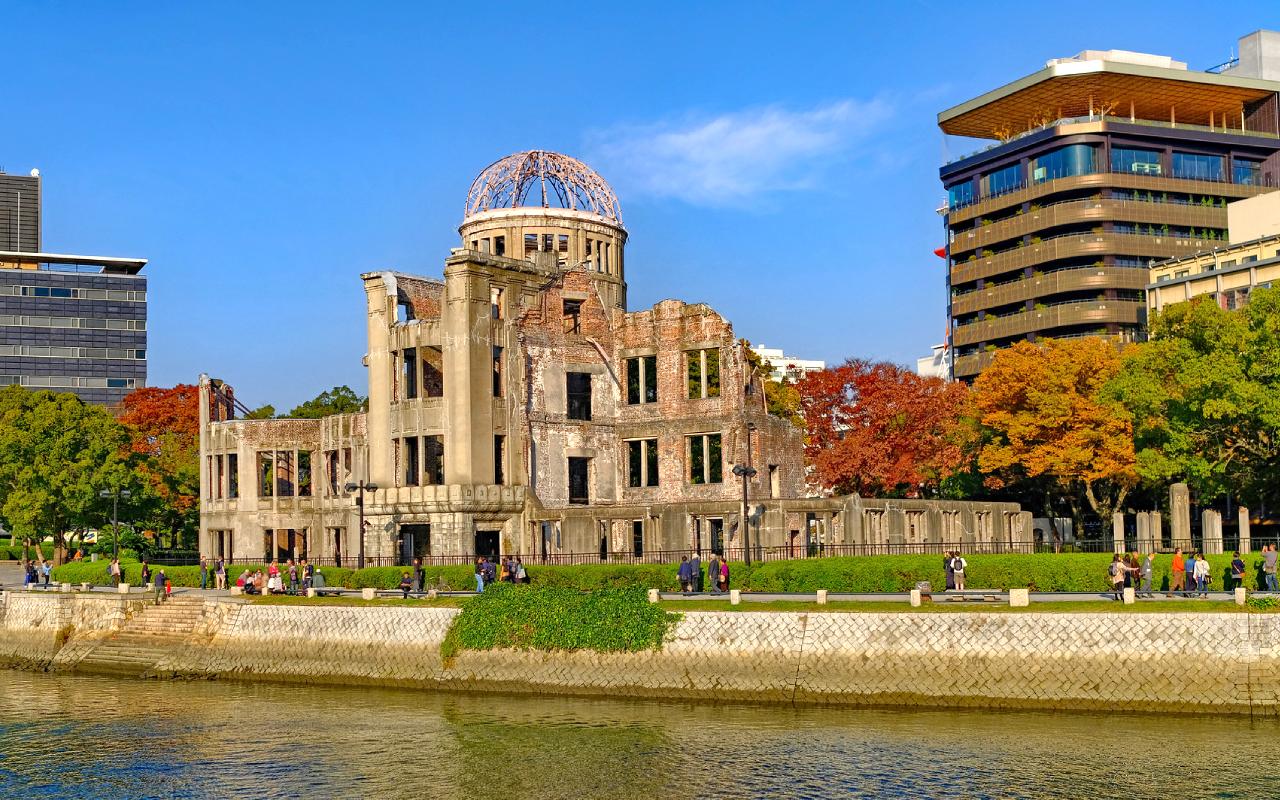
A-Bomb Dome, Hiroshima Peace Memorial Park
UNESCO’s listing for the Hiroshima Peace Memorial (Genbaku Dome) explains it was the only structure left standing near the hypocenter of the first atomic bomb on August 6, 1945, and that it has been preserved in the condition immediately after the bombing as a symbol tied to peace.
Plan your visit with time and emotional space: this isn’t a “15-minute stop.” Pairing Peace Memorial Park with the Peace Memorial Museum is common, but even walking the park quietly is meaningful.
Nagoya Castle
Nagoya Castle is a strong “add-on” landmark if you’re traveling between Tokyo and Kyoto/Osaka, because Nagoya sits right on the main Shinkansen corridor.
The official Nagoya Castle website publishes visitor hours and last entry times (helpful for day-trip planning).
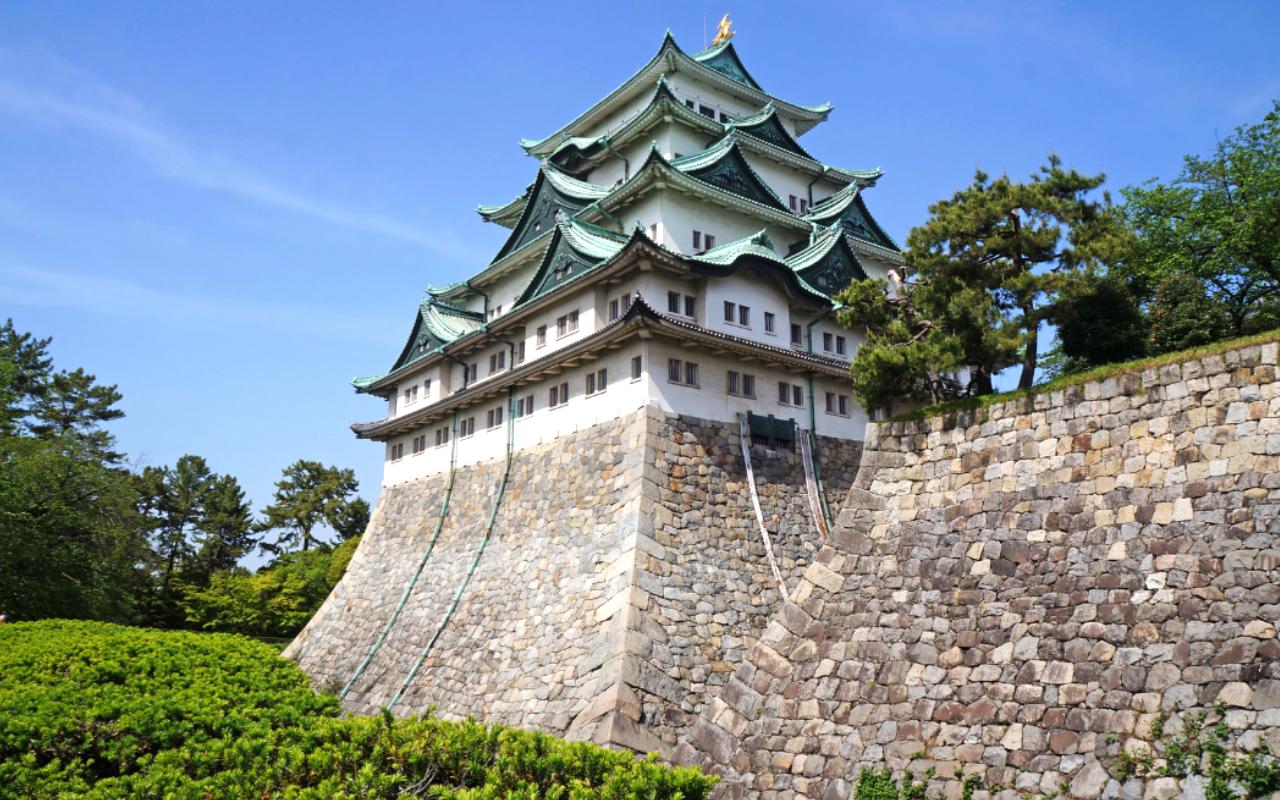
Nagoya Castle
For historical framing, Nagoya’s city guide notes that Tokugawa Ieyasu began construction in 1610 as a residence for his son, and explains that while the castle burned in war, the main tower was reconstructed in 1959 with the famous golden shachi ornaments.
If you love castles, Nagoya offers a different vibe from Osaka: more Tokugawa-era identity, less “urban park castle” energy.
Sapporo Clock Tower
Sapporo Clock Tower is one of Japan’s standout “Western-style” heritage landmarks and a signature stop in Hokkaido’s capital.
The official Clock Tower site states it was built in 1878 and is regarded as a historical and cultural symbol of Sapporo, reflecting the city’s early development era.
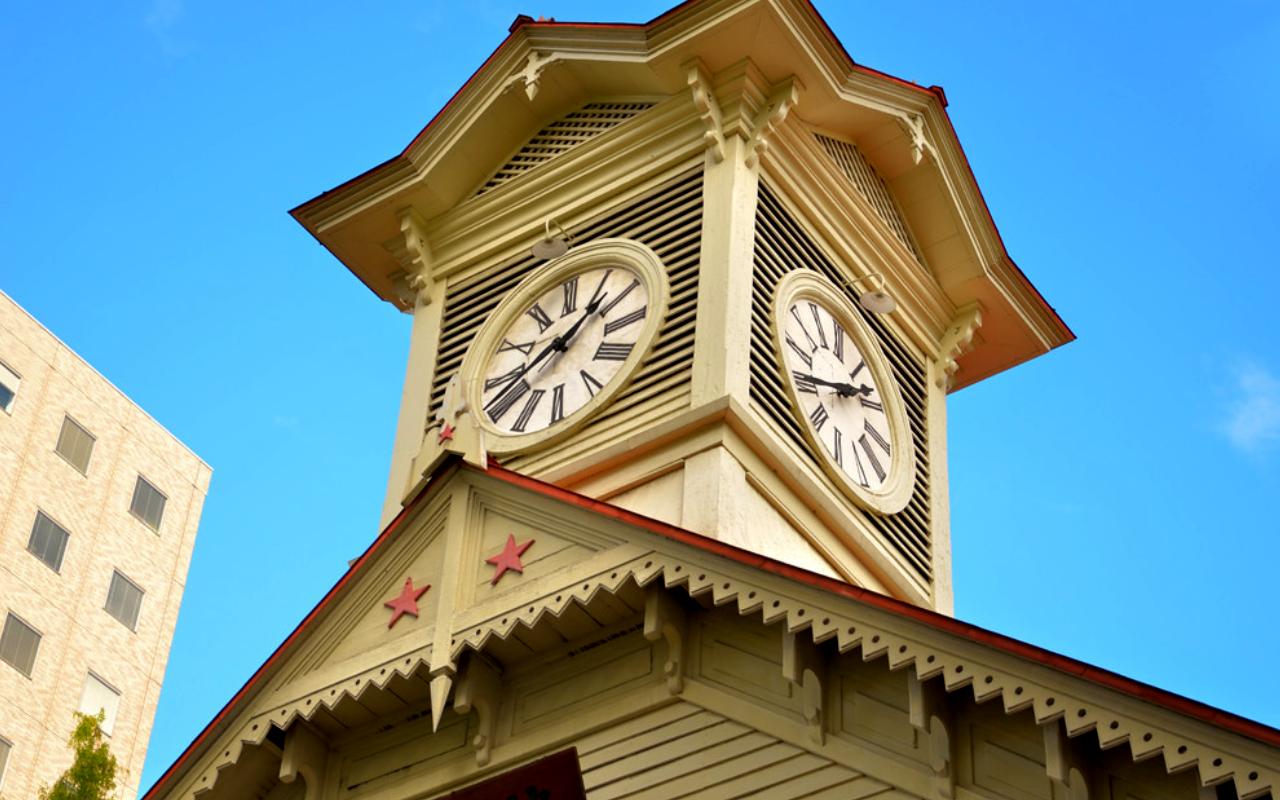
Sapporo Clock Tower
Japan’s national tourism organization also frames it as a beloved city symbol with a small museum and gallery.
If you extend your trip north, Sapporo Clock Tower works best as part of a downtown heritage walk (Clock Tower → Odori Park → local food markets), rather than as a standalone detour.
Suggested 10–14 day itinerary
A realistic first-time Japan Landmarks itinerary aims to balance “big days” with one or two slower days so you’re not sprinting through sacred spaces.
Days 1–3: Tokyo. Use Day 1 for neighborhood orientation (Asakusa + Senso-ji; evening Tokyo Tower). Day 2 for modern Tokyo (Shibuya Crossing; Meiji Jingu as your calm reset; optional nightlife). Day 3 for big views (Tokyo Skytree) plus either Odaiba or teamLab Planets, depending on your interests.
Day 4: Hakone + Mt. Fuji viewpoint day
Use the official Hakone portal to confirm transport status, and treat Fuji as the “prize view” rather than assuming it will appear; visibility is weather-dependent.
Days 5–7: Kyoto
Prioritize one very early morning (Arashiyama or Fushimi Inari) and one evening illumination window if you’re visiting during special periods at temples like Kiyomizu-dera.
Day 8: Nara (day trip or overnight)
Center the day around Tōdai-ji + Nara Park, and treat deer interactions as wildlife etiquette, not entertainment.
Days 9–10: Osaka
Do Osaka Castle early, then Dōtonbori at night for maximum atmosphere (and maximum snack energy). Add Shitennō-ji when you want a quieter cultural anchor.
Days 11–12: Hiroshima + Miyajima
Give Peace Memorial Park the time it deserves, then spend a separate window on Miyajima for shrine + tide timing.
Optional days 13–14: Extend north or deepen nature
Choose either (a) Hokkaido (Sapporo Clock Tower as a starter landmark) or (b) deeper nature like the Japanese Alps, depending on season and personal interest.
Travel tips for visiting Japan landmarks in 2026
JR Pass: If you’re doing long-distance rail across multiple regions, research the Japan Rail Pass carefully. The official site explains eligibility conditions and how the pass is used; it’s not automatically the cheapest choice for every trip, especially if you stay mostly within one city.
Go early for high-demand landmark photos: Senso-ji and Kyoto’s headline sites can become crowded quickly; official numbers for Senso-ji (30 million annual visitors) underline why “early” is often the difference between calm and chaos.
Respect cultural spaces: Temples and shrines are places of worship, not only attractions. Kiyomizu-dera’s official guidance includes clear behavior restrictions (smoking, food rules, and limitations on certain filming).
Be especially careful in living cultural districts: Reporting on Gion shows why harassment-style photography has become a serious issue, leading to access restrictions in some areas, and treat geiko/maiko as working professionals, not photo props.
Natural landmarks can involve rules and fees: Mt. Fuji’s 2026 Yoshida Trail restrictions include a hiking fee, daily caps, and gear checks. Plan like a mountaineer, not a casual tourist.
FAQs about Japan landmarks
What are the most famous landmarks in Japan?
A short list that consistently defines “Japan’s famous landmarks” for first-time visitors includes Mt. Fuji (UNESCO cultural landscape), Fushimi Inari Taisha’s torii gate paths, and Tokyo’s skyline towers like Tokyo Tower and Tokyo Skytree.
How many days are enough to explore Japan’s landmarks?
For the landmark set in this guide, 10–14 days is ideal because it fits Tokyo + Fuji/Hakone + Kyoto + Nara + Osaka + Hiroshima/Miyajima without forcing you to move cities every single day (which quickly becomes exhausting).
Are Japanese landmarks expensive to visit?
Many iconic sites are low-cost or free to enter (especially shrine grounds), while observation towers and special museums can be pricier. Tokyo Tower openly publishes both hours and ticket prices by deck and purchase method. Temples like Kinkaku-ji publish modest admission fees (commonly 500 yen general admission).
Conclusion
Japan delivers something rare: landmarks that are genuinely world-famous, but still rooted in living culture, morning prayers, seasonal rituals, neighborhood etiquette, and nature that shapes identity.
From Tokyo’s engineered skyline to Kyoto’s sacred paths, from Nara’s Great Buddha to Hiroshima’s peace memorials, these Japan Landmarks form a complete “first understanding” of the country.
Use this guide as a framework, then personalize it: add more time where you feel something, because the best trips aren’t only about seeing famous landmarks in Japan, but about letting them change the way you see Japan itself.













-
 0115 Best Easy Treks in Nepal for Beginners and Families
 -
 02Best season for Everest Base Camp Trek
 -
 03Best Time to Go Hiking in Nepal: A Seasonal Guide for Trekkers
 -
 04Suchi Purja –Wife of Nirmal Purja aka Nims Dai
 -
 05Dubai desert safari outfit ideas
 -
 06Top Beaches in Sri Lanka
 -
 0710 Best Easy Treks in Nepal