
Now Reading: Top 15 Things to Do in Lagos Portugal for First-Time Visitors
-
01
Top 15 Things to Do in Lagos Portugal for First-Time Visitors

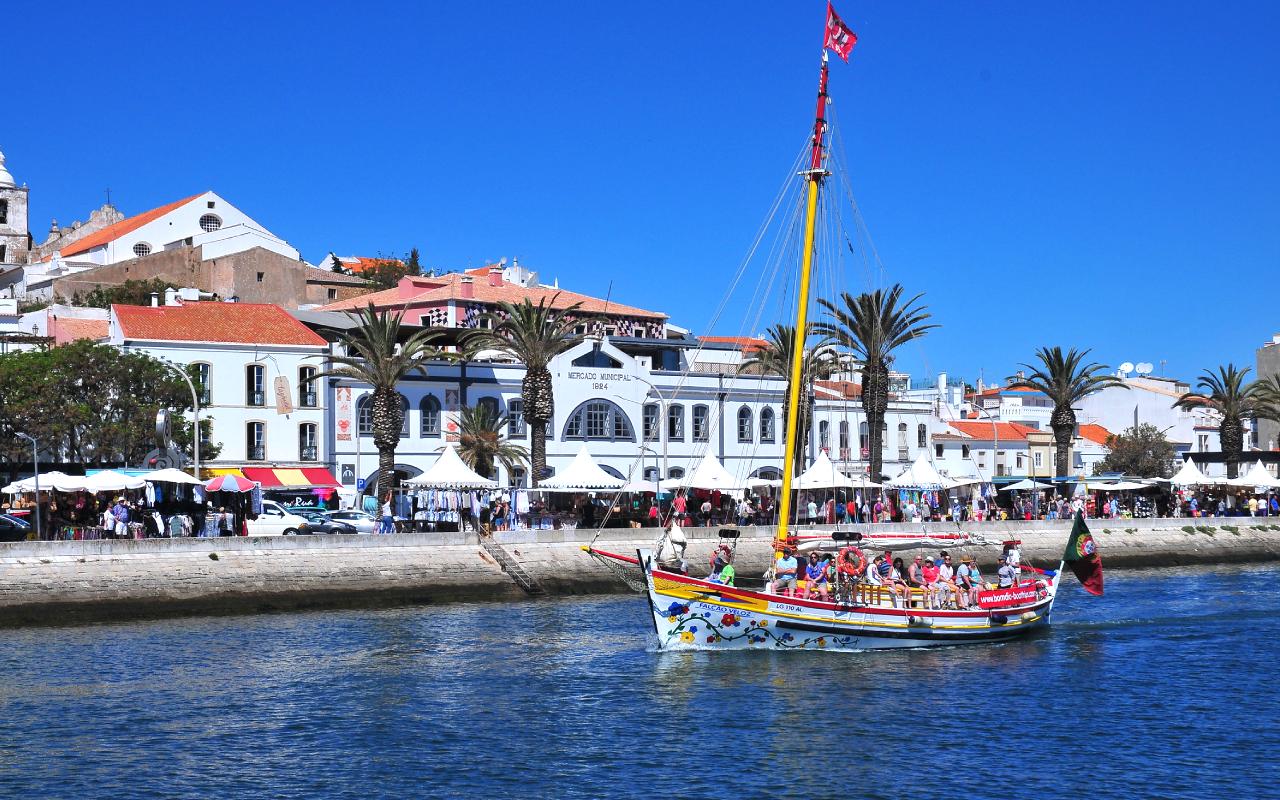
Lagos is an attractive Portuguese city in the south of the Algarve. It is known to have rough golden cliffs, turquoise bays, and a marine history. Lagos has a lot to offer to first-time visitors, as it is home to renowned beaches, cultural places, and bustling cafés.
Being one of the gems of the Algarve, Lagos is a combination of scenic beauty, Portuguese heritage, and adventure. This guide will showcase the top attractions to visit in Lagos Portugal, as a first-time visitor, as well as useful travel information.
You will learn about the best tourist spots in Lagos, breathtaking sea caves, historical sites, and delicious food, and how to navigate the city. Whether you plan a quick getaway or a longer holiday, these Lagos highlights will help you make the most of your trip.
Lagos sits along the Atlantic coast in southwestern Portugal. It’s about 92 km west of Faro (the region’s main airport), roughly a 1.5–2 hour drive or shuttle/bus ride.
You can also reach Lagos by bus or train from Lisbon (about 190 km north) in 3–4 hours. The old town is compact and walkable, and many attractions are within easy distance of each other.
Late spring through early fall (May to September) is ideal for beach weather, when days are hot and sunny. Summers are busy (June–August are peak season), so book accommodations and tours early.
Plan on 2–4 days to experience Lagos’s highlights: two days covers the main sights and a beach or two, and a few extra days let you relax or take nearby day trips.
In this post, we’ll cover Lagos’ top 15 attractions, plus recommendations on dining, accommodation, and how to get around.
Use this as your first-time visitors’ checklist for all the top things to do in Lagos Portugal!
Quick Facts
| Quick Facts | Details |
| Location | Lagos, Algarve region, southern Portugal |
| Nearest Airport | Faro Airport (92 km) |
| Coordinates | 37.1028° N, 8.6728° W |
| Region/District | Faro District, Algarve |
| Time Zone | Western European Time (WET, UTC+0; summer DST+1) |
| Currency | Euro (EUR) |
| Language | Portuguese |
| Best Time to Visit | May–September (warm, mostly dry) |
| Recommended Stay | 3–4 days (minimum 2 days to see top sights) |
Quick Travel Overview
Lagos is easily accessible by car, bus, or train. By car, take the A2/A22 highways from Lisbon or Faro. From Faro Airport, you can catch a direct “Aerobus” or take a short train ride (about 2 hours) to Lagos.
Taxis or Uber/Bolt rides cost around €30–35 from Faro. From Lisbon, a scenic drive of 3 hours follows the coast, or you can take the train (with a change at Tunes, about 4 hours total) or an express bus (3¾–4 hours).
Lagos enjoys a Mediterranean climate. Summers (Jul–Aug) are hot and dry (daytime highs 30–35°C), perfect for swimming. Spring (April–June) and autumn (Sept) offer warm weather with fewer crowds. Winters are mild and rainy, but many visitors still enjoy seaside walks. Given the tourism waves, book hotels and popular tours well in advance for summer trips.
Once in Lagos, you’ll find the center very walkable; most attractions (beaches, old town, marina) are within a few kilometers of each other.
Local buses connect to outlying beaches (Meia Praia, Porto Mós, etc.) and nearby towns like Sagres. Car or bike rentals are handy for more flexibility. Lagoons and waterways also encourage boat and kayak rentals.
In short, Lagos rewards travelers who plan 2–4 days: you’ll have time to soak up the sun, wander the charming streets, and even venture on a day trip.
Top 15 Things to Do in Lagos Portugal
1. Explore Ponta da Piedade
Ponta da Piedade
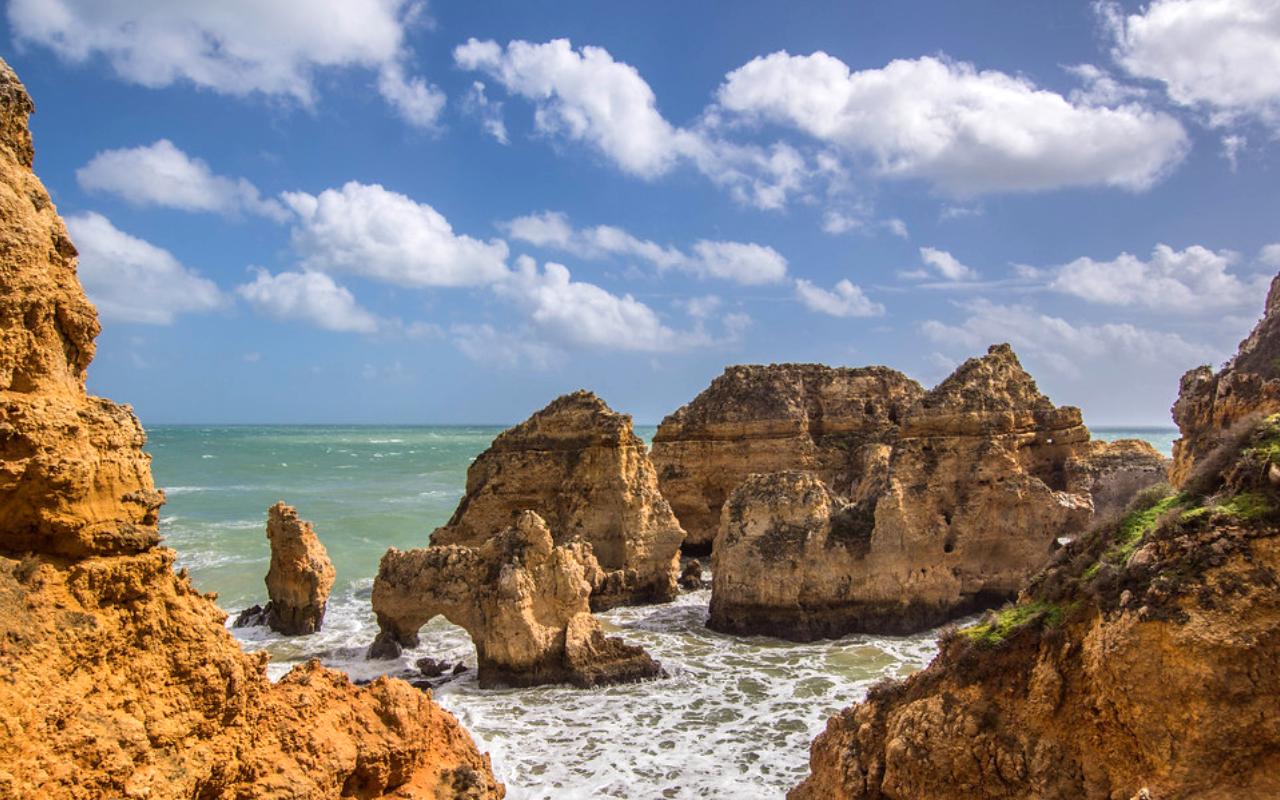
Lagos’ most iconic sight is Ponta da Piedade, a dramatic headland of towering golden cliffs laced with hidden grottos and arches. Walking trails and wooden staircases zigzag along the cliff edge, offering panoramic views over the Atlantic and the town of Lagos beyond.
For the fullest experience, descend the 182 steps from the lighthouse car park down to the water’s edge. From sea level, you’re surrounded by otherworldly sandstone pinnacles, named by locals after shapes (the “Elephant,” “Cathedral,” “Sphinx,” etc.).
A boat or kayak tour is highly recommended for first-timers; these take you through the network of caves and rock arches that are unreachable on foot.
Many travelers time their visit to Ponta da Piedade for sunrise or sunset. The gentle morning light brings out amber hues in the rocks, and the cliffs glow at sunset (though note it can be busy by evening).
Bring sturdy shoes and a camera; this is a must-do Lagos photo spot. And don’t miss the 1913 lighthouse perched on the cliffs (Miradouro do Farol), which has its own scenic boardwalk with views of the beaches to the west.
2. Relax at Praia Dona Ana
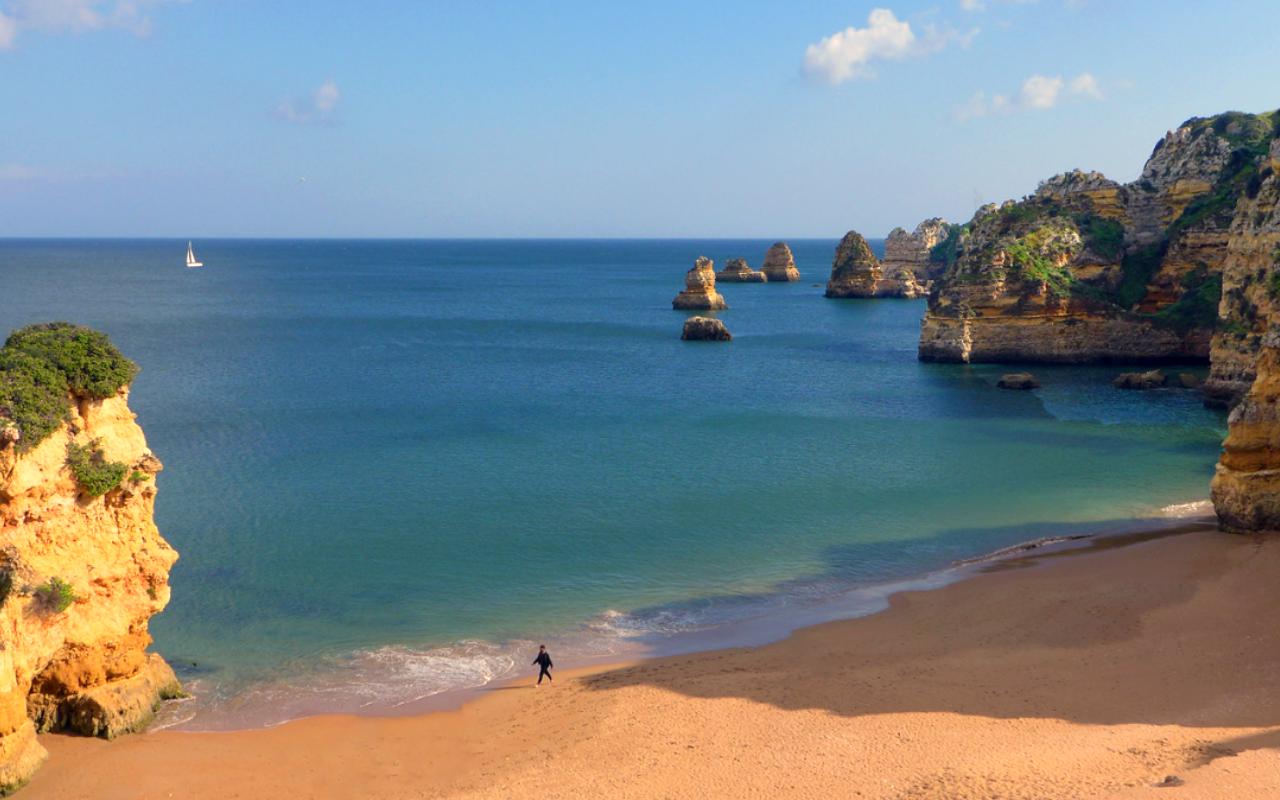
Praia Dona Ana is a postcard-perfect beach right below Ponta da Piedade. It is one of Portugal’s most photographed beaches. Flanked by towering ochre cliffs on both sides, its calm turquoise lagoon is ideal for swimming.
The sunbathing area has fine sand, and its sheltered position means the water is usually smooth – great for kids or novice swimmers. This beach has earned Blue Flag status for cleanliness and safety.
The seaside cliffs also make for scenic viewpoints. A wooden boardwalk leads down 93 steps to the sand, but if you prefer a less crowded vantage, climb the northern headland above the beach.
That high cliff offers arguably even better vistas over the bay, especially beautiful at sunrise or sunset. (Just note that in high summer, Dona Ana can get very busy; try to arrive early in the day to beat the crowds.)
There are a few cafés and a beach bar for snacks and drinks, as well as rental umbrellas during peak season, making it a convenient and relaxing spot.
3. Visit Praia do Camilo
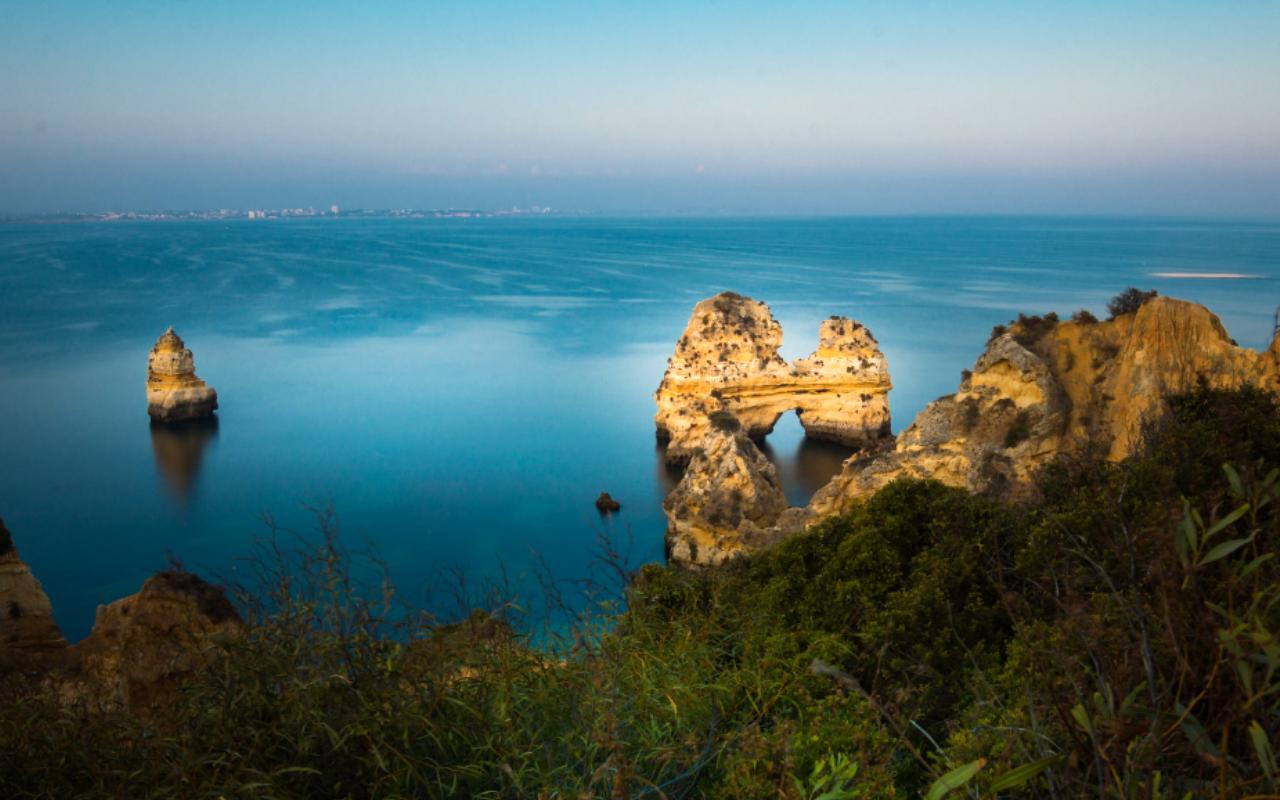
Praia do Camilo is a tiny gem tucked around the corner from Dona Ana. It’s famous for the long wooden staircase you descend from the clifftop, one of the prettiest staircases leading to a beach you’ll find anywhere.
From the top, you get a postcard view of the golden cliffs and the narrow strip of sand below. The cove itself is small and intimate, with clear blue water and interesting rock formations. Because it’s sheltered, the sea is usually glassy calm here, making it popular for snorkeling.
One nice fact: the sandy bay of Praia do Camilo extends around the headland through a tunnel, so there’s actually more space than meets the eye from above.
However, most of that disappears at high tide, so space is very tight then, and it fills up quickly. To avoid disappointment, go early in the morning or later in the afternoon when other beaches thin out.
Even if you just visit for photos, the view from the stair landing is well worth it. Next to the top of the stairs, there’s a seafood restaurant (Lunch & Dinner Camilo), in case you need a post-swim meal or drink with a view.
Despite its popularity, Praia do Camilo remains picturesque year-round. It’s not served by lifeguards outside of summer, so keep caution in mind.
But in general, the waters are shallow and safe. Watching the sun set from the cliffs here is another local favorite; you can see the sky fire up over Lagos as evening falls.
4. Wander Around Lagos Old Town
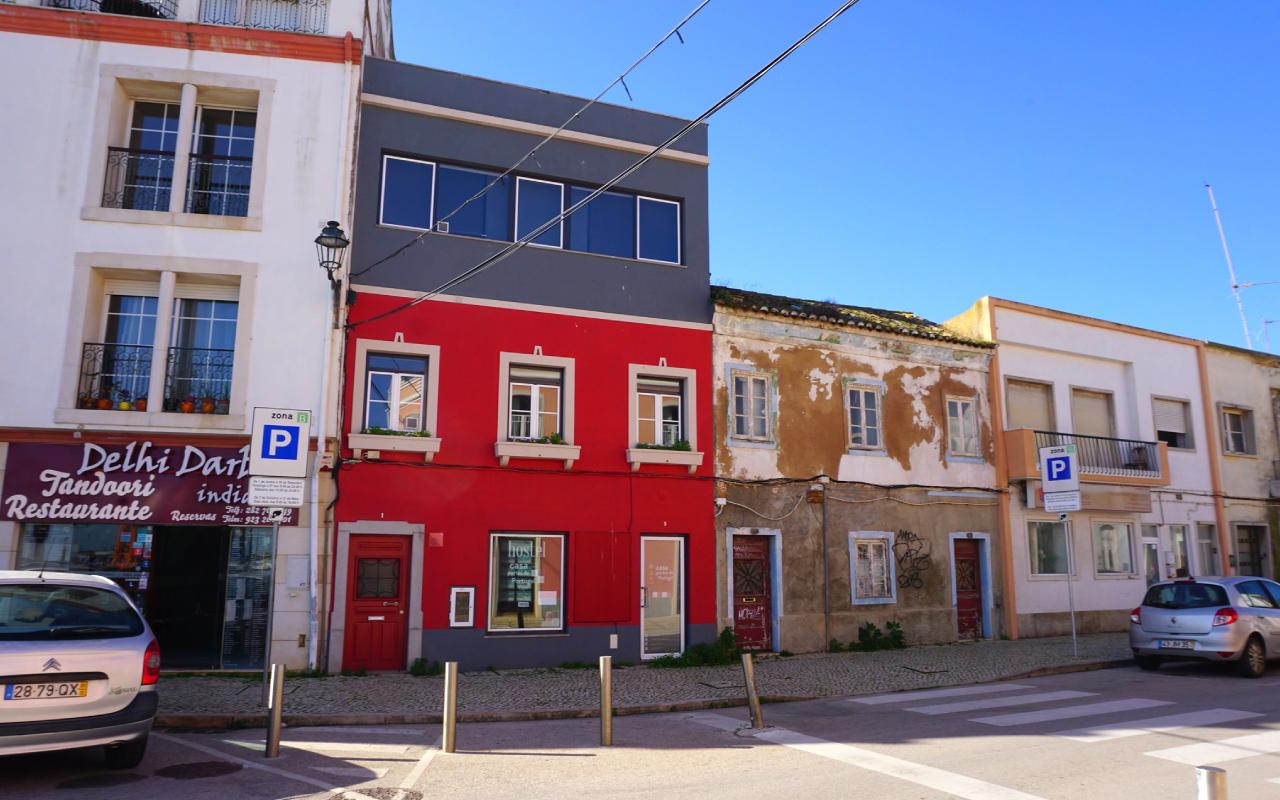
Downtown Lagos is charming and compact, with a historic center enclosed by the old city walls. Wander the narrow cobblestone streets beneath whitewashed buildings decorated with blue azulejo tiles.
Central to the old town is Praça Gil Eanes, a pedestrian square lined with cafés and restaurants. It’s the perfect spot to sip Portuguese coffee or the local wine, and to soak up the lazy atmosphere.
From here, explore side streets with boutique shops (selling cork products, pottery, linen) and classic tascas (simple family-run restaurants).
Several heritage sites are clustered in the old town. One highlight is the Igreja de Santo António (Church of Saint Anthony), whose plain yellow exterior gives no hint of what’s inside.
Behind its whitewashed walls lies a Baroque treasure: the gilded woodwork, painted tiles, and ceiling scenes are among the finest in the Algarve. Definitely step inside to admire the “Golden Church” interior.
Nearby, the small Mercado de Escravos (Slave Market museum) documents Lagos’ darker history, which was Europe’s first slave market in the 15th century. The cathedral Igreja de Santa Maria (now a museum) and the town hall are also around these squares, each with an interesting history.
At night, Lagos really comes alive among these streets. Outdoor terraces fill with locals and travelers enjoying tapas and drinks. There’s a lively bar scene along Rua 25 de Abril and in the plazas: casual squares like Gil Eanes and Infante Dom Henrique host open-air bars and street-food vendors.
As the evening goes on, the scene transitions into cocktail bars and a few late-night spots where you can dance. Lagos’ nightlife is vibrant yet laid-back, more of a fun bar-hopping feel than a raucous party zone. (Lagos is popular with backpackers and surfers, so the crowd is young and international, but it avoids the “crazy” vibe of bigger resorts.)
5. Walk Along Meia Praia
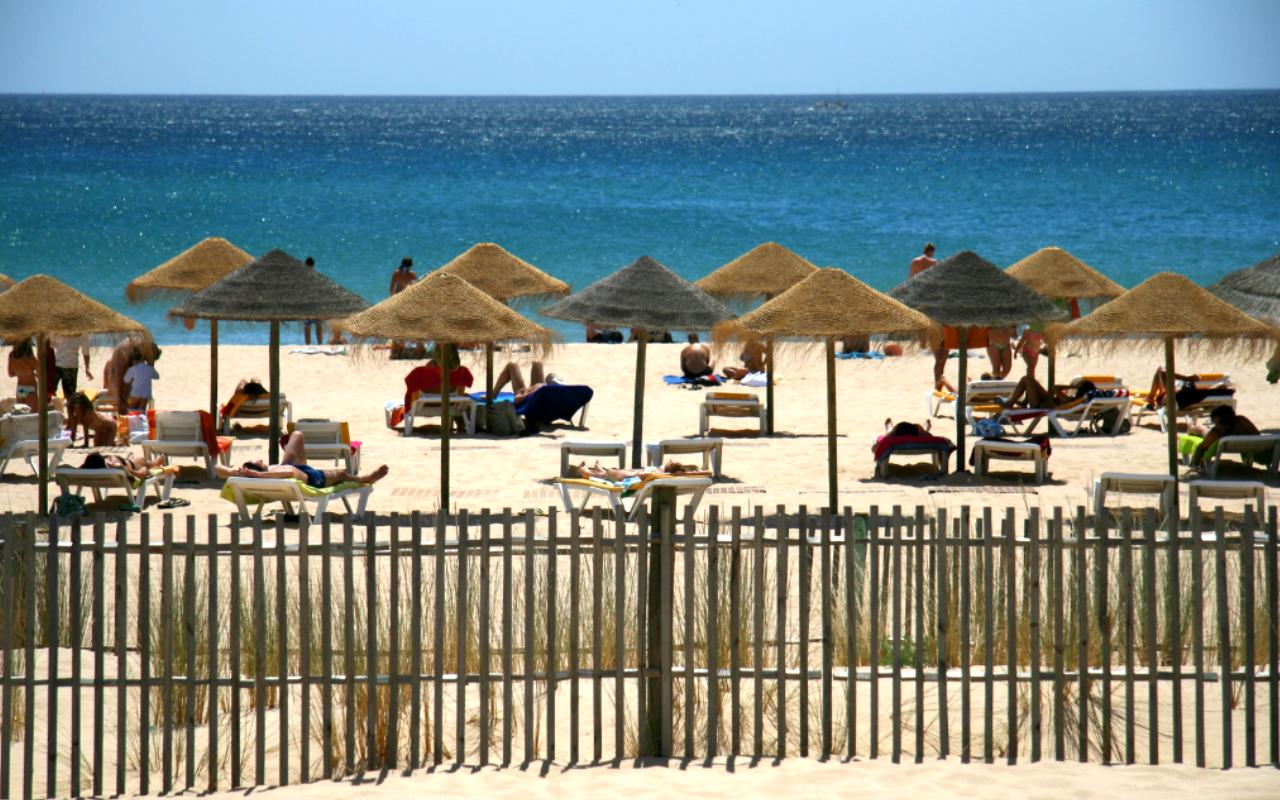
If you crave wide open sand and gentle waves, head to Meia Praia (“Half Beach”). It’s Lagos’ longest beach, over 4 km of pale sand stretching east from the town’s edge. With so much room, Meia Praia never feels as crowded as the small coves.
You can stroll mile after mile along the shore, watching kite surfers catch wind near the water, or let kids play in the shallow surf. Local families tend to congregate near the town end (where you can see Lagos across the bay), while the eastern reaches are quieter and even unofficially nude-friendly (the text on nudity appears on some maps as an informal spot).
Meia Praia is flat and free of rocky outcrops, so it’s great for long walks and for watersports. On windy days, it can get surfable, and you’ll see surf lessons and stand-up paddling rentals.
The sea can be cooler here, but it’s clean and supervised by lifeguards in summer. There are a few beach bars and restaurants on the dunes, especially near the western part, where you can get sunbeds and snacks.
If you arrive at sunset, the sky over Meia Praia is stunning, and the beach bars offer a relaxed vibe (most close by 11 pm, so it’s early-evening fun rather than all-night partying).
6. Take a Boat Tour to the Sea Caves
Boat Tour
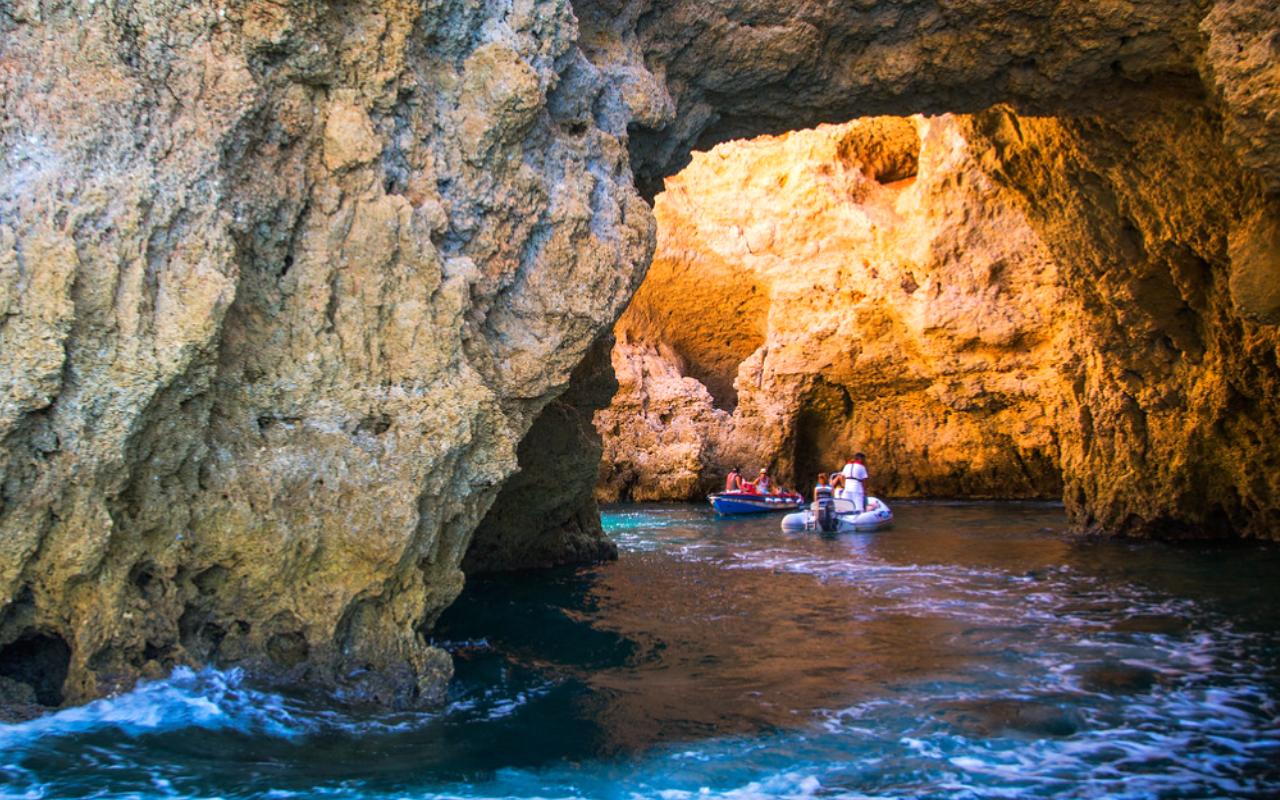
One of the best things to do in Lagos Portugal is to explore its golden coast from the water. Many tours depart from Lagos Marina to cruise the coastline and sea caves.
These boats take you through the hidden grottoes at Ponta da Piedade from a different perspective than the clifftop views. You’ll pass under natural arches and into caverns with names like “Cathedral” and “The Grotto of Love.” On board, guides often share tales of ancient sailors, pirates, and the geology of the Algarve.
Most tours last 1–2 hours and use small motorboats that can squeeze into tight spots. In calm seas, you might actually enter some caves or go under rock arches. (If the Atlantic is rough, the captain will skip the caves for safety, but you still get stunning coastal scenery.)
If you prefer more privacy, there are private boat and kayak tours as well. The tours usually guarantee dolphins or a bonus trip if none are spotted, so hold onto your camera! Remember to bring a light jacket and sunblock, even on cloudy days, since the breeze off the sea can be strong.
For a more active experience, consider a guided kayak trip along the same coastline. Lagos’s sheltered waters make kayaking easy even for beginners.
You can paddle through some of the narrower arches and into shallower grottoes that big boats can’t enter. Many local operators (like Kayak Explorers or Magic Kayaks) offer 2–3 hour tours that include safety instruction. Either way, the cliff-and-water views from a kayak are unforgettable.
7. Go Kayaking Along the Coast
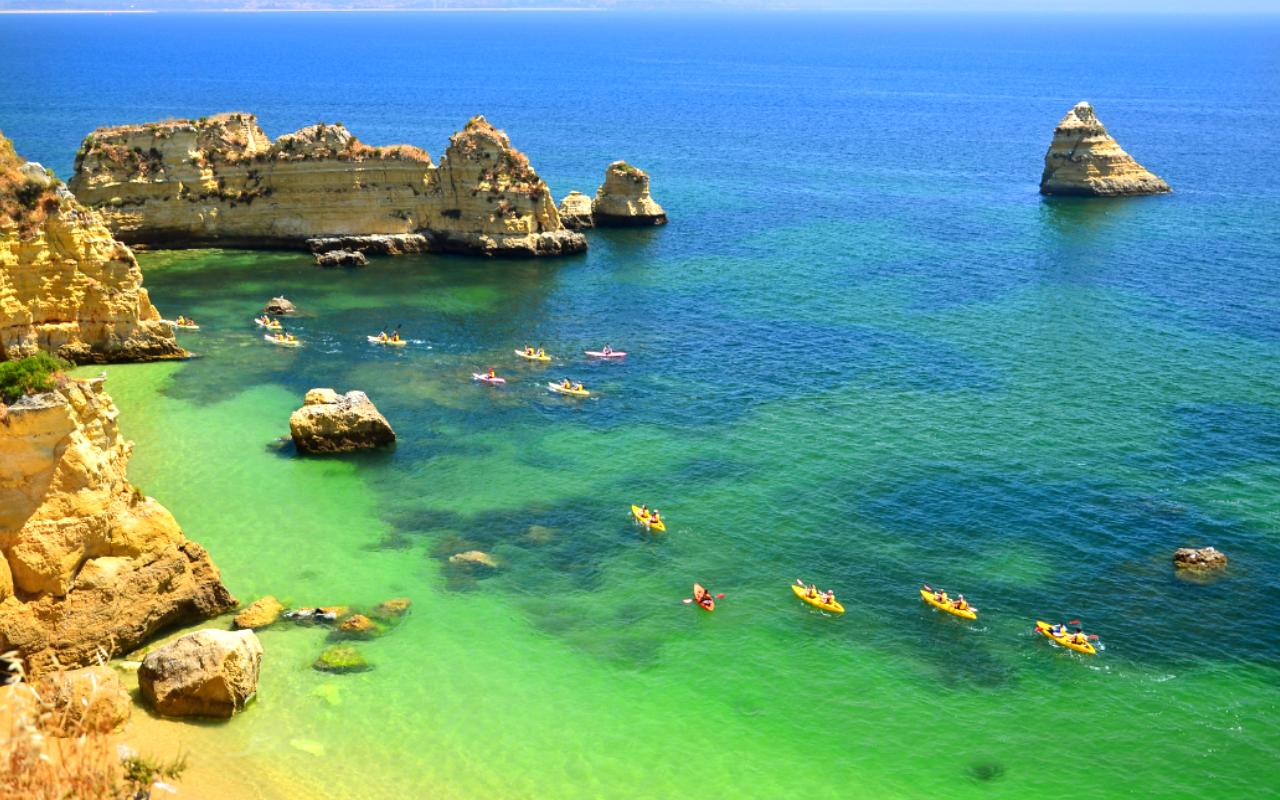
Kayaking deserves its own mention! Even if you do a boat tour, it’s worth taking to the oars in Lagos. The calm mornings are especially perfect for kayaking the coastline.
Guided kayak tours will take you past the same headlands and caves as the boats, but from much closer up. You’ll likely see formations like the “Elephant” or “Cathedral” in detail. And if you’re lucky, you might even spy a dolphin or two from the low angle.
Beginner tours are common, and instructors will outfit you with gear and show you how to navigate. Many paddlers start near Praia do Camilo or Meia Praia and head toward Dona Ana and Ponta da Piedade.
The experience is both peaceful and adventurous. Between paddles, you can hop out on quiet beaches for a swim. Guided small-group tours often combine kayaking through the dunes and then let you paddle or snorkel around the caves.
Safety tip: Always listen to your guide. The Atlantic can change quickly. Stay aware of tides and wear the provided life vest. Even on self-guided trips, avoid going into caves without experience.
8. Visit Forte da Ponta da Bandeira
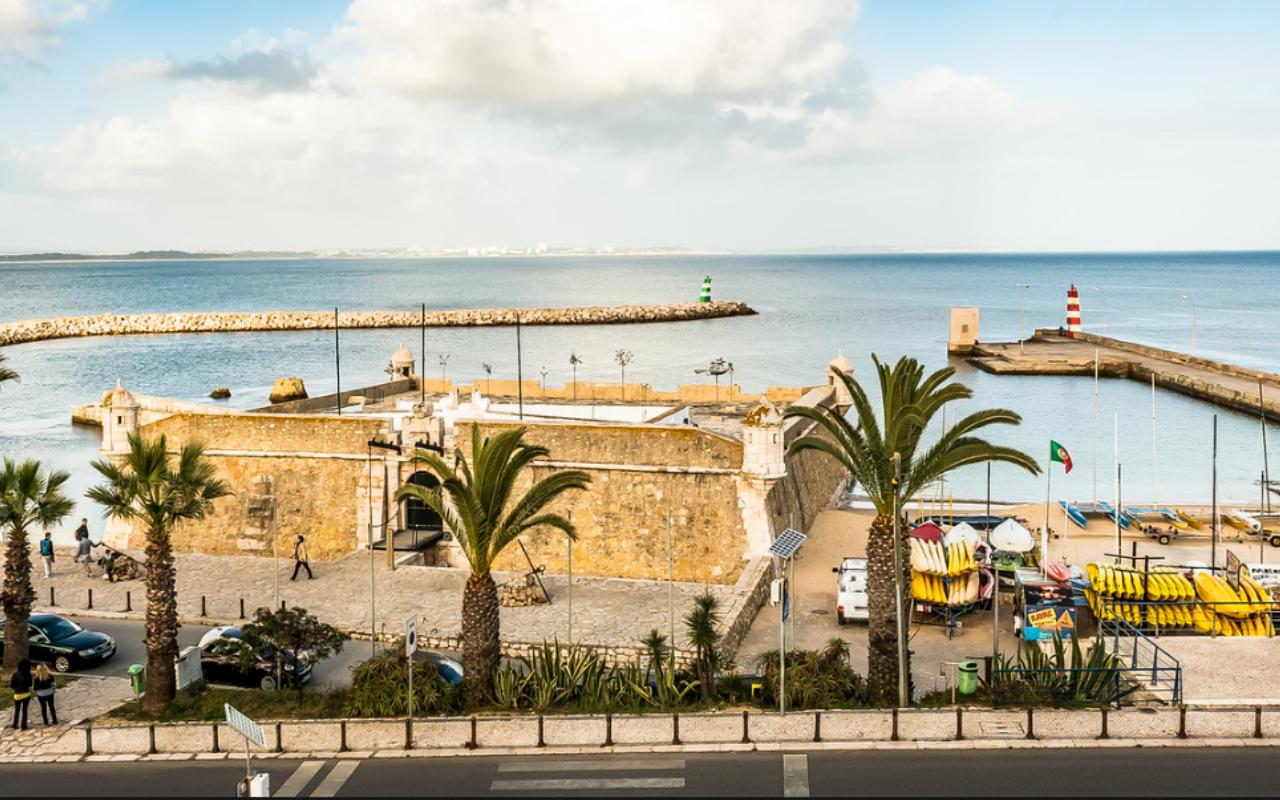
Lagos played an important role in Portugal’s Age of Discovery, and one testament to that era is the Forte da Ponta da Bandeira. This compact 17th-century fort guards the entrance to Lagos harbour.
Today it’s a small museum, and you can walk atop its low ramparts. From up here, you get superb views of the marina, city walls, and Meia Praia on the horizon.
The old cannons and thick walls of the fort make for interesting exploration. Inside, there are exhibits of maritime artifacts and ship models.
Because it’s right on Lagos’ waterfront, a visit to Ponta da Bandeira can easily be combined with a stroll along the harbor or a drink at one of the dockside cafés.
In summer, it often has a guard-of-honor routine, adding a splash of tradition. Don’t rush your visit; the serene harbor vistas make this a nice break from the beach crowds.
9. Discover Igreja de Santo António

Igreja de Santo António
Hidden behind an unassuming façade in Old Town is Igreja de Santo António, one of Lagos’ architectural jewels. Built after the 1755 earthquake, it’s known as the “Golden Church” for its incredibly ornate Baroque interior.
Inside, you’ll find walls covered floor-to-ceiling in gilded woodcarving and hand-painted azulejo tiles, creating a dazzling golden glow. The high altar is especially lavish, with angels and saints all shimmering in gold leaf.
This church is often cited as the Algarve’s finest church interior. Take a quiet moment here to admire the art and ask at the door for the small museum nearby.
The adjacent museum (in the old convent building) has a collection of religious artifacts and historical items that give more context about Lagos’ past.
Whether you’re into architecture or not, Santo António is worth a stop for its unexpected opulence. It’s one of the top indoor attractions in Lagos, a cool respite on a hot day, and it tells a story of the city’s 18th-century rebirth.
10. Watch Sunset at the Cliffs
No list of Lagos highlights is complete without a sunset. The Algarve light is famous, and Lagos has front-row seats to it. For a memorable evening, head to a cliff-top vantage point like Ponta da Piedade or the high ground above Praia Dona Ana.
These spots face roughly west, so they capture the sun lowering into the Atlantic. Photographers love the way the rock formations glow orange and pink with the setting sun.
Sunset is also romantic; couples often bring blankets or beach chairs to Praia do Canavial (just west of Dona Ana) or find a bench at one of the miradouros. If you want a drink with your view, some nearby beach bars or restaurants will serve an early evening crowd on their terraces.
Tip: Arrive at least 30 minutes before dusk to claim a spot, especially in high season. And keep in mind the cliffs can be uneven and the stairs slippery, so watch your step as you enjoy the sunset. After dark, the city lights start to twinkle along the bay, which is a lovely sight to cap off the day.
11. Try Dolphin Watching Tours
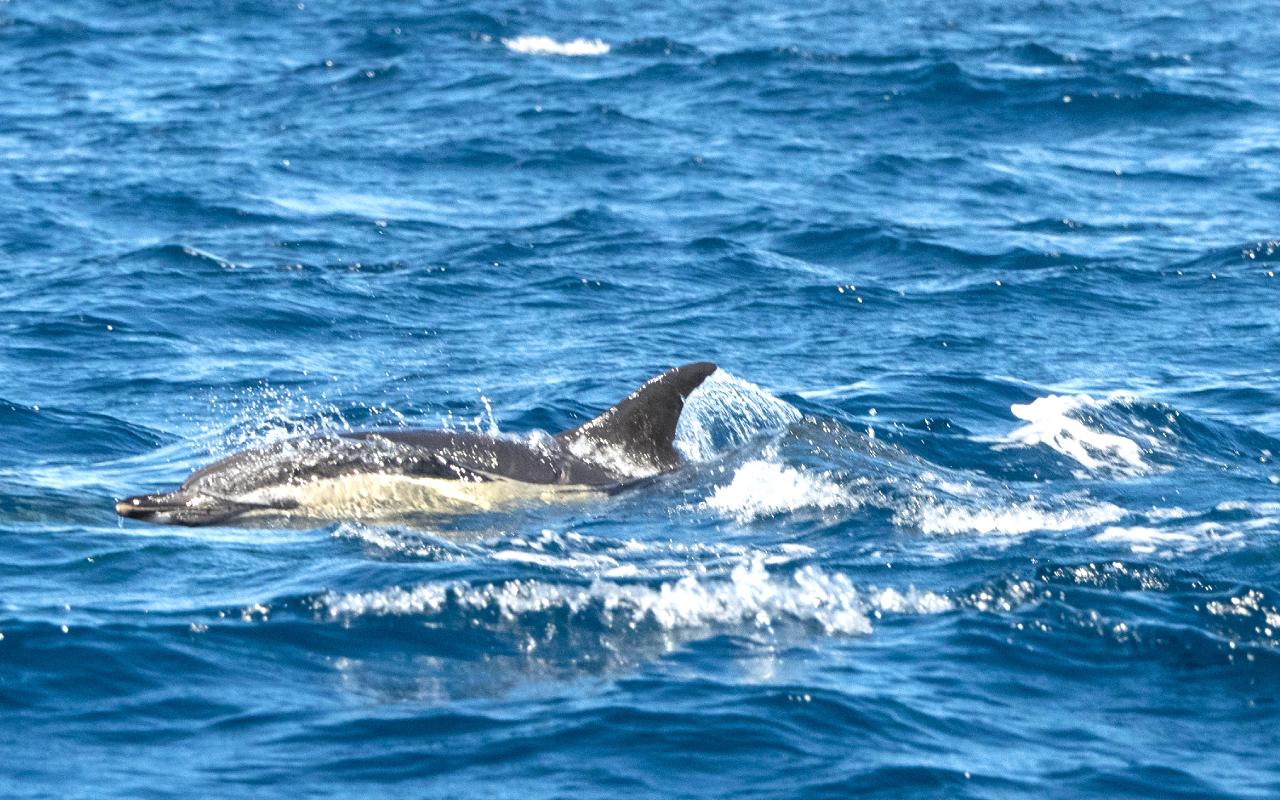
Lagos is one of the few places in Europe where you can regularly see dolphins in the wild. The fertile waters off the Algarve attract pods of common and bottlenose dolphins year-round.
To spot them, the best option is an organized dolphin-watching cruise from Lagos Marina. Several operators run tours (often with onboard marine biologists) that venture out into the bay and along the coast.
These tours usually last 2–3 hours and navigate to where dolphins are known to feed. It’s common to see energetic sprays and fins as dolphins play and hunt in the surf. Many tours promise sightings, and if none appear, they may offer a second outing for free.
Midday to late morning is often a good time, but dolphins can be spotted in any season. Just be sure to dress warmly on deck, as it can feel cool. For ocean lovers, this is a thrilling activity; there’s nothing like hearing a dolphin blow or watching it ride the bow wave.
Sealife Tours and Oceanus are popular local companies specializing in Lagos dolphin trips, with knowledgeable guides explaining marine life along the way.
12. Enjoy Lagos Nightlife
When the sun sets, Lagos transforms into a bustling nighttime playground, especially in summer. The Old Town’s pedestrian streets become a bar-hopping haven.
Start your evening with drinks at Praça Gil Eanes or Infante Dom Henrique square, where open-air bars serve beer and cocktails under the stars. As night deepens, mix cocktails at trendy lounges (Lagos has quite a few great cocktail bars with creative drinks) or small wine bars sampling Portuguese vintages.
For those looking to dance, Lagos has a couple of lively venues. The infamous “Nah Nah Bah” is a backpacker favorite; it’s an outdoor club/bar with cheap drinks and a dance floor that pumps pop and dance tunes late into the night.
If live music is more your style, check out local spots like Stevie Ray’s, which hosts live bands (usually blues or rock) in an intimate setting. In contrast, if you prefer a mellow evening, some rooftop terraces (like “The Garden” near Gil Eanes Square) offer lounge music and panoramic views over the town.
The nightlife in Lagos is known for being compact: everything from casual beers to dance clubs is within a five-minute walk in the center, making it fun to bar-crawl without needing a taxi.
13. Taste Local Portuguese Cuisine
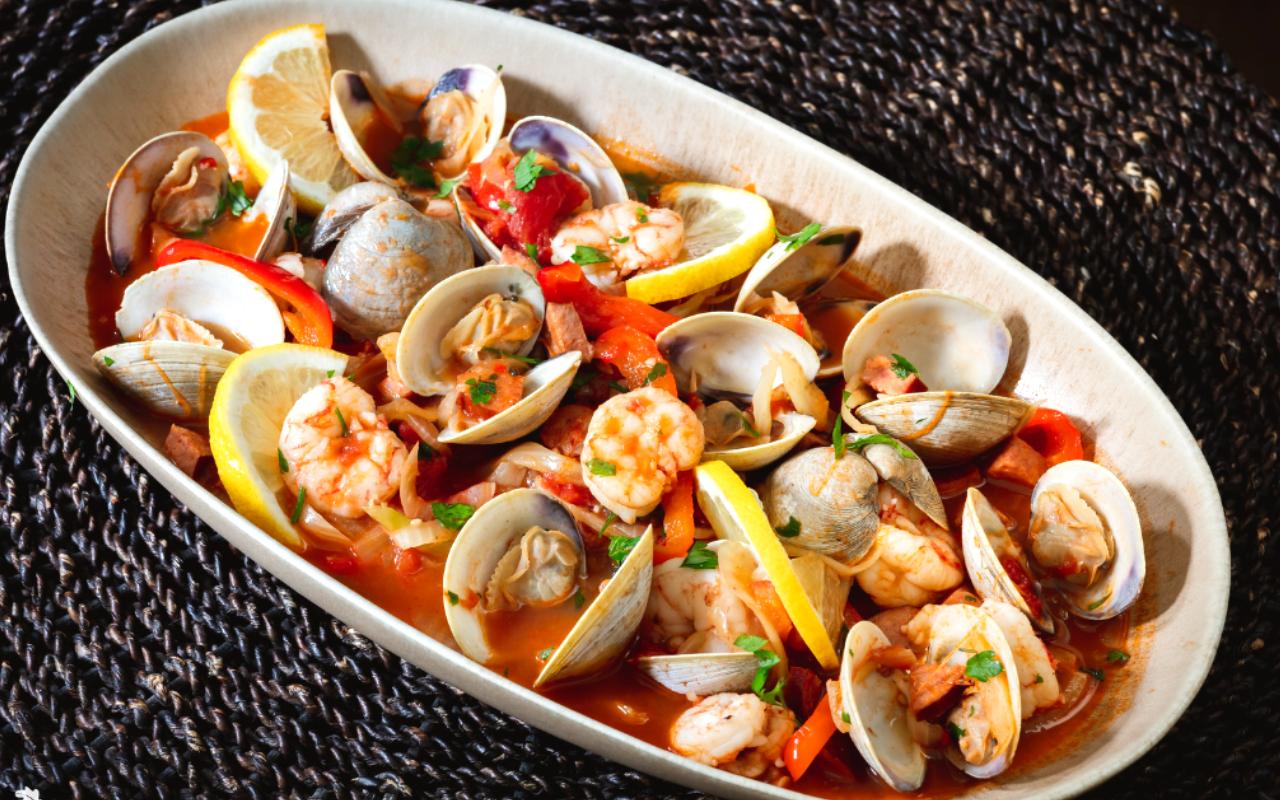
Cataplana
Sampling the local cuisine is a must in Lagos. Portuguese food tends to be hearty and fresh – think seafood and grilled dishes. Algarve specialties are a highlight. Don’t miss cataplana, a flavorful seafood stew cooked in a copper pan (often with clams, shrimp, chorizo, and pork).
Grilled sardines and other fresh fish (like sea bass or snapper) come out on the coals at many waterfront restaurants. Another local classic is arroz de marisco (seafood rice), loaded with shellfish and rich broth.
Street food and pastries are also part of the experience. Try pastel de nata(egg custard tart) from a pastry shop; it’s Portugal’s famous dessert. For a savory snack, pick up a pork and beef bifana sandwich or a cone of fried choco (cuttlefish). Meal portions are generous and often served with rice or potatoes.
For dining areas, the Old Town and Marina are full of great choices. Budget travelers will find many tascas (small taverns) and snack bars selling petiscos (Portuguese tapas). Mid-range restaurants around Gil Eanes offer cozy vibes and local wines.
Upscale options are available too, for example, “Restaurante dos Artistas” is a fine-dining spot in a 17th-century building (reservations recommended), while “Ocean Restaurant” on the marina serves innovative seafood.
The local markets (Mercado de Escravos or the main Mercado Municipal) are also good places to sample fresh produce and snacks. In short, Lagos is ideal for sampling authentic Portuguese flavors.
14. Take a Day Trip to Sagres
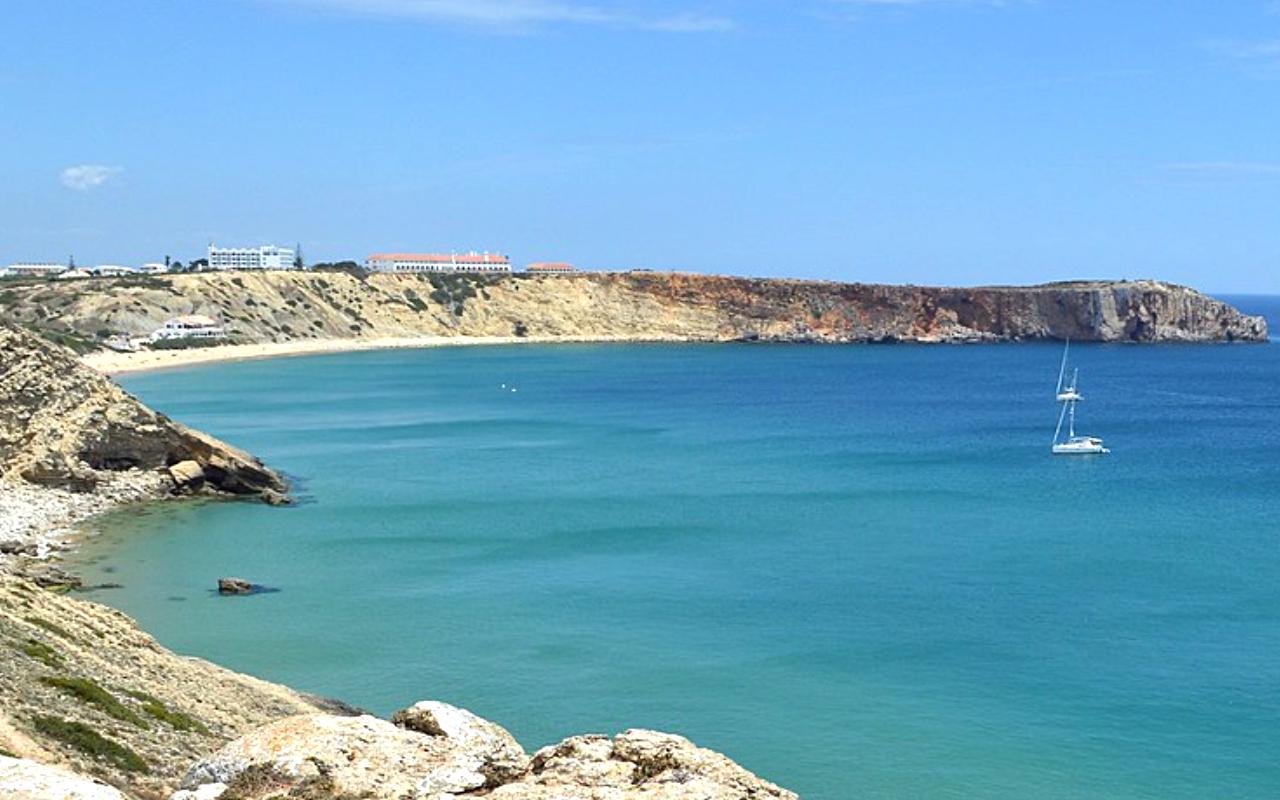
Sagres
If you have extra time, consider a half-day trip to Sagres, about 30 minutes west of Lagos by car or bus. Sagres was once home to Prince Henry the Navigator’s famous school of exploration.
It’s a small surf town with dramatic scenery: massive Atlantic cliffs and a windswept atmosphere. The most striking site is Cabo de São Vicente, the southwesternmost point of continental Europe.
Here, a red-and-white lighthouse perches atop 75m cliffs that drop straight into the crashing sea. It’s a powerful place for photos and to feel the wide Atlantic horizons.
Nearby is the Fortaleza de Sagres, a 15th-century citadel with massive walls that enclose ruins of chapels and cannons, once used to train Portugal’s navigators. The views from Sagres are akin to stepping back in time.
You can also catch some waves at Praia do Tonel or surf lessons at Praia do Beliche if you’re into surfing. Many tours organize a Lagos–Sagres outing, or you can take the public bus. At the very least, drive the scenic coastal road and stop at viewpoints. A quick trip to Sagres gives you a taste of the wider Algarve beyond Lagos’s beaches.
15. Visit Lagos Marina
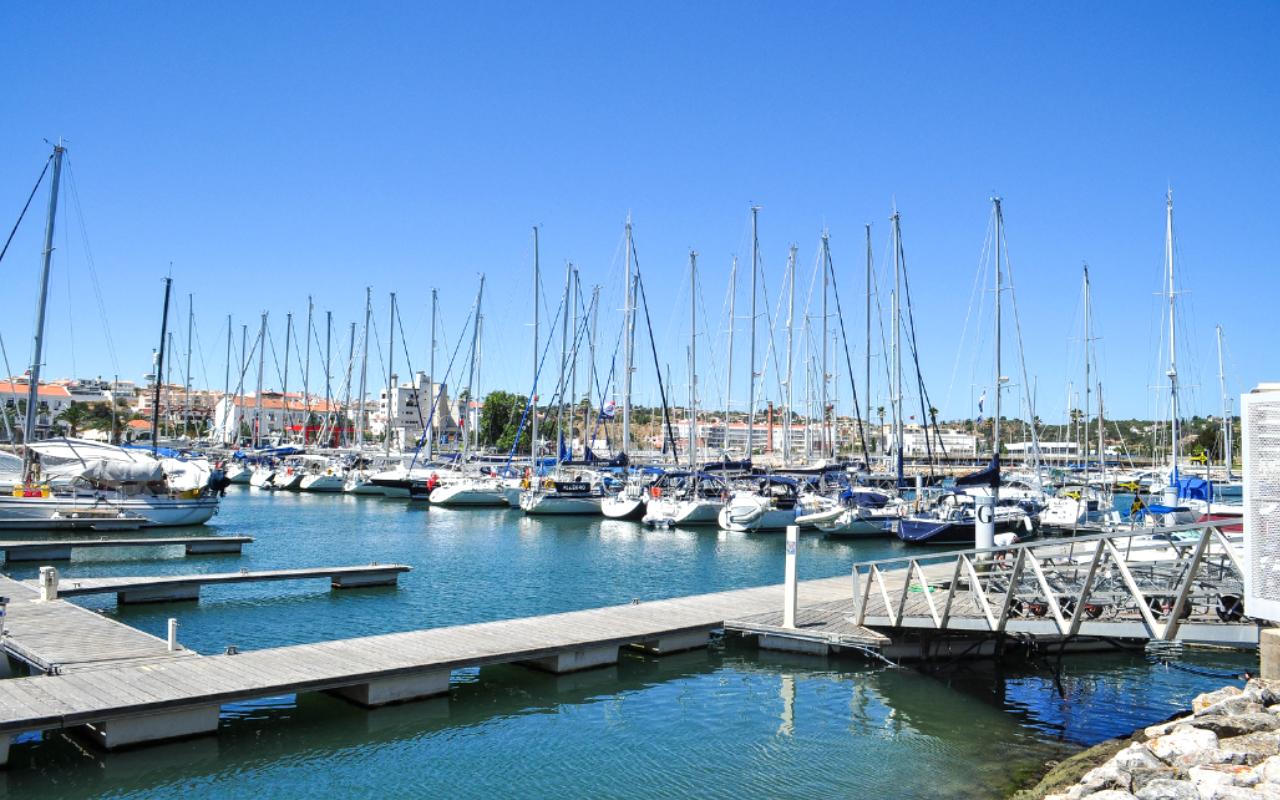
Lagos Marina
Round off your time in Lagos with a leisurely stroll around the Lagos Marina. This modern yacht harbor lies at the mouth of the river and is a pretty place to end the day.
You’ll find a row of restaurants and cafés on the waterfront, many with outdoor seating overlooking anchored boats. It’s a relaxing spot for a sunset drink or dinner (seafood platters by the water are a nice treat). The marina also hosts a small cruise terminal for boat tours if you want to book a last-minute excursion.
Walking along the docks, you can observe fishing vessels preparing their catch and sailboats bobbing in the breeze. There are a few boutique shops and a market near the marina as well.
In the evenings, this area has a laid-back vibe compared to the busier old town. Children often feed the ducks here while parents sip wine; it’s very family-friendly.
A walk from the old town to the marina (via the river promenade and fort) is a pleasant pathway with green spaces. In summary, the Marina is the perfect place to unwind, watch the boats, and toast your trip to Lagos.
Where to Eat in Lagos
Lagos offers eateries for every budget and palate. For traditional Portuguese food, head to family-run tascas and seafood grills in the Old Town. One popular spot is O Golfinho (by Praia do Camilo) for grilled fish and local wines.
Near Praça Gil Eanes, you’ll find Cantinho Algarvio for hearty stews and Pastelaria * to pick up pastries. The marina and riverfront have more upscale restaurants: Mar d’Estórias is a trendy courtyard cafe with creative cuisine, and Goji Lounge* serves sushi with a view.
If you’re budget-conscious, check out the market stalls and snack bars. The Mercado Municipal (covered market) on Rua Vasco da Gama has a fish counter and fresh produce shops, where you can grab fresh shrimp or octopus salad to sample.
For sweets, try Pastéis de Belém in a bakery near Santa Maria church (they have the best custard tarts) or Confeitaria Gombá for cakes. Finally, the Lagos street food scene includes taco and burger vans around Gil Eanes Square in summer.
In short, enjoy fresh seafood (don’t skip the clams or cataplana), sample local cheeses and olives as tapas, and definitely end meals with a custard tart or espresso.
Where to Stay
For first-time visitors, the best areas to stay are the Old Town or near the Marina. In the Old Town, you’ll be steps from restaurants and nightlife, with charming historic hotels and apartments.
Try a boutique hotel or guesthouse on a cobblestone side street. If you prefer beachfront, booking along Meia Praia means easy beach access (note: it’s a 4 km walk to the center or a short bus ride). The marina district has some mid-range hotels and hostels too, a bit quieter at night.
Lagos offers options for all budgets. Hostels and B&Bs in town cater to younger crowds, while larger resort-style hotels line the sands. Check reviews to match your vibe, for example, “Aqualuz Suite Hotel” on Meia Praia is great for families, whereas historic Casa Mãe in town offers luxury design. Wherever you stay, Lagos’s size means nothing is more than a short taxi ride from the center.
Tip: In high season, accommodations fill quickly, so book 4–6 months in advance for summer.
Travel Tips for First-Time Visitors
Getting Around: Lagos is very walkable. Bring good walking shoes for cobblestones. To travel towards further destinations, the local buses will help in linking Lagos to the local villages and beaches. There are taxis and ride-hailing apps (Uber/Bolt), which are usually not available at night. Bikes and scooters can be hired to visit the coastal trails and the promenade.
Packing Essentials: Sunscreen, a hat, and swimwear are a must in summer. Even in spring/fall, bring layers; evenings can be cool by the sea. A waterproof jacket or umbrella is handy in winter. Water shoes or beach shoes can help on pebbly sections. If you plan to hike or kayak, quick-dry clothing and comfortable sports shoes are wise.
Safety: Lagos is generally safe, but watch your belongings in crowded places. The water is clean, but never disregard lifeguard flags on beaches (red is stay out!). Along cliffs, stay behind safety barriers.
Avoiding Crowds: Visit popular beaches early in the morning to beat daytrippers. In the case of Ponta da Piedade, it is peaceful in the morning (afternoon attracts the sightseeing groups). The good weather and fewer people can be found during the off-season (April/May or Sept/Oct).
Local Tips: You should learn some Portuguese expressions; people like to hear a bom dia or obrigado. In restaurants, tipping is not obligatory, yet it is welcomed to round up or leave 5-10% of the sum. The majority of shops and attractions shut down before 6 -7 pm, so consider a dinner or night out.
Sample 3-Day Itinerary
Day 1: Beaches + Old Town– Morning at Praia Dona Ana and Praia do Camilo for swimming and photos. Afternoon wander the old town: see Igreja de Santo António and Praça Gil Eanes, then enjoy seafood tapas on a terrace. Evening: walk to the marina for sunset drinks.
Day 2: Boat Tour + Cliffs – Take a morning boat cruise to Ponta da Piedade caves (many tours start at 10 am from the marina). After lunch, hike the clifftop trails of Ponta da Piedade. Mid-afternoon, relax at Meia Praia or Lagos town beach. End with a cliffside sunset at Dona Ana or Camilo. Dinner back in town.
Day 3: Day Trip + Marina – Rent a car or catch a bus to Sagres (visit Cabo de São Vicente and Sagres fortress). Return by late afternoon. Stroll through Lagos market for souvenirs, then unwind with dinner at a waterfront Lagos marina restaurant. If you have energy, experience Lagos nightlife: start at Praça Gil Eanes and finish at a bar or live music venue.
Conclusion
Lagos is a wonderful mixture of Portuguese relaxed character and natural beauty. The first-time visitors will be delighted with the diversity: award-winning beaches, awe-inspiring cliffscapes, and a historic centre, which is full of culture.
Lagos will not bore you, whether you spend your days relaxing on Praia Dona Ana or exploring the caves of the sea on a boat tour. Hopefully, this list of things to do in Lagos Portugal will assist you in planning the ideal visit.
Start booking your flights and accommodations (early!), save this guide, and get ready to explore!
Ready to explore Lagos? Pack your swimsuit and camera, and get excited, the Algarve’s gem is waiting.














-
 0115 Best Easy Treks in Nepal for Beginners and Families
 -
 02Best season for Everest Base Camp Trek
 -
 03Best Time to Go Hiking in Nepal: A Seasonal Guide for Trekkers
 -
 04Suchi Purja –Wife of Nirmal Purja aka Nims Dai
 -
 05Dubai desert safari outfit ideas
 -
 06Top Beaches in Sri Lanka
 -
 0710 Best Easy Treks in Nepal