
Now Reading: How to Prepare for a Solo Annapurna Base Camp Trek
-
01
How to Prepare for a Solo Annapurna Base Camp Trek

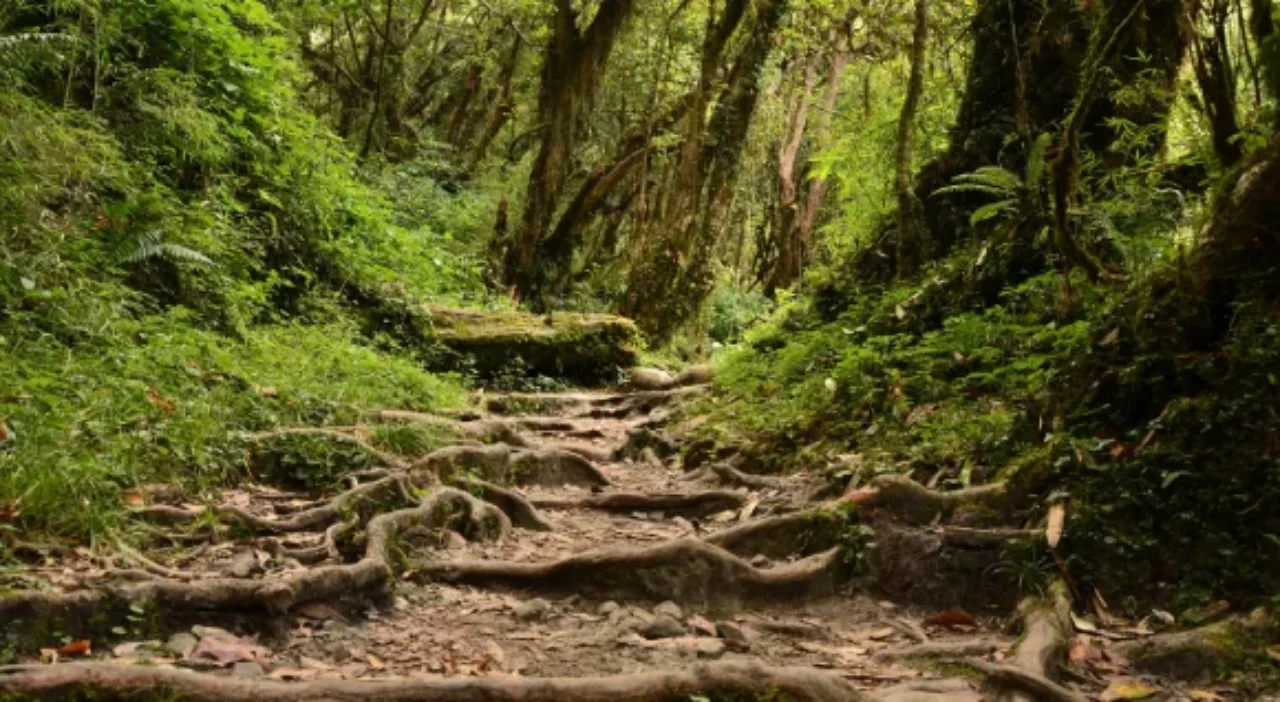
Annapurna Path
Nepal is one of the best travel destination in the world. Travelling and exploring Nepal with your friends, family, or with your loved ones is best decision one can ever make. We have been talking about how beautiful Nepal is and how amazing it would be to explore Nepal’s different varieties of treks and expeditions, such as the Annapurna base camp trek, Everest Base camp trek, Langtang base camp trek, and so on. People often want solidarity; they want to trek alone rather than in a group. Some people enjoy their own company. But do you really know what matters the most now? The very rising topic is how can we prepare for a solo trek in Nepal.
And today I am going to give some tips and tricks for how to prepare for a solo Annapurna base camp trek.
A solo trek to Annapurna base camp trek

Annapurna base camp
The Annapurna Base Camp trek is another famous trek after the Everest Base Camp trek. On this trail we will be able to witness the 10th highest mountain in the world, which is Mount Annapurna (8091 meters). Many people like to do treks either in a group or solo. The Annapurna base camp trek is possible both ways, either if you want to hire a guide or walk solo.
But the blogger of this post highly recommends you trek alone but with a guide, as it will be very difficult on the way if you miss the path or take the wrong way; you might have to end up in another location. Also, as you reach the high altitude, there is a high chance of not getting good accommodation, as there will be few lodges and more tourists. Also, at high altitudes, if you fall sick, then there should be someone to take care of you and help you to arrange the possible rescue; that’s why you should do the solo Annapurna base camp trek but with a guide by your side.
Consequences of a solo trek to Annapurna Base Camp
People prefer to do the trek to Annapurna Base Camp either in a group or solo. There is immense benefit that a trekker can take by doing a trek in a group or by hiring a guide, such as their safety throughout the trek, navigation, cultural insight, and last but not least fixed accommodation. But solo trek to Annapurna Base Camp have major consequences that a trekker might have to face along the way.
- They may not get immediate help in case of emergencies.
- They have to carry their backpacks on their own.
- They have to go through all the government paperwork and permits by themselves, which will take them a lot of time.
- They may not get proper accommodation as they will not book the hotel before reaching there. In less marked areas, they will have to face navigation difficulties.
Preparing for the solo trek to Annapurna base camp
Physical Training
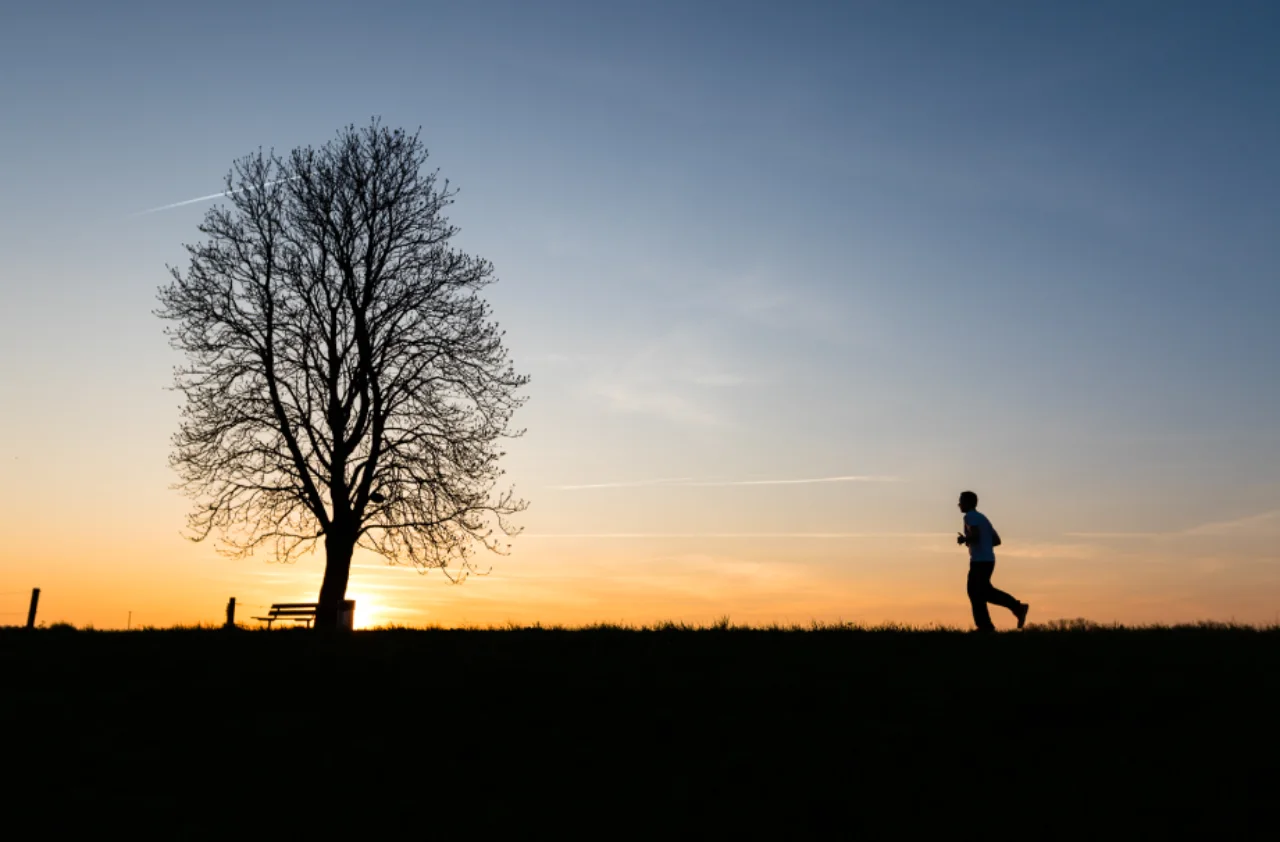
Physical Training
- Start Jogging Daily: If you are willing to do a solo trek to Annapurna Base Camp each day, you will have to walk a distance between 7 to 14 km. So, in order to prepare yourself for the trek, you have to walk daily for like 1-2 hours before the trek.
- Elevation Acclimatization:Training to walk above 2000 m will help your body to adjust the oxygen level and help to sustain you in high-altitude places as it will make your body favorable with high-altitude places with low oxygen which will help to walk through the trek with high altitude.
- Make sure to strengthen your muscles: You should focus on your leg strength. Lung cardiovascular endurance. Squats, lunges, and calf raises will help your legs handle the uphill and downhill challenges of the trek.
- Hiking with a Loaded Backpack: You should try to hike with loaded bags; this will help you and make you habitual in the future as well for carrying loaded bags while hiking. This practice will prevent you from back strain and fatigue that can occur when you are walking uphill and downhill on the trail with loaded bags.

Physical Training
Gear Checklist
Selection of gear also plays a very vital role in order to have a successful trek. Following are some of the essential gear that you can add to your list before doing a solo trek to Annapurna Base Camp.
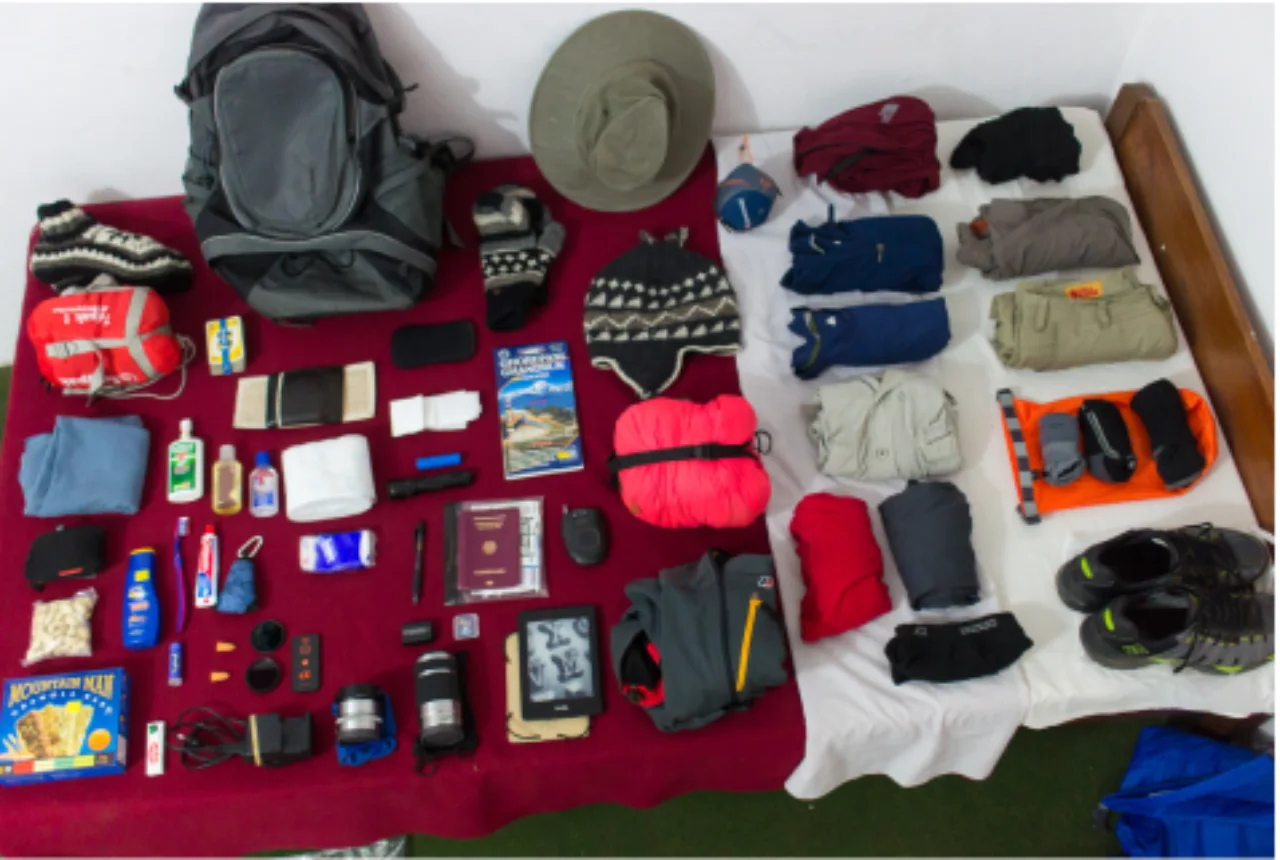
Gear Checklist
- Trekking Boots: You have to make sure to have trekking boots rather than normal shoes, as you have to walk for 4-5 hours daily. We strongly recommend you bring boots that are durable, comfortable, and waterproof, which will help you throughout the trek.
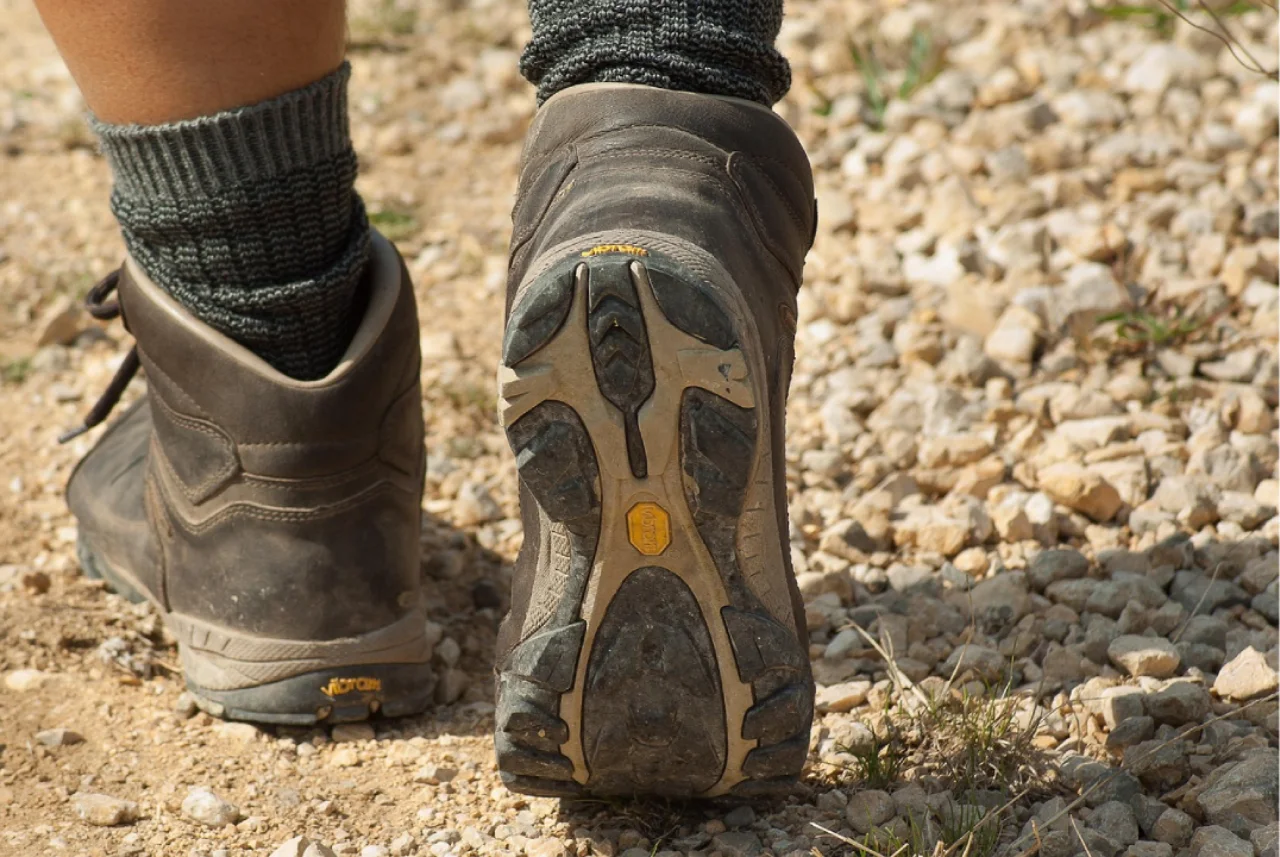
Trekking boots
- Trekking Poles: Trekking poles, or sticks, are another essential thing that you will need for this solo trek to Annapurna Base Camp.As you have to walk through a mountain road with stone and soil, these poles will help you to balance your movement and prevent you from falling down.
- Thermal Clothing: A thermal set is another essential thing that you will need during the trek, as it will help to protect your body and keep you warm.
- Down Jacket: A lightweight feather down jacket is another essential for this trek to keep you warm in cold temperatures, especially during morning and night when the temperature goes down.
- Rain Gear: Rain gear, such as a raincoat or rain jacket, is very important in case of rain or snow that might appear on the way.
- Sleeping Bag: Even though the tea houses and local lodges will provide you with one blanket, that will not be enough to keep you warm, so we suggest you bring a sleeping bag that can cover the temperature of -10 degrees Celsius.
- First Aid Kit: You should always bring a basic first aid kit with you, as a solo trek to Annapurna Base Camp will take you to the high elevation.So, there is more chance of getting sick; you can add basic medicine such as for headaches, Diamox, cough, common cold, muscle pain, bandages, and so on.
- Snacks & Hydration: You can bring an energy bar, energy drink, or chocolate, which you can enjoy on the way; it will give you energy to move forward.
- Headlight & Power Bank: Sometimes we might have to walk in the night, or due to loadshedding in high-altitude places, they will cut off the light that time.A headlight and power bank will be very useful for you.
Be ready.
Although you are willing to do a solo trek to Annapurna Base Camp, you always have to be ready and prepare yourself for all the obstacles that might come along the way.You have to prepare yourself both physically and mentally. If you are not ready to face the challenge, we will not be able to let you participate in the trek, and you will not be able to perform this solo trek to Annapurna Base Camp as well.
What kind of trekking route is the Annapurna base camp trek route?
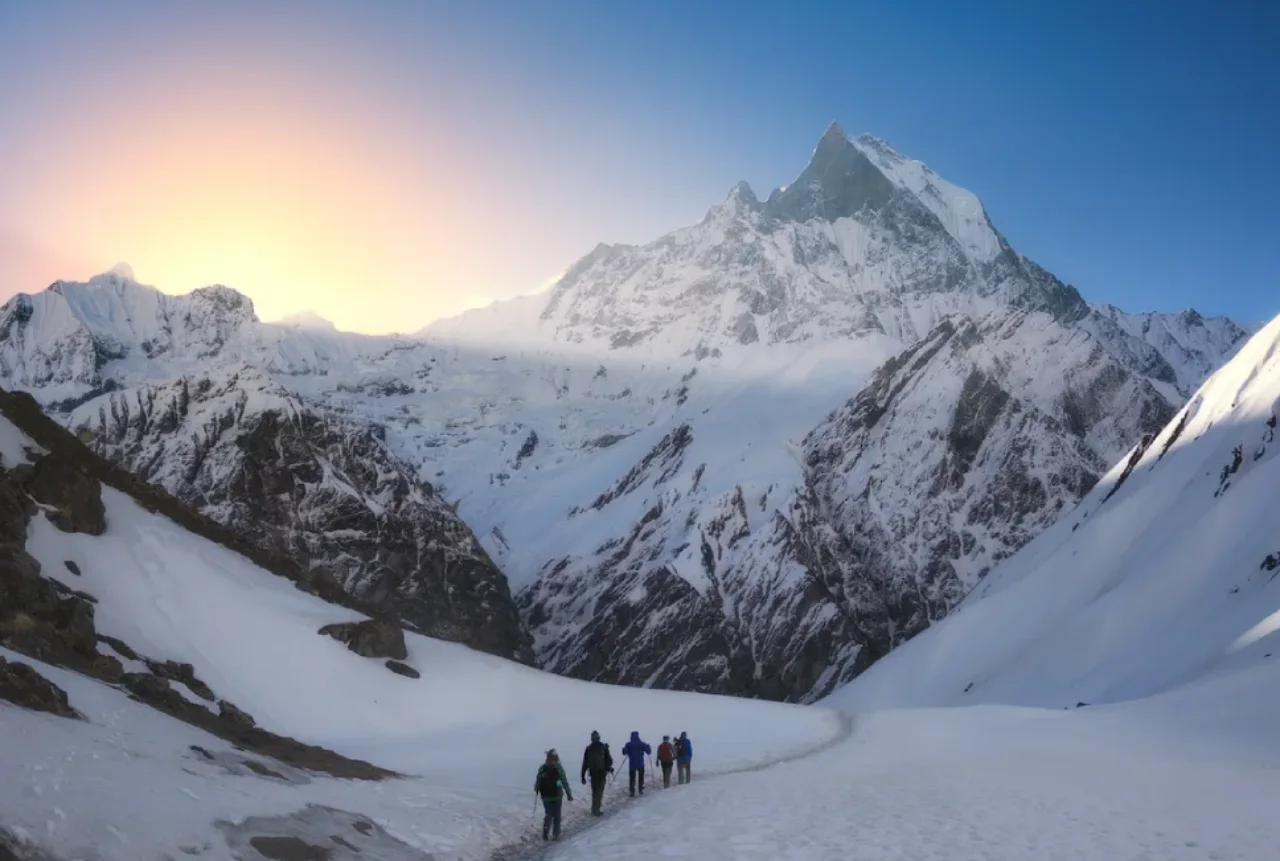
Annapurna Path
This solo trek to Annapurna Base Camp will take you to the route of the world’s 10th tallest mountain, Annapurna, with the height of 8091 m. This trek is one of Nepal’s most popular routes after the Everest Base Camp trek. This route will give you the privilege to witness the panoramic view of mountains such as Annapurna, Dhaulagiri, Dhampus,Tukuche, and so on. This route is famous for its diverse landscape, culture, snow-capped mountains, and natural resources.
The duration for this trek is 11 days.If you don’t have enough time or a visa in Nepal, then you can go for a 5-day or 7-day alternative trek to Annapurna Base Camp as well.
If you want to do a solo trek to Annapurna Base Camp, then you need to know that the highest point is Annapurna Base Camp, which is at the altitude of 4130 m. The best time for the Annapurna base camp trek is during the spring and autumn seasons in Nepal. However, this trek is moderate level in terms of difficulty; also, there is less risk of altitude sickness in comparison to the Everest Base Camp trek, which will take you to the altitude of 5555 meters at Kalapathhar.
For those who want to do a solo trek to Annapurna Base Camp, you will have to hike for like 4 to 5 hours carrying a backpack with the weight of 5 to 10 kg or even more if you are doing a solo trek to Annapurna Base Camp without a guide and porters. You will get to experience ascent and descent above 4000 meters, and you might feel the oxygen level significantly lower during your hike to high altitude as well. Along the way, the accommodation will be a two-bedroom tea house with local food, which will be prepared by the locals with the local veggies from their garden.
Acclimatization and Altitude
Acclimatization is most needed. Once you head to a higher altitude place, we should take 1-2 acclimatization days in order to adapt to the oxygen and let our body adapt to that kind of high-altitude place. If you are willing to do a solo trek to Annapurna Base Camp, you should always take 1 to 2 days as an acclimatization day in order to prevent yourself from getting high altitude sickness.
Benefits of Hiring a guide
Initiating a solo trek to Annapurna base camp can be a memorable adventure, but it is important that we consider all the risks and challenges that can come along the way. Exploring nature on your own and enjoying your own company might be fun to do, but as a blogger of this post, I wouldn’t recommend any one of you to do a solo trek to Annapurna Base Camp; I would say that you shouldn’t risk your life.
As I have been mentioning, you shouldn’t do a solo trek to Annapurna Base Camp, but here are some reasons why you should hire a guide for the Annapurna Base Camp trek.
Hiring a guide can be a jackpot on the way to the Annapurna Base Camp trek for several reasons.
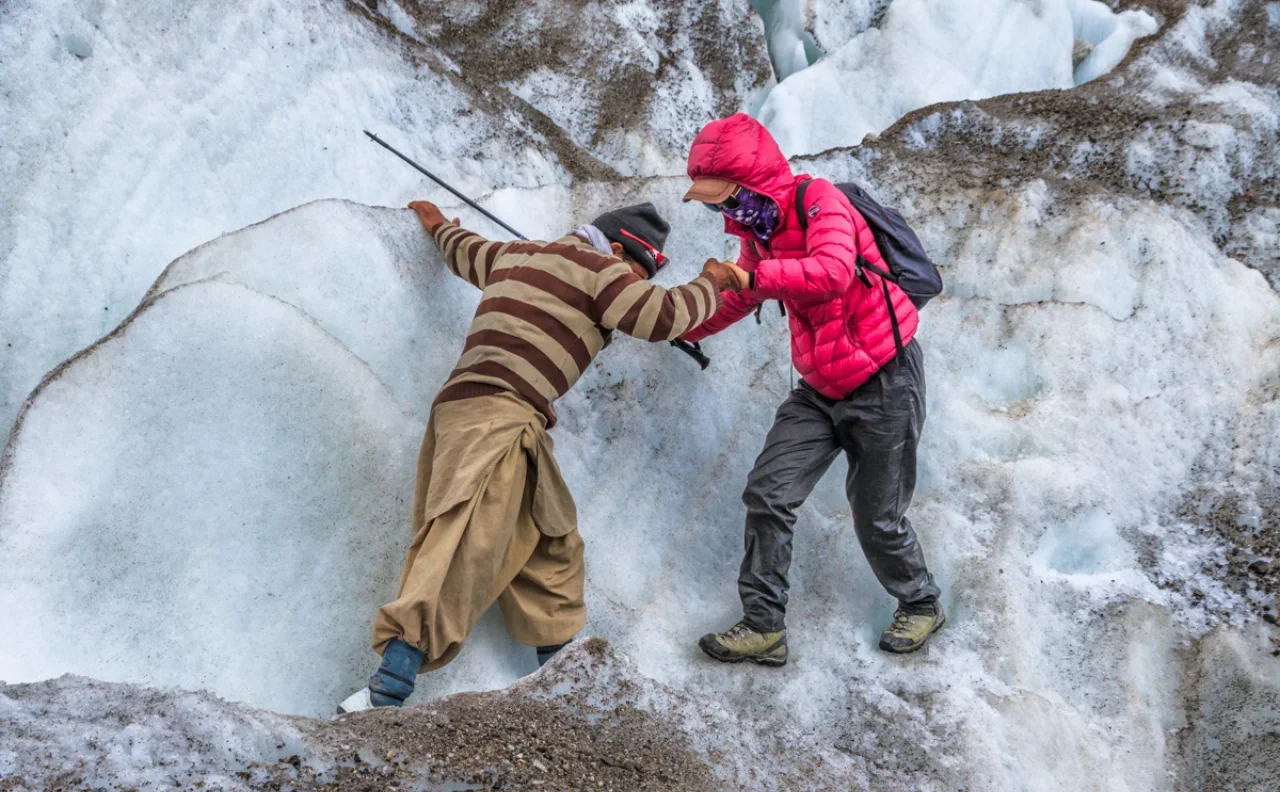
Guide Helping
- Navigation: A guide is someone who is always familiar with the path and shows you the specialty of that place; he/she can tell you from where you can have the best view and how much time it takes to reach the destination. He/she will help you to reach your destination by avoiding getting lost.
- Cultural insight: A guide is someone who has been trained and experienced about the path, culture, tradition, and local community of that particular place. An experienced guide will enrich your experience by sharing about the insight of that place and the community, the history of that region, and flora and fauna.
- Emergency support: In case of an emergency such as unforeseen circumstances or bad weather, a guide will tell you what steps should be taken in order to prevent such a situation; he/she will tell you what to do and how to do it
- Safety: First come, first safety is a very important part of any kind of adventure. As you will be passing through high-altitude places, your safety always comes first, and a guide is a person who can monitor throughout the trail and make decisions if you are not healthy. They have got their decision-making power on the spot, and they can make important decisions in case you are feeling unwell.
Conclusion: Solo Trekking with a Guide
Even though solo trek to Annapurna base camp trek seems quite sufficient but being a blogger of this post I personally recommend you to hire a guide along with you. You should never risk your life and should take benefit of having someone experienced and knowledgeable person by your side with will give you explanation about the places and take care of you along the trail.
Always prepare yourself because preparation is one of the key for any kind of successful trek. If you have any queries regarding a solo trek to Annapurna Base Camp trek or any other trekking in Nepal, We request you not to hesitate to reach out to us for the advice or help for ensuring unforgettable experience to Annapurna Base Camp trek.












-
 0115 Best Easy Treks in Nepal for Beginners and Families
 -
 02Best season for Everest Base Camp Trek
 -
 03Best Time to Go Hiking in Nepal: A Seasonal Guide for Trekkers
 -
 04Suchi Purja –Wife of Nirmal Purja aka Nims Dai
 -
 05Dubai desert safari outfit ideas
 -
 06Top Beaches in Sri Lanka
 -
 0710 Best Easy Treks in Nepal