
Now Reading: Emirates Heritage Village: Complete Visitor Guide (2026)
-
01
Emirates Heritage Village: Complete Visitor Guide (2026)

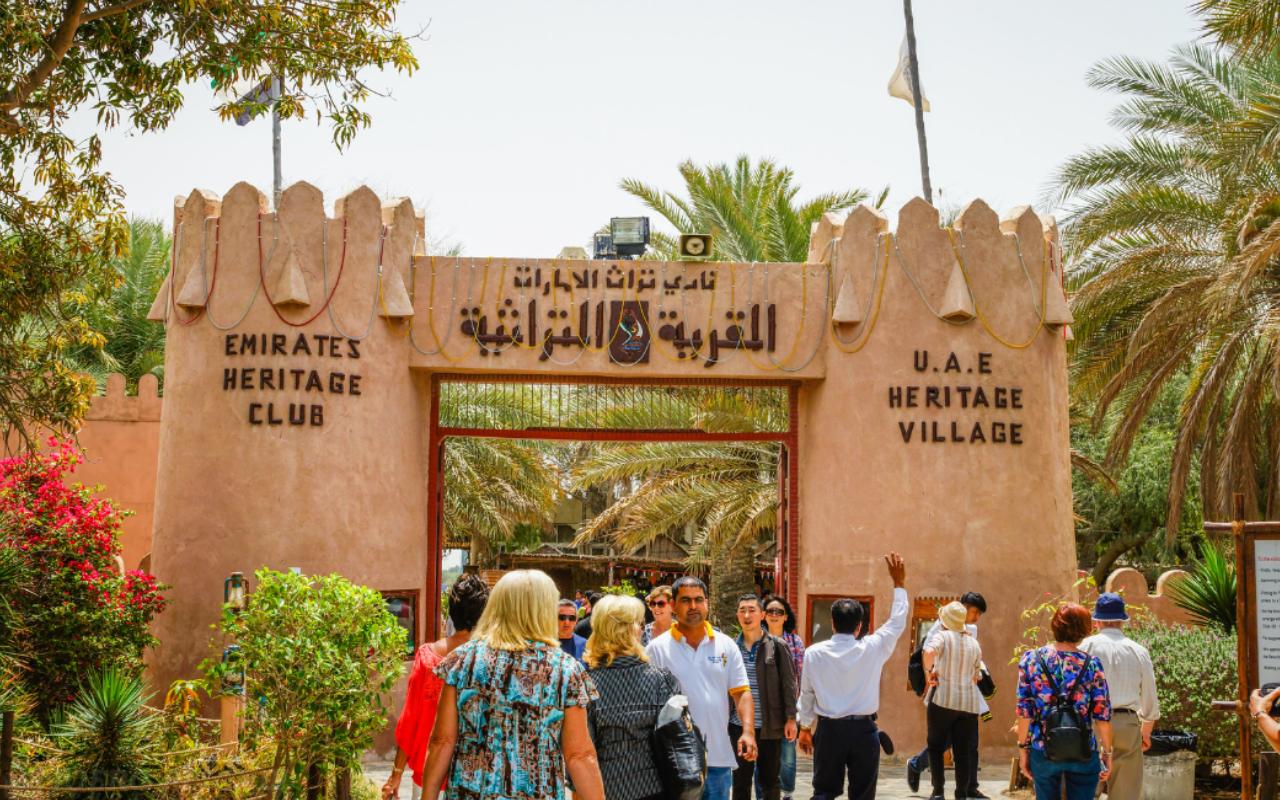
The Emirates Heritage Village is one of the most authentic cultural attractions in Abu Dhabi. It provides tourists with the unique chance to go back in time and feel how people used to live in the United Arab Emirates prior to the development of high-speed modernization that transformed the territory.
To get a deeper cultural insight, travelling to the Emirates Heritage Village in Abu Dhabi is important. It is more than a sightseeing destination because it also offers deep insight into traditional Emirati culture and daily life.
It is about the learning of the path of a nation that had been a traditional desert and coastal communities and developed into a contemporary international center in several decades.
You can discover all this individually or by taking guided tours of Emirates Heritage Village, but either way, the experience will provide you with knowledge, engagement, and enjoyment of a lifestyle that used to characterize the area.
What is Emirates Heritage Village?
The Emirates Heritage Village is an outdoor cultural theme park that aims at creating a traditional Emirati village. It is an era in which life relied on nature, resourcefulness, and good relations with people.
The people of the UAE had a humble life before oil was discovered. They constructed their dwellings with natural resources and survived on fishing, pearl diving, and trade. The village revives this way of life by using realistic buildings and entertaining experiences.
Visitors are not restricted to observation. They have the opportunity to enter traditional houses, visit narrow streets, and see the artisans at work. This makes the experience look authentic and not artificial.
The uniqueness of Emirates Heritage Village in Abu Dhabi is that it not only provides education but also experience. It enables the visitors to relate emotionally to the past and have a glimpse of the practical side of life.
Why Emirates Heritage Village is Important
Emirates heritage village is vital to the culture of the Emirates. In a fast-growing nation, heritage is needed in order to sustain identity.
Contemporary Abu Dhabi is characterized by high-rise buildings, luxurious living, and modern infrastructure. Nevertheless, this new identity is constructed on a tradition and strength basis. The village assists in getting a transition between the past and the present.
Previously, to survive meant to collaborate and share in knowledge. Families collaborated to amass resources, construct houses, and take care of one another. Fishing, weaving, and tool making were among the skills that were passed down through generations.
The village does not allow these traditions to be forgotten. It is both an educational stage for younger generations and a mind opener to visitors. The Emirates Heritage Club has been working tirelessly to maintain and preserve the site.
Quick Facts About Emirates Heritage Village
| Category | Details |
| Location | Corniche Breakwater, Abu Dhabi |
| Type | Open-air cultural heritage site |
| Opening Year | 2001 |
| Area Size | About 16,800 square meters |
| Entry Fee | Free |
| Opening Hours | Saturday to Thursday 9 AM to 4 PM |
| Managed By | Emirates Heritage Club |
| Best Time to Visit | October to March |
| Visit Duration | 1 to 3 hours |
| Tours | Guided Emirates heritage village tours are available |
Emirates Heritage Village History
Emirates heritage village Abu Dhabi has a strong relationship with the UAE transformation. The village was founded in 2001 with the aim of safeguarding the traditions that were facing the risk of being forgotten.
Abu Dhabi was an insignificant coastal town with few resources before the oil boom. The environment defined life, and people needed to adjust to the desert and the sea.
One of the primary sources of income and food was fishing. In the morning, fishermen would go out and come back in the afternoon with their catch, which was distributed among the community or sold in the local markets.
Another valuable activity was pearl diving. Divers would take months out in the sea hunting pearls, which had great demand in the foreign markets. It was hard work, and a lot of skill and bravery were needed.
On land, families lived in simple houses and resorted to farming where feasible. Water was in short supply, and all the resources were utilized. Societies were closely knit together, and they had to work together to survive.
This period is recreated in the Emirates heritage village in an elaborate and significant manner. It enables the visitors to know not only how people lived but also what difficulties they had to struggle with and what values they formed.
Location and How to Reach
The emirates heritage village Abu Dhabi is situated on the Corniche breakwater, which is a picturesque location that has spectacular views of the sea and the city skyline.
This place is conveniently located in various areas of Abu Dhabi. The visitors can access the site via taxi, personal car, or bus. The streets to the village are in good condition, and there are clear road signs to navigate.
The entrance has free parking just outside, and it is convenient for travelers who drive their own cars. The village is a tourist destination because of the numerous sightseeing routes it has.
It is also convenient to book Emirates heritage village tours. These trips are also characterized by transport, and the visitor does not have to worry about it, dedicating all their attention to the process.
First Impressions of the Village
Visiting the Emirates Heritage Village feels like stepping back in time. The ambiance is relaxed, open, and friendly.
The juxtaposition between the old buildings and the new skyline of Abu Dhabi provides a strong visual effect. It emphasizes the growth of the city, its rise to greatness.
The village design is so as to invite exploration. Visitors will be able to walk freely across the various areas and learn something new at every turn.
The audible noise of craftsmen, the existence of animals, and the natural resources with which the building is made, are all the elements that enhance a rather immersive experience.
Traditional Architecture and Design
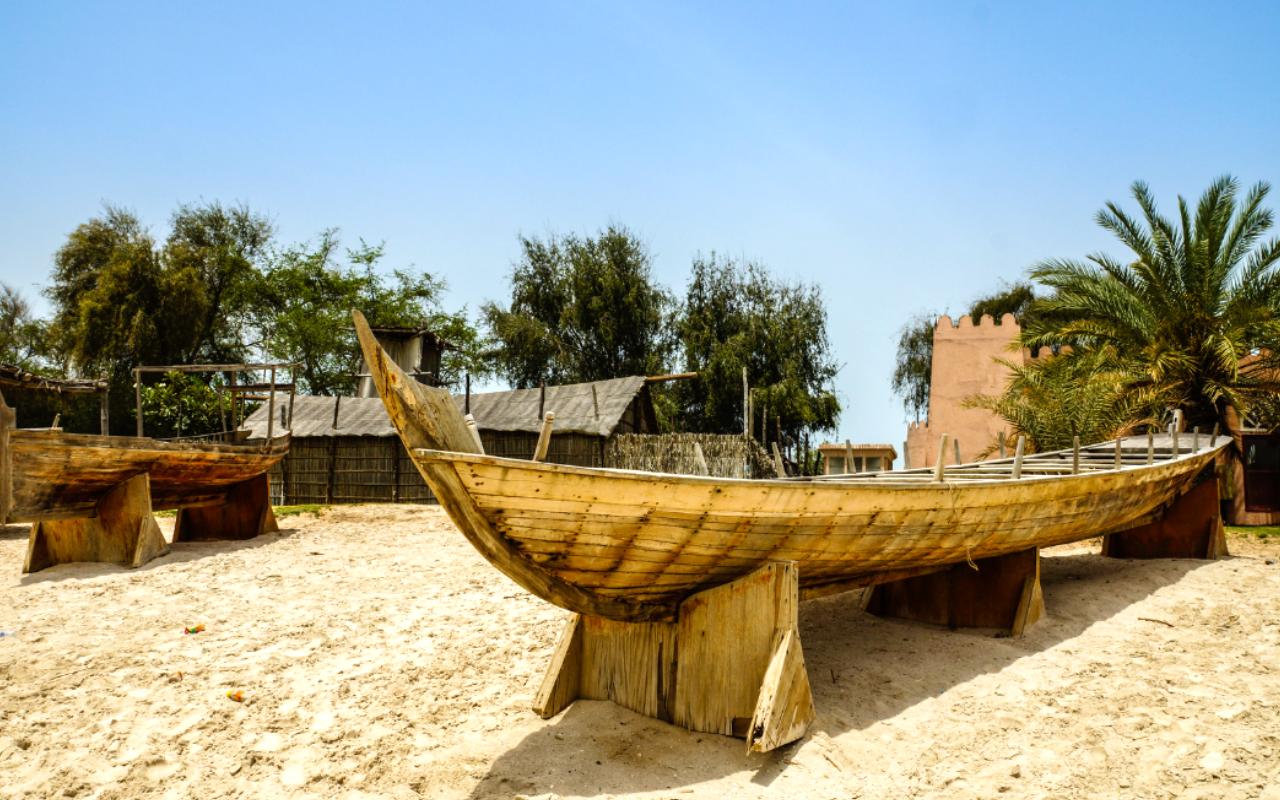
Architecture is one of the most fascinating aspects of Emirates heritage village Abu Dhabi. The structures are made to imbue the traditional ways of construction that were practical and sustainable.
Mud Brick Houses
A typical feature of early settlements was mud-brick houses. These buildings were constructed with local materials and, therefore, were cost-effective and efficient.
The heavy walls were effective in insulating against heat, doors cooled down by day and cozy by night. Such natural temperature control was necessary in a place where there are extreme weather conditions.
The interior was plain. Families shared common places of cooking, sleeping, and socialization. It was designed in a realistic, community-oriented way of life.
Palm Leaf Huts
Cosmopolitan and nomadic communities commonly used palm leaf huts. These huts were easily portable and quick to put up, thus they were suitable for individuals who required flexibility.
The palm leaves used enabled free flow of air and made the place cooler. These buildings show how individuals were able to adjust to their environment with the available materials.
Wind Tower Houses
Visitors can explore traditional building styles that reflect how people adapted to the local climate using natural materials and simple construction techniques.
The design reflects the strong knowledge of environmental conditions. With the natural airflow, the residents were able to stay comfortable without the use of modern technology.
A visit to these houses will enable the visitors to appreciate more the creativity and intelligence of the traditional builders.
Bedouin Lifestyle and Desert Camp
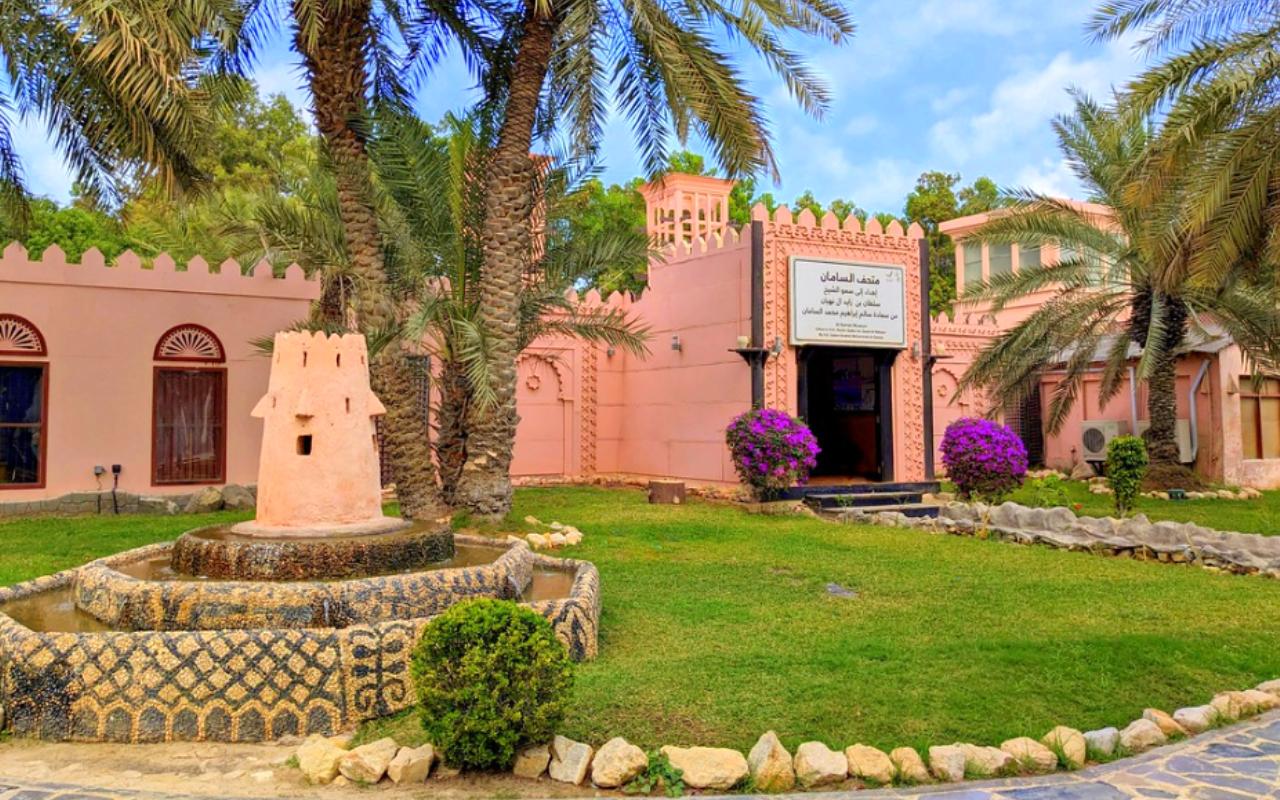
One of the major attractions of the Emirates heritage village is the desert camp area. It gives us an idea about the way of life of the Bedouin people who had resided in the desert.
These communities were nomadic and moved from place to place in search of water and grazing land. Their tents were easy to carry and to assemble.
The furnishings were plain yet practical in the tents. Nothing was wasted, and there was expert use of space.
Life in the desert demanded strength and flexibility. Nevertheless, the Bedouin societies managed to establish powerful traditions and social frameworks that fostered their lifestyle despite the difficulties.
Animals and the role they play in everyday life
Traditional Emirati society could not do without animals, which played an essential role in their lives. Visitors can visit the Emirates heritage village Abu Dhabi, and learn how these animals helped to survive.
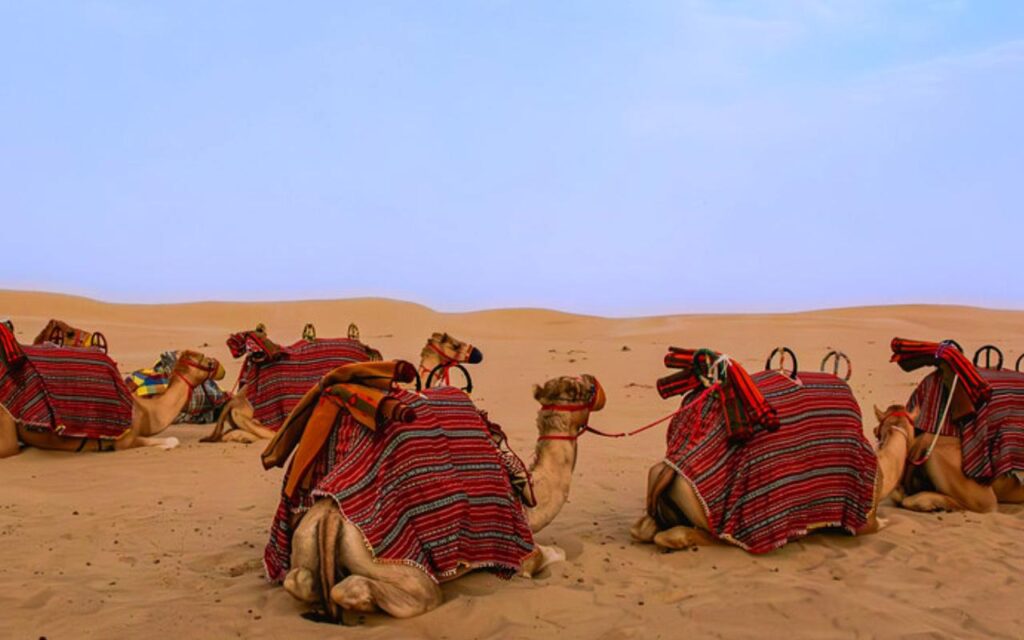
Transportation and long-distance travel were done using camels. They were distinguished by the possibility to survive in severe conditions and to carry big loads.
Goats provided milk and meat, while donkeys were used for carrying goods. These animals assisted in day-to-day activities and were important to the economy.
Meeting these animals allows the visitors to learn how significant they are and how people relate to their surroundings.
Crafts and Artisan Demonstrations
The practice of traditional crafts by the artisans is one of the most interesting activities at the Emirates heritage village.
Pottery Making
Pottery was very necessary as a means of storing water and food. Master craftsmen use techniques that involve accuracy and patience to mold clay into useful objects.
Visitors who watch this process appreciate the skill in the process more.
Weaving and Textiles
Another significant craft is weaving. Artisans use natural materials to make mats, baskets, and fabrics.
These were things that people used in everyday life and also showed cultural identity. Patterns and designs tend to bear traditional significance.
Metalwork and Tools
Metalworkers make tools utilized in farming, fishing, and housekeeping. These instruments were survival tools and needed a great deal of skill.
These activities are sometimes involved with visitors, making the experience more interactive.
Souk Experience and Cultural Shopping
The emirates heritage village Abu Dhabi Souk, is a representation of the ancient market culture of the area. It is a place where trade, social interaction, and cultural exchange come together.
Visitors may visit stalls selling hand-made products, including textiles, pottery, spices, and jewelry. Every product is the embodiment of ancient art and culture.
Here, shopping is not all about purchasing souvenirs. It is the process of experiencing the culture and also the artisans who practice these traditions.
Museum and Cultural Exhibits
Emirates heritage village experience is enhanced with the addition of the museum section. It shows artifacts that give an insight into the past life.
Tools used in fishing and pearl diving, traditional clothing, and household items can be seen by the visitors. These displays assist in understanding the ways in which people worked and lived.
The museum is an addition to the outdoor experience, and it offers a more comprehensive insight into the culture.
Photography Opportunities
There are also great photographic opportunities in the Emirates Heritage Village. The juxtaposition between the old-fashioned buildings and the contemporary skyline makes it a distinct picture.
Tourists are able to take photos of huts, wildlife, and culture. These scenes are made even more beautiful by the natural light.
This has made the village one of the favorite places of photographers.
Food and Refreshments
The Emirates Heritage Village in Abu Dhabi has a small cafe where visitors can have a rest and have refreshments.
Traditional drinks such as Arabic coffee are available, along with light snacks. The seating area has a panoramic view of the surrounding environment.
Taking a break here gives the visitors time to contemplate their experience.
Opening and Entry hours
Emirates heritage village is a free place of interest, which is one of the most attractive features of the village.
The village operates from Saturday to Thursday, and the duration is 9 AM to 4 PM. It works half days on Fridays. Before visiting, visitors are advised to check timings.
Best Time to Visit Emirates Heritage Village
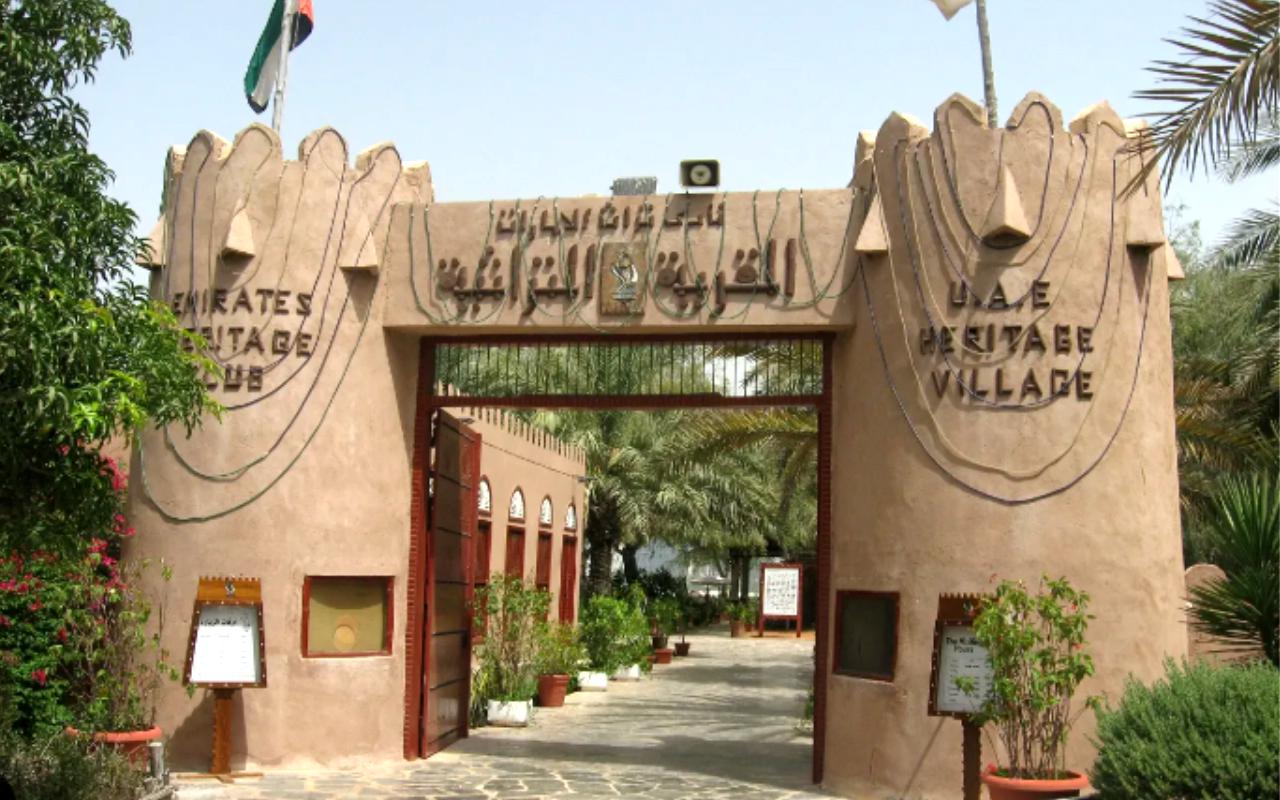
Visiting Emirates heritage village Abu Dhabi is most recommended during the cooler seasons, between October and March.
It is a good time to explore the outdoors as the weather is more comfortable. Visits in the early morning are preferred. The weekdays are usually not crowded.
Travel Tips for Visitors
These are some of the tips you should consider in order to enjoy your visit to Emirates heritage village.
- Wear simple and comfortable clothes.
- Bring water and sunscreen.
- Arrive early to avoid crowds.
- Bring cash for shopping.
- Take your time exploring the village.
Complete Visitor Experience at Emirates Heritage Village
Going to the Emirates heritage village does not only involve a cultural visit. It is an entire tour of the past that is done gradually as you walk through various parts of the village. Both regions provide a fresh insight into the way individuals used to live, work, and relate to their environment.
The first sight upon entering Emirates heritage village, Abu Dhabi, is its relaxed and open layout. No rigid guidelines are set, and the visitor is free to discover the village in his or her own time. This will help to make the experience more intimate and fun.
The contemporary city is gradually disappearing as you head further into the village. It is very immersion-based due to the traditional structures, natural materials, and tranquility. Tourists are frequently made to stop and take their time, to look at the details, to see how simple life used to be in the past.
This can be further improved by taking a tour of Emirates’ heritage villages. Guides give elaborate descriptions, narratives, and point out things that would otherwise remain unknown. This gives a richness and significance to your visit.
Understanding the Daily Life of the Traditional Emirati Society
The Emirates heritage village is constructed in such a manner that it demonstrates how life used to be in the past. Each building and functionality is an expression of a certain tendency towards survival and community life.
In the traditional Emirati society, the day tended to start early. Natural factors such as temperature and sunlight were used to determine how people worked. Fishermen would be ready in the morning with their equipment, and farmers were working on crops and water.
Women were crucial in household management, food preparation, and the making of necessities like textiles and baskets. Their roles played a significant role in the stability of the family.
Children acquired skills at an early age through observation and the help of adults. The practice was used to impart knowledge as opposed to being educated. This gave a sense of continuity and tradition.
Visitors can learn the organization of these routines and the roles of every citizen of the community in everyday life by visiting the Emirates heritage village Abu Dhabi.
Traditional Food and Lifestyle Insights
Food was significant in traditional life, and Emirates heritage village provides an insight into how food is cooked and eaten.
The earlier times had simple but nutritious diets. Coastal communities relied on fish as a major source of protein and dates as a popular energy source and food. Goat and camel milk are also significant elements of the diet.
Techniques in cooking were crude but efficient. Food was often prepared over open fires using simple utensils. Meals were shared among family members, reinforcing the importance of community.
Travelers to Emirates heritage village Abu Dhabi can learn about the cooking arrangements of the past and find out how people managed to use minimal resources to the maximum.
Importance of Trade and the Souk Culture
In traditional Emirati life, trade was an important experience, and in the Emirates heritage village, the souk is a good representation of this element.
Markets did not exist as mere commercial venues where people could purchase and sell things. They were social places where individuals shared ideas, news, and cultural practices. Goods including spices, textiles, and tools, were usually moved long distances by traders.
This environment is recreated in the souk in Emirates heritage village, Abu Dhabi, where stalls sell handmade goods. Tourists get an opportunity to visit items that depict traditional arts and cultural identity.
Entering the souk itself is an experience. It enables the visitors to relate to the history of the area, helping the artisans who still practice these activities.
Role of Water and Resource Management
One of the most precious resources in the traditional Emirati life was water. In the Emirates heritage village, one can observe how the communities conserved water.
The primary water sources were usually wells, and the systems were elaborated to provide water with efficiency. No drop was wasted in vain because there was always a lack of it.
The sensitivity of this management of resources is indicative of how well the people understood what was around them. It also emphasizes sustainability, which is also applicable in the current times.
Tourists of Emirates heritage village Abu Dhabi can understand these practices and how they helped people to survive under harsh conditions.
Community Life and Cultural Values
Another aspect that illuminates the values that influenced the Emirati society is the Emirates heritage village. These ideals were instrumental in ensuring stability and peace in societies.
One of the values was hospitality. Visitors were received with courtesy and hospitality; they were frequently given food and shelter without asking.
Another important factor was the respect for elders and traditions. Knowledge and experience were of great importance, and the elders were significant in the decision-making process.
The cooperation of the community was the key to survival. Individuals collaborated to conquer difficulties and help one another.
The values are still alive in the Emirati culture today, and the visit to Emirates heritage village Abu Dhabi enables visitors to know their origin.
Detailed Itinerary Options
Short Visit Plan
With a limited time, you can still savor the best of the Emirates heritage village in one to two hours. Pay attention to the key points like traditional houses, desert camp, and craft demonstrations.
Go on a brief tour of the souk and visit the museum. This scheme will provide you with a rough idea without a sense of haste.
Half-Day Cultural Experience
A more relaxed experience can be enjoyed by paying a half-day visit to Emirates heritage village Abu Dhabi. A good start is to begin on time and learn every part of the course.
Take time to watch craftsmen and play with animals. Make pauses to appreciate the environment and to evaluate what you have learnt.
Taking part in the Emirates heritage village tours during this period of the year may be even more enlightening.
Full Day Cultural Exploration
To experience the whole culture, visit the Emirates heritage village together with other attractions.
After sightseeing the village, go to Marina Mall to have lunch. Next, go to the Sheikh Zayed Grand Mosque and get to know the Islamic architecture and spirituality.
Then visit Louvre Abu Dhabi and experience world art and history. This tour is a good combination of both local and international culture.
Best Photo Spots in Emirates Heritage Village
There are numerous beautiful photography spots in the Emirates heritage village Abu Dhabi. The juxtaposition between the old buildings and the contemporary skyscrapers makes distinct images.
The entrance area, traditional houses, and desert camp are popular spots. Other interesting subjects include animals like camels.
The waterfront is a scenic area, particularly at sunset. Visitors are invited to experiment with angles and to take the feel of the moment.
How to Plan Emirates Heritage Village Tours
It is easy and convenient to plan Emirates heritage village tours. A village is a part of the bigger Abu Dhabi city tour offered by many tour operators.
Tours typically take half an hour to one hour. They are very descriptive and enable visitors to pose questions.
Making a reservation of a tour will save time and secure a place. Visitors looking to have a structured and informative visit will find it to be a good choice.
Extended Travel Tips for Visitors
Preparation will help make your visit to the Emirates heritage village even better.
- Come early to escape the crowd and have cooler weather. This enables you to venture out without rushing around and makes your photographs better.
- Dress light and decently because the site is a cultural one and outdoor. Good shoes are necessary when walking.
- Bring water and sunscreen, particularly on hot days. To make the visit pleasant, it is important to remain hydrated.
- Do not hurry, but be slow in your action. Observation and knowledge of the culture is the worth of the visit.
Frequently Asked Questions
What does Emirates Heritage Village Abu Dhabi specialize in?
Emirates Heritage Village in Abu Dhabi has earned the reputation of having exhibited the traditional Emirati life in an interactive environment. It includes historic houses, cultural exhibitions, and live demonstrations of craft. Tourists have an opportunity to learn how life was prior to modernization.
Is a tour of Emirates Heritage Village worth it?
Yes, Emirates Heritage Village tours are valuable to visitors who would like to learn more about the location. Guides give in-depth descriptions and give cultural details. This will make the visit more significant and educational.
How much time is needed to visit Emirates Heritage Village?
The average time that the visitors spend in the Emirates heritage village is one to three hours. This will give time to visit the major attractions and engage in activities. Tours can be a bit more time-consuming.
Is there a free entrance to Emirates heritage village?
Yes, the Emirates heritage village Abu Dhabi is free of charge. All areas can be explored by the visitors without any fee. This renders it a good choice for low-end travelers.
Will Emirates heritage village be family friendly?
Yes, the Emirates heritage village is family friendly. Children love to play with animals and venture into the open areas. The atmosphere is educational and amusing.
What is the dress when I visit?
Tourists ought to dress in simple and easy to wear clothes. Light clothes are preferred because of the hot weather. Walking is essential, and comfortable shoes are needed.
Is it possible to take pictures in the village?
Yes, photography is allowed in most areas of Emirates heritage village Abu Dhabi. Tourists are invited to record their experience. Before taking pictures of people, it is good etiquette to seek consent.
Final Conclusion
The Emirates heritage village is a rich and immersive experience into the cultural heritage of the United Arab Emirates. It offers a vivid and interesting glimpse of the way of life of people in the pre-modern period, the way they worked and constructed settlements.
No matter whether you are an independent traveler or take Emirates heritage village tours, it is an experience that you will remember and learn. This interaction and history, coupled with the culture, make it one of the most relevant attractions in Abu Dhabi.
Emirates heritage village Abu Dhabi should be on the list of places to visit if you are planning a visit. It is the destination where history is not merely kept, but it comes to life in a manner that links the past with the present.
















-
 0115 Best Easy Treks in Nepal for Beginners and Families
 -
 02Best season for Everest Base Camp Trek
 -
 03Best Time to Go Hiking in Nepal: A Seasonal Guide for Trekkers
 -
 04Suchi Purja –Wife of Nirmal Purja aka Nims Dai
 -
 05Dubai desert safari outfit ideas
 -
 06Top Beaches in Sri Lanka
 -
 0710 Best Easy Treks in Nepal