
Now Reading: Best Things to Do in Chicago: Ultimate Guide and Tips
-
01
Best Things to Do in Chicago: Ultimate Guide and Tips

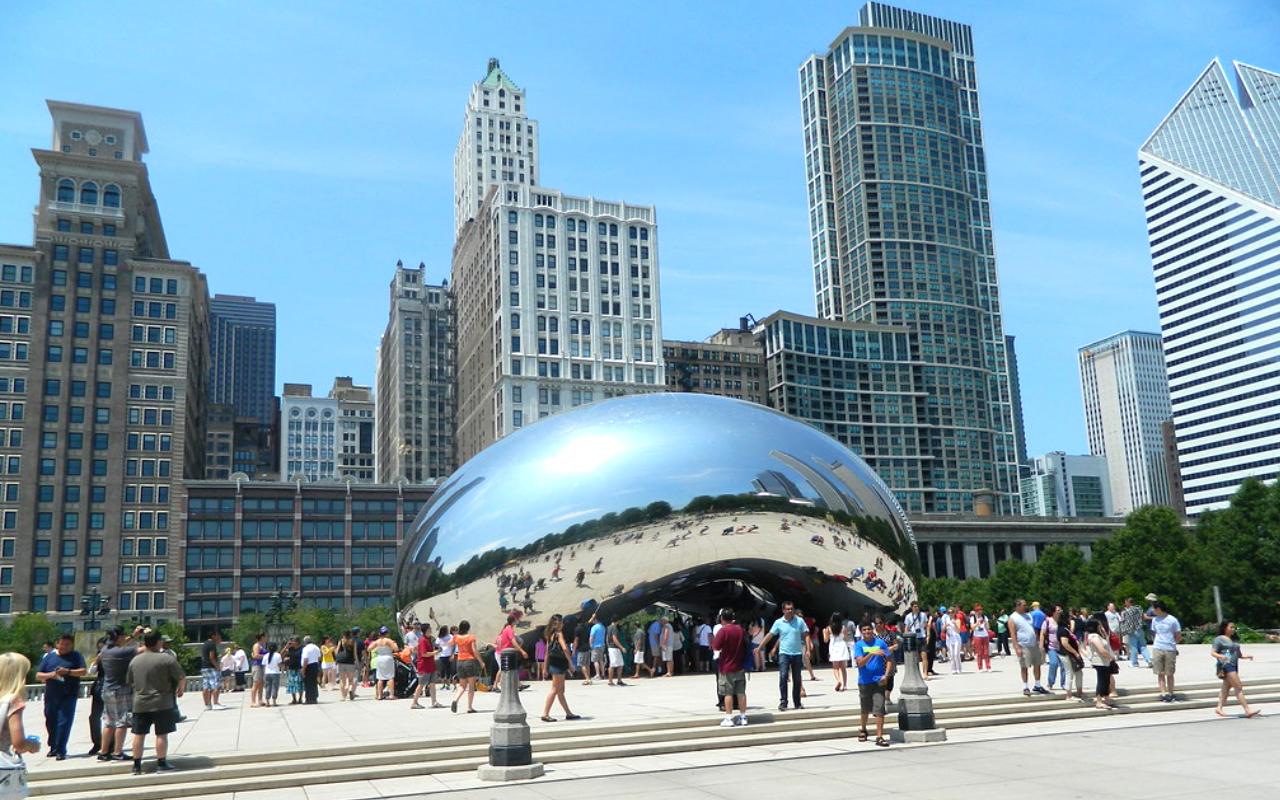
Chicago is a great city to visit as a city break since it provides you with a weirdly good combination of large-scale attractions and genuine local flavor.
There are some of the Best Things to do in Chicago that a first-time visitor can experience by spending the morning in landmark towers and major museums, taking a stroll along the river during lunch, enjoying a sunset on the lake, and finishing the day with jazz or a deep-dish dinner without ever feeling like the city is just a postcard.
Official tourism promotion continues to rely on the same fundamental competencies: iconic architecture, an overcrowded downtown with millions of can’t-miss sights, a vast lakefront, and diversity within its neighborhoods that rewards anyone who is willing to venture beyond the core.
Also, the city happens to be the readers’ choice of Condé Nast Traveler, the Best Big City in the U.S., nine years in a row, which says a lot about its consistency among the travelers.
What makes Chicago different from other U.S. destinations is how many travel interests overlap in one place. Architecture fans get the birthplace of the skyscraper and one of the country’s most famous river skylines.
Food lovers get a dining scene rooted in immigration and local invention, from Chicago-style hot dogs to deep-dish pizza and Italian beef. Music fans step into a city that officially celebrates its house music roots and still sustains a legendary jazz culture.
Add 77 distinct communities across the city, and Chicago stops being just a downtown checklist and starts feeling like several trips in one.
That mix is why the best things to do in Chicago work for so many kinds of travelers. Families can build entire days around interactive museums, parks, aquariums, and lakefront play. Couples can lean into candlelit dinners, rooftop views, jazz clubs, and evening cruises.
Solo travelers get a city that is easy to explore on foot and by transit, with enough public spaces and cultural institutions to fill a long weekend. Even repeat visitors usually end up adding something new, whether that is a neighborhood trail, a hidden park, or a festival that happens to line up with their dates.
Seasonality matters here, but it rarely limits the trip. Summer brings peak festival energy, beach weather, fireworks, and boat tours. Spring wakes up the parks and river cruises. Fall adds crisp lakefront walks and strong event weekends.
Winter turns the city toward skating, lights, holiday markets, museums, and cozy nightlife. In other words, there is no single perfect month for everyone. The right season depends on whether you want outdoor buzz, shoulder-season breathing room, or a festive cold-weather atmosphere.
This guide follows that logic. It starts with the classic attractions that deserve their reputation, moves into food and hidden gems, then breaks out the best things to do in Chicago with kids and the best things to do in Chicago for couples. It closes with a practical seasonal guide, a three-day itinerary, and travel tips that make the city easier to navigate.
If you only want the headline version, focus on downtown, the river, the lakefront, and one food neighborhood. If you want the fuller Chicago experience, add at least one museum day and one neighborhood day.
Quick Facts About Chicago
| Fact | Detail |
| Location | Northeastern Illinois on the southwestern shore of Lake Michigan. |
| Best time to visit | Late spring through early fall for beaches, outdoor dining, fireworks, festivals, and boat tours. December also shines if you want skating, holiday markets, and winter events. |
| Famous for | Skyscraper history, the river-and-lake skyline, 77 communities, major museums, deep-dish pizza, Chicago dogs, and a strong jazz and nightlife culture. |
| Ideal first-trip length | Three to four days is the practical sweet spot for most first-time visitors. That gives you time for downtown highlights, the Museum Campus, and at least one neighborhood without rushing. |
| Main transport options | Walking in the central core, the Chicago Transit Authority offers trains and buses, commuter rail, rideshare, and water taxis. |
Must-Visit Attractions
There are countless best things to do in Chicago, ranging from its world-renowned museums to the iconic riverfront. For first-time visitors, starting with these must-see attractions will give you a true taste of what makes Chicago unique.
Millennium Park
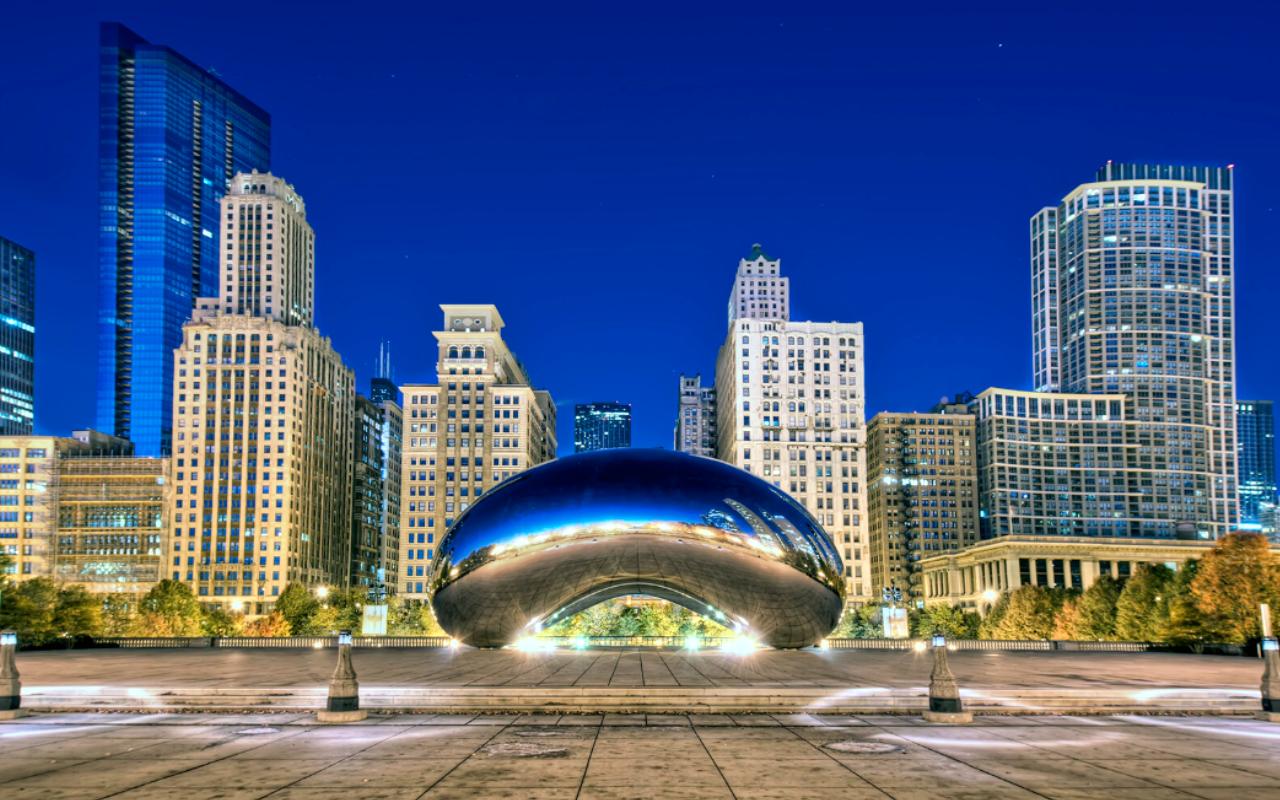
Cloud Atlas, Millennium Park
If you want one place that captures the city’s public face energy, start here. The park sits in the heart of downtown and folds together landmark art, gardens, event space, and open lawns in a way that feels very Chicago: polished, photogenic, and busy without being stiff. The main draw is Cloud Gate, better known as The Bean, but the wider campus matters just as much.
You also get interactive fountains, skating in winter, movies and concerts in warmer months, and enough green space to slow down between museums and river walks. For most first-time visitors, this is the easiest place to begin because it connects naturally to the Art Institute, the lakefront, and downtown hotels.
Navy Pier
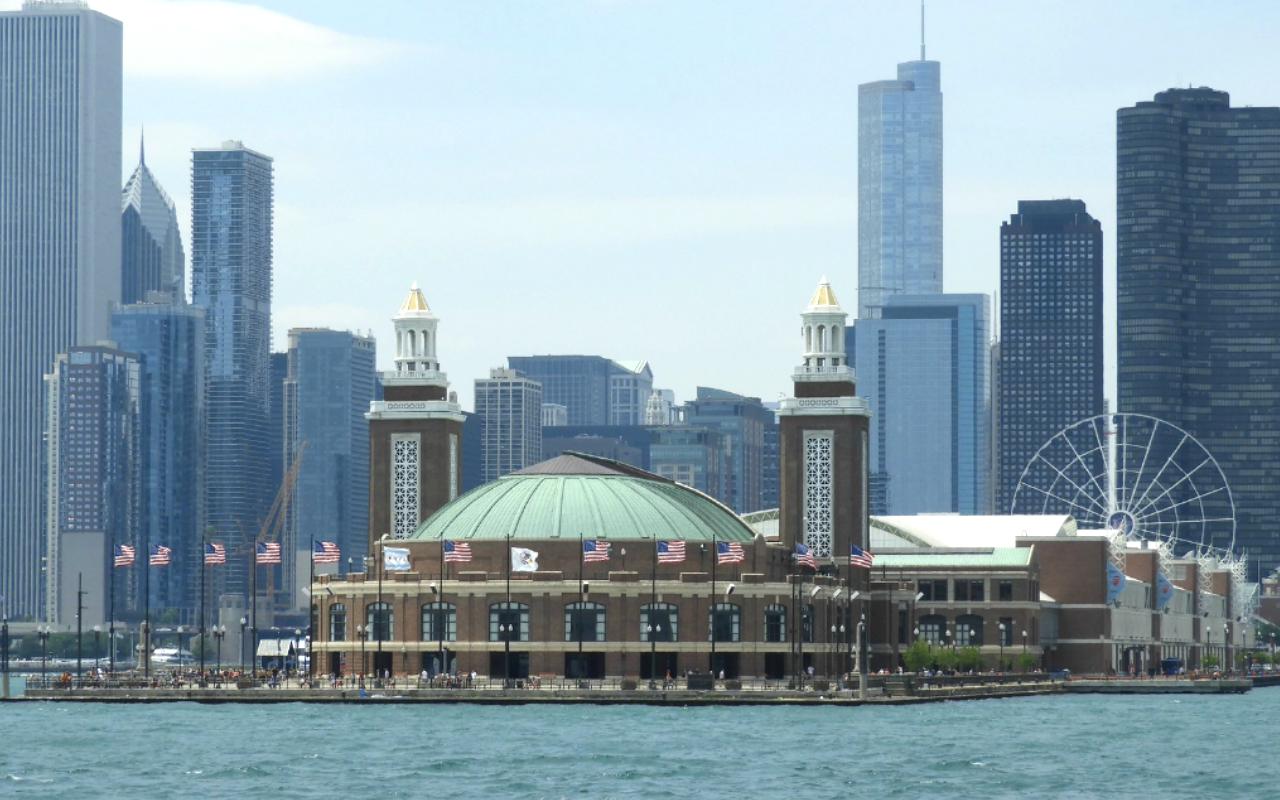
Navy Pier
This is the city’s most obvious lakefront crowd-pleaser, and that is not a criticism. The pier packages an easy day out: rides, restaurants, boat departures, lake views, public programs, and room to wander. Entry is free, so you can treat it as a walk-and-look stop or turn it into a half-day outing with a wheel ride or cruise.
The star attraction is the Centennial Wheel, which rises to nearly 200 feet and gives you wide-open views of the skyline and the lake from enclosed gondolas. In summer, the twice-weekly fireworks schedule makes this one of the best evening stops in town. If your trip includes kids, first-timers, or a warm-weather sunset, Navy Pier is usually worth the time.
Skydeck Chicago at Willis Tower
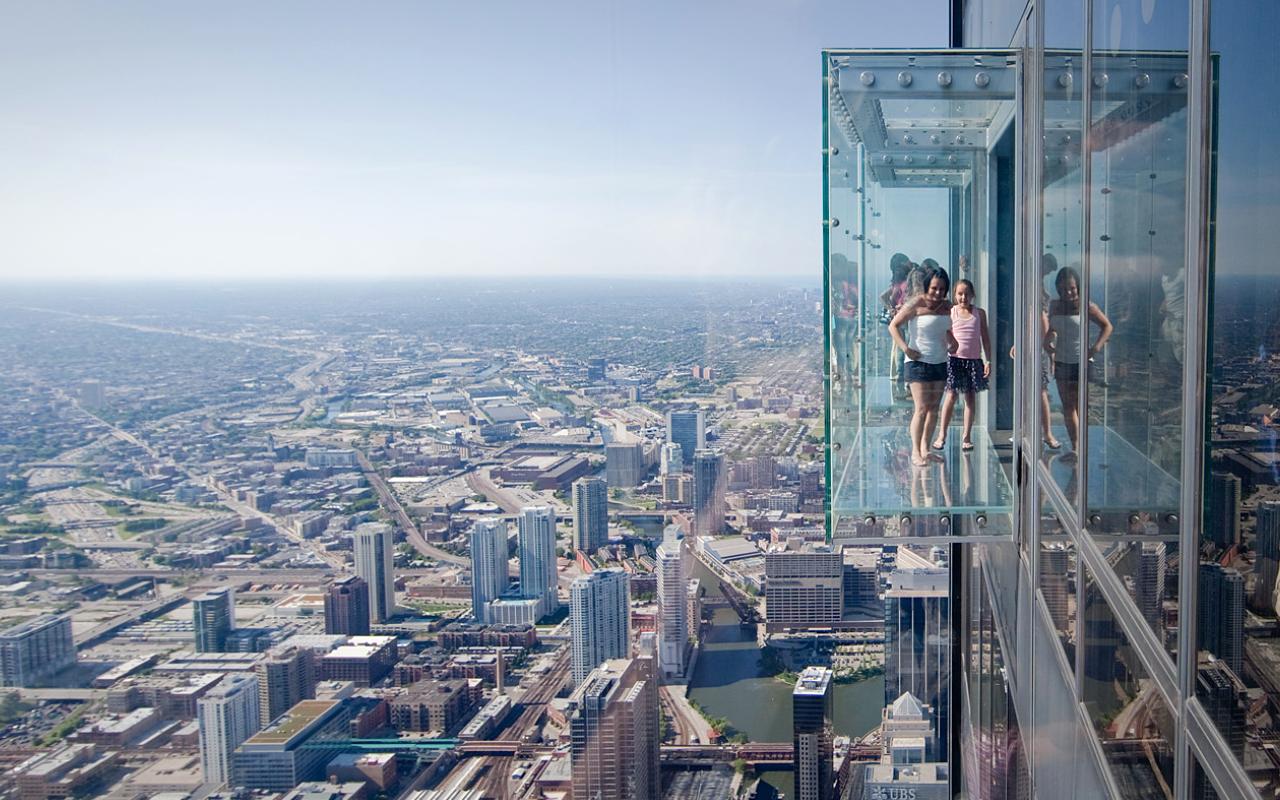
Skydeck Chicago at Willis Tower
For adrenaline and bragging-rights views, this is the classic choice. The headline experience is the glass ledge that projects out from the building, giving you the sensation of stepping into open air 103 stories above the city. Officially, the platform extends 4.3 feet from the tower and hangs 1,353 feet above the ground, so even travelers who are comfortable with heights tend to feel it in their knees.
The attraction also now includes an interactive museum-style experience on the way up, which helps turn the visit into more than a quick elevator ride and photo stop. Choose this deck if you want the biggest thrill, a direct downtown vantage point, and one of the city’s most recognizable visitor experiences.
Art Institute of Chicago
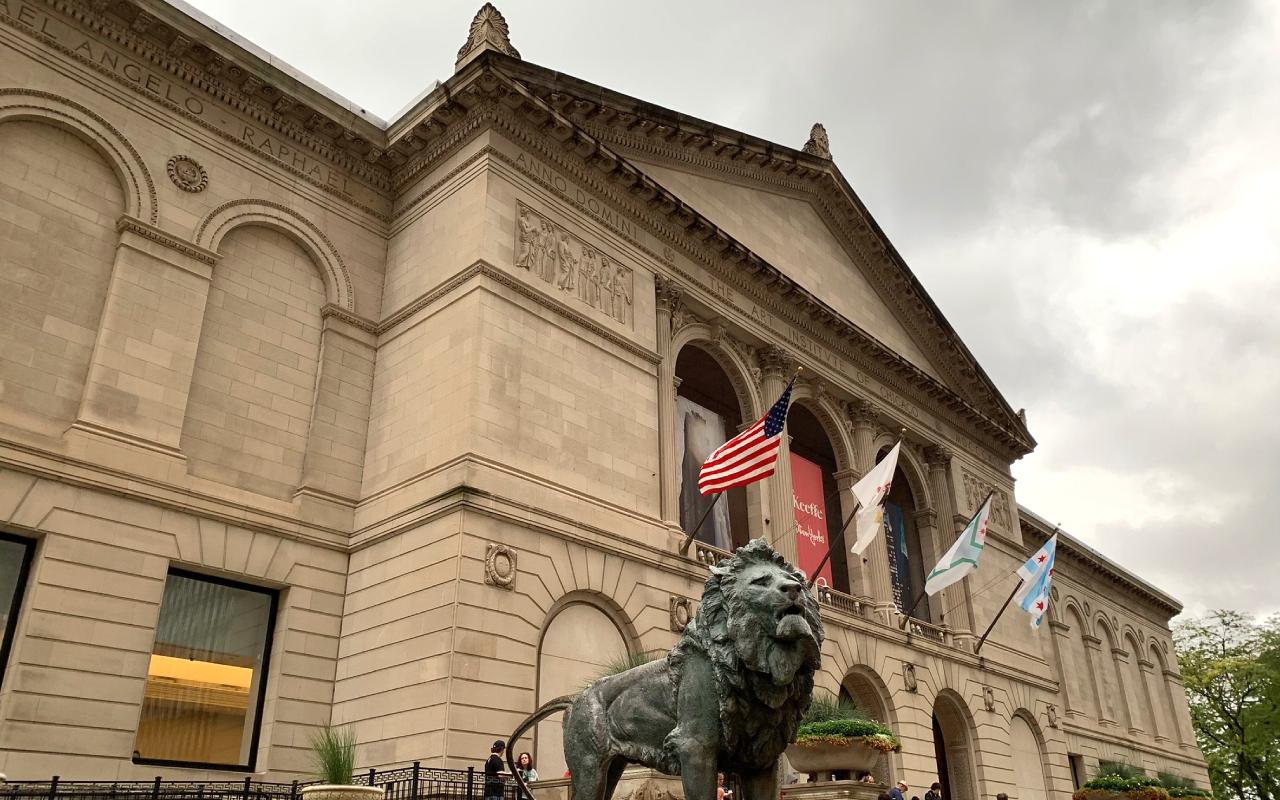
Art Institute of Chicago
This is one of the strongest museum stops in the United States, not just one of the best things to do in Chicago. The institution dates to 1879 and occupies its current downtown home in a building tied to the 1893 World’s Fair. Inside, the scale is serious: nearly a million square feet of galleries and more than 300,000 works across cultures and centuries.
The museum is especially famous for Impressionist and Post-Impressionist holdings, but the appeal runs wider than that. You come here for Van Gogh, Monet, Hopper, Seurat, and Picasso, then realize the real pleasure comes from how much range the collection has in one visit. If you like art even a little, this belongs high on your list.
Chicago Riverwalk
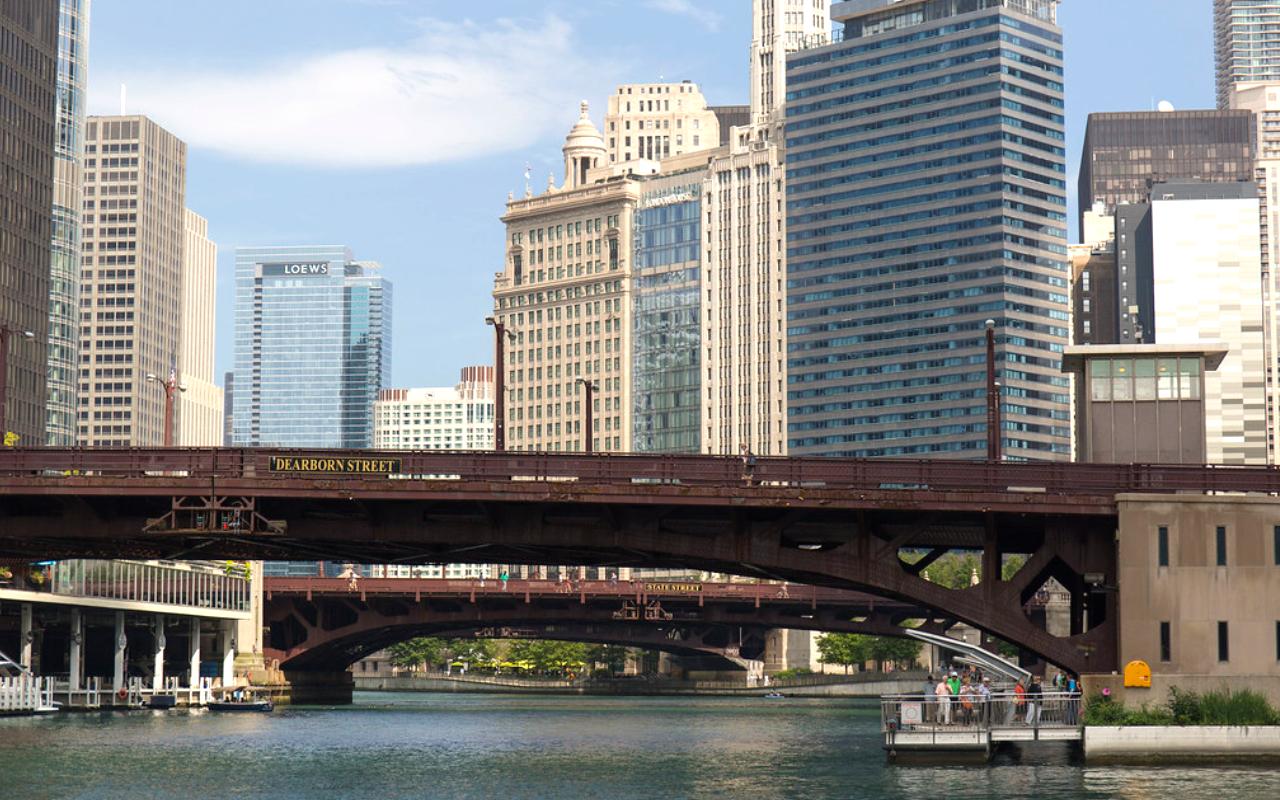
The Riverwalk is where the city feels most livable. It runs along the south bank of the river through the central core, with architecture on both sides and a constant flow of walkers, paddlers, diners, and sightseers.
Official guides describe it as a waterfront park space and pedestrian trail, and that is exactly how it feels in practice: part promenade, part viewing platform, part casual social scene.
The route stretches about 1.25 miles, includes restaurants and concessions in season, and gives easy access to tours, kayak rentals, and a long list of photo angles. If you only have a short city visit, an hour here will often show you more of Chicago’s character than an hour in a car.
Magnificent Mile
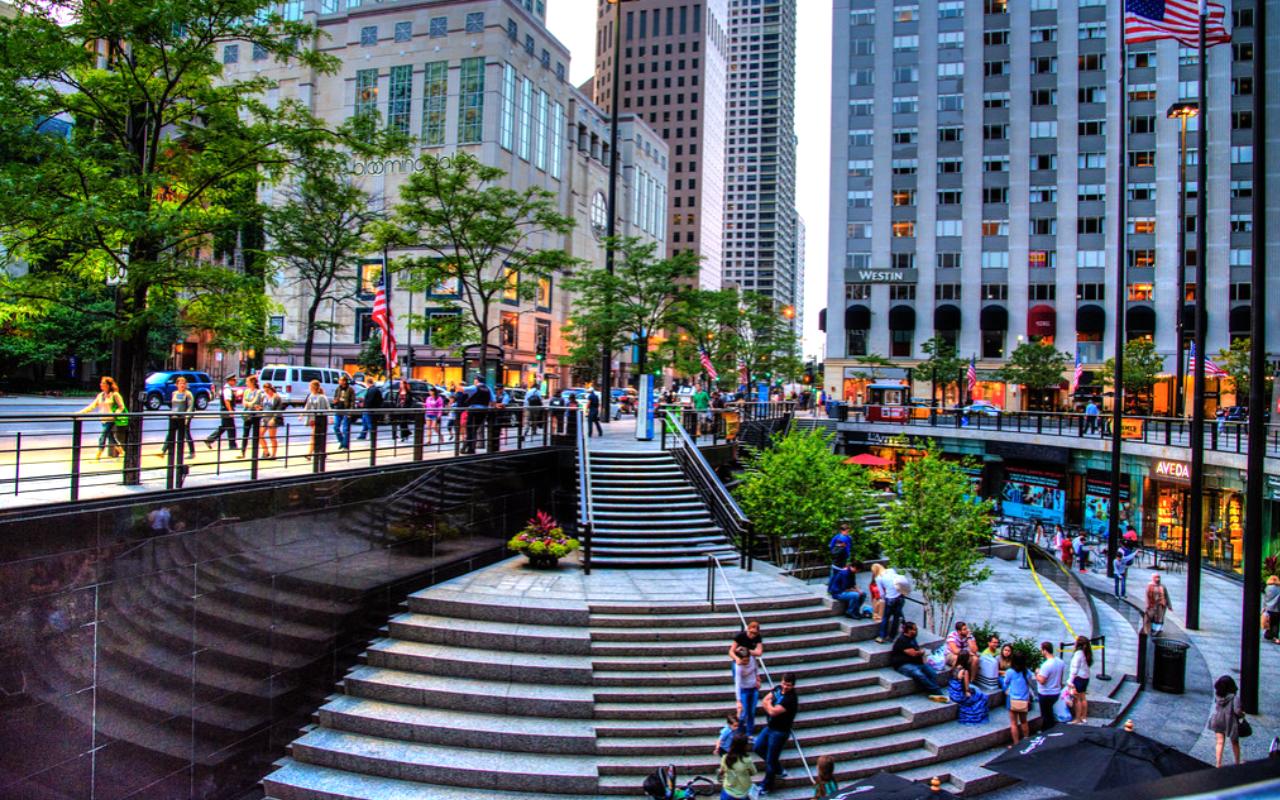
Magnificent Mile
When travelers picture classic Chicago shopping and polished urban energy, they usually mean this stretch of Michigan Avenue. The district mixes major retail, hotels, restaurants, and nearby attractions in a format that works just as well for window-shopping as for a full afternoon out.
Official tourism pages frame it as one of the world’s iconic shopping districts, but it is more useful to think of it as a central spine for visitors.
You can stop in for lunch, browse stores, duck into nearby museums or observation decks, and keep moving toward the river or lake. Even if you are not on a shopping trip, the Magnificent Mile remains one of the easiest places to absorb the city’s big-city buzz.
Lincoln Park Zoo
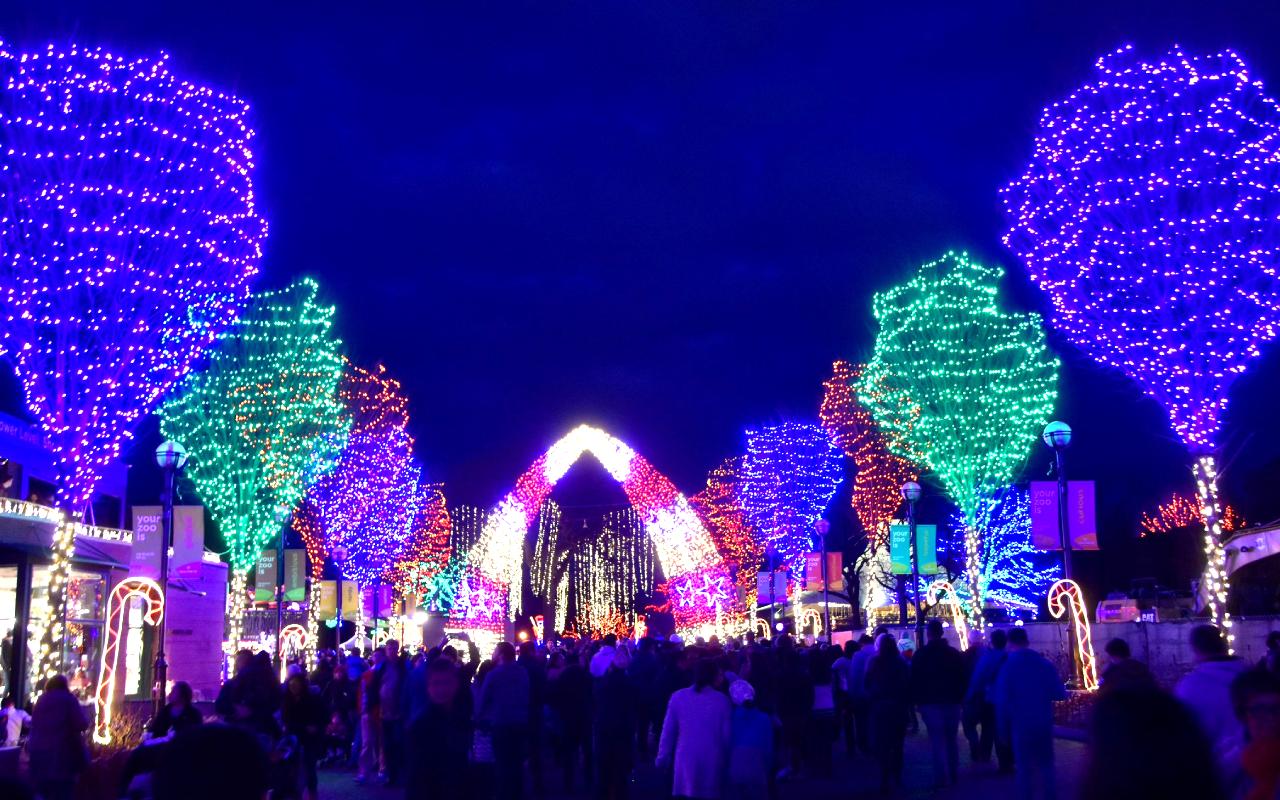
Chicago has many expensive temptations, which is part of what makes this stop so refreshing. The zoo is open every day of the year and entry is always free, making it one of the best-value attractions in the city. It is also well placed inside a larger park area, so even travelers who are not especially zoo-focused can pair it with a longer walk, a beach visit, or neighborhood time.
Families love it for obvious reasons, but adults do too because it gives you a lower-pressure break from skyscrapers and ticket lines. If you are building a smart, balanced itinerary, Lincoln Park Zoo is exactly the kind of stop that keeps the trip fun instead of exhausting.
360 CHICAGO Observation Deck
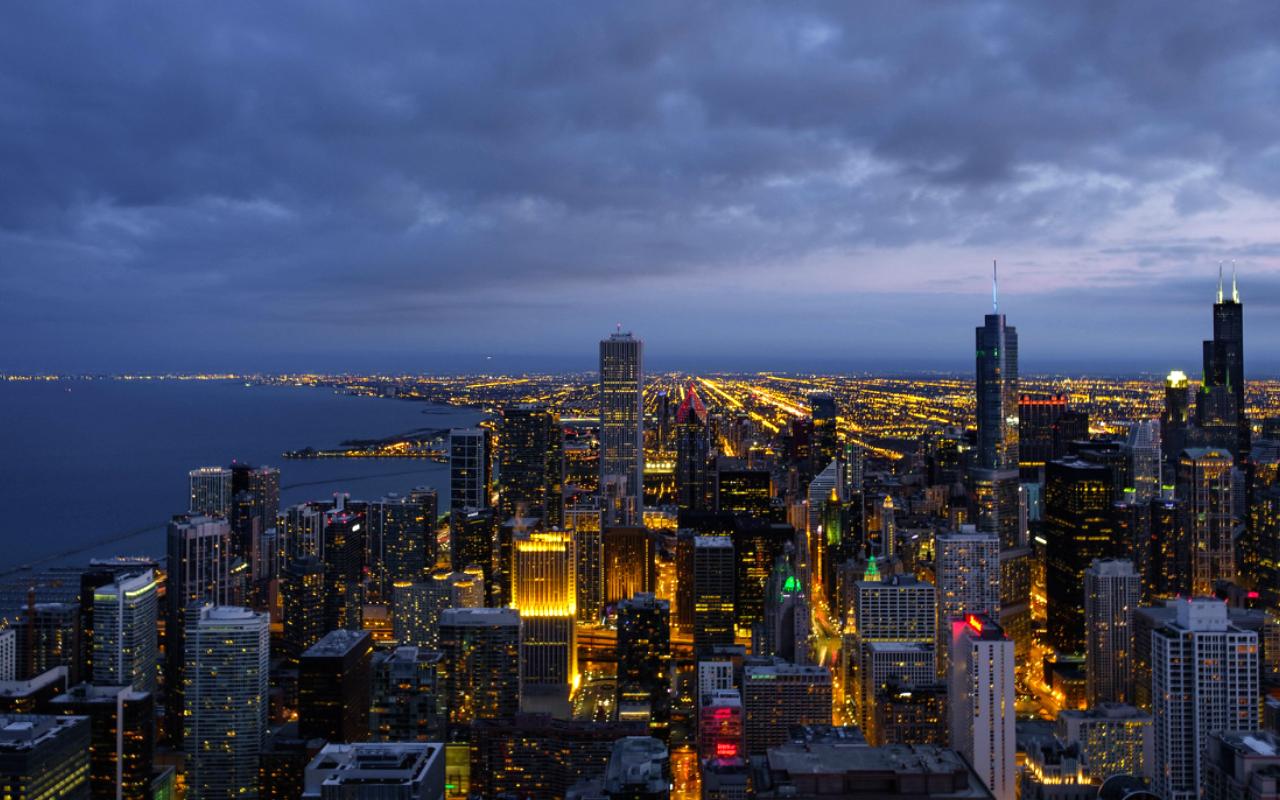
360 CHICAGO
This deck gives you a different kind of skyline experience than Skydeck. Instead of the glass-box thrill of standing off a tower, you get sweeping views from 1,030 feet above the Magnificent Mile, plus a strong look east toward the lake.
That makes this deck especially good for travelers who care as much about the waterline and shoreline context as the skyline itself. The signature thrill add-on is TILT, which angles visitors outward over the avenue below.
The deck also includes a bar space, so the whole experience can feel more lounge-like and less conveyor-belt tourist attraction than some other towers. Pick this one if you want grand views with a little more breathing room and a stronger lake-and-city perspective.
Griffin Museum of Science and Industry
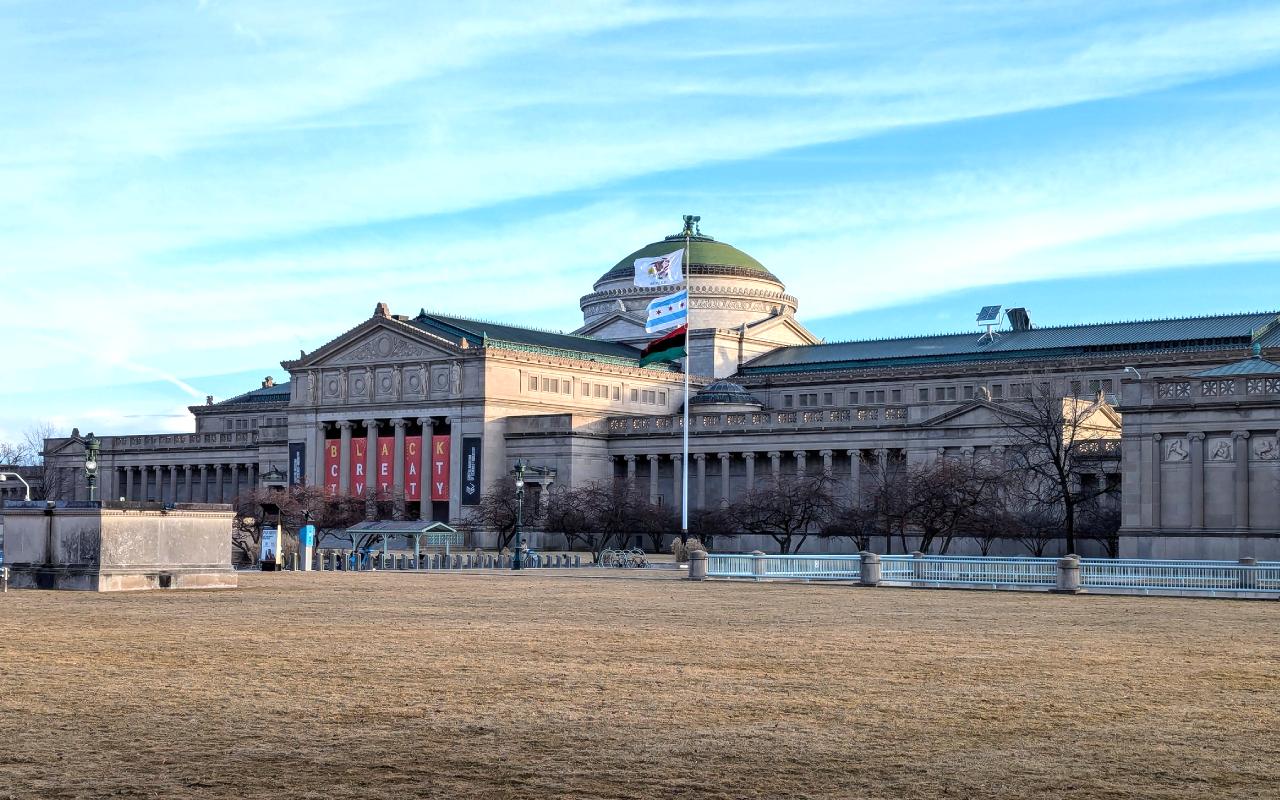
Griffin Museum of Science and Industry
This museum stands out because it truly rewards curiosity at any age. Official materials emphasize hands-on, award-winning experiences, and that is the right way to think about it. You do not just look at science here. You move through it.
The museum’s signature draws include the U-505 Submarine, the Blue Paradox exhibition, the Giant Dome Theater, and guided experiences that range from underground mines to deep-space themes. The scale helps too.
This is not a quick museum stop. It is the kind of place that can fill half a day or more if you like immersive exhibits. For travelers with kids, teens, or anyone who prefers interactive spaces over static galleries, it is a standout.
Buckingham Fountain
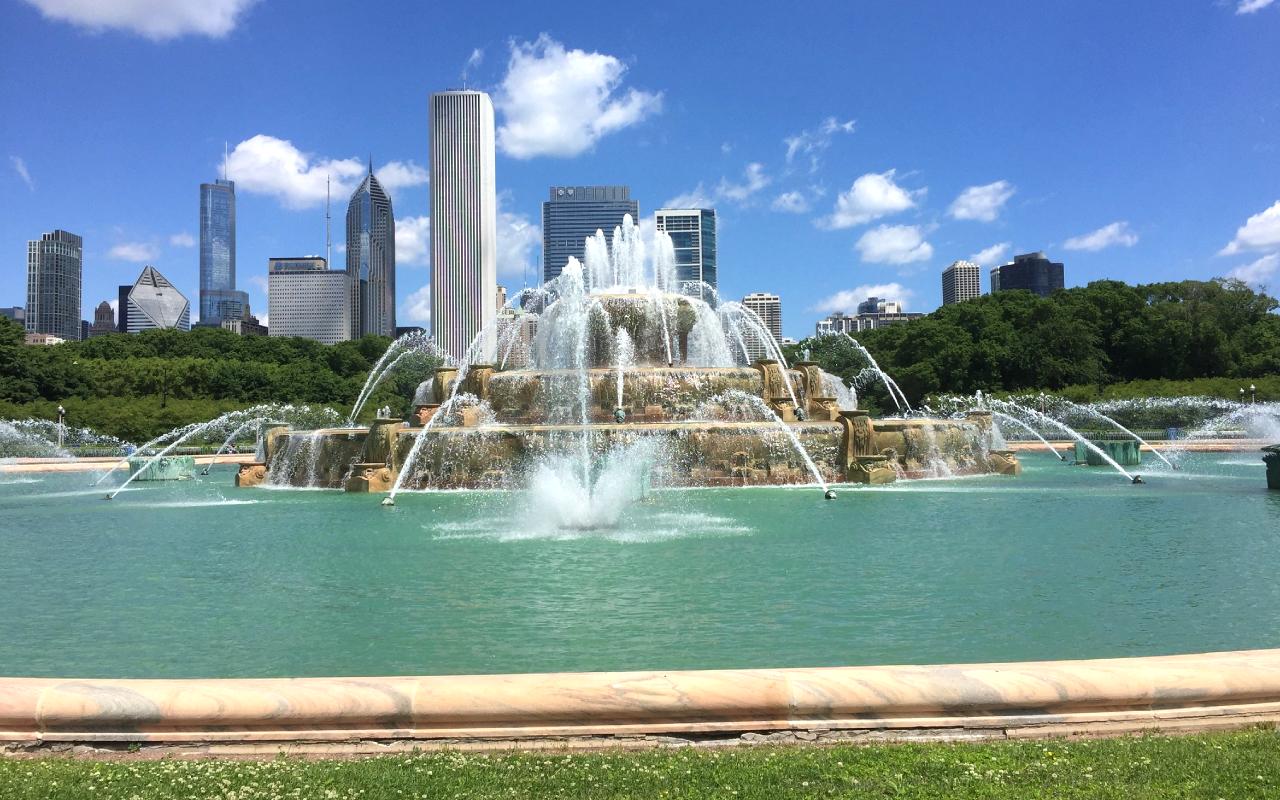
Buckingham Fountain
Some landmarks make sense as short stops, and this is one of the best. The fountain remains one of the largest in the world and anchors one of the city’s most photographed downtown settings. In the warmer season, the hourly water displays and evening light-and-music shows give the space a real spectacle without requiring much planning.
It is easy to pair with Millennium Park, the lakefront, or Museum Campus, which makes it ideal for the middle of an active day when you want a strong view and a classic photo without committing to a full attraction. If you visit between early May and mid-October, it is one of the simplest ways to add a genuinely iconic Chicago scene to your route.
Food Experiences You Should Not Miss
Chicago food is not just something you work around between attractions. It is one of the attractions. Official tourism guides tie the city’s culinary range directly to immigration and neighborhood history, which explains why the signature dishes feel both iconic and personal.
The best things to do in Chicago should absolutely include eating like you are here for the city, not just passing through it.
Deep-dish pizza
Deep dish is still the dish visitors most strongly associate with Chicago, and there is a reason it survives all the debates. It is not simply pizza served in a deeper pan. The defining features are the tall buttery walls, the heavy layer of cheese, and the tomato sauce on top.
Choose Chicago notes that a pizzeria long credited with serving one of the earliest versions has been doing so since 1943, which tells you how deeply the style sits in the city’s public imagination. The trick for visitors is not to treat it like a slice on the go. Plan for it as a meal, give it time, and split one if you want room for more exploring afterward.
Chicago-style hot dog
If deep dish is the heavyweight, the Chicago dog is the city’s fastest edible identity check. An all-beef frank in a poppy seed bun gets loaded with mustard, chopped onions, bright relish, pickle, tomato, sport peppers, and celery salt. The official tourism line that “no ketchup is allowed” gets repeated so often because it really is part of the local mythology now.
More practically, the Chicago dog works because it gives you a cheap, fast, unmistakably local meal between museum stops and neighborhood walks. You do not need a formal sit-down plan for this one. In fact, the best version of the experience may be grabbing one from a classic stand and moving on with your day.
Italian beef sandwich
Italian beef carries more history than many visitors realize. Choose Chicago traces it to the city’s Italian immigrant community in the early 1900s, with a disputed but widely repeated origin story centered on thin-sliced beef stewed in its juices and served for large gatherings. What matters for travelers is the texture and mess: juicy meat, a soft roll, and the option to go sweeter or hotter depending on the peppers.
This is the sandwich to order when you want something that feels less polished than deep dish and more rooted in everyday Chicago eating. It also travels well across neighborhoods, which makes it one of the easiest signature foods to work into a busy itinerary.
Food tours and street food
If you want efficiency, food tours do a lot of work for you. Chicago’s official Iconic Foods tour bundles several of the city’s best-known bites into one downtown experience, including deep dish, Italian beef, popcorn, and hot dogs. That makes tours especially useful for first-time visitors who want context along with calories.
Street-food culture matters too, especially when you lean into sausages, beef, and grab-and-go neighborhood stops rather than trying to reserve every meal. The best strategy is to mix one planned food experience with one spontaneous one each day.
Chicago rewards that approach because the city’s classics are strong enough to feel memorable even when eaten quickly between bigger activities.
Best neighborhoods for food
For a visitor choosing just two dining neighborhoods, start with the West Loop and River North. The first has the warehouse-to-restaurant-district energy that defines a lot of modern Chicago dining, with nearby Fulton Market acting as an especially dense cluster of bars, markets, and destination meals.
The second brings art-gallery energy by day and full nightlife momentum after dark, making it a practical place to pair dinner with cocktails or live music. Neither neighborhood needs much explanation once you arrive. Walk a few blocks, scan menus, and you will understand why both areas show up so often in first-timer recommendations.
Hidden Gems
Garfield Park Conservatory
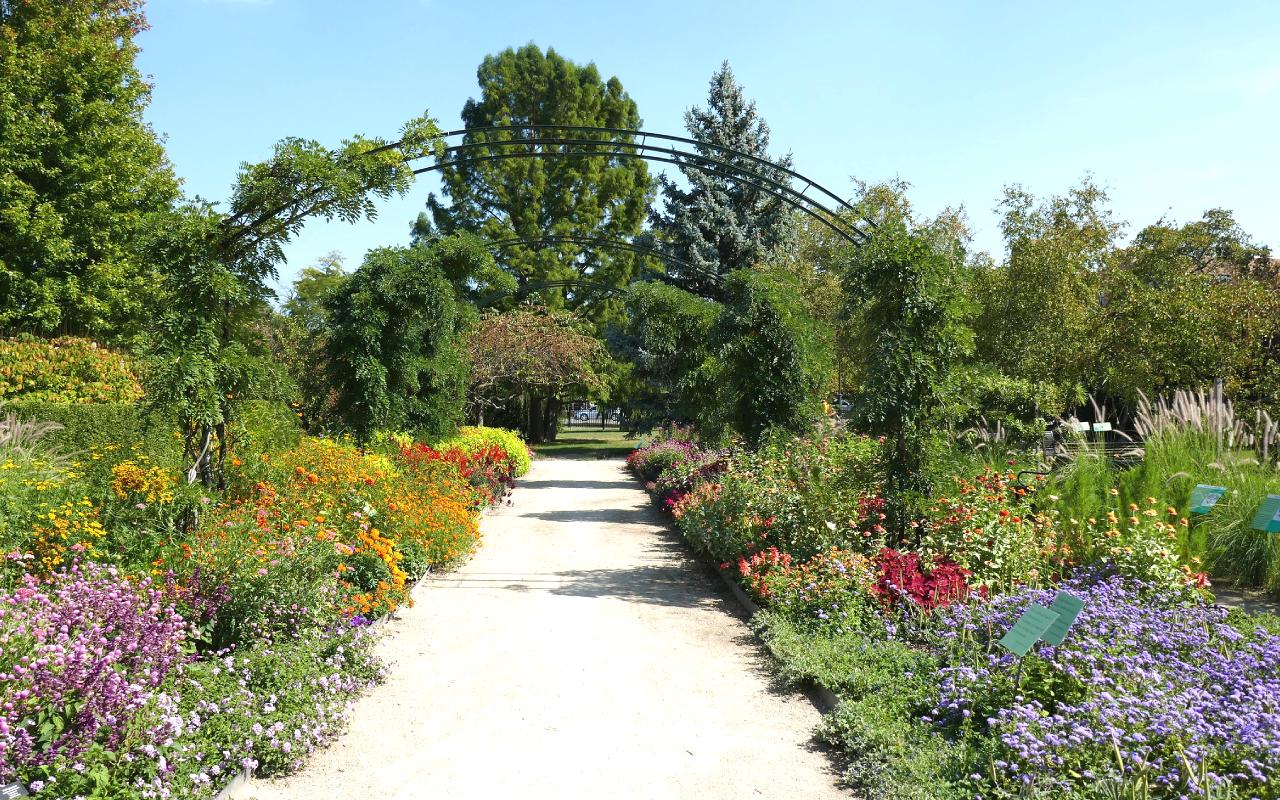
Garfield Park Conservatory
This is one of the best hidden-gem answers in the city because it feels like a dramatic change of climate and pace without leaving Chicago. Official park materials call it one of the largest and most stunning conservatories in the nation, and the phrase “landscape art under glass” fits.
Inside, you move through warm rooms filled with thousands of plant species, which makes the conservatory especially good on cold, gray, or rainy days. It also delivers far more visual payoff than many visitors expect from a botanical stop. If your itinerary feels overly skyline-heavy, this is the easiest way to rebalance it with color, humidity, and calm.
The 606

The 606, Chicago
The 606 is what happens when a city reuses infrastructure well. What used to be an abandoned rail line is now a 2.7-mile elevated multi-use trail and park that functions as a recreation corridor, art route, and neighborhood connector all at once. It is especially good for travelers who like seeing cities at a more local pace.
Instead of checking off monuments, you get to watch daily life move around you while walking, jogging, or biking through residential stretches of the Northwest Side. For visitors who have already done the river and the central lakefront, this is one of the smartest second-day or third-day additions.
Promontory Point

Promontory Point
If you want a quieter skyline view, go south. Promontory Point sits within Burnham Park and gives you a different relationship to the city than downtown viewpoints do. The park district describes it as a naturalistic landscape feature, while local guides emphasize the sweeping lakefront outlook. That combination is why it works so well.
You come for the view, but you stay because the place feels rooted and a little removed from the usual visitor circulation. It is especially good at golden hour, when the skyline starts to glow, and the lake feels huge. For couples, photographers, and repeat visitors, this is one of the best low-stress scenic stops in Chicago.
Chinatown
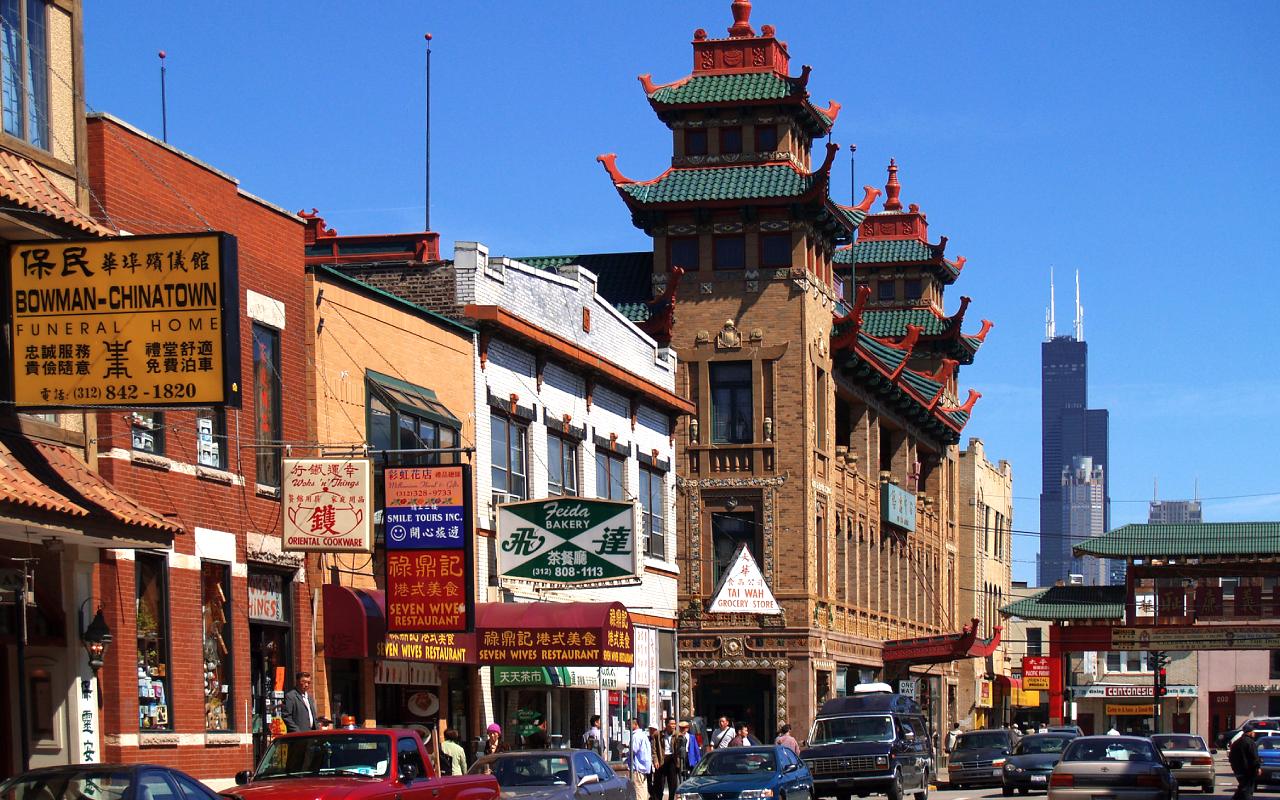
Chinatown
Chicago’s Chinatown is easy to reach from downtown and instantly worth the detour. Choose Chicago describes it as one of the city’s most unique neighborhoods, and that is the key point for travelers: it feels distinct rather than ornamental.
Come here for a meal, stay for the bakeries, groceries, shops, murals, and neighborhood texture that make the area bigger than a single lunch reservation.
It also pairs well with Ping Tom Memorial Park, so you can turn the visit into a fuller South Side outing instead of a single meal run. If you want one neighborhood experience that clearly broadens a first trip, Chinatown is a strong contender.
Ping Tom Memorial Park
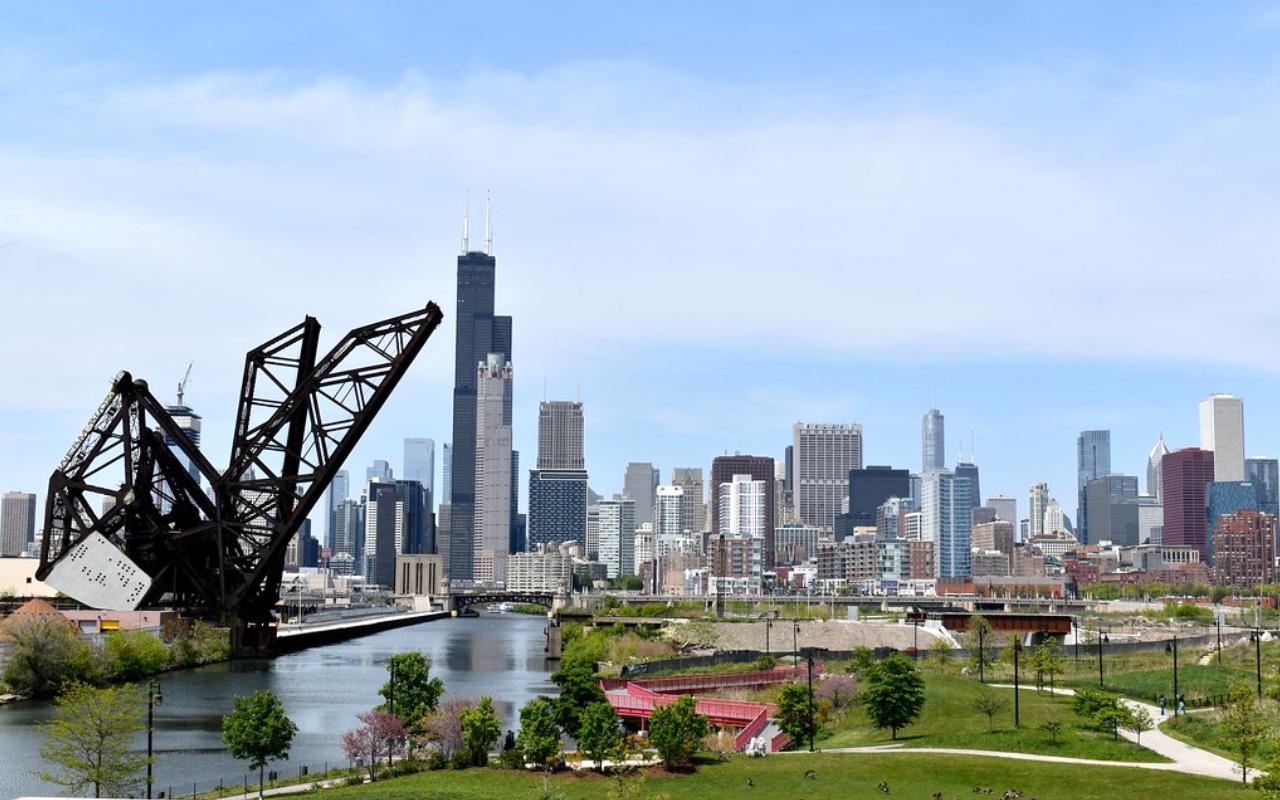
Ping Tom Memorial Park
This park brings together river views, Chinese landscape design, a playground, and skyline perspective in a way that still feels unknown to many visitors. Official park information notes its transformation from a former rail yard to green space along the South Branch of the river, and that history explains why the views feel so unexpectedly open.
It is a particularly good stop after a meal in Chinatown because it gives you room to walk, sit, and see a less-celebrated piece of the city’s waterfront story. When travelers say they want hidden gems, they usually mean exactly this kind of place: scenic, easy to combine with another neighborhood, and memorable without being crowded.
Best Things to Do in Chicago with Kids and for Couples
Best Things to Do in Chicago with Kids
For families visiting Chicago, there are plenty of the best things to do in Chicago with kids, such as exploring the Shedd Aquarium, the Lincoln Park Zoo, and the Chicago Children’s Museum. Each offers interactive exhibits, animal encounters, and family-friendly activities that will keep everyone entertained.
Shedd Aquarium
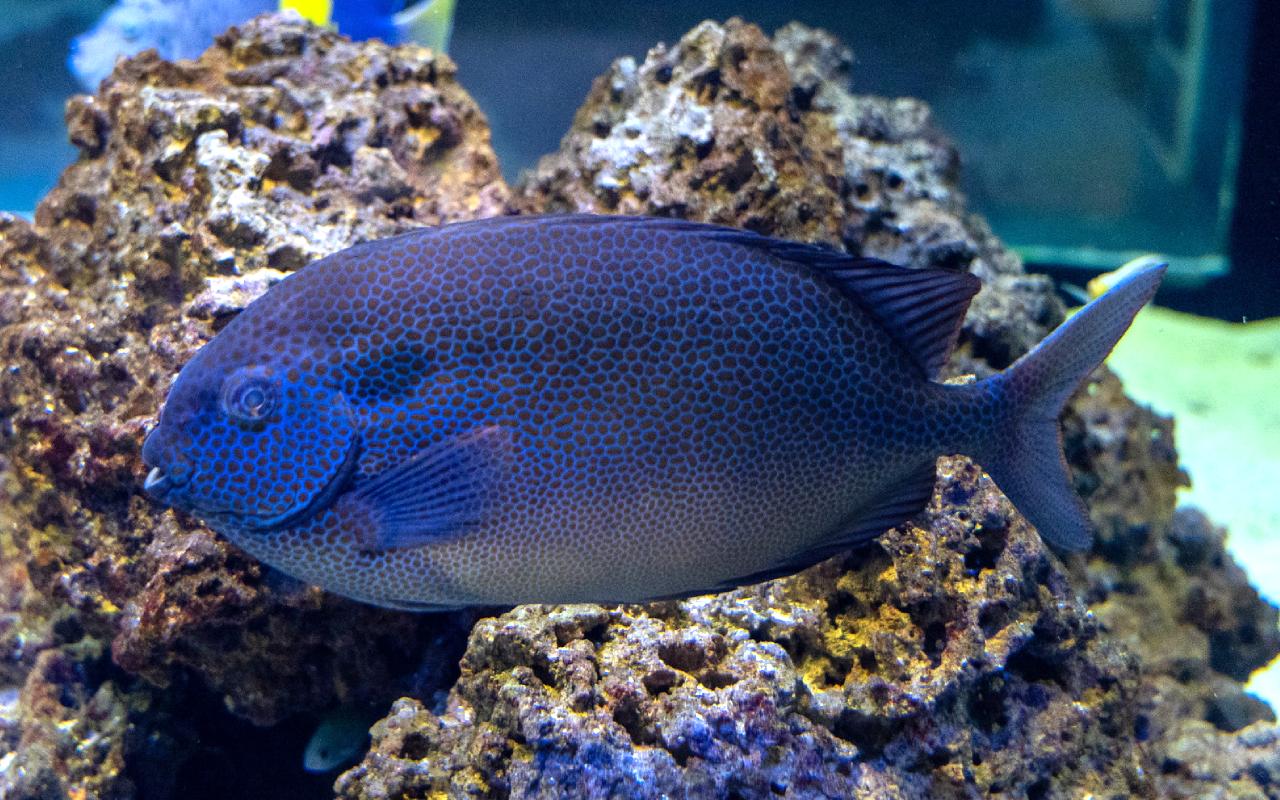
Shedd Aquarium
For families, the aquarium is one of the safest bets in the city. Official exhibits range from local Great Lakes life to Amazon habitats and reef environments, which makes the visit feel varied even for adults.
It is also easy to understand and visually rewarding, so younger children tend to stay engaged. If you are traveling with a mix of ages, Shedd works because it combines motion, color, and big-animal appeal without demanding much setup from the visitor.
Field Museum
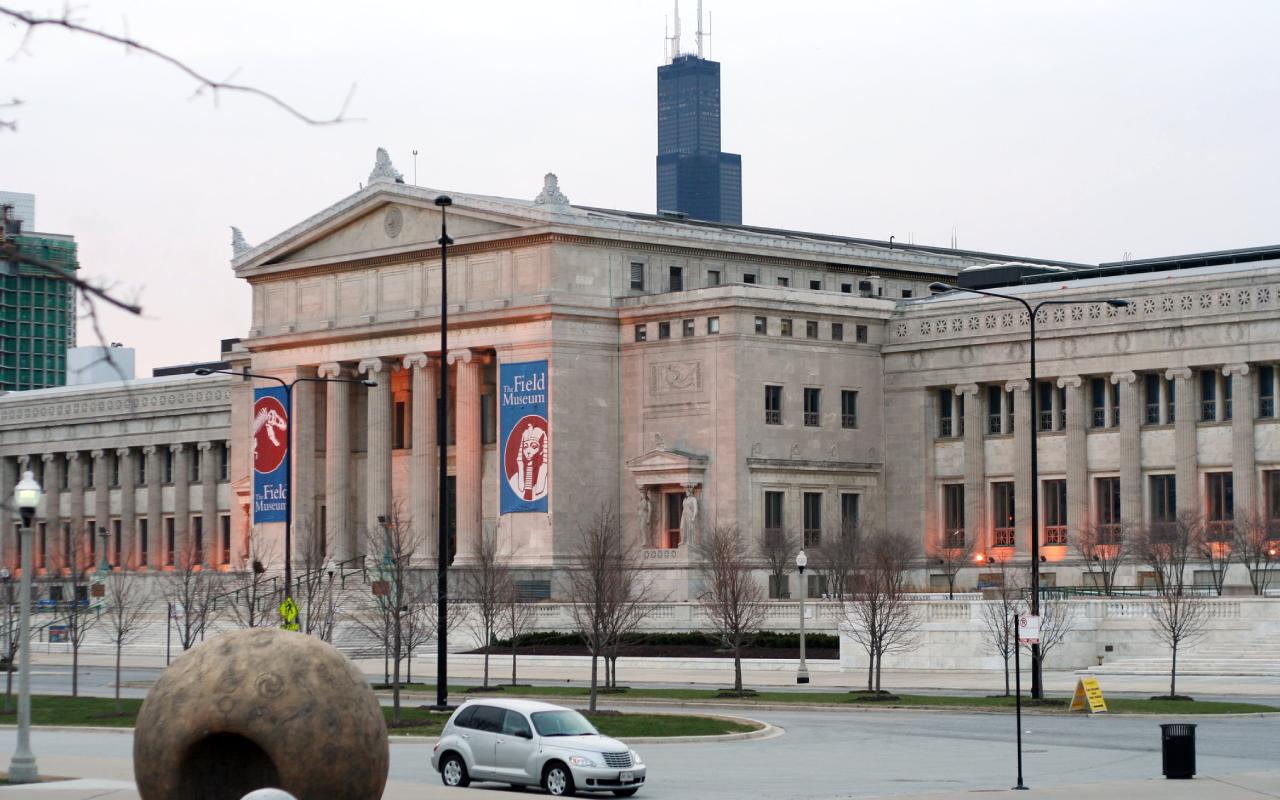
Field Museum
The museum gives kids scale in the best way. You walk in and immediately feel like the city is offering a full natural history universe rather than a small family exhibit wing.
Major draws include giant dinosaur material such as Máximo the Titanosaur, along with broader science and culture galleries. It is a great rainy-day anchor because children can move between dinosaurs, ancient history, and changing exhibitions without the visit feeling static.
Chicago Children’s Museum
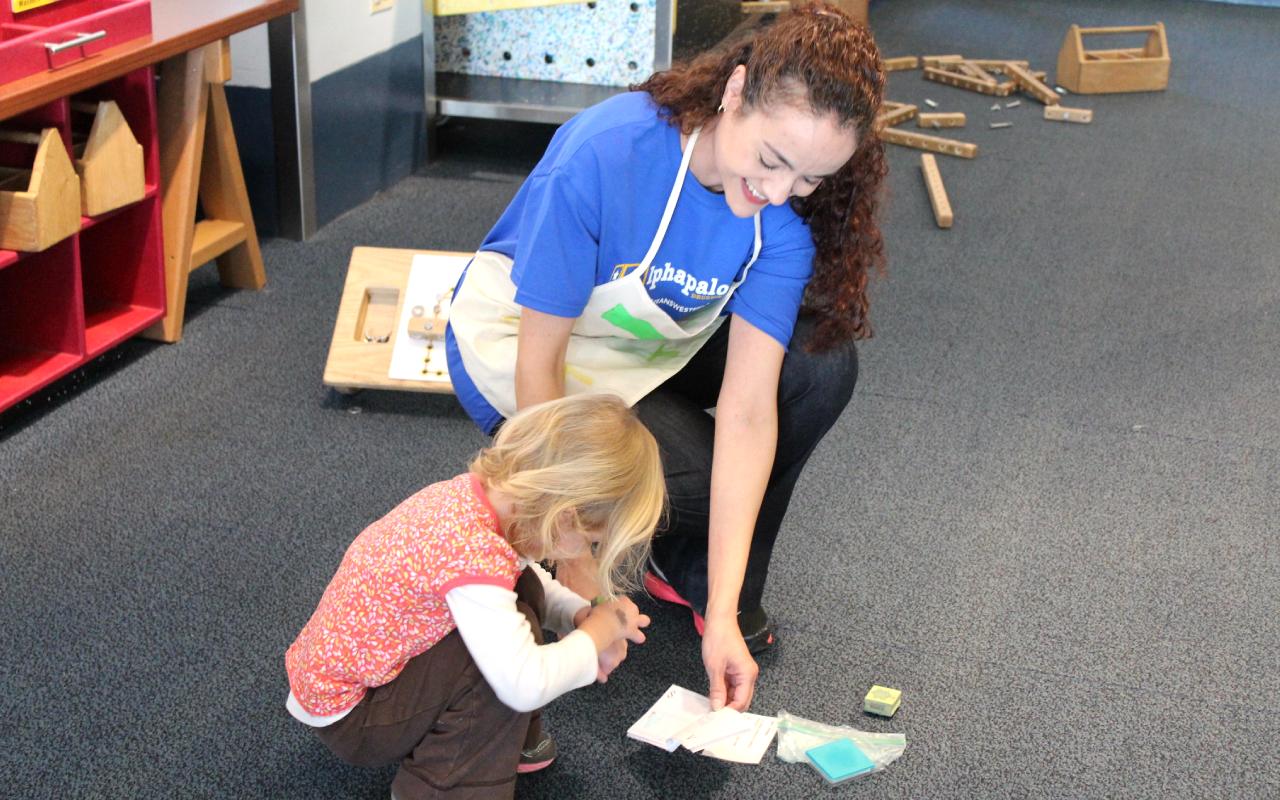
Chicago Children’s Museum
This is the most play-forward museum option in the city. Official materials emphasize hands-on environments where kids can build, splash, climb, make art, and role-play everything from firefighters to shopkeepers.
Because it sits at Navy Pier, it also fits neatly into a bigger family day with rides, lake views, and food close by. For younger kids in particular, this is often the stop that feels least like “museum time” and most like pure discovery.
Maggie Daley Park
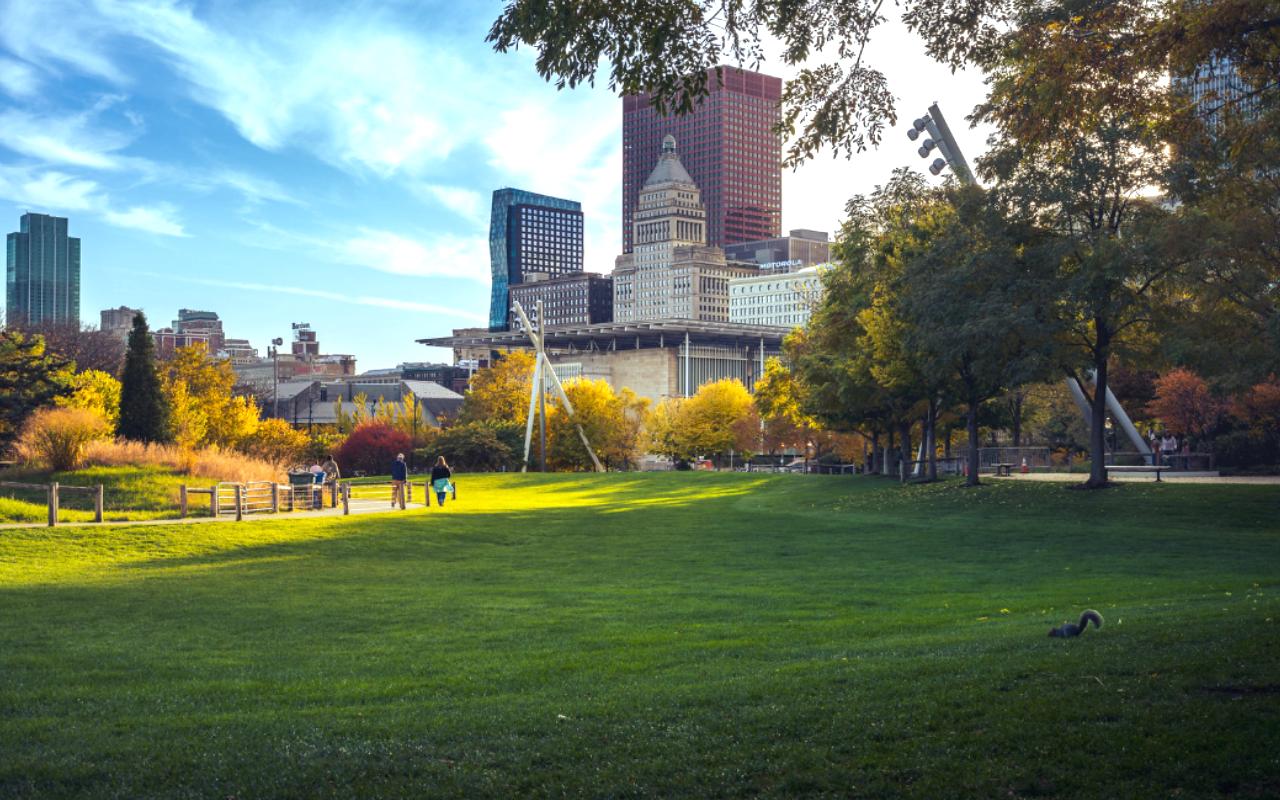
Maggie Daley Park
This park gives families a downtown outdoor option that actually feels designed for play. The skating ribbon is the signature feature, but the broader appeal comes from how much is packed into one place: play areas, mini golf, seasonal rentals, and a climbing zone that makes it more active than a standard city park. If the weather is good and your group needs to burn energy after museums, this is one of the smartest places to go.
Boat rides and parks around the Museum Campus
Museum Campus is a strong family zone because it lets you stack attractions instead of repeatedly reloading the day. Official family guides specifically recommend boat rides to the area, and the museum cluster means you can keep the outing flexible.
If attention spans dip, shift from indoor exhibits to the paths, lake views, and open lawns outside. That flexibility makes the area especially useful for multigenerational groups.
Seasonal family activities along the Lakefront Trail
The lakefront is a family asset year-round. In spring and summer, tourism pages highlight biking, boating, and beaches. In winter, the city shifts toward skating, lights, and other cold-weather experiences.
That makes the family itinerary easy to adapt by season: beaches and rides in warm weather, museums and skating rinks in cooler months. The trail itself also gives you a practical way to connect lake-adjacent attractions while keeping kids outdoors.
Best Things to Do in Chicago for Couples
The best things to do in Chicago for couples lean less on single attractions and more on atmosphere. Official couple-focused guides push the city as a place for candlelit dinners, fireworks cruises, date-night entertainment, and waterfront meals, and that framing feels right.
Chicago is especially strong when you plan around evening transitions: daylight on the lake, dinner in a lively neighborhood, then music or skyline views after dark.
Sunset at Navy Pier
Navy Pier changes character in the evening. During the day, it is full-on family waterfront energy. Around sunset, it becomes one of the easiest scenic date spots in the city because the skyline, open water, and wheel all start working together.
In summer, the fireworks schedule turns a simple walk into a real event. Even if you skip the rides, the lakefront setting makes this one of the simplest romantic add-ons for travelers already staying downtown.
Dinner cruises on the Chicago River
A river dinner cruise delivers two things couples usually want at once: a built-in view and very low logistical friction. Choose Chicago’s couples guide explicitly recommends dinner cruises as date-night material, and Chicago’s official sightseeing partners market river dining as a close-up way to experience the architecture.
The result is admittedly touristy, but in a good way. You get a moving skyline, a structured evening, and none of the stress of finding a perfect view table on land.
Rooftop dining experiences
Chicago’s rooftop scene gives couples a more flexible version of the same skyline payoff. Official rooftop guides highlight downtown spots with skyline views, cocktails, and year-round appeal, which makes rooftops especially good for travelers who want a romantic night without committing to a cruise schedule.
Some places skew party-forward, others feel polished and intimate. Either way, rooftops are one of the city’s easiest date-night wins.
Walks along the lakefront
Not every romantic stop needs reservations. The lakefront works because it is spacious, scenic, and easy to personalize. You can treat it as a long walk, a quick golden-hour detour, or the calm part of a larger evening.
The divided pedestrian and bike paths also make the trail more comfortable to use than many mixed-use waterfront routes. If you want the most relaxed version of Chicago for couples, this is it.
Jazz clubs and nightlife
Chicago’s jazz story still informs its nightlife appeal. Official music guides describe a legendary scene with iconic venues, free festivals, and live performances across the city, while nightlife pages frame Chicago as a place that keeps the energy going well after dinner.
For couples, jazz offers a useful middle ground between a formal show and a loud bar. It feels distinctly local, and it pairs naturally with dinner in neighborhoods like River North or the South Loop.
Romantic neighborhoods
For couples who want a neighborhood-led evening, start with Gold Coast for polished streets and upscale dining, then look at River North for nightlife and West Loop for sought-after restaurants.
Official neighborhood pages frame the Gold Coast as a luxury-leaning district with star power, River North as a nightlife-heavy art-and-design area, and West Loop as a restaurant-rich district with strong evening momentum. In practice, that means you can shape the mood you want instead of forcing every romantic plan into the same downtown mold.
Seasonal Guide and Sample Itinerary
Best time to visit
Summer is the city’s loudest and easiest season for first-time visitors. Official event pages call it peak festival season, and the case for visiting then is obvious: beaches open from Memorial Day through Labor Day, music and neighborhood events stack up nearly every weekend, and Navy Pier fireworks run through late spring and summer. If you want Chicago at full volume, this is the season.
Winter wins on atmosphere rather than convenience. The city leans into skating, winter programming, museum-going, and cozy nights out, while holiday attractions such as Christkindlmarket add seasonal texture. Official guides emphasize that Chicago does not shut down in cold weather. It pivots. If you like cities that feel cinematic in winter, Chicago can be a great off-peak choice.
Spring and fall are often the smartest compromise seasons. Spring brings blooming lakefront paths, returning boat tours, and climbing event calendars. Fall brings cooler walks, strong cultural weekends, and comfortable sightseeing weather that suits museum-and-neighborhood-heavy trips. For many travelers, these shoulder seasons make the best things to do in Chicago easier to enjoy because you get a range without peak-summer crowds.
For travelers planning around specific events in 2026, several official dates already stand out. The Chicago Blues Festival runs June 4 through June 7, the Grant Park Music Festival runs June 10 through August 15, the Millennium Park Summer Film Series runs July 1 through August 19, and the Chicago Jazz Festival is scheduled for September 3 through September 6. Those events alone can shape a great trip window if live music or public outdoor culture matters to you.
Sample three-day Chicago itinerary
Day one works best downtown. Start at Millennium Park and Cloud Gate before the area gets busiest, then move south to the Art Institute for a serious museum block. Break for lunch and continue toward the Riverwalk for an afternoon architectural stroll or boat tour.
If you still have energy, finish with either Skydeck or 360 CHICAGO, depending on whether you want the bigger thrill or the stronger lake view. Dinner can be deep dish if you are willing to make it the day’s main meal.
Day two is ideal for museums and the waterfront. Head to Museum Campus early and choose one major science-focused stop as your anchor, with Shedd Aquarium or the Field Museum usually making the most sense for first-timers.
If you are traveling with kids, add Maggie Daley Park later in the day. If you are traveling as a couple, pivot toward Navy Pier for sunset, a wheel ride, or a dinner cruise. This structure works because it keeps the day clustered around the lakefront instead of bouncing across the city.
Day three is the day to leave the obvious center behind. Start with one hidden-gem choice that matches your mood: Garfield Park Conservatory for calm, the 606 for movement, or Chinatown for food and neighborhood texture.
If you choose Chinatown, keep walking into Ping Tom Memorial Park. If you want one final skyline-heavy moment, close the trip with Promontory Point or a return to the central lakefront. This last day often becomes the most memorable because it gives the trip a version of Chicago that feels lived-in instead of purely iconic.
Travel Tips
Getting around
Chicago is easier without a car than many U.S. cities. The Chicago Transit Authority says it can get visitors just about anywhere in the city and 35 surrounding communities, with direct rail links from both major airports into town.
The official visitor guidance also points travelers toward one-, three-, and seven-day passes through the Ventra app, which is often the simplest option for a short stay. If you are arriving through O’Hare, the Blue Line runs directly downtown in about 40 minutes. Midway’s Orange Line takes about 25 minutes.
Budget tips
You can trim costs fast by leaning into Chicago’s excellent free layer. Millennium Park, the Riverwalk, Lincoln Park Zoo, large chunks of the lakefront, and many city festivals cost nothing to enter.
The Chicago Cultural Center also offers free events, performances, and exhibitions year-round. That means you can reserve your paid budget for one observation deck, one major museum, and one signature meal instead of paying admission all day long.
Where to stay
For a first trip, the easiest base is the downtown core or nearby visitor-heavy districts such as River North and the Magnificent Mile. Those areas put you close to architecture cruises, shopping, museums, nightlife, and transit without forcing long daily travel times.
If Navy Pier and the lakefront matter more, a hotel closer to that eastern side of downtown also works well. The broad rule is simple: stay central on your first visit, then go neighborhood-specific on the return trip.
Safety and pacing
Chicago rewards travelers who plan by district. Keep one day focused on downtown, another on Museum Campus and the lakefront, and a third on neighborhoods.
Use transit maps and real-time service alerts, and if you are tired late at night, switch to rideshare instead of turning good intentions into an overlong transit puzzle. The city feels best when you are not constantly crossing it end to end.
Walking and water transit
Do not underestimate how much sightseeing you can do on foot in the center. The Riverwalk, Millennium Park, the Art Institute, and parts of the Magnificent Mile knit together well.
When you want variety with less effort, water taxis offer a scenic alternative and connect major visitor zones including Chinatown, Michigan Avenue, Union Station, Willis Tower, and Navy Pier. That mix of walking and water transit is one of Chicago’s underrated trip-planning advantages.
FAQs and Final Take
What is Chicago best known for?
Architecture, a dramatic river-and-lake skyline, major museums, neighborhood diversity, and signature foods like deep dish, hot dogs, and Italian beef.
How many days are enough for a first trip?
Three to four days is the most practical first-trip range for downtown highlights, Museum Campus, and one or two neighborhoods.
Is Chicago expensive for tourists?
It can be, but the city has strong free options, including Millennium Park, the Riverwalk, Lincoln Park Zoo, and many festivals.
What food should I try first?
Deep-dish pizza, a Chicago-style hot dog, and an Italian beef sandwich are the classic starting points.
Is Chicago good for families?
Yes. Official family guides highlight museums, parks, lakefront biking, rides, and hands-on attractions for all ages.
Is Chicago romantic for couples?
Yes. Date-night guides emphasize dinner cruises, candlelit meals, rooftops, fireworks, and neighborhood nightlife.
What is the best time to visit Chicago?
Late spring through early fall is best for most first-timers, but winter is excellent for holiday atmosphere and indoor culture.
Is Navy Pier worth visiting?
Yes, especially for first-timers, families, sunset views, summer fireworks, and boat departures.
Which observation deck is better?
Choose Skydeck for the glass-ledge thrill and 360 CHICAGO for broader lake-and-city panoramas plus TILT.
Can I visit Chicago without renting a car?
Yes. The city is well set up for walking, CTA transit, rideshare, and water taxis.
Are the main attractions close together?
Many of the headline sights cluster in or near downtown, which is why Chicago works so well for long weekends
What are the best free things to do in Chicago?
Millennium Park, the Riverwalk, Lincoln Park Zoo, the lakefront, and the Chicago Cultural Center are strong free bets.
What neighborhood should food lovers prioritize?
West Loop and River North are the easiest classic choices, especially for a first trip.
Is the Art Institute worth it if I only like art a little?
Yes. The museum’s famous works and huge range make it accessible even to casual visitors.
What is the best museum for kids?
Shedd Aquarium and the Field Museum are the easiest all-ages wins, while the Chicago Children’s Museum is strongest for younger children.
When is beach season in Chicago?
Officially, the city’s beaches open around Memorial Day weekend and run through Labor Day weekend.
Are there good winter activities in Chicago?
Yes. Skating, holiday markets, museums, winter cultural events, and cozy nightlife all keep the city active.
What should couples do at night?
Try a river dinner cruise, rooftop drinks, live jazz, or summer fireworks near Navy Pier.
What should families do on a rainy day?
Build a day around Shedd Aquarium, the Field Museum, the Chicago Children’s Museum, or the Griffin Museum of Science and Industry.
What local events are especially strong in 2026?
Standout options include the Chicago Blues Festival, Grant Park Music Festival, Millennium Park Summer Film Series, and Chicago Jazz Festival.
Conclusion
Chicago succeeds as a travel destination because it does not make you choose between classic sightseeing and everyday city life. You can have the skyline, the river cruise, the famous museum, and the pizza, then still end the trip with a conservatory, a neighborhood park, or a quiet South Side lookout that feels like a discovery.
That balance is what makes the best things to do in Chicago so durable. The city serves first-time visitors well because the core attractions are genuinely strong, but it also keeps rewarding people who wander beyond them.
Build your trip around downtown, the lakefront, food, and one or two neighborhoods, and you will understand why Chicago remains one of the easiest American cities to recommend for families, couples, and curious return visitors alike.















-
 0115 Best Easy Treks in Nepal for Beginners and Families
 -
 02Best season for Everest Base Camp Trek
 -
 03Best Time to Go Hiking in Nepal: A Seasonal Guide for Trekkers
 -
 04Suchi Purja –Wife of Nirmal Purja aka Nims Dai
 -
 05Dubai desert safari outfit ideas
 -
 06Top Beaches in Sri Lanka
 -
 0710 Best Easy Treks in Nepal